 Zhaori


Sri Lanka’s Energy Revolution: Why Tilted Axis Trackers?
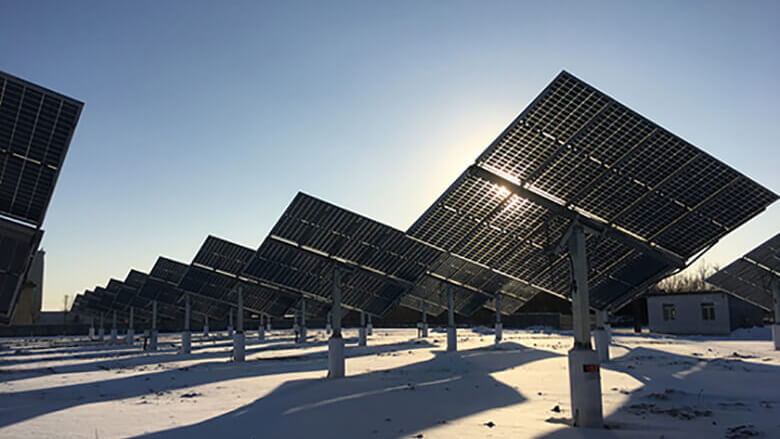
Sri Lanka, located near the equator (6°–10° N), possesses a unique solar profile characterized by high Global Horizontal Irradiance (GHI). However, traditional fixed-tilt systems often fail to capture the full potential of the sun due to the seasonal variations in solar altitude. This is where Tilted Single Axis Trackers (TSAT) become a game-changer for the Sri Lankan energy landscape.
Industrial and Commercial Landscape in Sri Lanka
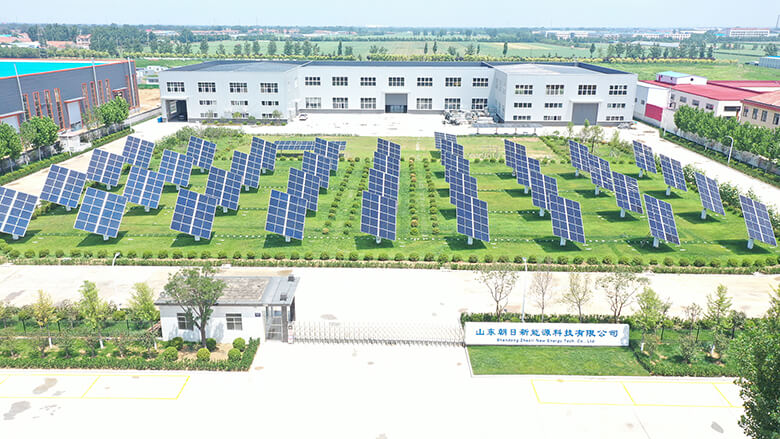
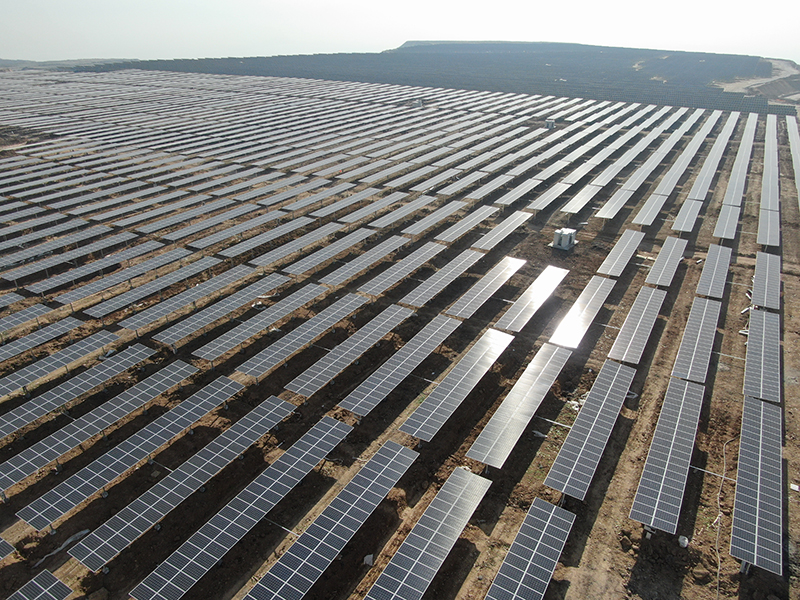
The industrial sector in Sri Lanka—spanning the massive apparel industry in districts like Gampaha and Kurunegala, to the tea and rubber plantations in the hill country—is facing rising electricity costs. The government’s "Soorya Bala Sangramaya" (Battle for Solar Energy) initiative aims to integrate 1,000 MW of solar power. For utility-scale projects and large commercial rooftops, the Tilted Single Axis Tracker provides an Information Gain advantage: it increases energy yield by 15-25% compared to static systems, directly lowering the Levelized Cost of Energy (LCOE).
Local Application Scenarios in the Island
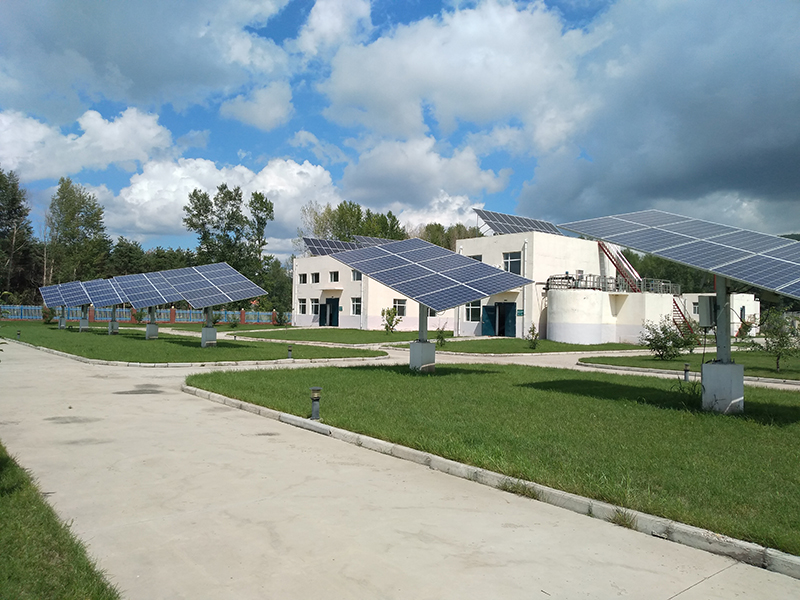
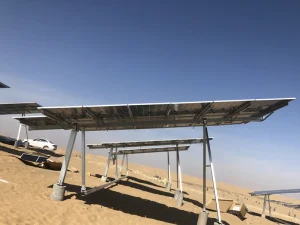
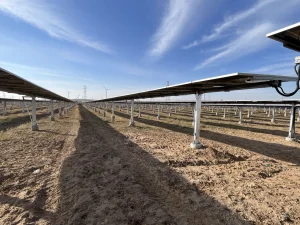
From the arid plains of Hambantota to the coastal regions of Trincomalee, environmental factors like salt mist and high wind loads require robust engineering. Our Tilted Single Axis Trackers are designed with hot-dip galvanized steel and advanced wind-stow algorithms to withstand the monsoon seasons.
- Utility Scale: Massive farms in the North Central Province benefiting from the tilt angle optimization.
- Agri-Voltaics: Tilted trackers provide sufficient ground clearance for secondary crops like ginger or turmeric underneath.
- Industrial Zones: Reducing carbon footprints for export-oriented factories.