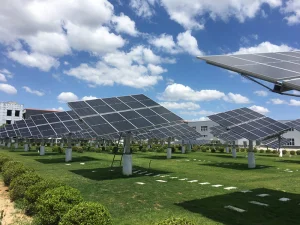
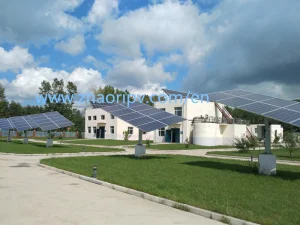
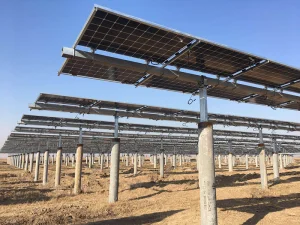
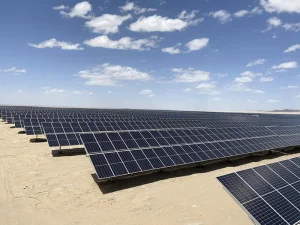
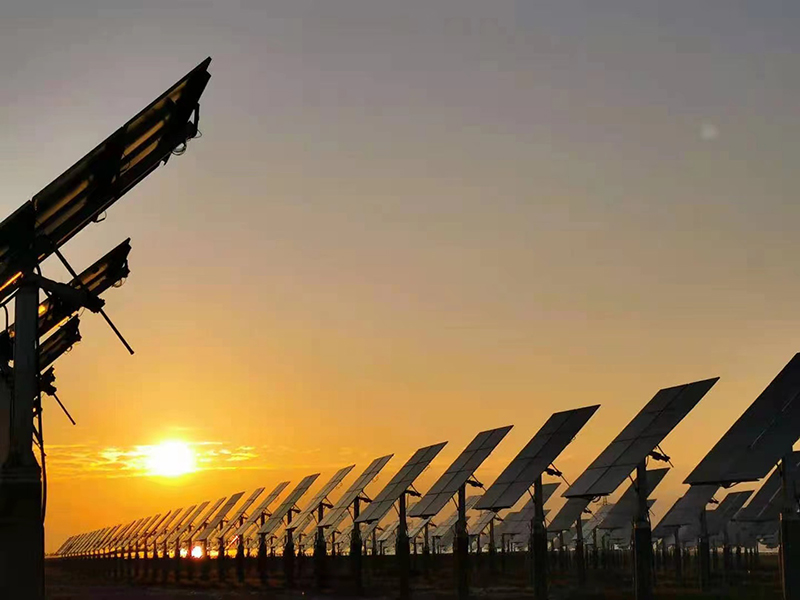
Unlike fixed-tilt or single-axis systems, Dual Axis Solar Trackers follow the sun's azimuth and altitude, increasing energy output by up to 35-45% depending on latitude. This is critical for high-LCOE sensitive regions.
Modern tracking uses astronomical algorithms combined with real-time sensor data to optimize panel positioning, even under diffuse light conditions, ensuring every photon is captured efficiently.
As corporations shift toward Net-Zero goals, the demand for high-efficiency solar infrastructure has spiked. Dual-axis technology provides the density of energy production needed for space-constrained industrial sites.
Founded in June 2012, Shandong Zhaori New Energy Tech. Co., Ltd. is a high-tech pioneer driven by independent intellectual property rights. With over 10 dedicated departments including R&D, Technical Engineering, and Quality Assurance, we house 60+ professional technology experts focused on the cutting edge of PV power stations.
Our team has over 10 years of specialized experience in solar tracking technology, making us a trusted partner for global energy developers seeking reliability and innovation.
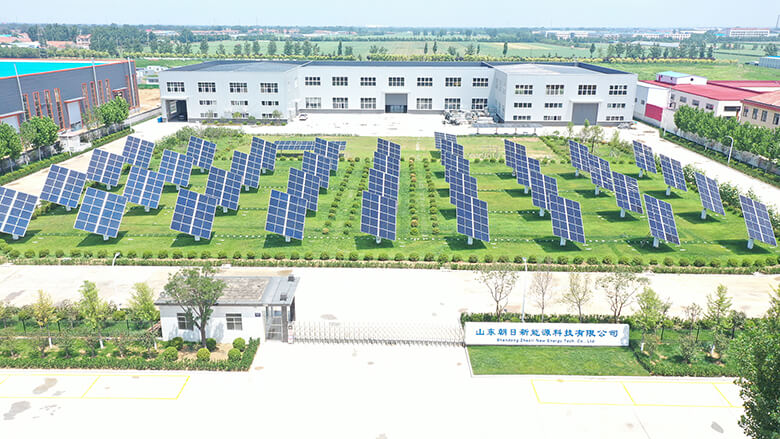
Our factory spans 50,000 square meters, equipped with a suite of high-precision tools: CNC machines, laser cutting systems, and automatic welding robots. With a workforce of 300+ production specialists, we maintain a monthly capacity of 500MW.
Every product undergoes a rigorous lifecycle—from raw material screening to anti-rust treatment and final inspection—adhering strictly to international quality management certifications.
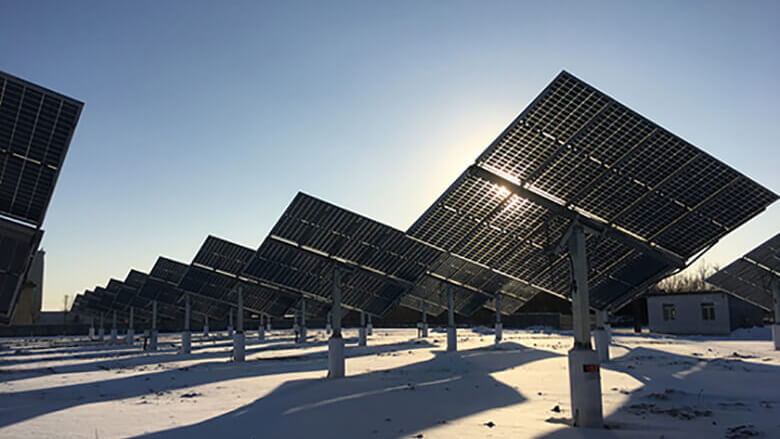
Our R&D department is currently focusing on three primary technological frontiers that will define the next decade of solar energy:
Optimizing backtracking algorithms to maximize rear-side energy gain from ground albedo, a key driver in lowering the Levelized Cost of Energy (LCOE).
Deploying cloud-based monitoring systems that allow project owners to track mechanical health and energy yield from anywhere in the world, reducing on-site maintenance costs.
Engineering trackers to withstand wind speeds of up to 250km/h and heavy snow loads, specifically for the Middle Eastern and Nordic markets.
Our principle is simple: More Simple, More Reliable, and More Effective. We provide customized solutions across the following categories:
The pinnacle of our tracking technology, designed for decades of reliable service in challenging weather.
View Details →10°-30° tilted tracking, offering a 15%-25% generation boost for specific latitude requirements.
View Details →Available in 1P or 2P configurations, providing 15%-30% production gain over fixed systems.
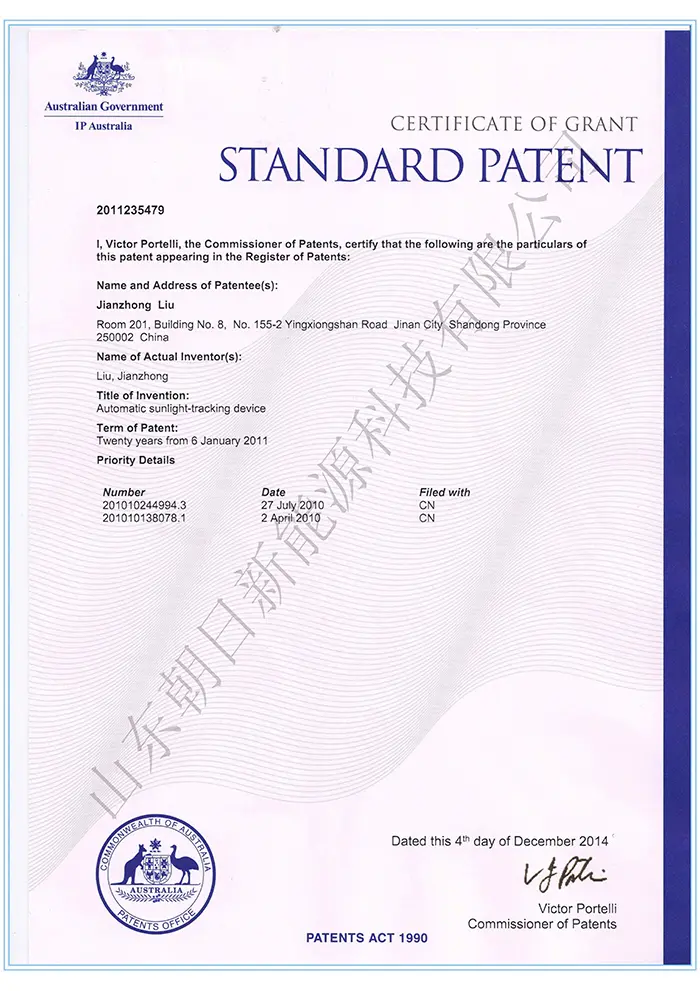
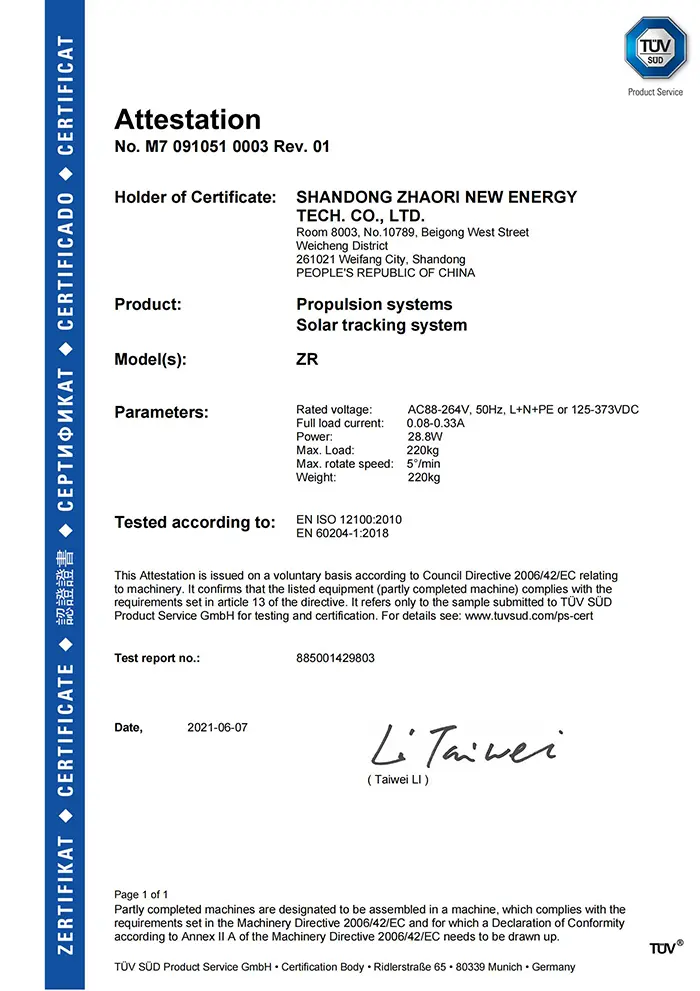
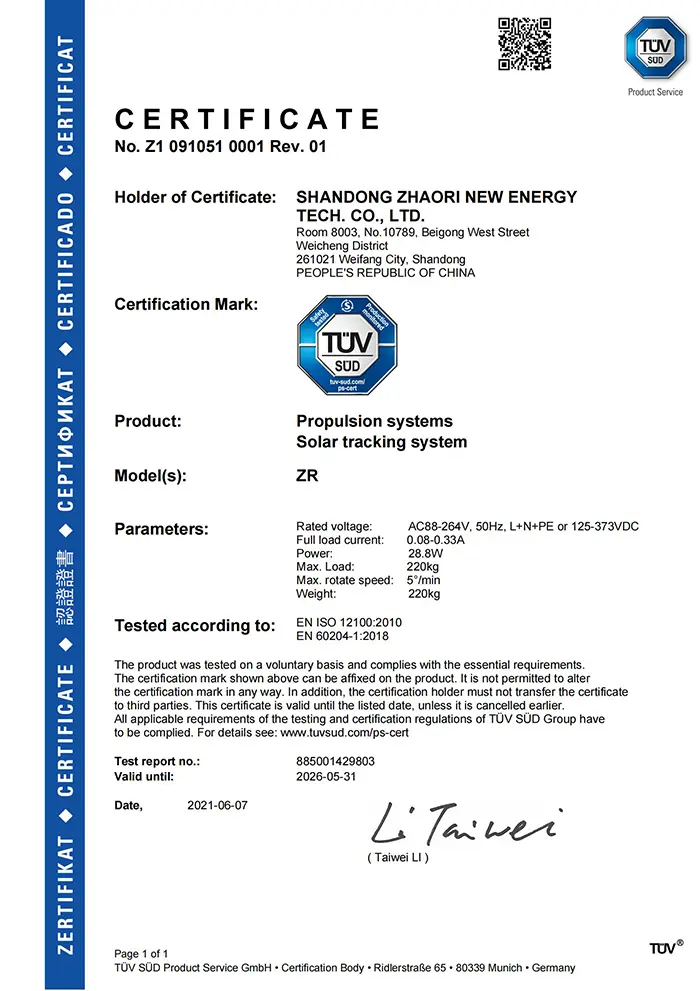
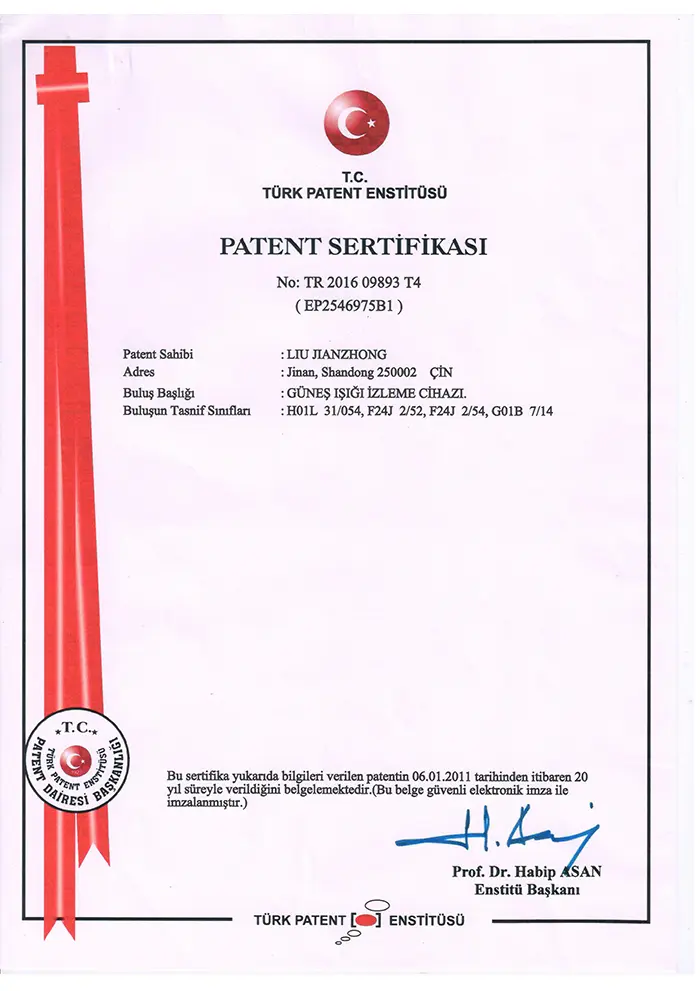
View Details →Our systems have obtained invention patents across Europe, the United States, Canada, Australia, Japan, Korea, Thailand, India, Brazil, and South Africa. With TUV, CE, and ISO certifications, we ensure your project meets local regulatory and safety standards.
5MW Project - North China
Optimized for high-latitude solar trajectory.
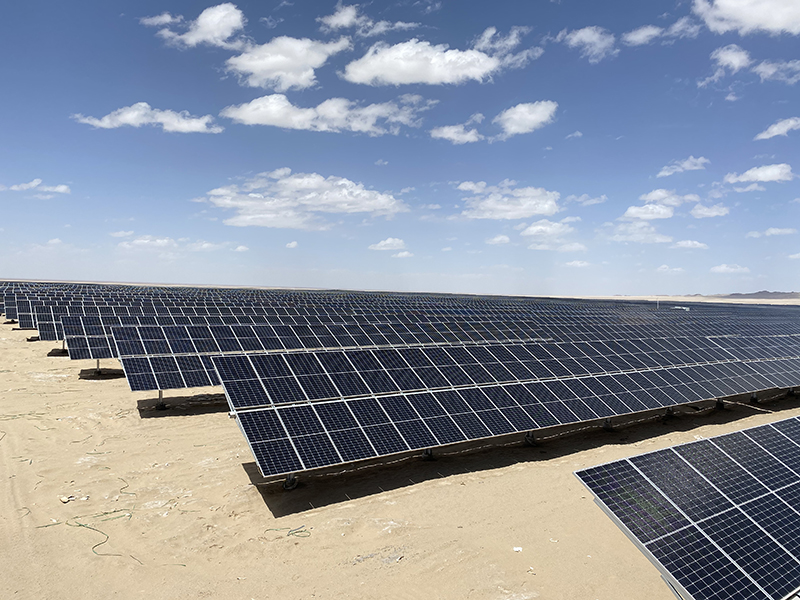
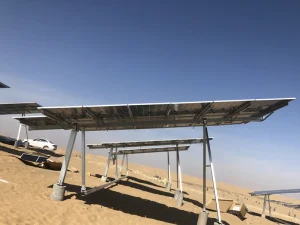
20MW Desert Project
Engineered for sand resistance and high heat.
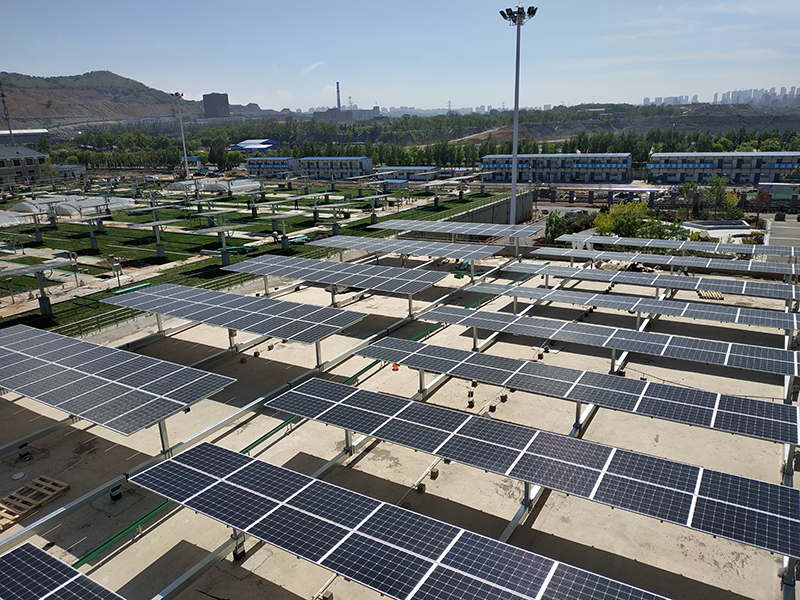
Rooftop Commercial Project
Integrating lightweight tracking for flat roofs.
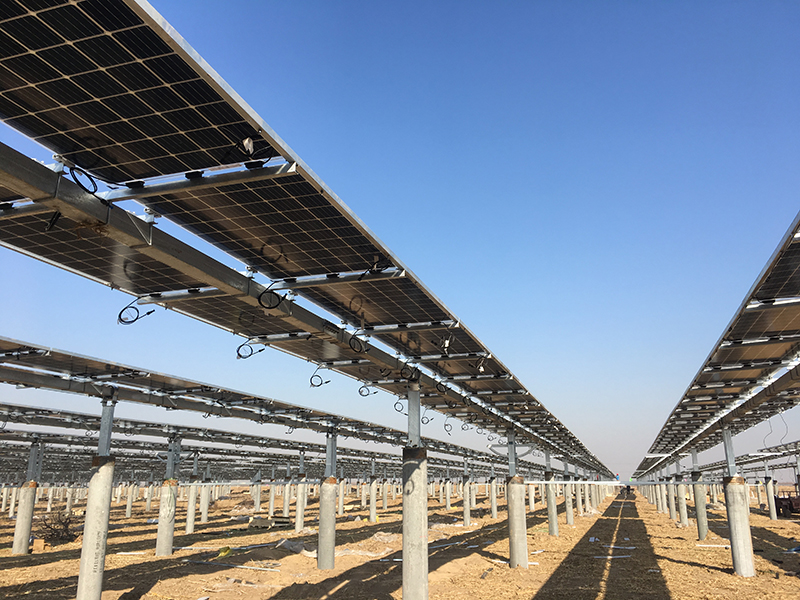
110MW Utility Scale
Massive deployment using bifacial modules.
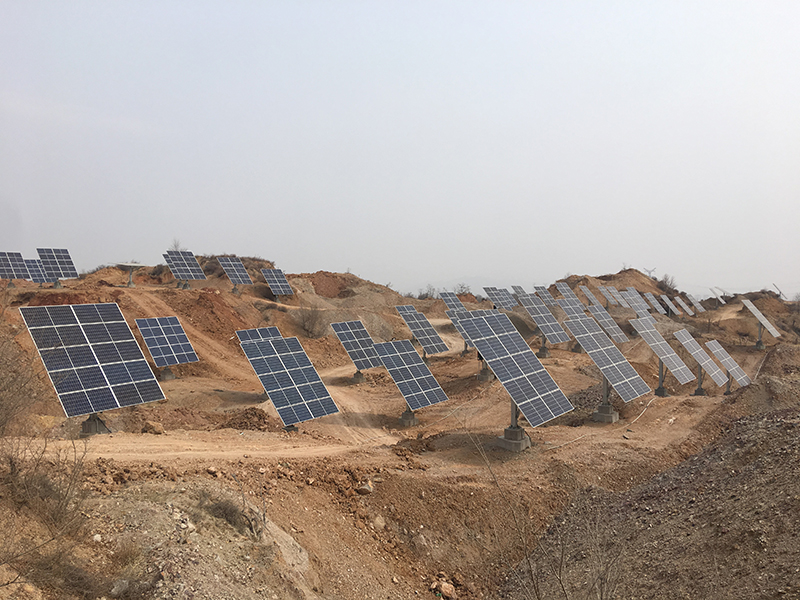
Mountain Project
Overcoming terrain irregularity with dual-axis flexibility.
Procuring dual-axis tracking systems involves complex logistics and technical vetting. We provide a streamlined 4-step solution for global EPCs (Engineering, Procurement, and Construction):
We analyze GHI (Global Horizontal Irradiance) data and terrain maps to calculate the exact ROI of dual-axis vs. fixed systems for your specific site.
Adjustment of tracking angles and structural reinforcement based on local wind/snow load standards (ASCE, Eurocode, etc.).
Handling DDP/CIF shipping with full documentation for customs in over 50 countries, ensuring no project delays.
Providing technical experts to supervise the initial installation and commissioning of the tracking controllers.
A: While highly automated, we recommend bi-annual inspections of the slewing drives and motor lubrication. Our systems feature sealed components to minimize dust ingress in arid environments.
A: The ZRD series is equipped with an automated stow mode. When wind sensors detect speeds exceeding 20m/s (customizable), the panels automatically move to a horizontal position to minimize drag.
A: We design our structural components for a 25-year service life, matching the typical performance warranty of Tier-1 solar modules.
A: Yes! In fact, dual-axis trackers are the best way to utilize bifacial modules, as they eliminate shading on the rear side better than most single-axis tube designs.
 Zhaori