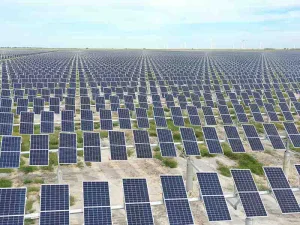
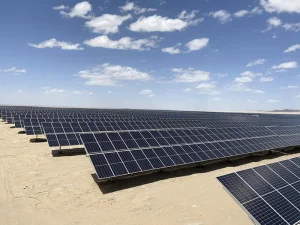
Peru has emerged as a cornerstone for renewable energy in South America. With solar irradiance levels among the highest globally, particularly in regions like Arequipa, Moquegua, and Tacna, the demand for advanced photovoltaic (PV) technology is soaring. According to recent industrial reports, Peru's Ministry of Energy and Mines (MINEM) is aggressively pursuing the integration of 15% renewable energy into the national grid by 2030.
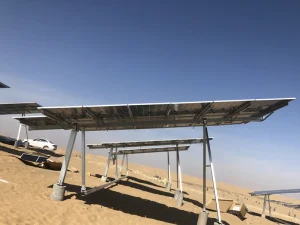
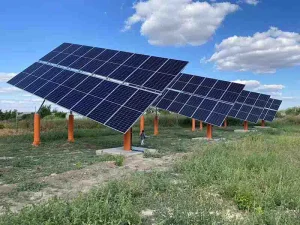
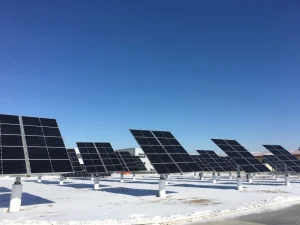
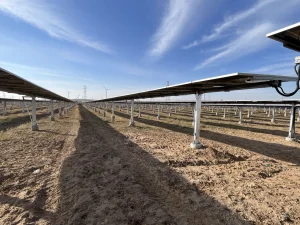
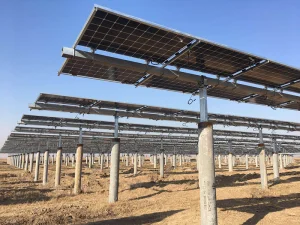
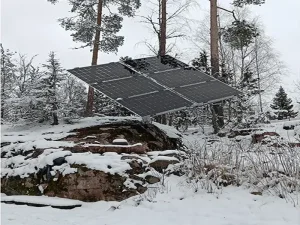
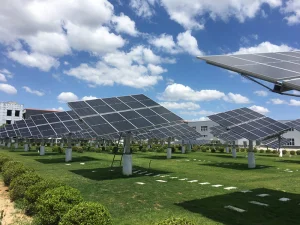
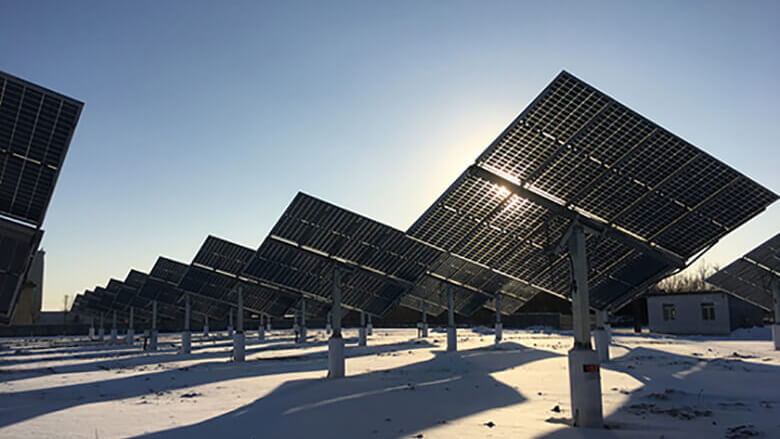
The Tilted Single Axis Tracker is uniquely suited for Peru’s geography. Unlike standard flat trackers, the tilted configuration compensates for latitude variations, maximizing capture of solar radiation in the southern hemisphere. This is critical for mining operations (which consume over 30% of Peru's energy) looking to transition to green energy sources while maintaining high operational reliability.
Shandong Zhaori New Energy Tech. Co., Ltd. is a high-tech and new energy company based on independent intellectual property rights. Our company was founded in June 2012 and we have 10 departments including R&D department, technical department, engineering department, production department, quality assurance department, and foreign trade department.
Our team has focused on photovoltaic power stations and solar tracking technology for more than 10 years, ensuring that every project in Peru receives top-tier engineering support. Our factory covers 50,000 square meters, utilizing CNC machine tools and laser cutting machines to produce up to 500MW monthly.
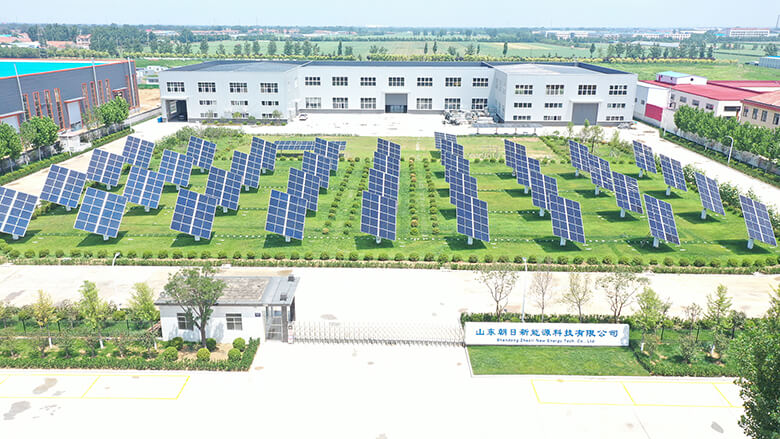
We provide perfect customized solutions and professional operation and maintenance services based on our rich experience in PV bracket application. Adhering to the business principle of mutual benefits, we have a global reputation for quality products and competitive prices.
Certifications: TUV, CE, ISO, and patents in the USA, Europe, Australia, and Brazil.
In high-altitude regions like the Andes, seismic activity and extreme wind loads are primary concerns. Our trackers are engineered with reinforced steel and redundant damping systems to ensure stability. For Peruvian mining giants, this means a lower Levelized Cost of Energy (LCOE) and guaranteed power for remote sites.
The future of tracking in Peru lies in Smart Tracking Algorithms. By integrating AI that predicts cloud cover and optimizes the backtracking angle, we increase yield by an additional 3-5%. Furthermore, our systems are optimized for Bifacial Solar Modules, which are particularly effective in the sandy, high-albedo environments of the Peruvian coast.
Navigating Peru's regulatory framework requires localized expertise. We support our clients with documentation necessary for CIRA (Certificado de Inexistencia de Restos Arqueológicos) and Environmental Impact Assessments (EIA). Our logistics partners ensure timely delivery to the ports of Callao and Paita, with on-site installation supervision.
Peru’s latitude (varying from 0° to 18°S) means the sun’s path is not perfectly vertical. Tilted trackers align the modules more effectively with the sun’s trajectory, capturing up to 20% more energy than flat systems in southern regions like Moquegua.
Yes. Our trackers are wind-tunnel tested and include an "Automated Stow Mode" that flattens the panels when wind speeds exceed 18 m/s, protecting the structure from aerodynamic lift.
Our systems feature IP65/IP66 rated motors and self-lubricating bearings. In Peru’s desert areas, we recommend a visual inspection every 6 months and a sensor calibration once a year.
We provide comprehensive technical documentation in Spanish and can deploy a team of supervising engineers to work with local Peruvian contractors to ensure a seamless commissioning process.
 Zhaori