High-reliability solutions engineered to maximize solar yields in challenging conditions.
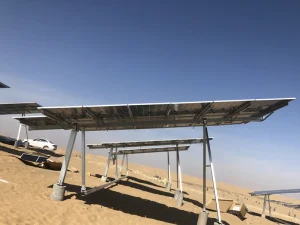
Engineered to actively adjust to low solar angles, boosting generation yield by up to 25% compared to flat fixed installations in Northern climates.
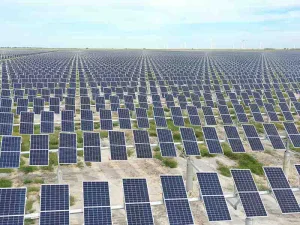
Combines the simplified driving mechanism of flat trackers with static module tilt angles to manage heavy snow accumulation and high latitude performance.
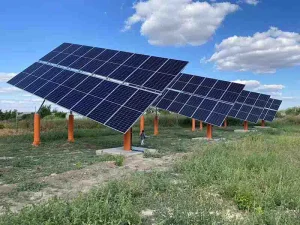
Features a robust design with a 10° to 30° tilted axis to counter the severe cosine losses typical in utility projects throughout Ontario and Alberta.
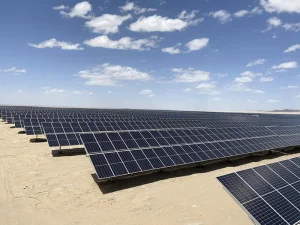
A heavy-duty, manual adjustable fixed mounting structure built to adapt to seasonal requirements while offering superior wind and load resistance.
Canada presents a distinct set of geographical and meteorological parameters for solar energy development. Most of its sub-regions are located between 42°N and 60°N latitudes. At these high latitudes, the sun remains low on the horizon for much of the year, leading to significant cosine losses if standard horizontal single axis trackers (HSAT) or fixed structures are deployed. Standard flat single axis trackers are often unable to capture the optimal solar angle during shoulder seasons and winter months, when grid demand is high.
To overcome this performance bottleneck, Tilted Single Axis Trackers (TSAT) tilt the active rotating tracking tube relative to the ground. Typically configured with tilt angles between 10° and 30°, these systems realign the tracking plane to offset geographical limitations. By continuously tracking the sun's azimuth angle along an inclined plane, they significantly improve energy capture, offering a critical solution for project developers looking to maximize returns in provinces like Alberta, Saskatchewan, Ontario, and Quebec.
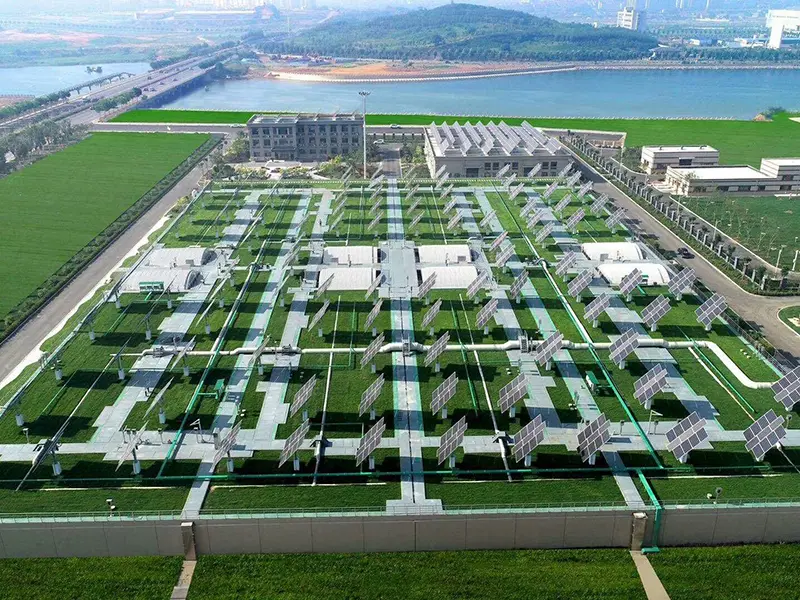
Detailed engineering evaluation of solar tracking performance in cold climates.
Flat horizontal trackers experience high optical cosine loss when solar altitude angles are small. Tilting the tracker's axis by 10° to 30° elevates the panels relative to the low winter sun. This orientation allows the system to achieve an incidence angle closer to normal (0 degrees) for longer periods, resulting in a direct increase in generation output.
Canada's snow-covered terrain acts as a highly reflective surface, with albedo values ranging from 0.60 to 0.85. Tilted single-axis trackers position bifacial solar modules at an optimal angle to capture this ground reflection. The rear-side yield gain can boost overall power output by an additional 10% to 15% in winter.
Snow accumulation blocks sunlight and places heavy mechanical stress on racking. Flat trackers struggle to shed snow efficiently, while tilted structures present an incline that promotes passive sliding. Smart tracking algorithms can also trigger a steep stow position during blizzards to minimize buildup.
Tailoring tracker deployment to regional climate demands and electrical grids.
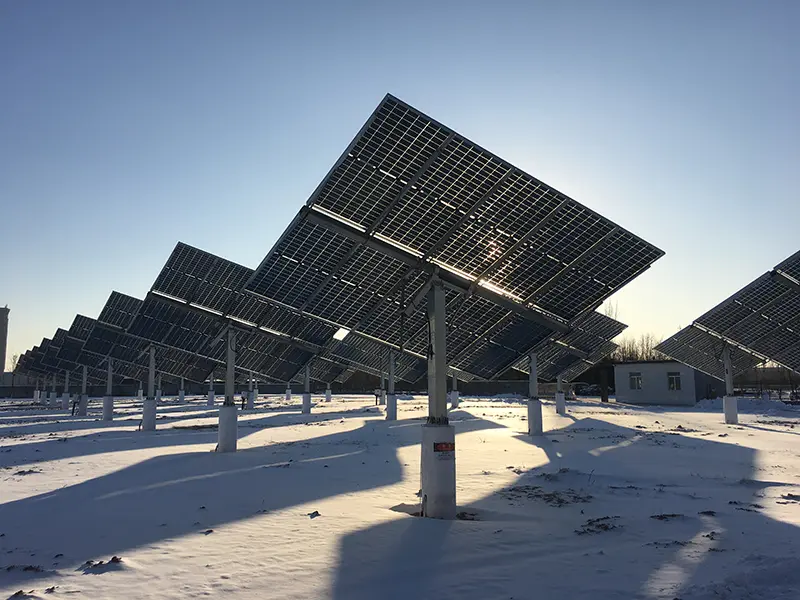
Alberta & Saskatchewan (The Prairie Solar Corridor): These provinces receive high annual levels of solar radiation but also experience severe windstorms and extreme cold. Tilted Single Axis Trackers built with high-yield strength steel (Q355B hot-dip galvanized) and robust drive units provide the structural integrity required to handle winds exceeding 120 km/h, while operating reliably down to -40°C.
Ontario & Quebec (Heavy Snow & Industrial Load Profile): Eastern Canada faces frequent freeze-thaw cycles and high snow accumulation. The ZRT-16 Tilted Single Axis Tracker is well-suited for these regions. Its elevated structure avoids snow pile-up at the base, and its high-torque drive prevents the gear failures common when standard trackers attempt to move under snow load.
Remote Northern Microgrids (Indigenous Communities & Mining Sites): Off-grid applications in remote areas require high-reliability systems with low maintenance overheads. Trackers featuring self-powered options (using small dedicated PV modules and batteries) can operate independently of the main array, ensuring continuous power generation in remote northern locations.
How Shandong Zhaori New Energy delivers high-quality tracking solutions at scale.
Founded in June 2012, Shandong Zhaori New Energy Tech. Co., Ltd. is a high-tech company focused on independent intellectual property rights. The company features 10 departments, including R&D, Technical, Engineering, Production, Quality Assurance, Development, Foreign Trade, Domestic Trade, and I.M.D. With over 60 professional technical specialists, the team has dedicated more than 10 years to advancing photovoltaic power station design and solar tracking technology.
The manufacturing facility covers 50,000 square meters and is equipped with advanced production machinery, including CNC machine tools, laser cutting machines, automatic welding robots, and plasma cutters across multiple production lines. Supported by more than 300 production workers, the facility achieves a monthly capacity of 500MW. The manufacturing process encompasses raw material screening, cutting, welding, forming, anti-rust treatments (such as high-standard hot-dip galvanization), post-processing, inspection, and packaging. Quality control is managed at every step, in strict alignment with quality management system certifications.
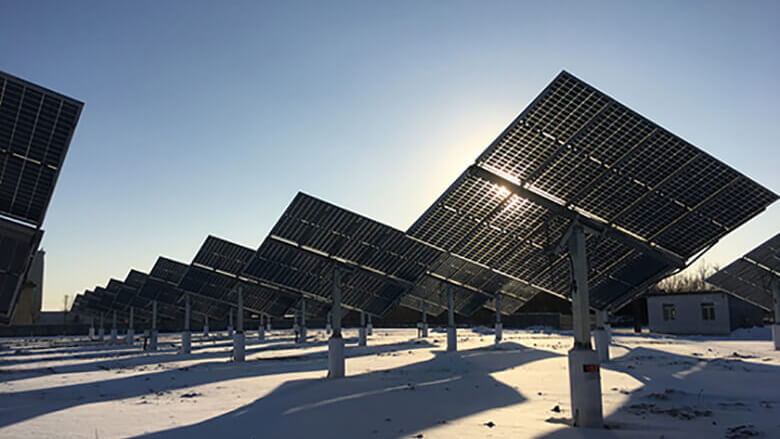
Real-world track record demonstrating reliability under diverse climate conditions.
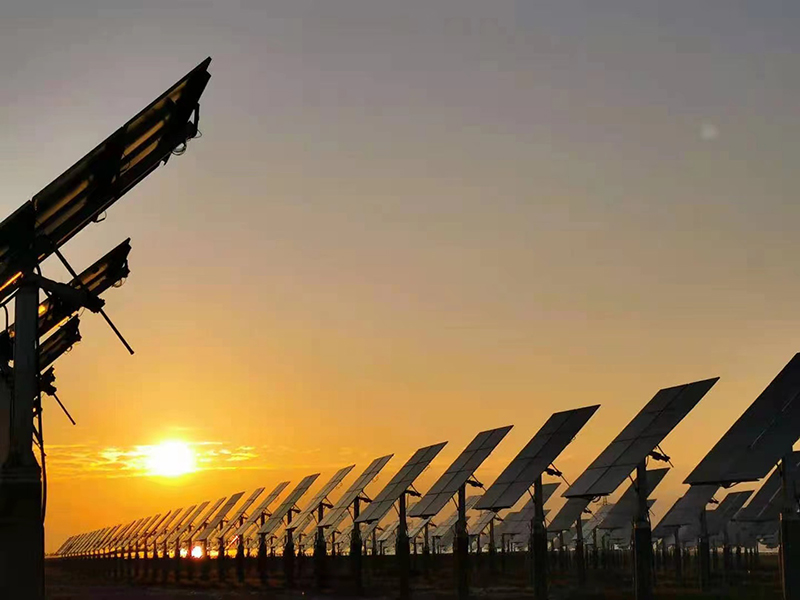
5MW High-Latitude Grid Integration Project
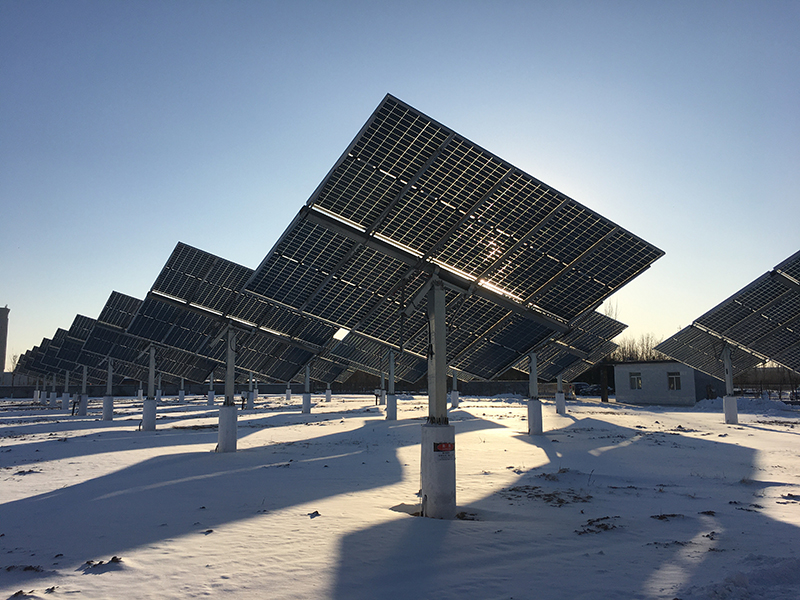
Extreme Snow-Load Resilience Array
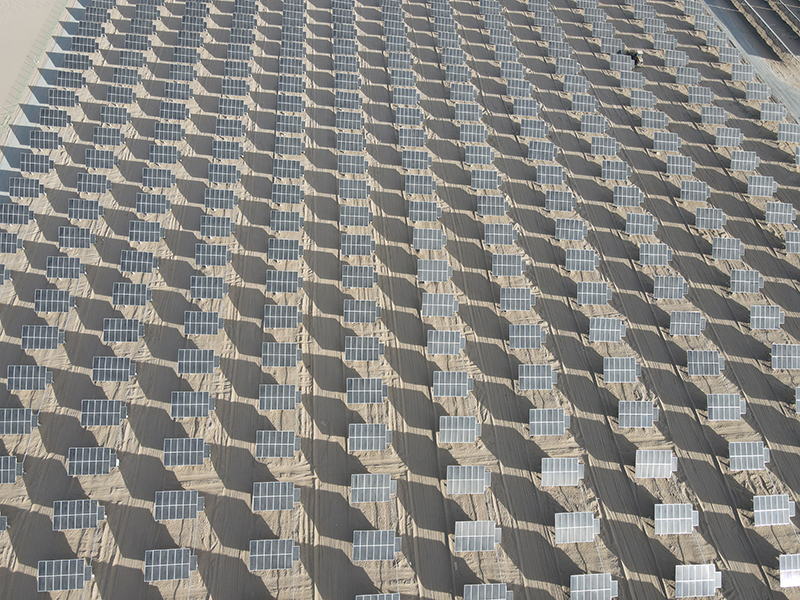
20MW Tilted Single Axis High-Yield System
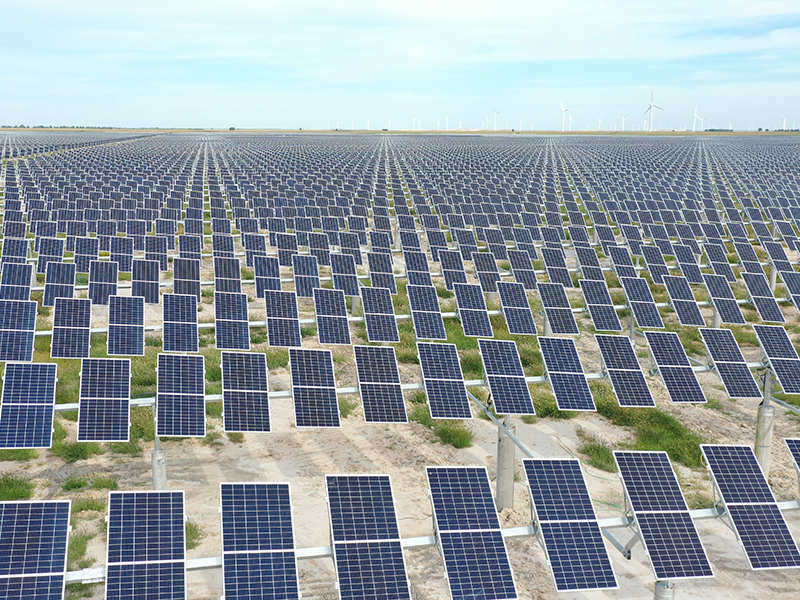
40MW Flat Single Axis with Inclined Modules
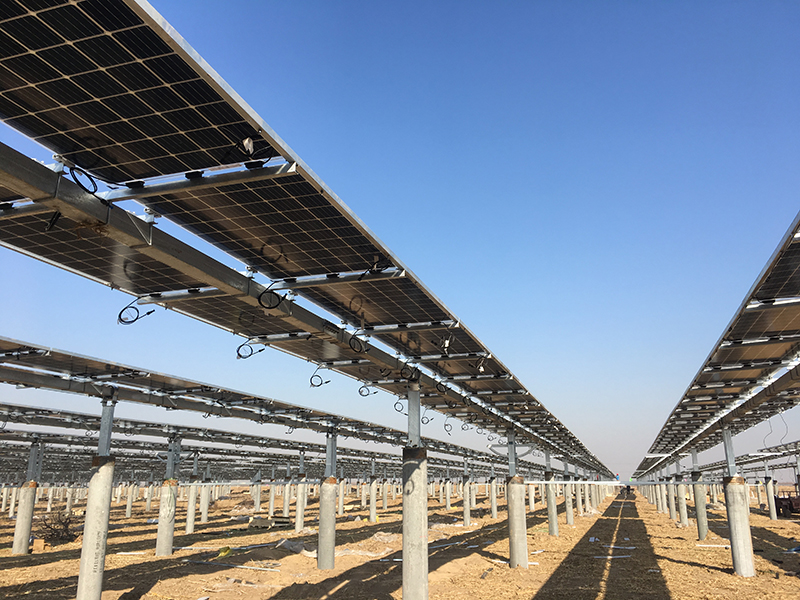
110MW Utility-Scale Bifacial Solar Project
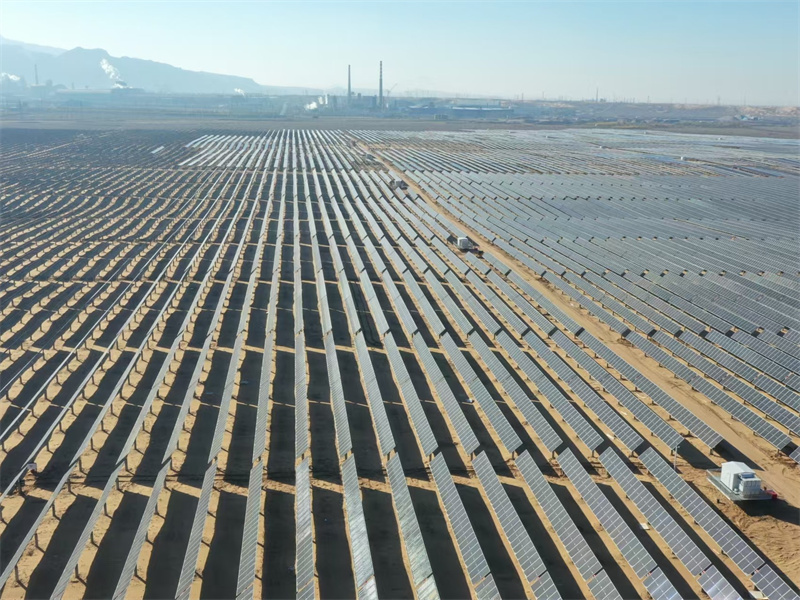
360MW Large-Scale High-Latitude Solar Farm
Watch our single-axis and dual-axis solar trackers operating in real-world scenarios.
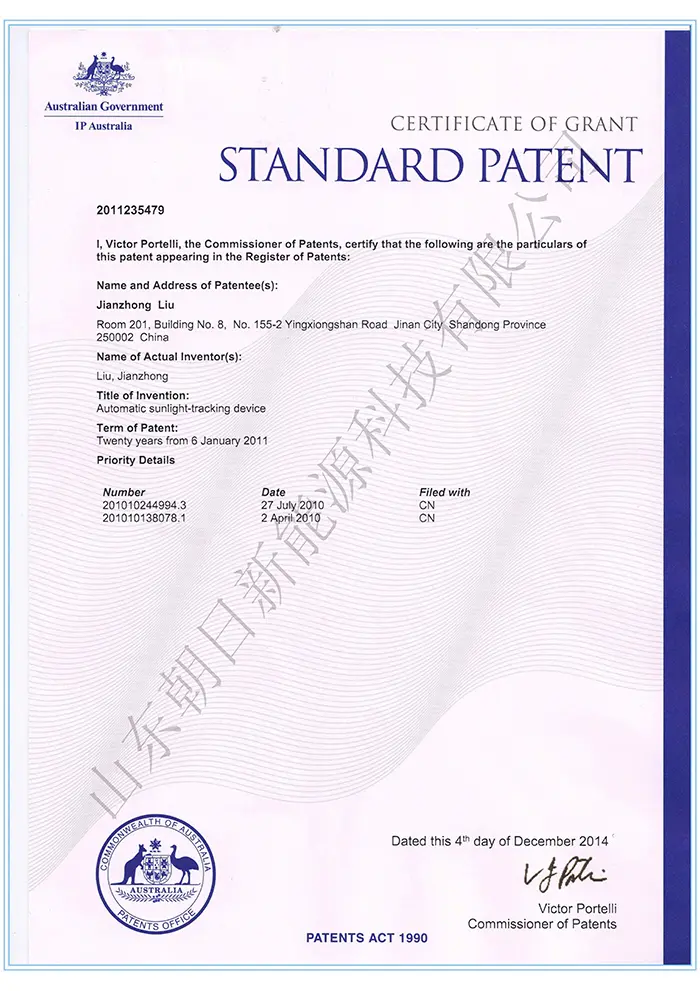
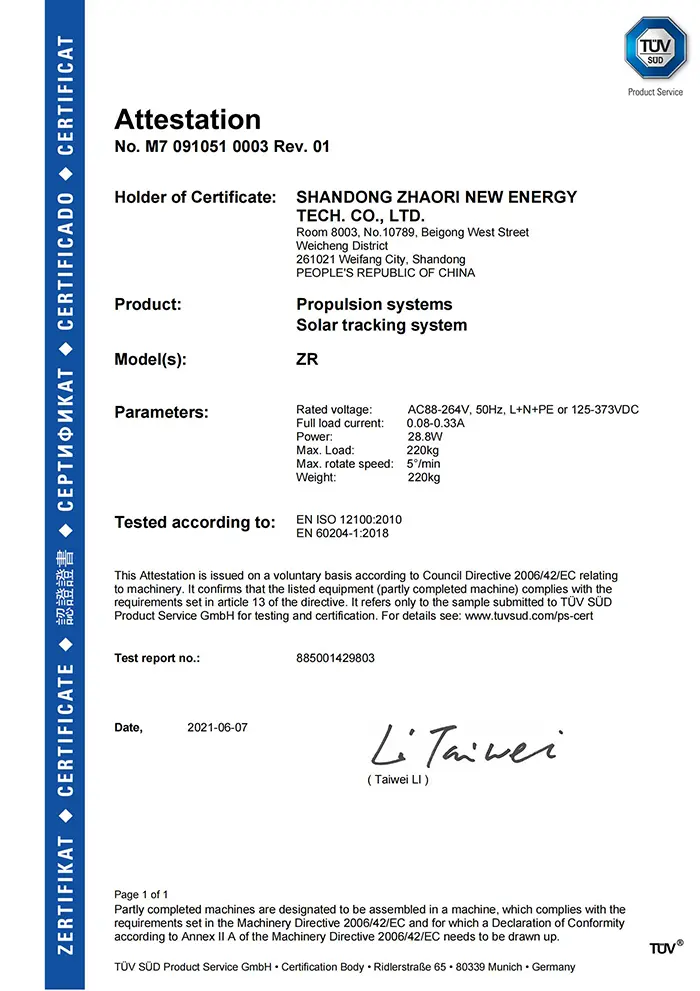
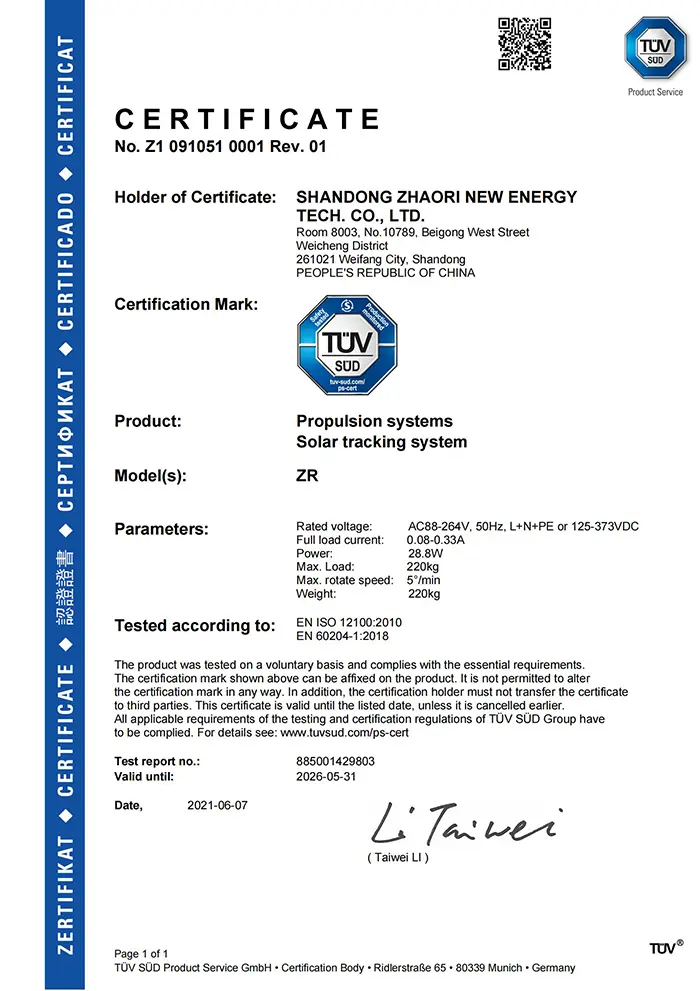
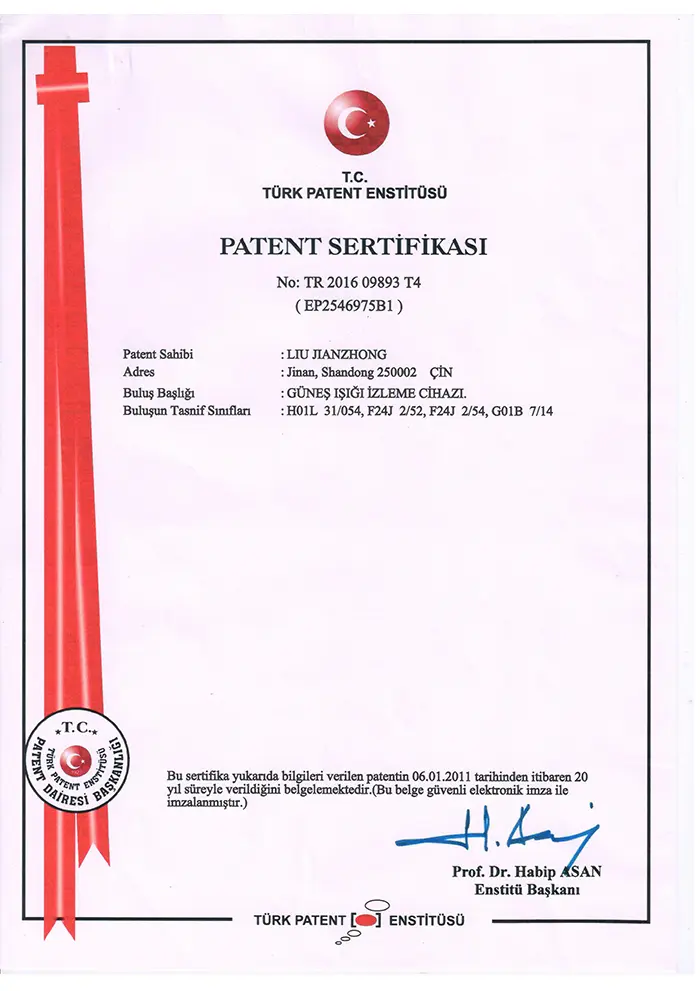
Our tracking systems are engineered to meet global standards and hold patents in major solar markets.
Our products have obtained patents of invention from the Europe Patent Office, the United States, Canada, Australia, Japan, South Korea, Thailand, India, Brazil, South Africa, etc., as well as 8 Chinese National Invention Patents and more than 30 Utility model patents. We have also obtained TUV, CE, and ISO certifications. Our core product principles remain: simpler, more reliable, and more effective.


Answers to common technical queries about solar tracking in high-latitude environments.
Explore our range of single-axis, dual-axis, and fixed solar mounting solutions.
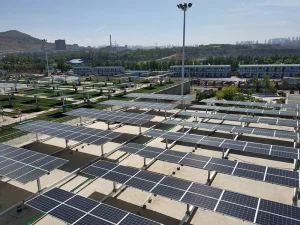
Designed for 2-in-portrait configurations, optimized to reduce shadowing on the backside of bifacial modules and maximize high-latitude energy capture.
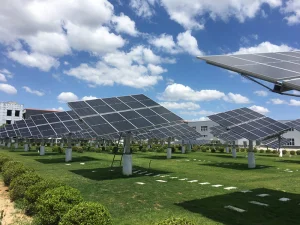
Adjusts continuously along both azimuth and elevation axes. Ideal for projects demanding maximum efficiency throughout the year.
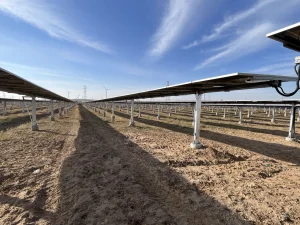
A durable, single-row design optimized for ease of installation, low structural profiles, and simplified maintenance in utility projects.
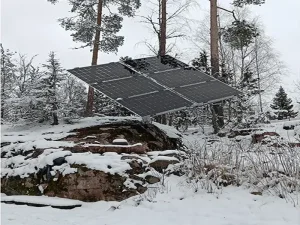
A heavy-duty dual-axis tracking solution designed to maximize yield in remote industrial microgrids and harsh environments.
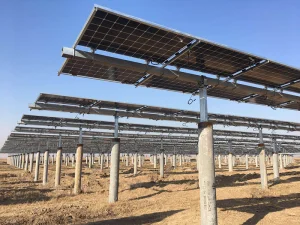
An economical, high-durability tracking system featuring multi-point drive integration to manage high wind loads.
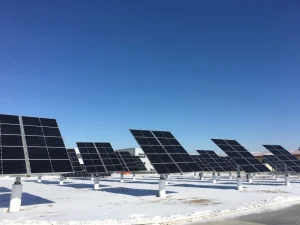
A large-scale tracking system designed to accommodate multiple modules, optimizing both horizontal and vertical alignment for maximum efficiency.
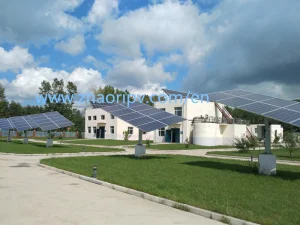
Combines mechanical durability with simplified controls, providing an optimal tracking solution for remote industrial sites.
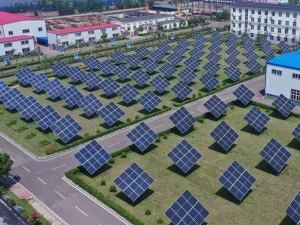
Engineered to optimize energy capture in snowy conditions by leveraging high albedo gains with double-axis positioning.
 Zhaori