Engineered for high performance, wind resistance, and optimal solar tracking in near-equatorial latitudes.
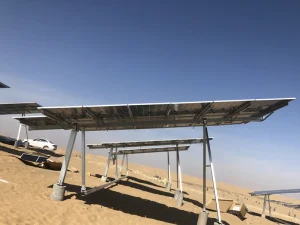
Designed for sub-equatorial climates like Malakal, tracking azimuth variations to maximize yield in high-heat zones.
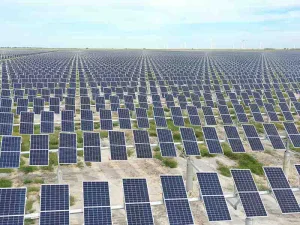
Features tilted module configurations to prevent dust accumulation in desert and arid rural zones.
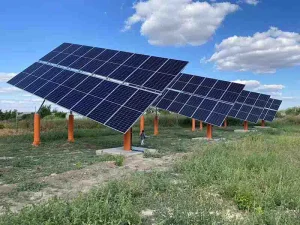
A heavy-duty framework featuring a tilt range of 10° to 30°, optimized for high wind thresholds and stable seasonal operation.
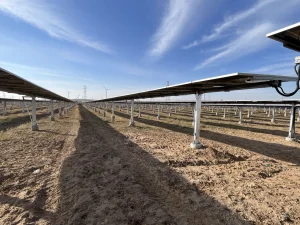
Optimized 1P mechanical layout for rapid installation and compatibility with high-power bifacial solar modules.
Malakal, South Sudan, located at approximately 9.5° N latitude, receives intense, near-equatorial solar radiation. However, static flat solar panels suffer significant midday efficiency loss due to high ambient temperatures and suboptimal seasonal orientation. By implementing a tilted single-axis tracking system, projects in Malakal can achieve 15% to 25% energy generation gains. The fixed tilt (configured typically between 10° and 15° north-south) addresses the seasonal shift of the solar path, while the active single-axis mechanism tracks the daily east-west arc.
The climate in South Sudan presents two main challenges: dust during the dry season and extreme humidity and localized flooding during the rainy season. Our trackers address these concerns directly:
The global solar energy industry is rapidly moving from fixed-tilt structures to active trackers to minimize Levelized Cost of Energy (LCOE). Integrating tracking systems with high-efficiency bifacial solar panels allows developers to capture reflected albedo radiation from dry clay and desert surfaces, boosting energy yields by an additional 6% to 12%.
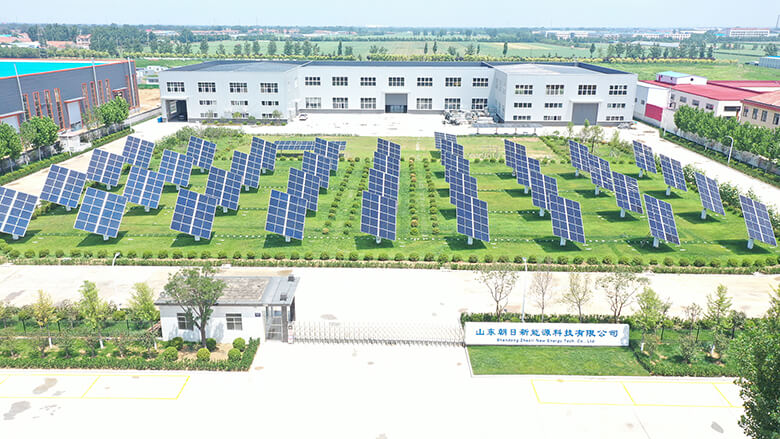
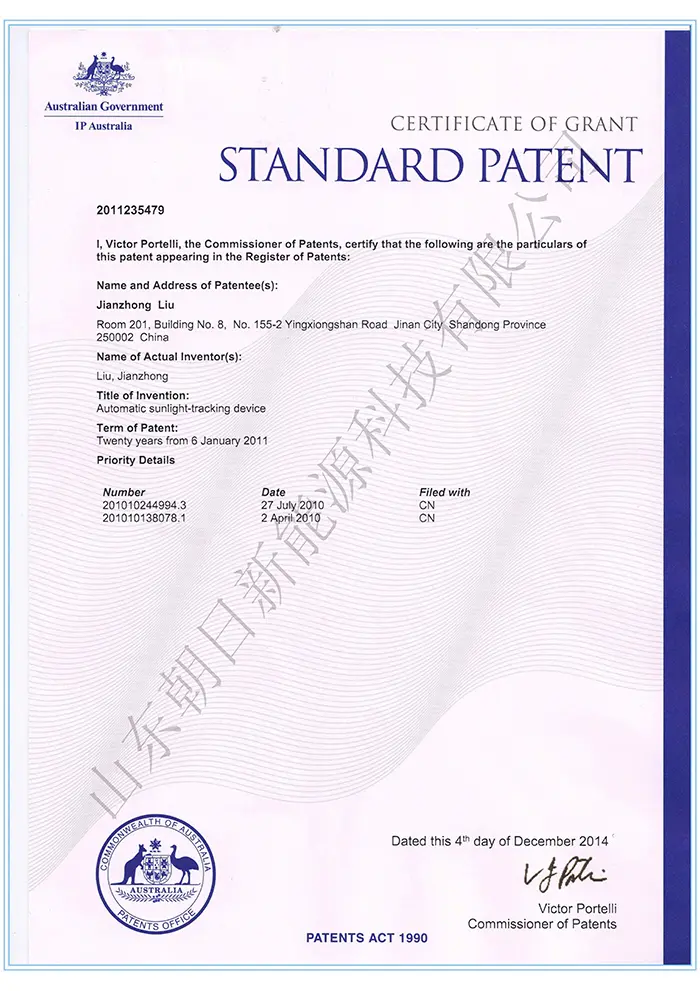
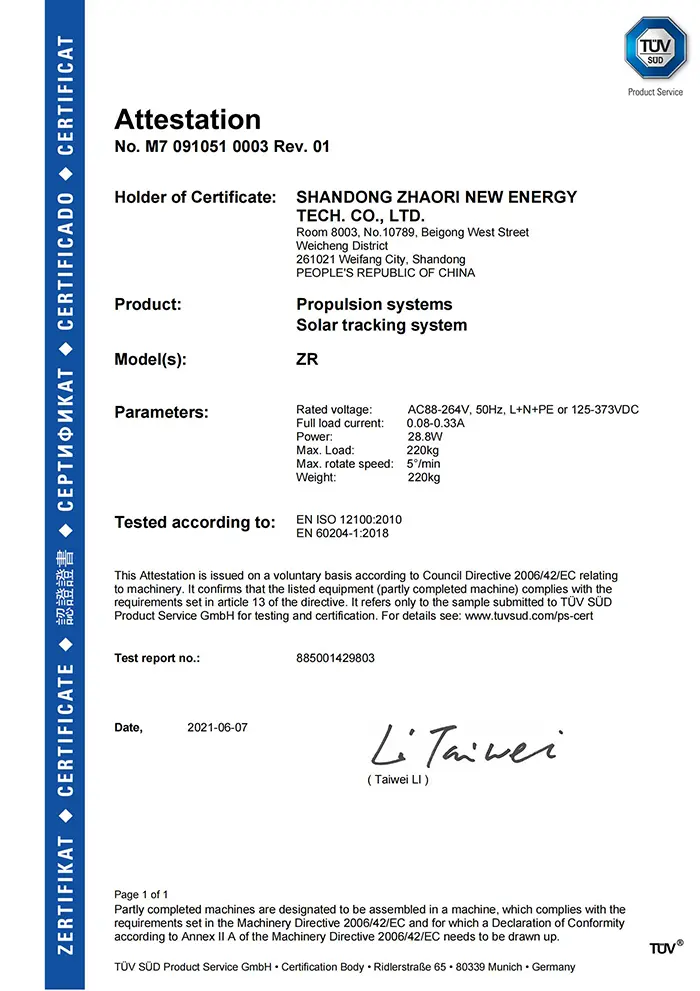
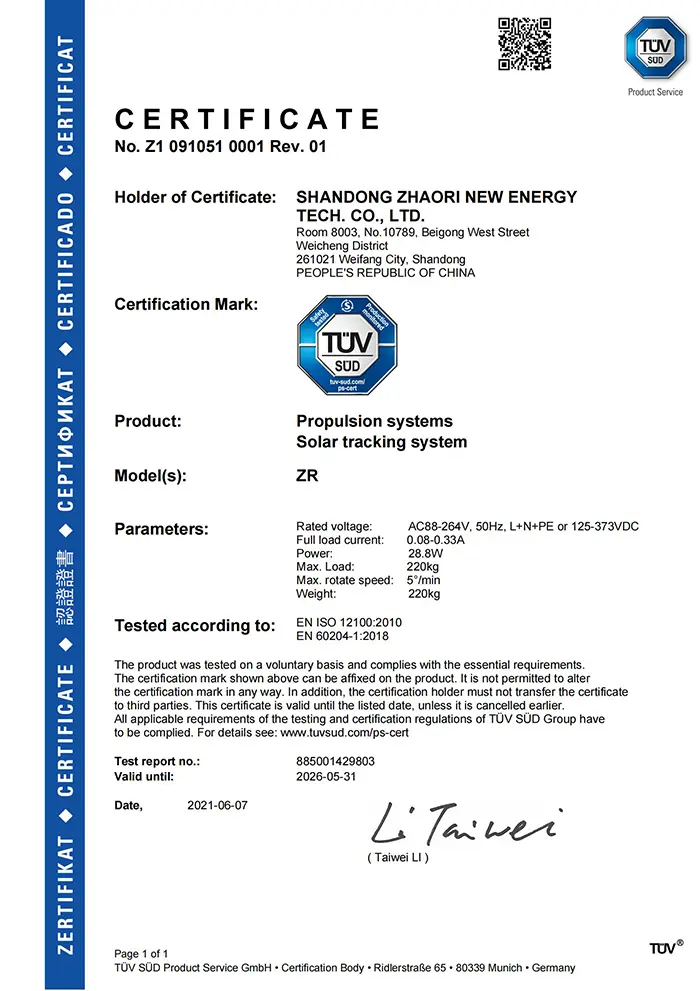
Established in June 2012, Shandong Zhaori New Energy Tech. Co., Ltd. is a leading high-tech manufacturer specializing in solar mounting and tracking technologies. Powered by over 60 structural and electrical engineers, our R&D department holds 8 Chinese National Invention Patents and over 30 Utility Model Patents. Our technology is deployed in diverse environments worldwide, certified by TUV, CE, and ISO standards.
Our 50,000-square-meter facility features automated production lines, including high-precision CNC machine tools, laser cutting arrays, automated welding robots, and plasma processing systems. Maintaining a production capacity of 500MW per month, we manage quality controls across the entire production cycle, from raw material selection to galvanization and pre-shipment stress testing.
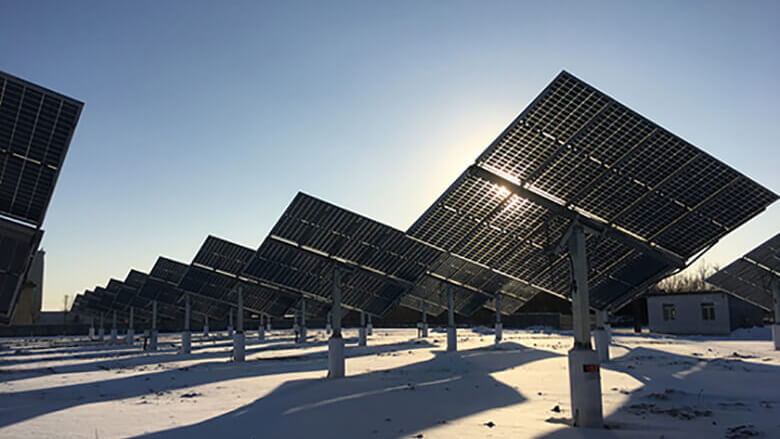
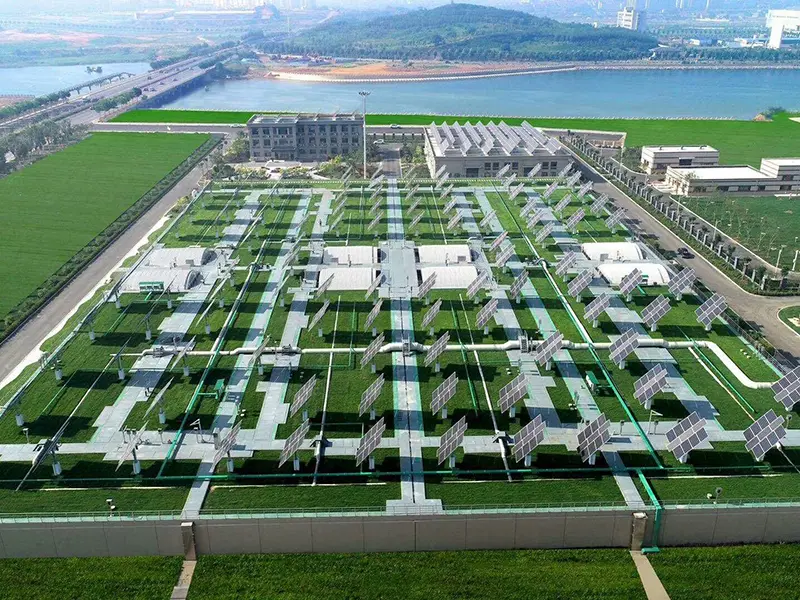
Explore our complete range of multi-axis and single-axis solar trackers, designed to maximize ROI across varying scales.
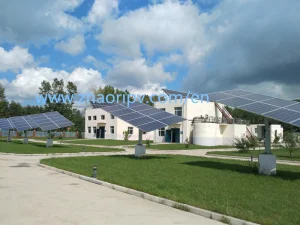
Cost-efficient dual-axis tracking combining manual seasonal tilt adjustments with automated daily path tracking.
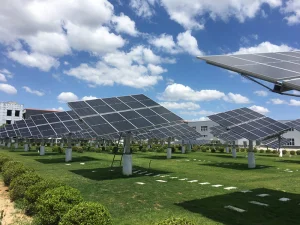
Fully automated dual-axis tracker providing optimal alignment to harvest maximum irradiance throughout the year.
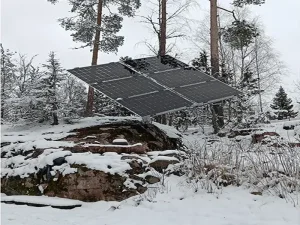
Compact tracking structure optimized for off-grid operations and local micro-grids in remote environments.
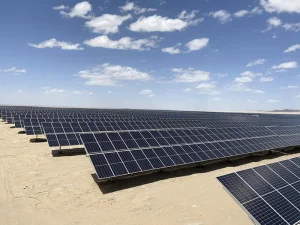
Cost-effective fixed mount offering manually adjustable angles to adapt to seasonal coordinate changes.
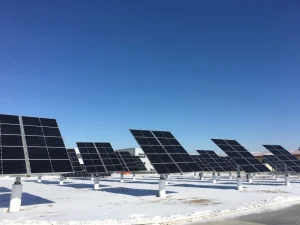
Equipped with closed-loop controls, ideal for utility-scale solar farms targeting maximum generation capacity.
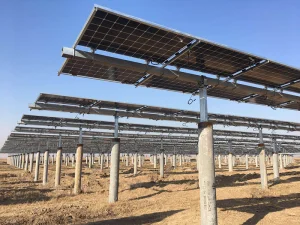
Cost-efficient single-row layouts designed for flat terrains and simplified field installations.
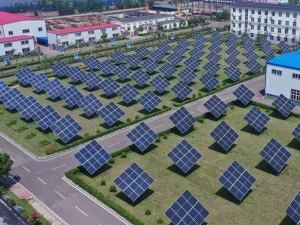
A heavy-duty tracking structure capable of supporting larger scale panels under extreme weather conditions.
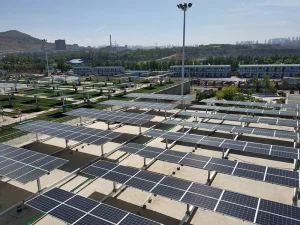
A 2P vertical portrait configuration designed to reduce ground coverage ratio and lower foundation excavation costs.
Watch our tracking systems in action across challenging terrains and harsh weather environments globally.
Our flat single-axis systems are designed for high stability. Watch the aerial demonstration of a utility solar site utilizing our tracking structures to optimize production and manage local wind events.
This demonstration showcases the dual-axis tracker's active positioning capabilities. Watch the structure shift in real-time, matching calculated solar coordinates for optimal power generation.
Detailed design, engineering, and logistics guidelines tailored for developers in Malakal and sub-Saharan Africa.
Malakal is situated at 9.5° N latitude. Flat horizontal trackers lose efficiency during winter when the sun shifts south. A tilted single-axis tracker keeps panels oriented to capture the sun's lower path, boosting energy yield by up to 25% compared to fixed-angle arrays.
Our structures are configured with automatic cleaning angles and smart positioning sensors. If dust storms are detected, the controller positions the panels at their maximum tilt to reduce dust settlement. The natural slope also allows light rainfall to wash the module surface.
We protect the tracking framework using hot-dip galvanized steel (Q355B grade) with a coating thickness of at least 85 microns. Fasteners and mechanical pins are made of high-grade stainless steel to ensure reliable operation during wet, humid seasons.
We ship components via sea freight to Mombasa or Port Sudan, followed by overland transport to Juba, and river transport up the White Nile to Malakal. We pre-assemble many components at our factory to minimize onsite construction times.
Yes, our tracking controllers feature backtracking algorithms designed for bifacial modules. This prevents row shadow overlap and adjusts panel tilt to capture ground-reflected albedo light, boosting overall power generation.
Connect with our engineering team for customized drawings, structural structural calculations, and a detailed project estimate.
Request Technical Quotation Zhaori