High-efficiency structural components optimized for regional architectural mandates, wind zones, and yield optimization standards in Tokyo, Japan.
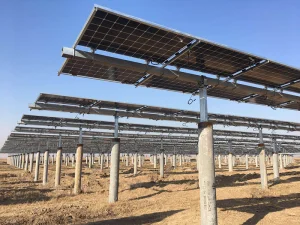
Maximizes energy yield for utility-scale developments with minimal flat space configuration, optimized for dynamic urban environments.
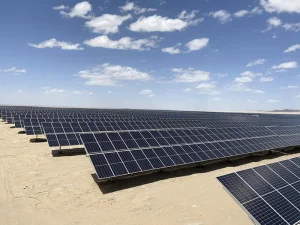
Manual multi-angle adjustability tailored to resist severe typhoon levels while enabling seasonal optimization.
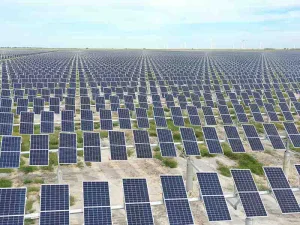
Engineered for locations requiring specialized slope adaptability, optimizing high-latitude irradiation collection.
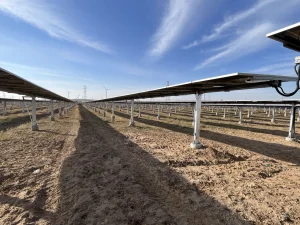
Robust single-portrait alignment design minimizing structural weight parameters while maintaining high durability.
As the metropolitan heart of Japan accelerates its green transition, the Tokyo Metropolitan Government (TMG) has pioneered aggressive green mandates. With the introduction of the mandatory solar panel installation rule for new housing and commercial complexes building from 2025, commercial owners and Engineering, Procurement, and Construction (EPC) firms face a unique trifecta of challenges: limited ground space, stringent seismic codes (JIS C 8955), and the necessity to generate maximum yield from every square meter of urban real estate.
In the Greater Tokyo Area, flat rooftop surfaces, parking lots, and hilly peri-urban margins in neighboring Chiba, Kanagawa, and Saitama are being repurposed for solar farms. However, traditional static structures fall short of performance needs, while active motorized tracking systems pose heavy maintenance issues under high wind loads and seismic risks. This is where manual adjustable solar racks present a highly reliable, high-performance compromise.
Designing racking systems for Tokyo demands aligning engineering specifications with local climate conditions:
Manual adjustable racking allows operators to physically adjust tilt angles (typically between 10° to 35°) 3 to 4 times a year to match seasonal solar altitude angles. This ensures:
Designed for commercial solar installations demanding longevity and superior mechanical structural engineering.
Utilizes premium hot-dip galvanized steel (coatings exceeding 85μm) and high-strength Magnesium-Aluminum-Zinc (ZAM) alloys, providing resistance to maritime corrosion from Tokyo Bay.
Features step-less adjustment or pre-drilled seasonal degree pins, allowing technicians to calibrate angles across large arrays in minutes per rack.
Engineered according to Japan's Building Standards Act. Finite Element Method (FEM) analysis applied to ensure system resilience under seismic horizontal force coefficients.
Founded in June 2012, Shandong Zhaori New Energy Tech. Co., Ltd. is a leading high-tech enterprise built on independent intellectual property rights. For more than 10 years, our team of over 60 professional technology talents across 10 specialized departments—including R&D, technical engineering, production, and quality assurance—has focused on maximizing PV power station output through advanced racking and tracking solutions.
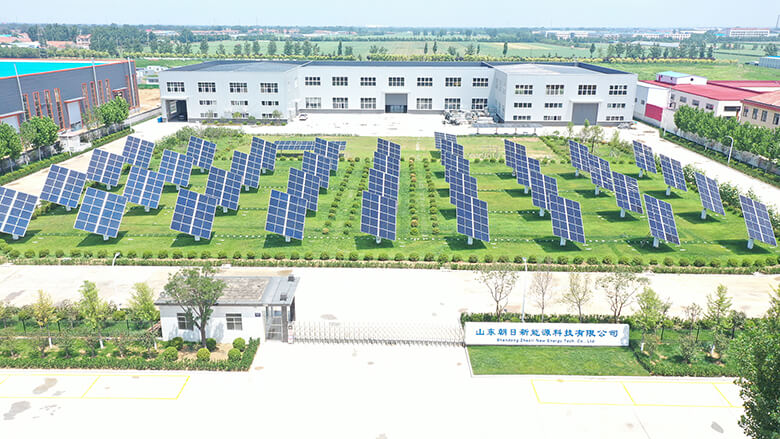
Our production facilities cover 50,000 square meters, utilizing CNC machine tools, precision laser cutting systems, automatic welding robots, and plasma machines across dozens of production lines. Backed by 300+ skilled production workers, our monthly manufacturing capacity reaches 500MW.
We exercise strict control over raw material screening, cutting, welding, galvanizing, post-processing, inspection, and packaging, complying fully with ISO quality management standards.
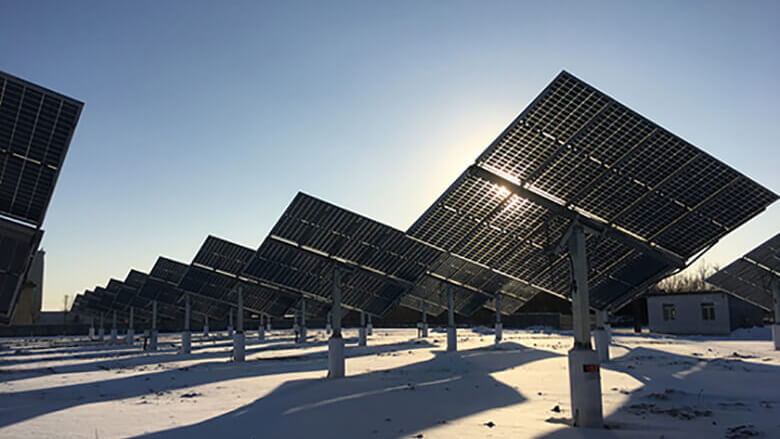
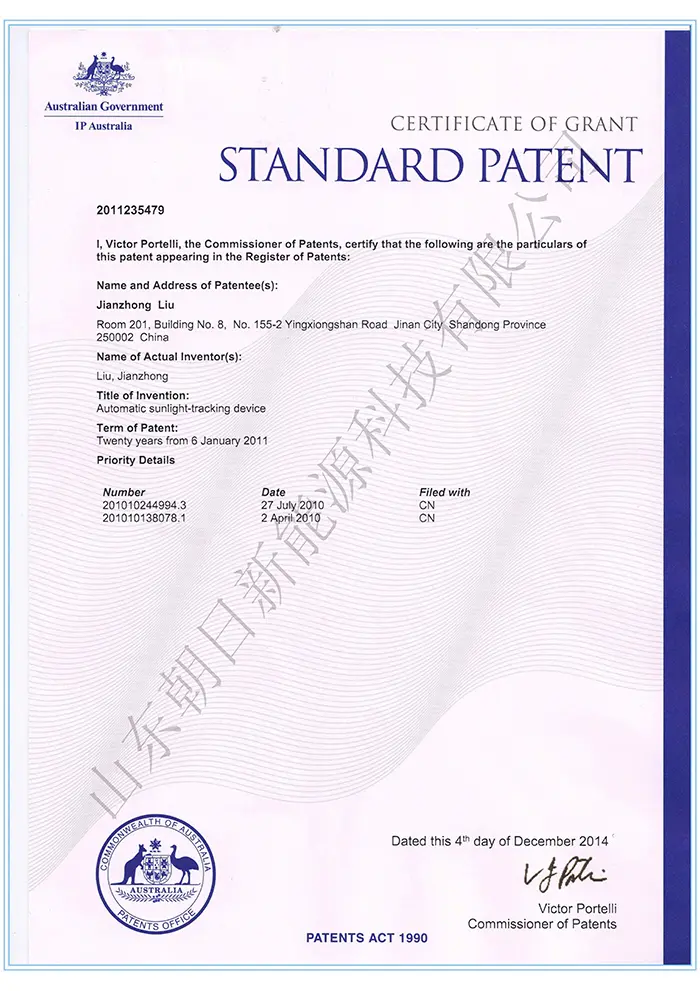
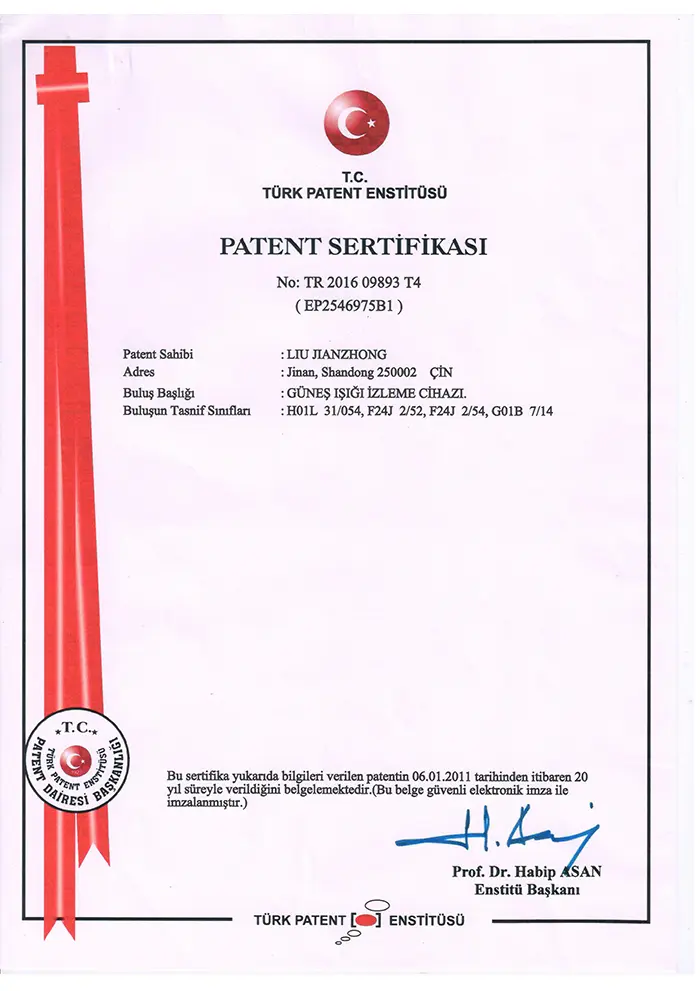
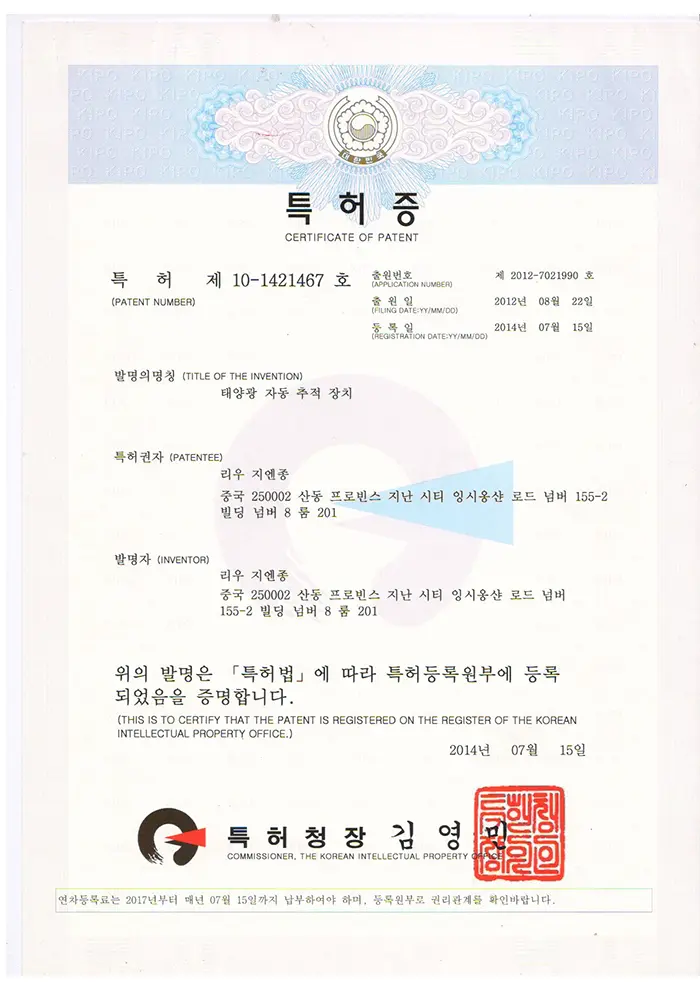
Our design principle focuses on making systems simpler, more reliable, and more effective. This pursuit of engineering simplicity has secured structural and utility patents from global bodies, including:
For engineering firms in Tokyo, reliability, logistics transparency, and strict adherence to project timelines are critical. As an established direct-to-factory exporter, we offer customized partnership terms designed to meet the demands of Japanese business environments:
Our proximity to Northern China’s major shipping hubs allows container shipping routes from Qingdao Port straight to Tokyo Port. Typical ocean transit takes only 3 to 5 days, ensuring fast supply lead times. This allows for tight coordinate scheduling, reducing on-site inventory costs and optimizing project timelines in space-constrained Tokyo staging sites.
Every shipment is accompanied by detailed structural calculation sheets (including wind load, snow load, and seismic displacement analysis) conducted under JIS C 8955 design parameters. We assist local Japanese EPCs in securing municipal construction permits by providing transparent technical data.
We supply racking components optimized with customizable steel grades like Q355B or premium anodized AL6005-T5 aluminum, specifically tailored to the local environmental parameters of the Kanto region.
Explore our diverse installation portfolio, featuring structural solutions adapted for snow load, mountain terrain, and high-yield scenarios.
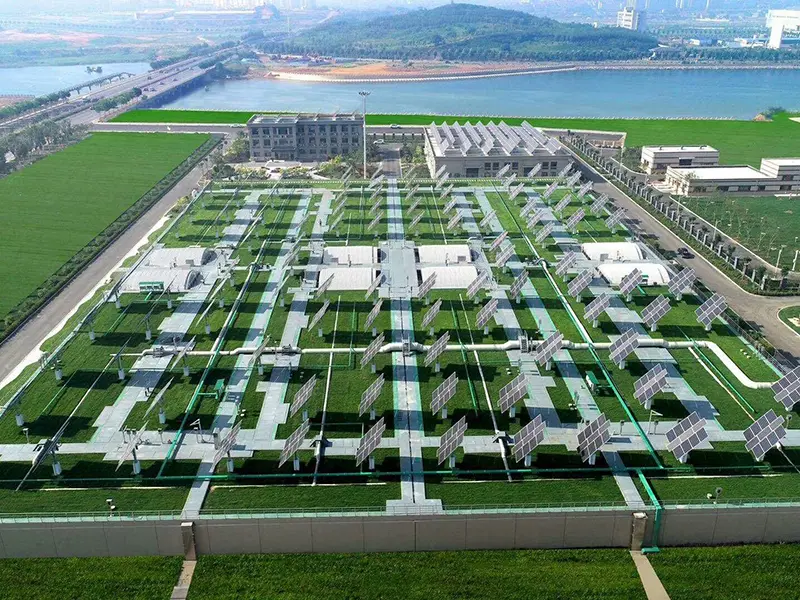
A customized roof-mount rack solution optimizing wind displacement profiles for mid-rise structures.
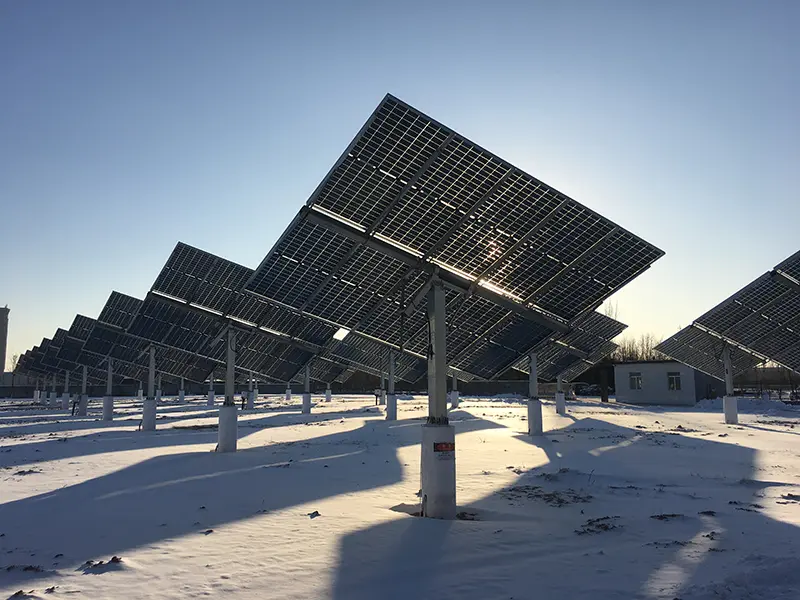
Engineered to handle seasonal snow accumulation, preserving structural integrity in high-latitude regions.
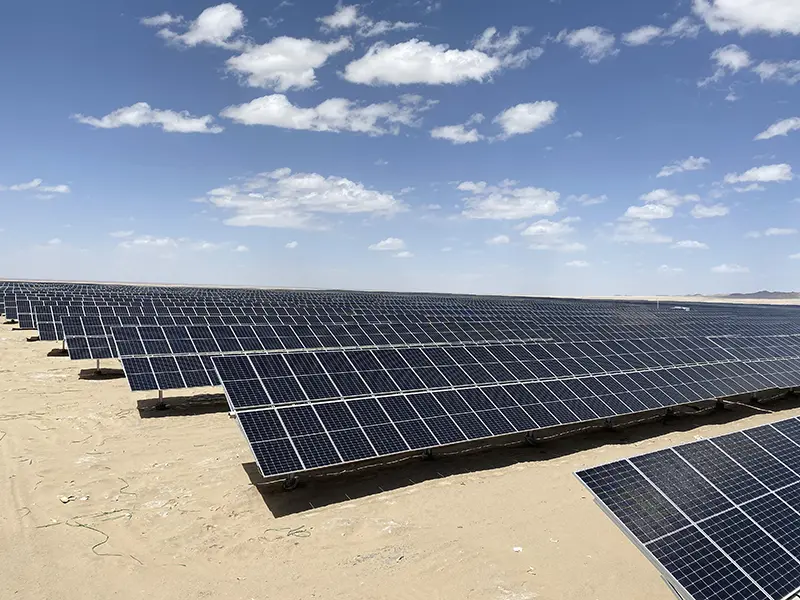
Flat single-axis solar racking array yielding maximum power generation with high-durability tracking.
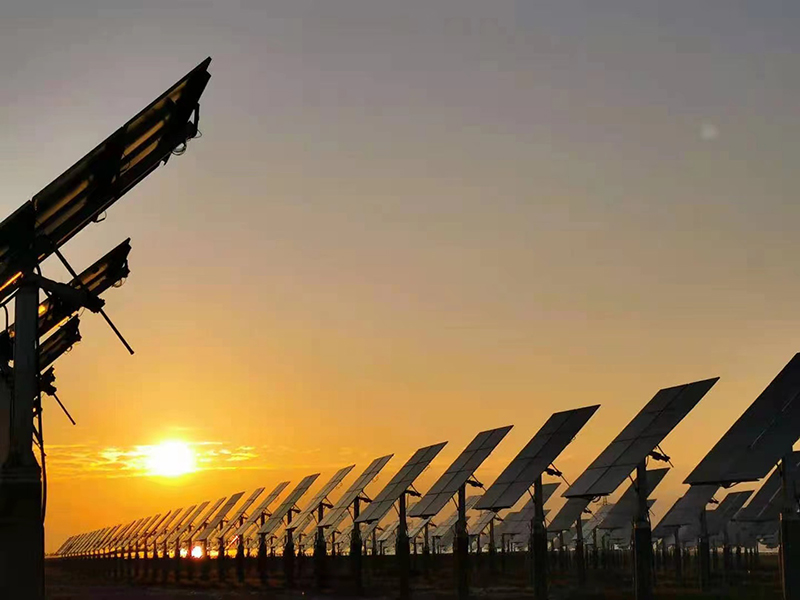
Dual-axis dynamic solar tracking designed to optimize agricultural solar-sharing systems.
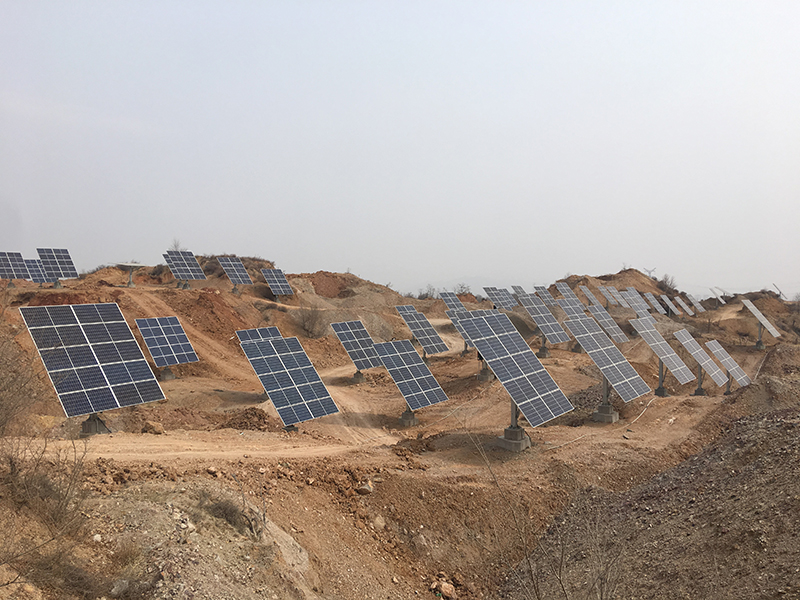
Flexible adjustable mounting system optimized for irregular slopes and challenging geographical structures.
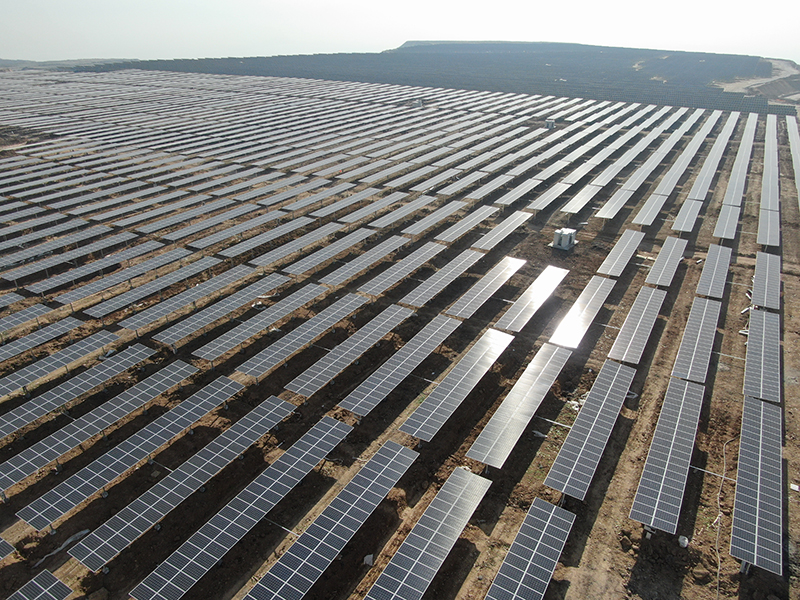
High-capacity single-axis structural array configured with high-strength structural materials.
Watch our tracking systems in action, demonstrating high structural stability and motion controls across global installations.
Select from our range of structural solutions, featuring dual-axis trackers and manual adjustable fixed racking configurations.
Reliable seasonal manual tilt optimization for medium-scale solar installations.
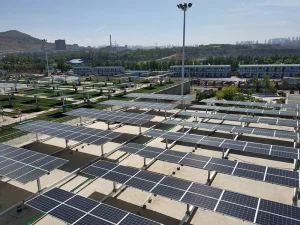
Features 2-portrait module layout, maximizing solar surface area on flat ground sites.
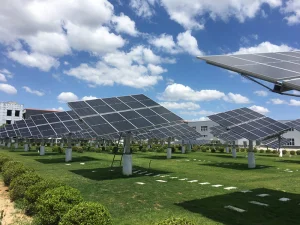
Full 360-degree seasonal and daily orientation tracking for high-efficiency yield gains.
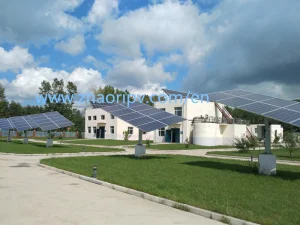
A cost-effective blend of manual seasonal tracking and automated single-axis solar adjustments.
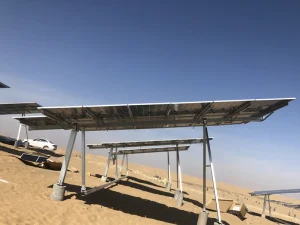
Combines single-axis rotation with a pre-inclined structural angle for higher latitude optimization.
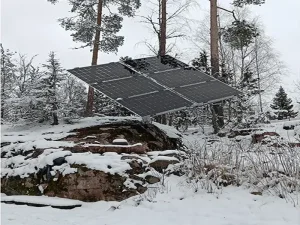
Supports 6-module configurations with dual-axis tracking, optimizing residential and agricultural systems.
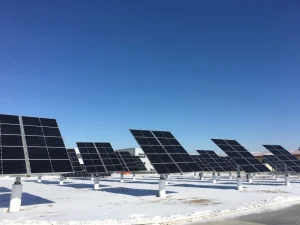
High-efficiency dual-axis design supporting up to 10-20 panels, delivering strong performance in various climates.
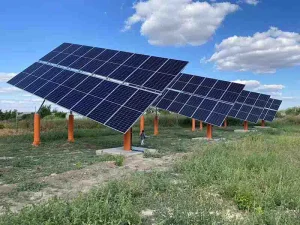
16-module capacity structural array with manual angle adaptation, yielding high returns in cold climates.
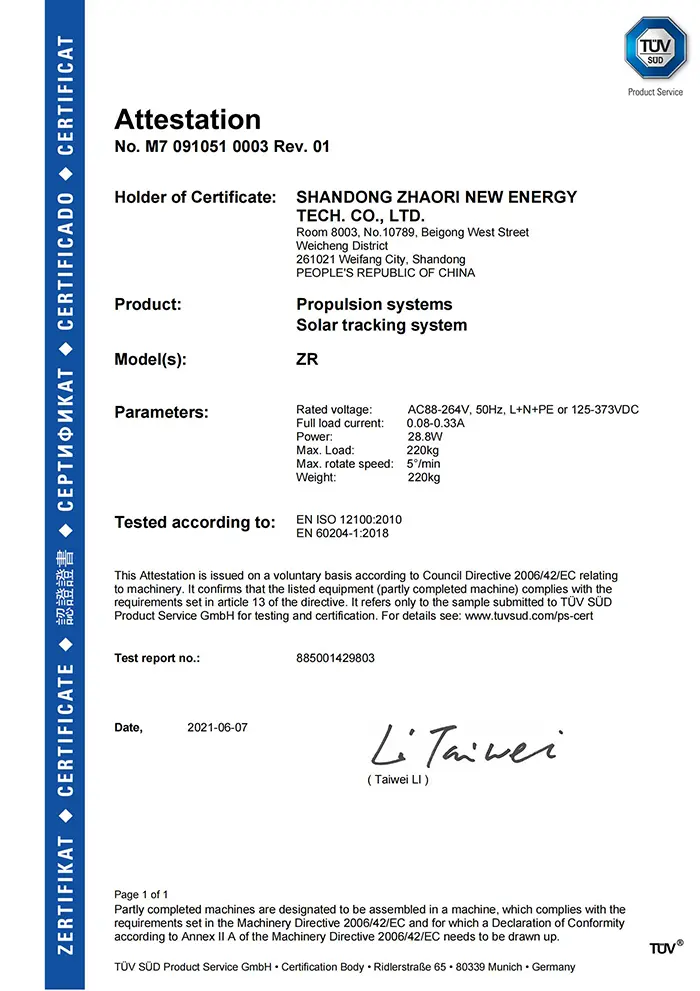
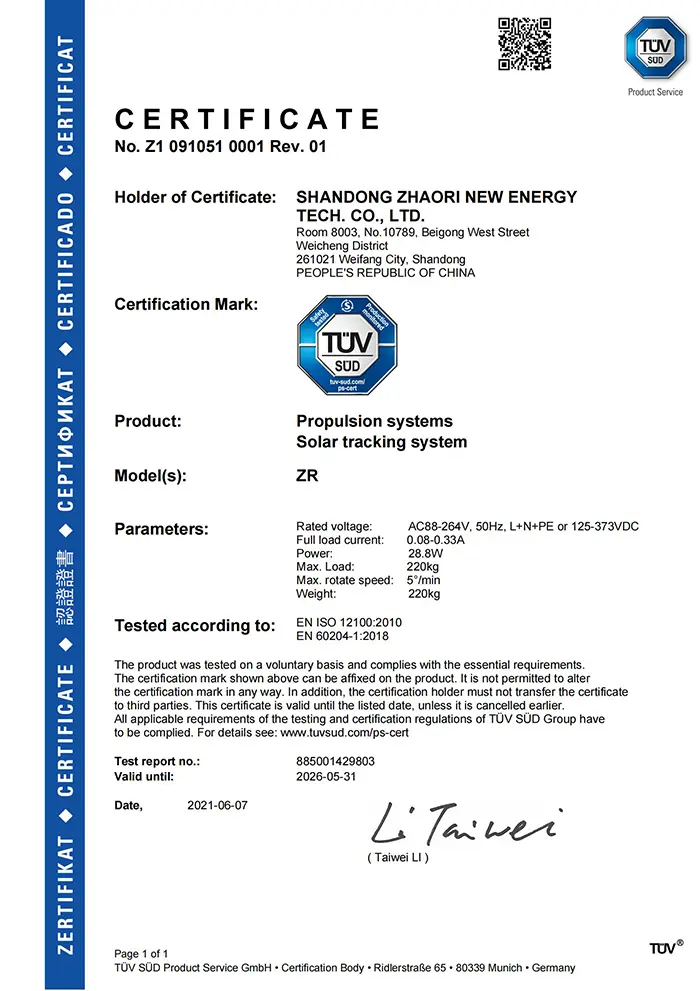
Our structural products are certified to comply with various structural requirements and PV standards globally.

Technical and logistics answers tailored for developers and procurement officers in Tokyo.
Get in touch with our engineering team for customized drawings, JIS structural analysis, and factory-direct pricing for your Tokyo solar project.
Send Inquiry Now Zhaori