Explore our high-performance solar structures tailored for Cameroonian environmental contexts, ranging from cost-effective manual adjustable tilt systems to advanced active solar tracking solutions.
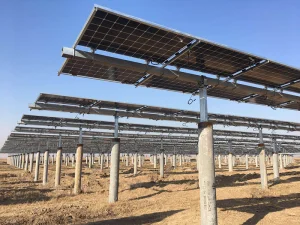
Optimized flat tracking system providing excellent LCOE reductions for commercial solar arrays in Northern Cameroon.
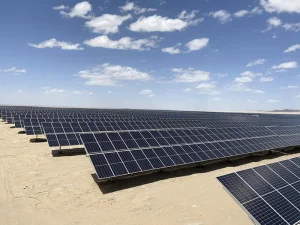
Specifically designed manual adjustable structure allowing seasonal tilt adjustments to match the Sahelian-tropical solar path.
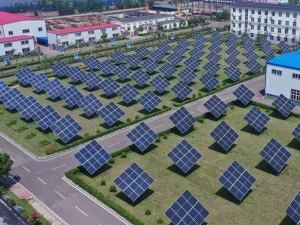
Maximum yield tracking system featuring dual-axis movement for high-irradiation zones in Maroua and Garoua.
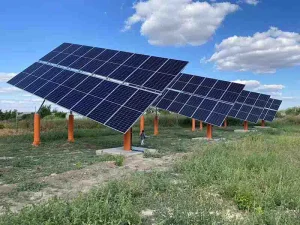
Tilted single-axis architecture designed to maximize morning and afternoon absorption in equatorial environments.
Cameroon presents a highly polarized solar irradiance landscape. The Northern region, characterized by a semi-arid Sudano-Sahelian climate (spanning Garoua, Maroua, and Ngaoundéré), boasts immense solar resources, with daily global horizontal irradiation (GHI) values exceeding 5.8 kWh/m²/day. Conversely, the humid southern rainforest belt, including metropolitan hubs like Douala and Yaoundé, features lower but economically viable solar potential averaging 4.5 kWh/m²/day, coupled with significant cloud-cover variability.
Industrial and Commercial (C&I) sectors in Cameroon struggle with high grid power tariffs and frequent grid-shedding, which heavily impact productivity. Decentralized solar energy solutions offer a robust alternative to expensive diesel generation. However, implementing tracking or mounting systems in Cameroon requires adapting to local operational factors: high humidity and salinity in the coastal zones, and severe dust deposits (Harmattan) in the north. Our manual adjustable solar racks solve these challenges by eliminating reliance on sensitive electronic sensors and actuators, ensuring a highly durable structural mounting solution.
When designing commercial and utility solar power installations in Sub-Saharan Africa, engineers must balance technical performance gains against long-term maintenance costs.
| Feature Parameter | Fixed Tilt Racking System | Manual Adjustable Fixed Racking | Automated Single-Axis Trackers |
|---|---|---|---|
| Capital Expenditure (CapEx) | Low baseline structure costs | Low-to-Moderate (Highly competitive) | High (Requires motors, control loops, sensors) |
| Energy Output Optimization | Baseline generation curve | +10% to +18% yield gain (seasonal) | +15% to +25% yield gain (active diurnal) |
| O&M Complexity | Almost zero maintenance | Extremely low (Manual adjustment 4x/year) | High (Requires specialized parts & tech) |
| Harmattan Dust Resilience | High (Dust accumulates on static glass) | High (Easy mechanical cleaning & steep tilt) | Low-to-Medium (Dust impacts tracking sensors) |
| Corrosion Protection | Standard Hot-Dip Galvanization | Heavy Hot-Dip Galvanization (≥85μm) | Standard Galvanization, sensitive electronics |
Our manual adjustable PV brackets feature robust mechanical design with simple structural locking points. Adjusting the angle requires no external power, motors, or programming, making them ideal for rural African deployments.
During dry seasons, Harmattan wind-blown dust in the Far North coats solar arrays. Manual adjustable structures allow steep tilts during dusty periods, helping clear sand and debris from module surfaces.
By avoiding expensive electro-mechanical tracking failures, these racks reduce downtime. This optimization provides a highly predictable Levelized Cost of Energy (LCOE) over a 25-year service life.
Shandong Zhaori New Energy Tech. Co., Ltd. is a high-tech and new energy company based on independent intellectual property rights. Our company was founded in June 2012 and we have 10 departments including R&D department, technical department, engineering department, production department, quality assurance department, development department, foreign trade department, domestic trade department, I.M.D. department and so on.
There are more than 60 professional technology talented employees in our company. Our team has focused on photovoltaic power stations and solar tracking technology for more than 10 years, making us an industry-leading manufacturer of solar tracking and adjustable structural mounting platforms globally.
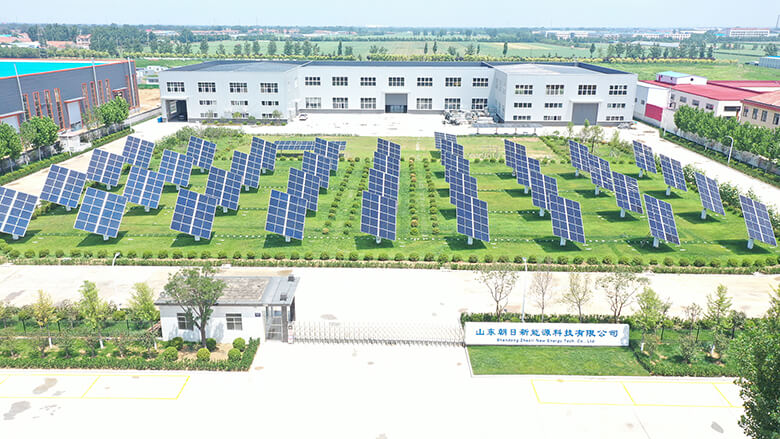
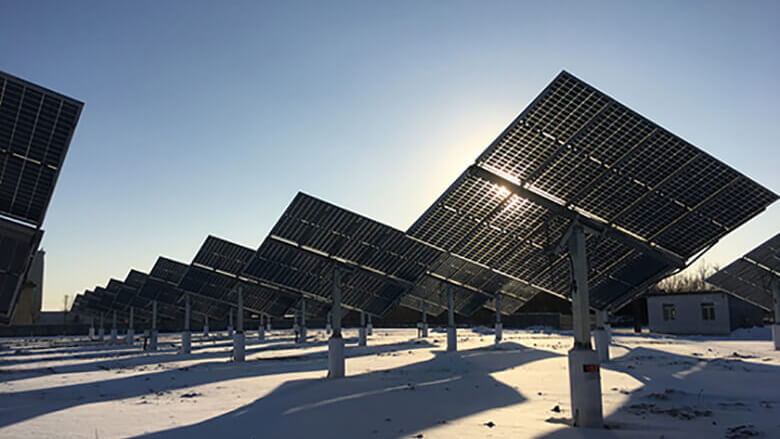
Our factory covers an area of 50,000 square meters, with a series of advanced production equipment, such as CNC machine tools, laser cutting machines, automatic welding robots, plasma machines, and dozens of production lines.
There are more than 300 production workers and our production capacity reaches 500MW per month. The products are manufactured from raw material screening, cutting, welding, forming, anti-rust treatment, post-processing, inspection and packaging, with strict quality control and level by level control, in strict accordance with the requirements of quality management system certification.
Our manual adjustable racks and tracking brackets are engineered to meet the structural demands of Cameroon's varied regional topographies and industries.
Providing off-grid community power in Northern villages around Garoua and Maroua. The robust manual adjustable racks allow local operators to optimize energy harvest using simple, hand-adjusted tilt points.
High-salinity maritime climates degrade standard racking systems quickly. Our structures feature hot-dip galvanized steel coatings (thickness over 85 microns) to prevent coastal corrosion and prolong asset life.
Helping power water pumping networks for farms in Bafoussam. Seasonal adjustment alignments ensure peak water output during the critical dry season transitions.
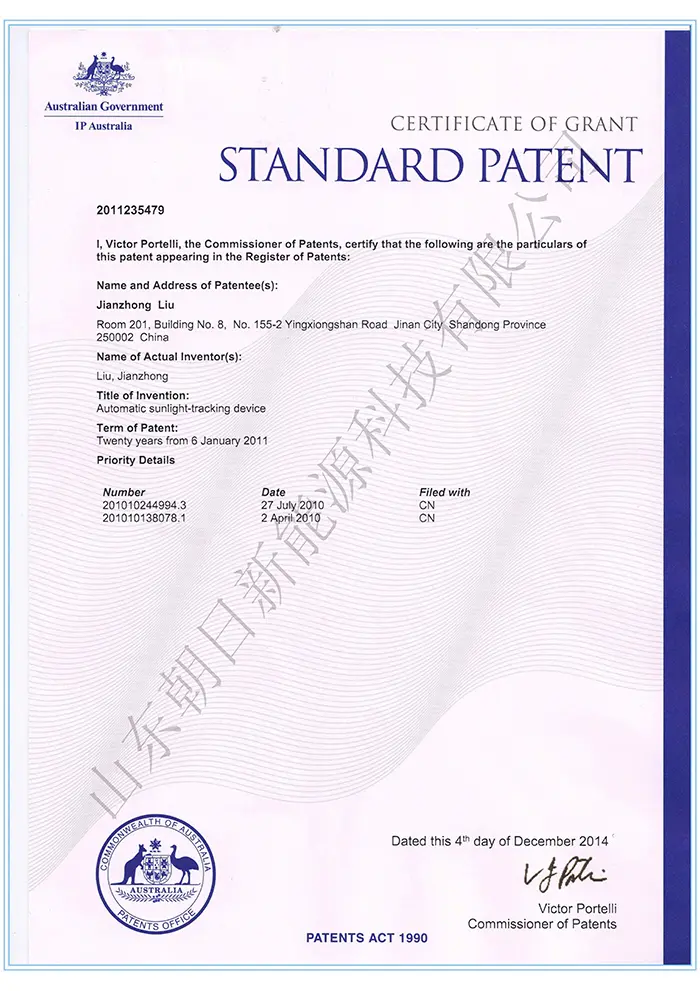
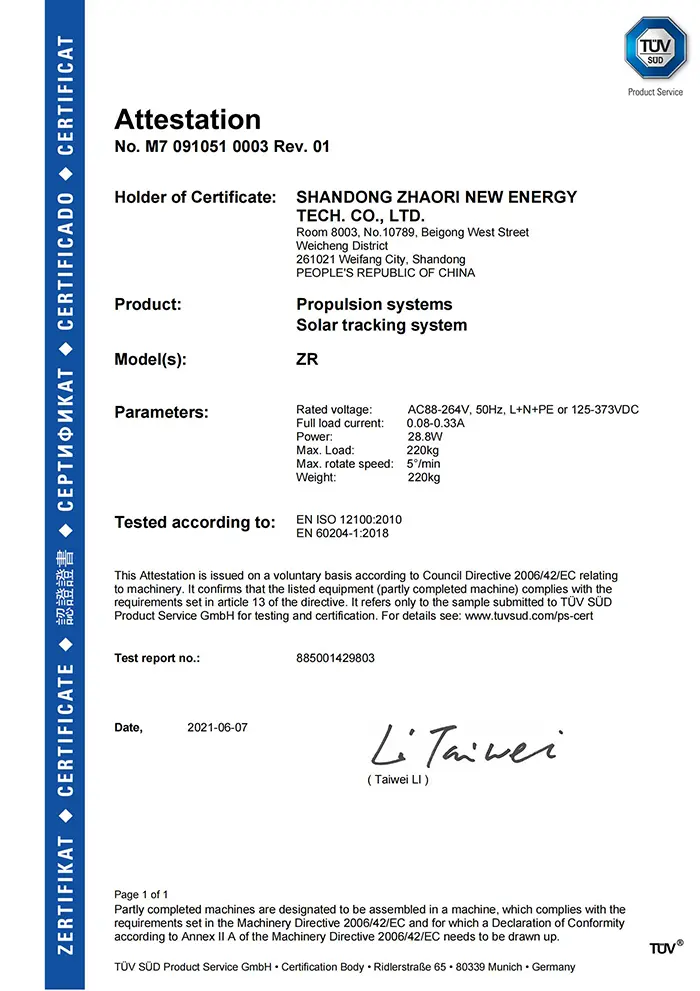
Our products have obtained patents of invention from the Europe Patent Office, the United States, Canada, Australia, Japan, South Korea, Thailand, India, Brazil, South Africa etc., as well as 8 Chinese National Invention Patents, more than 30 Utility model patents, and TUV, CE, and ISO certifications.
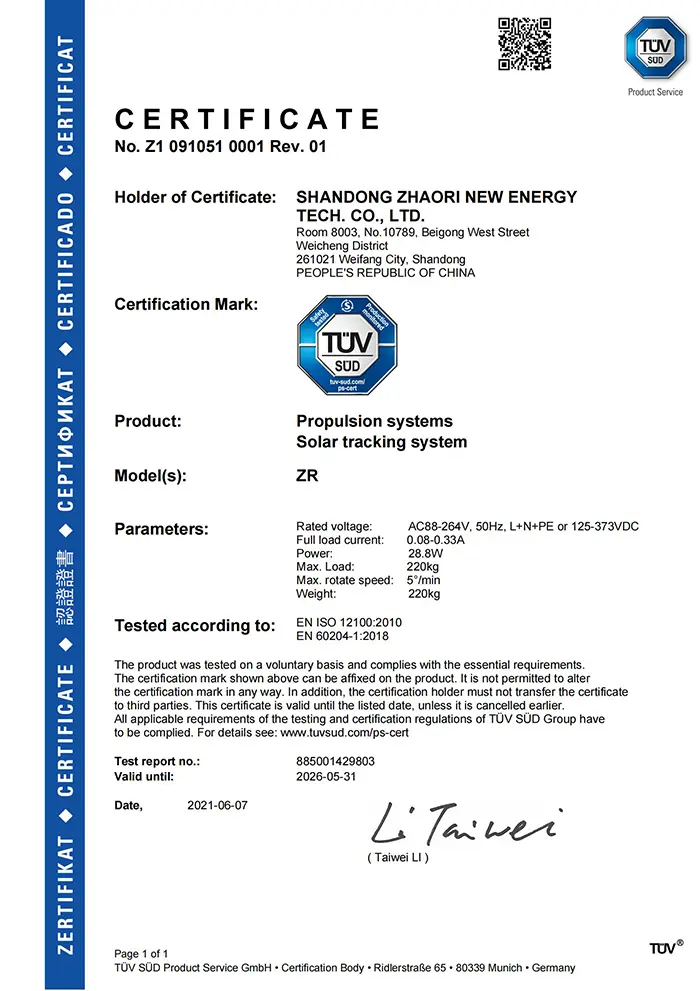
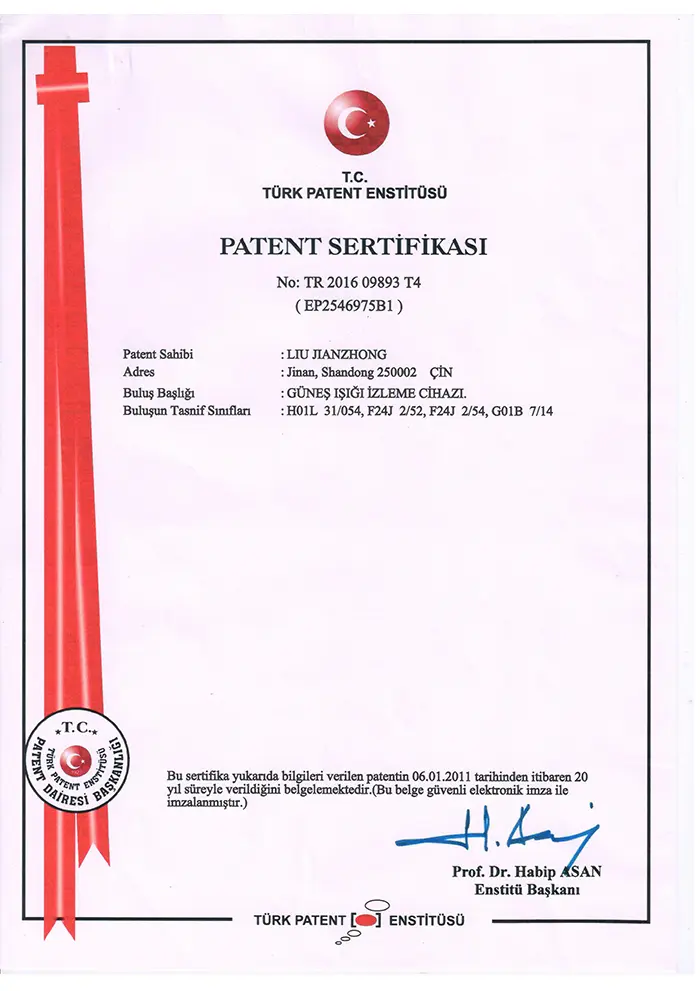
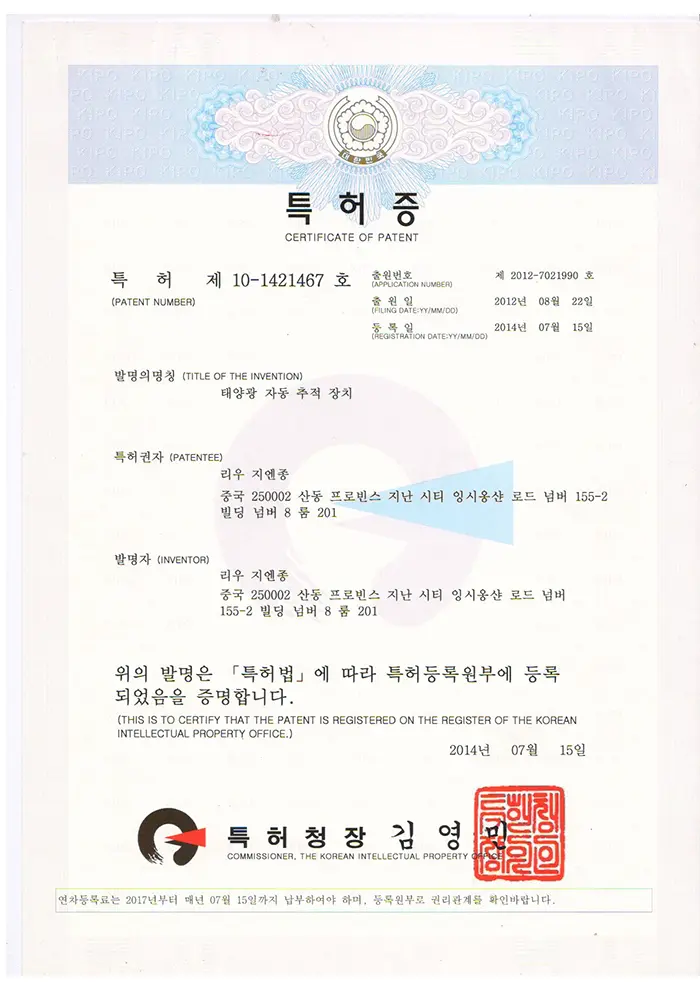
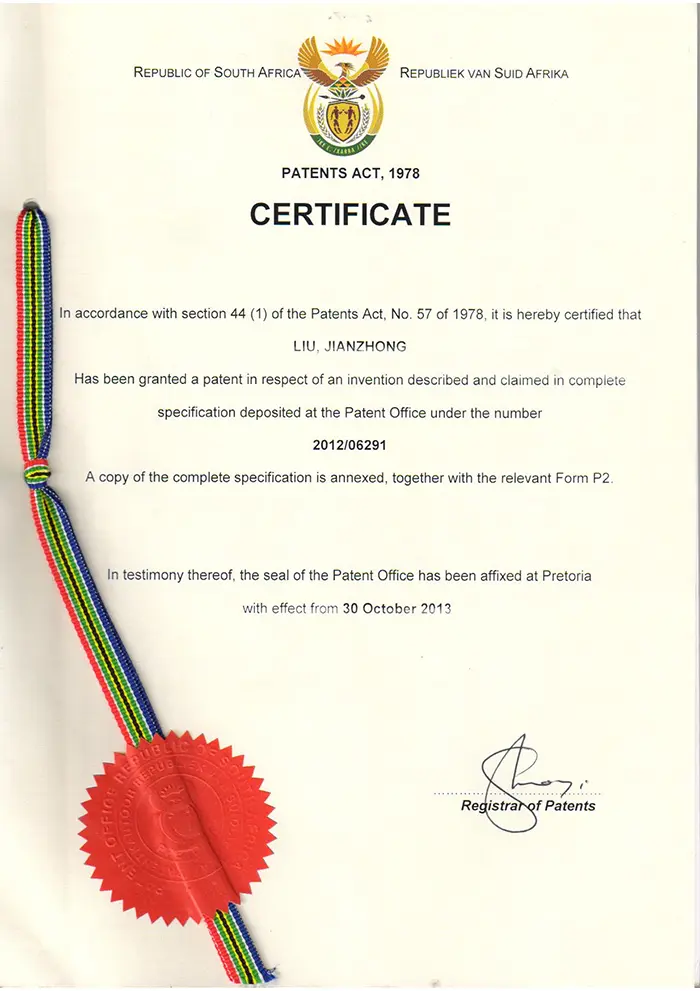
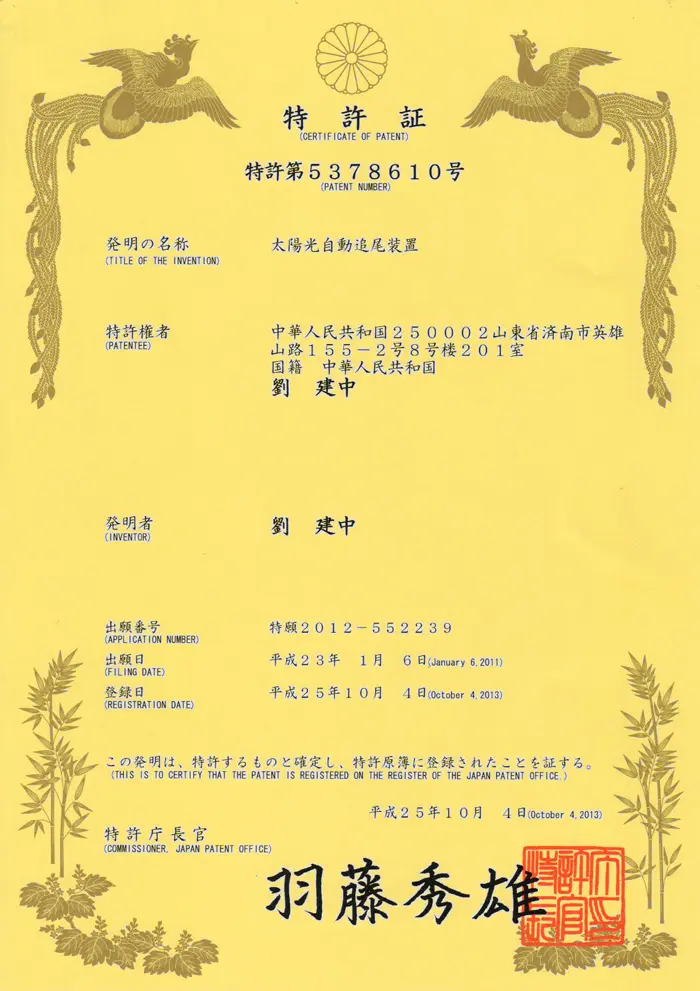
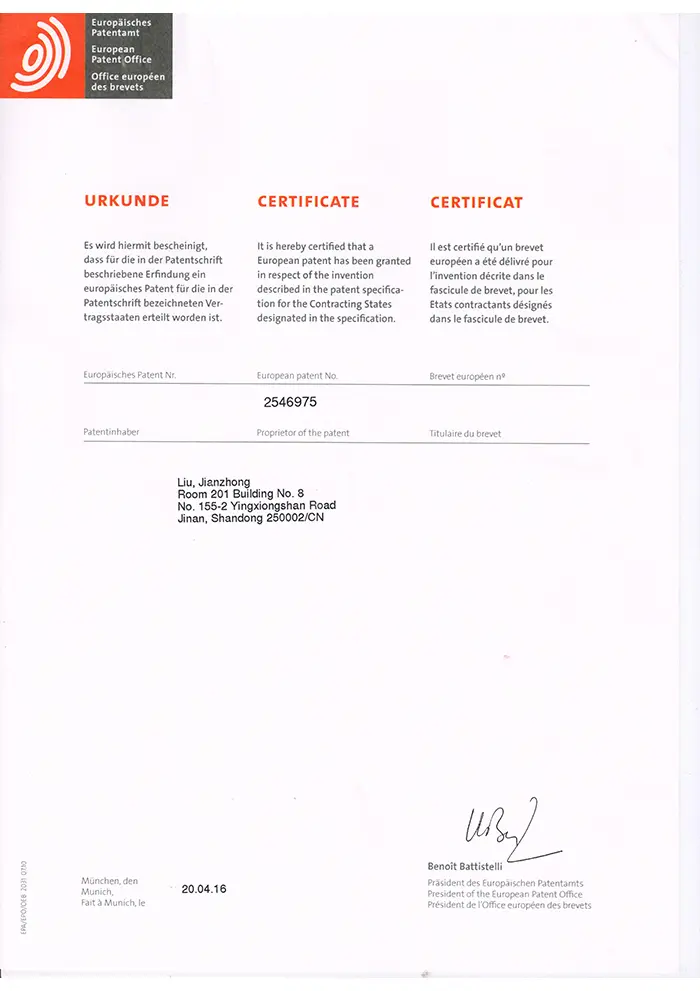
Discover how our structural installations withstand diverse environmental challenges, from Sahelian dust to deep equatorial rain belts.
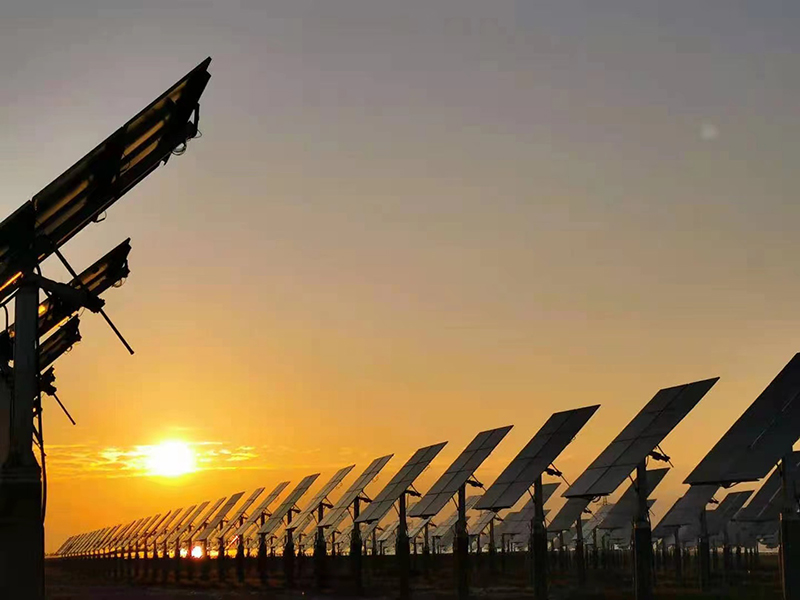
5MW Power Project in North Cameroon
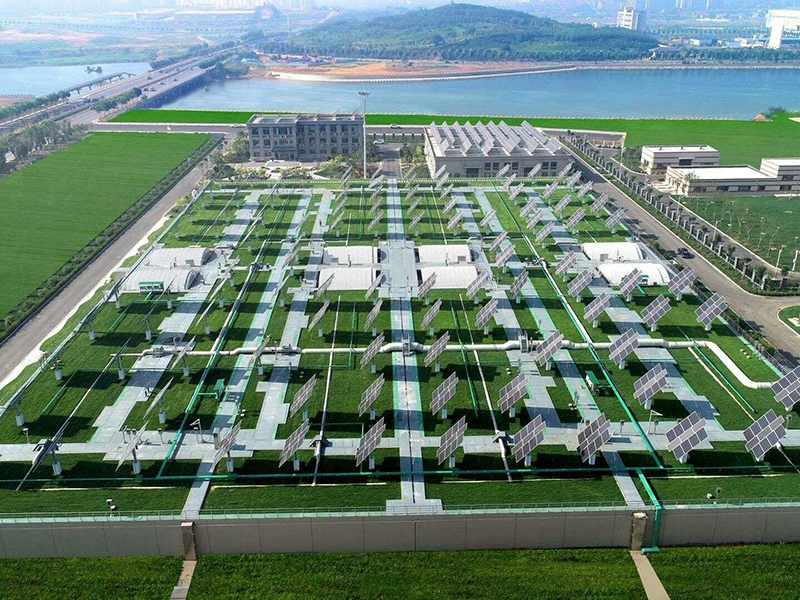
C&I Factory Project near Douala
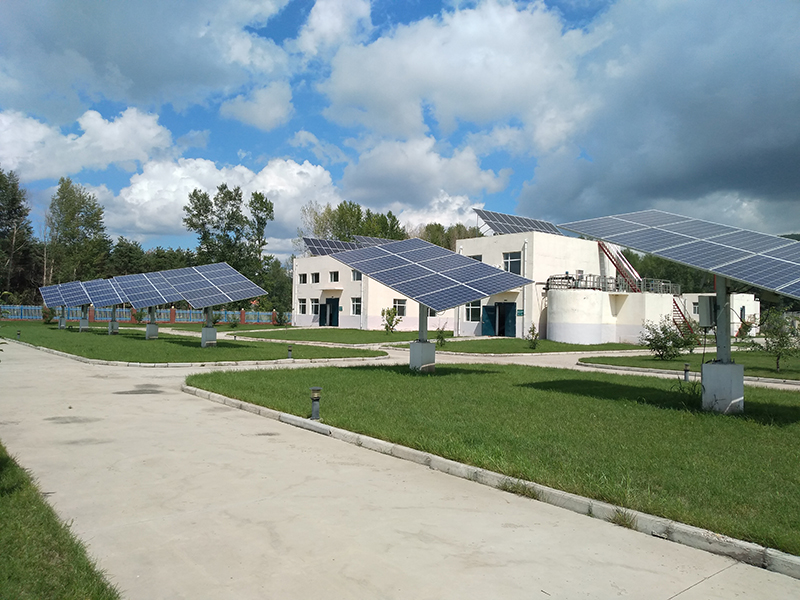
Garoua Green Belt Utility Project
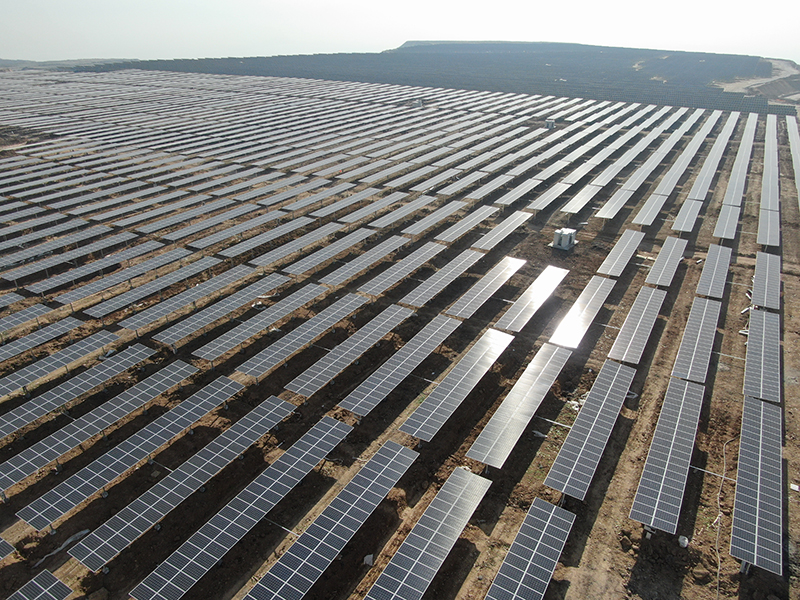
20MW Solar Farm in Central Cameroon
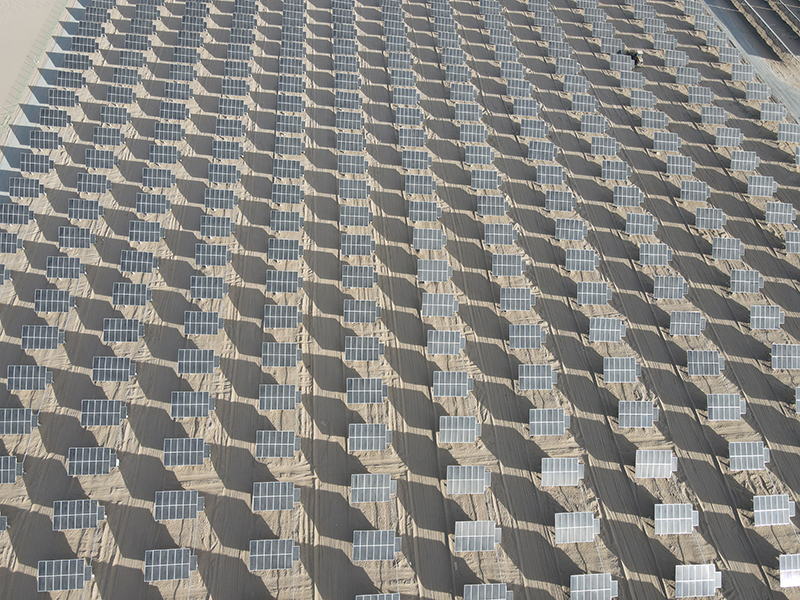
20MW Tilted Single Axis System in Ngaoundéré
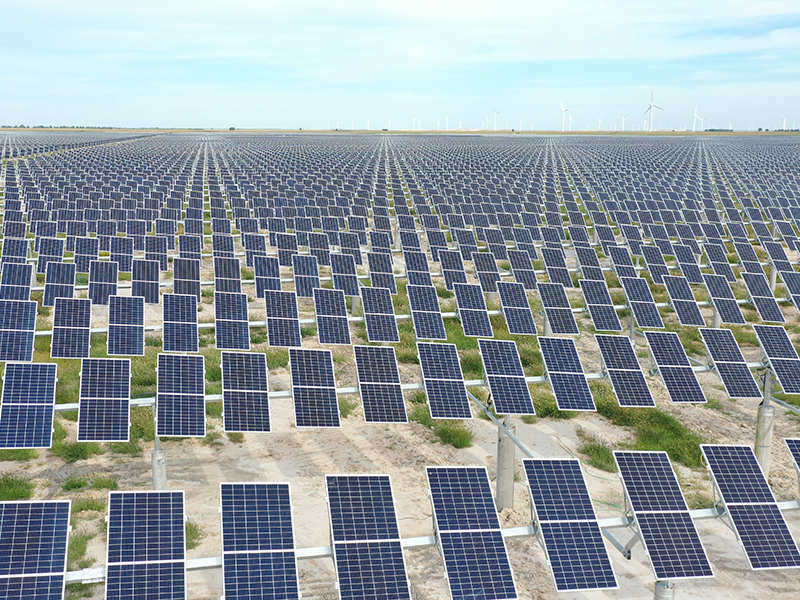
40MW Flat Single Axis Array with Inclined Modules (Maroua)
Watch our solar tracking and adjustable structure technologies in action, highlighting wind stow, tracking, and structural stability.
Large-Scale Flat Single Axis Installation
Industrial Single Axis Mechanical Interface
High-Performance Dual Axis Tracker Demo
As global PV modules transition toward larger formats (182mm / 210mm wafer sizes) and bifacial technology, solar mounting structures must evolve accordingly. Bifacial solar modules generate extra power from light reflected onto their rear side, meaning racking systems must minimize backside structural shading.
Our next-generation manual adjustable and active tracking structures feature zero-shading torque tubes and elevated clearance profiles. Furthermore, our development team is engineering cost-effective anti-soiling integration interfaces. By combining optimal seasonal tilt angles with waterless robotic cleaning brackets, Cameroonian solar arrays can maintain high performance, even during intense dust seasons in the North.
Active automated tracking systems rely on electric motors, light sensors, and control cards. In remote regions of Cameroon (such as the Far North or rural forest zones), getting replacement parts or technicians can lead to long system outages. A manual adjustable bracket provides a robust structural design without electronic components, allowing local operators to manually adjust tilt angles seasonally (typically 2 to 4 times a year) to boost power output by 10% to 18% with zero risk of electronic component failure.
For highly humid coastal regions like Douala, we use structural steel treated with hot-dip galvanization meeting ISO 1461 standards, with a minimum average coating thickness of 85 microns (μm). This ensures a service life of over 25 years. For extremely corrosive environments, we can also supply structural components with advanced Zinc-Aluminum-Magnesium (ZAM) coatings.
During dry seasons, dust deposits can significantly reduce solar panel efficiency. By allowing manual adjustment up to steeper angles (such as 35° or 45°), the racking system helps dust and sand slide off module surfaces naturally with morning dew or rainfall, while also making manual cleaning easier.
Yes, our structures (including the flat single-axis and tilted single-axis tracking systems) can be customized with optimized torque tubes and profile layouts that eliminate shading on the back of bifacial modules. This design helps maximize the rear-side albedo yield gain.
Our standard racking systems are designed to withstand wind loads up to 35m/s to 45m/s, which covers tropical storm conditions in Central and West Africa. We perform structural FEA (Finite Element Analysis) modeling based on your project site's specific wind parameters prior to fabrication.
Review our full line of solar racking systems, ground mount options, and tracking equipment. Click "Detail" to access full specs, drawings, and local project integration guides.
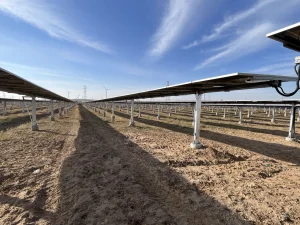
A low-profile tracking system designed to streamline installation on flat commercial land layouts.
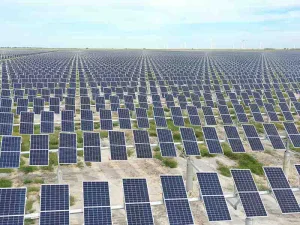
Combining seasonal tilt angles with single-axis tracking movement for optimized annual output.
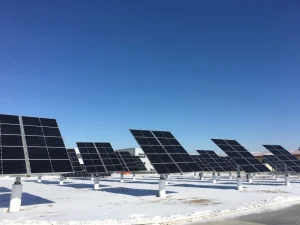
A heavy-duty tracking structure designed for utility-scale solar installations in the Sahel region.
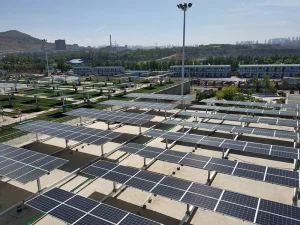
A 2-portrait configured tracker designed to maximize panel density and structure efficiency.
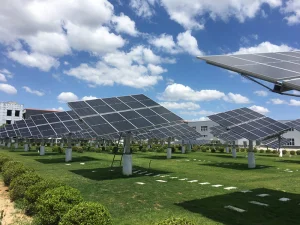
An active tracker designed to maximize output throughout the day across Central Africa.
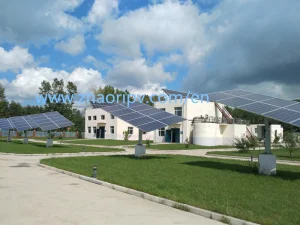
A tracking system designed to offer simplified controls and maintenance requirements for local grids.
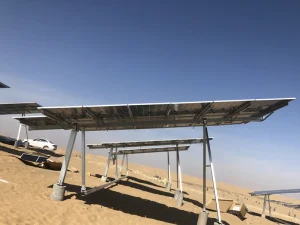
An optimized structural tracker designed to maximize seasonal generation curves in tropical environments.
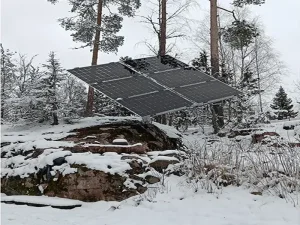
A smart-tracking bracket designed for agricultural mini-grid and off-grid utility programs.
 Zhaori