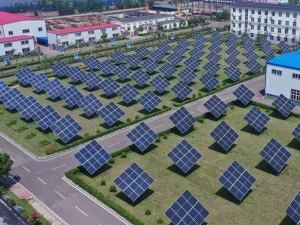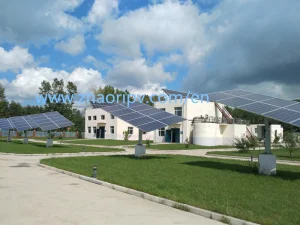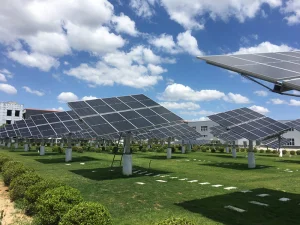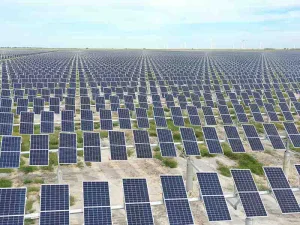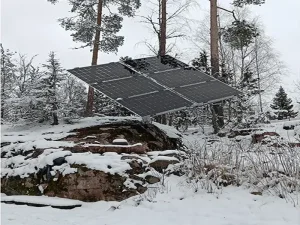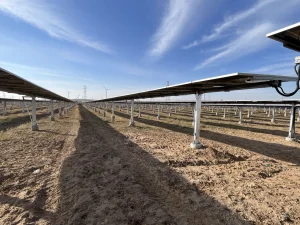
Optimized for high-wind regions like Marsabit and Turkana, providing maximum stability and 15-20% yield gain.
Get Quote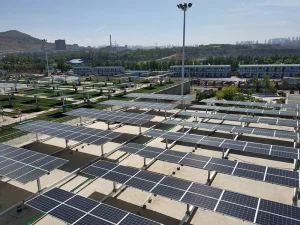
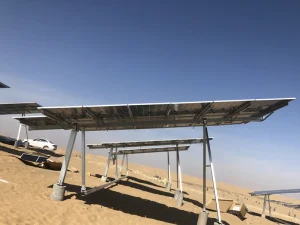
Double-row portrait (2P) configuration designed for large-scale utility projects in Rift Valley.
Get Quote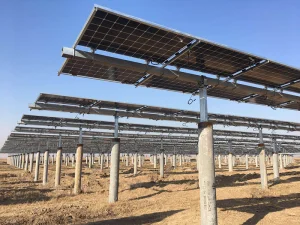
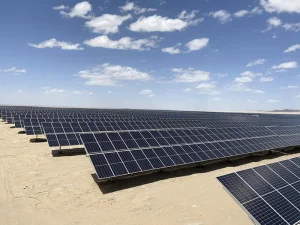
Comprehensive price-to-performance leader with integrated AI backtracking algorithms.
Get Quote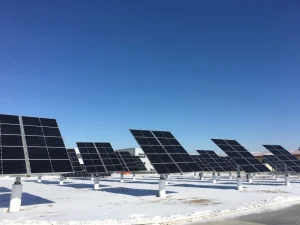
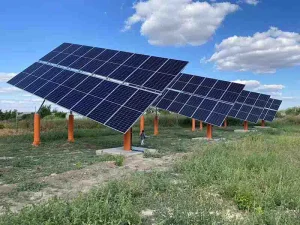
Maximum energy capture for water pumping and telecommunications towers in remote Kenya.
Get QuoteAs Kenya advances toward its "Vision 2030" goal of 100% renewable energy, the demand for high-efficiency solar infrastructure has skyrocketed. Unlike fixed-tilt systems, Flat Single Axis Trackers (FSAT) are specifically engineered to leverage Kenya's unique equatorial positioning. With a Global Horizontal Irradiance (GHI) exceeding 6 kWh/m²/day in regions like Garissa and the Northern Frontier, FSAT technology converts this raw potential into a consistent energy profile.
In Nairobi's industrial hubs and the agricultural vastness of the Central Highlands, energy costs remain a critical overhead. Kenyan businesses are transitioning from "saving on bills" to "energy independence." Our tracking systems provide a levelized cost of electricity (LCOE) reduction that fixed brackets cannot match, especially when paired with bifacial modules which are becoming the standard for Kenya's utility-scale projects.
Our 50,000 sqm factory utilizes CNC laser cutting and robotic welding to ensure every tracker sent to the Port of Mombasa meets rigorous ISO standards. We produce over 500MW monthly to meet global demand.
Kenya's climate ranges from humid coastal heat to arid desert winds. Our trackers feature hot-dip galvanization and UV-resistant components to ensure a 25-year operational lifespan in African conditions.
Equipped with GPS and astronomical algorithms, our systems automatically adjust for Kenya's cloud cover patterns, maximizing diffuse light capture during the rainy seasons.
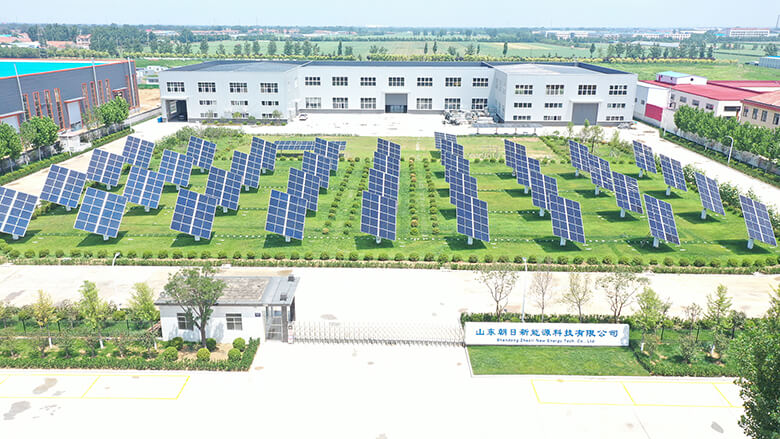
Our advanced manufacturing facility in China ensuring precision for Kenya's infrastructure.
Our solutions cater to the full spectrum of the Kenyan solar market, from Nairobi C&I projects to remote Northern Frontier utility plants.
For Large-Scale Independent Power Producers, our ZRP Flat Single Axis Tracker offers the reliability needed for grid-connected plants, optimizing albedo gain from sandy soils.
In Kericho and Naivasha, solar trackers power cold storage and irrigation. The tilted modules provide necessary clearance for dual-use land (Agrivoltaics).
In Turkana and Marsabit, where diesel transport is expensive, our dual-axis trackers (ZRD series) provide the highest possible energy density for community microgrids.
Shandong Zhaori New Energy Tech. Co., Ltd. is a high-tech company based on independent intellectual property rights. Founded in June 2012, we have expanded to 10 specialized departments including R&D, engineering, and quality assurance. Our team of 60+ professional engineers has focused on PV station optimization and solar tracking technology for over a decade.
Our factory covers an area of 50,000 square meters, equipped with CNC machine tools, laser cutting, and automatic welding robots. We maintain strict quality control from raw material screening to final packaging, ensuring every bracket shipped to our Kenya partners is flawless.
Our principle: More simple, more reliable, and more effective. We hold patents in the USA, Canada, Australia, Japan, South Africa, and more, alongside TUV, CE, and ISO certifications.
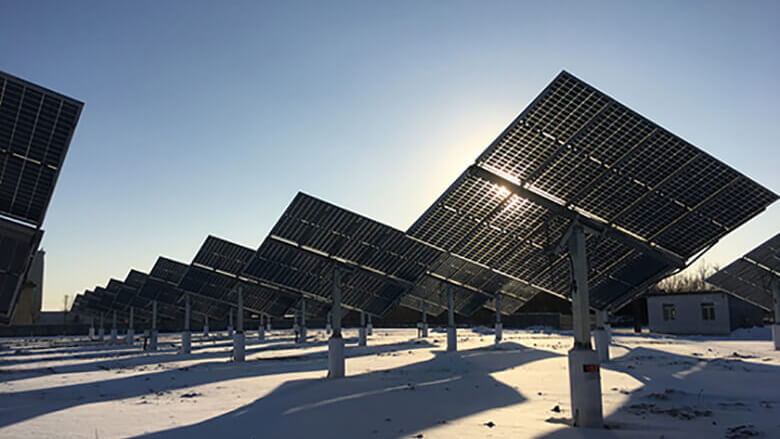
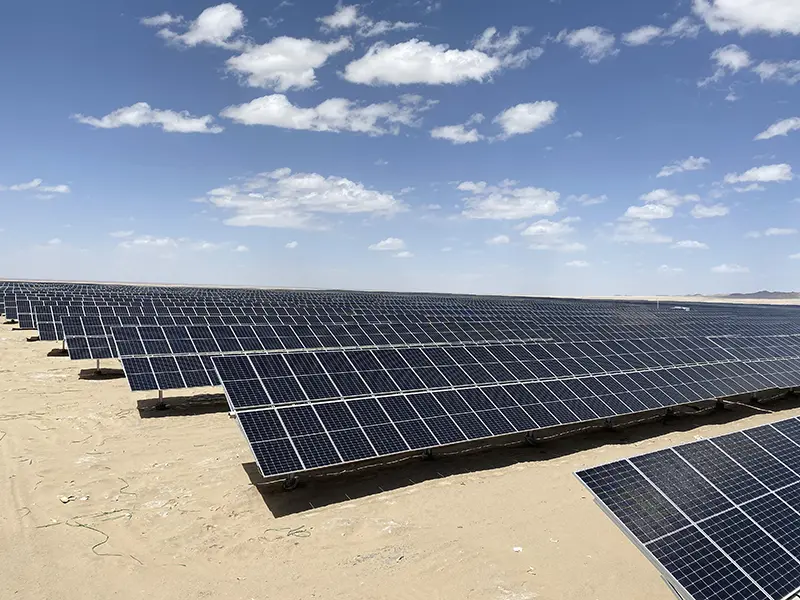
20MW Desert Tracker Project
High-durability trackers operating in high-heat environments similar to Northern Kenya.
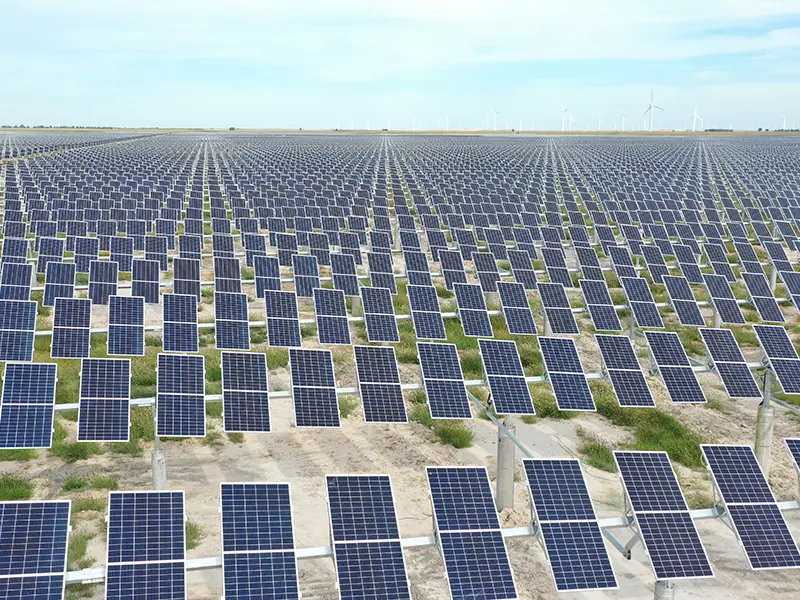
40MW ZRPT Flat Single Axis
Optimized for large-scale energy production with bifacial module support.
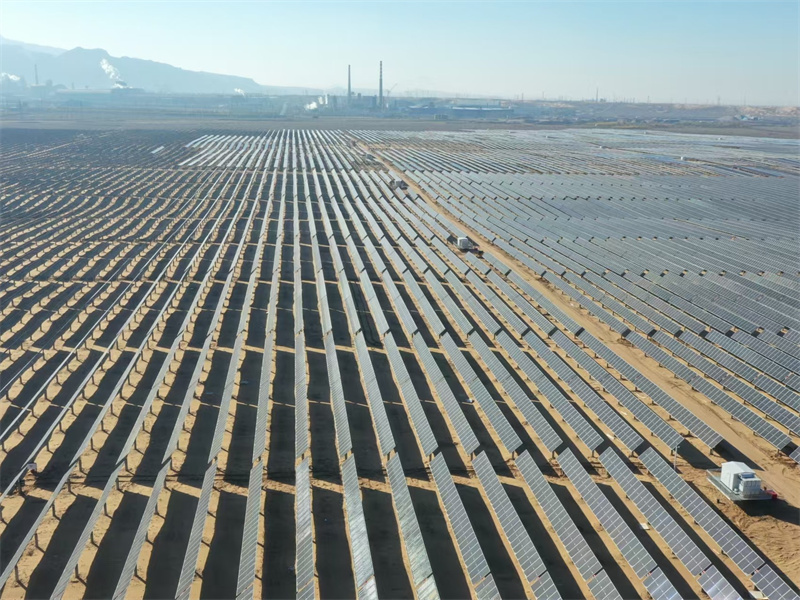
360MW Utility Scale Project
Massive deployment demonstrating the scalability of our tracking solutions.
Kenya's equatorial position means the sun passes almost directly overhead. A flat single-axis tracker follows the E-W path, increasing morning and afternoon yield. This reduces the need for expensive battery storage by flattening the production curve.
Typically, production takes 2-3 weeks, and sea freight from Qingdao/Tianjin to Mombasa takes approximately 25-35 days. We handle all export documentation to ensure a smooth transition through KRA customs.
Our trackers are designed with "Simple Maintenance" in mind. Bearings are self-lubricating, and the AI controller includes a "Stow Mode" for dust storms to protect module surfaces and drive mechanisms.
While the initial CAPEX is 10-15% higher than fixed tilts, the 25% increase in energy production usually results in a 2-year shorter payback period (typically 4-6 years in Kenya depending on tariff).
Get a customized technical solution and a competitive quote for your solar tracking needs today. Our engineers are ready to assist with project layouts and LCOE analysis.
 Zhaori