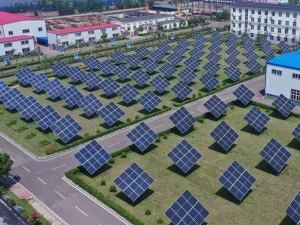
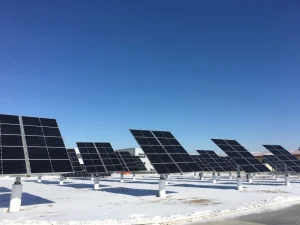
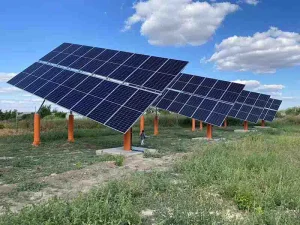
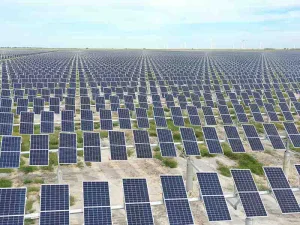
Uruguay has emerged as a global leader in renewable energy, with nearly 98% of its electricity generated from renewable sources. While wind and hydropower have historically dominated the mix, the "Política Energética 2005-2030" is now pivoting towards solar energy to diversify the grid. With an average solar irradiation exceeding 5.0 kWh/m²/day in regions like Artigas and Salto, the demand for Flat Single Axis Trackers is skyrocketing to maximize yield during the high-demand summer months.
Energy Gain vs Fixed Systems
Monthly Manufacturing Capacity
Years Solar R&D Expertise
Utility Model Patents
Our tracking algorithms utilize astronomical calculations combined with real-time sensor data to avoid "backtracking" shadows during early morning and late evening, specifically calibrated for the latitudes of Uruguay (-30° to -35°).
Given the coastal winds of the Rio de la Plata, our structures are tested for gust resistance up to 150km/h, utilizing high-tensile galvanized steel and robust damping mechanisms.
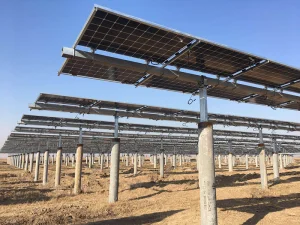
Engineered for the latest bifacial N-type modules, our 2P configurations ensure zero-shading on the rear side, harvesting up to 10% additional albedo gain from Uruguay's diverse soil types.
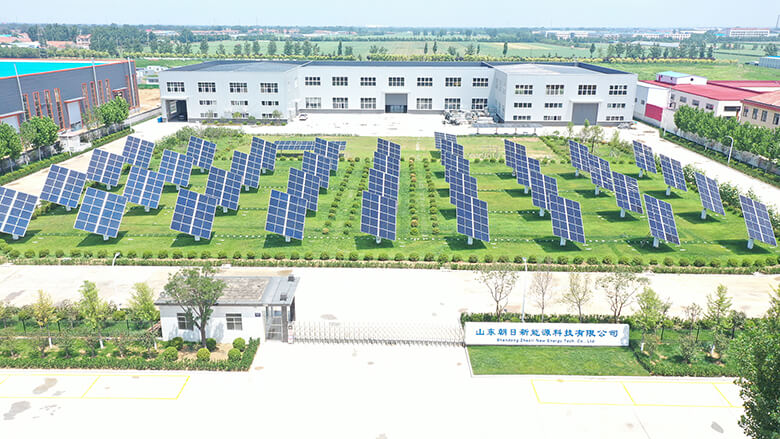
Founded in June 2012, we are a high-tech company based on independent intellectual property rights. With over 10 departments including R&D, Technical, and Quality Assurance, our team has focused on solar tracking technology for more than 10 years. We hold patents from the European Patent Office, USA, Canada, Australia, Japan, South Korea, and more.
Our 50,000 square meter factory is equipped with CNC machines, laser cutters, and automatic welding robots. With 300+ workers, we deliver 500MW monthly, ensuring strict quality control from raw material to final packaging in accordance with TUV, CE, and ISO standards.
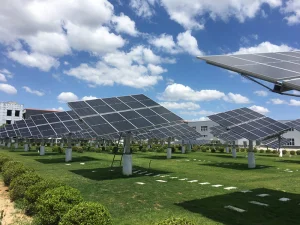
Uruguay's massive cattle industry provides a unique opportunity. Our flat single-axis trackers can be elevated to allow grazing underneath, providing shade for livestock while generating clean energy.
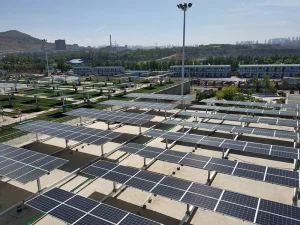
For processing plants in Canelones or San José, our systems help lower the LCOE (Levelized Cost of Energy), ensuring companies meet corporate sustainability goals.
Optimized for the UTE (Administración Nacional de Usinas y Trasmisiones Eléctricas) grid requirements, our trackers ensure stable power injection and reactive power support.
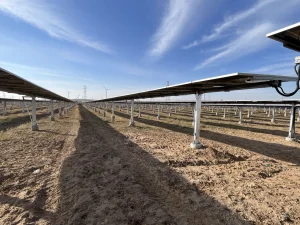
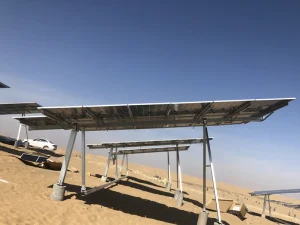
Specialized pile-driving and foundation designs for the sandy terrains of Maldonado and Rocha to ensure structural integrity over a 25-year lifespan.
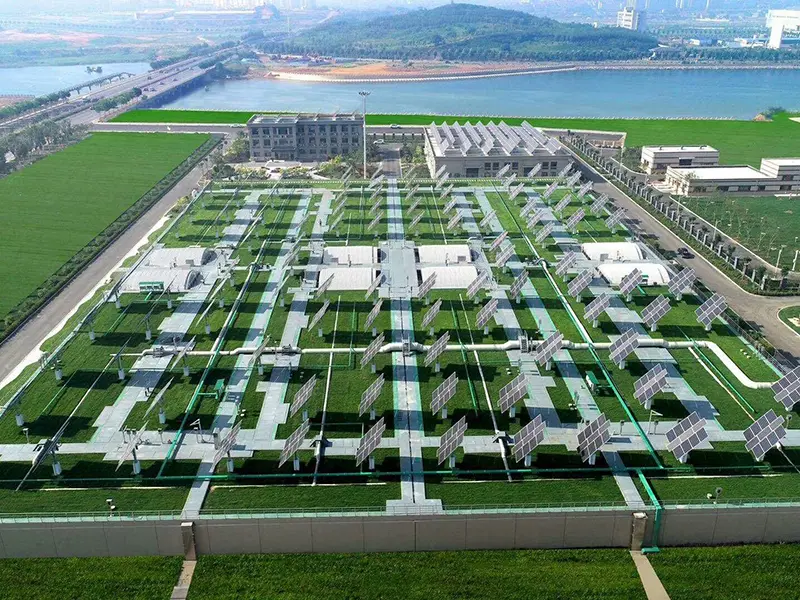
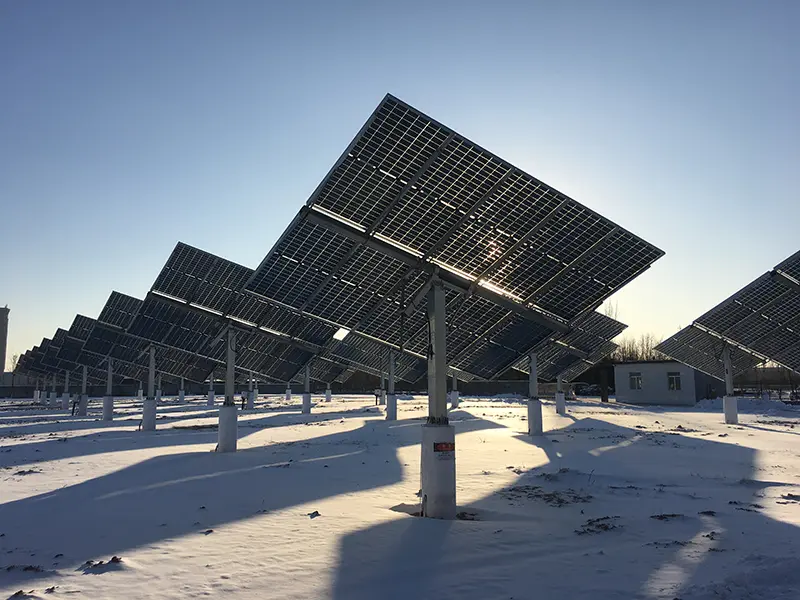
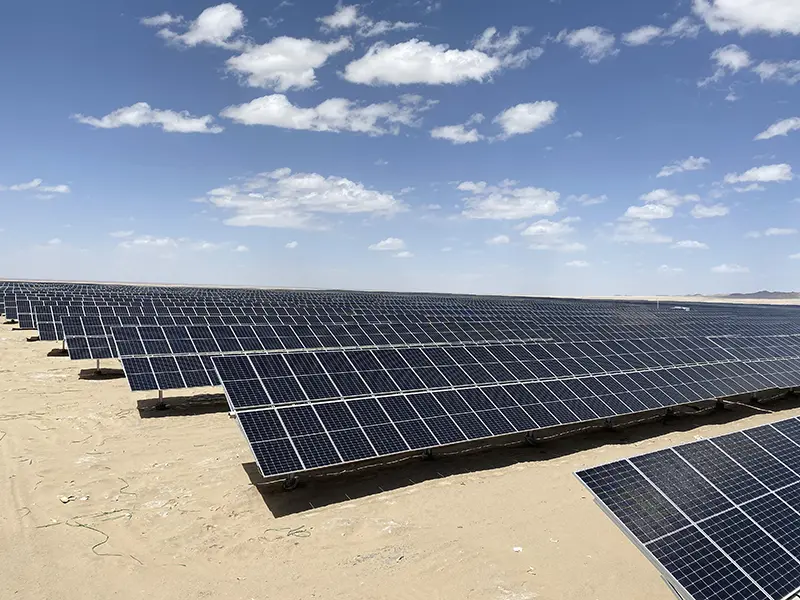
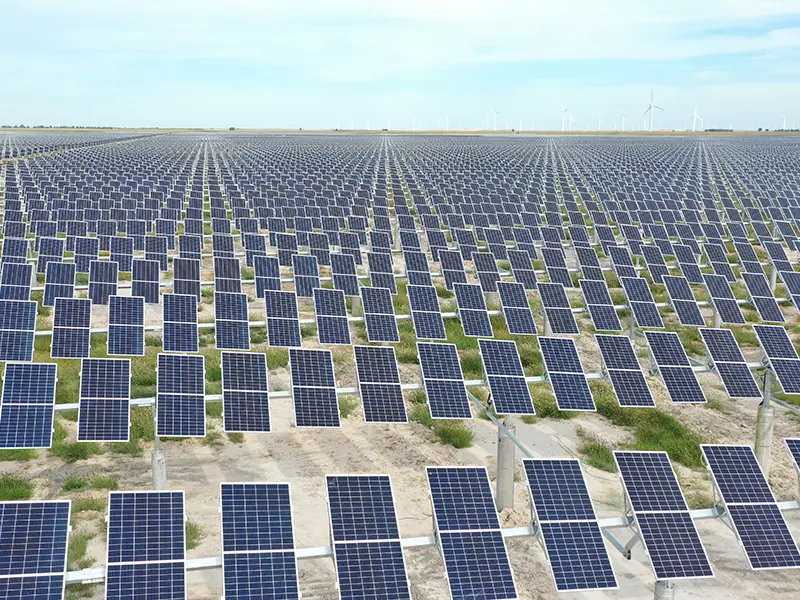

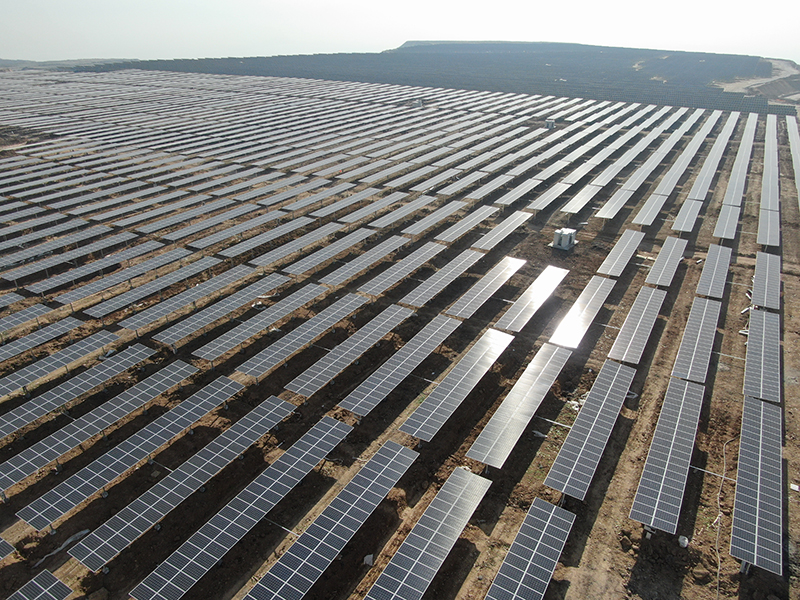
Flat single-axis trackers are ideal for Uruguay's mid-latitude position. They capture high levels of direct beam radiation and are significantly more cost-effective than dual-axis systems while providing much higher yields than fixed tilt structures in the Pampas region.
Yes, our tracking systems are designed to meet international structural codes (ASCE, Eurocode) which are recognized for utility-scale projects in Uruguay. We provide full documentation for local certification and UTE grid connection.
Our systems are designed for low maintenance with self-lubricating bearings and IP65+ rated electronics. We recommend a simple annual inspection of mechanical joints and motor performance.
Simply click our "Send Inquiry Now" button and provide your project location (latitude/longitude), soil type, and preferred module specifications. We provide customized layouts and LCOE projections within 48 hours.
 Zhaori