Engineered to adapt to the unique equatorial microclimate of Indonesia, these trackers deliver high structural integrity and maximized energy yields.
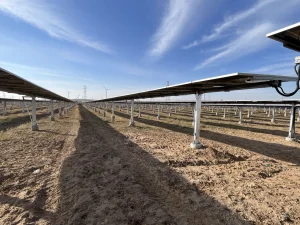
A highly stable, single-row flat layout optimized for low-clearance utility scale installations in tropical conditions, lowering installation costs.
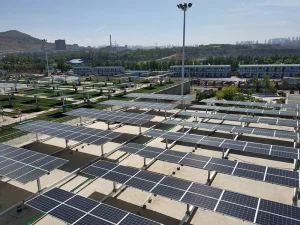
Designed for two-portrait configuration matching high-power bifacial solar modules, optimizing direct and ground-reflected radiation.
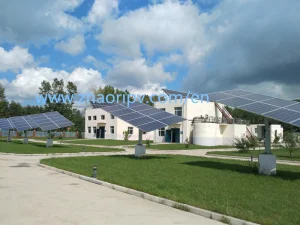
Cost-effective semi-automatic tracker providing elevated energy outputs via manual seasonal tilt adjustments alongside automatic daily tracking.
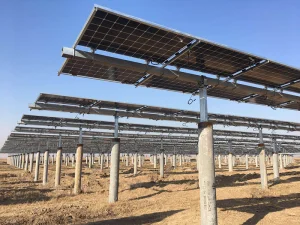
Premium grade linear structural tracker with advanced astronomical algorithm software designed to combat cloudy and diffuse light conditions.
A Technical Assessment of how flat single-axis trackers address regional geographic and atmospheric challenges.
Indonesia, situated across the equator, presents a highly lucrative solar potential, yet one with extreme environmental considerations. The average solar irradiance sits at roughly 4.8 kWh/m²/day, but the atmosphere remains characterized by high relative humidity (exceeding 85% year-round) and high ambient temperatures. Traditional fixed solar installations fail to maintain efficiency under diffuse radiation—caused by heavy tropical cloud layers—and structural components degrade rapidly under coastal salinization.
Our flat single-axis trackers address these tropical constraints. Unlike standard installations, single-axis tracker mechanics align solar modules precisely to optimize the incident angle. Under diffuse light, the tracker transitions to a horizontal horizontal plane alignment to optimize diffuse blue-sky radiation capture. This increases overall energy harvest by up to 25% over static systems.
Energy Gain vs Fixed
Corrosion Resistance
Diffuse Light Adaptability
High Wind Resistance
As an archipelago located on the Pacific "Ring of Fire," Indonesia faces constant risk from tectonic events, earthquakes, and volcanic debris accumulation. Additionally, the soil compositions vary from muddy coastal delta zones to volcanic, highly organic clay types. Flat single-axis tracking systems must be engineered with specific pile foundations, including pre-stressed concrete spun piles or hot-dip galvanized steel driven piles, designed with dynamic soil mechanics in mind.
How Shandong Zhaori New Energy Tech. Co., Ltd. leads globally in Solar Tracking Technology.
Founded in June 2012, Shandong Zhaori New Energy Tech. Co., Ltd. operates as a premium high-tech enterprise built upon independent intellectual property rights. Across more than a decade of research, our engineering core has integrated 10 distinct professional departments, housing over 60 dedicated photovoltaic and structural technology specialists. Our research and development efforts are focused strictly on maximizing the efficiency of solar systems via robust tracking mechanics.
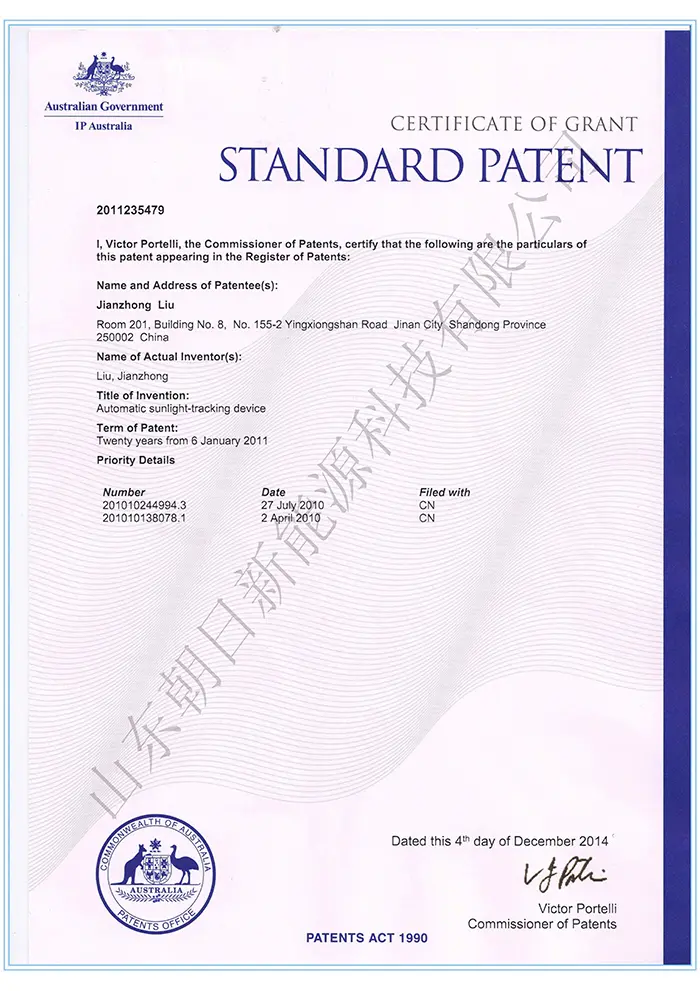
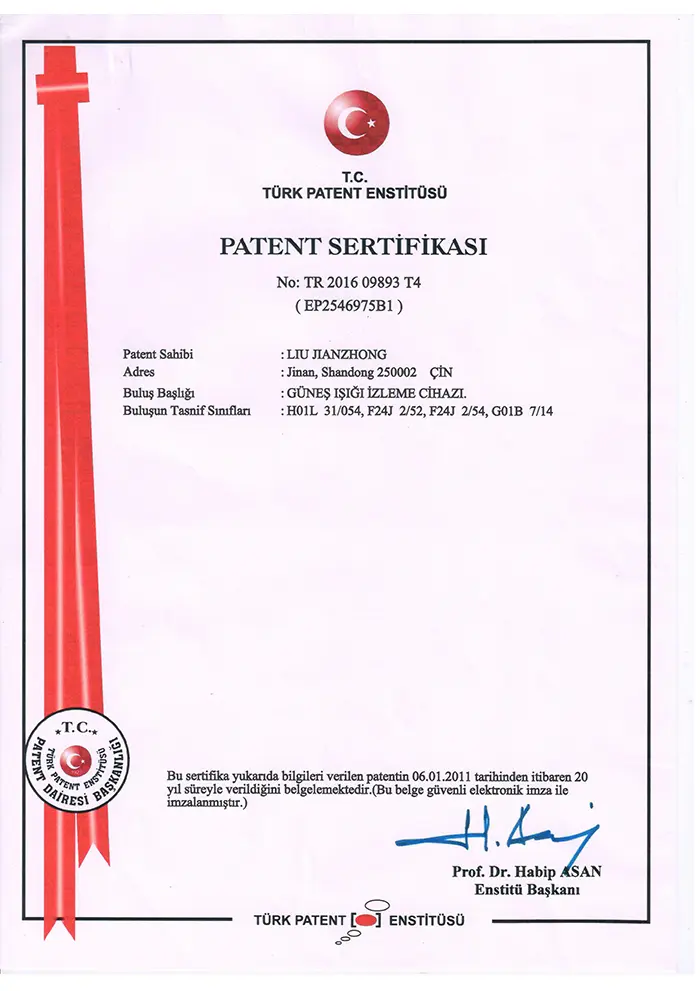
Our tracking technologies are backed by a strong patent portfolio, with international utility model and design patents registered in the European Patent Office, the United States, Canada, Australia, Japan, South Korea, Thailand, India, Brazil, and South Africa, alongside 8 Chinese national invention patents.
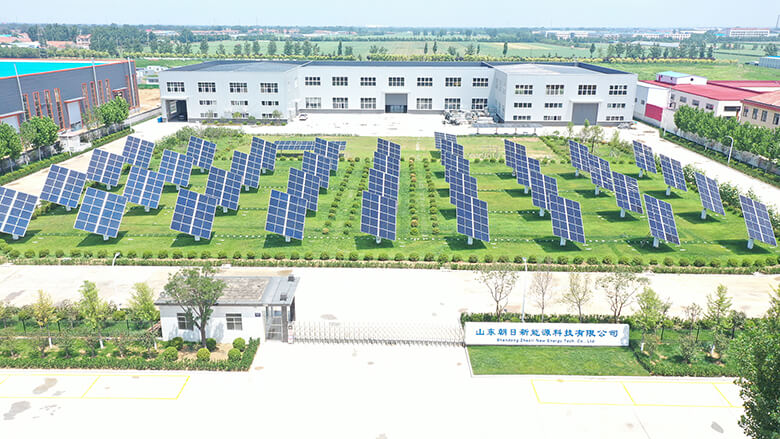
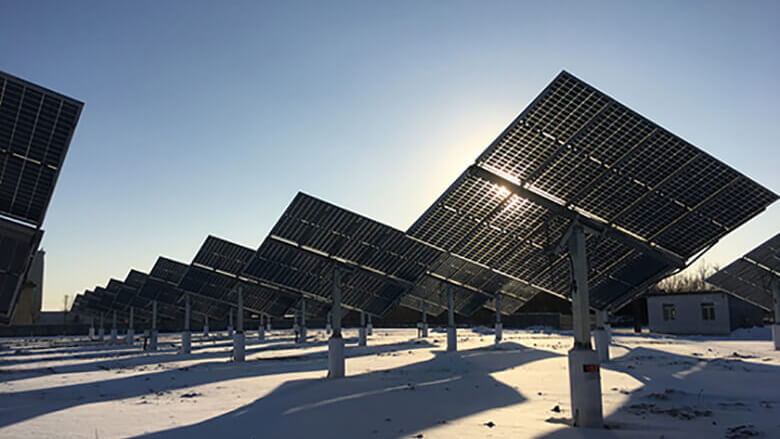
Our manufacturing plant spans 50,000 square meters and is equipped with advanced automated production lines, CNC machining systems, laser cutting heads, plasma profiling units, and automatic welding robotic cells. This mechanical layout supports a monthly output of 500MW.
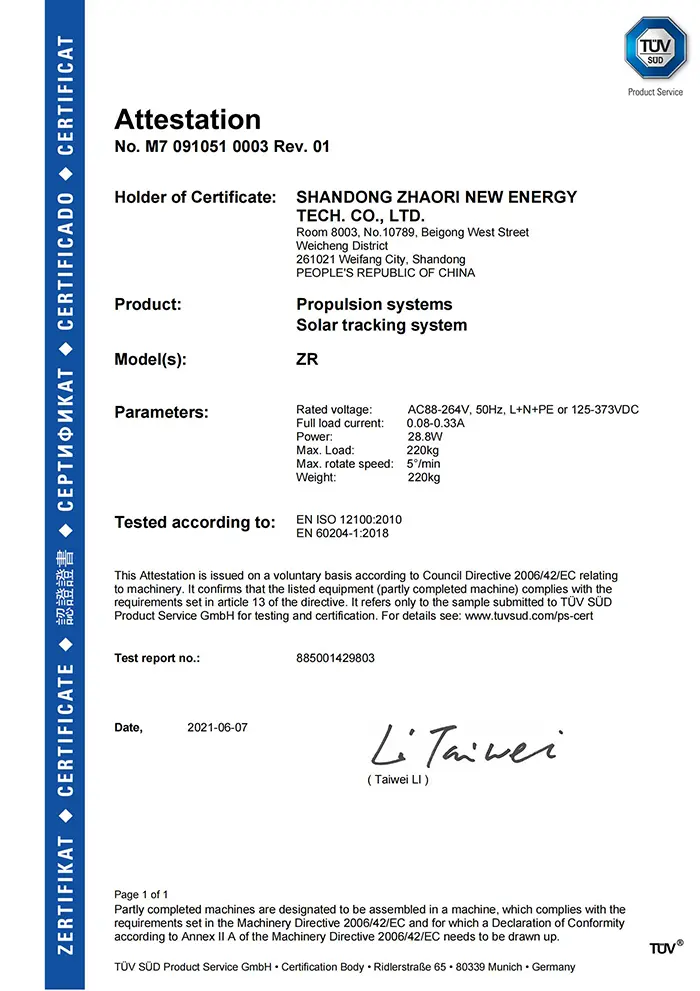
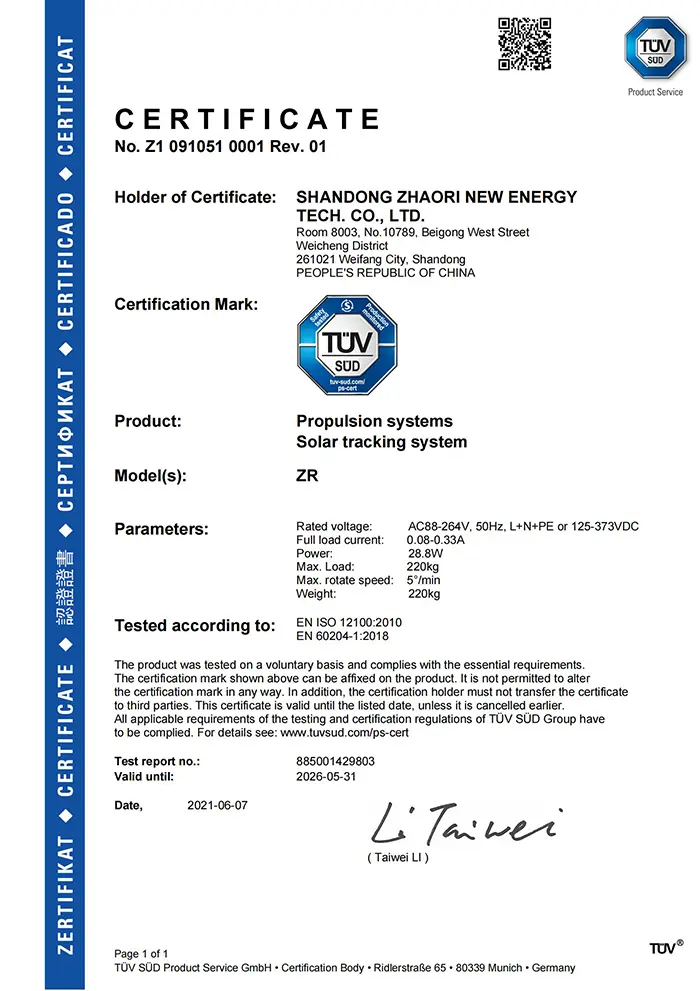
Every structural tracker undergoes testing starting from the initial steel coil screening, cutting, precision welding, hot-dip galvanization or Zn-Al-Mg surface processing, and functional assembly tolerances. We maintain strict compliance with global quality management systems, including ISO 9001, CE, and TUV certifications, ensuring that our trackers withstand demanding environmental conditions.
Redefining equatorial solar generation through machine learning and real-time backtracking.
Utilizes real-time power measurement feedback to optimize shading states across uneven hillsides and during mornings or late afternoons, ensuring maximum solar capture.
Dynamically calculates the optimal tilt angle based on real-time ground albedo measurements, boosting the generation gains of advanced bifacial modules.
High-speed wind sensors interface with the central control unit, triggering automatic rotation to a safe flat stow position (0°) in high wind events.
A proven track record of durability across commercial, industrial, and utility scale environments.
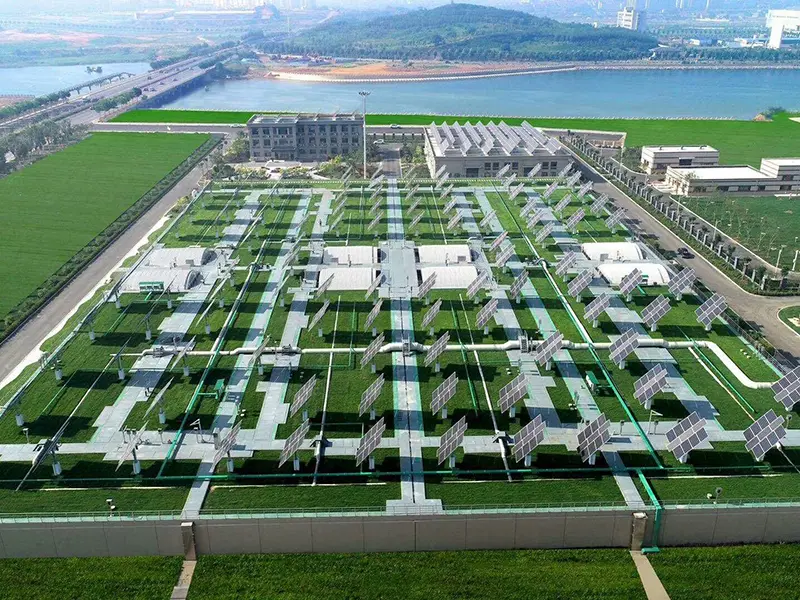
Optimized roof-mounted tracker installation
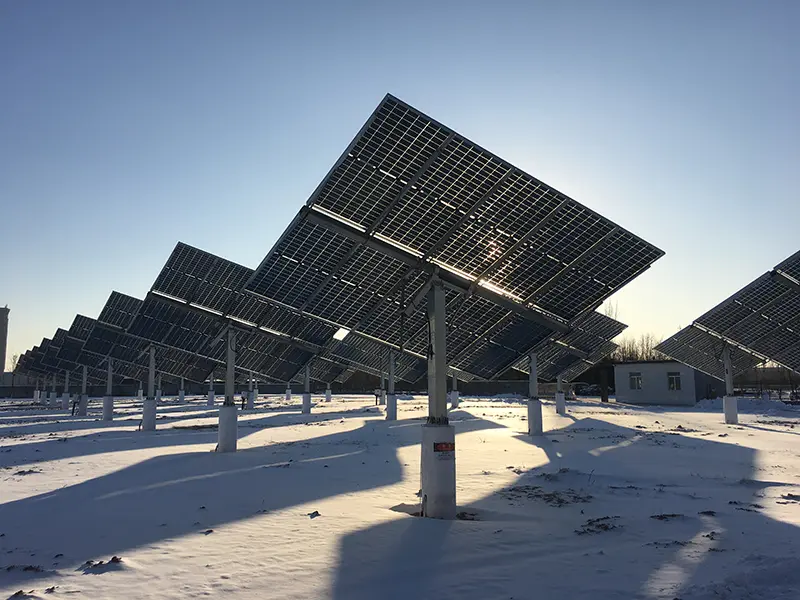
Active tilt system shedding heavy snow loads
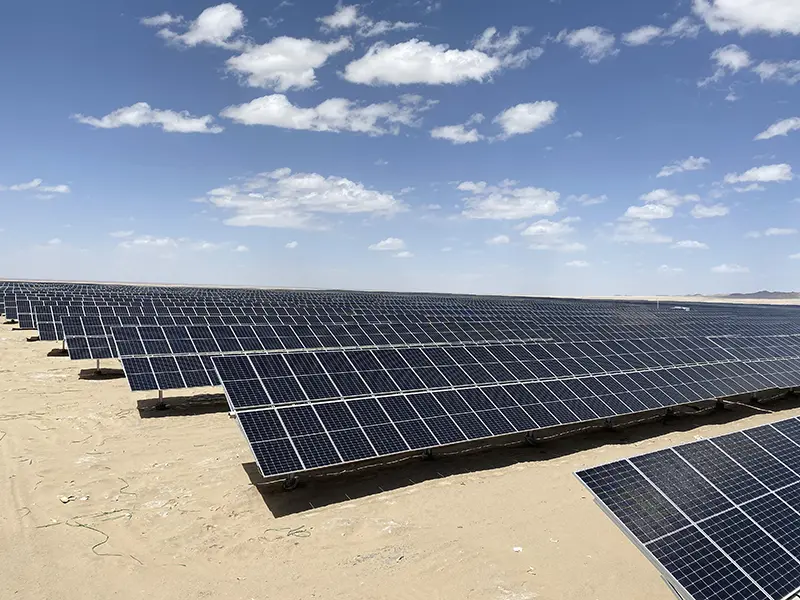
Dust and high heat resistance engineering
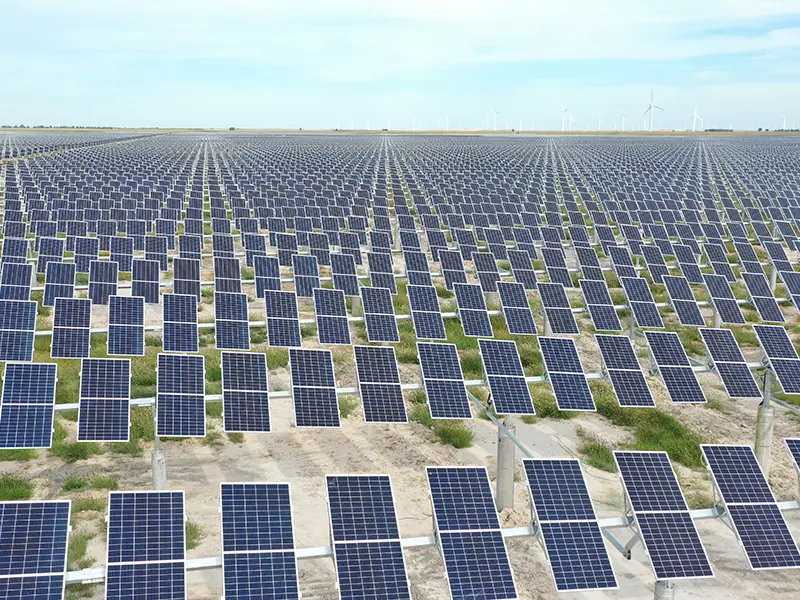
Flat single axis with inclined module structure
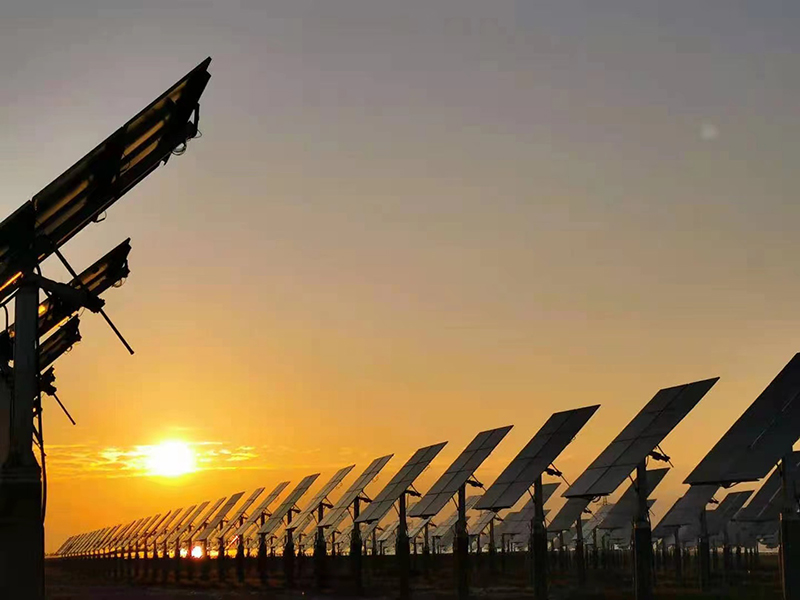
High wind and structural performance
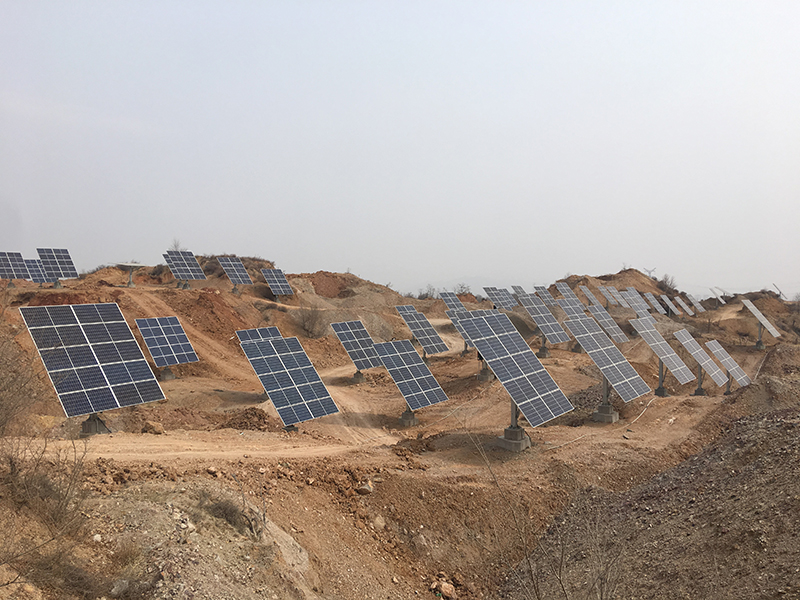
Adapting tracking mechanisms to sloped terrains
Ensuring compliance with local standards, customs protocols, and technical grid integration.
Navigating the local content requirement (TKDN - Tingkat Komponen Dalam Negeri) in Indonesia is critical for utility-scale solar projects. As a flexible manufacturer, we partner with domestic Indonesian fabricators and engineering firms. This allows us to supply certified structural parts locally, helping projects meet TKDN regulations without compromising on performance.
Shipping logistics to key ports such as Tanjung Priok (Jakarta), Tanjung Perak (Surabaya), and Belawan (Medan) are managed using specialized, corrosion-resistant packing. This ensures components are protected from high-humidity sea freight environments, arriving on-site ready for installation.
Our manufacturing and engineering practices comply with international standards for durability and electrical safety.


Answers to common design, engineering, and logistic questions regarding tracker installations in Indonesia.
A: Indonesia’s equatorial position results in high diffuse radiation due to cloud cover. Fixed arrays lose generation efficiency under these diffuse conditions. Our flat single-axis trackers use smart backtracking to align horizontally during diffuse light periods. This maximizes the sky-exposure area, boosting energy gains by 15% to 30% compared to traditional fixed tilt structures.
A: All steel structures are hot-dip galvanized to a minimum of 80 microns thickness or processed with Zinc-Aluminum-Magnesium (ZAM) coating technology. This offers C5-M high corrosion resistance, preventing structural rust from humid, salt-rich maritime environments.
A: We support driven pile (H-pile, C-channel) and pre-stressed concrete spun pile foundations. Depending on the geotechnical analysis, our engineering team can customize concrete parameters to ensure long-term mechanical stability.
A: Our systems feature real-time wind speed monitoring. When wind speed thresholds are reached, the system automatically triggers a stow routine, locking the tracker into a flat 0° stow position to minimize structural wind loads.
A: Yes, our 2P flat tracking systems are designed to minimize backside shading. When paired with bifacial modules, the system dynamically calculates the optimum tracking angle to capitalize on ground albedo reflection, increasing energy output.
A: Our factory maintains a 500MW monthly production capacity. Average production turnaround for utility projects is 4 to 6 weeks, with an additional 2 to 3 weeks transit to major Indonesian shipping hubs like Tanjung Priok.
Explore our wider range of dual-axis, tilted single-axis, and adjustable structural systems.
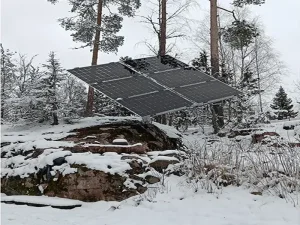
Dual-axis mechanism tracking the sun's azimuth and altitude angles, maximizing output for off-grid and rural electrification projects.
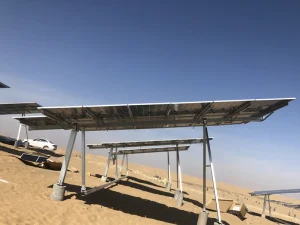
Designed with a fixed slope (10°–30° tilt) to align tracking planes with equatorial sun paths, maximizing seasonal yields.
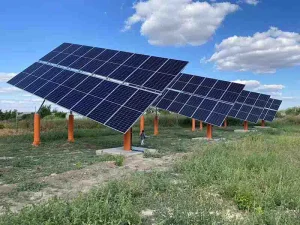
Designed to support 10 to 20 solar panels per tracking assembly, providing a stable 15% to 25% energy gain.
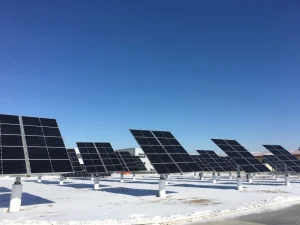
High-precision tracking system designed for microgrid projects in mountainous regions or remote islands.
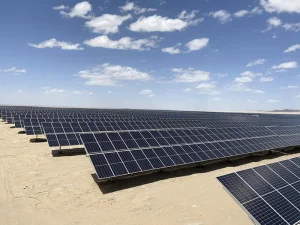
Cost-effective bracket system allowing manual seasonal adjustments, providing a reliable alternative for steep terrain profiles.
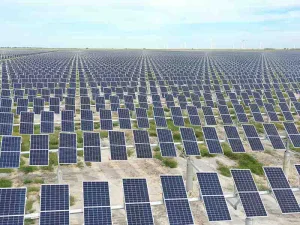
Combines single-axis rotation with inclined module design, optimizing solar capture at low equatorial latitudes.
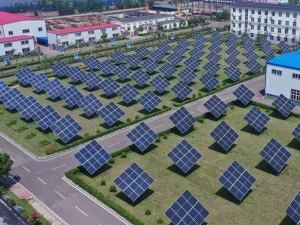
Our flagship high-torque dual axis tracker, engineered for stability in storm-prone equatorial coastal environments.
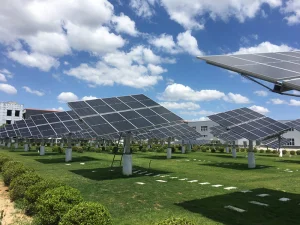
Comprehensive tracking package complete with intelligent controllers, wind sensors, and high-load structural configurations.
Get in touch with our engineering team for custom drawings, mechanical calculations, price lists, and TKDN local content strategy consultations.
Get A Project Quote Zhaori