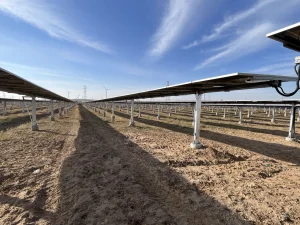
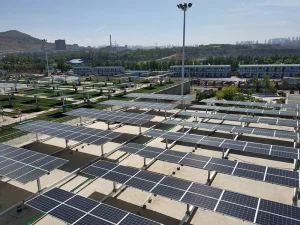
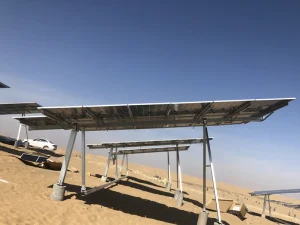
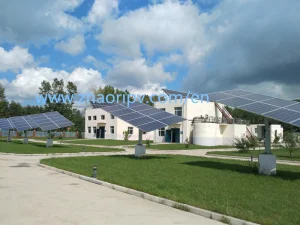
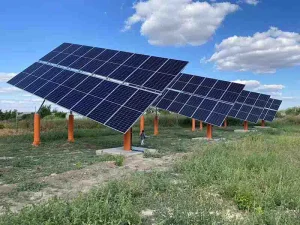
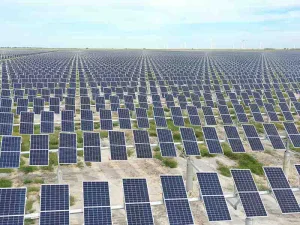
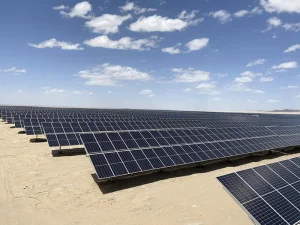
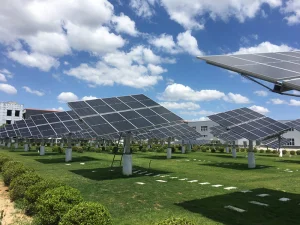
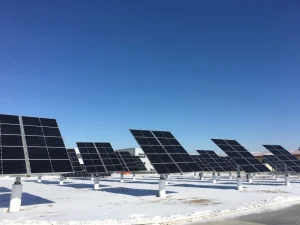
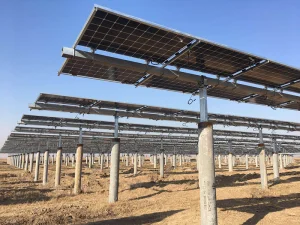
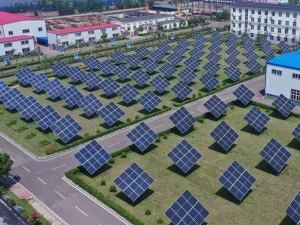
Riyadh, as the heart of Saudi Arabia, is currently undergoing an unprecedented energy metamorphosis. Under the Saudi Vision 2030, the Kingdom aims to achieve a net-zero future, with solar energy playing the most critical role. For industrial and commercial sectors in Riyadh, the Flat Single Axis Tracker (FSAT) has emerged as the technology of choice. Unlike fixed-tilt systems, FSAT maximizes energy yield in the high-irradiance environment of the Arabian Peninsula.
The industrial landscape in Riyadh is shifting from traditional oil-based power to large-scale renewable integration. Projects such as the Sudair Solar PV Plant and various industrial parks around the city are setting new benchmarks. The local demand focuses on durability, sand-resistance, and high thermal stability—factors where our solar tracking systems excel.
Globally, the solar tracker market is expected to witness a CAGR of over 15% through 2030. The primary driver is the reduction in LCOE (Levelized Cost of Electricity). Flat Single Axis Trackers are particularly favored due to their balance between mechanical simplicity and significant energy gain. In regions like the Middle East, the ability of trackers to mitigate the effects of high temperatures and morning/evening shadows is invaluable.
Shandong Zhaori New Energy Tech. Co., Ltd. represents the pinnacle of Chinese manufacturing efficiency. Based in a 50,000 square meter facility, our factory integrates CNC machine tools, laser cutting machines, and automatic welding robots to deliver precision-engineered solar trackers at scale.
Why choose a Chinese factory for the Riyadh market?
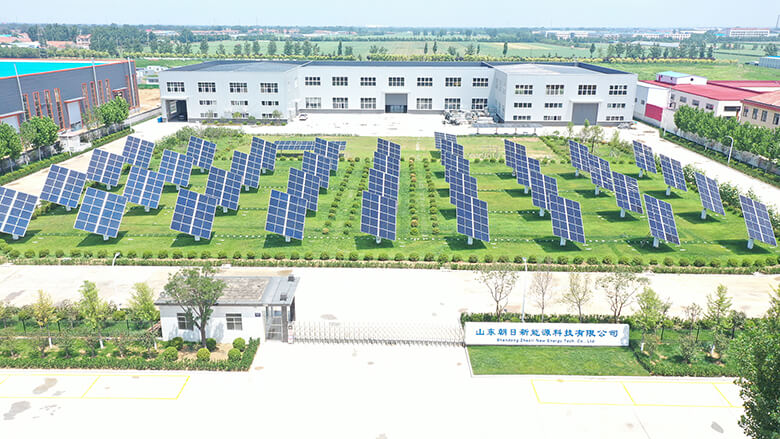
We believe that technology in the desert must be robust. Our trackers are designed with fewer moving parts to minimize maintenance in Riyadh's harsh sandstorms. From stationary brackets to advanced dual-axis systems, every product is optimized for maximum uptime.
Deploying solar trackers in Riyadh requires more than just high-quality hardware; it requires localized engineering. Our systems are adapted for:
Our experience in "20MW desert projects" and "360MW single axis tracker projects" demonstrates our capability to handle the massive scale required by Saudi Arabia’s National Renewable Energy Program (NREP).
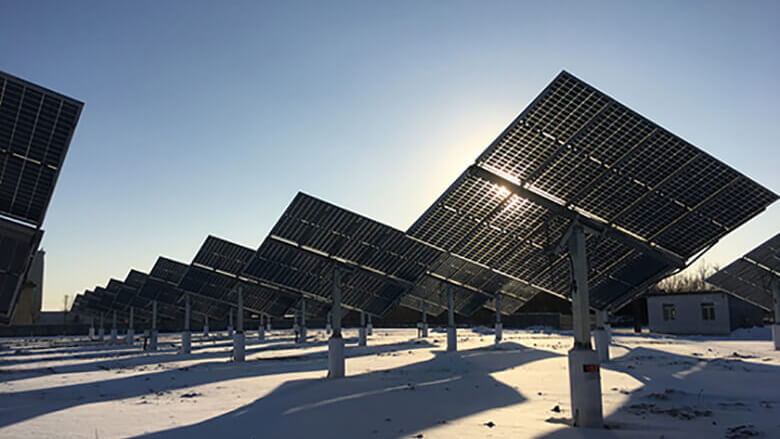
In Riyadh, the solar path is highly consistent. A single-axis tracker follows the sun from East to West, increasing energy harvest by 15-30% depending on the module type (Bifacial modules see even higher gains). This significantly speeds up the ROI for commercial investors.
Our trackers are built using high-grade galvanized steel with IP65+ rated electronic components. The systems include a "Stow Mode" for high wind speeds and sandstorms, automatically positioning modules to minimize wind load and dust collection.
With dozens of production lines, our monthly output is 500MW. We are equipped to handle Giga-scale projects common in the Saudi market, ensuring timely delivery from our factory to the project site.
Yes, our products carry TUV, CE, and ISO certifications, and are designed to be compatible with international inverter and SCADA standards used in the Kingdom.
Absolutely. We provide perfect customized solutions based on terrain analysis (mountainous, flat, or desert) and local wind load requirements.
Join the leaders in renewable energy. Shandong Zhaori is your partner in achieving maximum efficiency.
 Zhaori