Chicago, the economic powerhouse of the Midwest, is undergoing a profound energy transformation. As the State of Illinois accelerates its transition under the Climate and Equitable Jobs Act (CEJA), the demand for high-efficiency renewable energy solutions has never been higher. For commercial and industrial (C&I) sectors in Chicago, the challenge is not just capturing sunlight, but maximizing energy yield in a region characterized by variable seasonal light and significant snow loads.
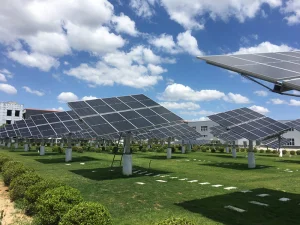
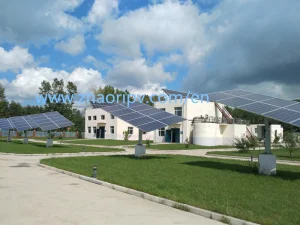
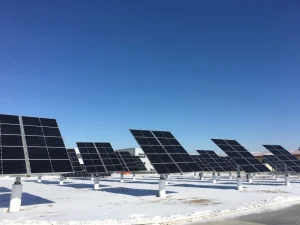
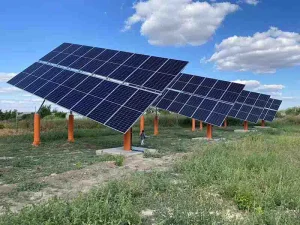
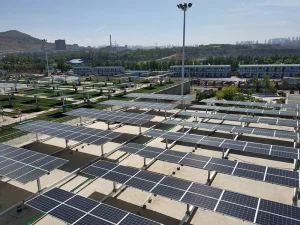
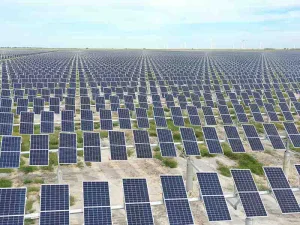
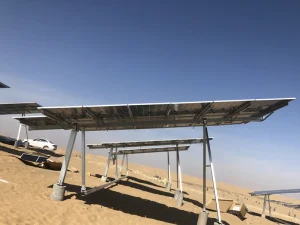
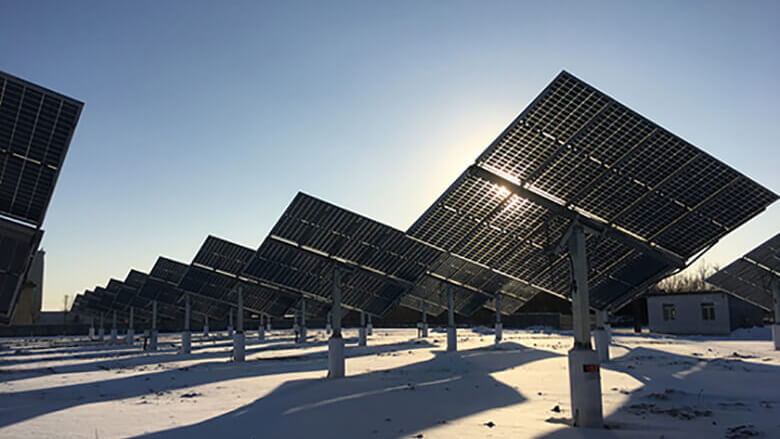
Dual Axis Solar Trackers represent the pinnacle of PV efficiency. Unlike fixed-tilt systems common in traditional Chicago rooftops, dual-axis systems follow the sun’s trajectory across both the horizontal (azimuth) and vertical (altitude) axes. This precise orientation ensures that solar modules maintain a perpendicular angle to the sun’s rays from sunrise to sunset, increasing total energy output by as much as 35% to 45% compared to static installations.
Efficiency Gain vs. Fixed Systems
Years R&D Excellence
Monthly Production Capacity
Utility Model Patents
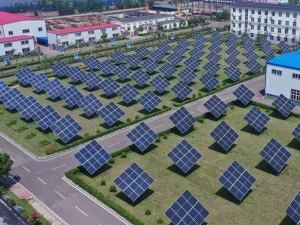
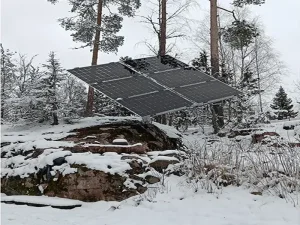
In the Chicago metropolitan area, space is at a premium. Industrial parks in Elk Grove Village or logistics hubs near O'Hare benefit significantly from dual-axis trackers because they generate more kilowatt-hours (kWh) per square foot of land. Furthermore, Chicago's winter "Lake Effect" snow requires robust structural engineering. Our ZRD series dual-axis trackers feature an integrated "Snow Shed" mode, where the panels can be angled vertically to allow snow to slide off automatically, preventing structural fatigue and maintaining power production during the harsh Illinois winters.
Globally, the solar tracking market is shifting toward "Smart Tracking." AI-driven algorithms and real-time sensor data are now used to account for "diffuse radiation" on cloudy days. In a city like Chicago, which sees its fair share of overcast skies, our systems utilize proprietary backtracking technology to minimize shading between rows, ensuring that even in low-light conditions, the energy harvest is optimized.
The next frontier in solar technology is the combination of Bifacial Modules and Dual-Axis Tracking. By capturing sunlight from both the front and back of the panel—enhanced by the reflective properties of Chicago's winter snow—this technology creates a synergy that can push energy yield beyond current industry benchmarks. Our technical roadmap focuses on reducing the Levelized Cost of Energy (LCOE) through:
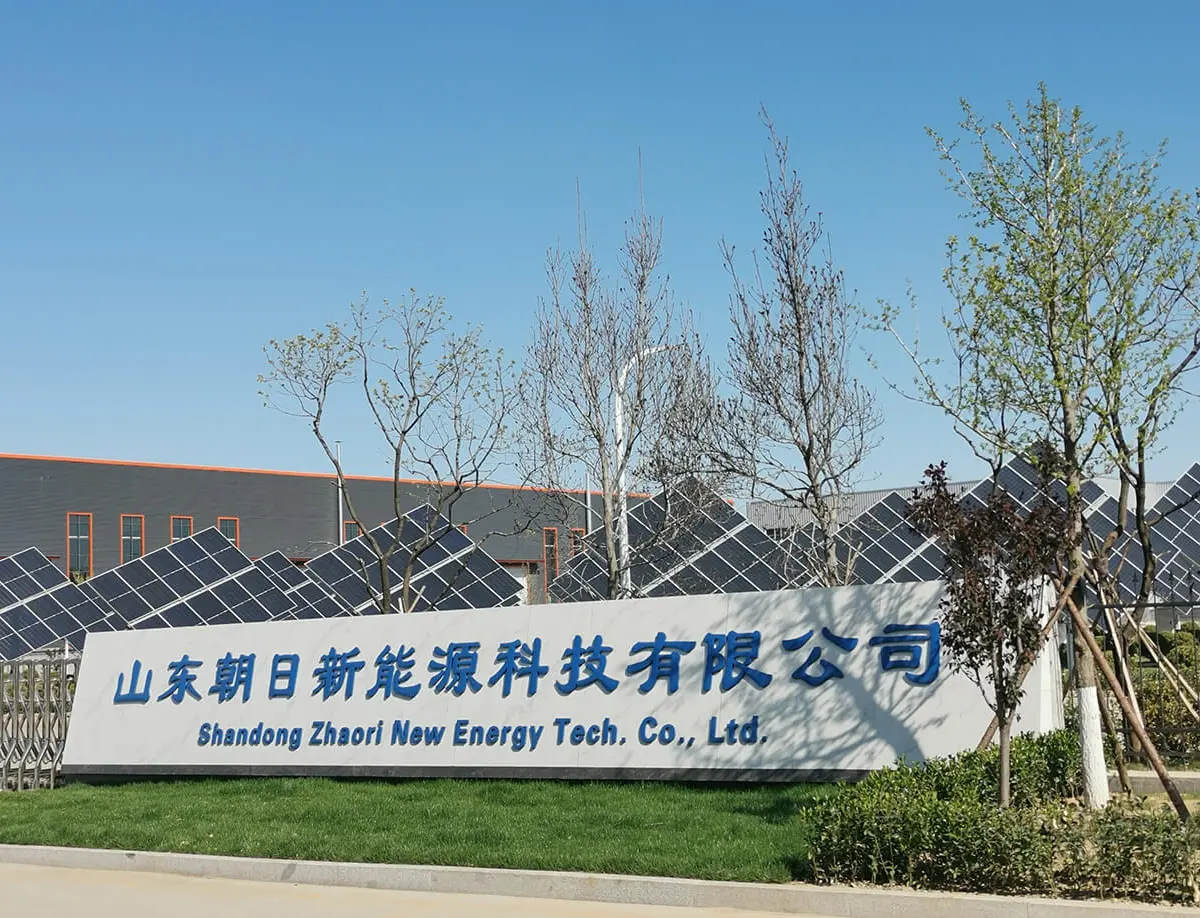
Shandong Zhaori New Energy Tech. Co., Ltd. is a high-tech and new energy company based on independent intellectual property rights. Founded in June 2012, our organization has evolved into a global leader in photovoltaic power stations and solar tracking technology. With over 10 departments—including R&D, engineering, and quality assurance—we house more than 60 professional technology talents dedicated to innovation.
Our principle is simple: More simple, more reliable, and more effective. We don't just sell products; we provide comprehensive solar energy solutions tailored to the specific geographical needs of our clients, from the deserts of the Middle East to the industrial landscapes of Chicago.
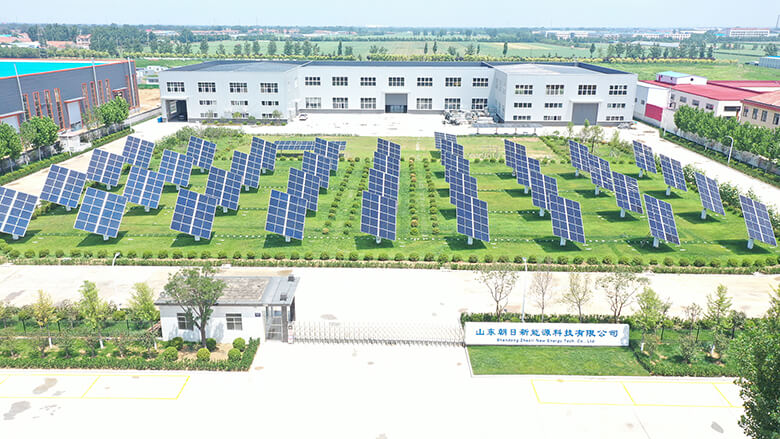
Our production facility spans 50,000 square meters and is equipped with advanced CNC machine tools, laser cutting machines, and automatic welding robots. This high degree of automation ensures that every dual-axis tracker component meets rigorous international standards.
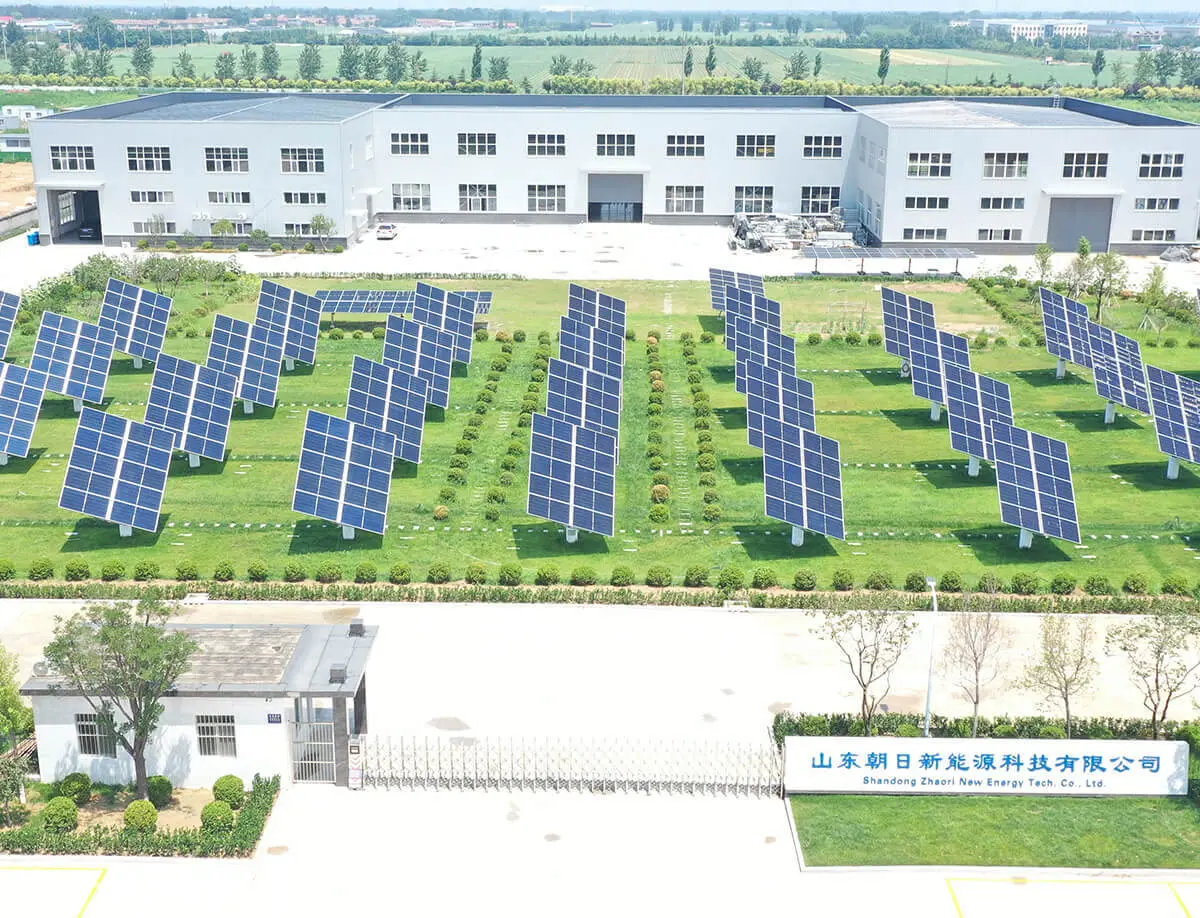
With a monthly production capacity of 500MW, we are capable of supporting large-scale utility projects while maintaining the precision required for residential and commercial applications. Our quality management system is TUV, CE, and ISO certified, reflecting our commitment to reliability.
Transitioning to solar tracking involves more than just hardware. It requires a macro-level understanding of energy ROI. For Chicago businesses, we offer customized solutions including:
Q: Why choose Dual-Axis over Single-Axis in Chicago?
A: Chicago’s latitude means the sun’s angle varies significantly throughout the year. Dual-axis trackers adjust for both seasonal and daily movement, providing a much higher yield than single-axis systems, which only track daily movement.
Q: How do your trackers handle Chicago’s high winds and snow?
A: Our ZRD series includes an automated stow mode for high winds and a vertical tilt mode for snow. The structures are built with high-grade galvanized steel and reinforced joints to withstand extreme Midwestern weather.
Q: What is the expected ROI for a commercial project in Illinois?
A: Thanks to federal tax credits (ITC) and local Illinois Shines incentives, combined with the 35-45% energy boost from dual-axis tracking, most Chicago businesses see a full ROI within 5 to 7 years.
Contact our expert engineering team today for a customized dual-axis solar tracking solution designed specifically for the Illinois climate.
Send Inquiry Now Zhaori