As the capital of Southeast Asia’s largest economy, Jakarta is currently undergoing a radical energy paradigm shift. The Indonesian government’s commitment to achieving Net Zero Emissions by 2060, combined with the "Just Energy Transition Partnership" (JETP), has placed Jakarta at the epicenter of solar innovation. However, Jakarta's unique geographic position—only 6 degrees south of the equator—presents both opportunities and challenges for photovoltaic efficiency.
Unlike temperate regions, Jakarta experiences high solar altitude angles year-round, but it also suffers from heavy seasonal monsoons and high levels of atmospheric humidity that diffuse solar radiation. Standard fixed-tilt systems often fail to capture up to 35% of available energy. This is where Dual Axis Solar Trackers, manufactured by industry leaders like Shandong Zhaori New Energy, become a game-changer for the local industrial and utility landscape.
Energy Yield Increase
Monthly Production
R&D Excellence
Patent Portfolio
The global solar tracker market is projected to reach USD 71.2 billion by 2030. Dual-axis technology is seeing a resurgence, particularly in regions with high land costs or where maximum Levelized Cost of Energy (LCOE) reduction is required. From the deserts of the Middle East to the high-latitude regions of Canada, dual-axis trackers are now integrated with AI algorithms that predict cloud movements, optimizing the panel position not just for direct sunlight, but for maximum irradiance.
In Jakarta and its surrounding industrial clusters like Cikarang and Bekasi, space is a premium. Industrial factories are moving beyond simple rooftop solar to high-efficiency ground-mount systems on unused land buffers. The trend is moving toward Agri-PV and Urban Utility projects where dual-axis trackers allow for higher energy density per square meter compared to fixed brackets.
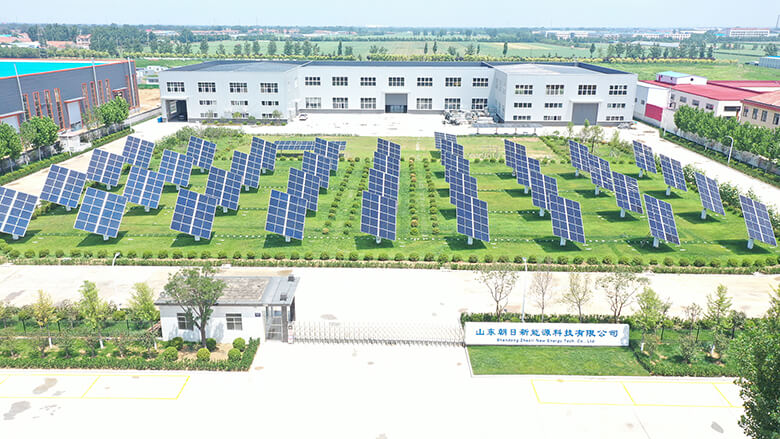
Shandong Zhaori New Energy Tech. Co., Ltd. is a high-tech and new energy company based on independent intellectual property rights. Founded in June 2012, our team focuses on photovoltaic power stations and solar tracking technology for more than 10 years. With more than 60 professional technology talented employees, we lead the industry in precision and reliability.
Our factory covers an area of 50,000 square meters, utilizing CNC machine tools, laser cutting machines, and automatic welding robots to ensure a production capacity of 500MW per month. Our products have obtained patents from the Europe Patent Office, the United States, Canada, Australia, Japan, and specifically for the Southeast Asian market—Thailand, India, and South Africa.
Send Inquiry NowPerfect for Jakarta’s manufacturing plants where land is scarce but energy demand is 24/7. Dual-axis trackers maximize morning and evening generation.
The high clearance of ZRD-series trackers allows for agricultural activities (crops/livestock) beneath the panels, solving the land-use conflict.
Integration with Jakarta's "Green City" initiatives, providing power for electric vehicle charging hubs and smart street lighting.
The future of tracking in Jakarta lies in Sensorless Control Systems and Bifacial Optimization. Our ZRD-10 and ZRD-08 series are already evolving to integrate:

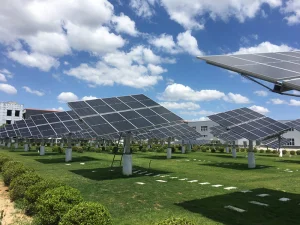
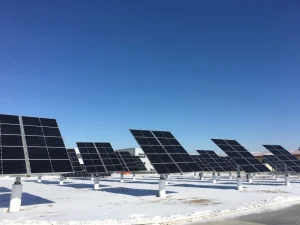
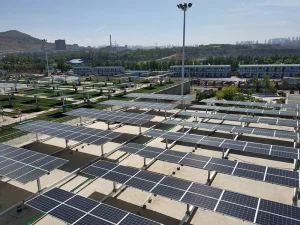
Industrial Hub Project
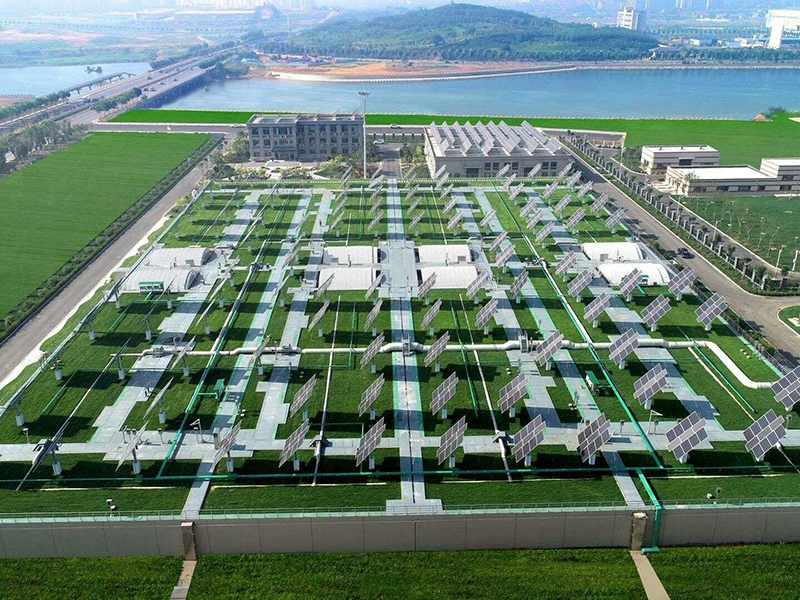
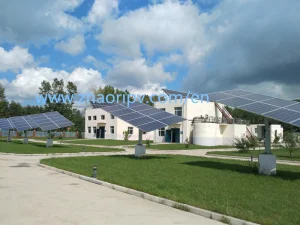
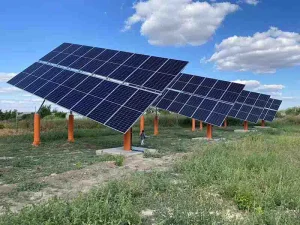
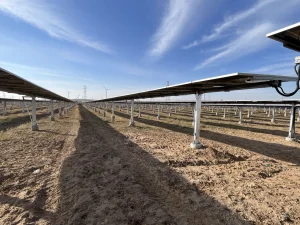
Jakarta Factory Install
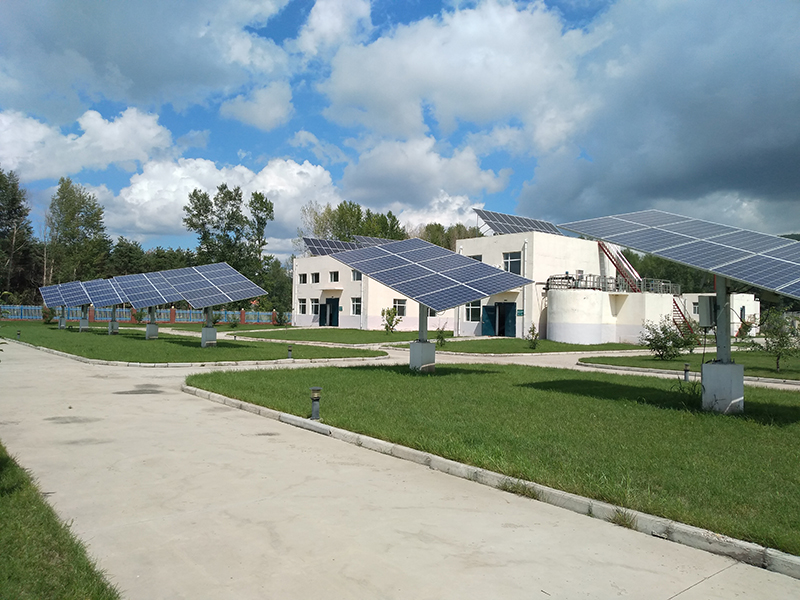
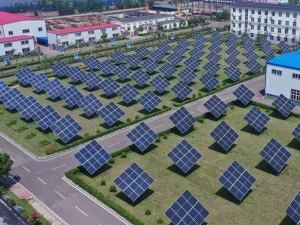
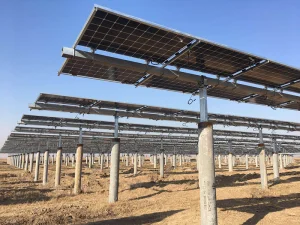
Green Belt Development
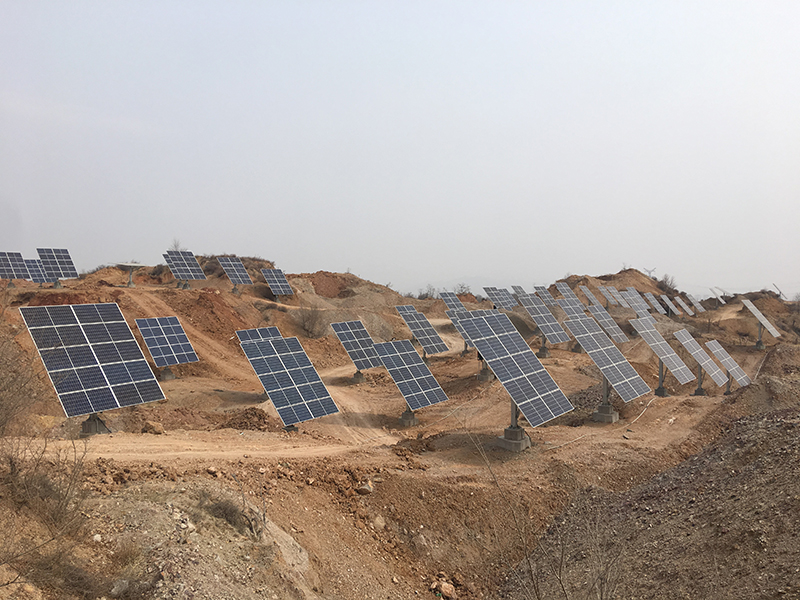
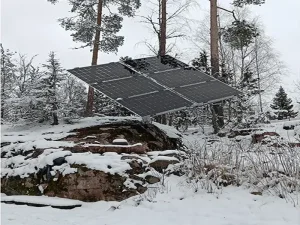
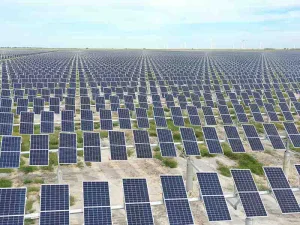
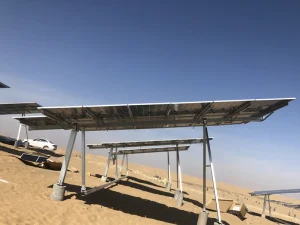
Mountain Utility Site
A: Our systems feature hot-dip galvanized steel and IP65-rated electronics, specifically designed to resist the corrosive effects of tropical humidity and coastal salt air found in Jakarta.
A: The ZRD series is designed for "Low-Touch" maintenance. With brushless motors and self-lubricating bearings, a bi-annual inspection is usually sufficient.
A: Yes. Our trackers include an automated "Stow Mode" triggered by wind sensors, allowing the panels to move to a horizontal position to minimize wind load during storms.
 Zhaori