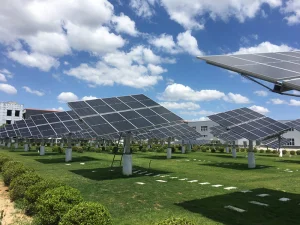
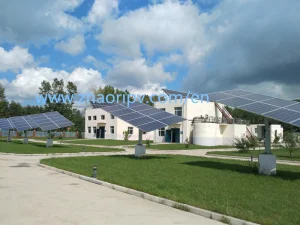
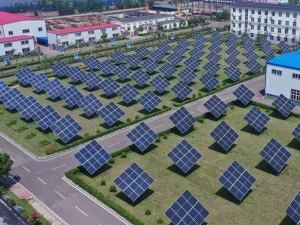
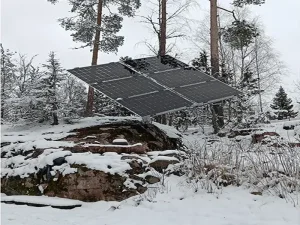
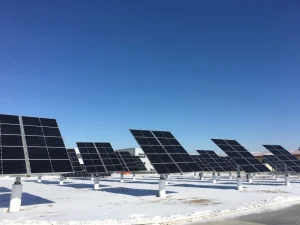
As South Korea accelerates its "Renewable Energy 3020 Implementation Plan," the Seoul Metropolitan area faces unique challenges: limited land availability, high urbanization, and the need for maximum energy density. Our Dual Axis Solar Trackers provide the critical information gain needed for investors seeking to optimize Return on Investment (ROI) in this competitive landscape.
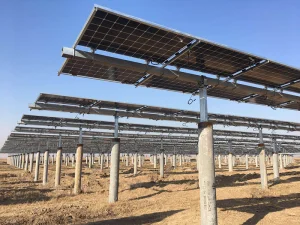
Seoul is situated at approximately 37.5°N latitude. Fixed-tilt systems in this region lose significant morning and late afternoon solar irradiation. Dual-axis tracking systems increase energy yield by 35% to 45% compared to fixed systems, making them ideal for high-cost land parcels in Gyeonggi-do and Seoul industrial zones.
Globally, the solar tracker market is shifting from simple single-axis systems to intelligent, AI-driven dual-axis solutions. While single-axis trackers dominate utility-scale projects in flat deserts, Dual Axis Solar Trackers are becoming the gold standard for commercial rooftops, mountain slopes (common in Korea), and agricultural-photovoltaic (Agri-PV) integrations where light distribution is crucial.
Shandong Zhaori New Energy Tech. Co., Ltd. is not just a manufacturer; we are a pioneer in solar trajectory algorithms. Our roadmap for the Seoul market focuses on three pillars:
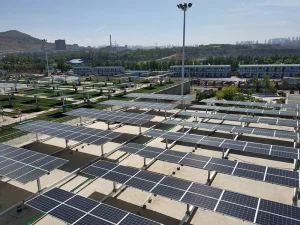
1. Urban Industrial Complexes: Installing ZRD-10 systems on the roofs of Guro or Magok Digital Centers to offset high industrial electricity tariffs.
2. Smart Green Belts: Utilizing dual-axis trackers for public lighting and EV charging stations along the Han River corridors.
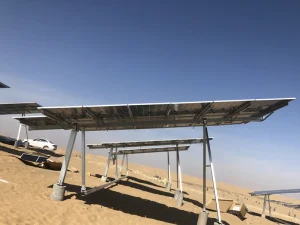
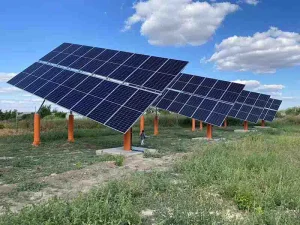
3. Mountainous Utility Projects: Overcoming the rugged terrain of Seoul’s outskirts with independent dual-axis units that don't require massive land leveling.
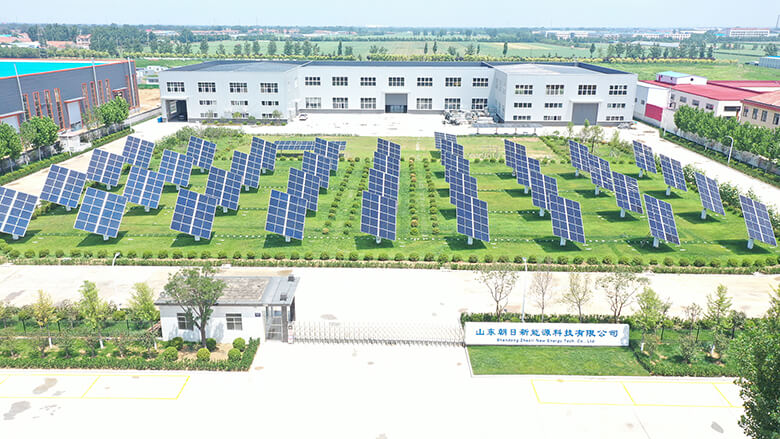
Founded in June 2012, Shandong Zhaori New Energy has focused on solar tracking technology for over 10 years. Our R&D department comprises over 60 professional technology talents, holding patents in the USA, Canada, Japan, and South Korea.
Our 50,000 sqm factory utilizes automatic welding robots and CNC machines. With a monthly production capacity of 500MW, we ensure that Seoul's large-scale projects are delivered on time with strict ISO and TUV quality controls.
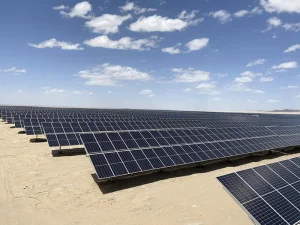
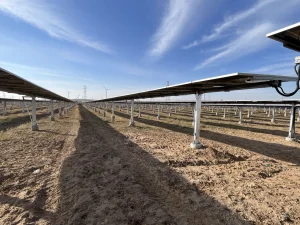
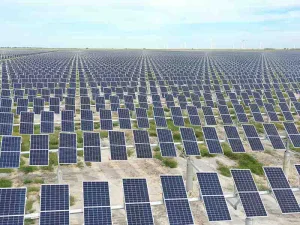
From 360MW desert projects to mountain and factory installations, our products are proven in diverse climates, ensuring reliability for the variable weather of the Korean peninsula.
 Zhaori