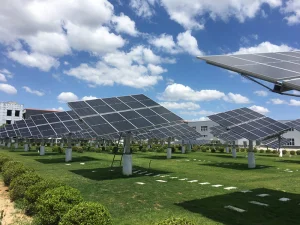
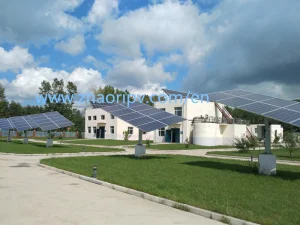
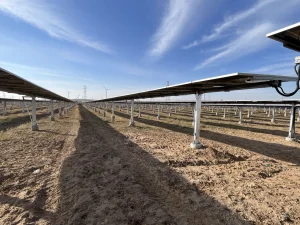
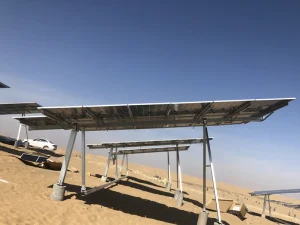
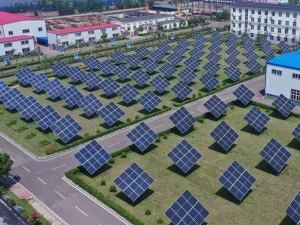
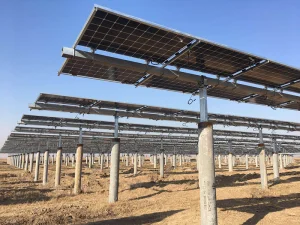
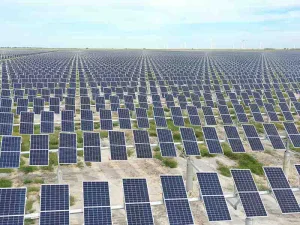
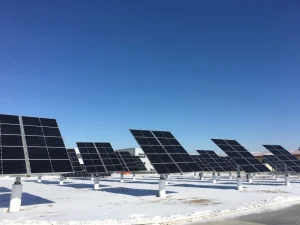
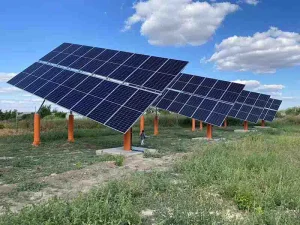
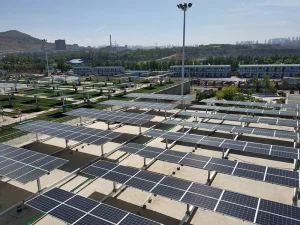
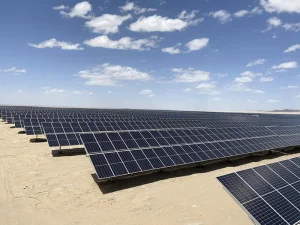
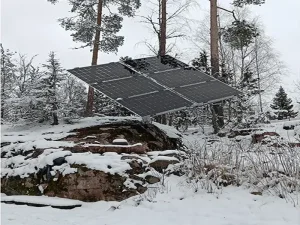
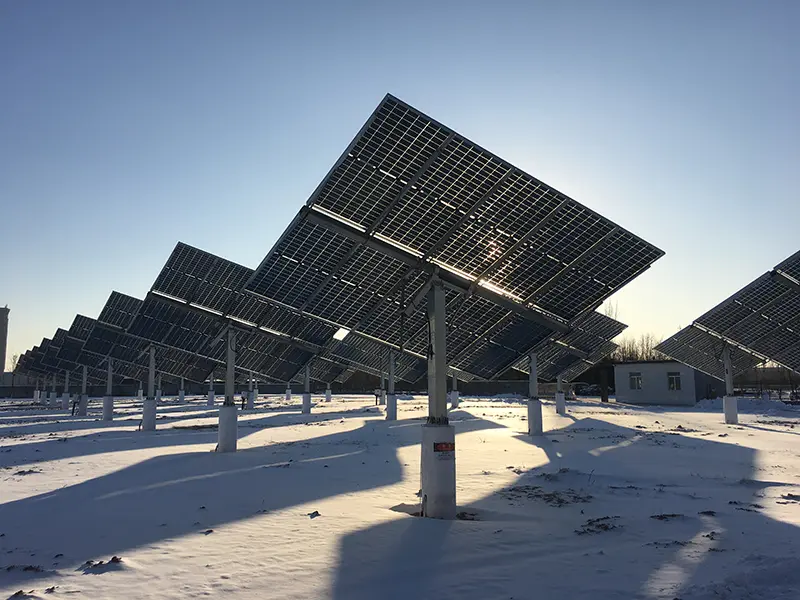
In the rapidly evolving renewable energy sector, Tracker 2P (2-in-Portrait) technology has emerged as a cornerstone for utility-scale photovoltaic (PV) projects. Unlike traditional 1P configurations, the 2P tracker mounts two modules vertically, significantly increasing the power density per tracker row. As global markets transition toward bifacial modules and higher-wattage panels, the structural and economic advantages of 2P systems are becoming indisputable.
The global PV industry is witnessing a strategic pivot. With the rise of bifacial solar modules, the "rear-side gain" has become a critical metric for Levelized Cost of Energy (LCOE). Tracker 2P designs reduce structural shading on the back of the modules compared to some 1P variants, allowing for optimized albedo capture. Furthermore, the integration of AI-driven backtracking algorithms ensures that even in diffuse light conditions or undulating terrains, the modules maintain the optimal angle to the sun.
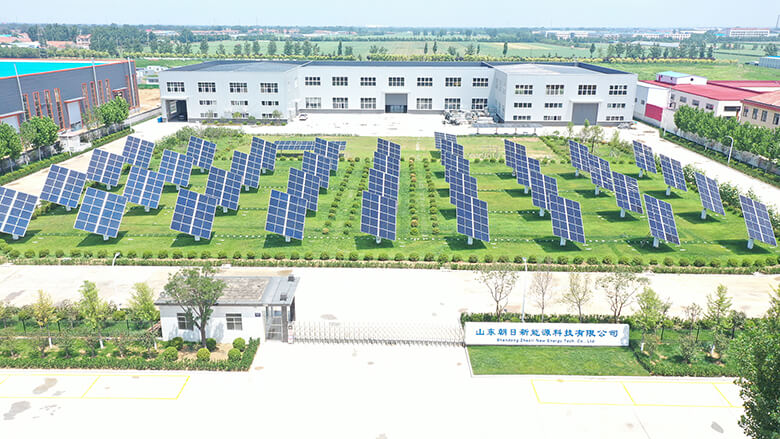
Shandong Zhaori New Energy Tech. Co., Ltd. is a high-tech and new energy company based on independent intellectual property rights. Founded in June 2012, we operate with 10 specialized departments including R&D, Technical, Engineering, and Quality Assurance. Our team of over 60 professional technology talents has focused on photovoltaic power stations and solar tracking technology for more than a decade.
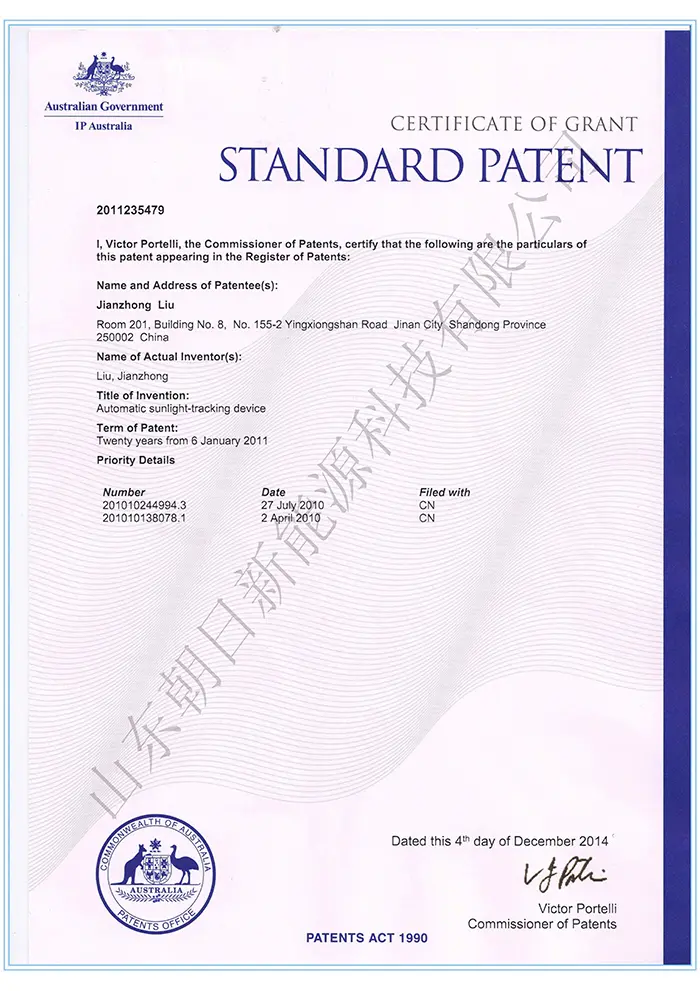
Our principle is simple: More simple, more reliable, and more effective. We hold patents across the Europe Patent Office, USA, Canada, Australia, Japan, South Korea, and more, alongside 30+ Utility model patents and certifications from TUV, CE, and ISO.
China’s manufacturing sector offers unparalleled efficiency in the solar tracker supply chain. Our factory, covering 50,000 square meters, utilizes advanced CNC machine tools, laser cutting machines, and automatic welding robots to ensure precision at scale.
Automatic welding robots and plasma machines ensure structural integrity and rapid throughput.
From raw material screening to anti-rust treatment, every step follows TUV and ISO standards.
Strategic location allows for efficient shipping to Europe, MENA, and the Americas.
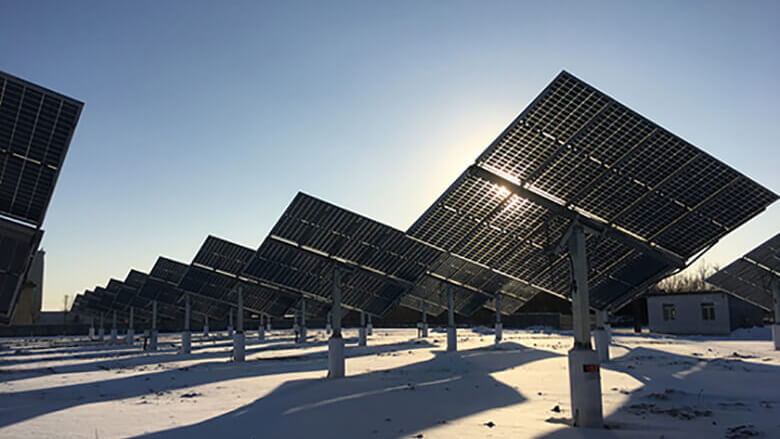
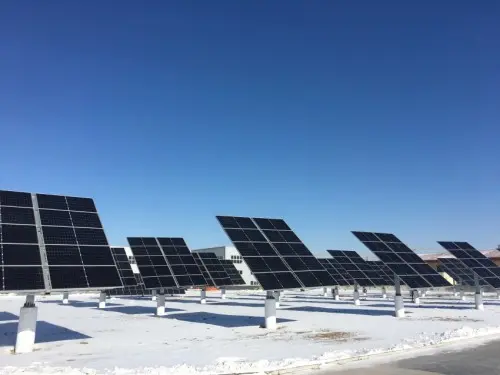
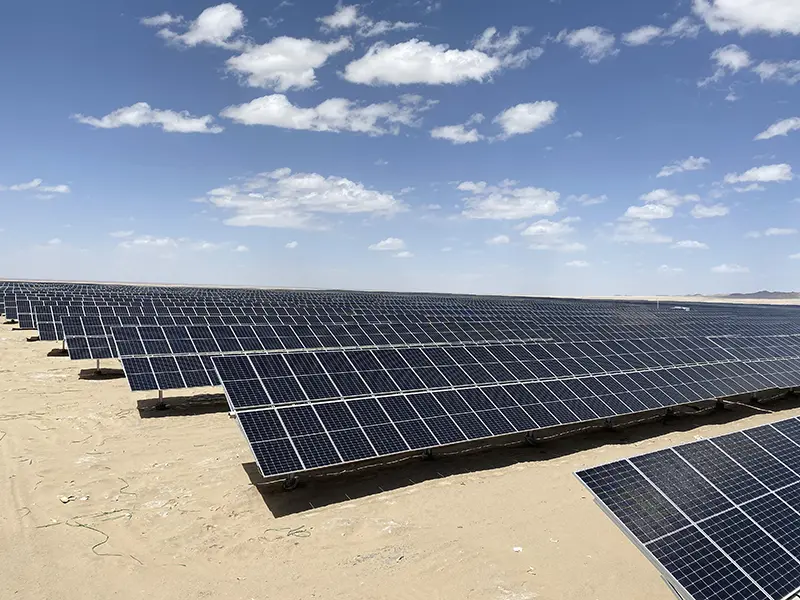
In high-irradiance desert regions, Tracker 2P systems with tilted axes maximize energy capture while the robust structure resists sand-abrasion and high wind loads.
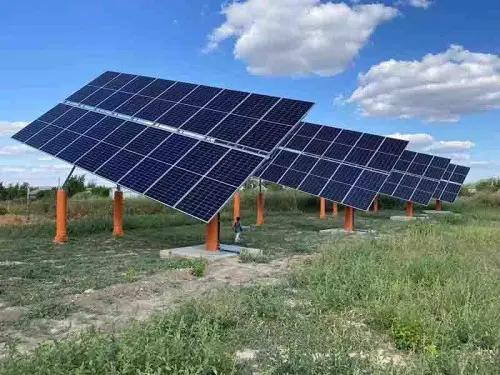
The height and spacing of 2P trackers allow for agricultural activities beneath the panels, promoting land-use efficiency in rural China and Europe.
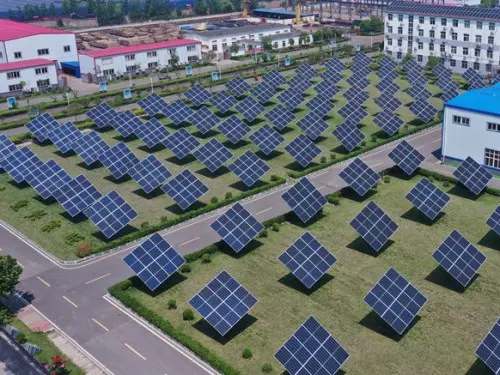
Flexible mounting solutions and dual-axis tracking adapt to irregular slopes, ensuring consistent power output even in North China's rugged landscapes.


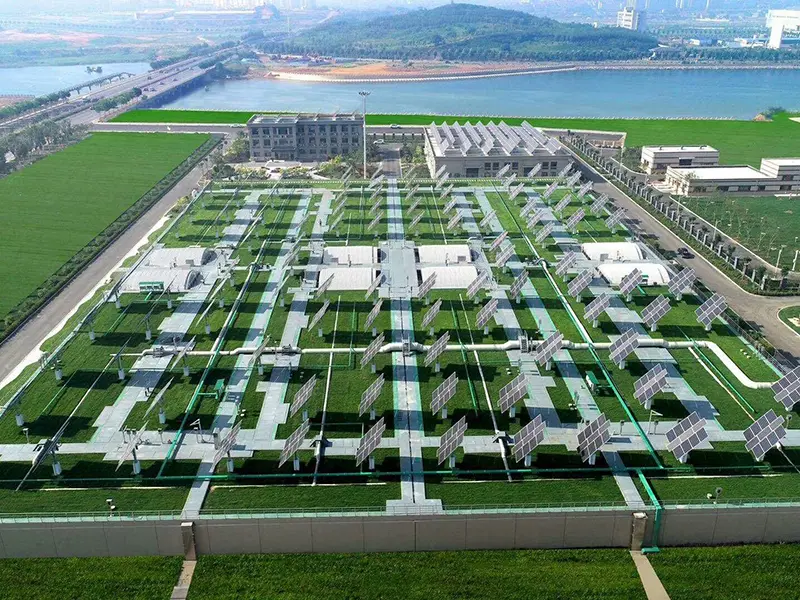
 Zhaori