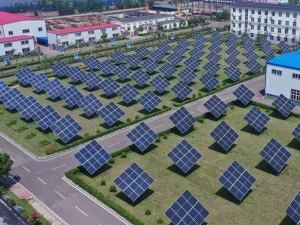
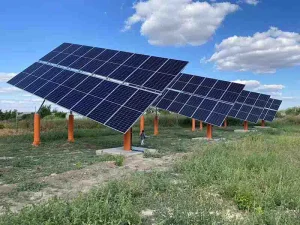
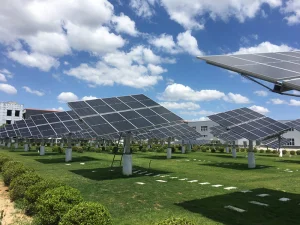
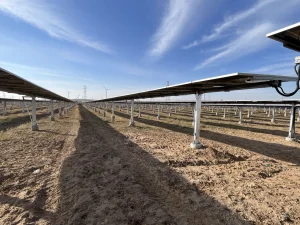
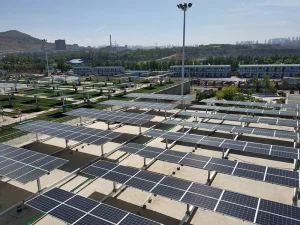
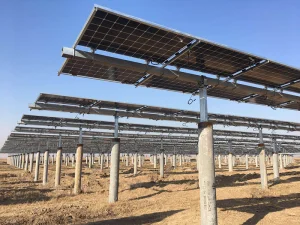
As the global energy landscape undergoes a paradigm shift toward decarbonization, the efficiency of photovoltaic (PV) systems has become the primary metric for Return on Investment (ROI). While stationary brackets have served the industry for decades, the advent of "Track Sun" technology—advanced solar tracking—has revolutionized Levelized Cost of Energy (LCOE) calculations. By dynamically aligning PV modules with the sun's trajectory, these systems maximize irradiation capture, offering production gains of up to 40% compared to traditional fixed-tilt installations.
In this white paper, we explore the convergence of structural engineering, AI-driven control algorithms, and supply chain excellence that defines Shandong Zhaori New Energy Tech. Co., Ltd. as a premier high-quality track sun supplier and exporter.
Shandong Zhaori New Energy Tech. Co., Ltd. is a high-tech new energy leader founded in June 2012. We operate with a robust architecture of 10 specialized departments, including R&D, Quality Assurance, and I.M.D. Our core team consists of over 60 professional technology talents, dedicating over 10 years to solar tracking innovation. We don't just supply products; we provide intellectual property-backed solutions that define global standards.
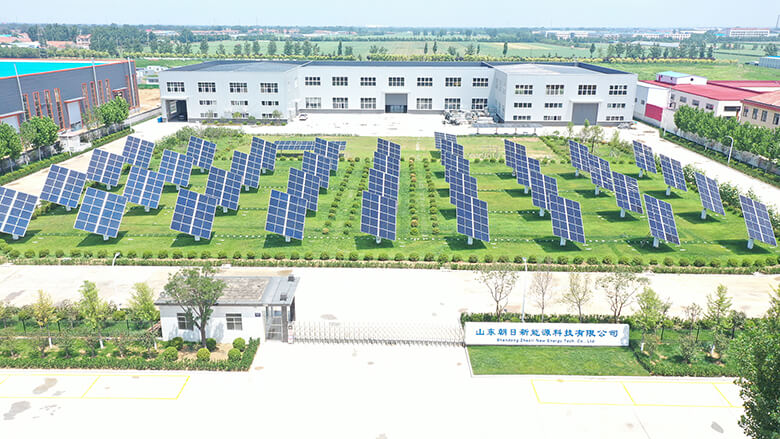
Our 50,000 square meter factory is the heart of our production resilience. Utilizing CNC machine tools, laser cutting systems, and automatic welding robots, we ensure every bracket meets aerospace-grade tolerances. Our process spans from raw material screening to anti-rust treatment and rigorous post-processing. With a production capacity of 500MW per month, we are positioned to support utility-scale projects worldwide without lead-time bottlenecks.
Integration of astronomical algorithms with real-time cloud sensing to optimize energy gain even during diffuse light conditions.
Developing next-gen dampers and wind-load sensors that allow trackers to operate safely in speeds exceeding 150km/h.
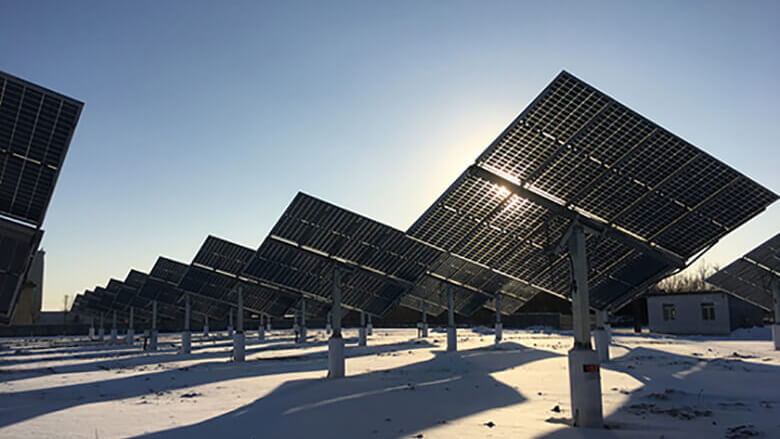
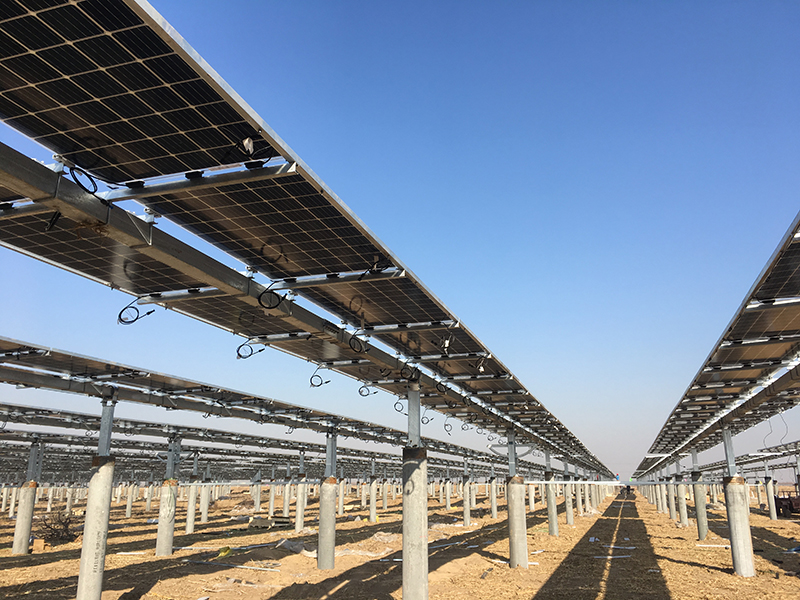
Optimization of back-side irradiation by minimizing structural shading, critical for N-Type TOPCon and HJT modules.
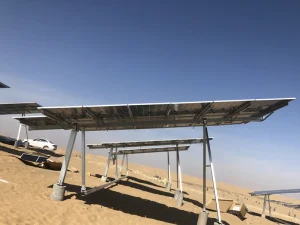
Utilizing specialized sand-resistant bearings and heat-reflective coatings for projects in the Middle East and North Africa.
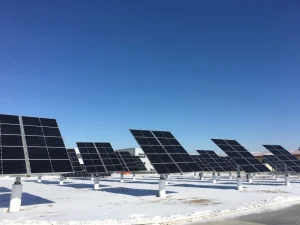
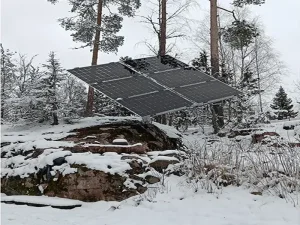
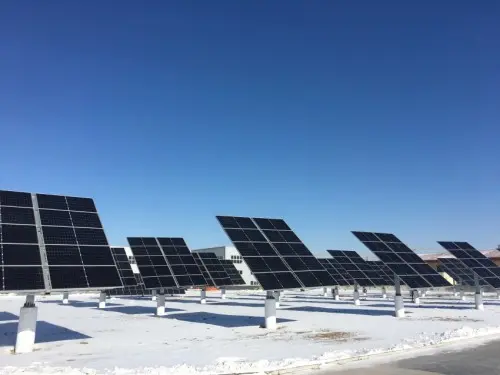
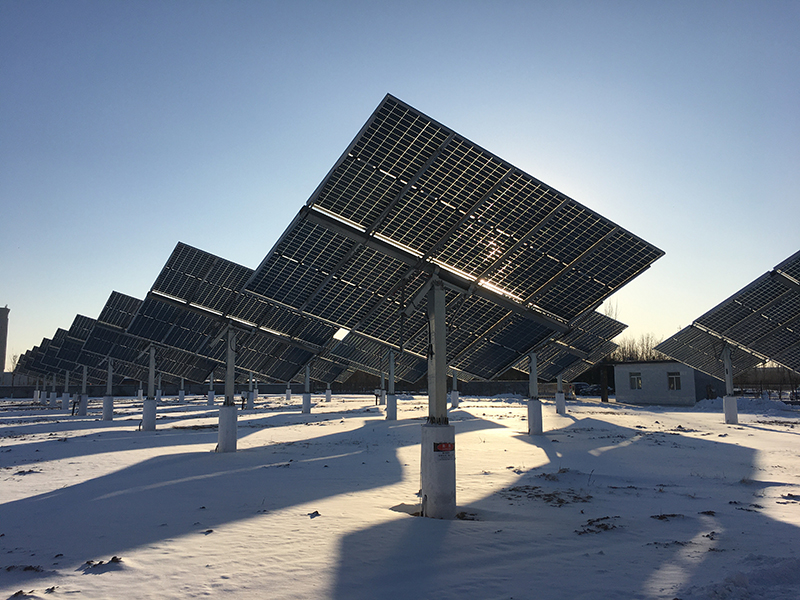
Automated "Snow Mode" tilts panels to 60° to prevent accumulation, as proven in our North China and Canadian pilot projects.
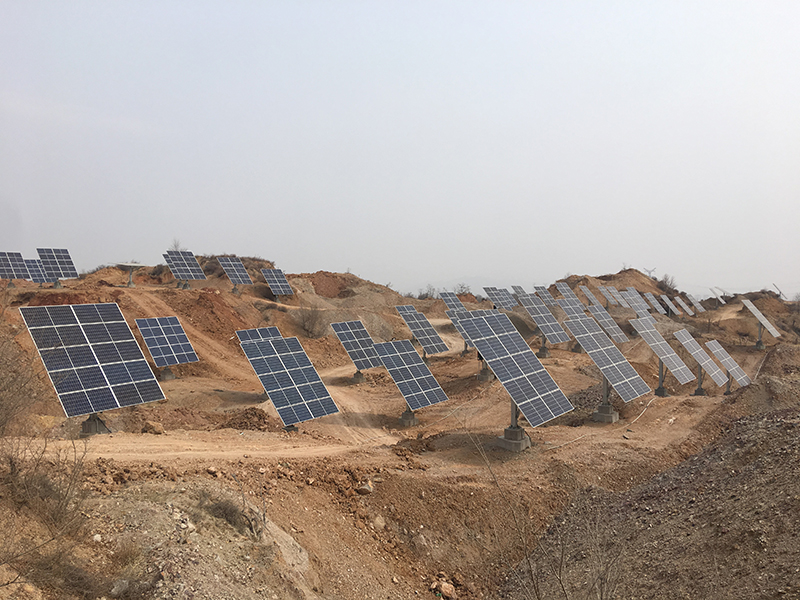
Flexible Tilted Single Axis (ZRT) designs for mountainous areas where traditional flat tracking is not feasible.
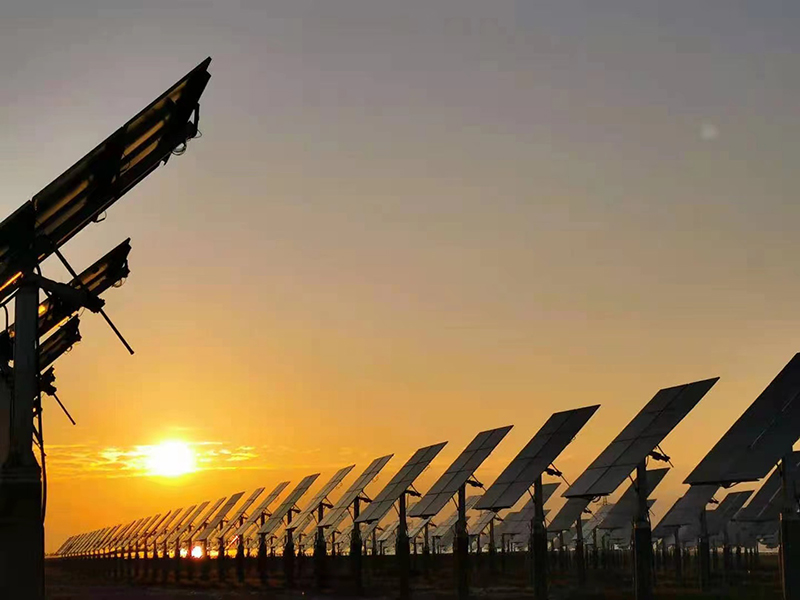
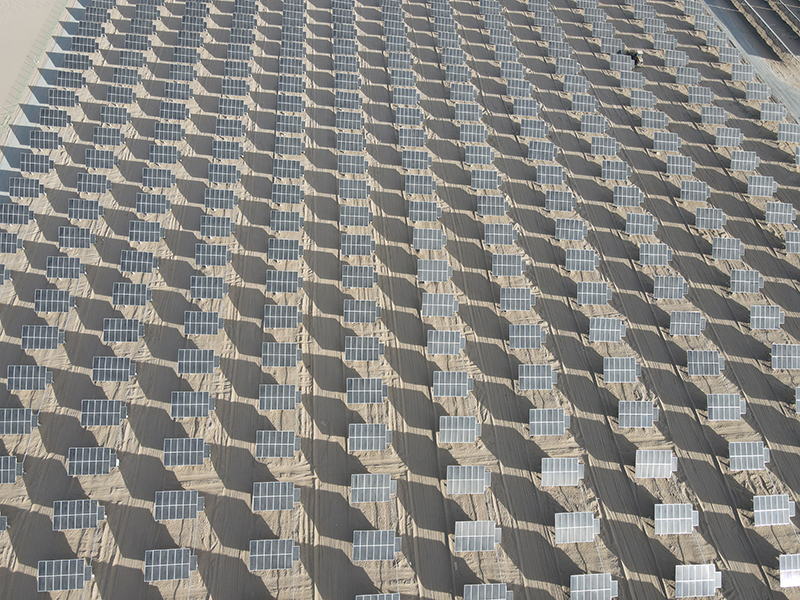
Our commitment to quality is validated by international standards including TUV, CE, and ISO. We hold patents across the Europe Patent Office, US, Canada, Australia, Japan, Korea, and more, ensuring your investment is protected by globally recognized intellectual property.
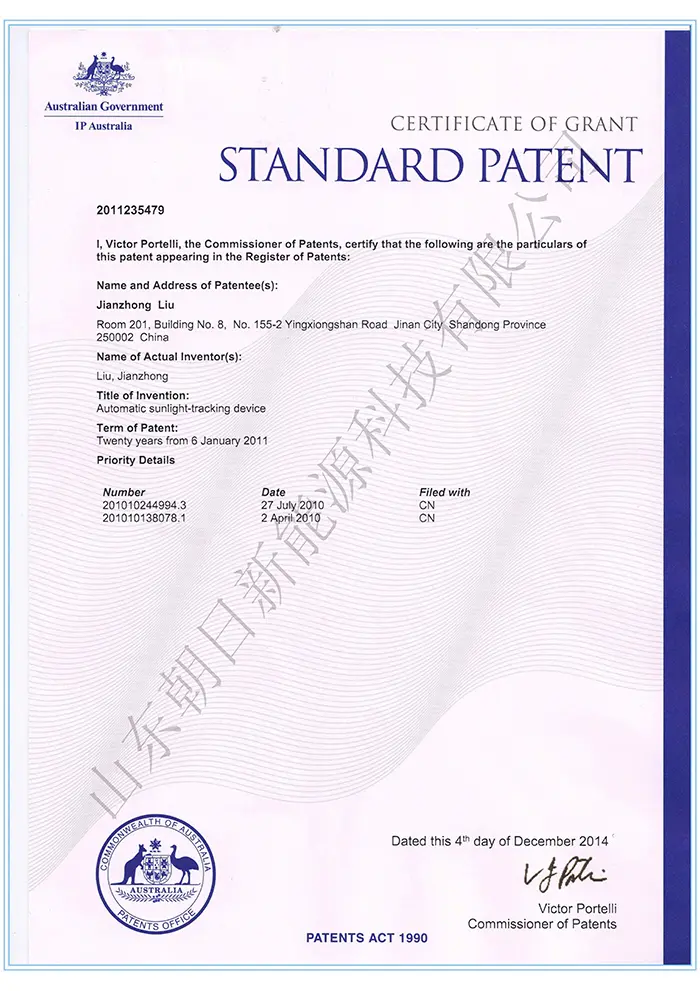
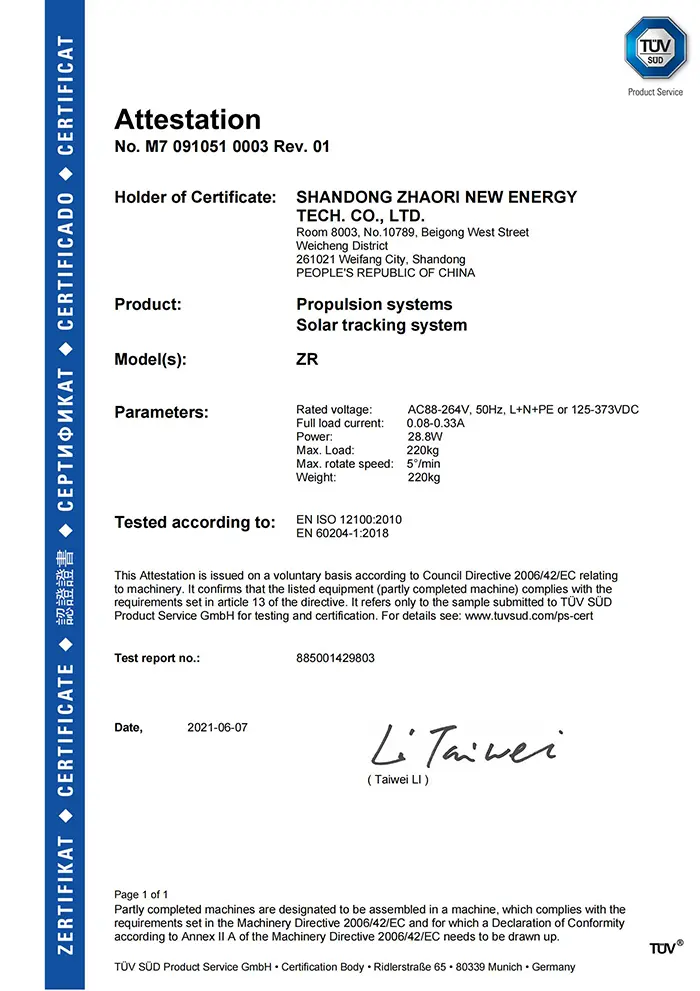
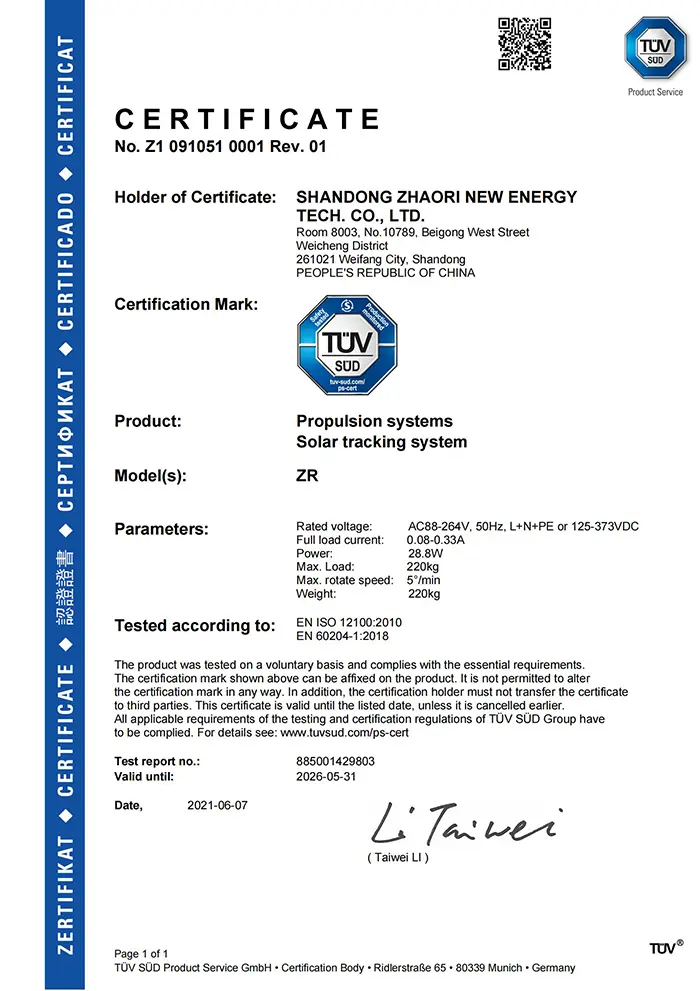
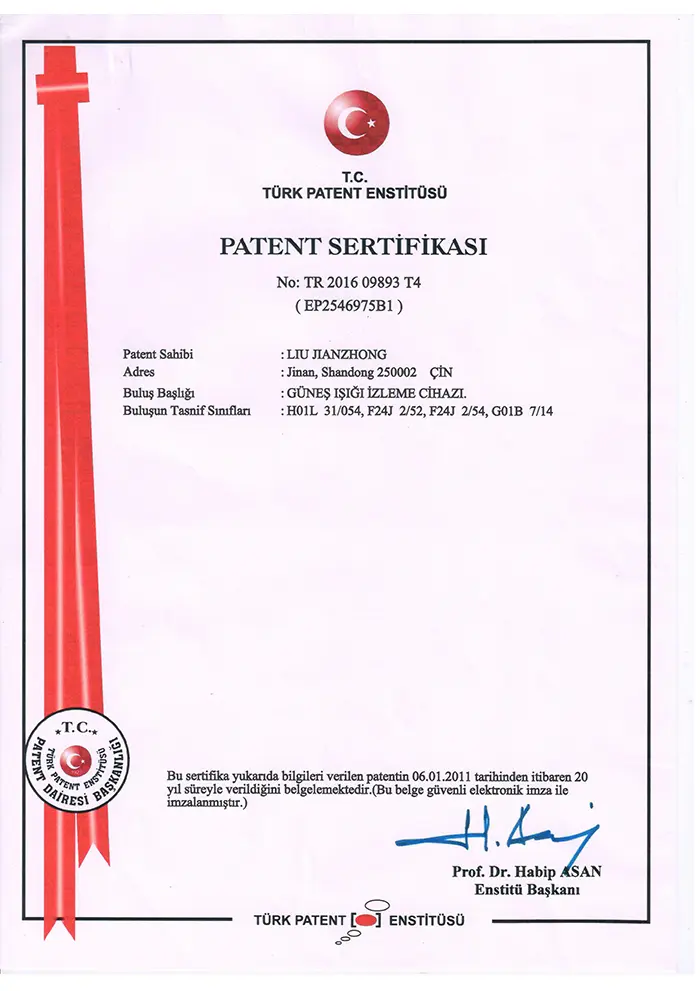
Operating from China’s industrial heartland, we leverage a hyper-efficient ecosystem of raw material sourcing and logistics. Our internal quality control system manages everything from the chemistry of the steel to the firmware of the tracking sensors, ensuring that the "China Price" is coupled with "Global Quality."
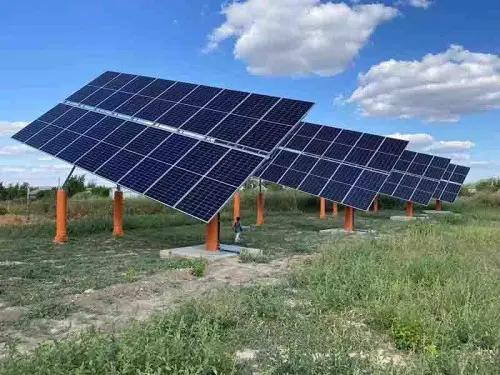
Depending on the location's latitude and DNI (Direct Normal Irradiance), dual-axis systems can increase energy yield by 30-40%. This typically results in an ROI period of 3-5 years, significantly shortening the payback time compared to fixed systems.
Our trackers are equipped with anemometers and smart sensors. In high wind conditions, the system enters a "Horizontal Stow" mode to minimize resistance. In heavy snow, the system tilts to a steep angle to shed accumulation automatically.
Yes. As an experienced exporter, we provide detailed technical documentation, remote commissioning support, and can deploy engineering teams for large-scale utility projects to ensure local compliance and optimal setup.
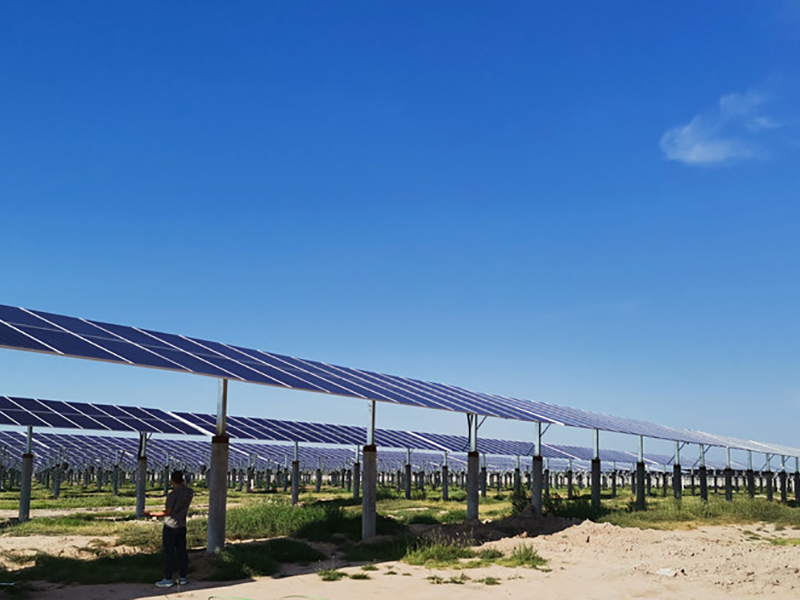
Absolutely. Our designs, particularly the 2P Flat Single Axis and Tilted Single Axis, are engineered to minimize rear-side shading, allowing for 5-15% additional gain from bifacial modules.
 Zhaori