In the current renewable energy landscape, the pursuit of Levelized Cost of Energy (LCOE) reduction has moved beyond panel efficiency into the realm of structural intelligence. As a leading track solar supplier, Shandong Zhaori New Energy understands that solar trackers are no longer a luxury but a fundamental necessity for utility-scale and high-yield commercial projects.
Globally, the solar tracking market is experiencing an unprecedented CAGR of 15.6%. This growth is driven by the transition from Fixed-Tilt Systems to Single Axis (SAT) and Dual Axis (DAT) systems. While fixed systems are cheaper initially, tracking systems provide a 20% to 40% increase in energy harvest, making them significantly more bankable over a 25-year lifecycle.
North America and Europe have traditionally led the adoption, but the Middle East and Asia-Pacific are now surging. High-irradiance regions find that dual-axis tracking maximizes the "golden hours" of solar production, essential for green hydrogen projects and grid stability.
Modern trackers utilize AI-driven backtracking algorithms to eliminate shadow loss. By integrating real-time weather data, these systems can "stow" panels during wind gusts or heavy snow, ensuring structural integrity and continuous uptime.
Shandong Zhaori New Energy Tech. Co., Ltd. is a high-tech and new energy company based on independent intellectual property rights. Founded in June 2012, our team focuses on photovoltaic power stations and solar tracking technology for more than 10 years.
Our infrastructure includes 10 specialized departments: R&D, Technical, Engineering, Production, Quality Assurance, and more. With over 60 professional technology talents, we are at the forefront of the PV mounting evolution.
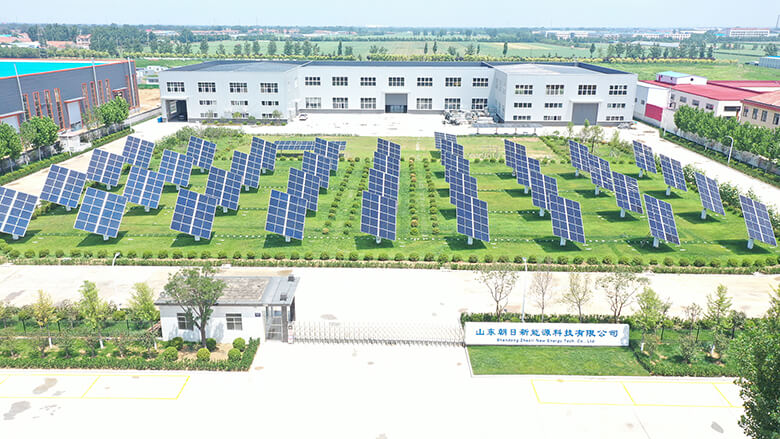
Our factory covers 50,000 square meters, utilizing CNC machine tools, laser cutting, and automatic welding robots. With 300+ production workers, we achieve a capacity of 500MW per month.
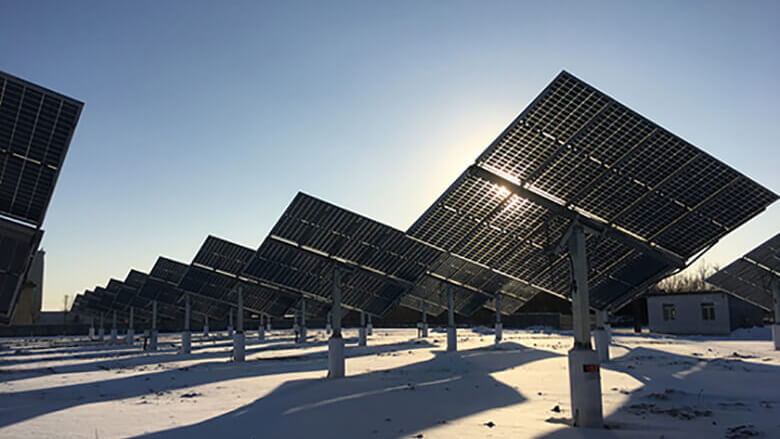
As a global track solar supplier, we offer quotes for various system architectures tailored to different latitudes and terrain conditions.
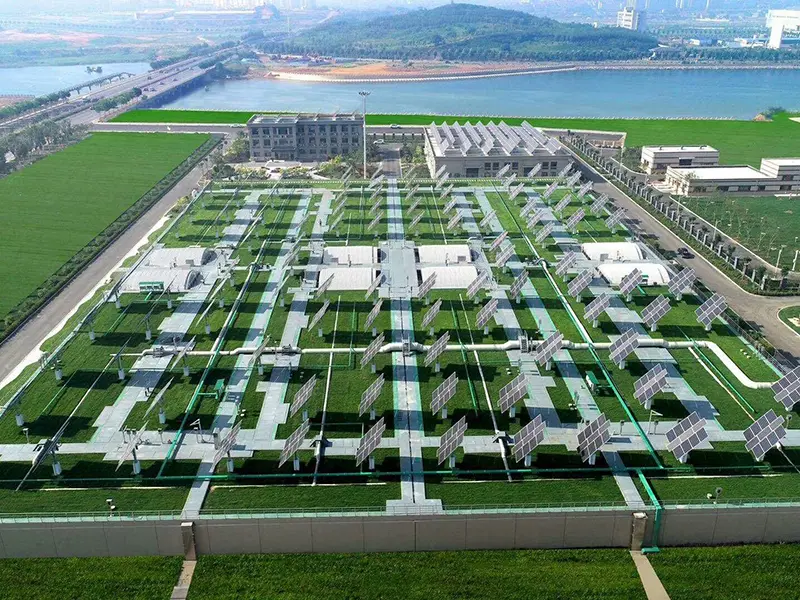
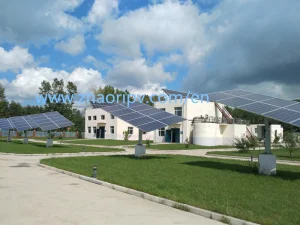
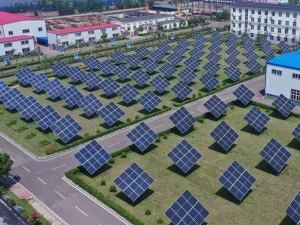
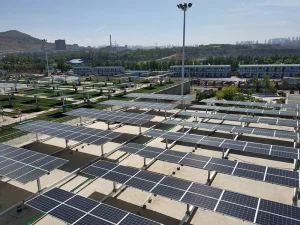
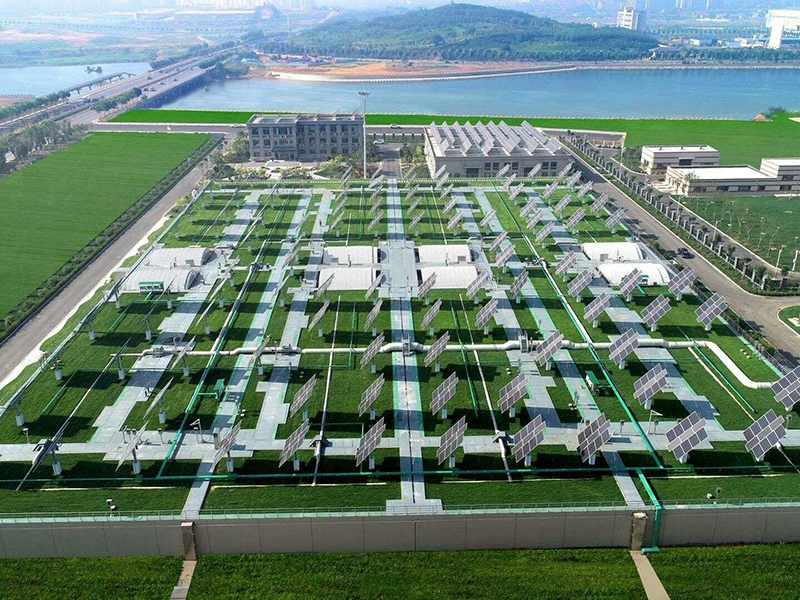
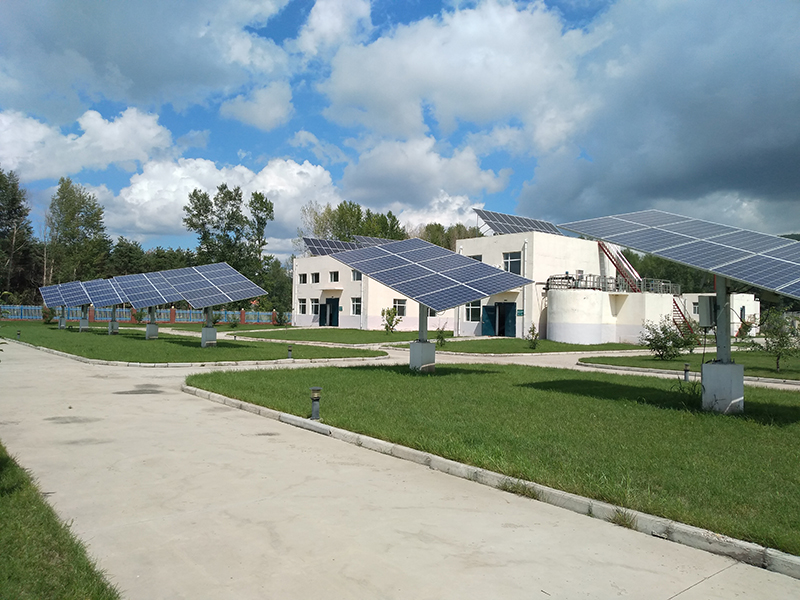
Our flat single-axis systems with inclined modules are perfect for distributed generation in industrial zones where space is optimized for peak load shaving.
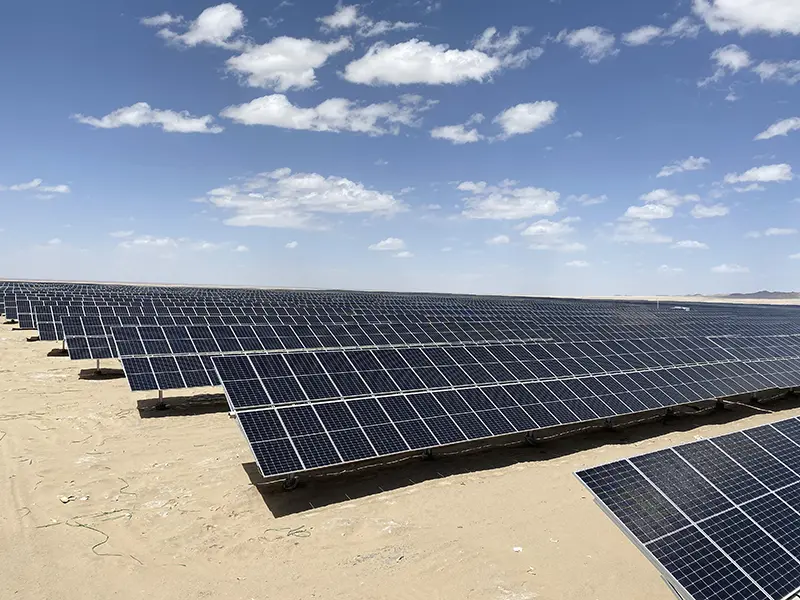
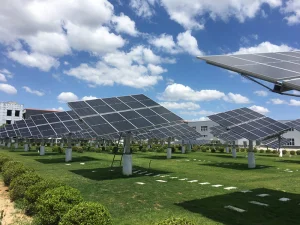
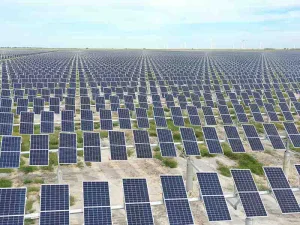
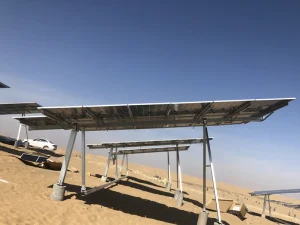
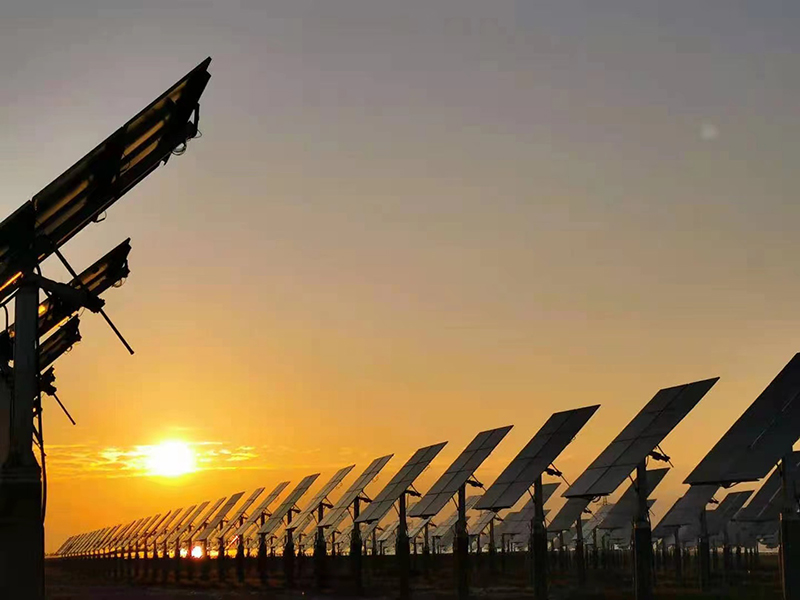
20MW projects in desert regions utilize our dual-axis systems to combat high-temperature degradation by maximizing morning/evening production.
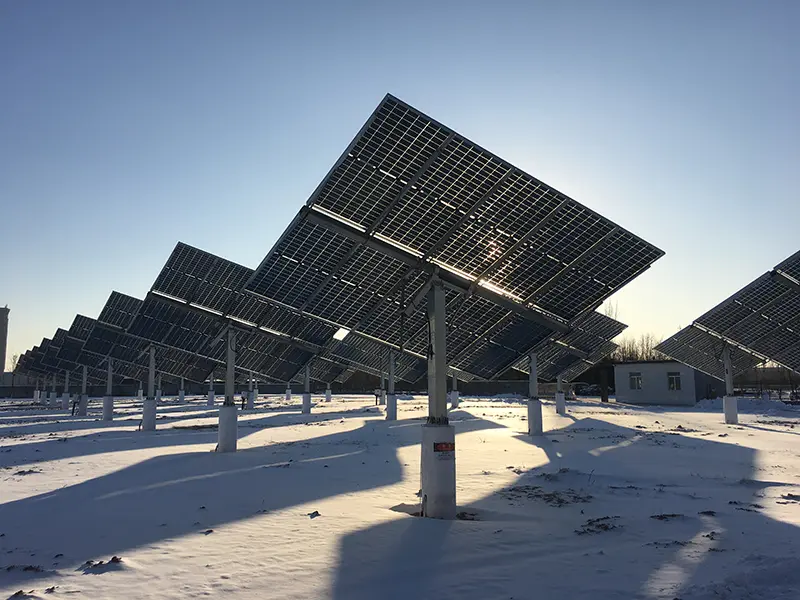
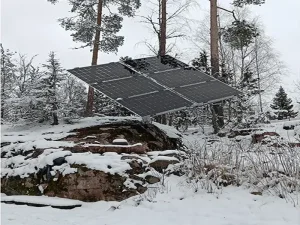
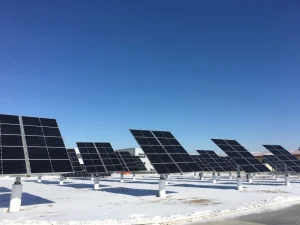
Intelligent sensors allow the panels to tilt at a 75-degree angle during snowstorms to prevent accumulation and structural failure.
When requesting a Track Solar Quote, global EPC (Engineering, Procurement, and Construction) companies prioritize three critical factors:
Our principle is simple: More simple, more reliable, and more effective. By reducing moving parts and using standardized components, we lower the O&M (Operation and Maintenance) costs significantly.
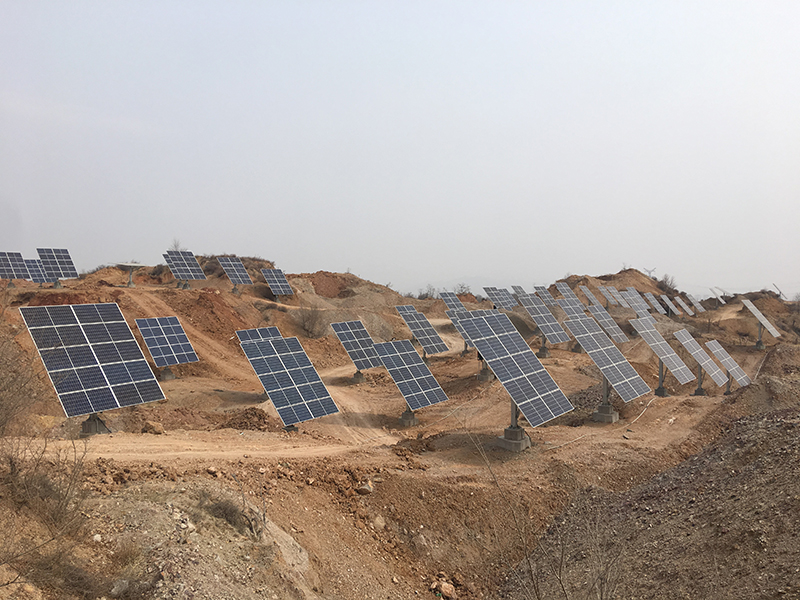
Initial CAPEX is typically 10-20% higher for SAT and 40% higher for DAT. However, the LCOE (total cost per kWh) is usually lower due to the 20-40% increase in energy production over the project's life.
Our trackers are designed for minimal O&M. They require biannual inspections of the drive mechanism and annual software calibration. Our use of self-lubricating bearings further reduces costs.
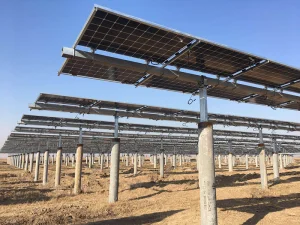
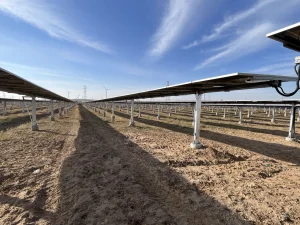
Yes. Our ZRP 2P and 1P systems are specifically designed with high clearance and narrow torque tubes to maximize backside sunlight exposure (albedo).
Absolutely. Our systems include an automatic "stow" mode. When wind speeds exceed a threshold (typically 18-22 m/s), the sensors trigger the panels to move to a horizontal position to minimize wind load.
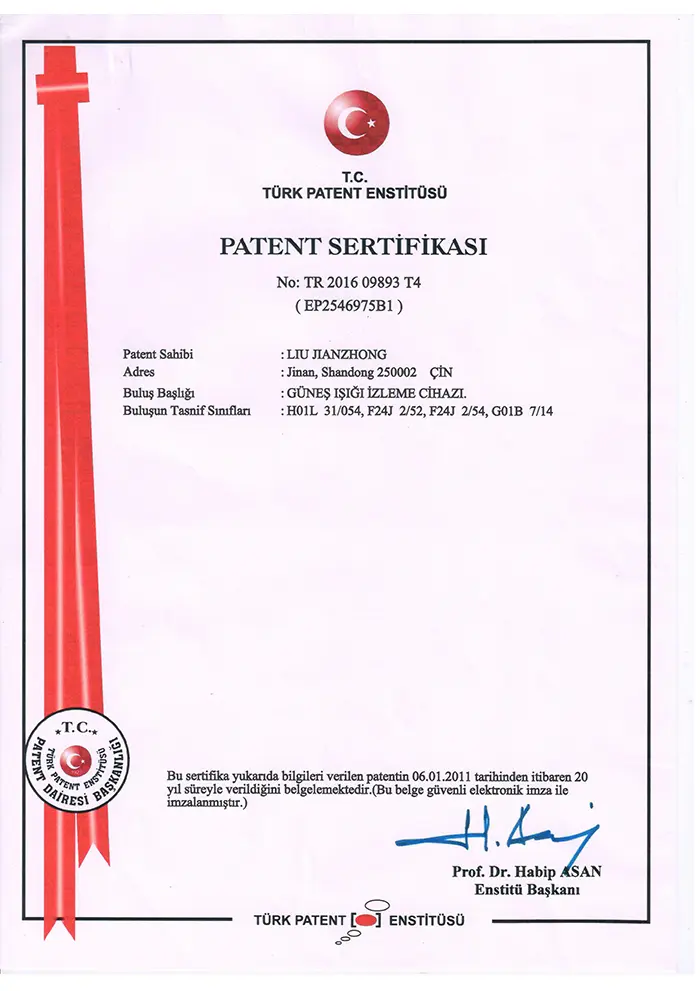
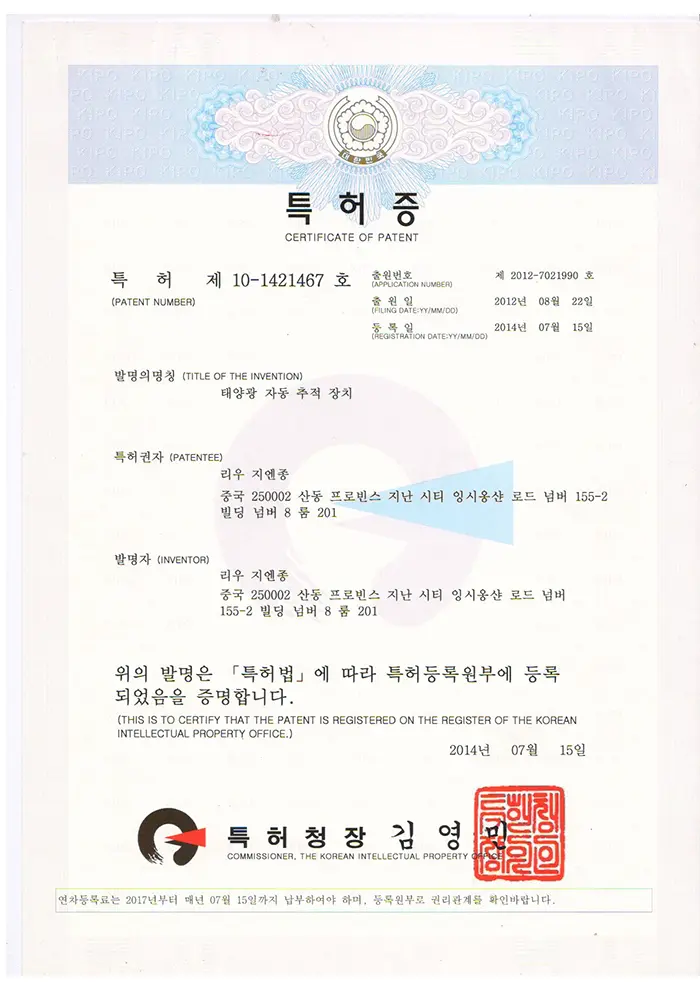
We hold patents from the US, Europe, Canada, Japan, and more. We are fully certified with TUV, CE, and ISO 9001 standards.
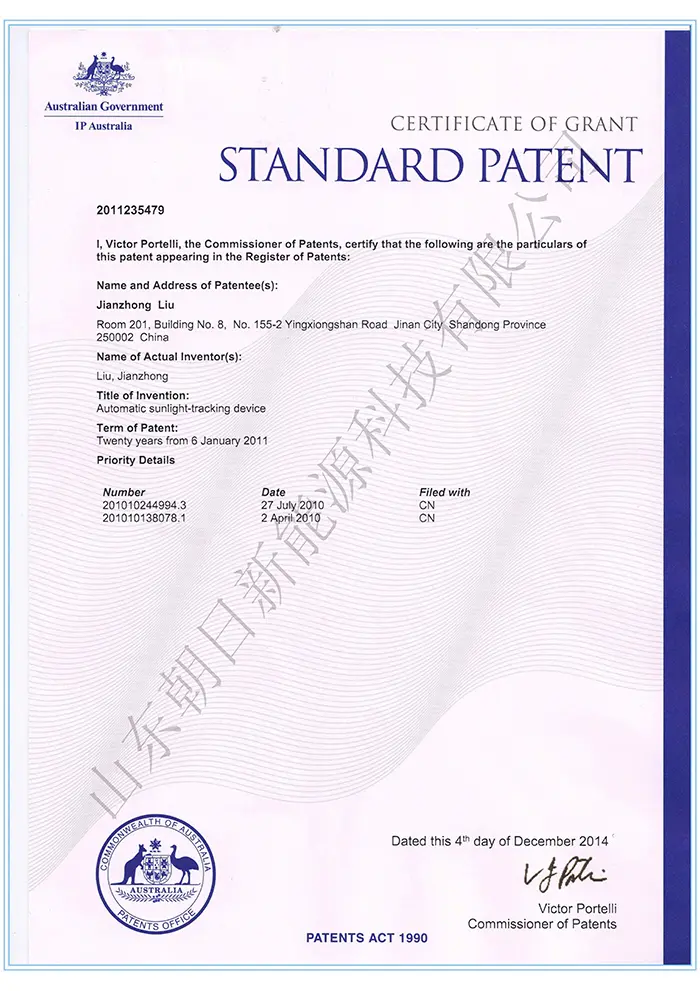
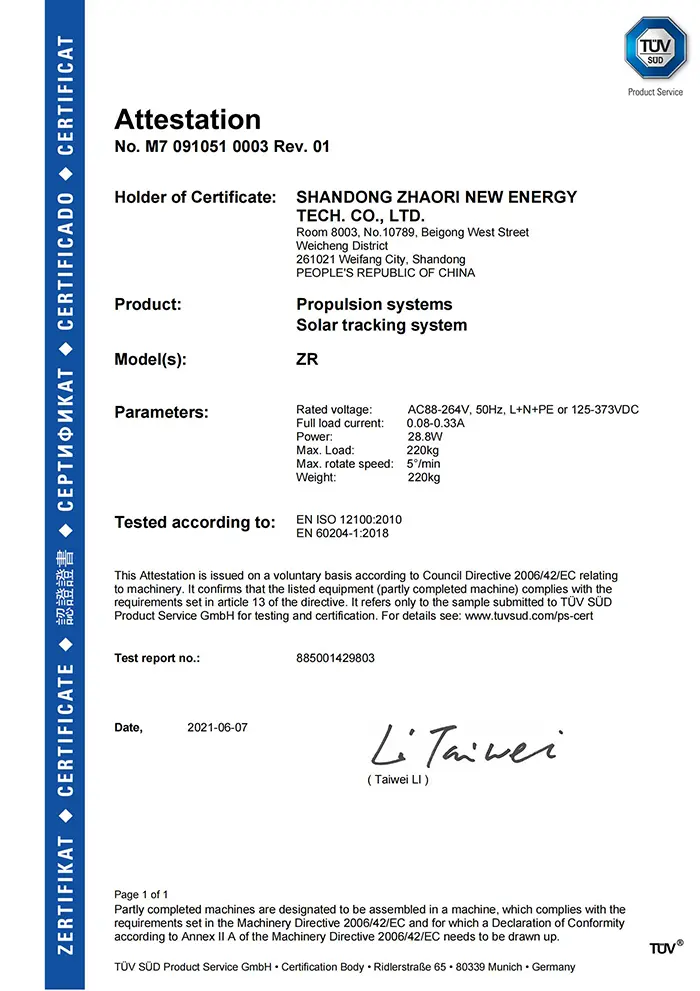
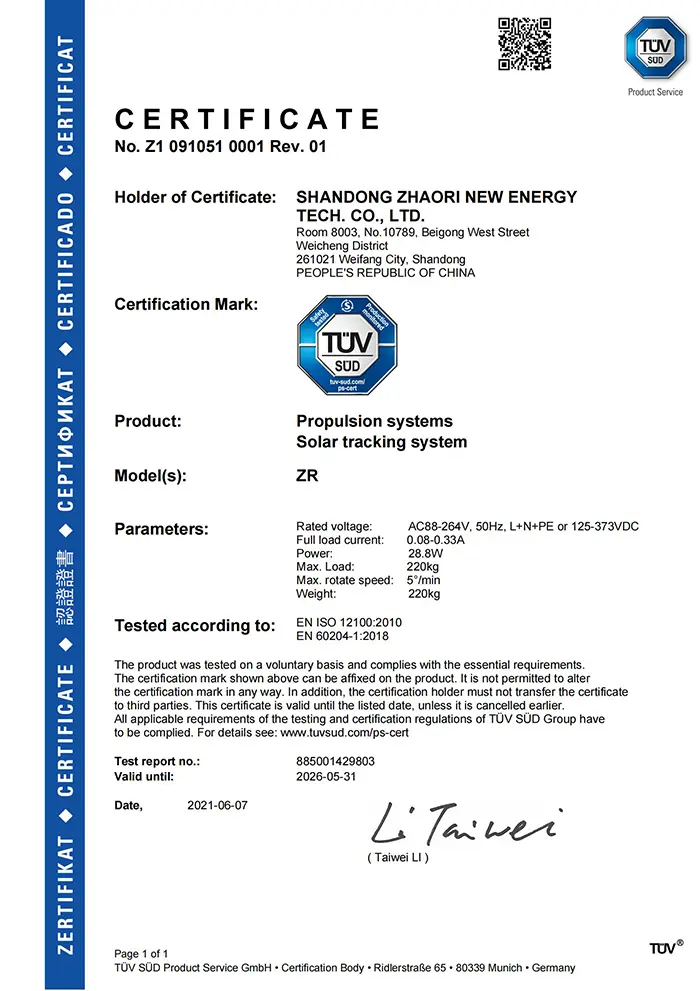

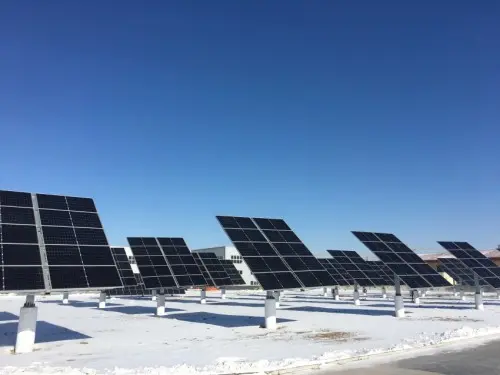
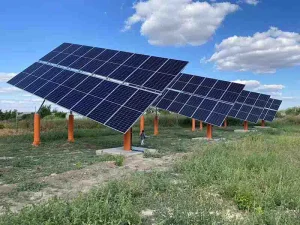
Maximizes energy yield by following the sun's exact path through both altitude and azimuth angles.
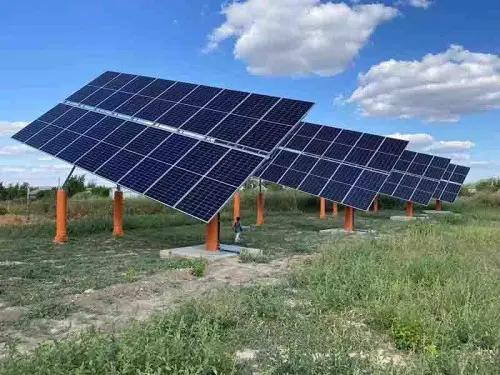
Provides a 15-25% gain with a 10°-30° tilted axis, optimized for mid-latitude commercial projects.
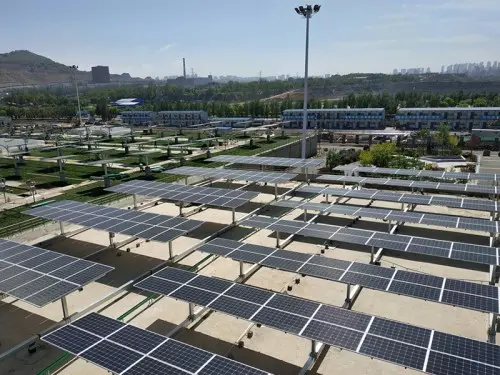
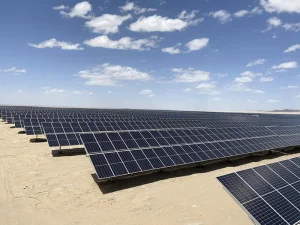
Accommodates up to 60 panels per row, ideal for large utility arrays using bifacial modules.
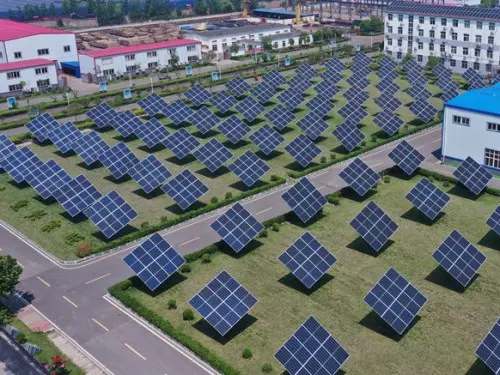
Intelligent control and robust mechanical design for high-reliability energy production.
 Zhaori