Engineered for Maximum Energy Yield and Industrial Durability
In the current global energy landscape, the transition from fixed-tilt photovoltaic (PV) arrays to dynamic Sun Tracking Solar Panel systems is no longer a luxury—it is a financial and operational imperative. As nations strive to meet COP28 decarbonization targets, utility-scale developers and industrial enterprises are focused on one metric: Levelized Cost of Energy (LCOE).
Unlike stationary mounts, high-quality solar trackers utilize sophisticated sensors and algorithms to orient PV modules directly toward the sun’s beam. This simple mechanical adjustment can increase energy harvest by up to 35% in high-DNI (Direct Normal Irradiance) regions. For large-scale procurement, the initial sun tracking solar panel cost is offset by a significantly shorter ROI period and higher lifetime revenue.
Boost energy yield by 15-25% for single-axis and 30-40% for dual-axis compared to fixed systems.
Trackers maximize the rear-side gain of bifacial modules by reducing shading and optimizing albedo light capture.
Generate more MWh per acre, reducing the footprint required for large utility projects.
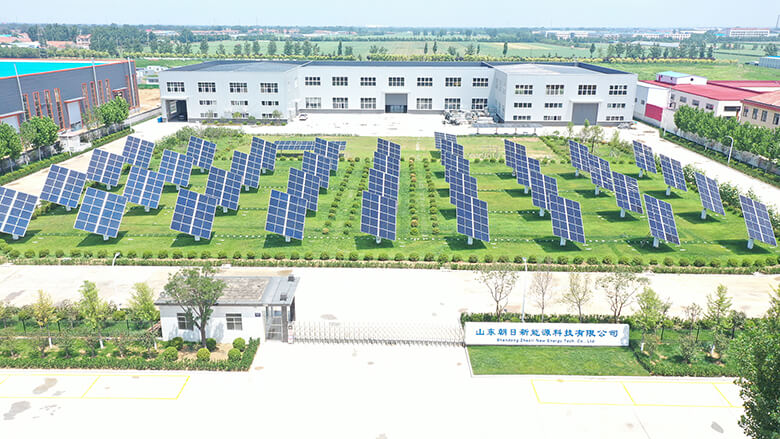
Shandong Zhaori New Energy Tech. Co., Ltd. stands at the forefront of this technological revolution. Founded in June 2012, we have dedicated over a decade to the R&D of advanced PV bracket systems. Our structure includes 10 core departments, ranging from high-level R&D and engineering to global quality assurance and trade logistics.
Our commitment to E-E-A-T (Experience, Expertise, Authoritativeness, and Trust) is evidenced by our massive intellectual property portfolio. With invention patents granted in the USA, Canada, Europe, Japan, South Korea, and more, our technology is truly global. Our products hold TUV, CE, and ISO certifications, ensuring that every bracket produced in our 50,000 sqm factory meets the most rigorous international standards.
For multinational corporations and EPC (Engineering, Procurement, and Construction) firms, the decision to invest in solar tracking technology involves complex risk assessments. The modern Sun Tracking Solar Panel Cost Manufacturer must provide more than just hardware; they must provide integrated solutions that include:
In markets like North America and the EU, high labor costs drive the demand for "Simple, Reliable, and Effective" designs. Our philosophy focuses on reducing the part count to minimize field installation time, directly lowering the overall sun tracking solar panel cost for the end-user.
We are currently entering the era of AI-Driven Solar Tracking. While traditional systems use astronomical algorithms, the next generation incorporates real-time sensor data and machine learning to optimize for diffuse light conditions (cloudy days) and bifacial gains.
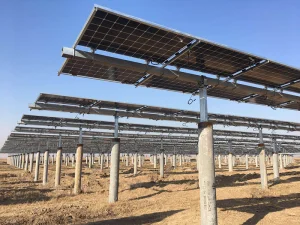
Our ZRD-10 Dual Axis Solar Tracking System represents the pinnacle of this evolution. By tracking both the azimuth and elevation angles, it ensures that the incidence angle of the sun is always zero degrees, providing the maximum possible solar flux throughout the day.
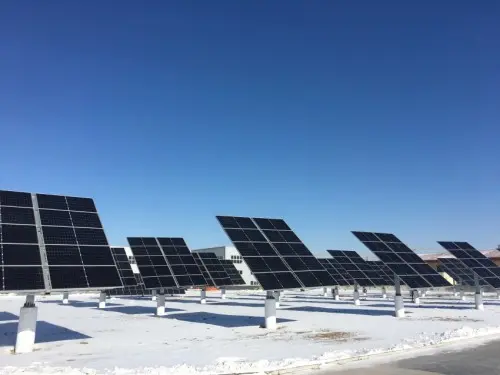
Decades of design perfection for the most reliable tracker on the planet.
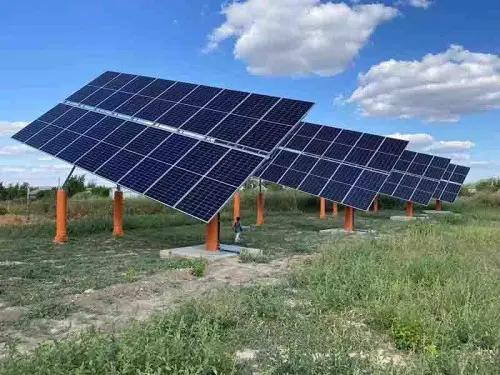
10°-30° tilted axis for enhanced power generation (15-25% gain).
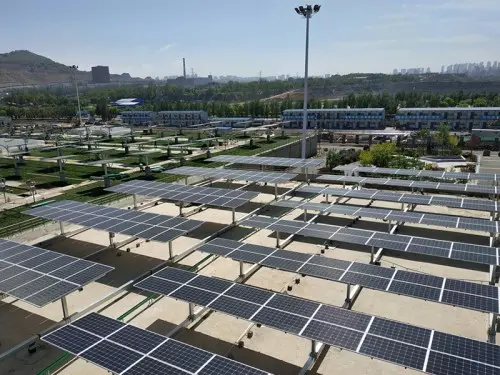
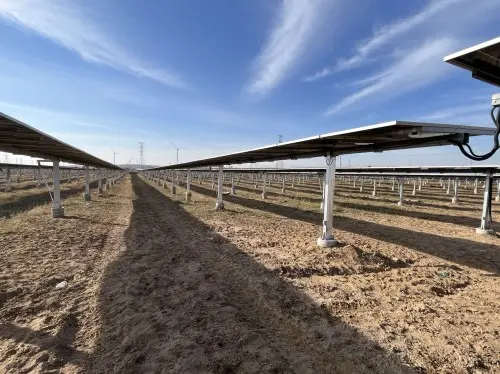
Multi-row linked or single row types for massive utility-scale arrays.
Our production facility spans 50,000 square meters, equipped with high-precision CNC machine tools, laser cutting machines, and automatic welding robots. This automation ensures that every component of the tracking system—from the heavy-duty drive gears to the anti-rust treated brackets—is built to last for a 25-year operational life.
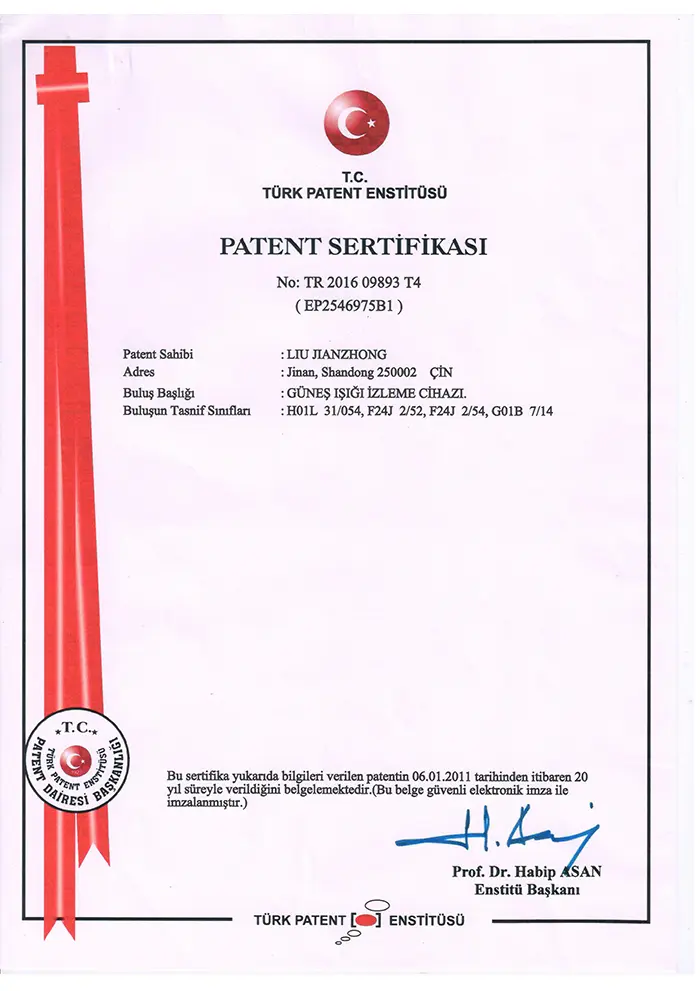
Manufacturing process involves: Raw material screening → Precision Cutting → Robot Welding → Hot-dip Galvanizing (Anti-rust) → Multi-level Inspection.
Proven Performance in Extreme Climates
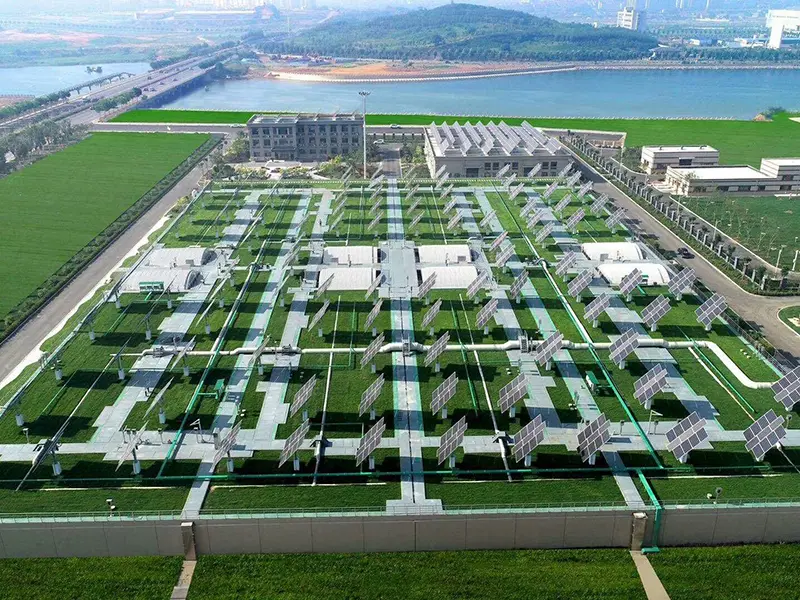
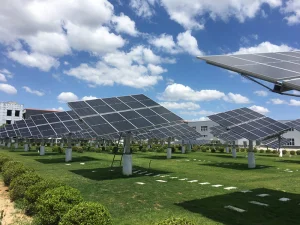
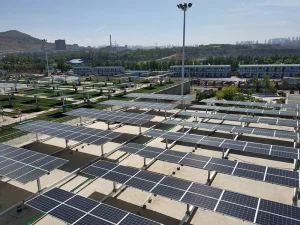
Industrial rooftop and ground-mount trackers for self-consumption.
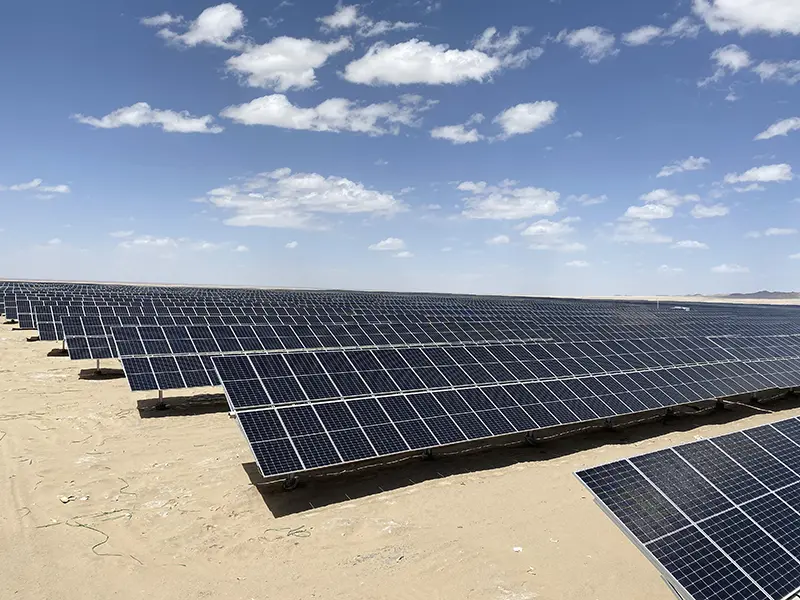
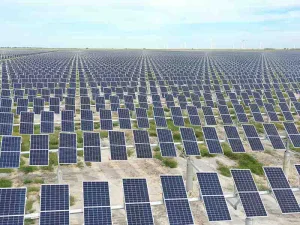
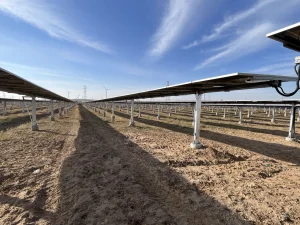
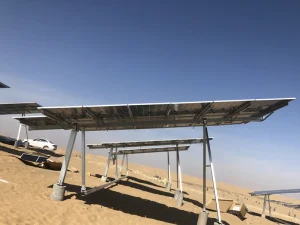
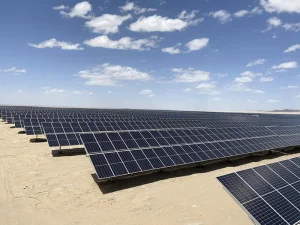
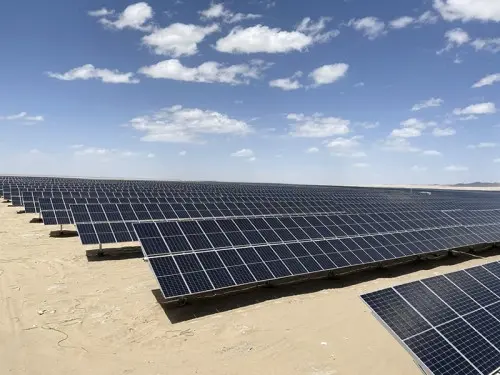
Tilted single-axis trackers operating in high-heat, sandy environments.
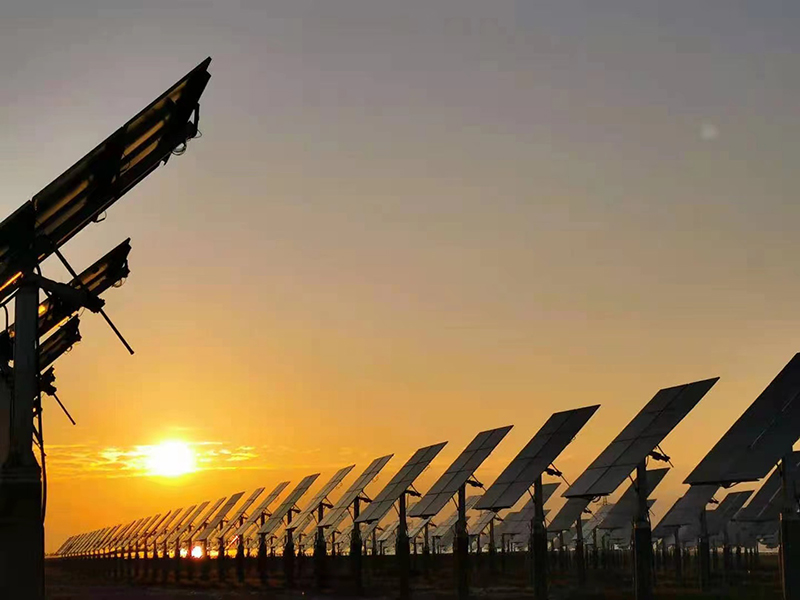
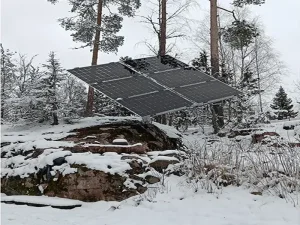
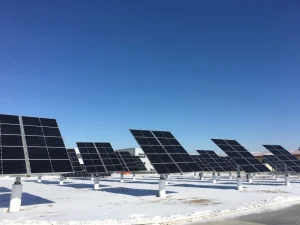
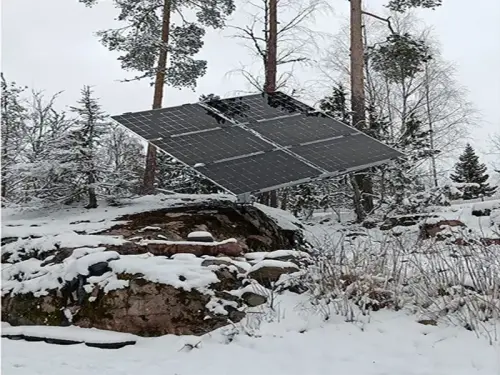
Optimized for high-latitude winter performance.
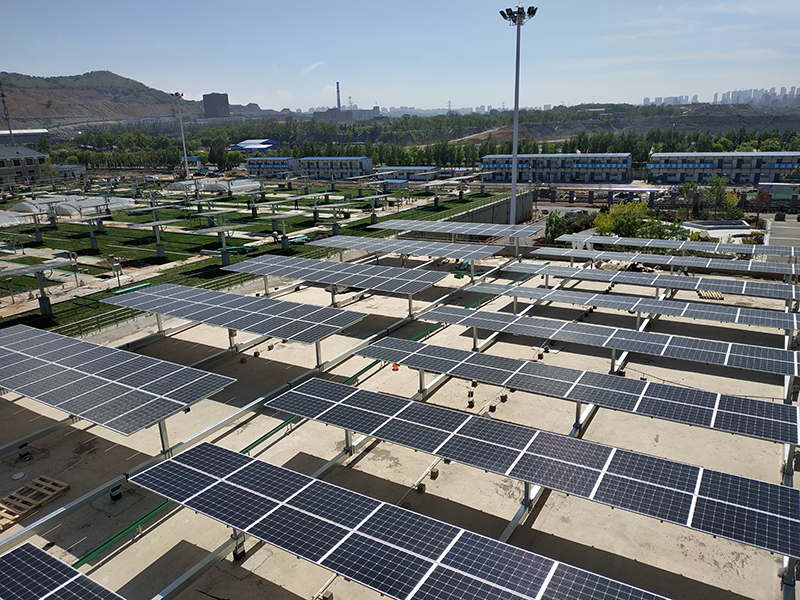
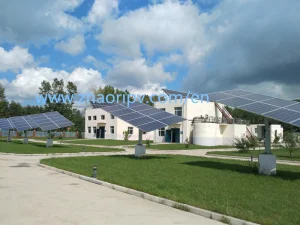
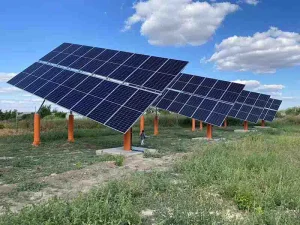
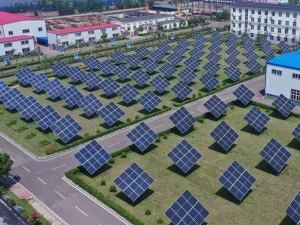
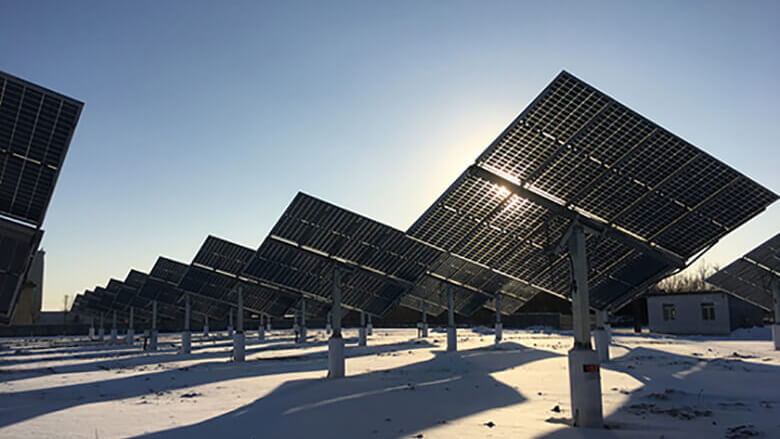
Large-scale system maximizing rear-side albedo energy collection.
Addressing Common Inquiries on Sun Tracking Costs and Logistics
While trackers can cost 10-20% more in upfront CAPEX, they generally increase annual energy production by 20-30%. This results in a lower LCOE and can improve the internal rate of return (IRR) by several percentage points for commercial projects.
Our ZRD series includes an integrated anemometer and intelligent controller. When wind speeds exceed safe thresholds, the system automatically flattens to a "stow" position to minimize drag. For snow, trackers can tilt to a steep angle to allow snow shedding.
Yes. Shandong Zhaori Solar provides comprehensive technical support, including site-specific engineering drawings, foundation design assistance, and on-site commissioning supervision to ensure compliance with local electrical and building codes.
Our designs emphasize "Simplicity." We use high-quality, maintenance-free bearings and robust drive mechanisms that only require basic periodic inspection. Our decentralized control system ensures that even if one tracker has an issue, the rest of the array continues to function.
 Zhaori