Industry-leading tracking systems optimized for maximum energy yield.
As the global energy landscape undergoes a paradigm shift toward decarbonization, the demand for high-efficiency photovoltaic (PV) solutions has reached an all-time high. Traditional fixed-tilt systems, while reliable, leave significant energy potential untapped. Shandong Zhaori New Energy Tech. Co., Ltd. is bridging this gap by engineering Solar Tracking Systems that dynamic follow the sun's trajectory, maximizing photon absorption and reducing the Levelized Cost of Energy (LCOE).
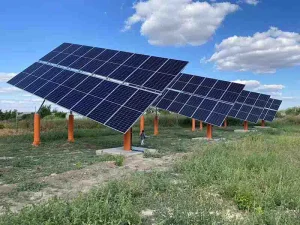
Today, utility-scale projects in the Middle East, North America, and Central Asia are moving away from static structures. The integration of Bifacial Modules with single-axis and dual-axis trackers has become the "Gold Standard." Our systems, such as the ZRD-10 Dual Axis Solar Tracking System, are designed to handle high wind loads and heavy snow accumulation—addressing the critical reliability concerns of modern EPC contractors.
Utilizing GPS and astronomical clock data to ensure tracking accuracy within ±0.1°, optimizing output even during overcast conditions.
Hot-dip galvanized steel components with 25-year design life, tested against 150km/h wind speeds and seismic activity.
Intelligent backtracking algorithms minimize inter-row shading in the early morning and late afternoon, a crucial factor for flat single-axis systems.
Our self-powered options utilize the PV modules themselves to drive the motors, eliminating the need for external power grid infrastructure.
Shandong Zhaori New Energy Tech. Co., Ltd.
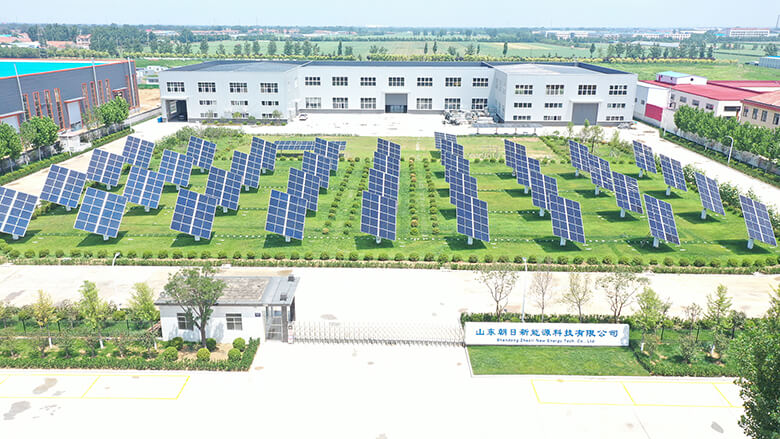
Founded in June 2012, we have evolved into a high-tech powerhouse with over 60 professional technology talents and 300+ production workers. Our 50,000 sqm factory is equipped with:
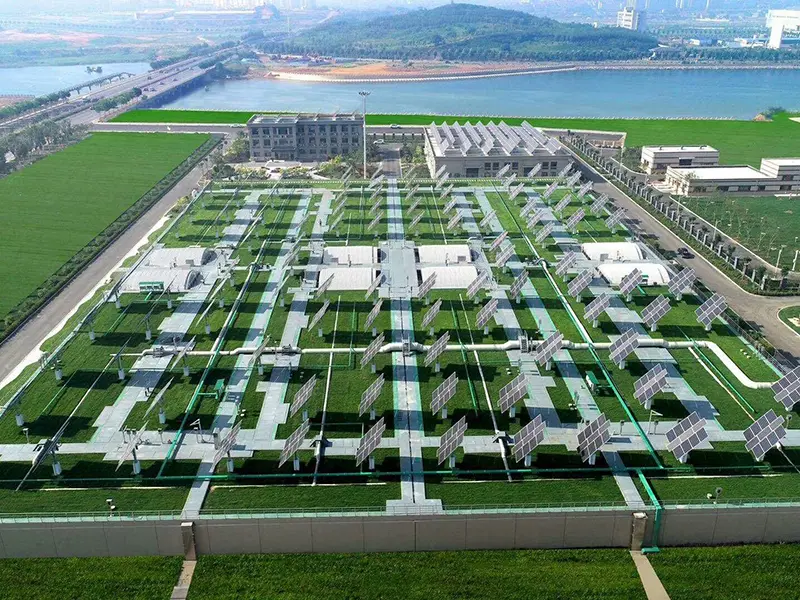
Factory Infrastructure Solutions
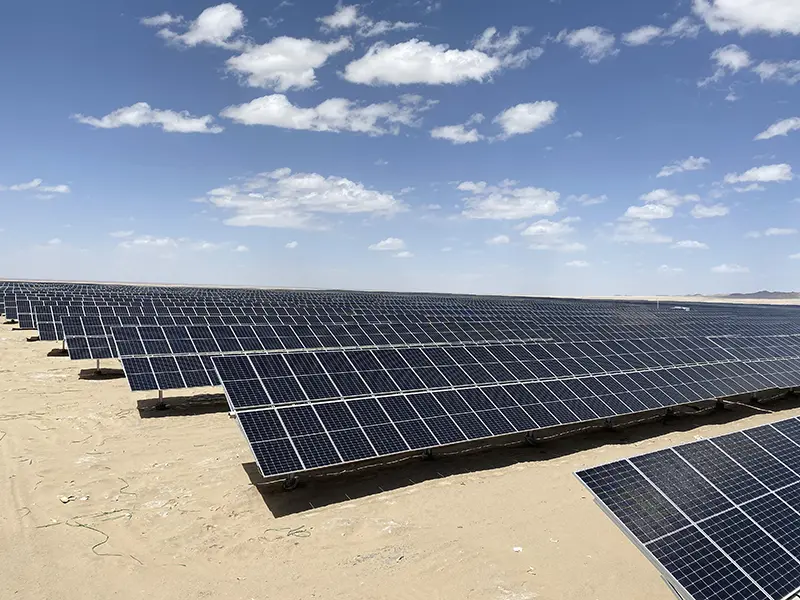
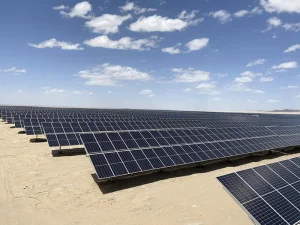
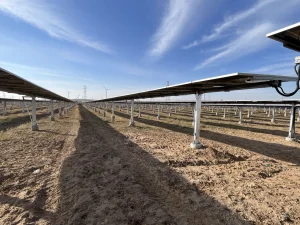
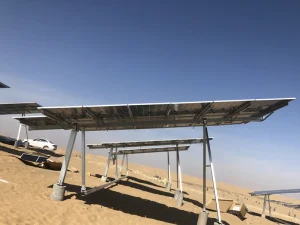
20MW Utility Project - Desert Environment
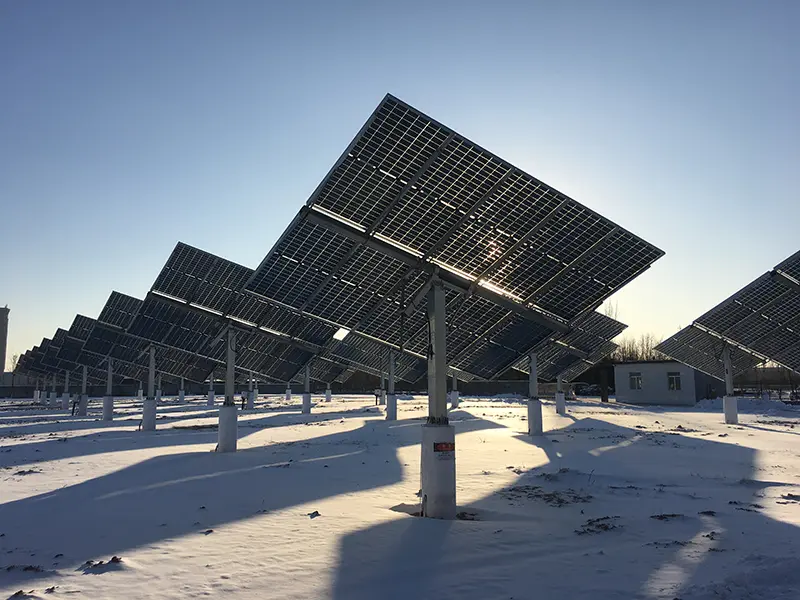
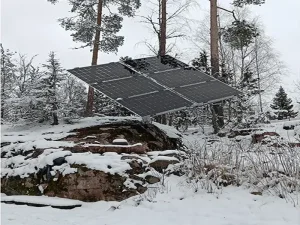
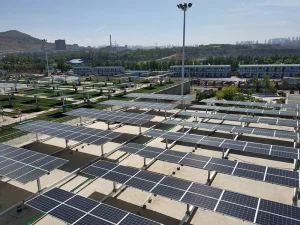
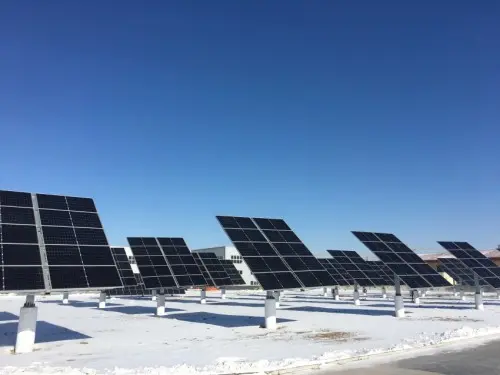
Extreme Weather Stability (Heavy Snow)
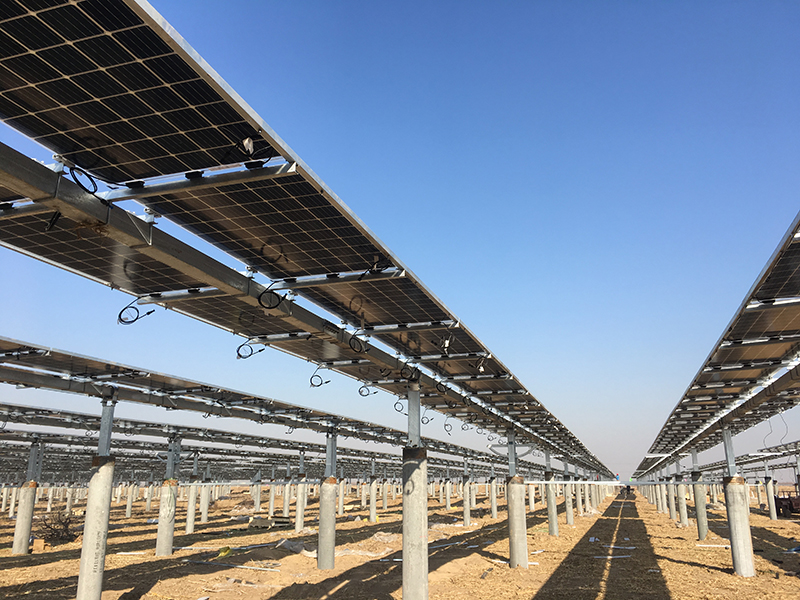
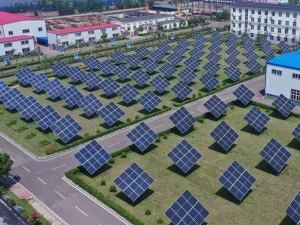
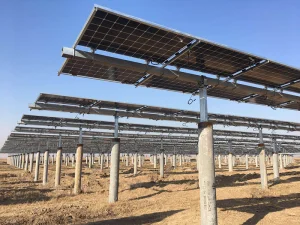
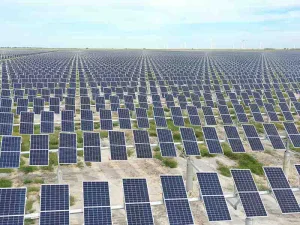
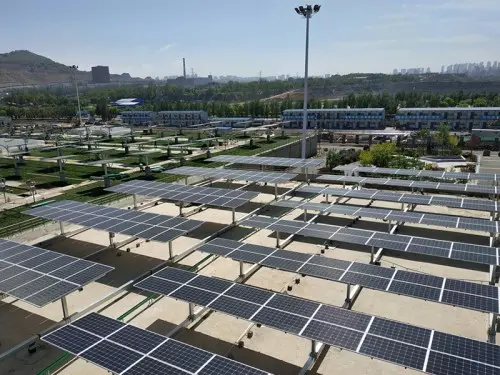
110MW Bifacial Module Integration
Our ZRP Flat Single Axis Solar Tracking System is engineered for the harsh, sandy environments of desert regions. Featuring specialized sand-proof bearing housings and a "Stow" mode for sandstorms, these systems ensure that the trackers remain operational with minimal maintenance. By mounting 10-60 panels per set, we offer high scalability for projects exceeding 100MW.
The ZRT-16 Tilted Single Axis Solar Tracking System (10°–30° tilted) is specifically designed for regions further from the equator. By adjusting the azimuth angle, these systems capture low-angle sunlight more effectively than flat trackers, providing a 15%–25% production gain in northern latitudes.
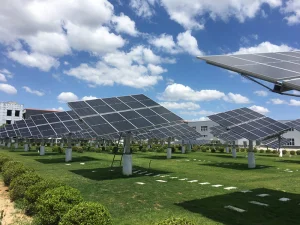
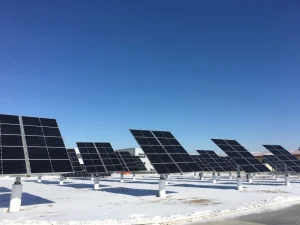
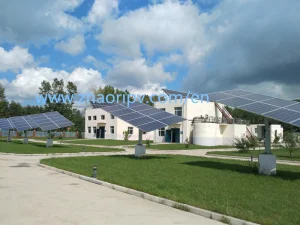
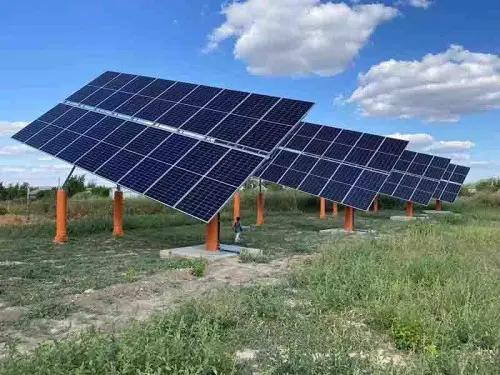
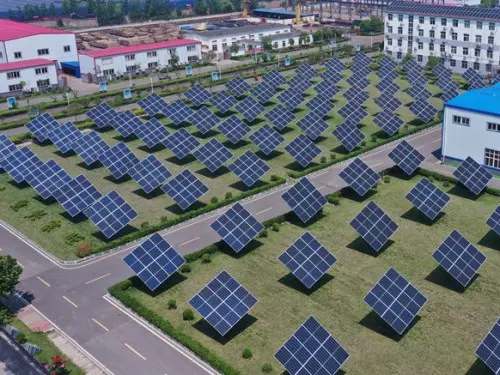
Because dual-axis trackers (like our ZRD-08 and ZRD-10 models) are mounted on a single high pillar, they provide ample space beneath the modules. This is ideal for Agrivoltaics, allowing tractors to pass through and crops to grow, creating a dual-use land efficiency model.
The future of solar tracking lies in the Internet of Things (IoT). Shandong Zhaori is currently developing a cloud-based monitoring platform that allows real-time health checks of every motor and actuator in the field. Using predictive maintenance, we can identify a potential failure before it occurs, drastically reducing O&M costs.
Moreover, as bifacial modules become cheaper, our R&D focus is on Albedo Optimization—using sensors to detect ground-reflected light and slightly adjusting the tracker angle to maximize the energy collected from the rear side of the panels.
 Zhaori