In the current era of the global energy transition, the role of a Solar Tracker Structure Exporter has evolved from simple hardware manufacturing to providing complex engineering solutions that determine the Levelized Cost of Electricity (LCOE). Solar trackers, unlike fixed-tilt structures, dynamically adjust the orientation of photovoltaic panels toward the sun, maximizing incident radiation throughout the day.
The global solar tracker market is witnessing an unprecedented surge, particularly in utility-scale projects across North America, the Middle East, and the Asia-Pacific region. As EPC (Engineering, Procurement, and Construction) companies strive for higher ROI, the integration of bifacial solar modules with advanced tracking structures has become the industry standard. This combination can increase energy yield by up to 35-45% compared to static installations, depending on the albedo effect and geographical latitude.
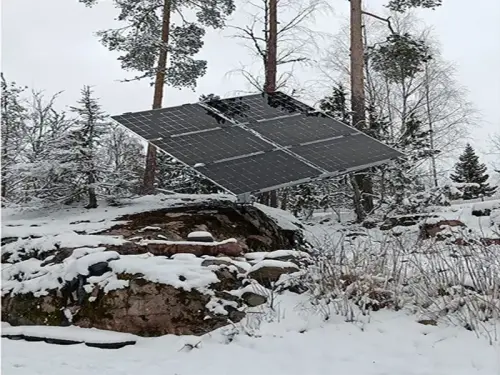
Modern trackers now incorporate AI-driven backtracking algorithms and IoT sensors to mitigate structural risks during high-wind events and heavy snow loads.
Utility-scale solar accounts for over 60% of tracker demand, with industrial microgrids following closely as corporations seek energy independence.
Institutional investors favor projects utilizing certified tracking structures (TUV, CE) due to their proven reliability and predictable maintenance cycles.
Founded in June 2012, Shandong Zhaori New Energy Tech. Co., Ltd. stands as a beacon of innovation in the high-tech renewable energy sector. With over 10 specialized departments including R&D, Engineering, and Quality Assurance, we maintain a workforce of 60+ professional technology talents focused exclusively on solar tracking technology for over a decade.
Our commitment is rooted in "More Simple, More Reliable, More Effective" design principles, ensuring that our global partners receive structures that withstand the test of time and climate.
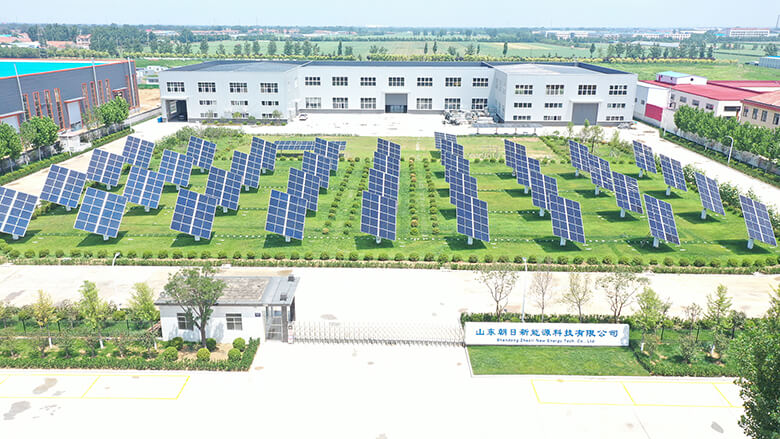
As a leading Solar Tracker Structure Exporter based in China, we leverage a hyper-efficient supply chain and state-of-the-art automation. Our factory is equipped with CNC machine tools, laser cutting machines, and automatic welding robots. This ensures millimeter-level precision in the fabrication of the tracker's structural components, which is critical for the long-term integrity of the drive system and bearing assemblies.
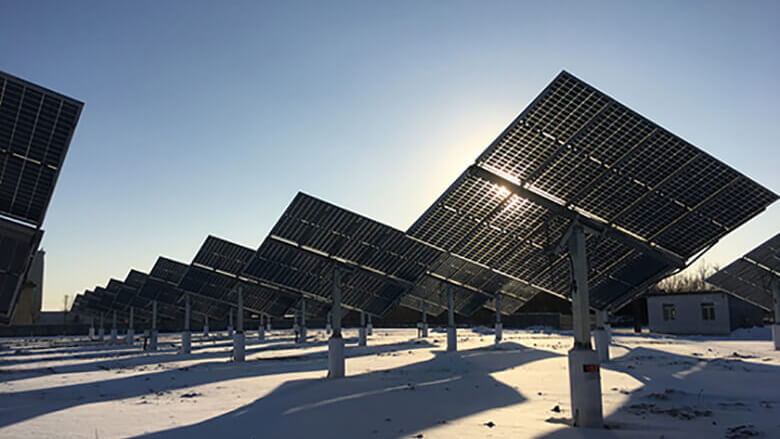
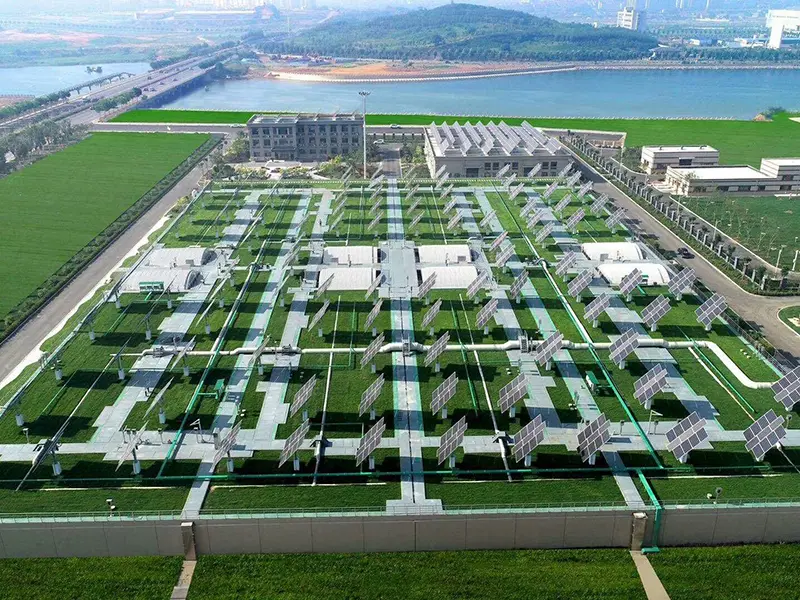
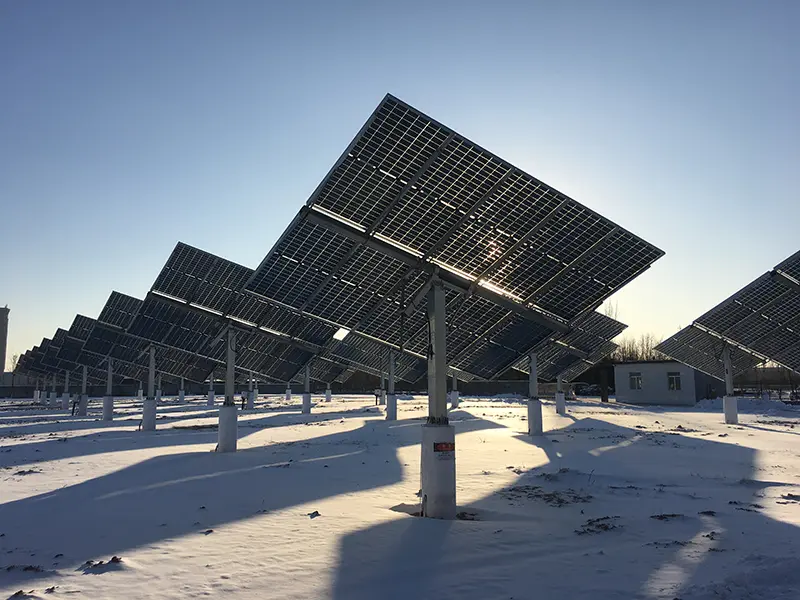
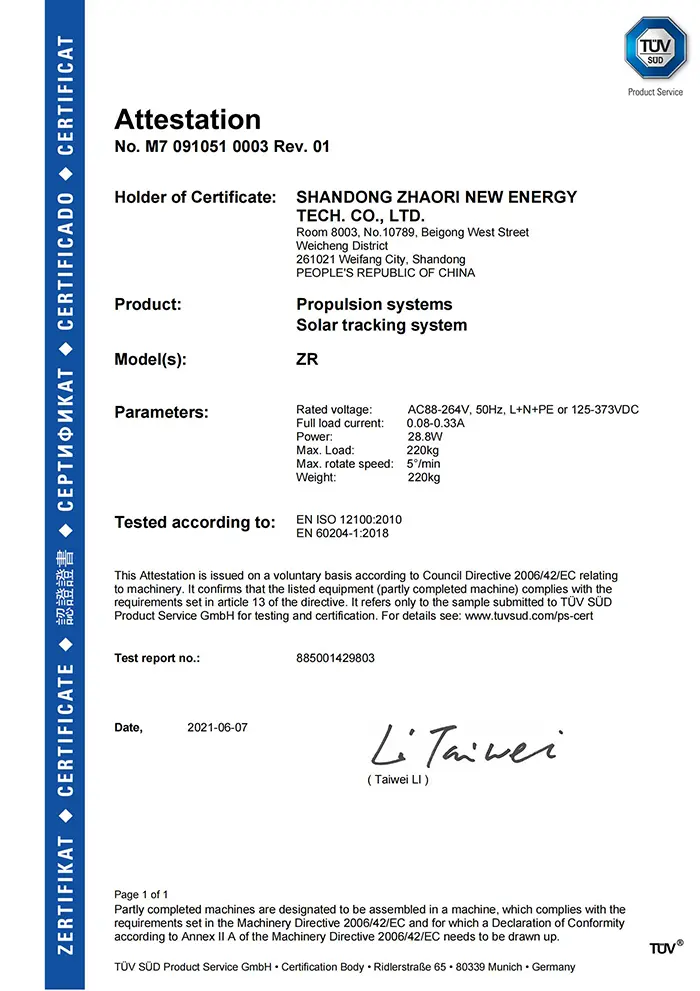
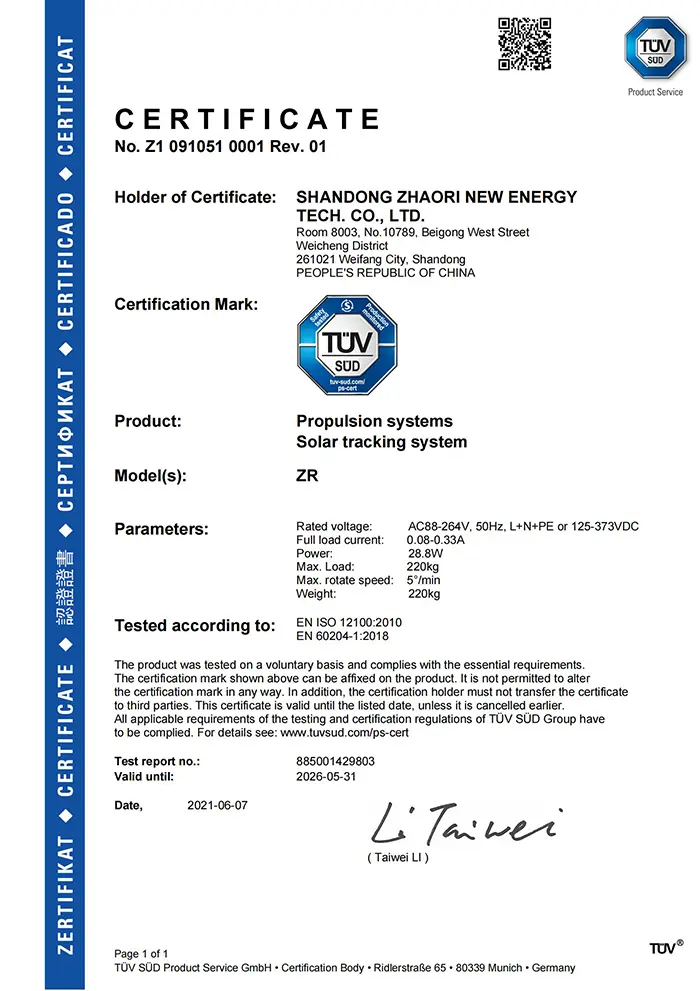
The manufacturing process undergoes strict level-by-level control—from raw material screening to anti-rust treatment (Hot-Dip Galvanization) and post-processing inspection. This adherence to ISO management systems and TUV/CE certifications provides the "Information Gain" and reliability that global procurement officers demand.
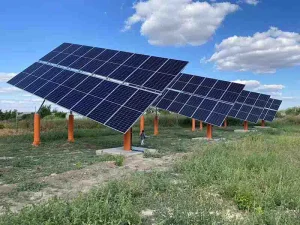
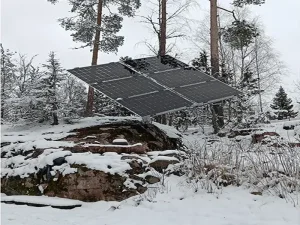
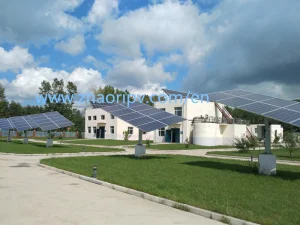
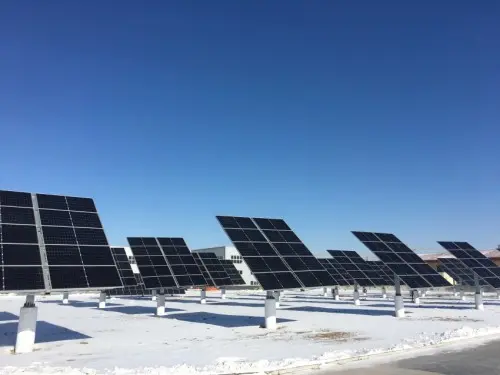
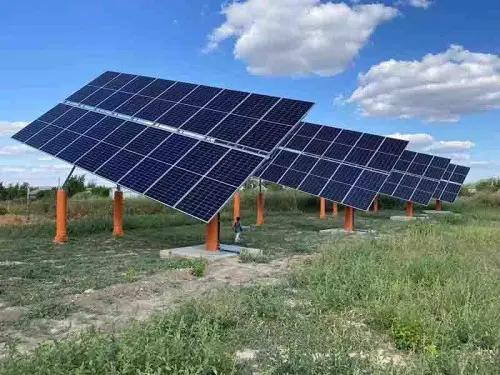
The ZRD-08 and ZRD-10 systems track both the azimuth and altitude of the sun. These are ideal for regions with high direct normal irradiance (DNI). By maintaining a perfect 90-degree angle to the sun's rays at all times, they can boost production by up to 40%.
Applications: Scientific research, extreme efficiency utility projects, water pumping.
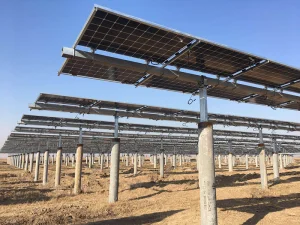
Our ZRT Tilted Single Axis and ZRP Flat Single Axis trackers offer a balance between cost and performance. The 2P Flat configuration is particularly effective for bifacial module optimization, reducing shading on the rear side of the panels.
Applications: Large-scale solar farms, commercial rooftops with high load capacity.
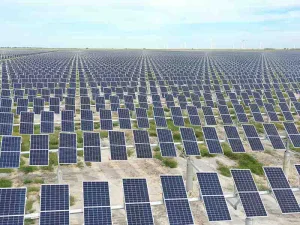
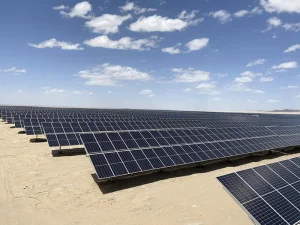
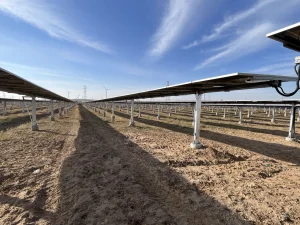
Our structures have been deployed in diverse environments: from 20MW projects in desert regions where dust and heat are prevalent, to mountainous projects with uneven terrain. The adjustable PV bracket systems allow for site-specific slope compensation, significantly reducing the need for costly land leveling.
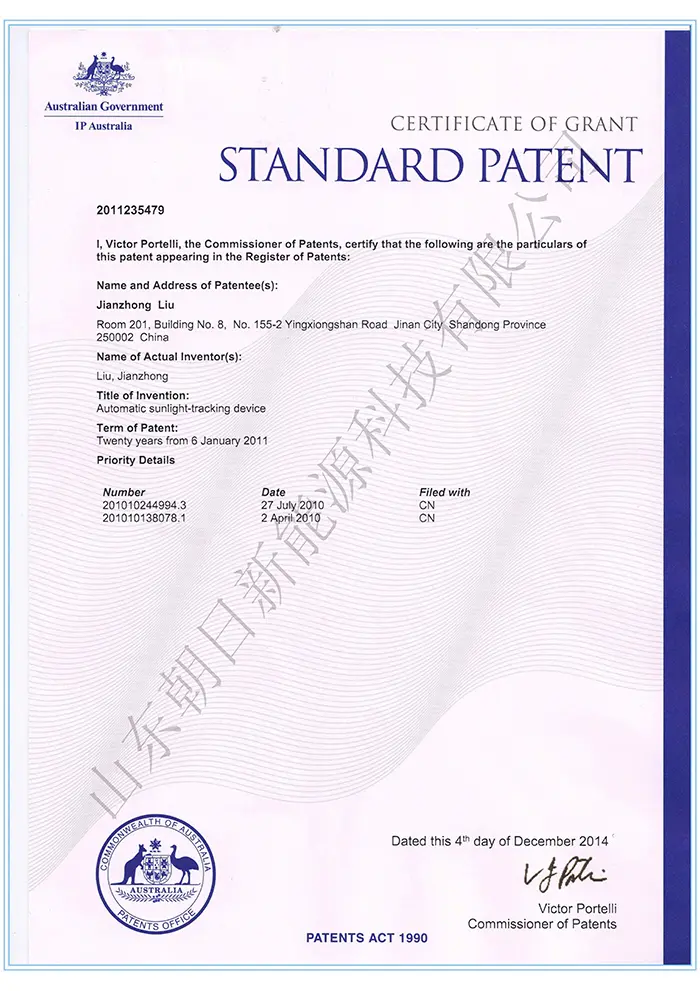
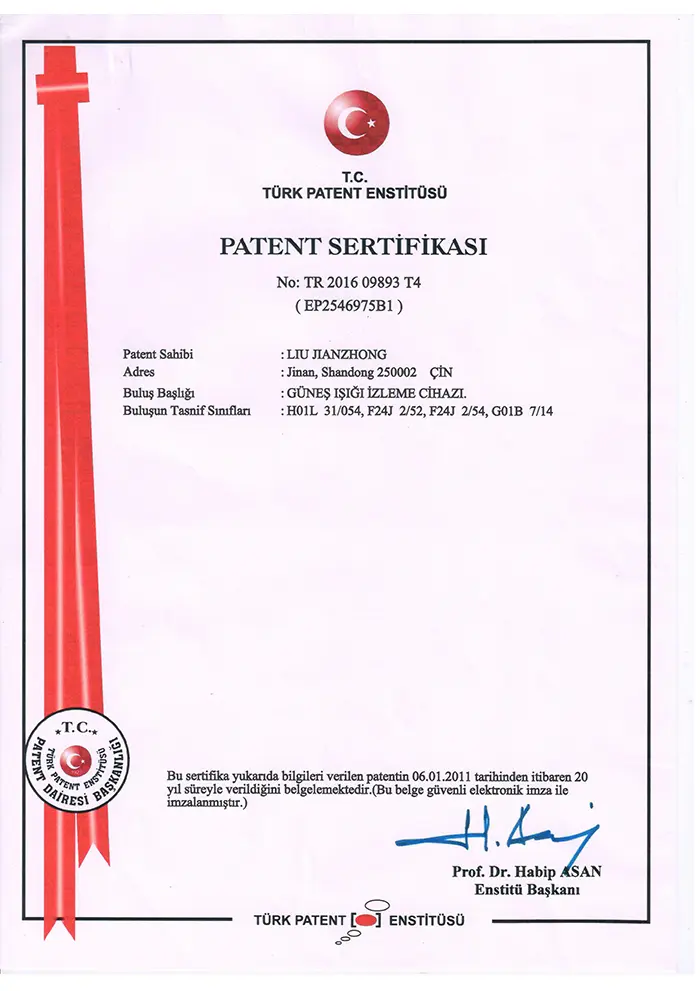
Our intellectual property portfolio spans the globe, with patents granted in the EU, USA, Canada, Australia, Japan, South Korea, Thailand, and beyond.
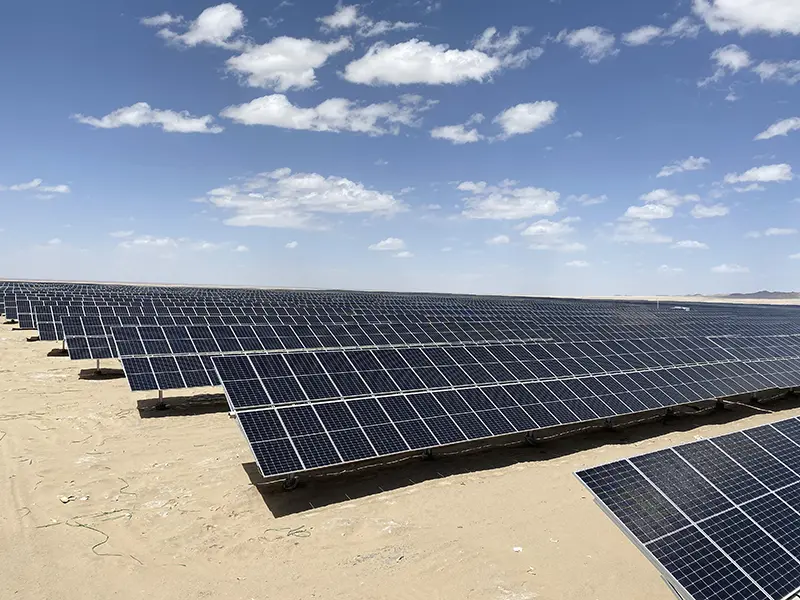
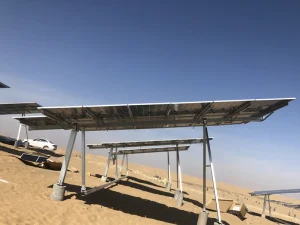
Demonstrating high durability and dust resistance in extreme arid conditions.
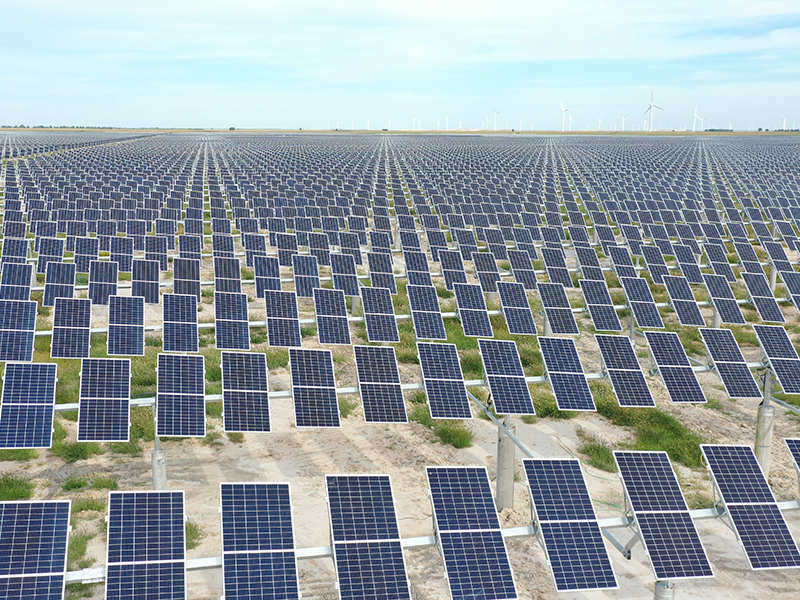
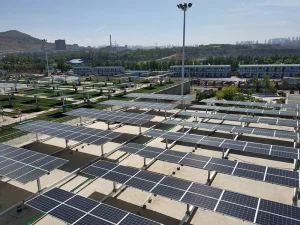
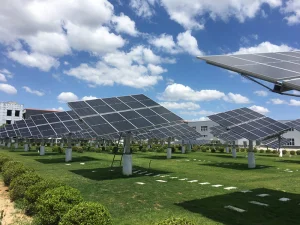
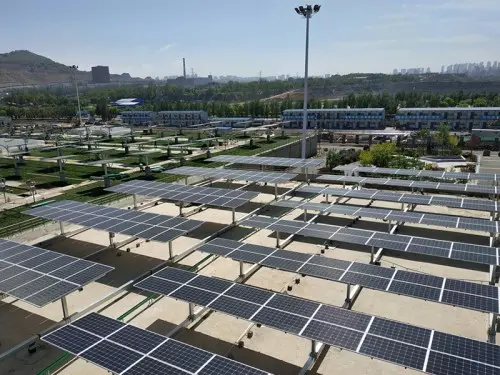
Large scale installation with inclined modules for optimized yield.
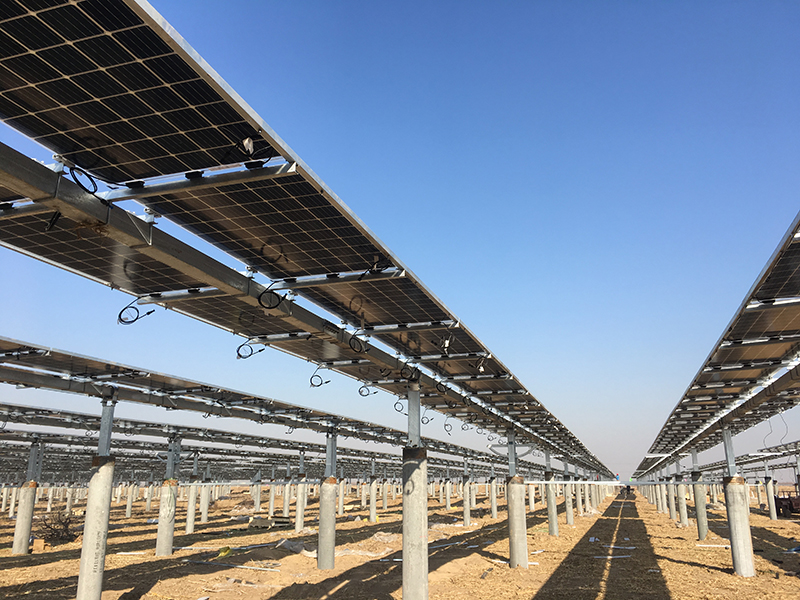
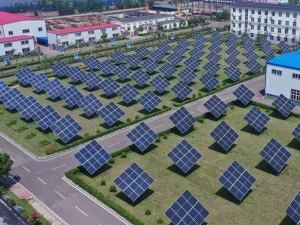
Synergy between 2P tracking and bifacial modules in Central China.
As the solar industry moves toward 700W+ high-power modules, the structural demands on trackers have intensified. Global enterprises now prioritize "Stiffness-to-Weight" ratios and ease of O&M (Operation & Maintenance). Our structures are designed for 25-year lifespans with minimal part replacement, directly impacting the long-term bankability of solar assets.
A: A Dual-Axis tracker (like our ZRD series) can increase energy production by 30-40% compared to fixed systems, whereas Single-Axis trackers typically offer 15-25%. Dual-Axis is superior in locations with high latitude or for projects where land area is limited and yield must be maximized.
A: Our structures are equipped with automated stow modes. When wind sensors detect speeds exceeding safety thresholds, the panels automatically move to a horizontal or "least resistance" position. For snow, the tilted axis ZRT series can be angled to shed snow naturally.
A: Yes, our 2P Flat Single Axis trackers are specifically engineered to eliminate structural shading on the rear side of panels, ensuring that the bifacial gain is fully captured.
A: Depending on the local electricity tariff and solar irradiance, trackers usually pay for their incremental cost within 3-5 years through increased energy sales, significantly enhancing the project's IRR over its lifetime.
 Zhaori