Discover our globally proven solar tracking systems engineered for high stability, aerodynamic safety, and maximum power generation efficiency.
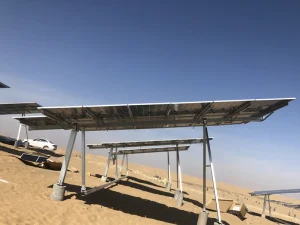
Designed to dynamic mechanical angles, optimizing solar radiation reception on complex slopes and northern latitudes with outstanding efficiency gains.
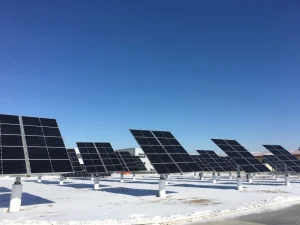
Features complete astronomical tracking in real-time, delivering up to 35% performance enhancement compared to static structural systems.
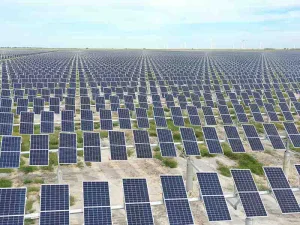
Combines flat tracking geometry with pre-tilted module configurations to match low-altitude solar paths and high snow loads.
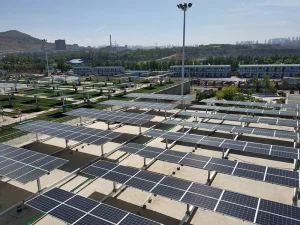
Specifically designed to optimize bifacial PV performance. Structured setup allowing clear, double-row panel configurations without structural shading.
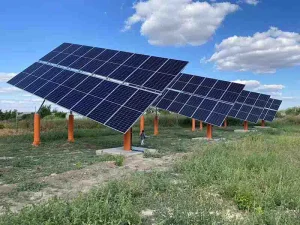
Offers a structural range of 10° to 30° tilted tracking, designed to deliver exceptional stability against strong lateral wind profiles.
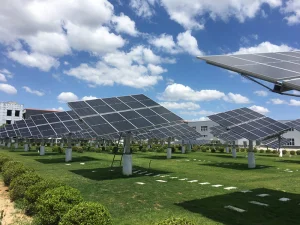
Engineered for utility-scale CSP and ultra-high-efficiency CPV installations, offering micron-level precision tracking control.
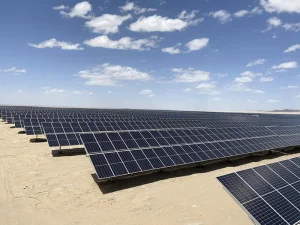
Cost-efficient structural design with seasonal manual tilt control, bridging the gap between absolute fixed frames and high-performance automated trackers.
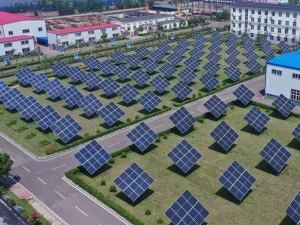
Smart self-calibrating algorithmic controller paired with robust mechanical linkages to significantly limit overall maintenance (OPEX) requirements.
The global solar energy paradigm has evolved beyond simple fixed-tilt structures. According to solar technology indicators, utility-scale developers face complex optimization metrics where levelized financial efficiency dictates ROI. Modern solar trackers represent the focal point of utility design, improving energy yields by 15% to 30% for single-axis designs, and up to 35% to 40% for dual-axis tracking solutions compared to fixed brackets.
In regions such as North America, the Middle East, and APAC, tracking systems have become the baseline configuration for commercial and utility solar parks. Integrating bifacial solar modules with intelligent tracker control algorithms has transformed plant economics. By adjusting tracking angles dynamically to optimize reflection harvesting (albedo effect) on the back of panels, modern tracking configurations ensure higher energy density over the lifetime of the project.
Solar plants are deployed across diverse terrains that present unique mechanical, environmental, and structural risks. Adapting tracker geometry to these conditions is essential for structural durability and performance.
Desert environments present challenges from high wind loads, airborne dust, and extreme temperature fluctuations. Our trackers feature IP66-sealed components and custom sand-tight slewing drives that resist fine dust and sand ingress, minimizing operational wear.
In snowy regions, static panels lose significant power due to snow accumulation. Our solar trackers incorporate automated smart snow-dump modes, tilting up to 60° to clear snow buildup. This limits structural stress and recovers power generation quickly.
Irregular slopes typically require costly land grading. Tilted single-axis trackers naturally adapt to North-South elevation changes, minimizing civil construction costs and maximizing solar exposure per acre.
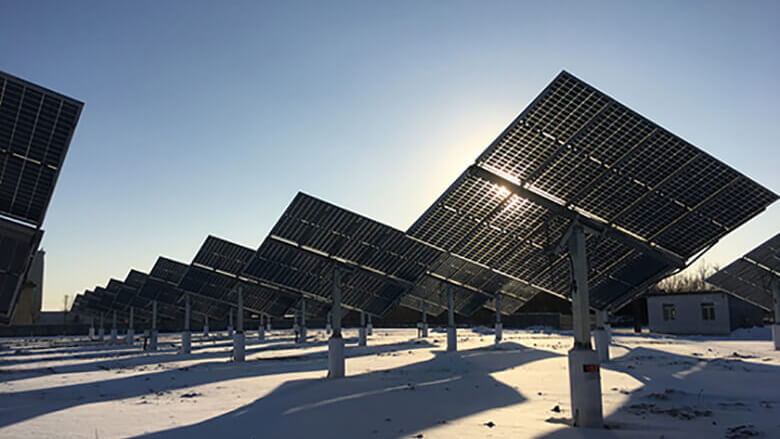
The core technology of contemporary tracking system engineering rests on control software and structural resilience under dynamic wind loading.
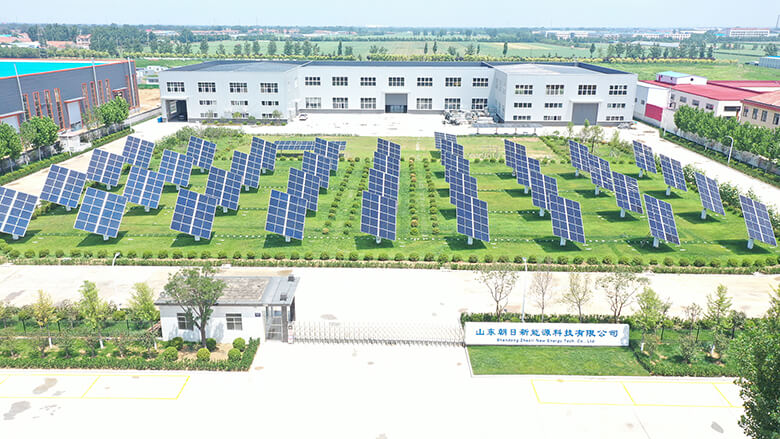
Standard tracking systems run calculations on predefined astronomical solar paths. However, during cloudy, overcast periods, direct sun vectors are not optimal. Our tracking systems utilize smart diffuse-light sensors to analyze diffuse sky radiation. The controller adjusts tracking angles to capture maximum ambient light rather than pointing directly at a shielded sun, enhancing energy capture under cloudy conditions.
Torsional flutter—aerodynamic instability induced by heavy winds—can damage tracking structures. Our engineering designs undergo extensive wind tunnel testing to optimize structural rigidity and damping response. During high-velocity wind events, the automated controller commands the system to enter a flat horizontal store position (typically 0° or specific safety stow angles), shedding wind lift loads and protecting the mechanical linkages.
Using self-lubricating polymer bearings alongside hardened steel components eliminates the need for manual greasing cycles. This limits operations and maintenance (O&M) costs, ensuring durability over the system's 25-year design life.
Founded in June 2012, Shandong Zhaori New Energy Tech. Co., Ltd. is a high-tech clean energy enterprise focused on independent intellectual property rights and advanced structural engineering.
With more than 10 specialized divisions—including our dedicated R&D Department, Technical Support, Engineering Design, Quality Assurance, Production, and International Trade operations—we employ over 60 structural, mechanical, and software engineers. Our core engineering team has focused on utility-scale photovoltaic applications and solar tracking technology for over a decade.
Our manufacturing facility spans 50,000 square meters and is equipped with advanced automated production systems. Featuring high-precision CNC machinery, advanced laser cutting lines, robotic welding stations, plasma cutting systems, and dozens of specialized roll-forming lines, we support over 300 manufacturing personnel to deliver a consistent capacity of 500MW per month.
Each component undergoes strict quality checks, starting from raw steel inspection through cutting, automated welding, galvanization, final dimensional audits, and secure packaging under ISO-compliant management systems.
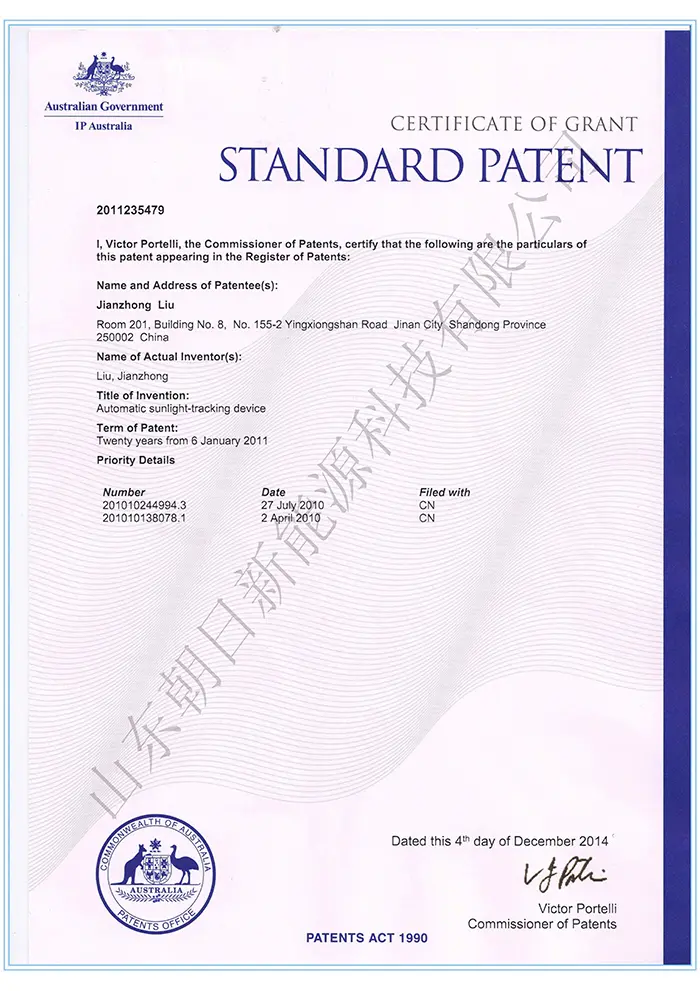
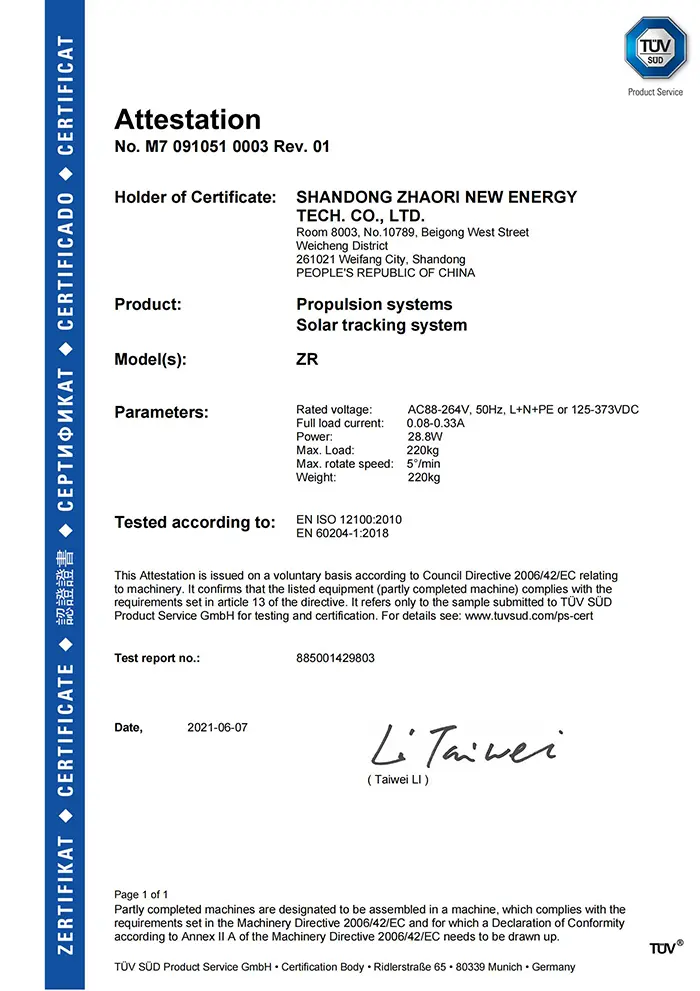
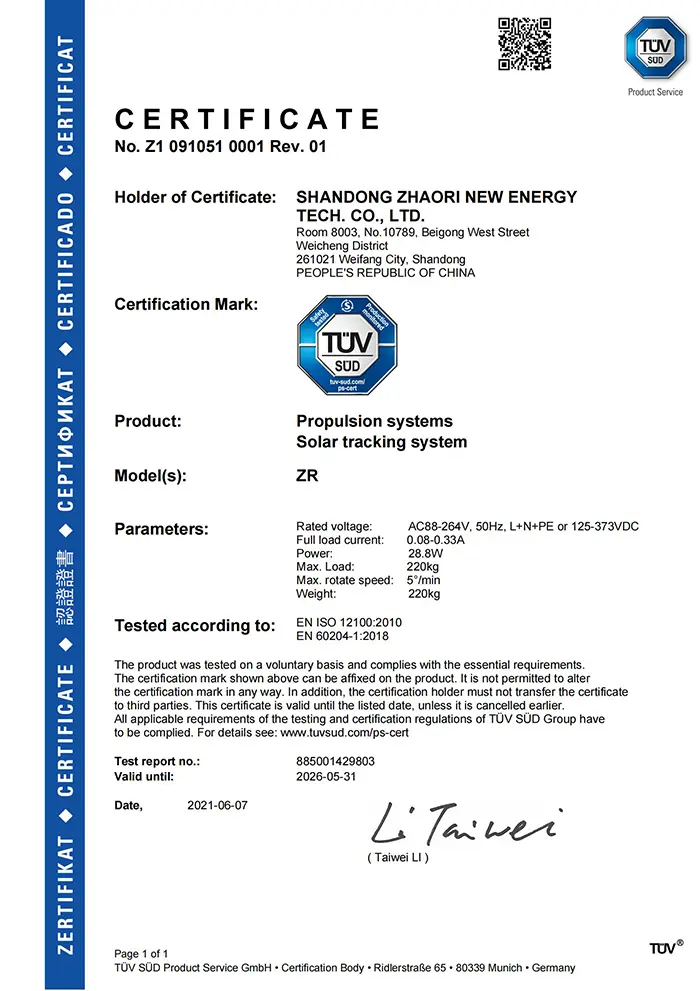
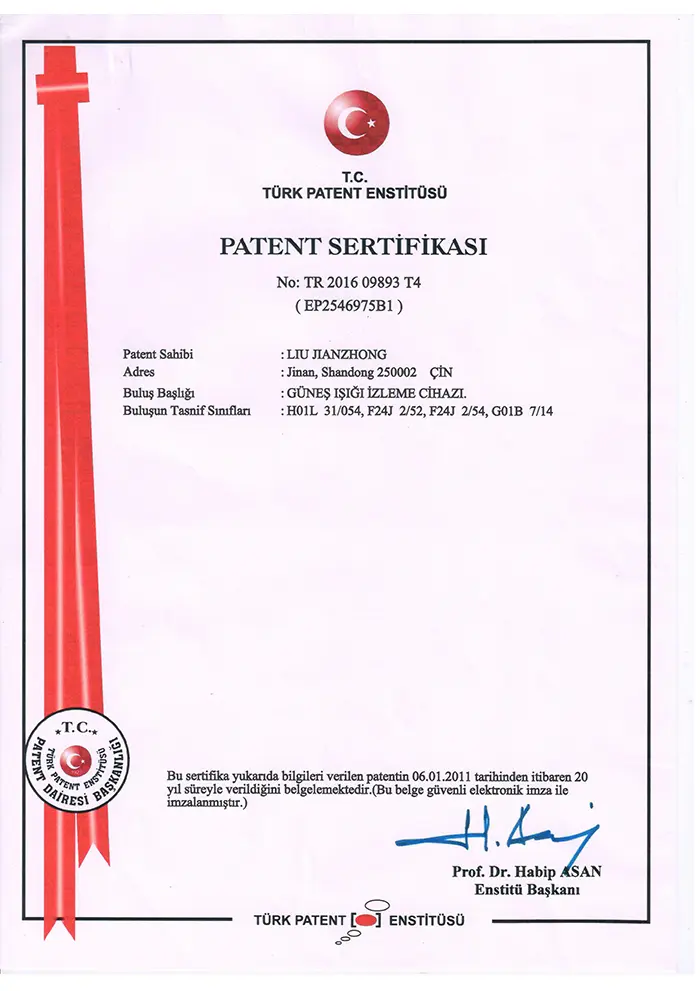
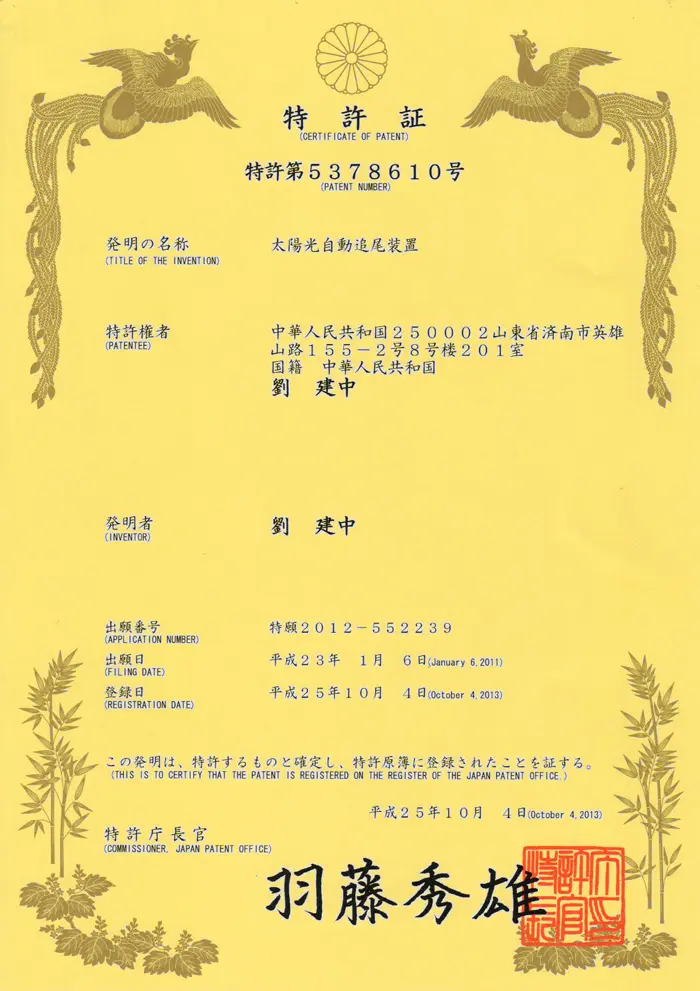
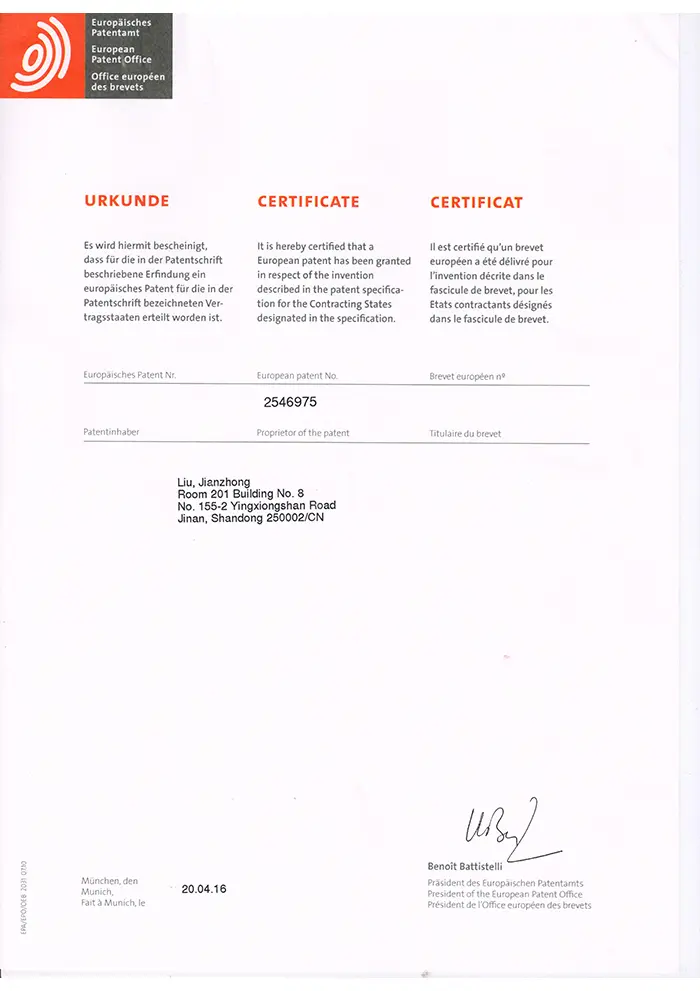
We believe in simplicity, reliability, and cost-efficiency. Our tracking designs hold multiple international certifications and invention patents across the global market, including:


From deserts to mountainous terrain, our tracking systems are deployed worldwide, delivering high reliability and optimized yields under diverse environmental conditions.
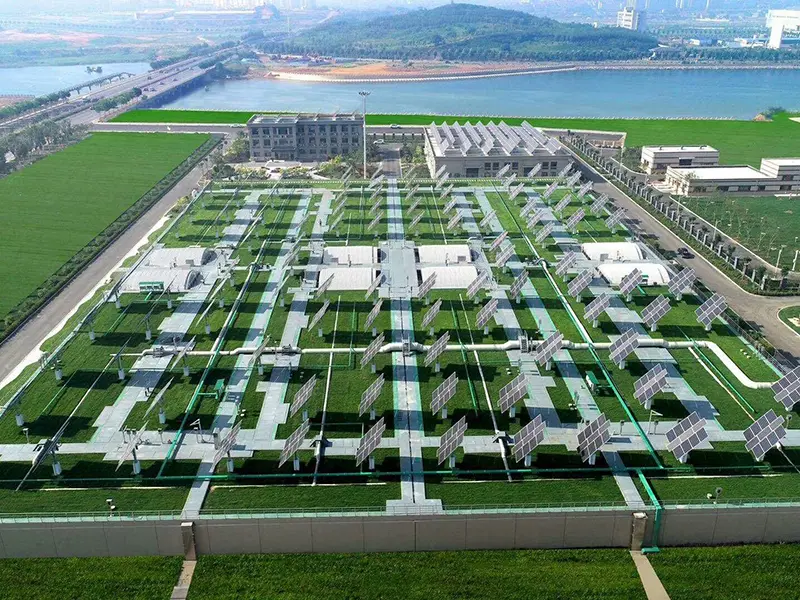
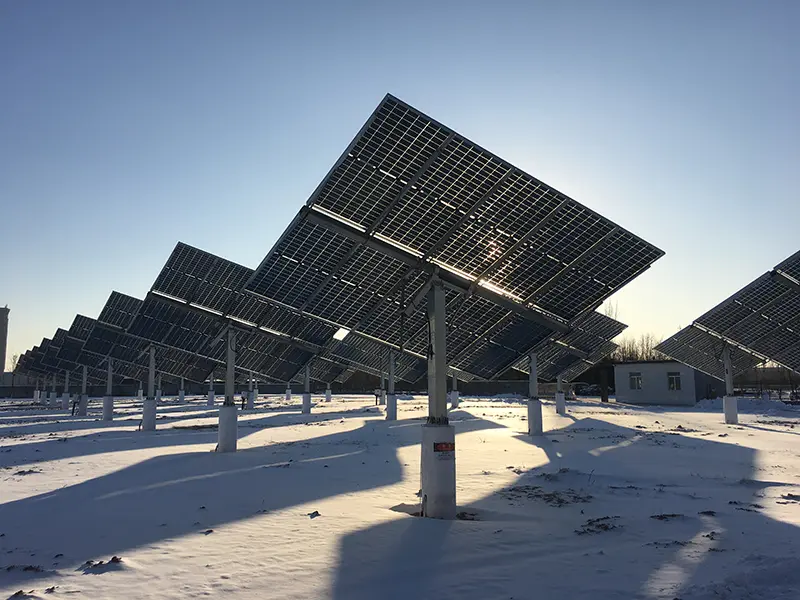
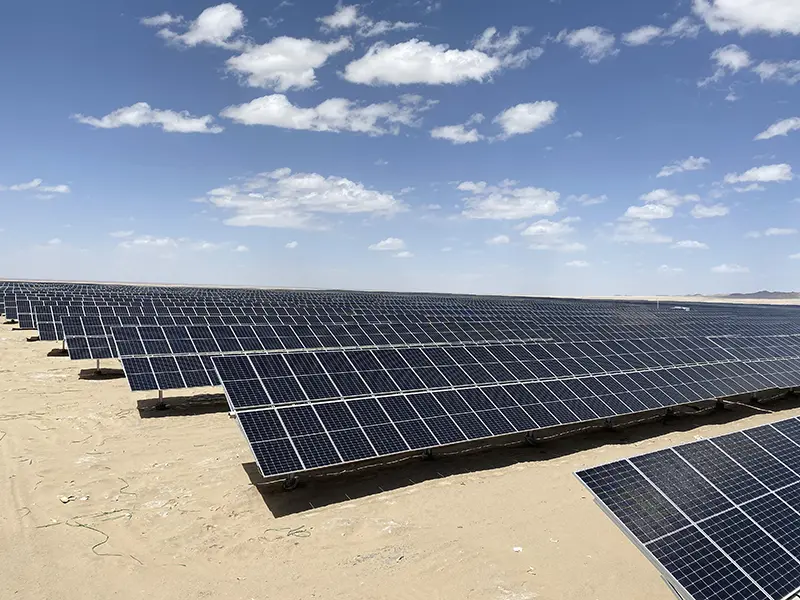
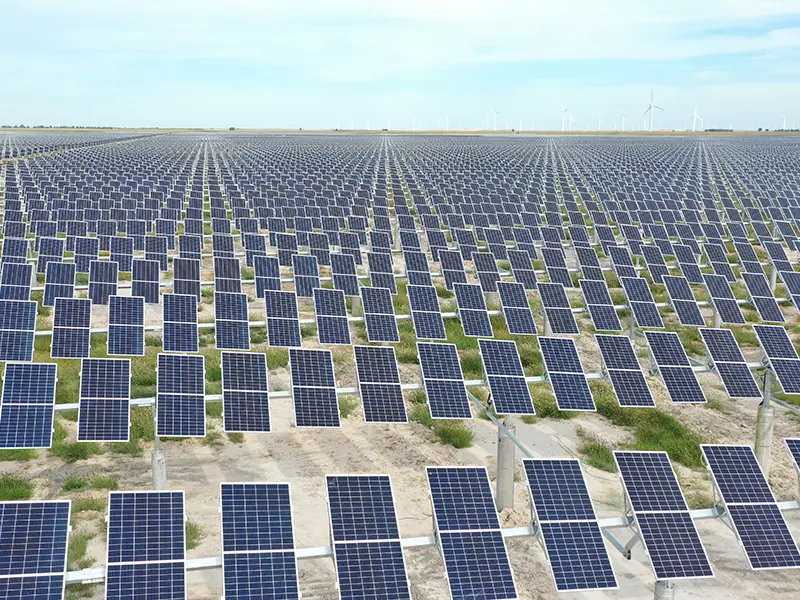
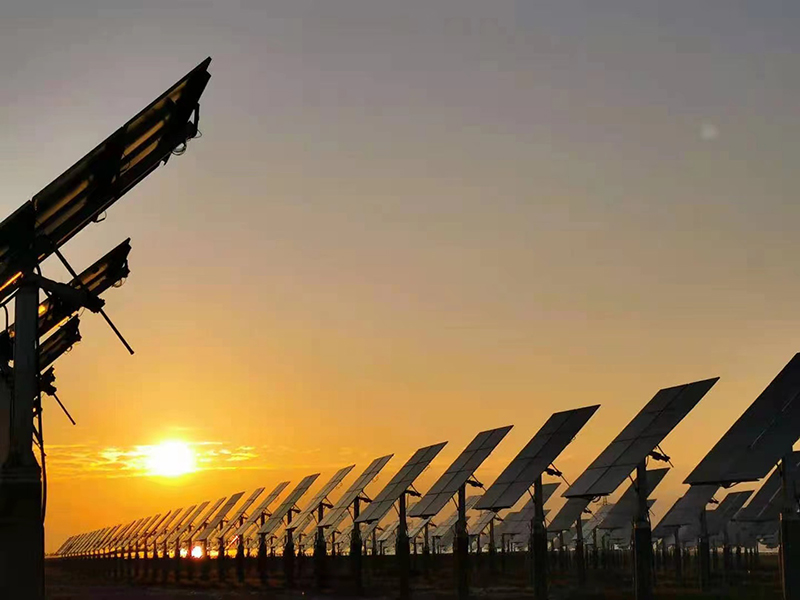
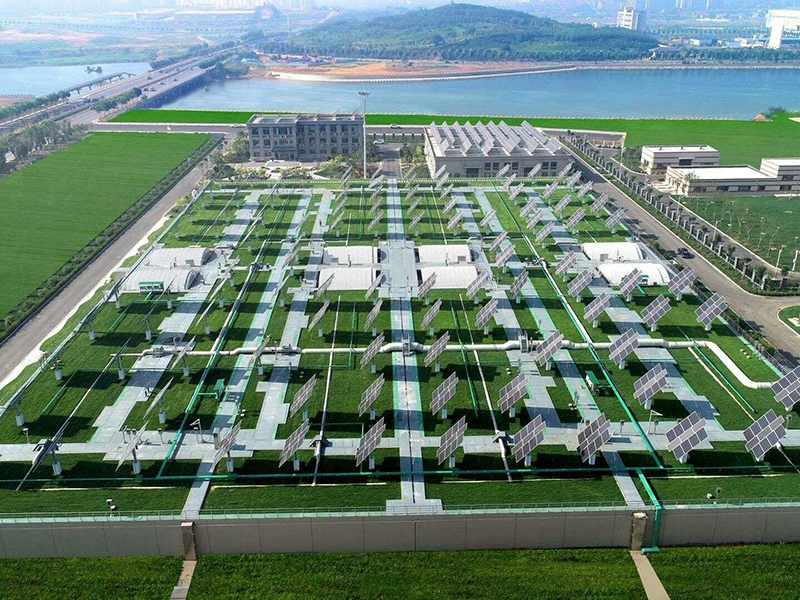
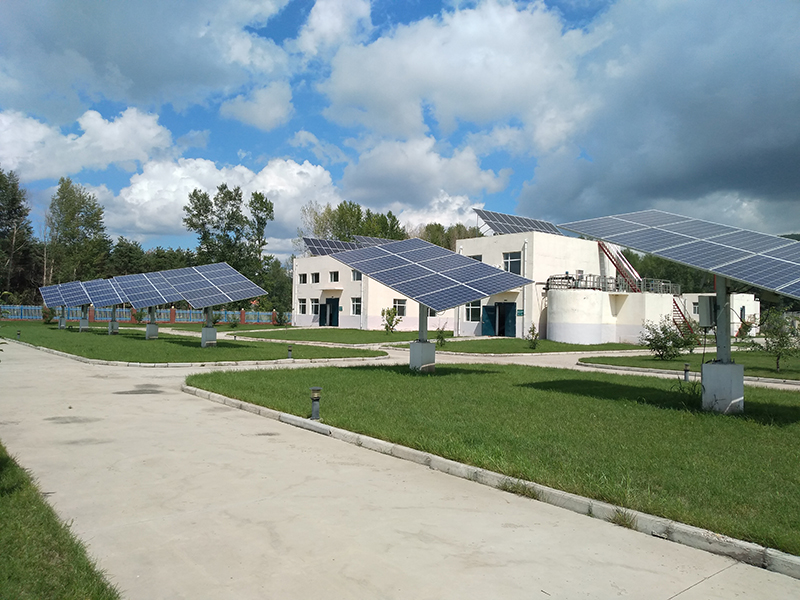
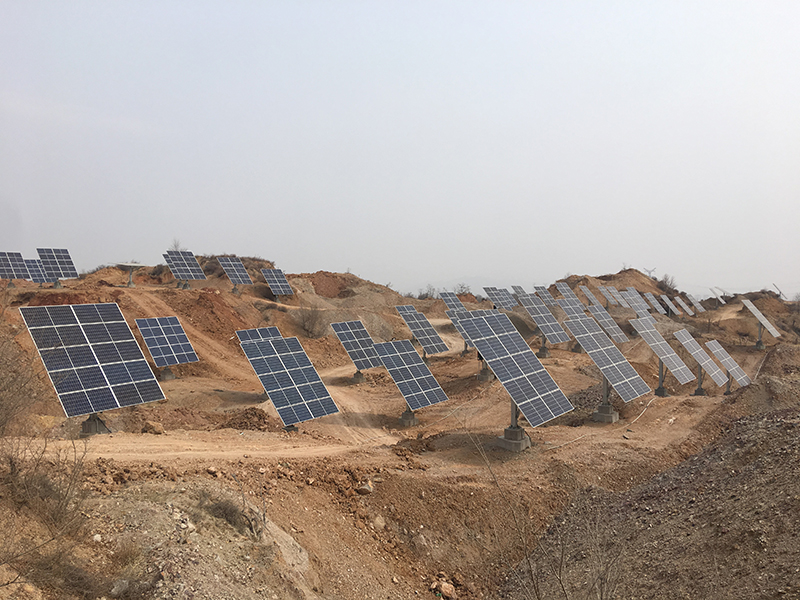
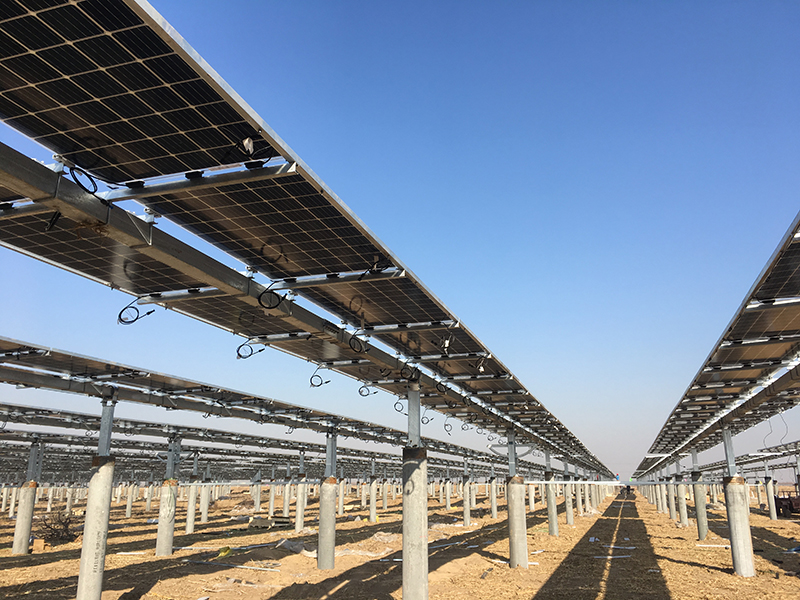
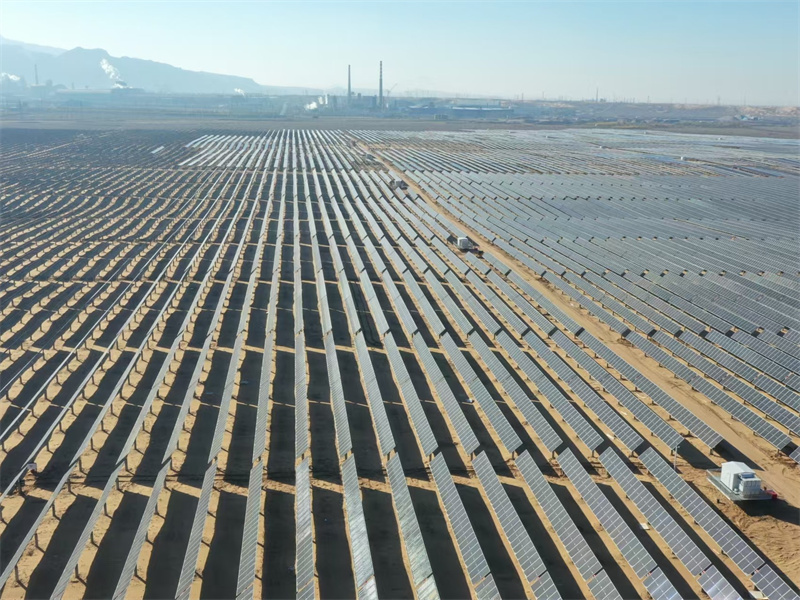
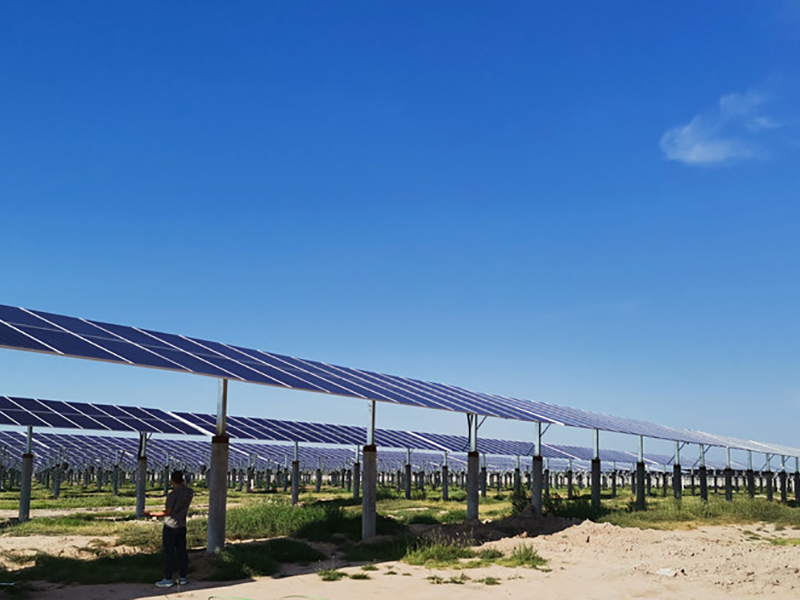
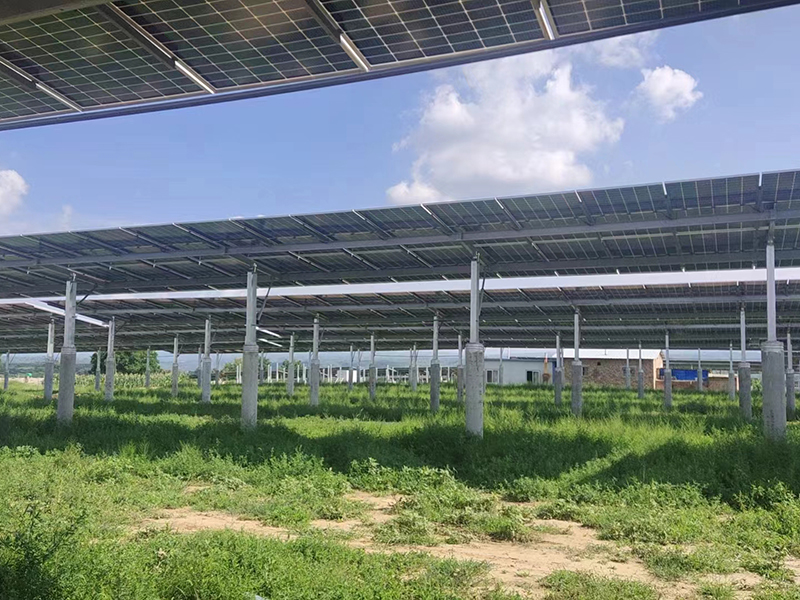
Watch our tracking systems in operation, showcasing real-time tracking, snow clearing, and utility-scale installations.
Essential technical and engineering information for solar project planners, EPC contractors, and utility developers.
Single-axis solar trackers typically increase annual energy yield by 15% to 30% compared to traditional fixed-tilt systems. Dual-axis trackers, which track the sun both azimuthally and elevationally, can achieve yield gains of 35% to 40% depending on geographical latitude and local albedo conditions.
Our trackers feature smart wind sensors and mechanical dampers. When wind speeds exceed preset safety thresholds (typically 18-22 m/s), the automated control system commands the panels to pivot to their flat safety stow configuration (0° or engineered low-profile angles). This minimizes wind resistance and dynamic lift forces, protecting the structural integrity of the trackers.
Yes. Our 2P flat single-axis and dual-axis solar trackers are optimized for bifacial modules. They are designed with open frame structures that avoid shading the back of the modules, allowing rear-side cells to capture reflected ambient light from the ground, which can generate an additional 5% to 15% in power output.
Our systems hold certified quality declarations from TÜV, CE, and ISO. Additionally, we have been granted invention patents in the EU, US, Canada, Australia, Japan, South Korea, India, and Brazil, alongside 8 Chinese National Invention Patents and more than 30 Utility Model patents.
Discover our extensive range of high-precision solar tracking solutions, engineered for varying scale installations and diverse climates.
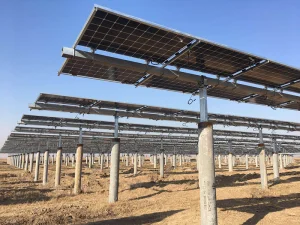
Cost-efficient structural profile featuring simple single-axis configurations, optimized for major commercial grid setups.
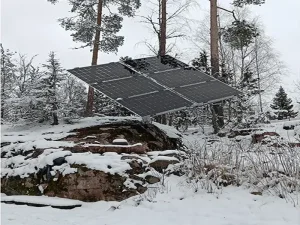
Mid-scale dual-axis system that combines a compact footprint with high energy yield tracking capabilities.
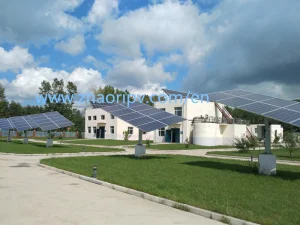
An economical solution featuring semi-automated tracking control, balancing capital expenditure (CAPEX) with optimized energy performance.
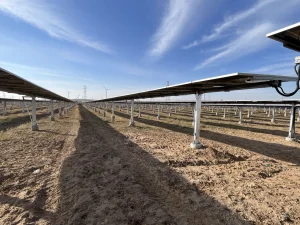
Features a robust 1P layout that offers high ground clearance and easy access for maintenance machinery, reducing long-term OPEX.
Designed to dynamic mechanical angles, optimizing solar radiation reception on complex slopes and northern latitudes with outstanding efficiency gains.
Features complete astronomical tracking in real-time, delivering up to 35% performance enhancement compared to static structural systems.
Combines flat tracking geometry with pre-tilted module configurations to match low-altitude solar paths and high snow loads.
Specifically designed to optimize bifacial PV performance. Structured setup allowing clear, double-row panel configurations without structural shading.
 Zhaori