Advanced tracking precision for maximum energy harvest
The global solar energy landscape is undergoing a fundamental shift from static, fixed-tilt structures to dynamic Solar Radiation Tracking Systems. As Levelized Cost of Energy (LCOE) becomes the primary metric for project bankability, tracking technology has emerged as the most effective lever to increase energy yield by 15% to 40% compared to traditional mounting systems. Shandong Zhaori New Energy Tech. Co., Ltd. is at the forefront of this transition, engineering systems that harmonize astronomical algorithms with robust structural integrity.
Current industry trends indicate a surge in the adoption of Bifacial Module Integration. By combining dual-axis tracking with bifacial panels, operators are capturing reflected albedo radiation from the ground, pushing energy output to unprecedented levels. Furthermore, the rise of AI-driven "backtracking" algorithms ensures that even in hilly terrains or during morning/evening hours, row-to-row shading is eliminated, maximizing every square meter of the solar field.
Resilience against extreme weather—specifically high-wind events and heavy snow loads—is now a non-negotiable requirement for global exporters. Modern trackers must feature "Smart Stow" modes, where the system automatically rotates to a neutral position when sensors detect critical wind speeds. This evolution from simple mechanical movement to intelligent environmental response is what defines the current generation of solar trackers.
Potential Yield Gain
Manufacturing Base
R&D Excellence
Monthly Capacity
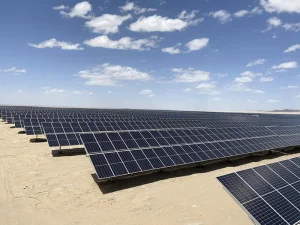
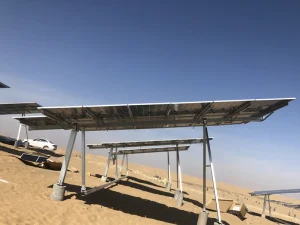
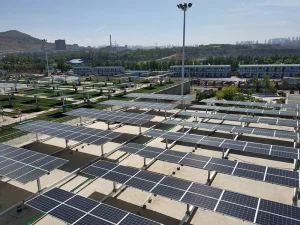
Optimized for desert, mountain, and flatland applications. Our 2P flat single-axis systems and ZRD dual-axis systems provide the structural reliability needed for 100MW+ projects with centralized control systems.
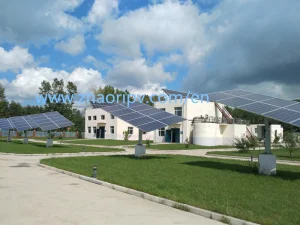
Customized solutions for factory rooftops and green belts. Our semi-auto dual-axis trackers offer a balance between high efficiency and cost-effectiveness for corporate sustainability goals.
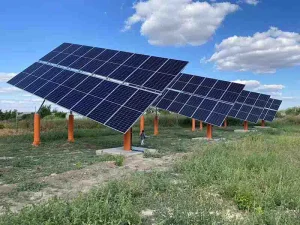
Compact, high-efficiency trackers designed for limited spaces, ensuring homeowners maximize their ROI and energy independence through intelligent sun-chasing technology.
Shandong Zhaori New Energy is investing heavily in the next frontier of solar tracking: Digital Twin Integration. By creating a real-time virtual replica of the solar field, operators can predict mechanical wear before it occurs and optimize tracking angles based on real-time satellite weather data rather than just astronomical charts.
Founded in June 2012, we are a high-tech new energy company built on independent intellectual property rights. With over 10 specialized departments including R&D, technical engineering, and quality assurance, our team of 60+ professionals has focused on photovoltaic power stations and solar tracking technology for over a decade.
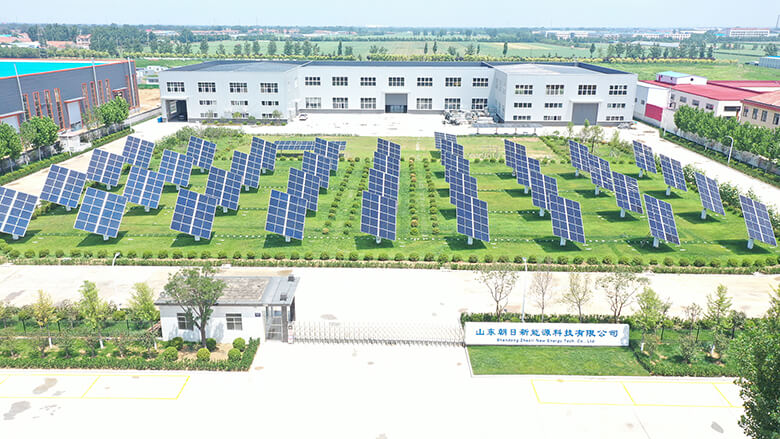
Our 50,000 sqm factory features CNC machine tools, laser cutting machines, and automatic welding robots. We maintain a monthly production capacity of 500MW, ensuring that raw materials are screened, cut, and treated with strict anti-rust processes to meet ISO and TUV standards.
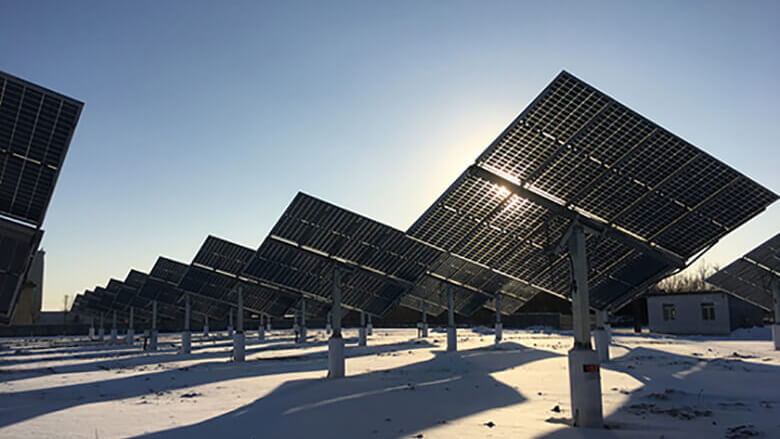
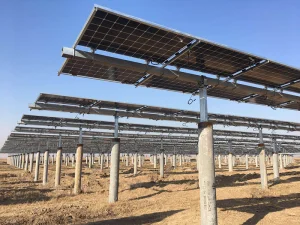
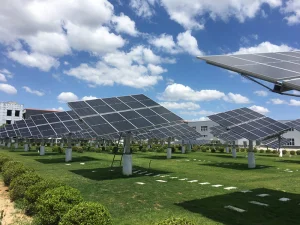
The ZRD series tracks the sun in two directions, ensuring panels are always perpendicular to the solar rays. This system is the pinnacle of solar efficiency, suitable for diverse climates and regions with varying sun heights.
Available in flat and tilted configurations. These systems track the azimuth angle, offering a substantial 15% to 30% production gain over fixed systems while maintaining lower installation costs than dual-axis models.
For projects requiring simplicity and stability, our adjustable brackets allow for seasonal tilt adjustments, providing a cost-effective middle ground between fixed and tracking systems.
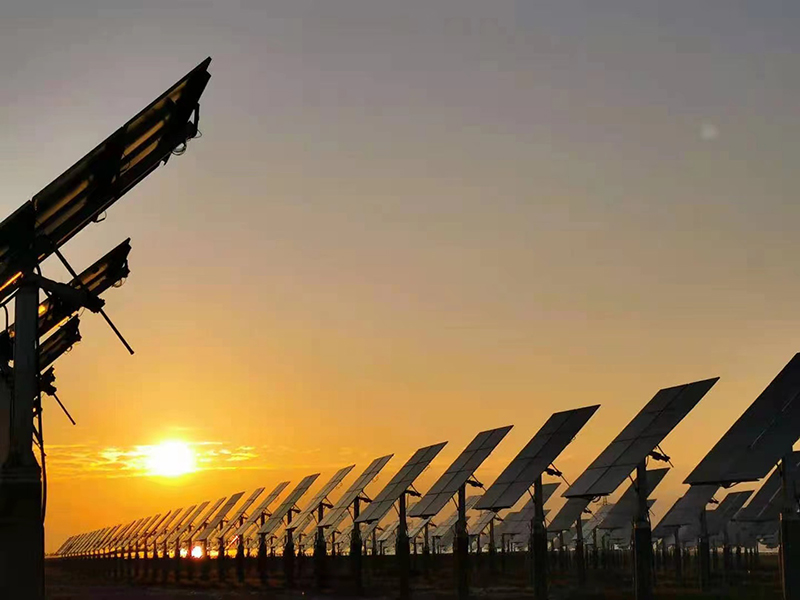
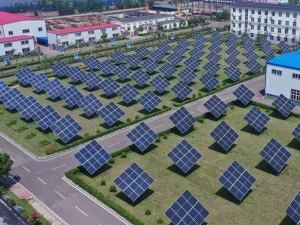
5MW North China - Utility Grade
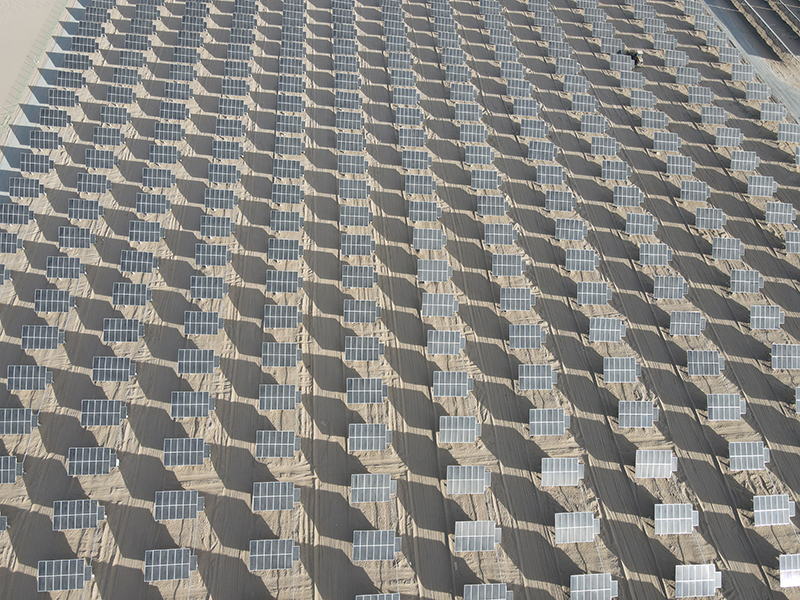
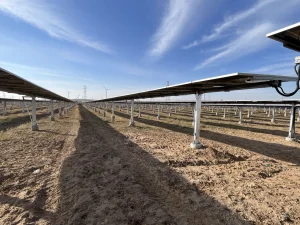
20MW Desert Project - Tilted Single Axis
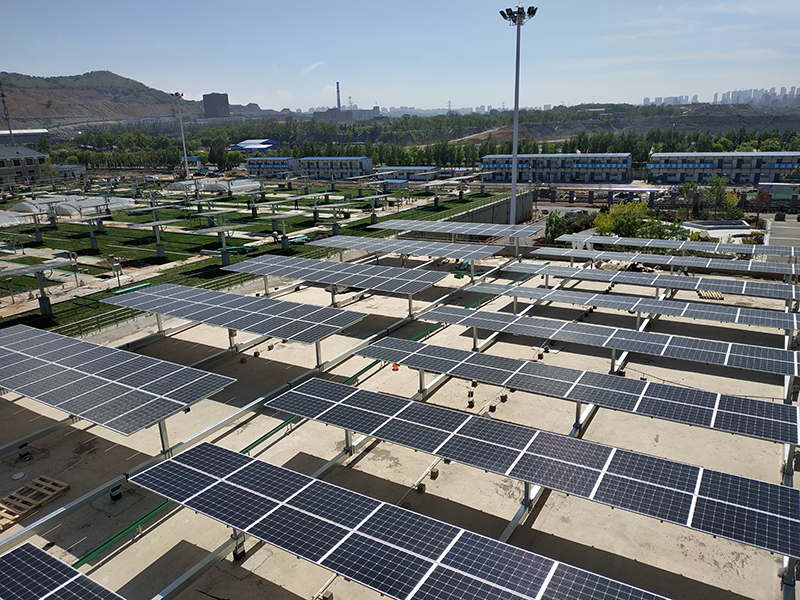
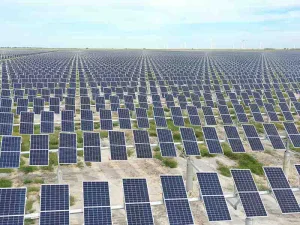
110MW Bifacial Project - High Yield
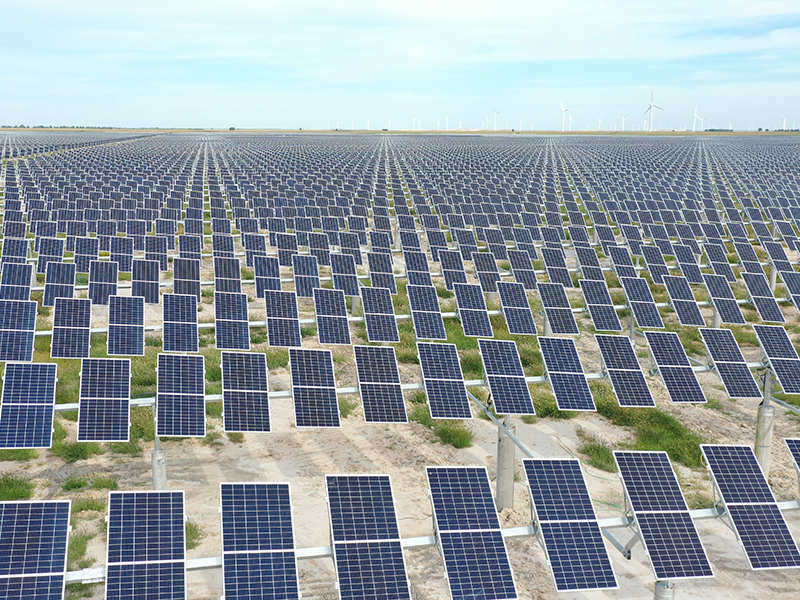
40MW ZRPT Project - Inclined Modules
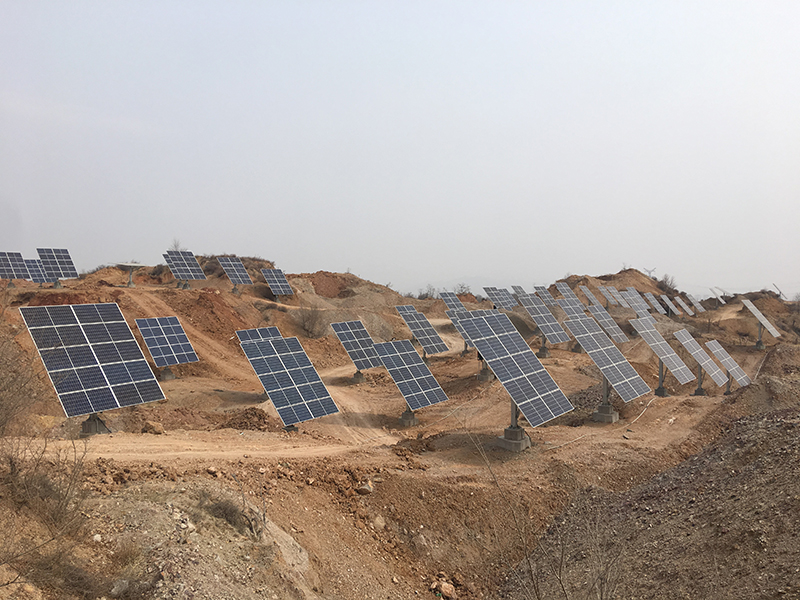
Mountain Project - Terrain Adaptive
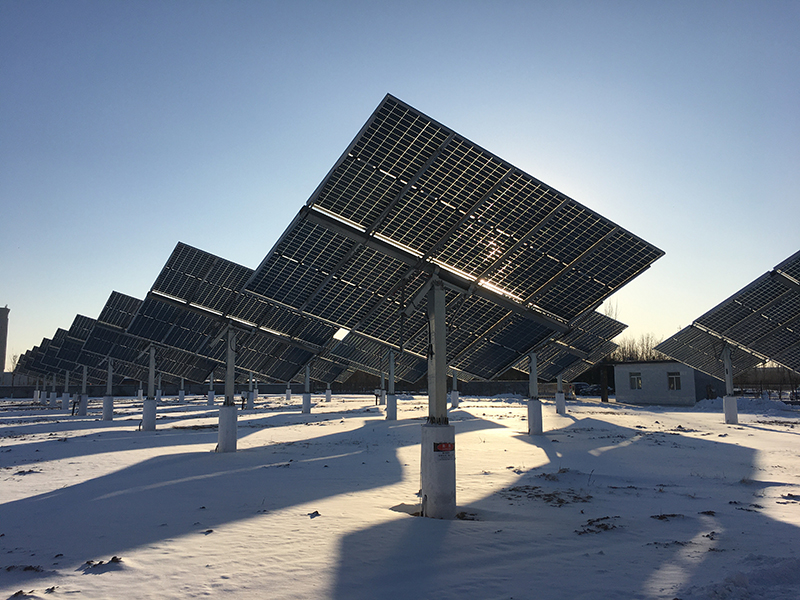
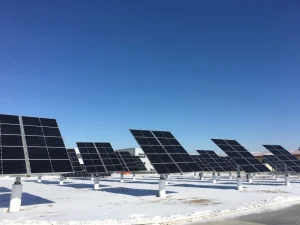
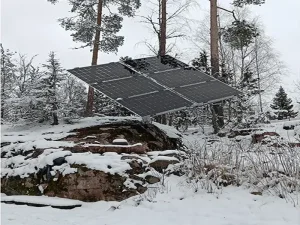
Snow-Resilient Project - Automatic Stow
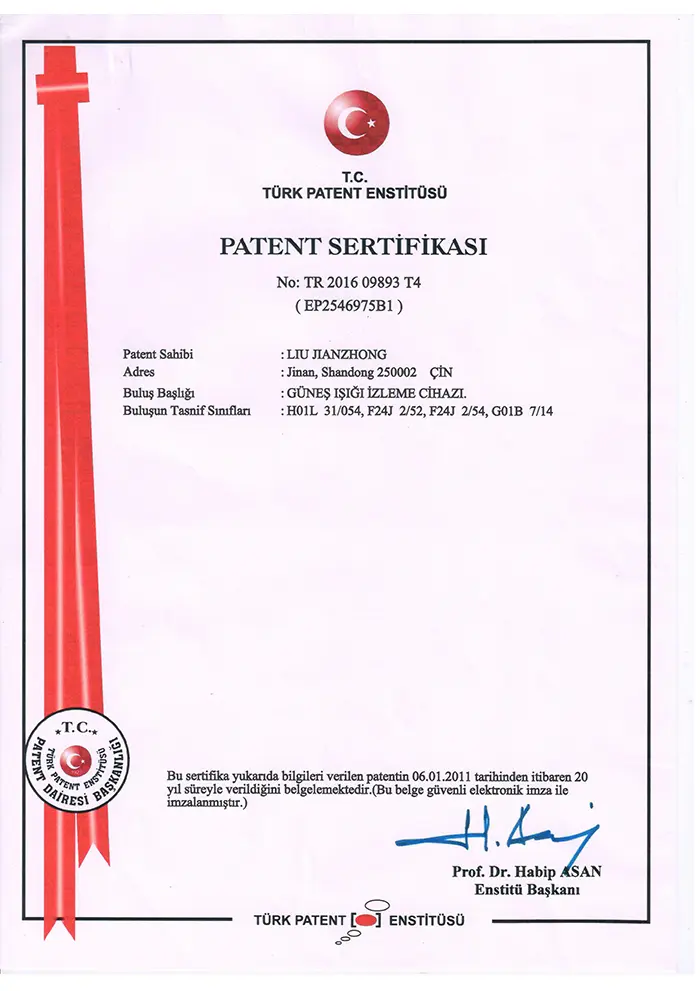
As a global exporter, Shandong Zhaori ensures every system adheres to international standards. We provide localized technical support and engineering documentation to satisfy local building codes and grid requirements.

A dual-axis solar tracker can increase energy production by 35% to 40% because it follows the sun's position precisely throughout the day and across seasons, maintaining the optimal angle at all times.
Our systems are equipped with high-precision sensors and a centralized control unit that triggers a "stow mode" during high winds. Structural designs are tested to withstand regional-specific snow loads and wind speeds up to 150km/h.
Yes. Our 2P single-axis and dual-axis systems are specifically optimized for bifacial modules, minimizing rear-side shading to ensure maximum albedo energy collection.
We use high-durability slewing drives and low-friction bearings. Standard maintenance involves an annual inspection of electrical connections and structural bolts. Most systems are designed for a 25-year operational lifespan.
 Zhaori