Engineered for maximum efficiency and durability across diverse terrains.
The global renewable energy market is undergoing a fundamental transformation. As Levelized Cost of Energy (LCOE) becomes the primary metric for project bankability, static solar installations are being rapidly replaced by High-Quality Solar Panel Rotation Systems. These dynamic systems allow photovoltaic modules to follow the sun's trajectory, increasing energy capture by up to 35% compared to fixed-tilt structures.
In the current industrial climate, manufacturers are not just steel fabricators; they are technology partners. Leading companies like Shandong Zhaori New Energy Tech. Co., Ltd. are integrating AI algorithms to handle complex "backtracking" scenarios—minimizing self-shading during sunrise and sunset. This technological evolution is critical for utility-scale projects in regions with high land costs or variable irradiance.
The solar tracker market is projected to grow at a CAGR of 15% through 2030, driven by the need for higher energy density in commercial and industrial (C&I) sectors.
Rotation systems are pivotal in meeting ESG goals, providing more kilowatt-hours per square meter, effectively reducing the carbon footprint of power generation.
Dynamic solar helps flatten the "Duck Curve" by providing a more consistent power output throughout the day compared to the sharp peak of fixed systems.
Founded in June 2012, Shandong Zhaori New Energy Tech. Co., Ltd. has established itself as a premier high-tech enterprise dedicated to independent intellectual property rights in the solar sector. With over 10 specialized departments—including R&D, Technical Engineering, and Quality Assurance—our organizational structure is designed to support large-scale global deployments.
Our core team brings over 10 years of focused expertise in photovoltaic power stations and solar tracking technology. This depth of experience ensures that every rotation system we manufacture is optimized for real-world environmental stressors, from desert heat to coastal humidity.
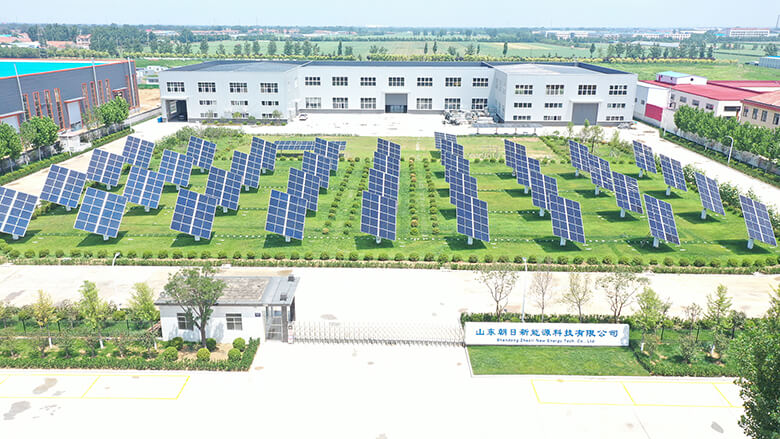
Our facility utilizes CNC machine tools, laser cutting machines, and automatic welding robots. This ensures micron-level precision in structural components, which is vital for the long-term reliability of dual-axis trackers.
Every system undergoes rigorous anti-rust treatment, including hot-dip galvanization and specialized post-processing, meeting international standards for 25-year operational lifespans.
Our trackers use advanced GPS and sensor-based algorithms to determine the sun's exact position. Future roadmaps include IoT-based remote monitoring for predictive maintenance.
Certified by TUV, CE, and ISO. We hold patents in the USA, Canada, Japan, Australia, and the EU, ensuring our products meet the highest safety and performance criteria worldwide.
While single-axis trackers are common, our Dual-Axis Solar Tracking Systems offer a significant "Information Gain" in terms of efficiency. By tracking both the azimuth and elevation angles, these systems maintain a near-perfect perpendicular angle to the sun's rays throughout the day and across all seasons. This is particularly effective for Bifacial Modules, where the system can optimize for both direct sunlight on the front and albedo light on the back.
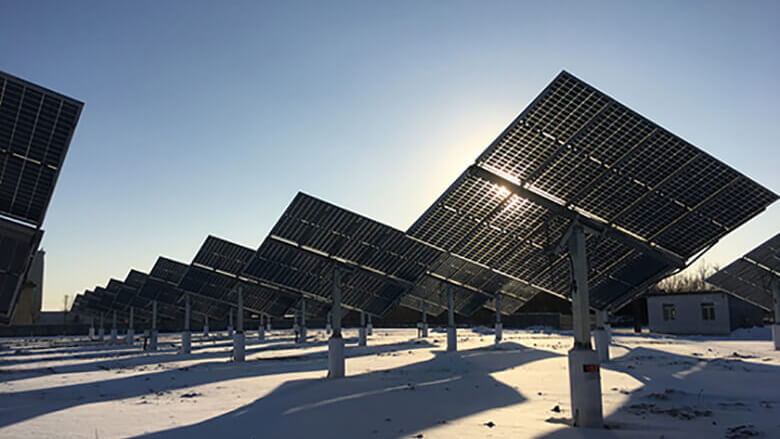
Our product philosophy is: More Simple, More Reliable, More Effective.
We provide a full spectrum of mounting and tracking solutions tailored to specific project needs:
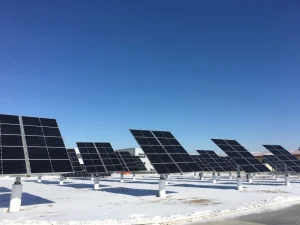
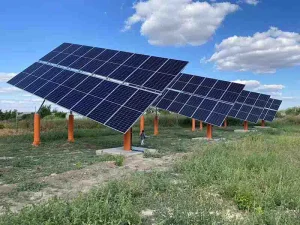
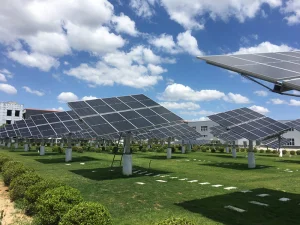
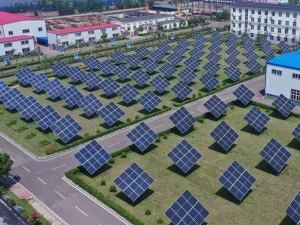
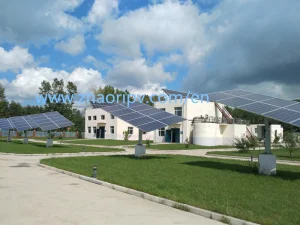
From deserts to mountaintops, our systems are proven in the harshest environments.
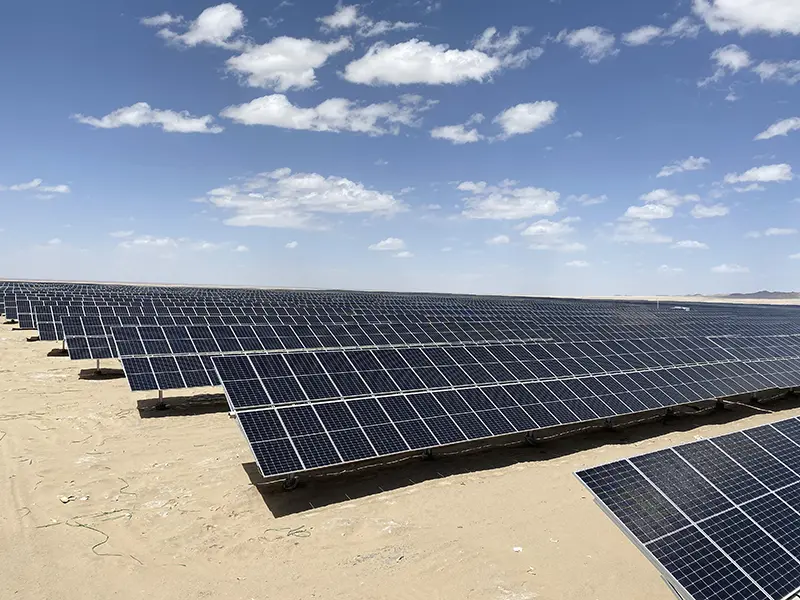
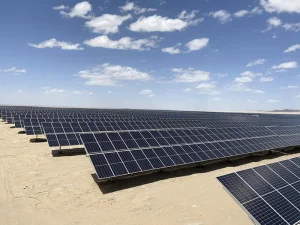
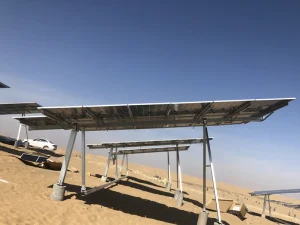
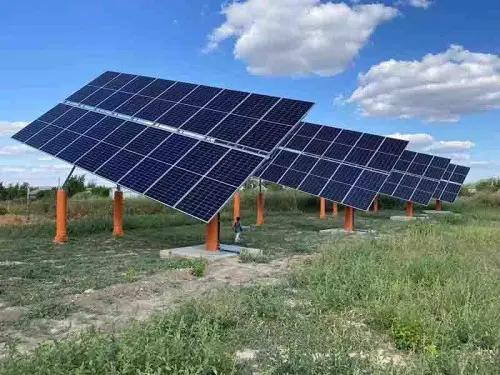
High-wind resistance and dust-proof tracking mechanisms deployed in arid regions.
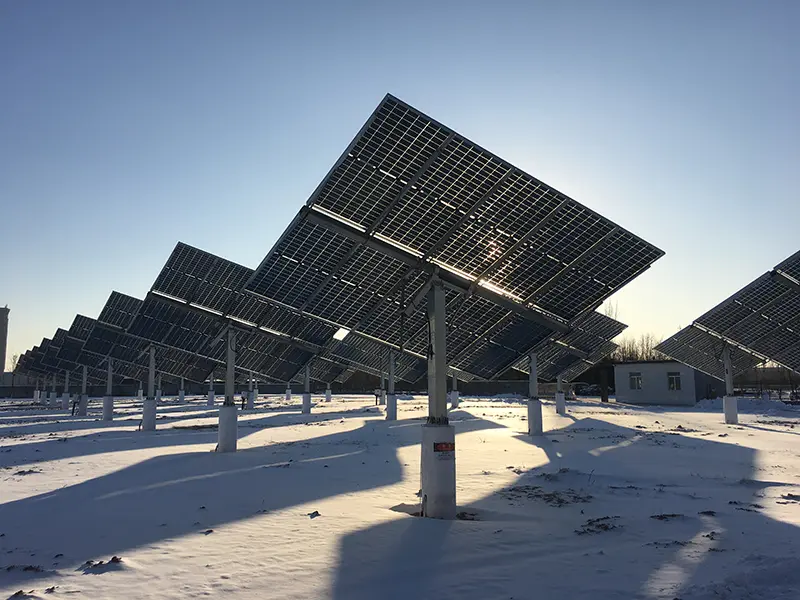
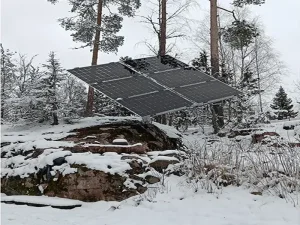
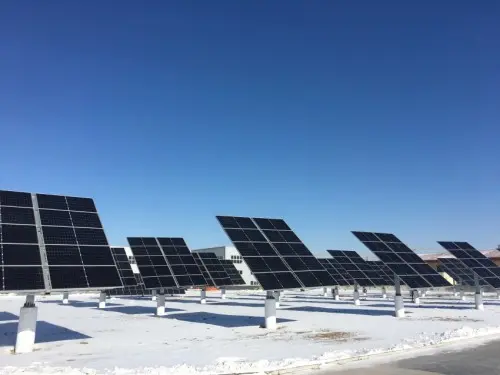
Automated snow-dumping modes to protect modules from heavy accumulation.
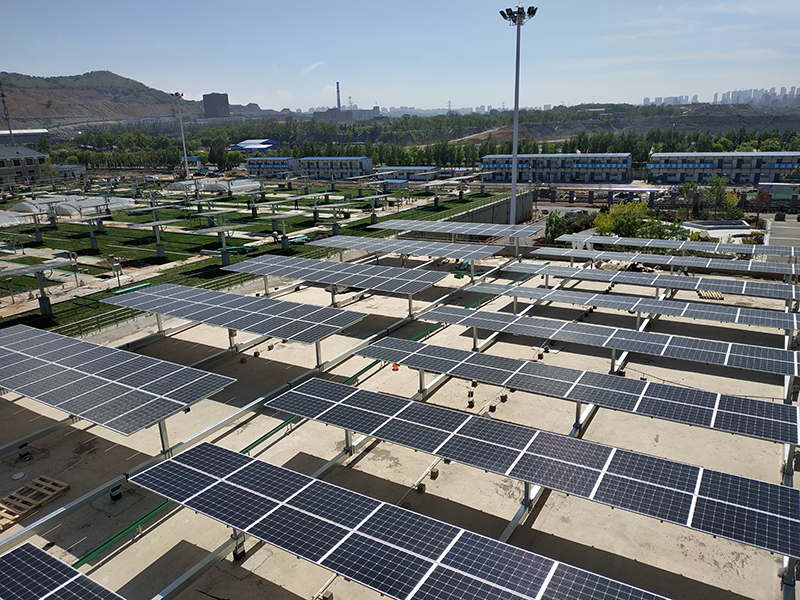
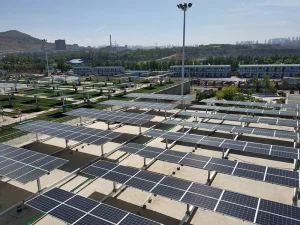
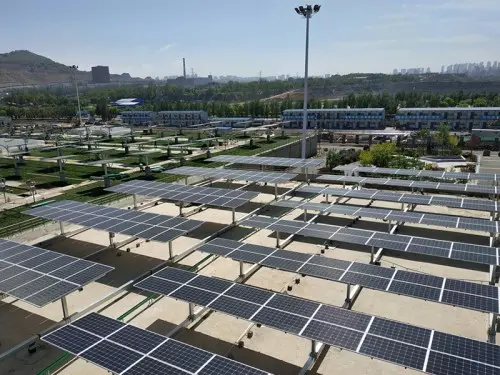
Lightweight yet robust tracking for industrial rooftops to maximize ROI.
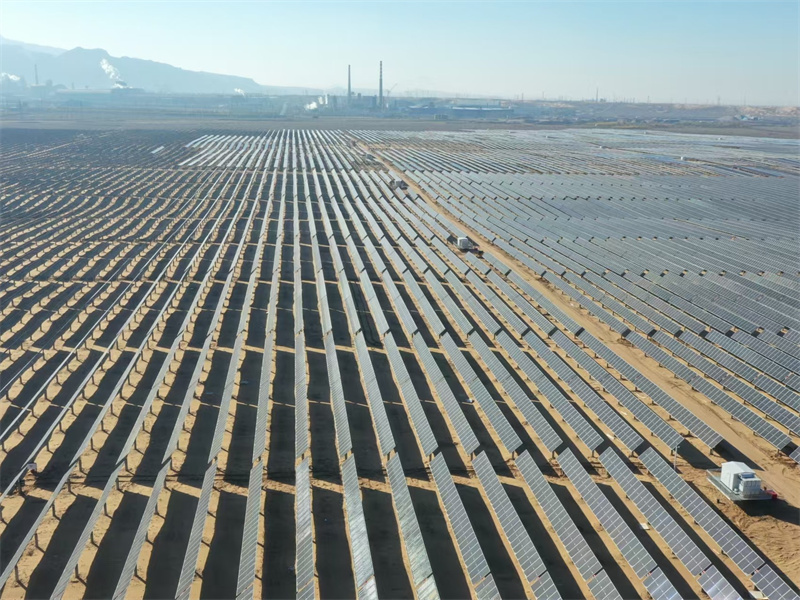
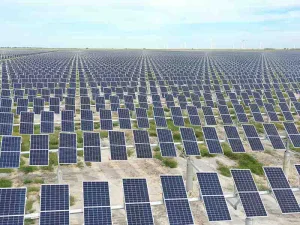
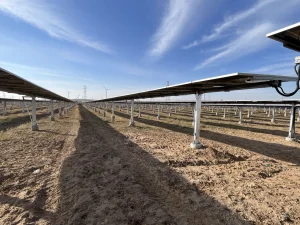
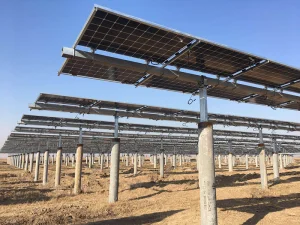
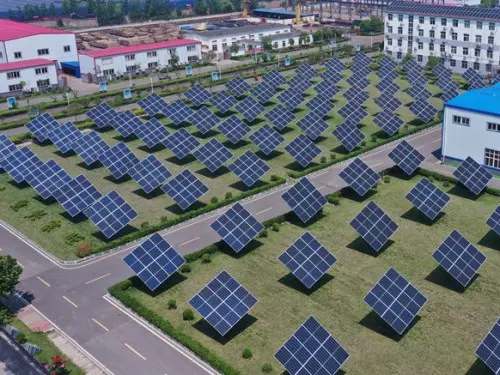
Massive deployment showcasing our capability for large-scale manufacturing and logistics.
Understanding local regulations and environmental conditions is key to solar success. We provide customized solutions based on rich experience across various geographic zones:
Compliance with UL and IEC standards. Focus on high wind stow speeds and grid integration protocols.
Optimized for high humidity and tropical storm resilience. Rapid deployment models for island nations.
Heat-resistant components and sand-repellent surface treatments for maintenance-free operation in deserts.
A: Typically, a dual-axis tracker provides 30% to 40% more energy compared to a fixed system, and about 10-15% more than a standard single-axis tracker, depending on the latitude and local weather conditions.
A: Our products are fully certified by TUV, CE, and ISO. We also hold multiple invention patents in major markets including the US, EU, and Japan, ensuring global bankability.
A: Our systems are designed for a 25-year service life. Maintenance is minimal, thanks to our "More Simple" design philosophy, which reduces the number of failure points in the drive mechanism.
A: Yes! Our tracking algorithms and structural designs are specifically optimized to minimize rear-side shading, allowing for maximum bifacial gain.
Watch our tracking systems in real-world deployments.
Select the right rotation technology for your next project.
 Zhaori