Direct from our manufacturing facility: engineered for maximum solar energy harvesting yield optimization.
Why modern utility-scale developments are migrating from fixed-tilt structures to automated single axis solar tracking systems.
Global energy developers face intense pricing competition. Levelized Cost of Energy (LCOE) targets mandate maximizing efficiency. Real-world data indicates that implementing single-axis tracking systems delivers a 15% to 30% increase in energy production over conventional fixed-tilt brackets.
By pairing high-efficiency bifacial PV modules with single-axis tracking systems (especially in 2-row linked or 2P configuration), developers leverage rear-side albedo. Smart backtracking algorithms ensure rear illumination is maximized throughout the day, generating up to 8% additional yield compared to tracking on standard monofacial layouts.
Modern tracker systems incorporate real-time sensor networks and predictive wind tunnel modeling. When encountering high winds, hail, or snow loads, our control systems activate stow protocols, angling panels to shed loads or reduce drag profile, ensuring structural integrity in harsh environments.
Founded in June 2012, Shandong Zhaori New Energy Tech. Co., Ltd. has established itself as an innovative force in the high-tech solar tracker manufacturing space. Backed by extensive independent intellectual property rights, we focus on developing dynamic solar tracking structures that maximize efficiency and reduce installation complexity.
Our operation comprises 10 comprehensive departments: R&D, Technical, Engineering, Production, Quality Assurance, Development, Foreign Trade, Domestic Trade, I.M.D. (Internal Management Division), and post-installation technical services. This organizational matrix ensures seamless execution from custom project design through to site commissioning.
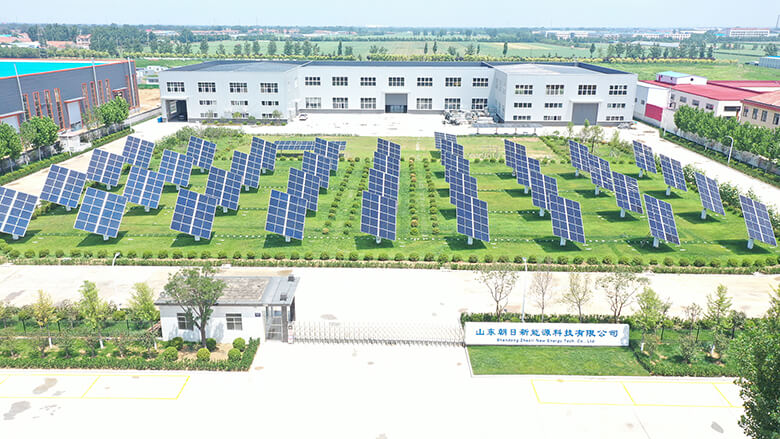
Precision robotics and massive scale ensuring reliable production throughput for global EPC projects.
Our state-of-the-art factories employ advanced manufacturing technology including CNC machine tools, high-speed fiber laser cutting systems, automatic welding robots, and precision plasma profiling lines. Every step of our manufacturing workflow—from raw steel structural grading to hot-dip galvanization and dynamic tracker controller calibration—conforms to international ISO standards.
A rigorous breakdown of dynamic mounting structures to match project geography, site slope, and wind requirements.
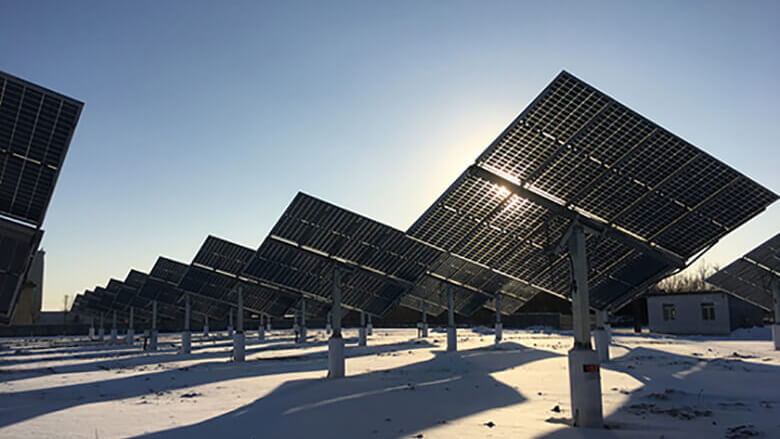
Engineered for high solar irradiance regions with relatively flat terrain. The tracking system rotates along a horizontal axis tracking the sun's diurnal path.
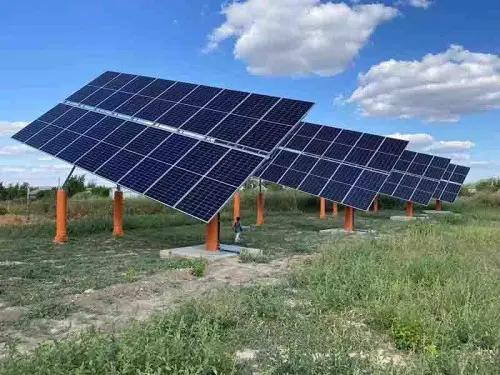
Combines a fixed tilt angle (typically 10° to 30°) with active horizontal tracking. Ideal for mid-to-high latitude installations requiring winter optimization.
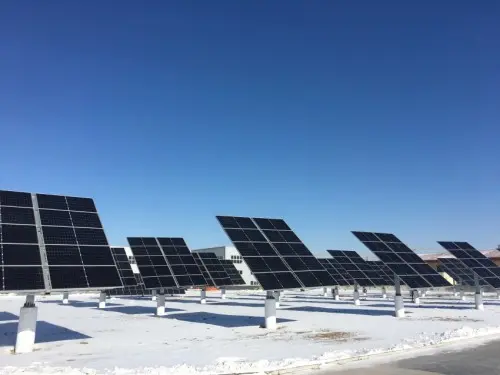
Tracks both the sun's azimuth angle and vertical elevation, guaranteeing that the solar modules remain perpendicular to incoming sun rays all day.
A selection of our reference projects proving structural durability and power generation output under real-world conditions.
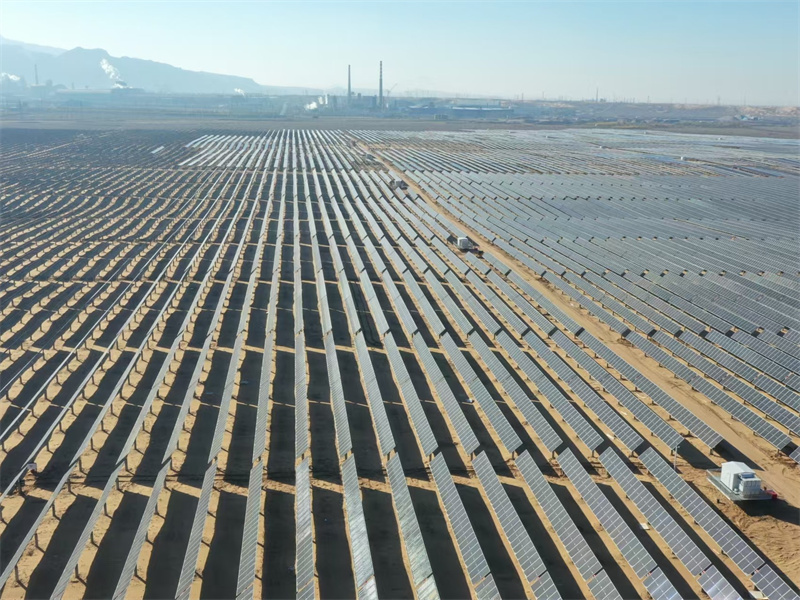
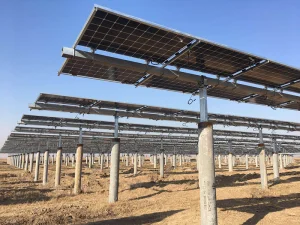
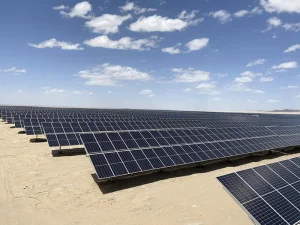
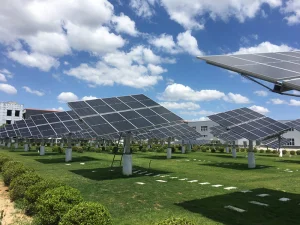
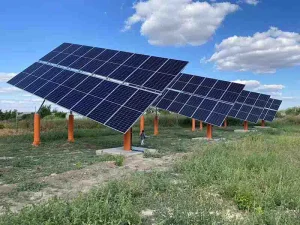
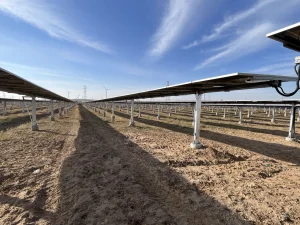
Utilizing high-durability single-axis tracking systems in severe sandstorm environments.
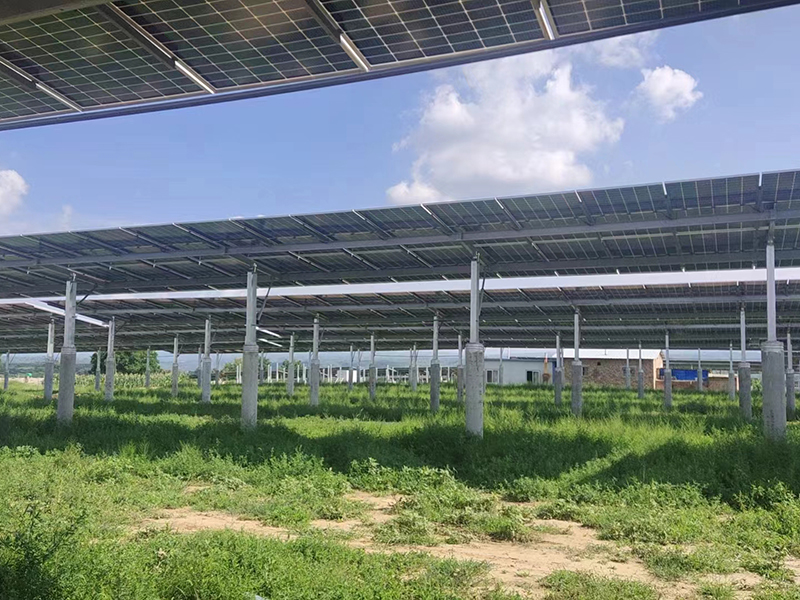
Delivered maximum solar yields through optimized structural tilt configuration.
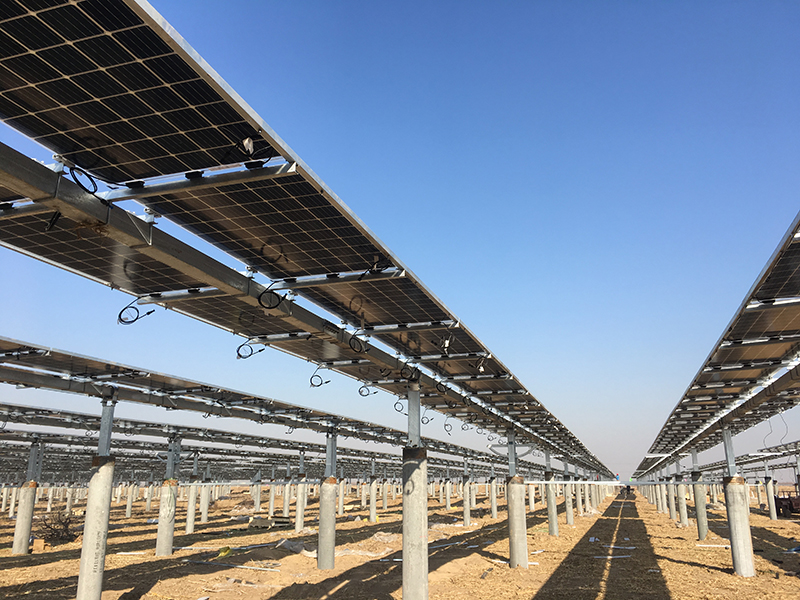
Integrating ground-reflection optimization algorithms with dual-row single-axis systems.
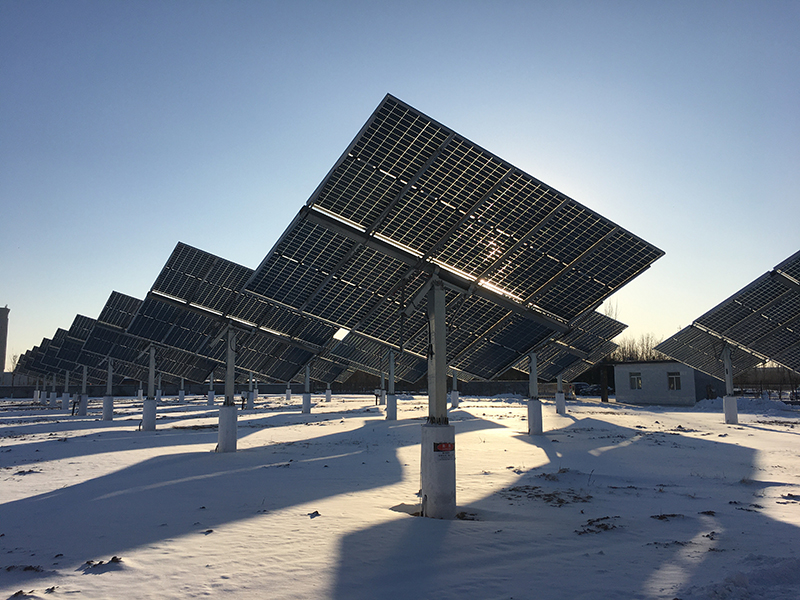
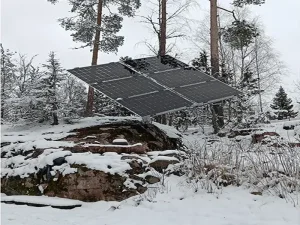
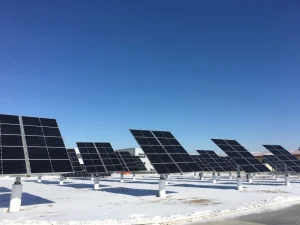
Demonstrating rapid manual and automatic shedding functionality after record snowfall.
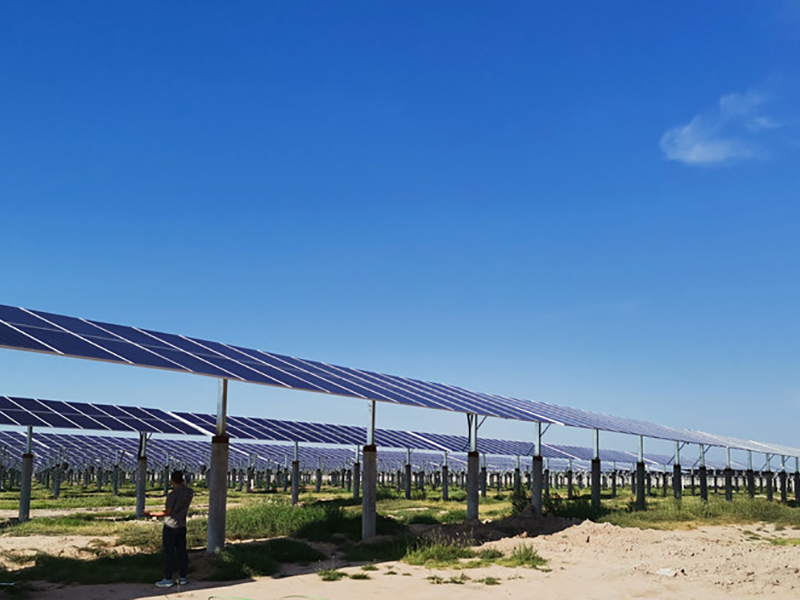
Grid-scale commercial deployment delivering power directly to high-capacity networks.
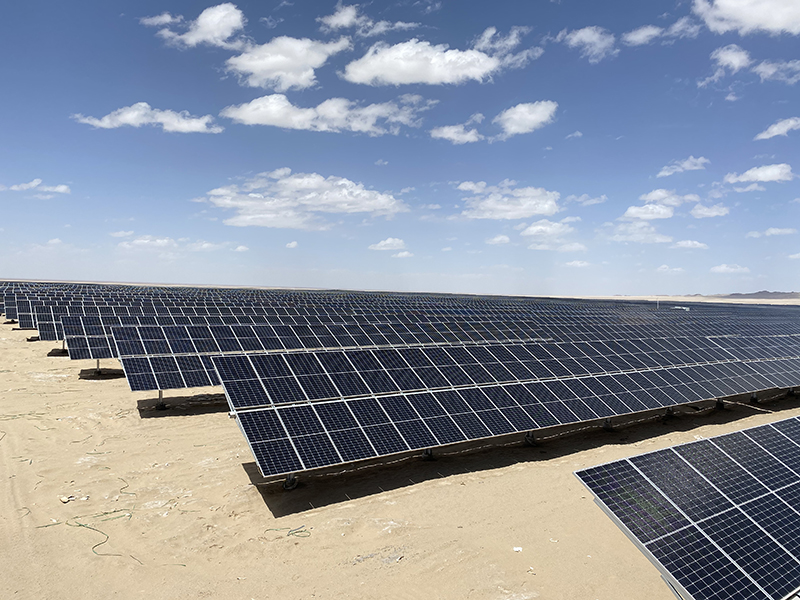
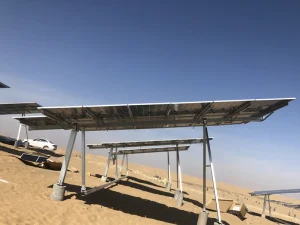
Ensuring tracking stability over shifts in loose sand dunes.
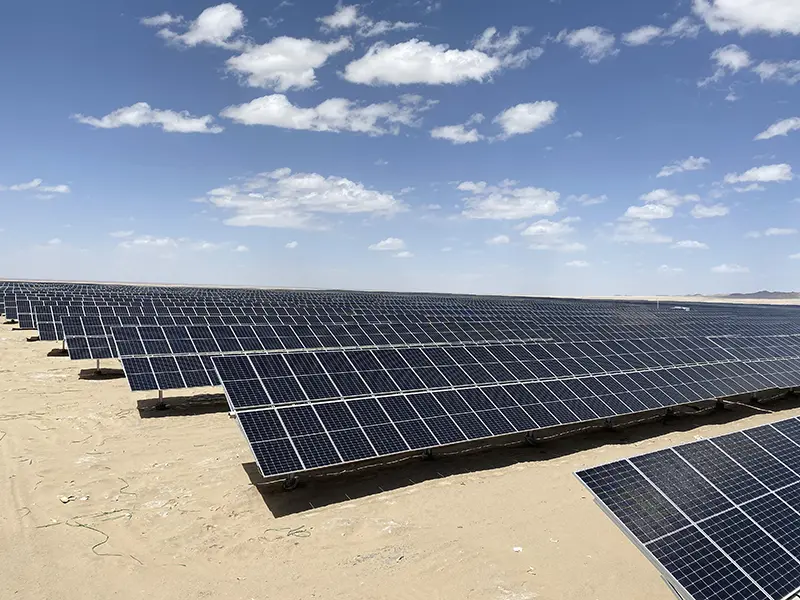
Rugged performance with minimal maintenance in high temperature areas.
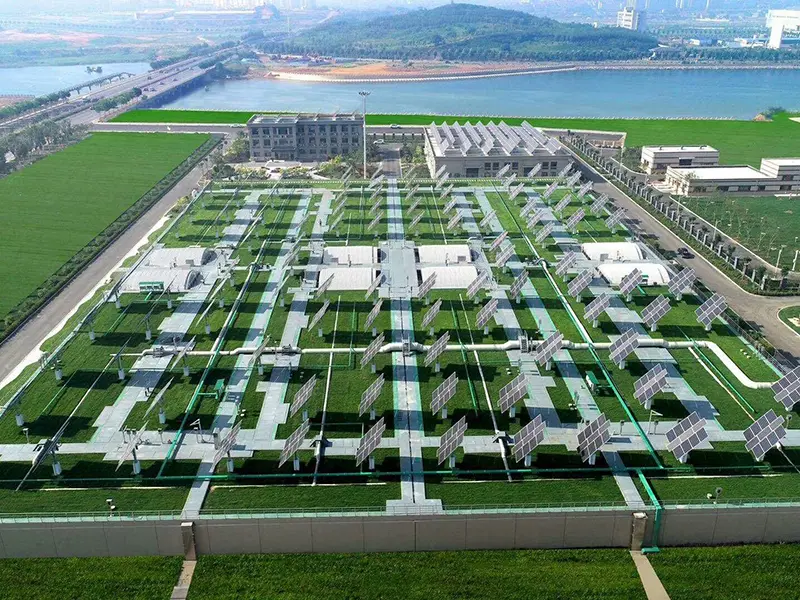
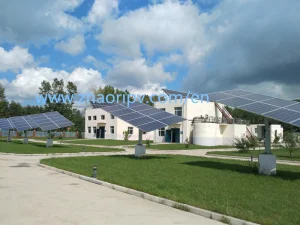
Localized commercial energy integration supporting zero-carbon corporate goals.
Observe the physical systems in motion across utility installations worldwide.
Our solutions conform to international engineering standards and structural safety specifications.
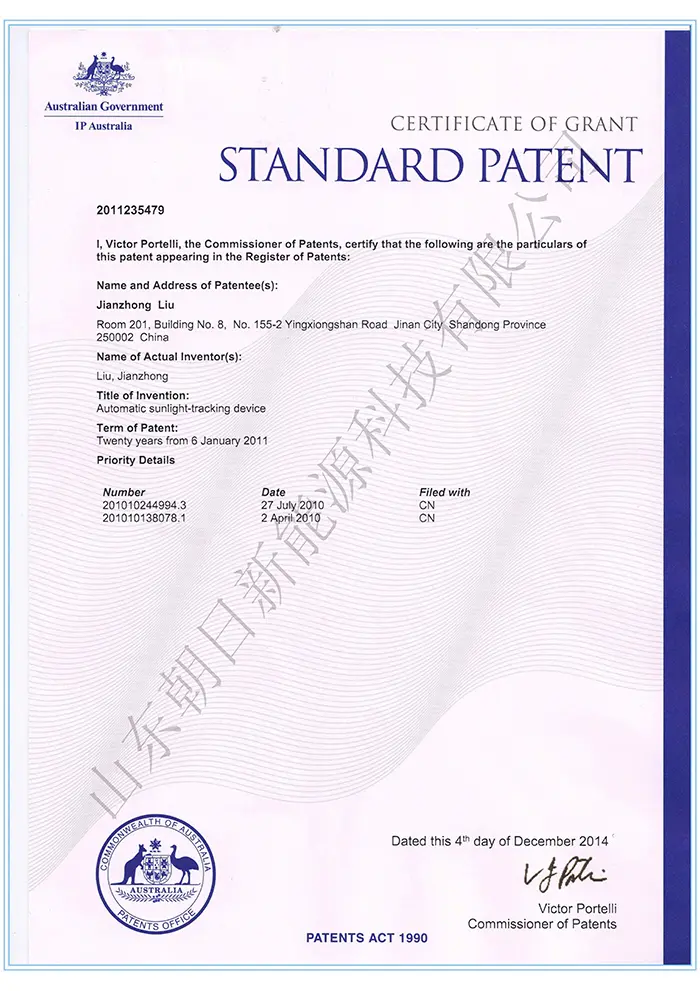
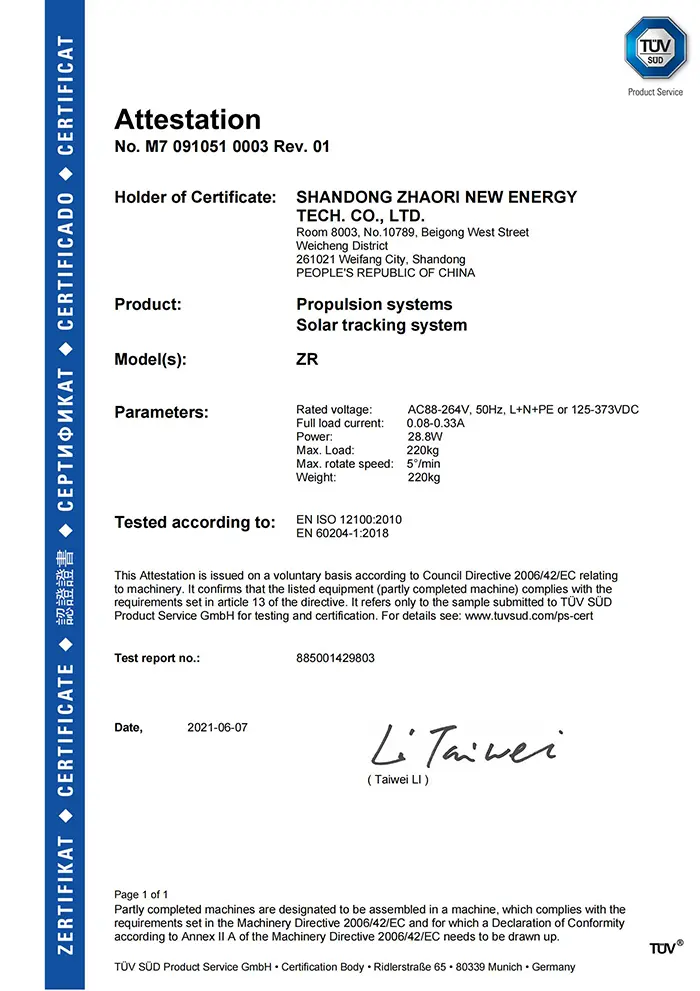
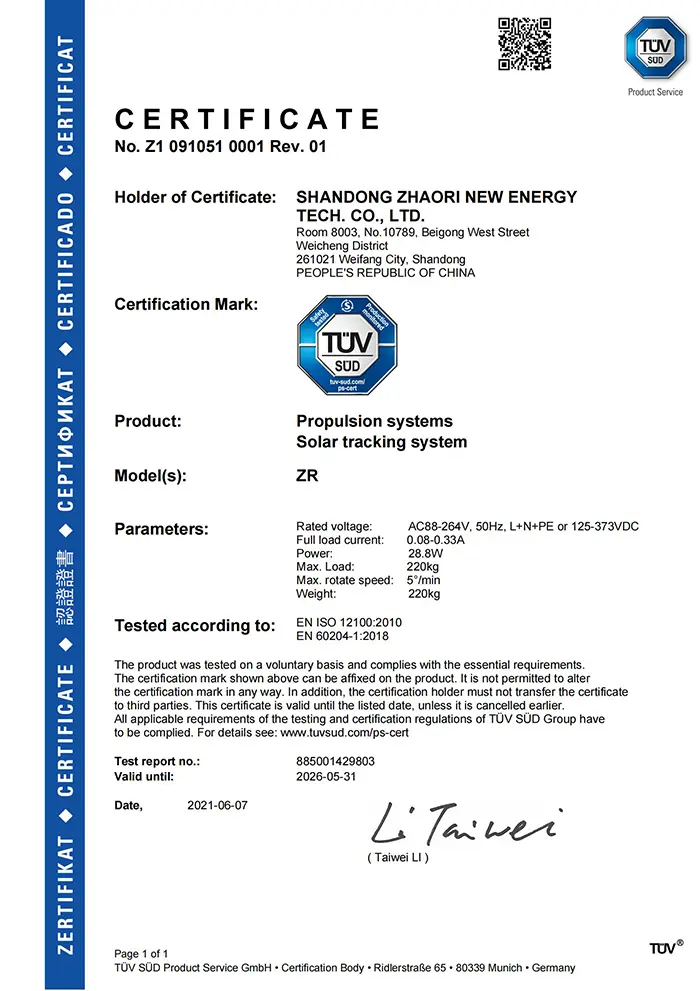
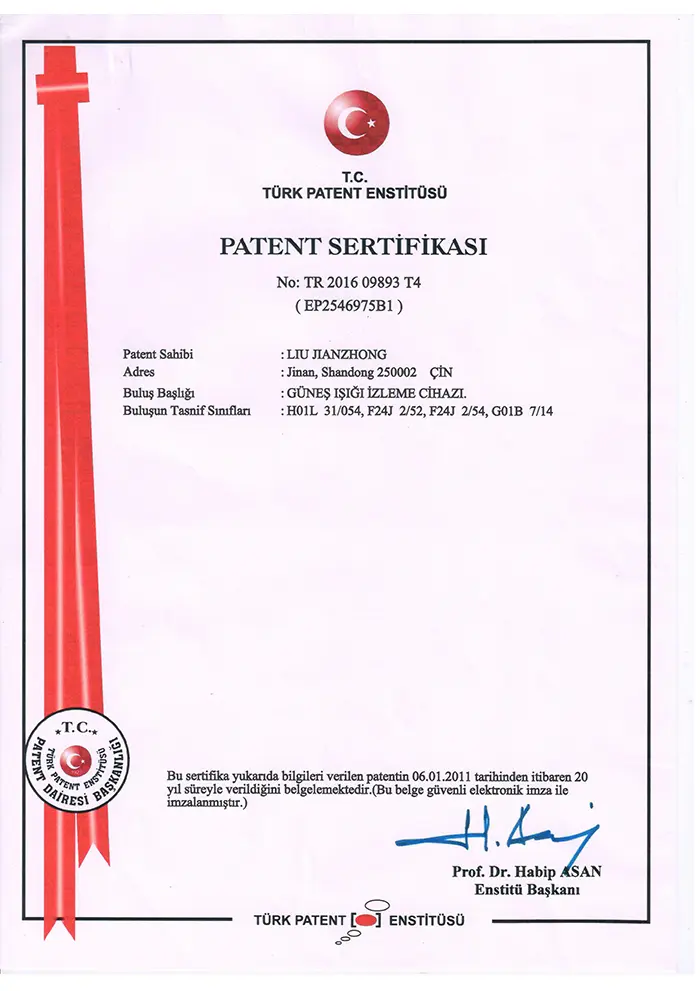
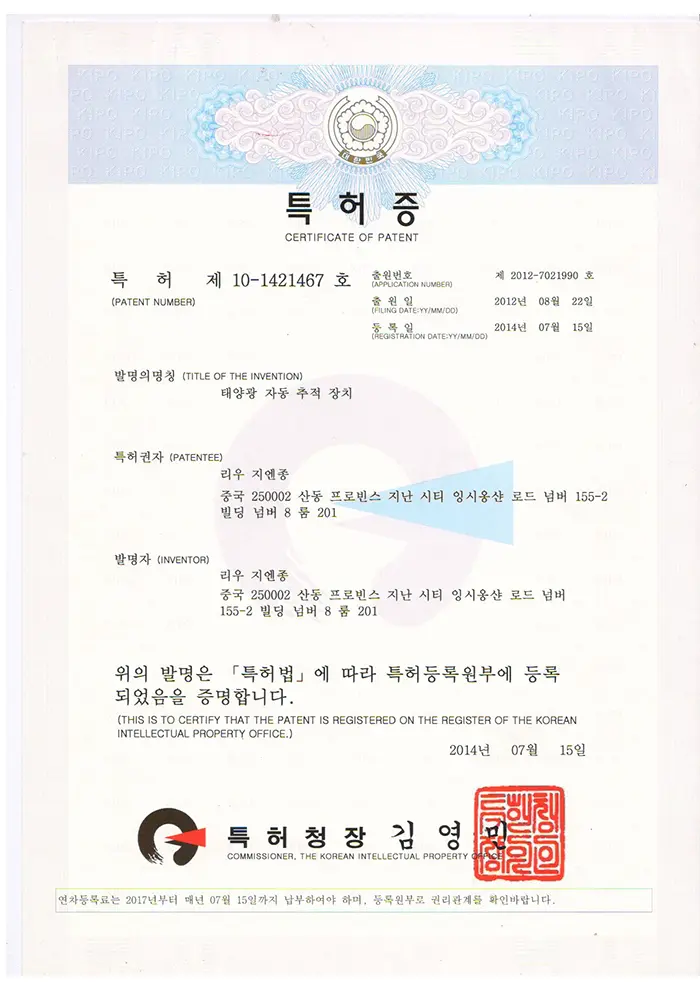
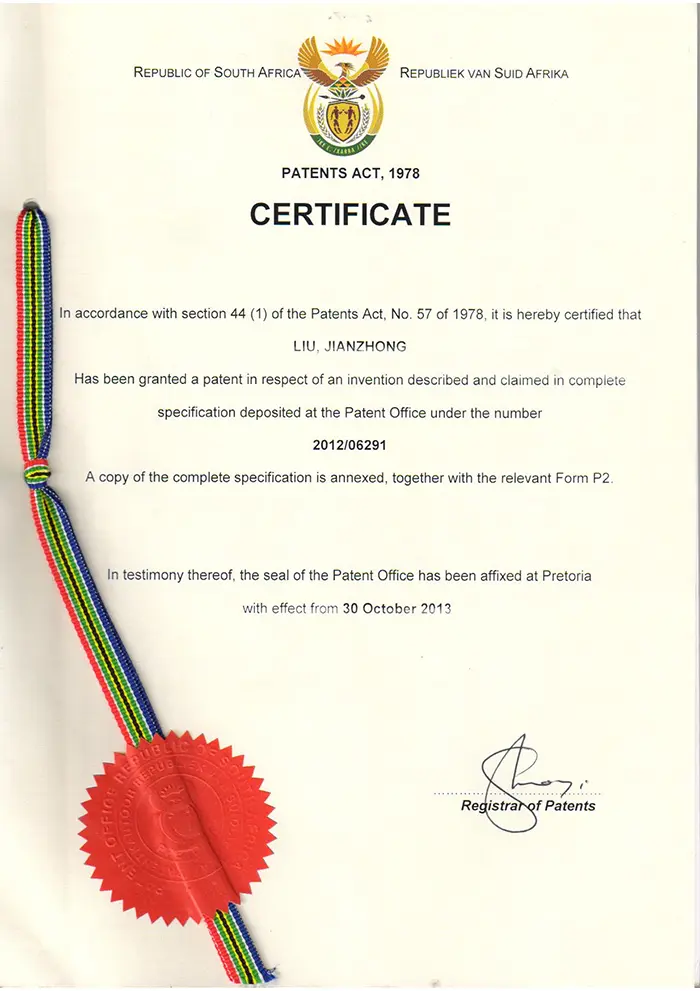
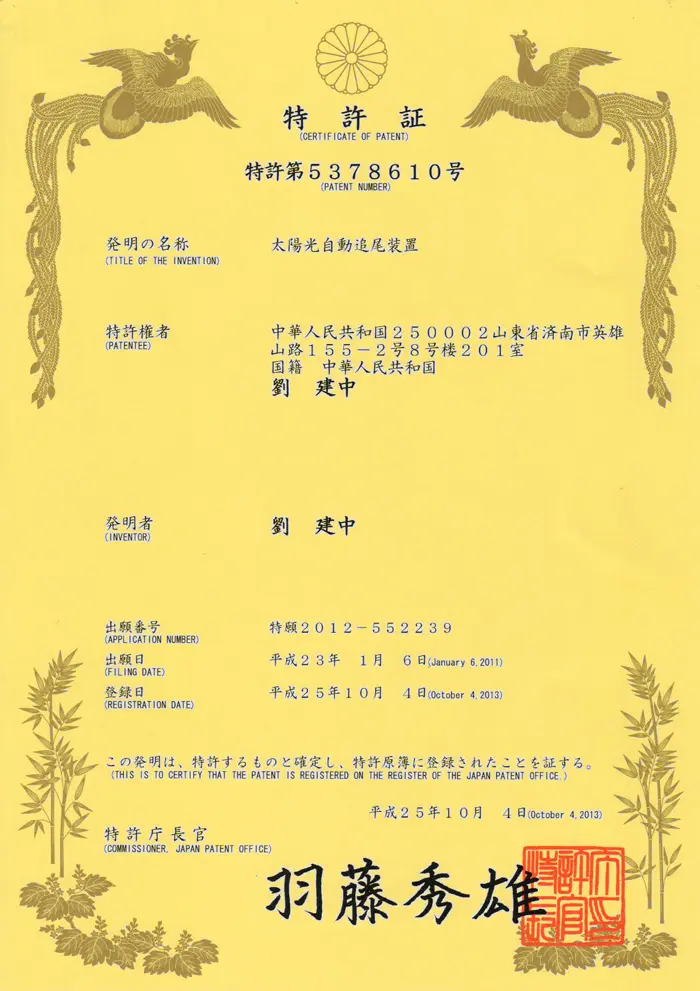
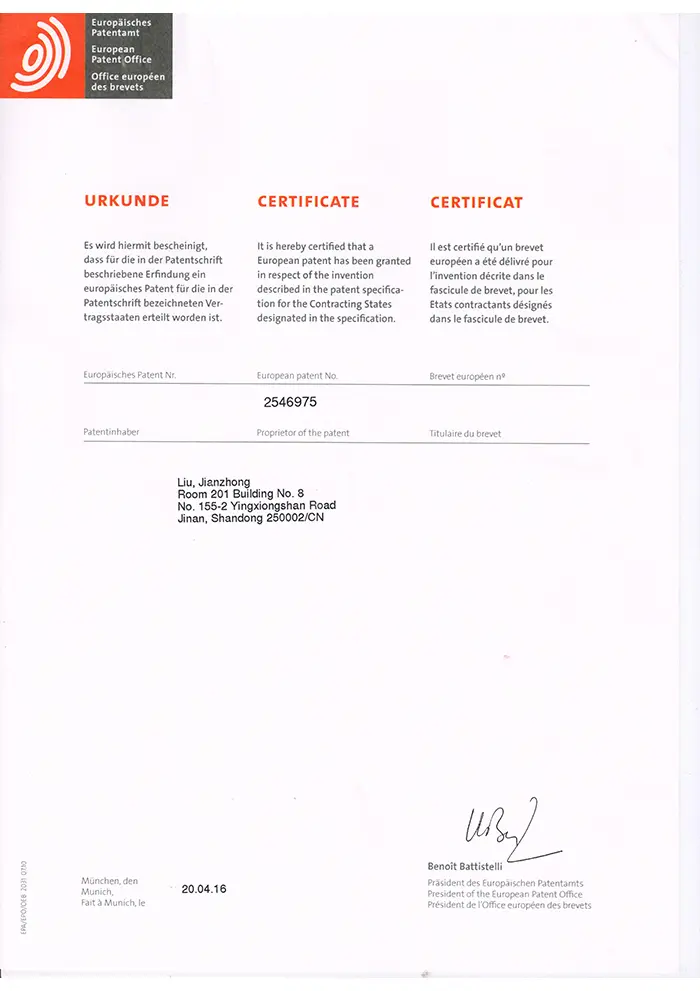
Our structures are built from select raw materials through to final commissioning under a rigorous multi-stage quality assurance protocol.
We source premium structural steel grades (such as Q235B, Q355B, and alloy steels with specialized zinc-aluminum-magnesium coatings). Mill certificates verify load capacities prior to cutting.
CNC processing ensures high component precision. Heavy structural plates undergo robotic welding to eliminate defect variability, ensuring dynamic stress-bearing joints stand up to service loads.
Hot-dip galvanizing protects structures from elements. Our post-galvanization checks monitor zinc layer thickness, guaranteeing over 25 years of corrosion protection in damp or coastal sites.
Drive assemblies, slewing gearboxes, and electrical controllers are tested for mechanical tolerance, wind-shed response speed, and weather resistance prior to secure packaging.
Key details to assist project engineers, procurement managers, and developers during system evaluation.
Select from our complete range of high-efficiency utility and commercial solar tracker products.
 Zhaori