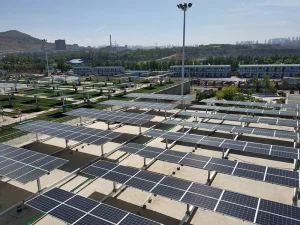
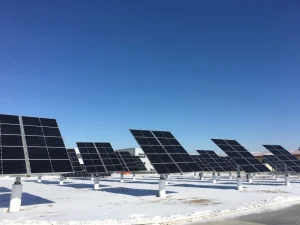
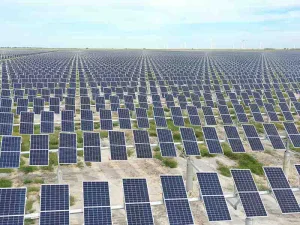
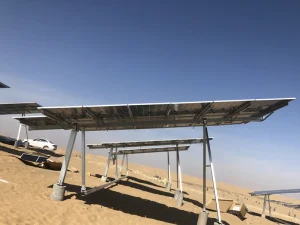
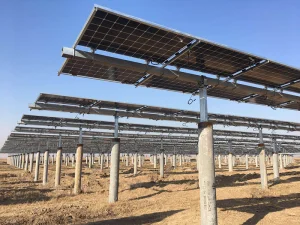
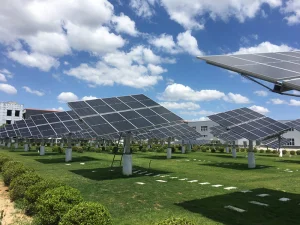
Industry-leading dual and single axis systems with integrated GPS time-synchronization technology.
An Analysis of Information Gain in Solar Yield Efficiency and Levelized Cost of Energy (LCOE).
As the world accelerates toward "Net Zero," utility-scale solar projects are transitioning from static racks to intelligent GPS trackers. Currently, the market for GPS-controlled systems is growing at a CAGR of 14.5%, driven by the need for higher energy density in land-constrained regions like Western Europe and Southeast Asia. GPS integration allows for millisecond precision in solar alignment, mitigating the "shadowing effect" in large-scale arrays.
The synergy between **Bifacial Modules** and GPS trackers represents the current "Golden Standard." Modern ZRD-10 and ZRP systems utilize albedo-sensing algorithms to tilt panels at angles that maximize rear-side energy capture. We are seeing a move toward decentralized control where each tracker acts as an IoT node, communicating atmospheric data to optimize the backtracking slope during cloudy or high-diffuse light conditions.
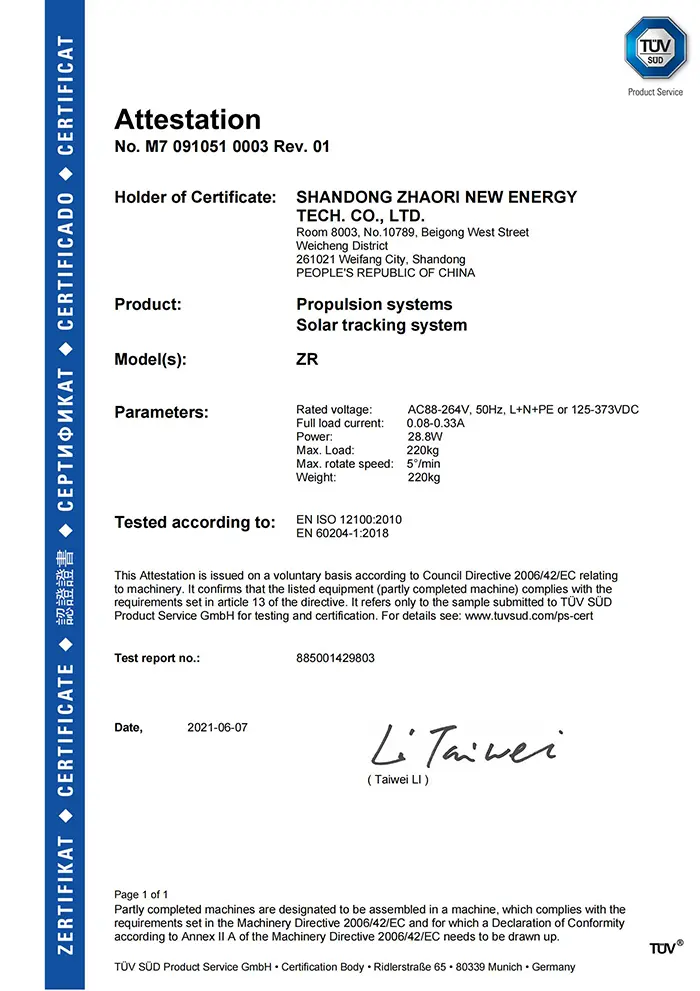
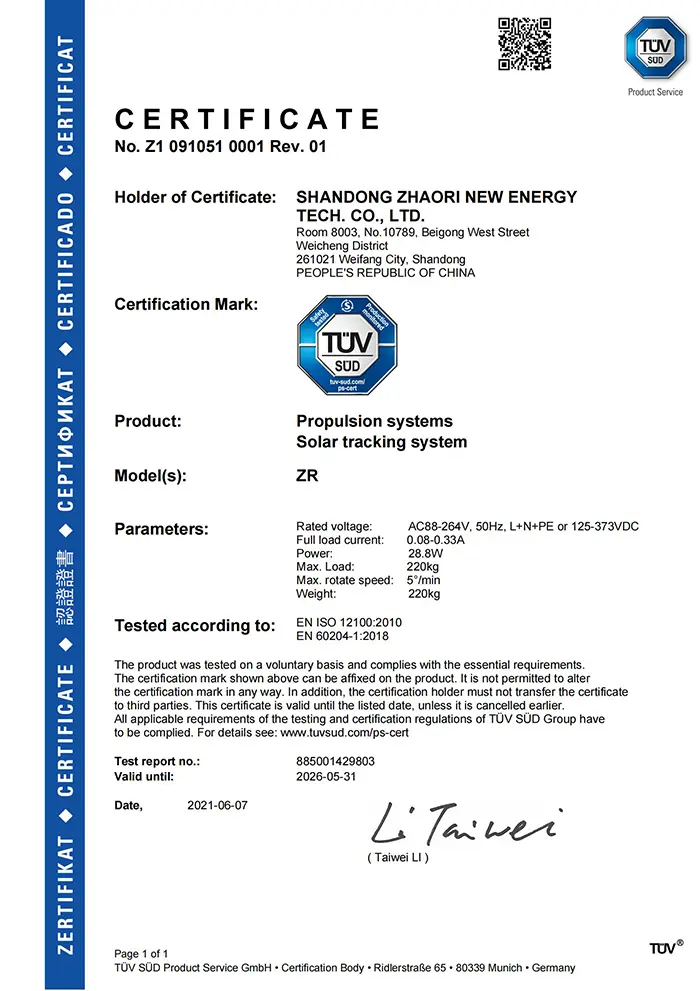
Stability is the foundation of reliability. High-quality manufacturers now focus on "Stow-to-Safety" protocols. Utilizing GPS and real-time anemometer data, our systems can automatically flatten to a 0° horizontal position during wind speeds exceeding 22m/s, protecting the drive motor and module integrity. This technological roadmap ensures a lifespan of over 25 years with minimal maintenance.
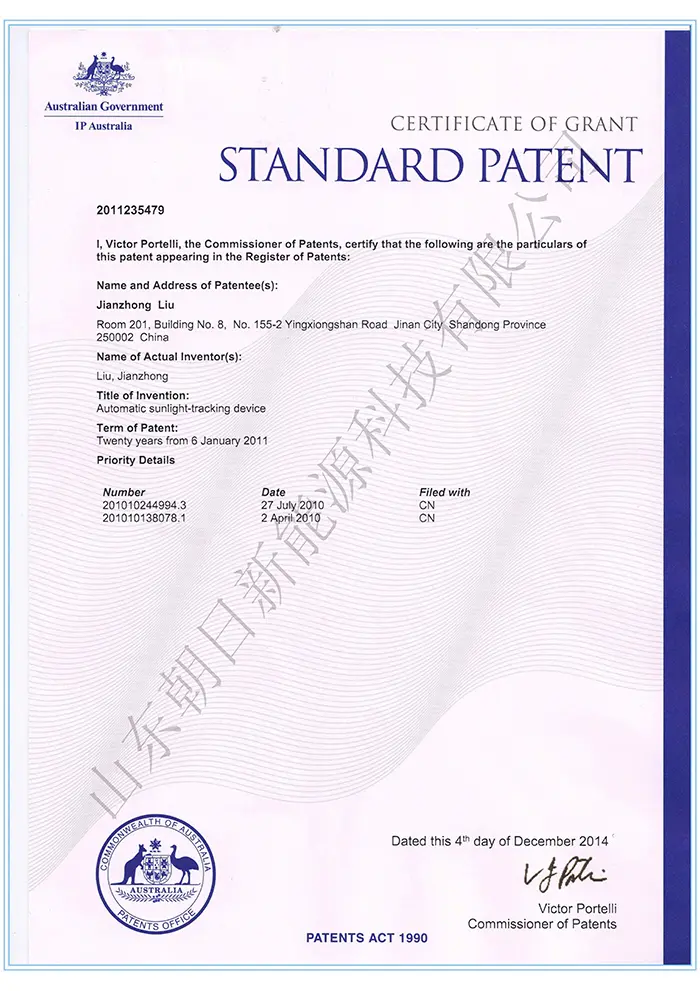
Founded in June 2012, Shandong Zhaori New Energy Tech. Co., Ltd. is a titan in the high-tech renewable sector. With a decade of hyper-focus on solar tracking technology, our team of 60+ professional engineers and 300+ skilled technicians has redefined what "Made in China" means for the global energy transition.
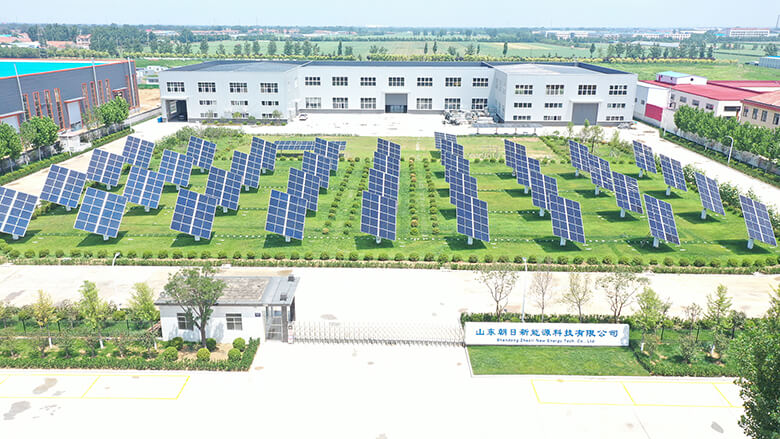
Decoding the algorithm behind the ZRD and ZRP series.
Traditional "Light Sensor" trackers often fail during cloudy days or when modules are partially obscured by bird droppings. Our GPS systems use Astronomical Algorithms combined with satellite time-sync to calculate the exact position of the sun regardless of local weather. This "Blind Tracking" capability ensures the system is always ready the moment the sun breaks through the clouds.
In Desert Projects (like our 20MW project), GPS trackers are essential to avoid sand-sensor interference. In Mountainous Terrains, our tilted single-axis ZRT systems adapt to north-south slopes, ensuring yield stability on uneven ground. For Industrial Rooftops, our lightweight single-row trackers provide the necessary load-bearing safety while maximizing limited space.
The future roadmap involves Machine Learning (ML) for predictive maintenance. By analyzing the current draw of the slewing drive, the system can predict mechanical wear before failure occurs. We are also developing "Grid-Responsive" trackers that can tilt panels to provide frequency regulation services to local power grids.
See our 353MW and Dual Axis projects in action across the globe.
From 5MW in North China to 360MW Desert Arrays - Proven Reliability.
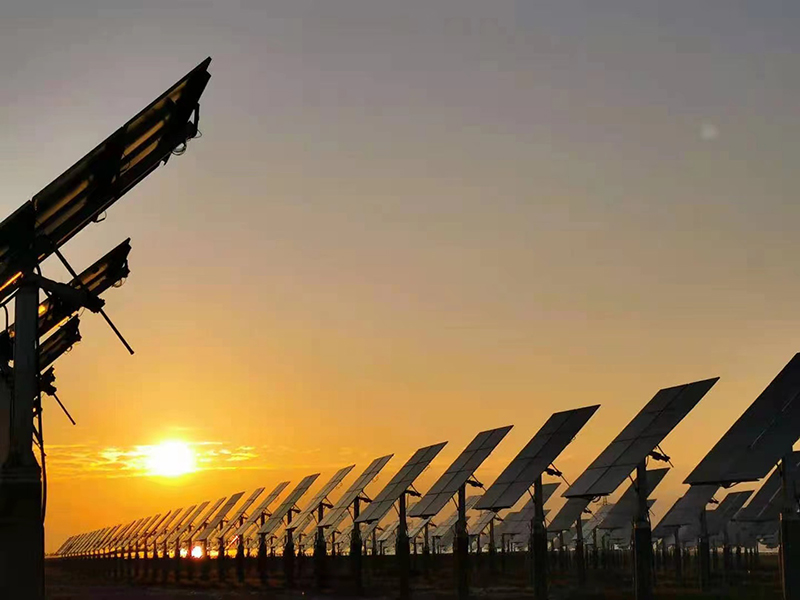
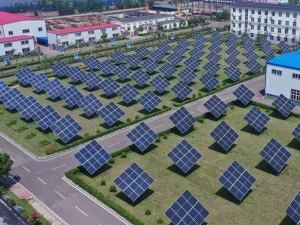
5MW Utility Project - North China
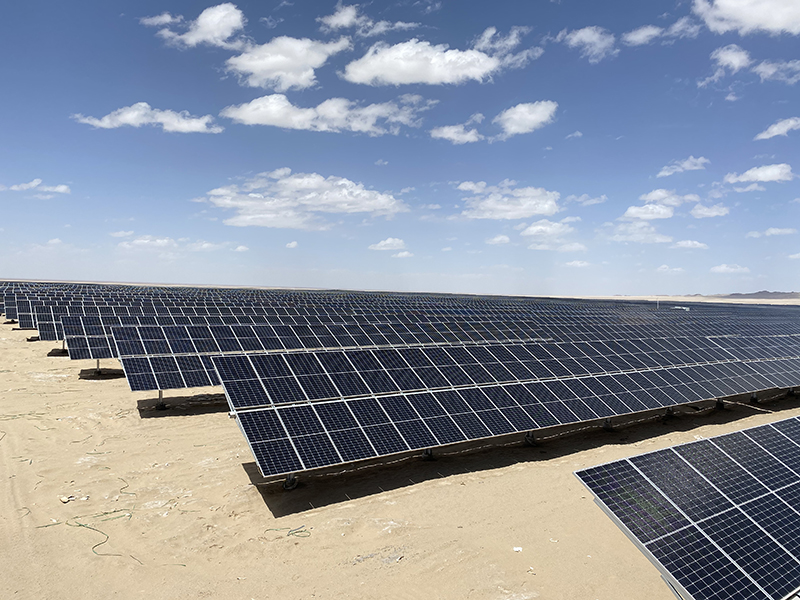
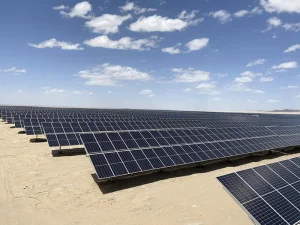
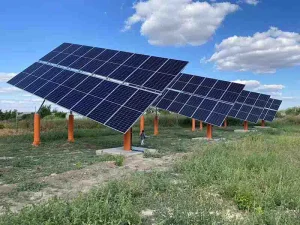
20MW Desert Impact Project
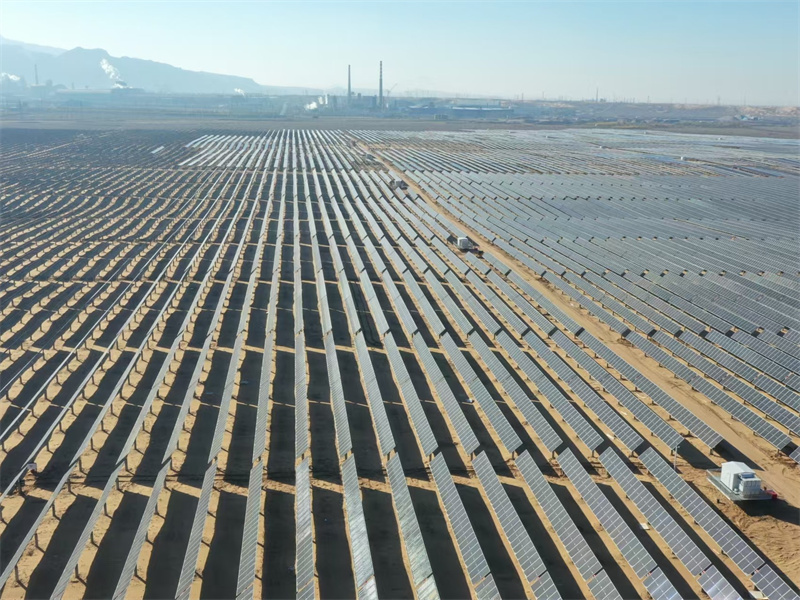
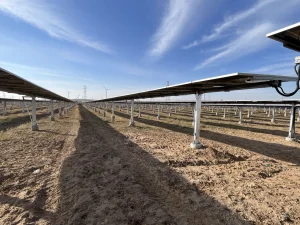
360MW Single Axis Desert Array
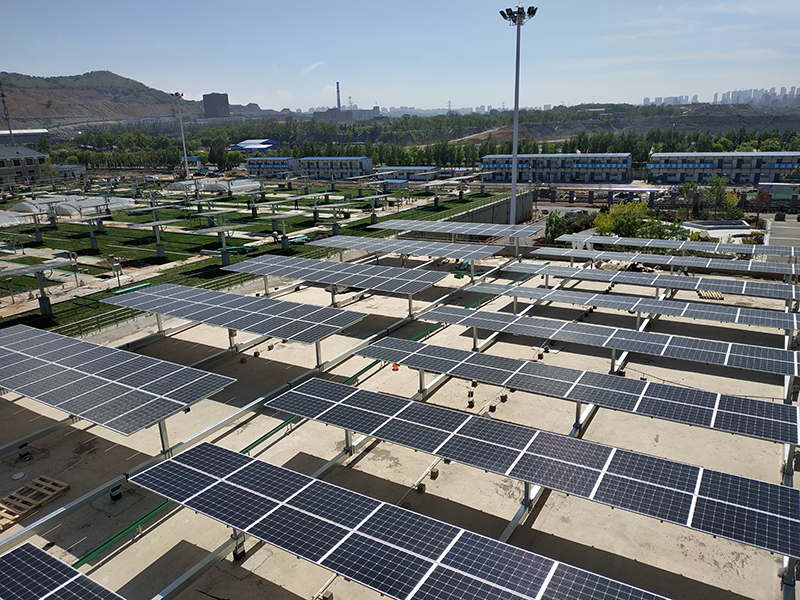
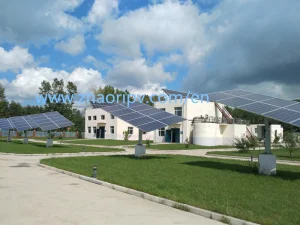
Commercial Rooftop Installation
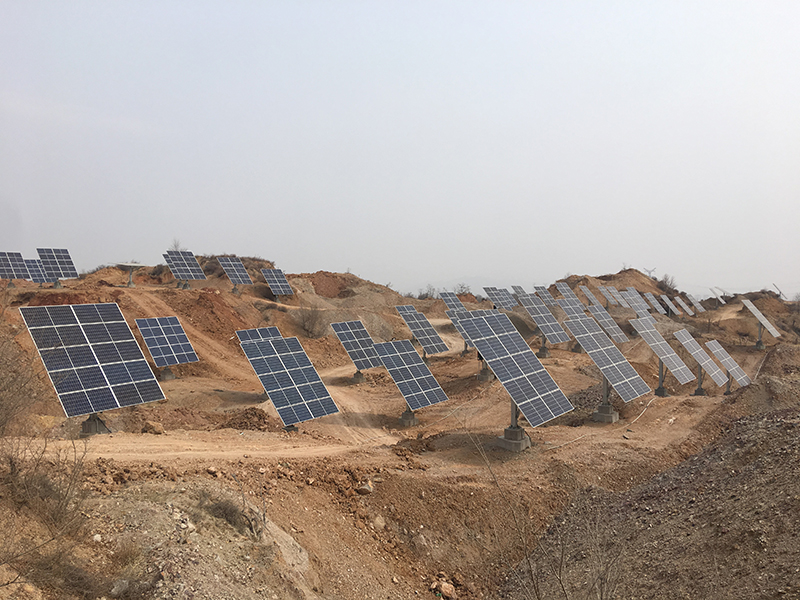
Complex Terrain Mountain Project
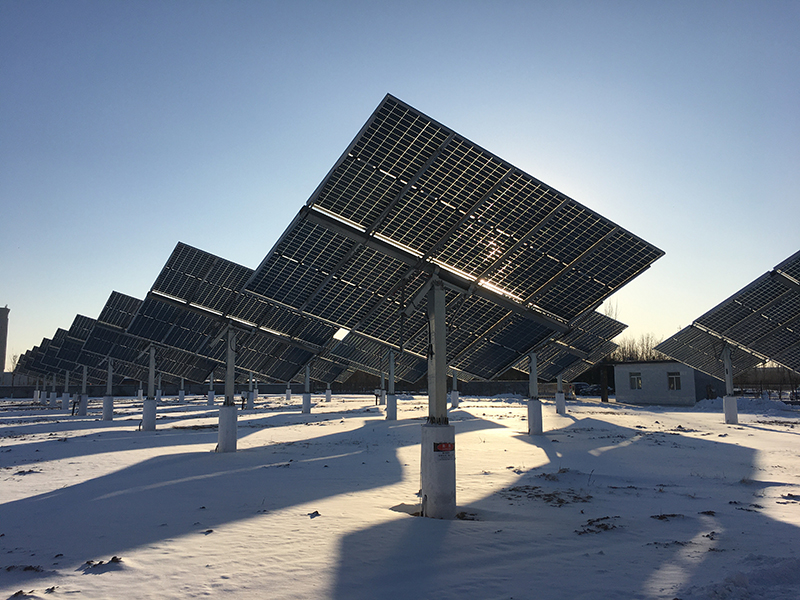
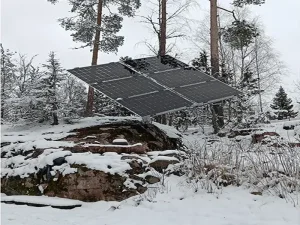
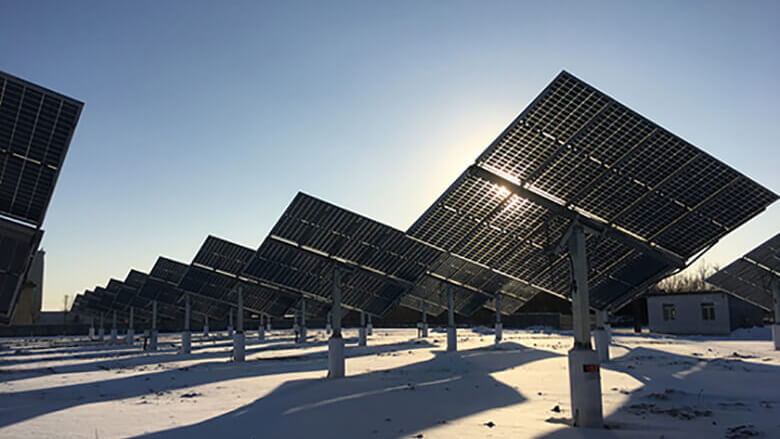
High-Resilience Snowy Region Setup
Answering your technical concerns with expert precision.
Engineered for excellence, built for endurance.
 Zhaori