Explore our engineering-grade tracking systems optimized for extreme high-yield returns, certified across global utility platforms.
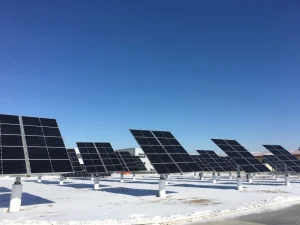
Designed for continuous maximum solar orientation. Yield enhancement up to 35% - 40% using precision astronomical algorithms.
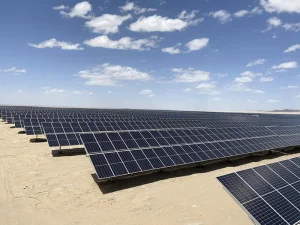
Rugged, structural steel design with manual seasonal angle modification capabilities for balanced LCOE.
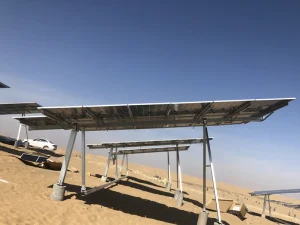
Best tilted alignment system. Tracks solar azimuth with inclined modules, capturing diffuse radiation at high latitudes.
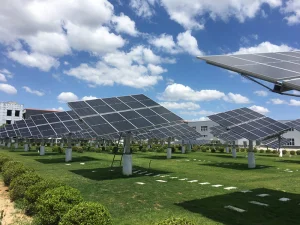
High-precision double axis solutions. Multi-point back-loop encoders with smart automatic stowing at wind limit.
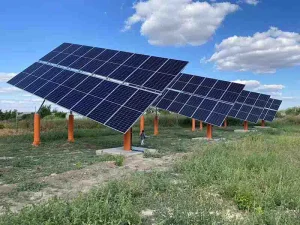
Engineered for large-scale utility deployments. Heavy-duty drives with dynamic tracking controls for bifacial PV panels.
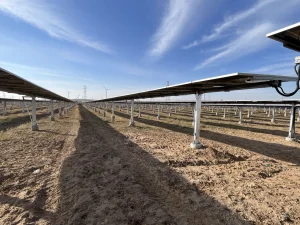
Streamlined flat single-axis horizontal layout. Designed to reduce installation labor times and post configuration costs.
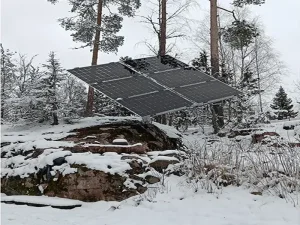
Versatile scale tracking module. Ideal for agricultural projects (Agrivoltaics) and mountainous regions.
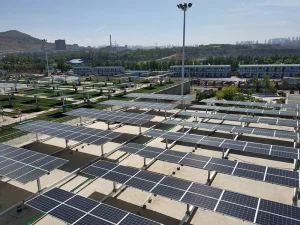
Double-row configured tracker. Maximizes structural stability while reducing overall actuator demand count.
Unlike standard horizontal single-axis systems, dual-axis solar trackers continuous follow both the azimuth and elevation vectors of the sun. This guarantees that solar radiation is always normal to the photovoltaic panels. By utilizing mechanical driving axes in two perpendicular directions, dual axis systems generate up to 35% to 45% power output gains compared to stationary systems, and approximately 15% to 20% improvements over flat single-axis systems.
Designed on the basis of independent intellectual property rights, our systems incorporate high-stability worm gears and astronomical algorithms, combining optical sensor calibration to eliminate accumulation errors caused by cloudy conditions.
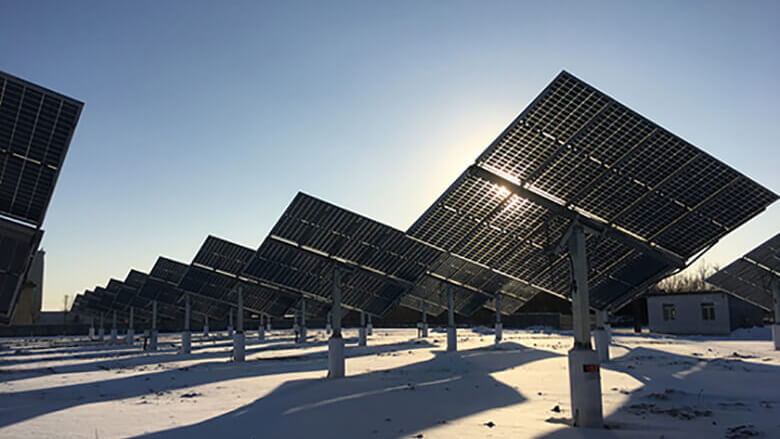
Adapting tracking precision to extreme microclimates: From high-latitude snow zones to hyper-arid deserts.
In regions such as Northern Europe, Canada, and Northern China, persistent snow coverage severely restricts winter generation. Dual-axis trackers feature an automated "Snow Stow Mode". By tilting panels to vertical angles (up to 75°), accumulated snow slides off naturally, ensuring immediate power generation as sunlight returns.
Desert utility-scale projects suffer from severe abrasive dust deposition. Our structural design integrates high-durability seals with IP65-rated drive actuators. In windstorms, trackers enter "Wind Stow Mode", flattening panels parallel to the ground to reduce drag and survive wind velocities up to 60m/s.
With high-clearance support structures, dual-axis solar trackers allow farming machinery to operate underneath the solar arrays. Optimized tracking algorithms calculate shading intervals, allowing partial light transmittance to cultivate shade-tolerant crops while securing elevated energy tariffs.
Shandong Zhaori New Energy Tech Co., Ltd. combines specialized engineering design, raw material sourcing, and robotic production.
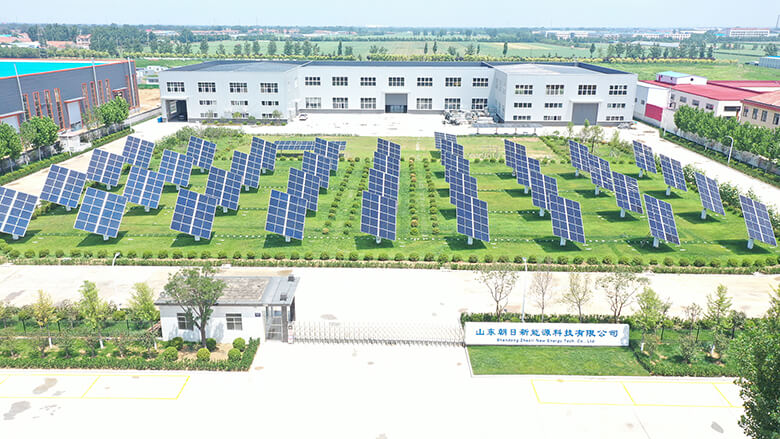
Our manufacturing plant operates high-precision CNC machine tools, laser cutting lines, automatic welding robots, and plasma cutters. Because we are based in China’s industrial manufacturing hub, we maintain direct agreements with national steel mills, procuring superior Q235B and Q355B structural steel at baseline costs.
Every structural part undergoes strict hot-dip galvanization to exceed ISO standards (average zinc thickness > 85μm), providing a 25-year corrosion-resistant operating life in saline coastal and high-humidity environments. This localized integration allows us to offer premium dual-axis trackers at price points that accelerate project payback periods (ROI).
Engineered to comply with European, North American, and Asia-Pacific structural safety and grid connection codes.
Our tracking products hold structural and electrical safety patents issued by the European Patent Office (EPO), the United States, Canada, Australia, Japan, South Korea, India, Brazil, and South Africa. Undergoing CE, TUV, and ISO9001 certifications, they meet the highest standards of reliability.
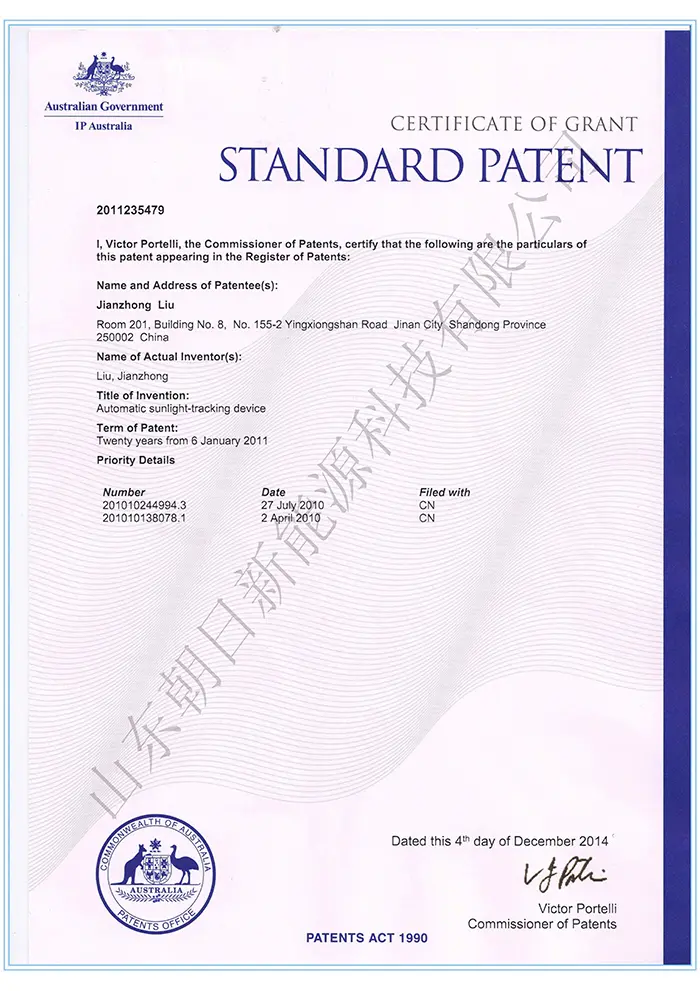
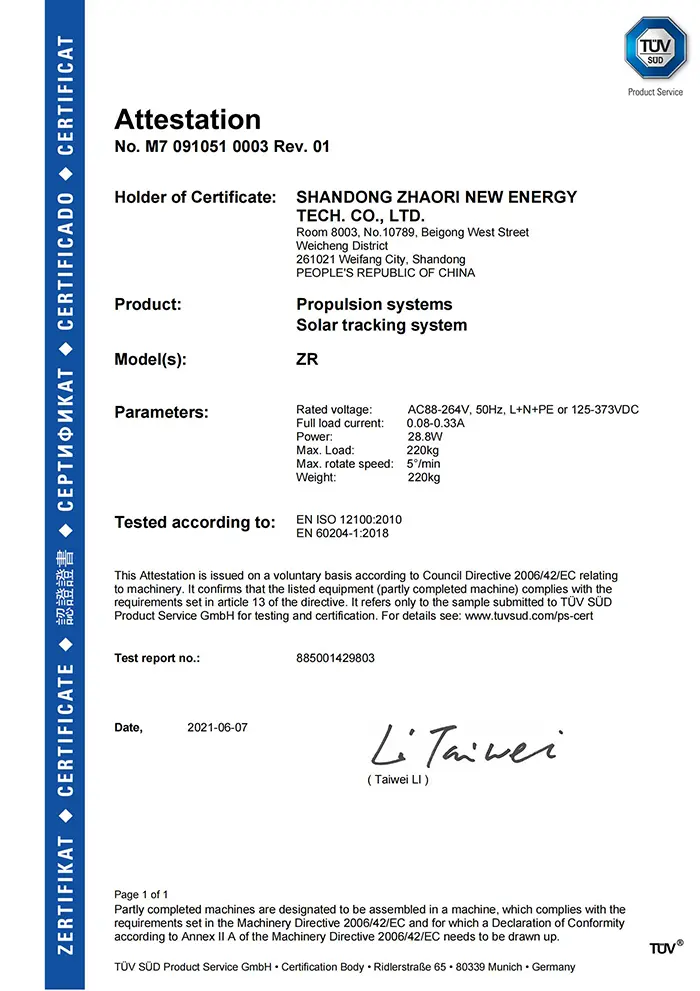
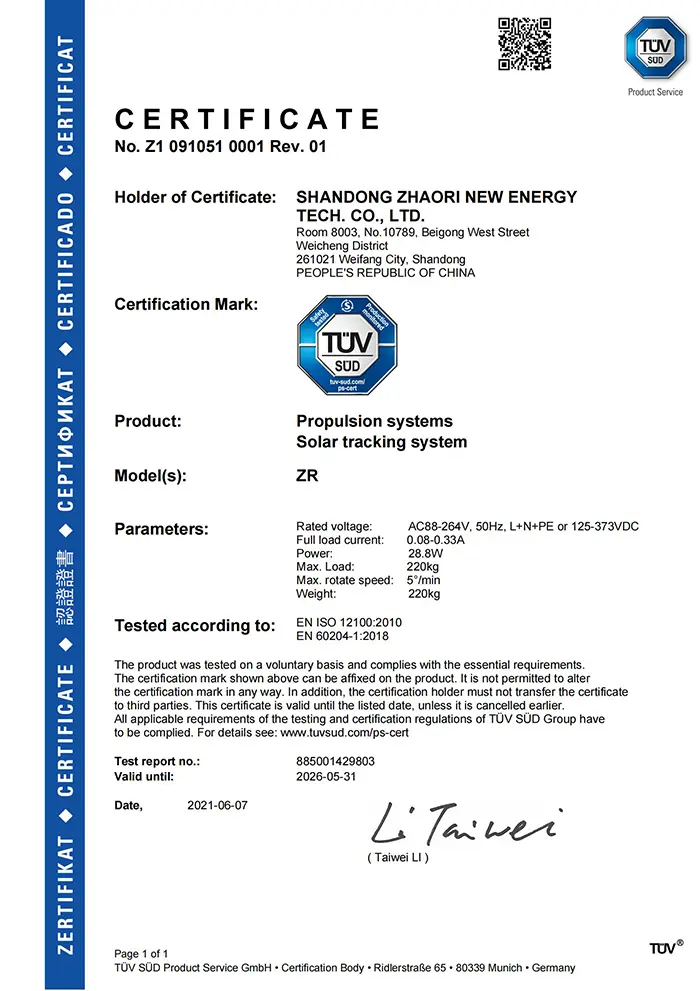
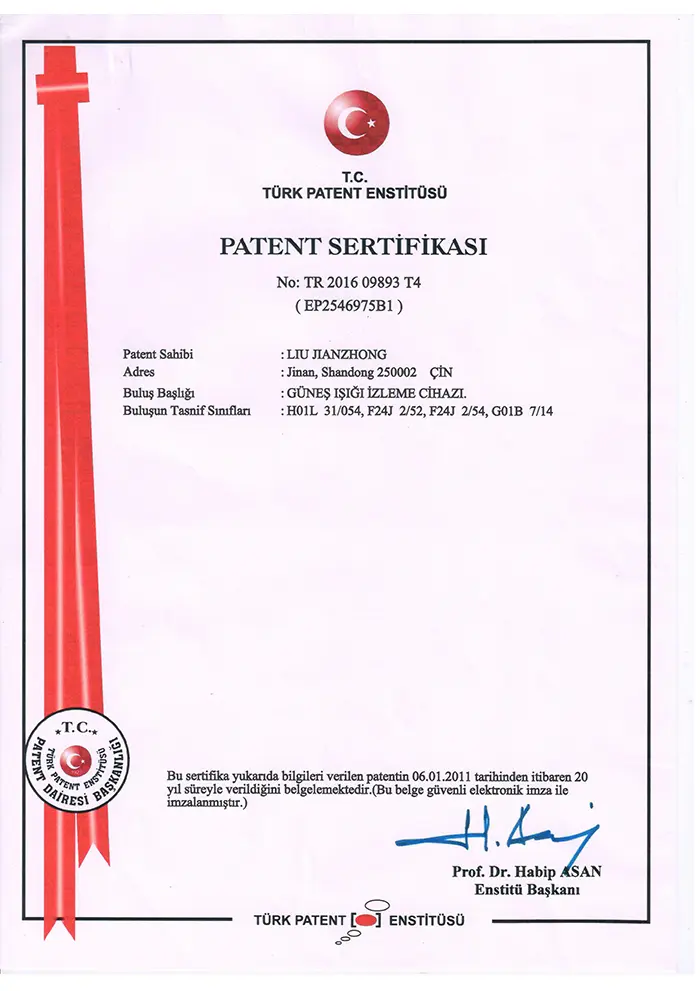

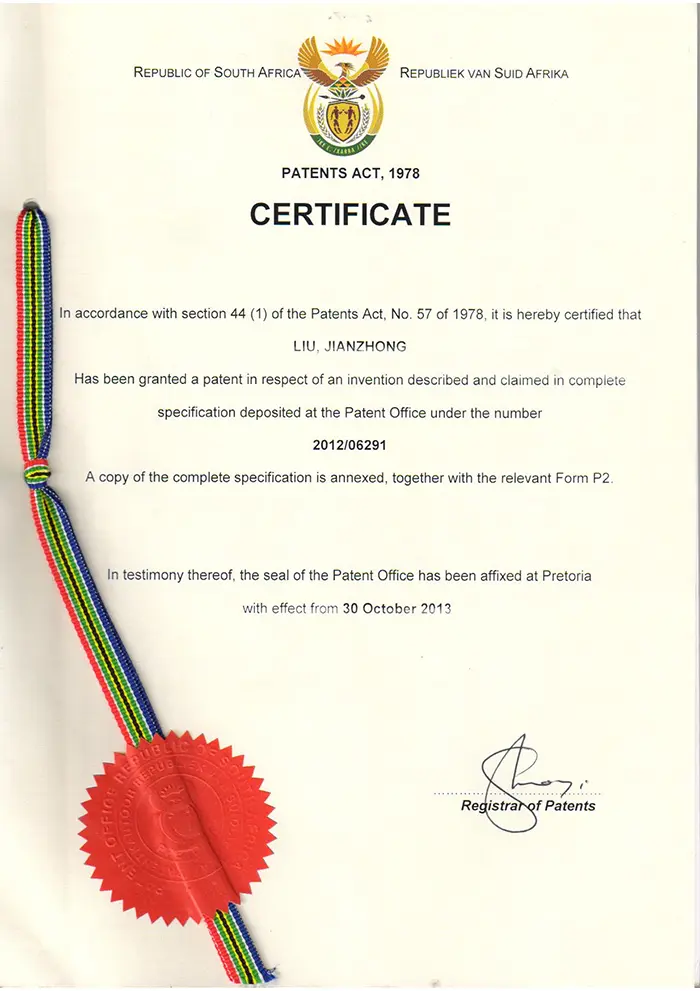
Real-world performance validation across scale utilities, high-altitude mountains, and commercial zones.
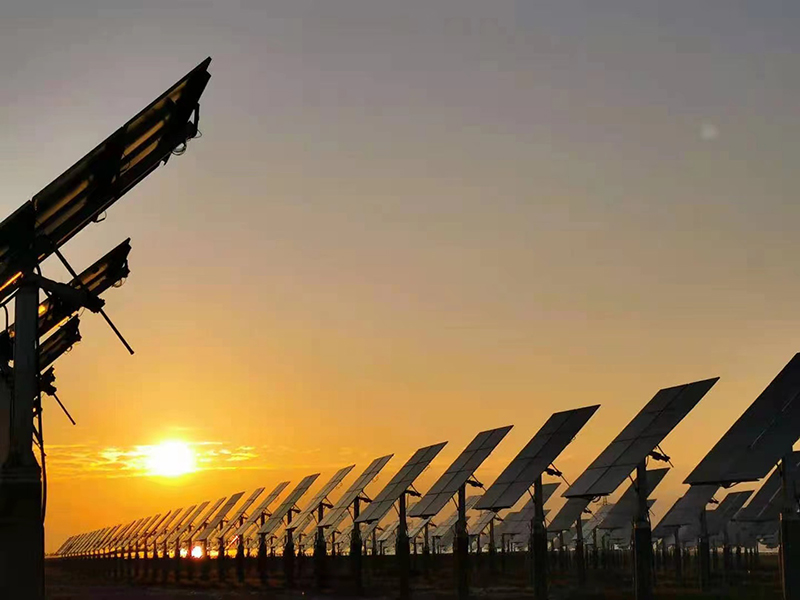
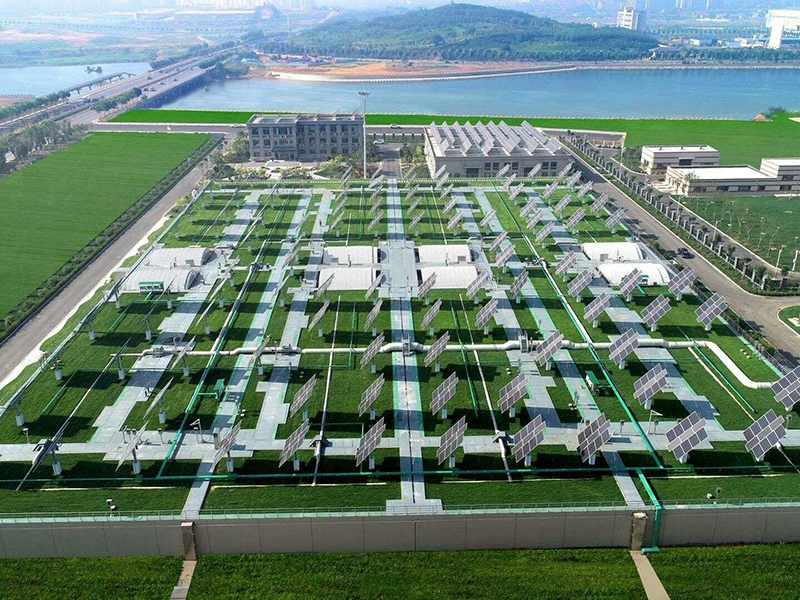
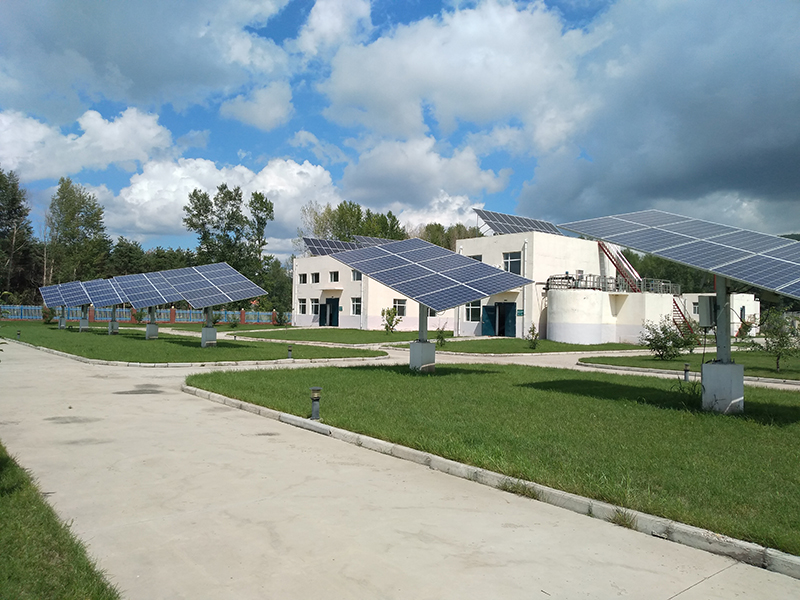
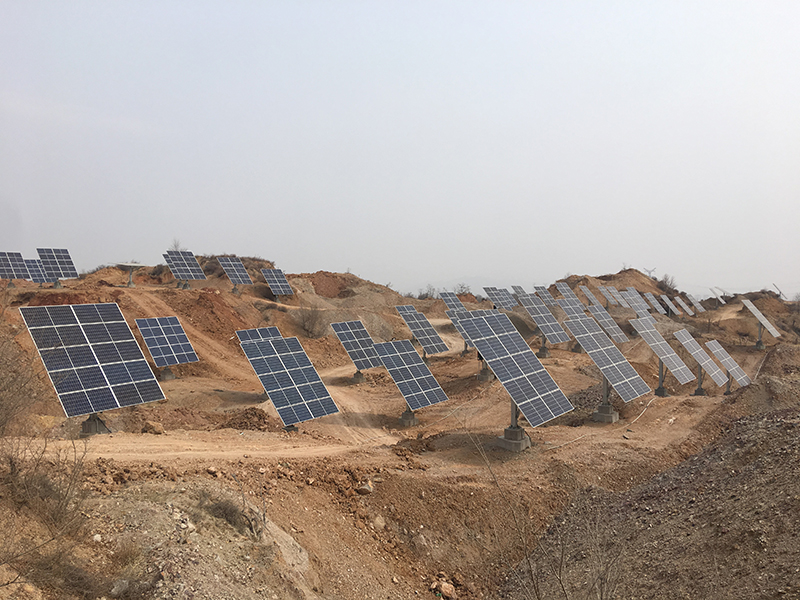
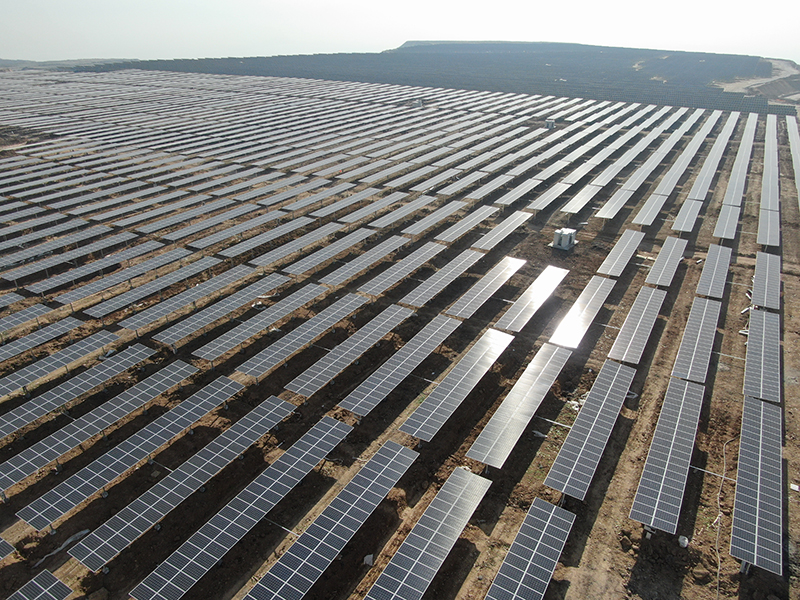
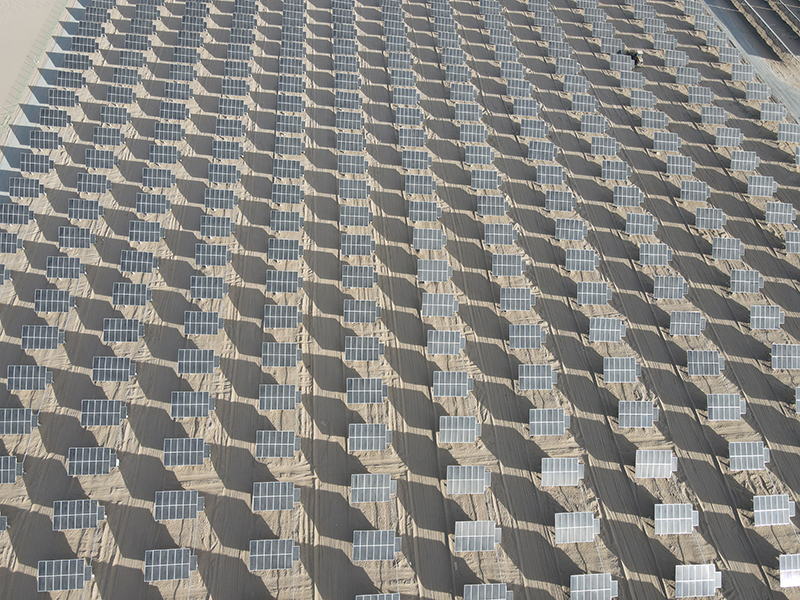
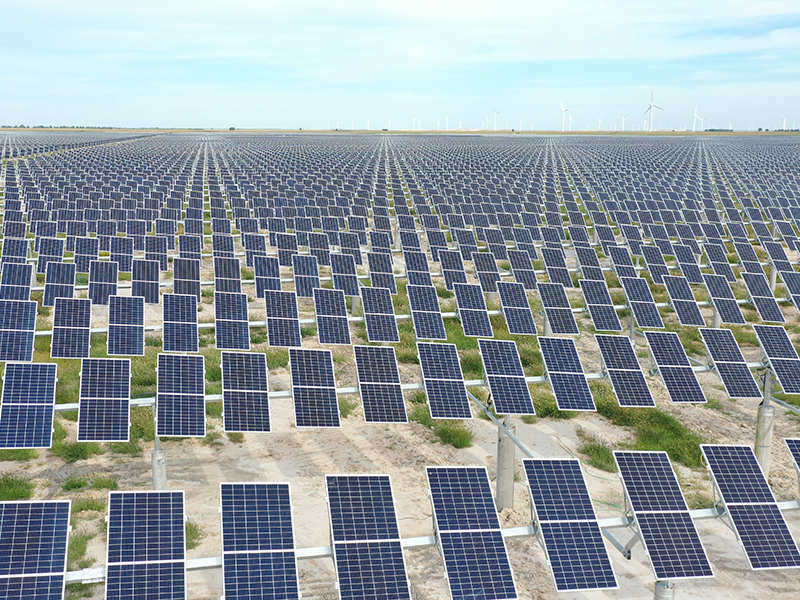
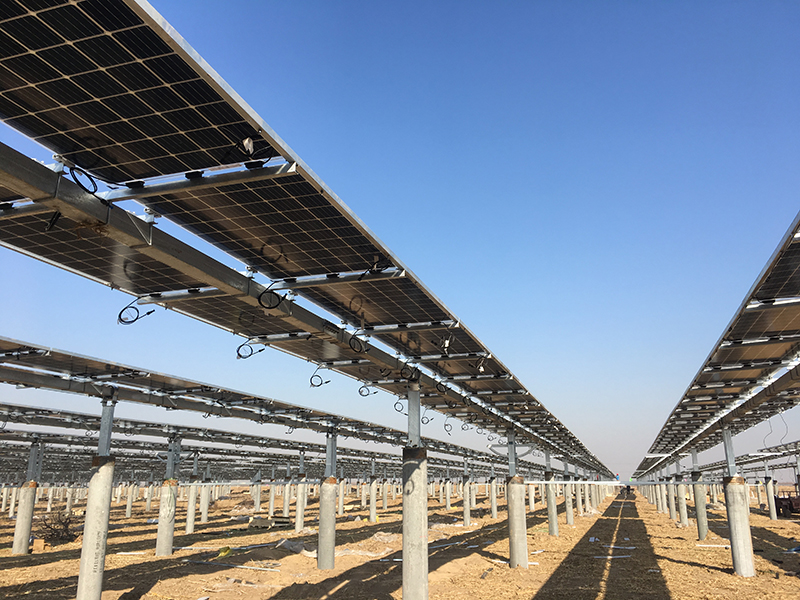
Watch our tracking systems run operational self-diagnostic, tracking, and stowing cycles.
When sourcing dual axis tracking structures from manufacturers, utility project developers must evaluate parameters beyond structural steel weight. To secure accurate quotes, prepare the following telemetry parameters:
Our project team provides complete 3D design mapping and structural calculations according to ASCE 7-16, Eurocode 3, or localized requirements, aligning structural integrity with your financial parameters.
Shandong Zhaori New Energy Tech. Co., Ltd. provides full end-to-end design, stress testing, and component logistics. Contact our engineering team for a site-specific calculation report.
Our tracking solutions lower structural steel demands while expanding total energy generation, yielding high internal rate of return (IRR) profiles.
Request Technical AssessmentRead through detailed technical FAQs regarding project installation, durability, and commercial returns.
Dual-axis trackers maintain a perpendicular angle to incoming sunlight, allowing solar panels to absorb direct solar rays. Depending on geographic latitude and ambient solar resource data (GHI/DNI), dual-axis tracking generates 35% to 45% more energy compared to static, fixed-tilt racking.
Our systems feature an automated SCADA Control & Monitoring Network integrated with local wind sensors. If wind gusts exceed safe limits, trackers enter wind protection mode, flattening modules to minimize structural load. During heavy snowfall, modules tilt to steep shedding angles to prevent snow build-up.
We use lifetime-lubricated slewing drives and sealed mechanical components. Maintenance involves semi-annual structural bolt checks, grease inspection in extreme climates, and verifying electrical connection seals. Remote monitoring applications detect abnormal tracking angles automatically to prompt targeted maintenance.
Our systems utilize a hybrid closed-loop control system. The baseline path is computed using astronomical formulas. Our high-precision GPS positioning module calibrates coordinate shifts while optical sensors optimize alignments during overcast periods, avoiding diffuse solar energy loss.
Compare standard models, download structural blueprints, and request customized pricing quotes directly.
Configured for 10 - 20 panels. Azimuth tracking delivers a 15% - 25% energy production gain.
Maximizes solar resource capture over large flat plots. Ground clearance customizable for agricultural machinery.
Compact design, optimized for mid-scale installations and regions with high terrain variations.
Supports up to 60 solar panels. Features linked multi-row drivelines to minimize CAPEX.
Balancing automation and cost-efficiency. Semi-automatic seasonal elevation adjustments with automatic daily azimuth tracking.
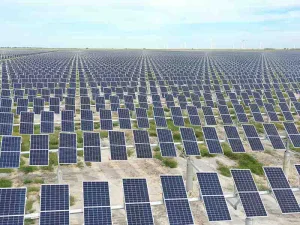
Combines single axis tracking simplicity with inclined solar plane collection physics.
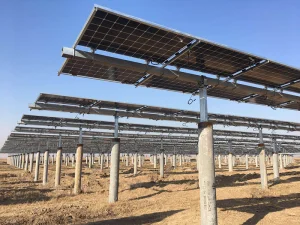
Standard single-axis system featuring heavy wind stowing mechanisms, optimized for fast grid parity.
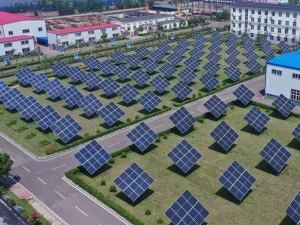
Our flagship heavy-duty dual-axis system. Designed to secure clean energy production in heavy wind and snow loads.
 Zhaori