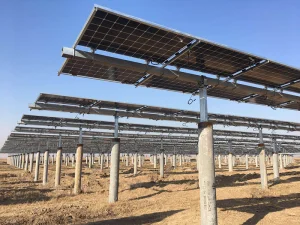
In the evolving landscape of renewable energy, the "Levelized Cost of Electricity" (LCOE) is the primary metric for success. While fixed-tilt systems offer simplicity, they fail to capture up to 40% of available solar radiation. A High-Quality 2 Axis Solar Tracking System addresses this inefficiency by rotating PV modules along two perpendicular axes: the azimuthal axis (east-west) and the elevation axis (vertical angle).
Unlike single-axis systems, dual-axis trackers ensure the incident angle of sunlight remains perpendicular (90°) to the panel surface throughout the day and across all seasons. This results in a 35% to 45% increase in energy production compared to fixed systems.
For regions with high land costs or limited space, dual-axis systems maximize the kilowatt-hour per square meter. This is particularly vital for commercial and industrial (C&I) projects seeking rapid ROI.
Our 2-axis trackers are optimized for bifacial modules, capturing albedo (reflected light) more effectively due to higher mounting heights and reduced shading profiles.
Founded in June 2012, Shandong Zhaori New Energy Tech. Co., Ltd. is a titan in the photovoltaic industry. We operate with 10 specialized departments, including a world-class R&D center and Quality Assurance labs. With over 60 professional technology talents, our focus has remained steadfast: mastering solar tracking technology for over 10 years.
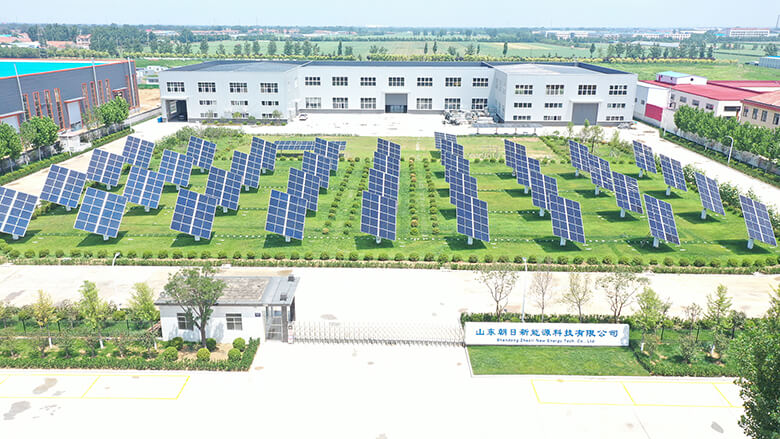
Our factory is equipped with advanced CNC machine tools, laser cutting machines, and automatic welding robots. We control the entire lifecycle from raw material screening to anti-rust treatment (Hot-Dip Galvanization) and final packaging. This vertical integration ensures:
Our CNC and plasma machines ensure tolerances within millimeters, critical for the structural integrity of dual-axis trackers subjected to high wind loads.
By leveraging China's massive industrial supply chain and our own automated lines, we provide premium 2-axis tracking technology at a fraction of the cost of Western competitors.
Every bracket undergoes strict anti-rust treatments, designed to last 25 years in harsh environments like coastal salt spray or high-altitude UV intensity.
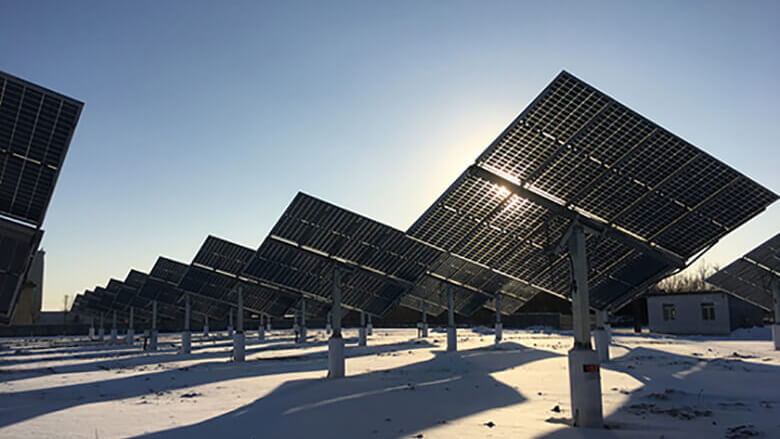
In regions like the Middle East or North Africa, where the Global Horizontal Irradiance (GHI) is peak, dual-axis trackers capture the intense morning and afternoon sun that single-axis trackers miss.
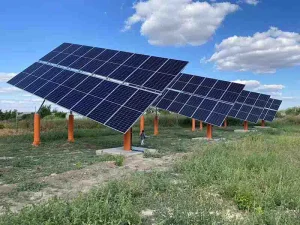
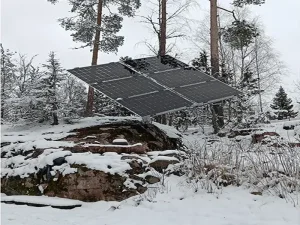
Our ZRD-08 and ZRD-10 systems are designed for high slope tolerance. Their independent foundation design allows for installation on uneven mountain surfaces where long-row single-axis trackers cannot go.
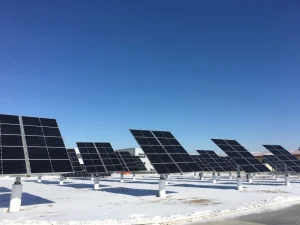
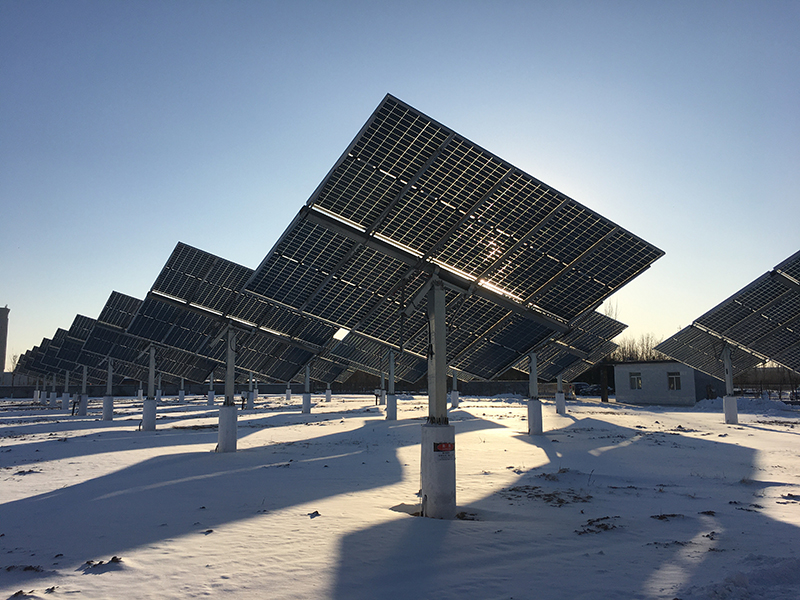
Integrated sensors allow the trackers to enter a "Snow Dumping Mode," tilting panels to 60-75 degrees to prevent accumulation and structural failure.
The future of 2-axis solar tracking lies in "Smart" integration. Shandong Zhaori is currently developing:
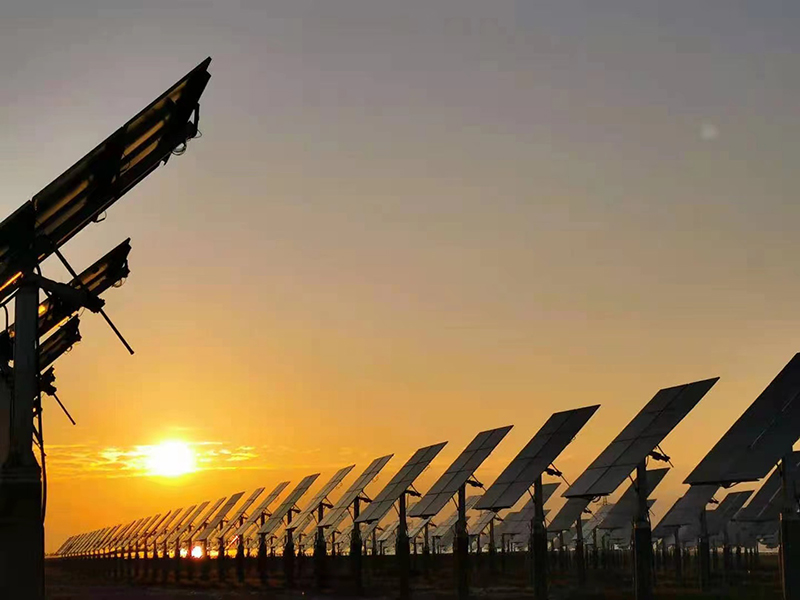
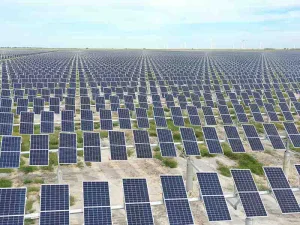
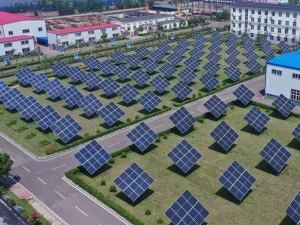
5MW Dual Axis Project - North China
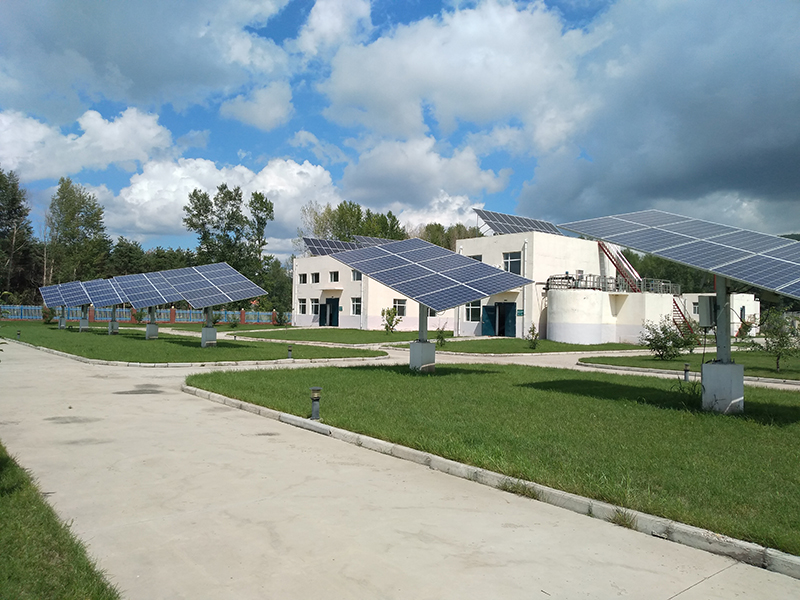
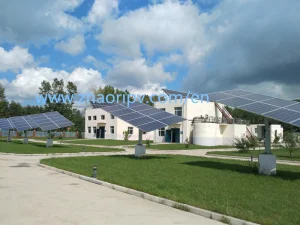
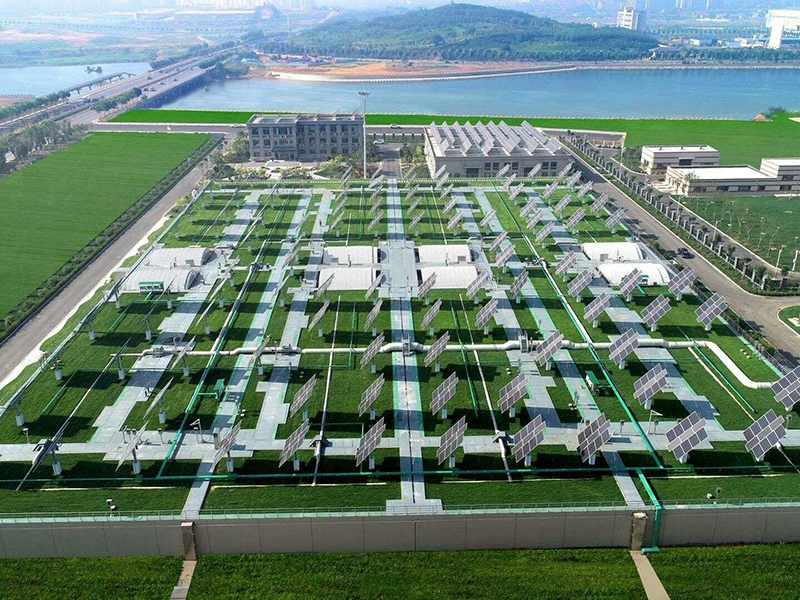
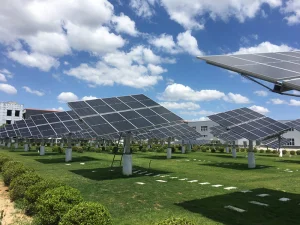
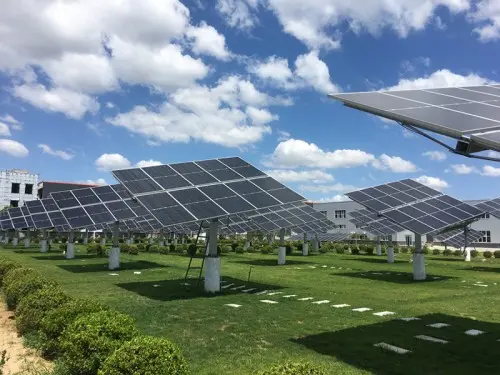
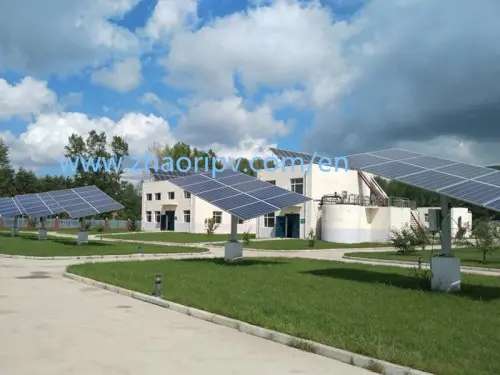
Green Belt Integrated Tracking
Mountain Utility Scale Installation
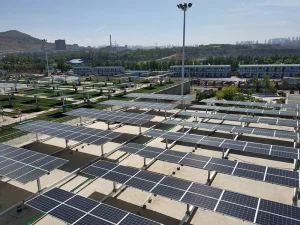
Industrial Factory Rooftop Project
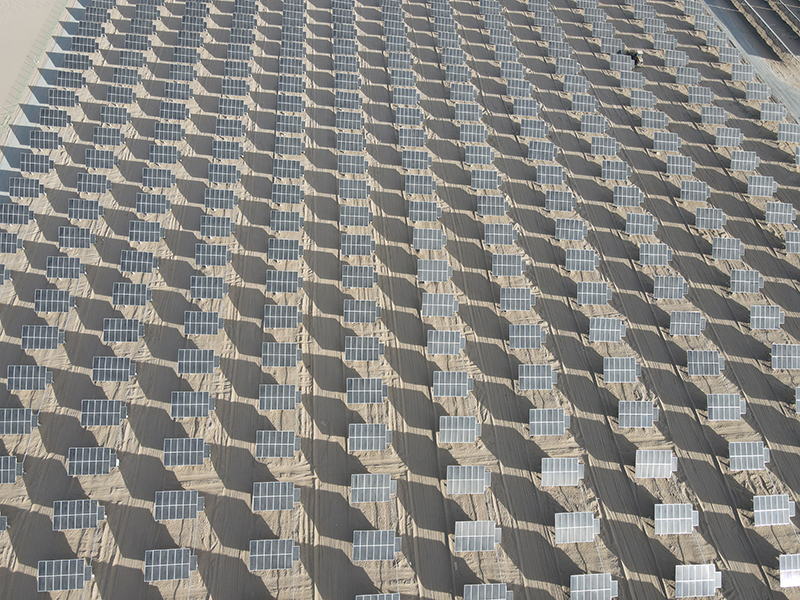
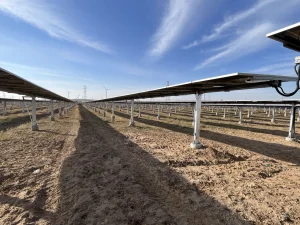
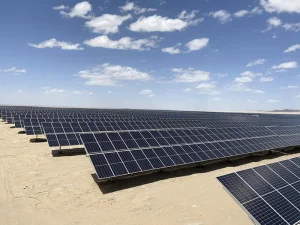
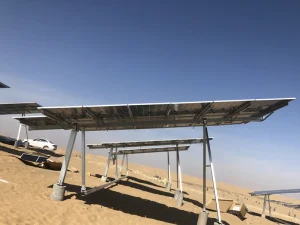
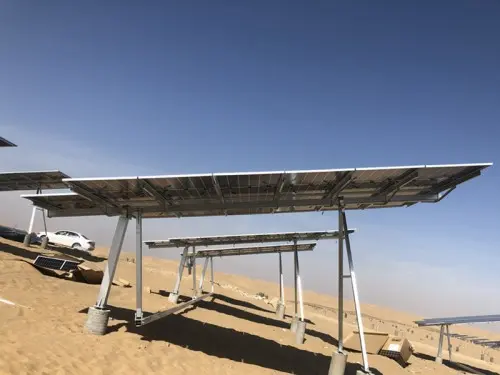
20MW Desert Tilted Tracker
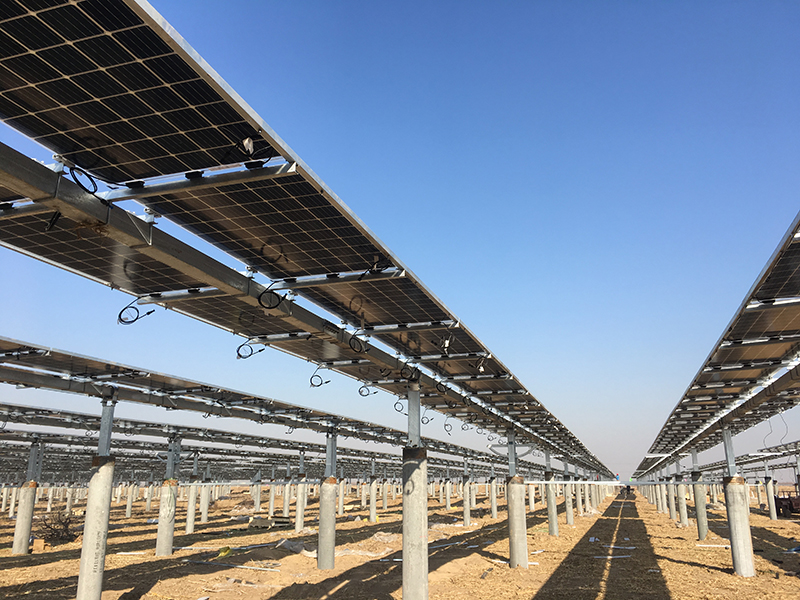
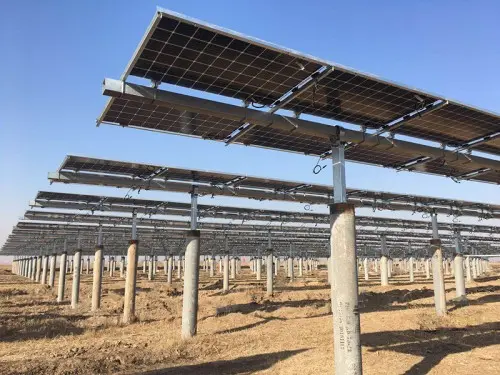
110MW Bifacial Utility Project
A 1-axis tracker follows the sun from East to West. A 2-axis tracker follows both the East-West path and the sun's seasonal elevation (height in the sky). This allows the panels to stay perfectly perpendicular to the sun's rays, boosting yield by up to 40% compared to 20% for single-axis.
Our trackers are equipped with anemometers (wind sensors). When wind speeds exceed safety thresholds (typically 18-22 m/s), the system automatically moves to a horizontal "Stow Mode" to minimize wind resistance and protect the structure.
Thanks to our "More Simple, More Reliable" principle, maintenance is minimal. It typically involves an annual check of the drive motors, lubrication of joints, and inspection of the sensors. Our ZRD series is designed for 25+ years of operational life.
Yes, we offer smaller units like the ZRD-06 which are ideal for high-end residential energy independence, especially when paired with battery storage systems.
 Zhaori