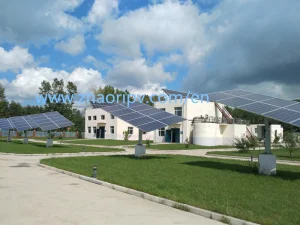
Shandong Zhaori New Energy Tech. Co., Ltd. was founded in June 2012. For over 10 years, our R&D focus has been exclusively on photovoltaic power stations and advanced solar tracking technology.
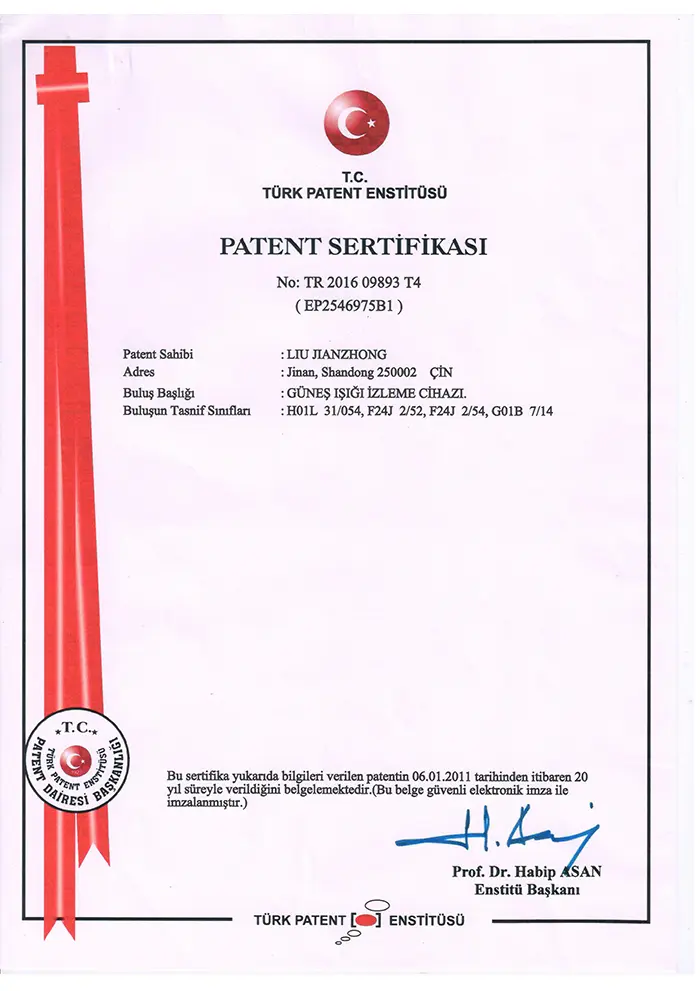
Our solutions hold patents from the Europe Patent Office, USA, Canada, Australia, Japan, South Korea, Thailand, India, and South Africa, alongside 8 Chinese National Invention Patents.
We adhere to strict quality management system certifications including TUV, CE, and ISO, ensuring every component meets international utility-grade standards.
In the evolving landscape of solar utility projects, the choice between 1P (One-in-Portrait) and 2P (Two-in-Portrait) tracker configurations is pivotal. This decision impacts not only the initial Capital Expenditure (CAPEX) but also the long-term Operational Excellence and energy yield.
| Feature | 1P Configuration (Single Row) | 2P Configuration (Double Row) |
|---|---|---|
| Mechanical Stability | Inherently higher torsional stiffness; lower center of gravity. | Requires advanced damping systems to mitigate aeroelastic instability. |
| Bifacial Compatibility | Minimal backside shading from the torque tube. | Optimized for high-power bifacial modules; captures more albedo light. |
| Foundation Density | Requires more piles per MW, increasing foundation costs. | Fewer piles per MW, significantly reducing civil work and steel usage. |
| Terrain Adaptability | Excellent for undulating terrain with independent row control. | Best suited for flat, expansive land with high wind load requirements. |
| Installation Speed | Simpler assembly per unit, but more units to install. | Faster total installation due to fewer structural components per MW. |
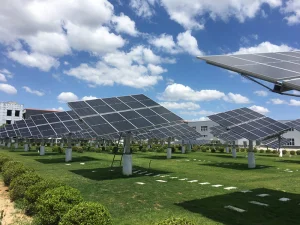
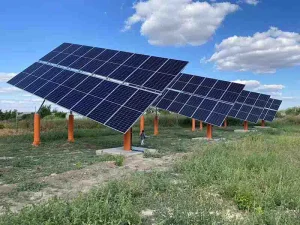
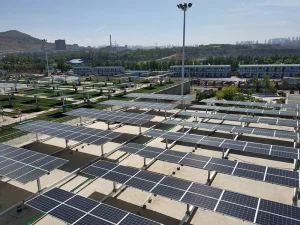
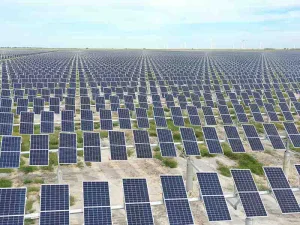
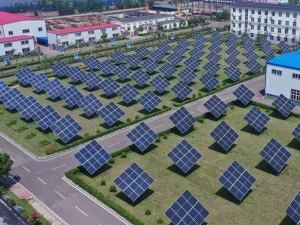
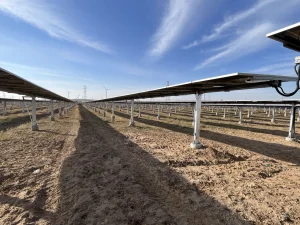
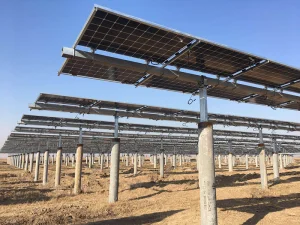
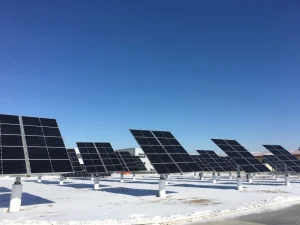
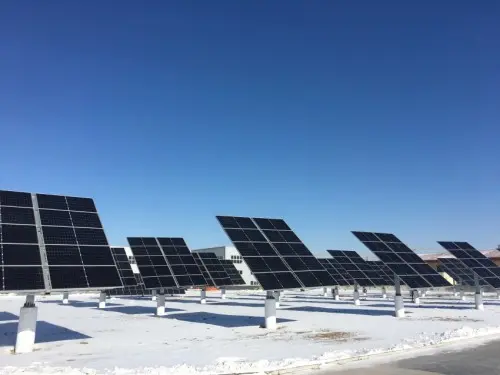
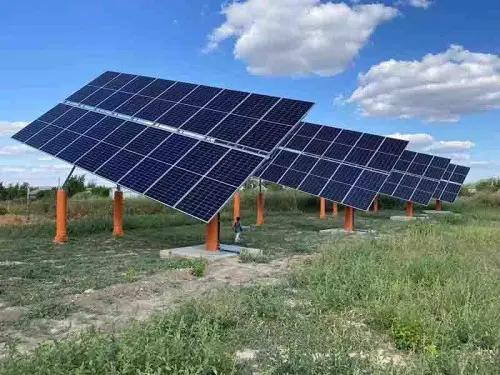
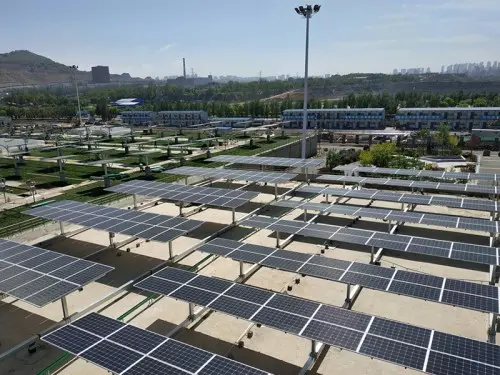
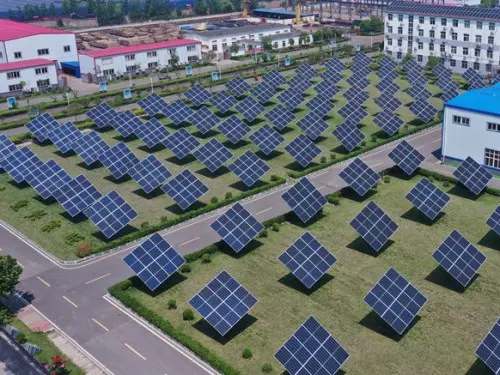
Modern utility-scale projects are shifting toward 2P Flat Single Axis Solar Trackers. Our ZRP series mounting 10–60 pieces of solar panels provides a 15% to 30% production gain over fixed-tilt systems. The 2P configuration is particularly advantageous when paired with bifacial modules, as it reduces structural shadowing on the rear side of the panels, maximizing energy harvest from ground reflection (albedo).
The solar tracking market is no longer just about following the sun; it is about Extreme Weather Resilience and Smart Grid Integration. Global procurement teams from the MENA region, Australia, and North America are prioritizing manufacturers who offer:
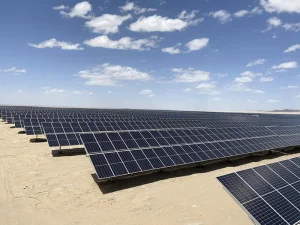
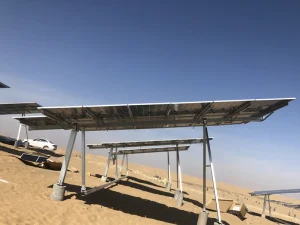
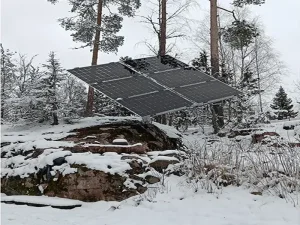
Our trackers are designed for "Mountain Projects" and "Desert Projects," where non-uniform slopes are a challenge. The flexibility of our ZRT and ZRP systems allows for significant grade changes without massive land grading.
Compliance with local structural codes is non-negotiable. Our factory utilizes CNC machine tools and automatic welding robots to ensure every joint meets the rigorous standards of international EPC contractors.
Modern trackers must be intelligent. We integrate AI-driven backtracking algorithms to prevent row-to-row shading during early morning and late afternoon, adding up to 2.5% additional yield.
Focusing on high-tensile steel and wind-tunnel tested profiles for 2P configurations to survive 150mph+ wind gusts.
Implementation of real-time sensor arrays that detect micro-vibrations and adjust tracker angles to prevent "galloping" effects during high winds.
Transitioning to green steel and 100% recyclable components to meet the Zero-Carbon supply chain demands of European partners.
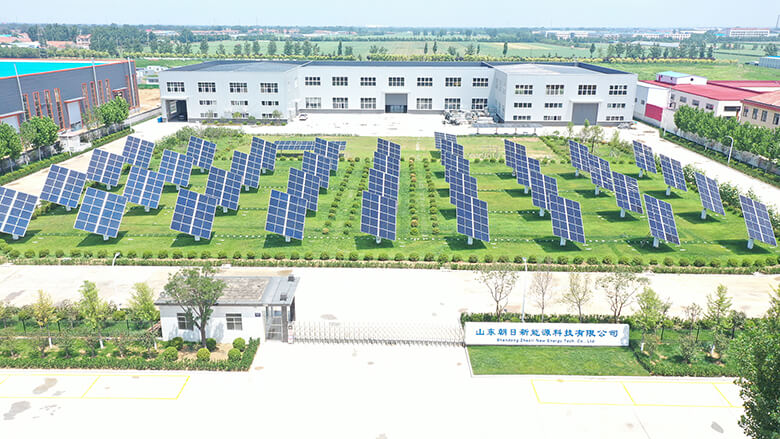
Shandong Zhaori Factory: High-Precision Manufacturing Facility
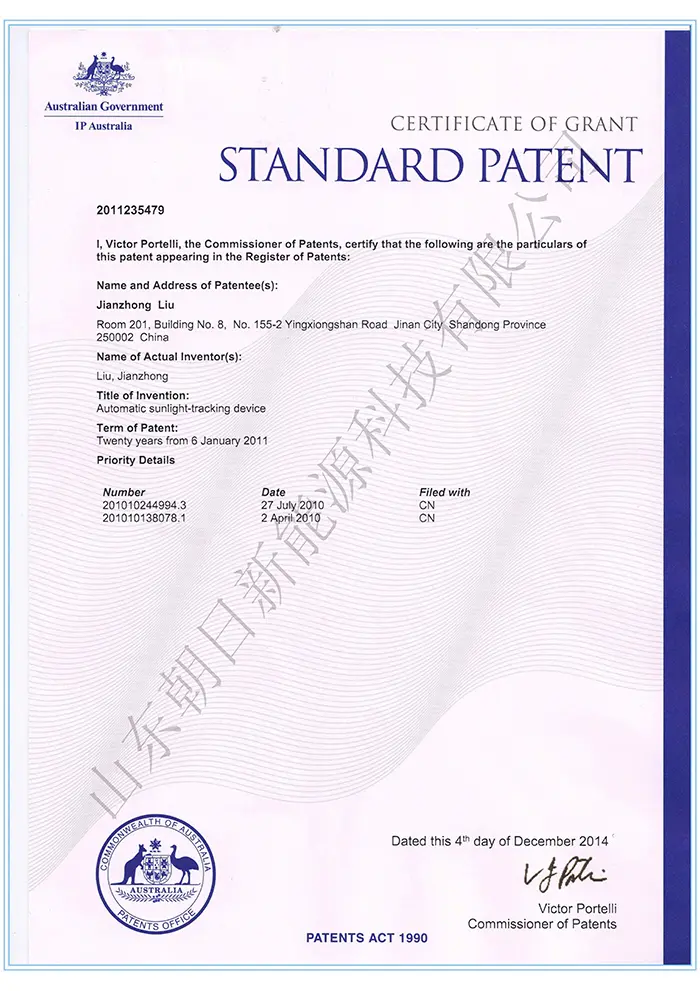
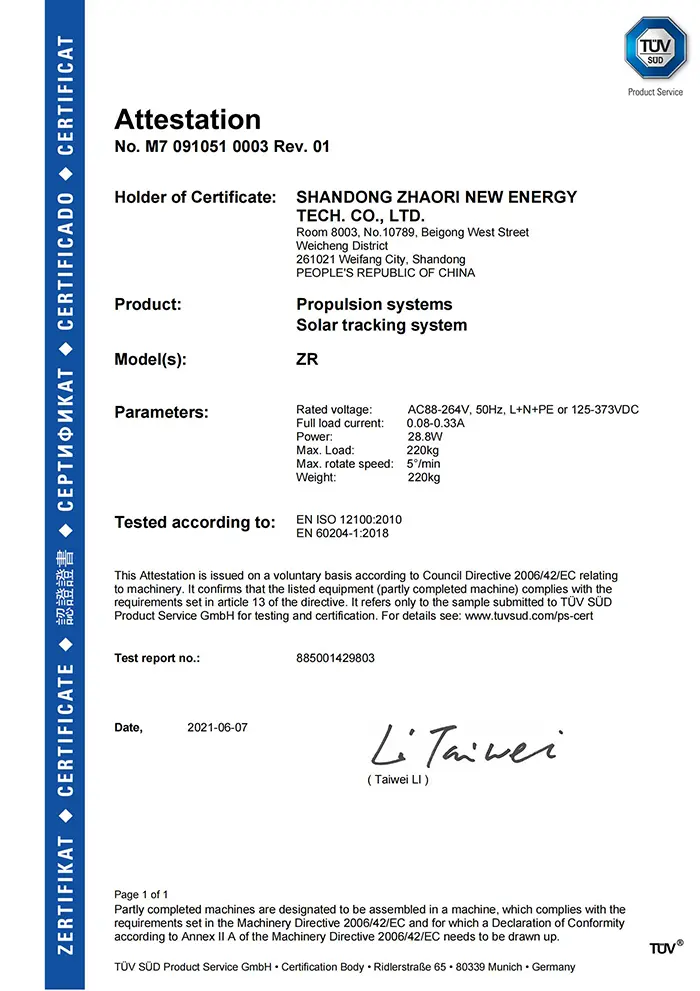
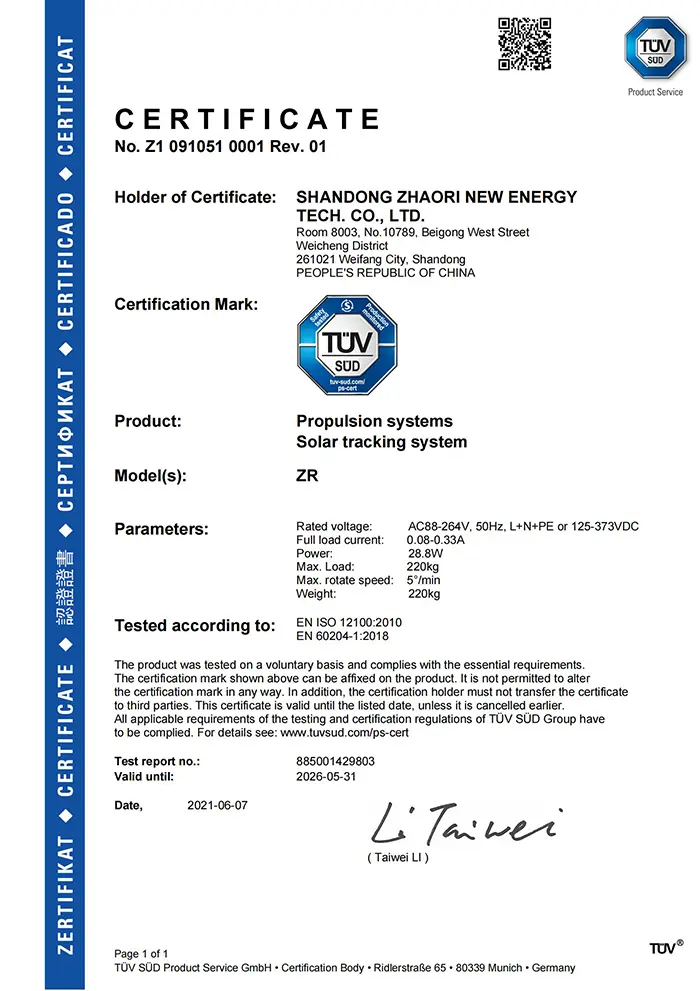
Shandong Zhaori New Energy Tech. Co., Ltd. continues to lead the market with a principle of mutual benefit, a reputation for quality products, and competitive pricing. We welcome domestic and foreign customers to cooperate with us sincerely for a sustainable future.
 Zhaori