 Zhaori
🔍 Deep Dive: The Mechanics of Dual-Axis Supremacy
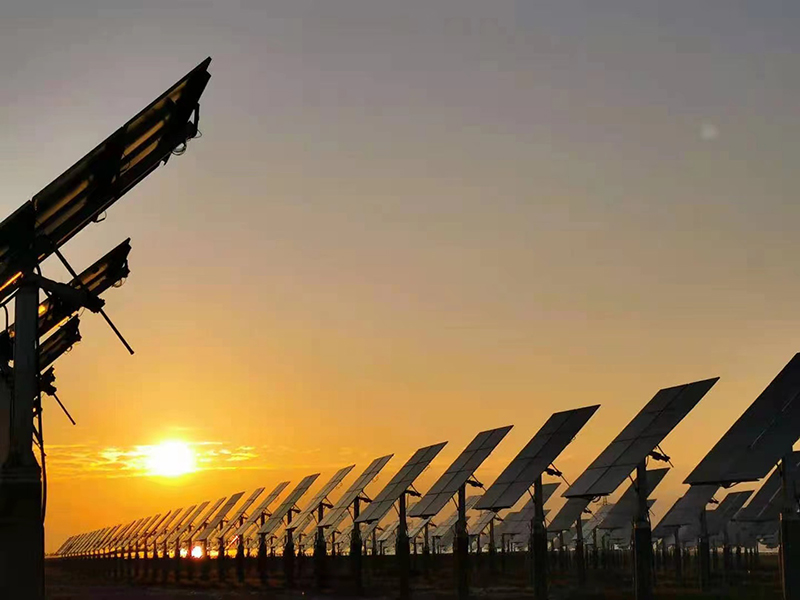
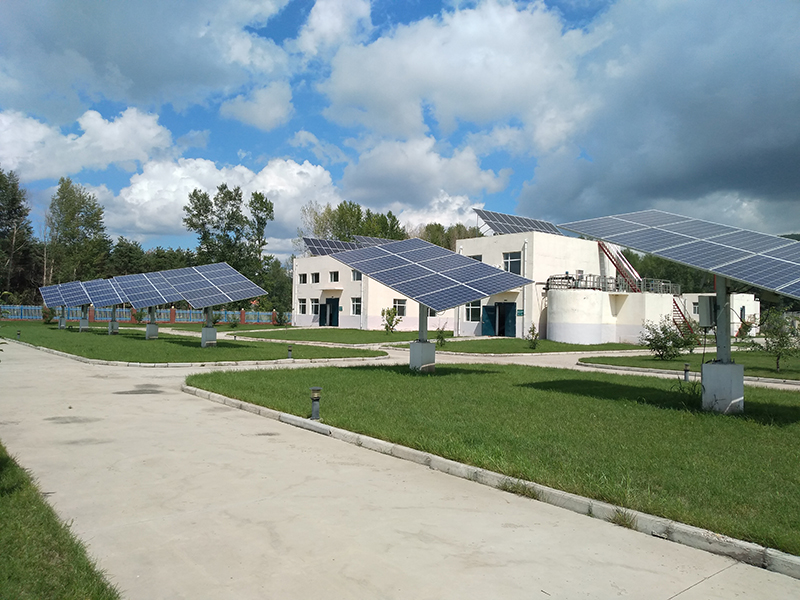
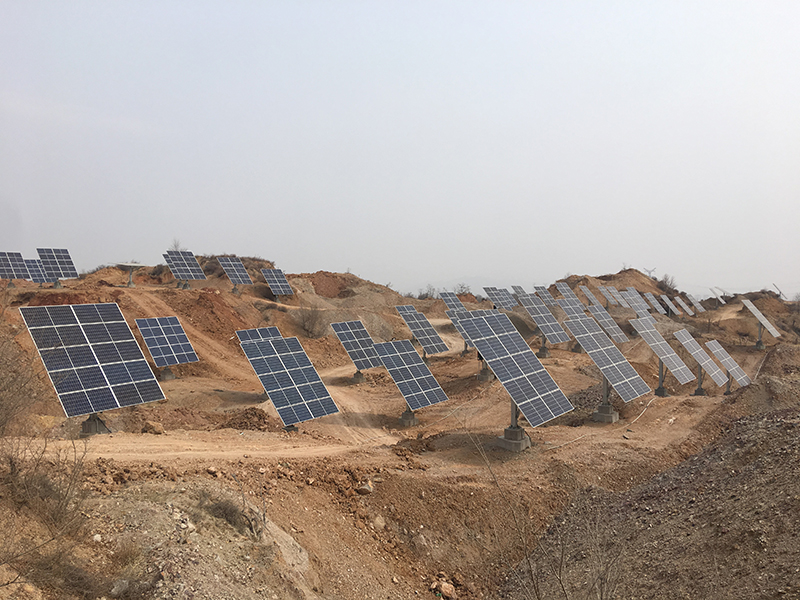
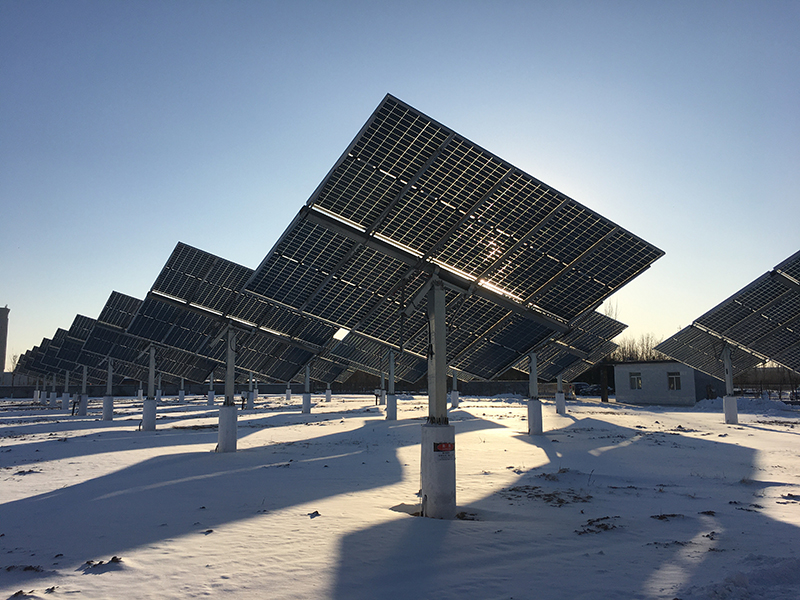
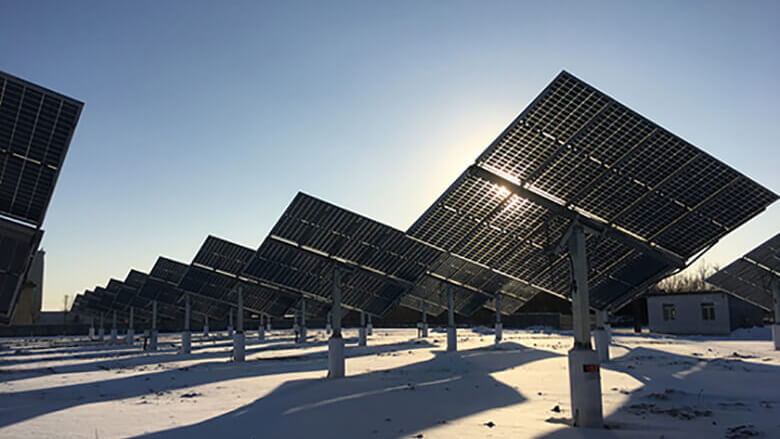
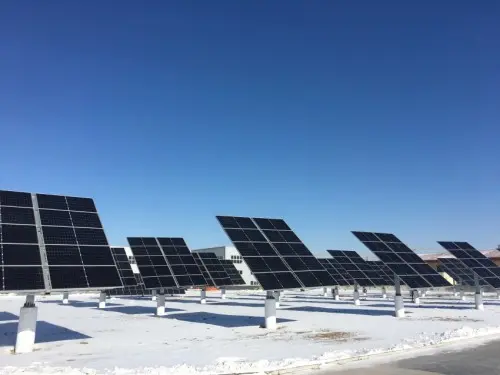
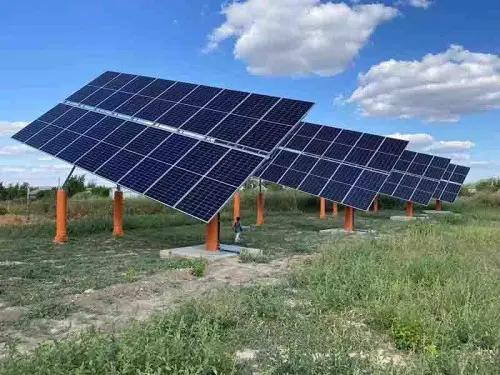
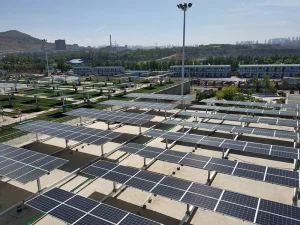
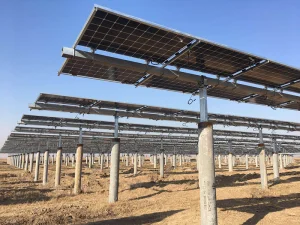
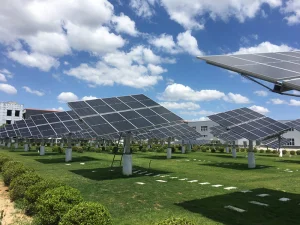
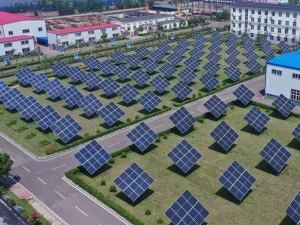
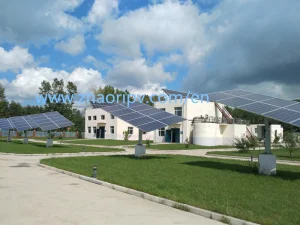
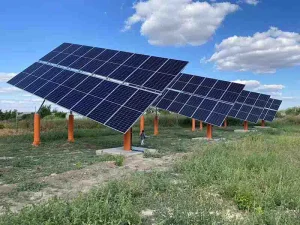
In the evolving landscape of renewable energy, the Dual Axis Solar Tracking System represents the pinnacle of photovoltaic efficiency. Unlike fixed-tilt systems or single-axis trackers, dual-axis technology operates on two degrees of freedom: Azimuth (horizontal) and Altitude (vertical). This allows the PV modules to remain perfectly perpendicular to the sun's rays throughout the day, irrespective of the season.
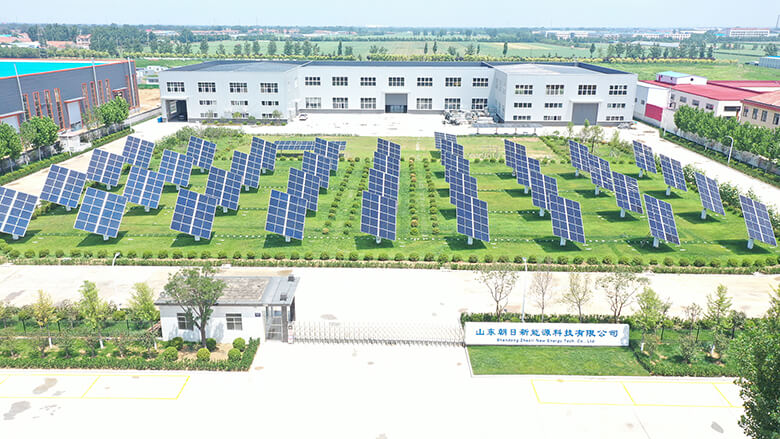
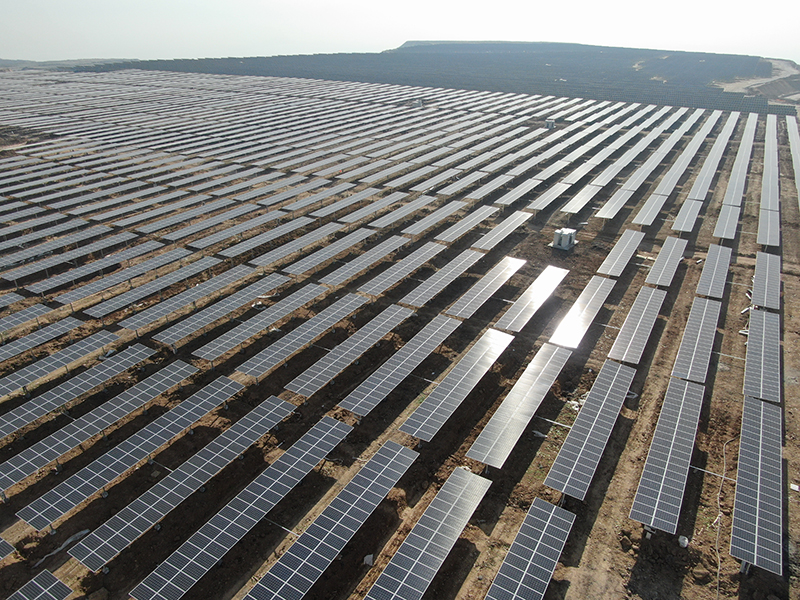
At Shandong Zhaori New Energy Tech. Co., Ltd., our engineering philosophy is built on "Simplicity, Reliability, and Effectiveness." Our ZRD series utilizes sophisticated DNI (Direct Normal Irradiance) sensors combined with astronomical algorithms to ensure that every photon is captured. By mitigating the "cosine loss" inherent in fixed systems, our dual-axis trackers typically provide an energy gain of 30% to 45%, significantly accelerating the Return on Investment (ROI) for utility-scale developers.
Structural Integrity
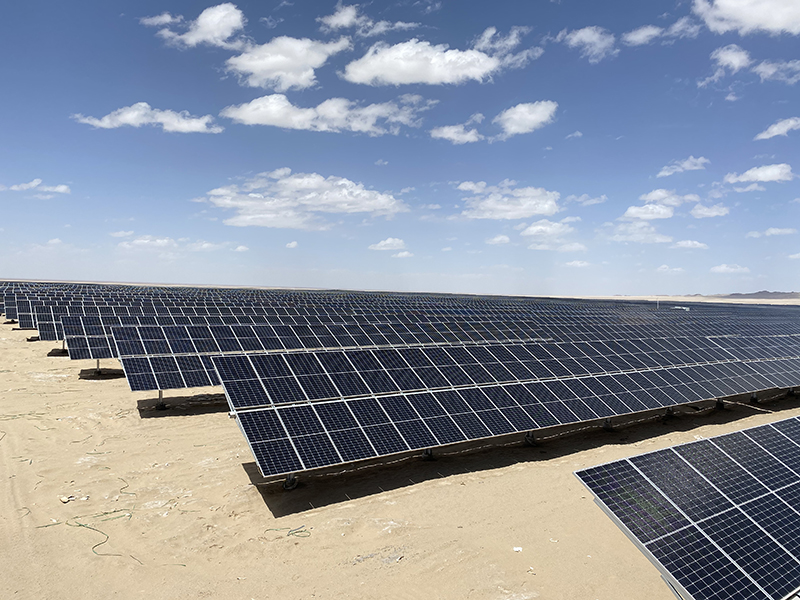
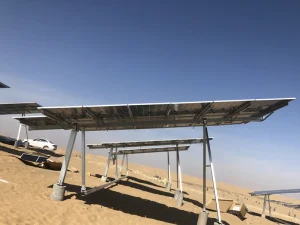
Our trackers are designed to withstand extreme wind loads. Utilizing CNC machined components and automatic welding robots, the frames offer a 25-year design life even in corrosive desert or coastal environments.
AI Control Logic
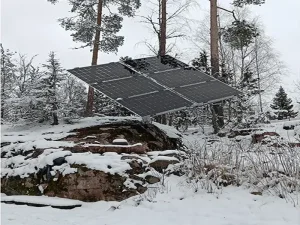
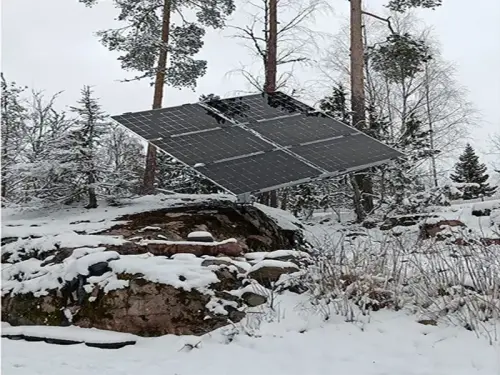
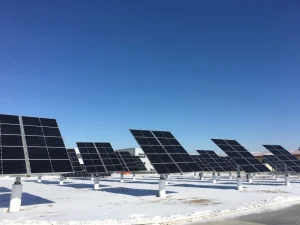
Integrated smart controllers feature "Snow Mode" and "Wind Protection Mode," automatically tilting panels to a safe stow position during inclement weather to prevent structural damage.
LCOE Optimization
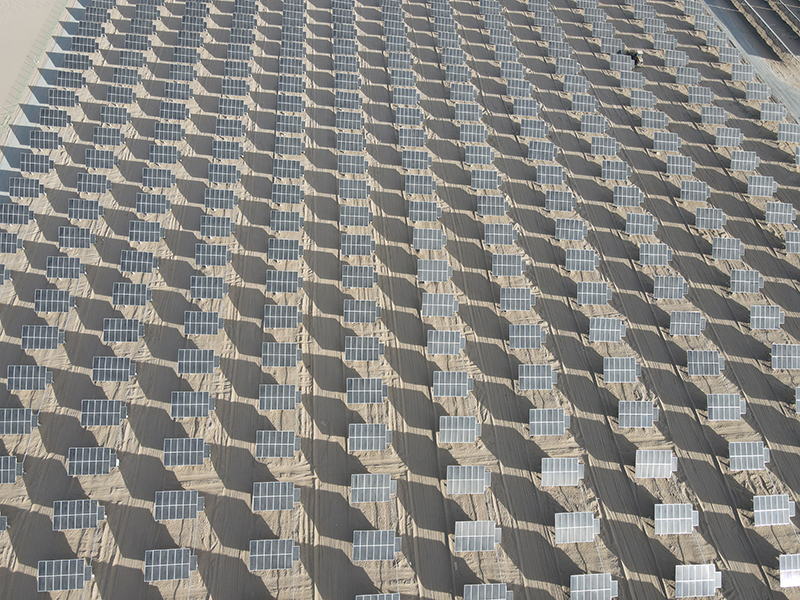
By increasing the yield per square meter, our dual-axis systems reduce the total number of modules required for a target output, lowering the Levelized Cost of Energy (LCOE).