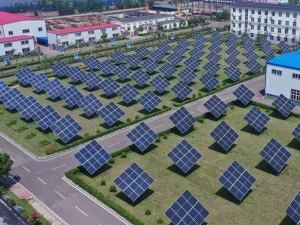
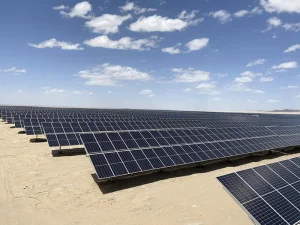
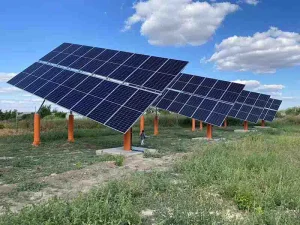
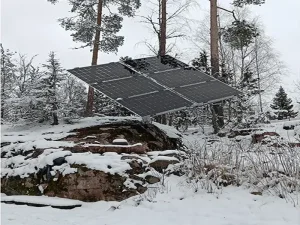
As the global energy transition accelerates, the demand for high-efficiency solar infrastructure has evolved from simple static mounting to intelligent System Solar Track solutions. In today's market, "famous solar track factories" are no longer just hardware suppliers; they are integrated solution providers that bridge the gap between astronomical precision and mechanical durability. This white paper explores the critical intersection of Levelized Cost of Energy (LCOE) reduction, structural engineering, and AI-driven tracking algorithms.
Next-gen trackers utilize terrain-adaptive backtracking to prevent row-to-row shading, especially in hilly environments, maximizing morning and evening gains.
The rise of bifacial modules requires trackers to have optimized tube shapes and minimal backside shading to capture reflected albedo light effectively.
Advanced factories now integrate real-time wind sensors and "Stow Mode" protocols to protect structures from aeroelastic instability and galloping.
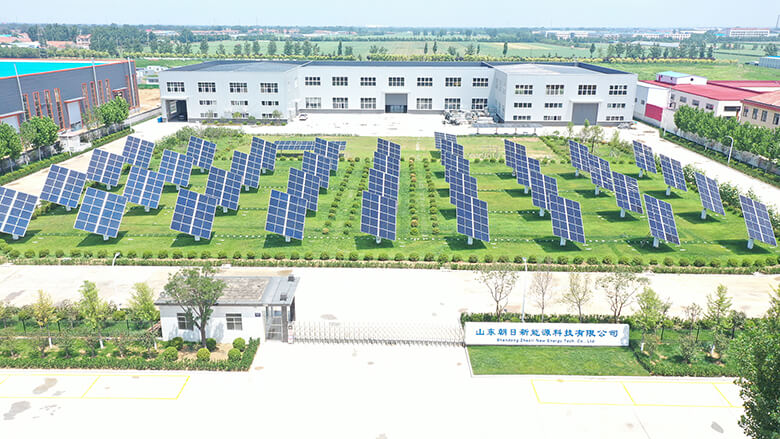
Shandong Zhaori New Energy Tech. Co., Ltd. is a high-tech pioneer established in June 2012. With 10 specialized departments including R&D, Technical, and Quality Assurance, we house over 60 professional technology talents dedicated to photovoltaic power station optimization. Our expertise spans over a decade, focusing on dual-axis and single-axis tracking technologies that have redefined efficiency in the industry.
Our 50,000 square meter factory is equipped with CNC machine tools, laser cutting machines, and automatic welding robots, ensuring a monthly production capacity of 500MW. Every product undergoes strict quality control—from raw material screening to post-processing—adhering to international quality management systems.
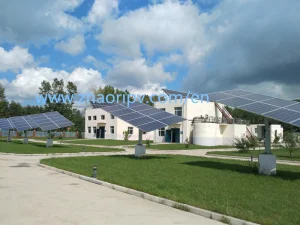
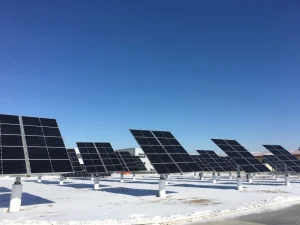
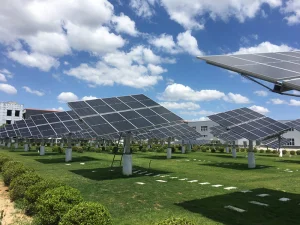
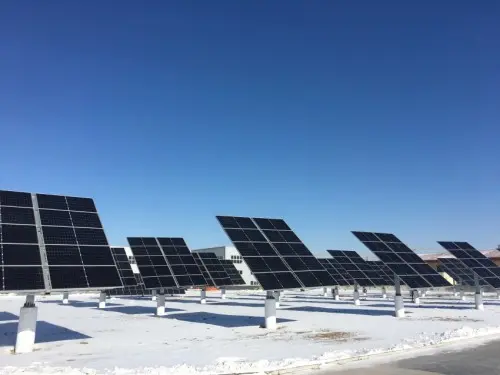
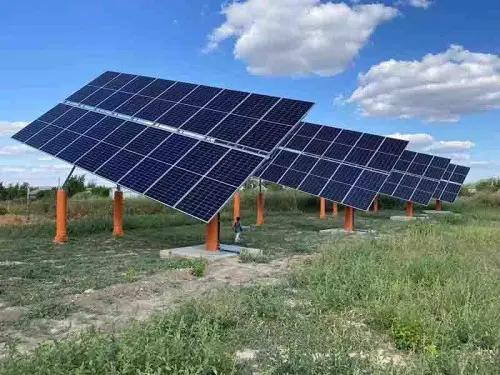
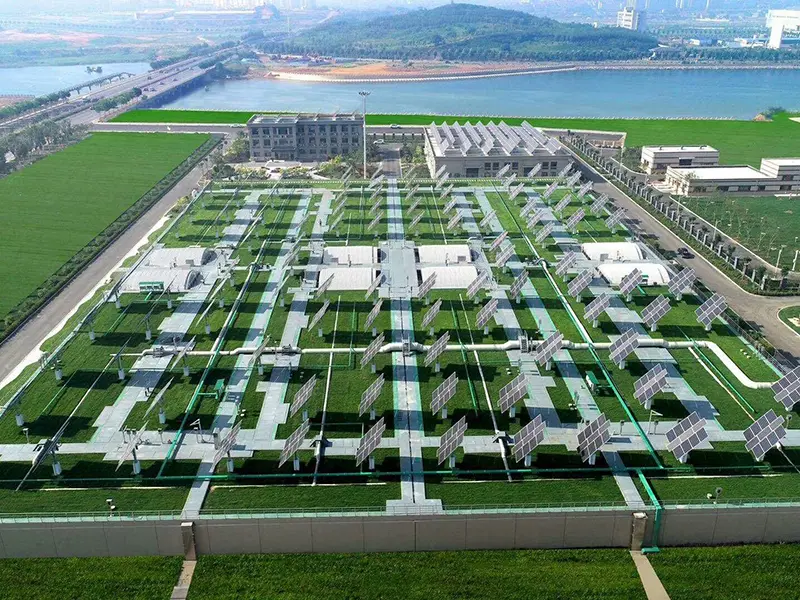
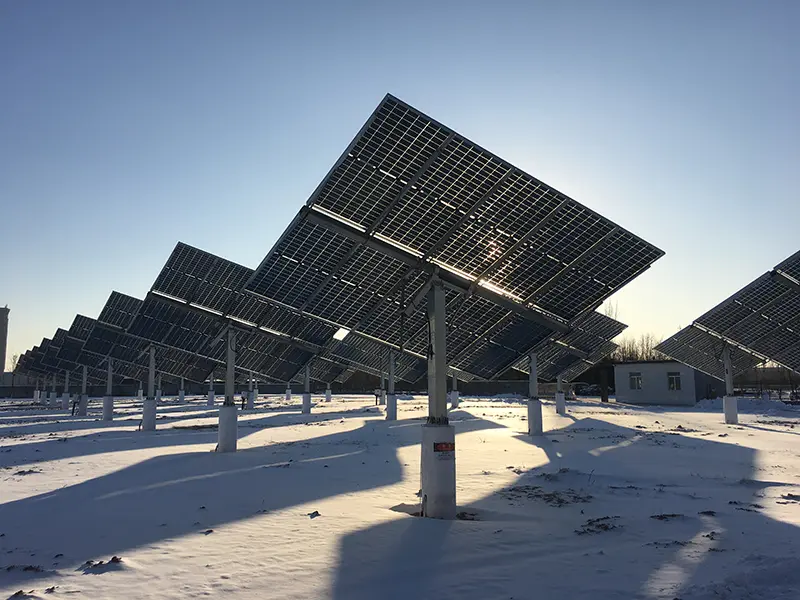
The ZRD series represents the pinnacle of solar tracking. By tracking both azimuth and altitude angles, it ensures the sun's rays are always perpendicular to the module surface.
Key Feature: Increases power generation by 30% - 40% compared to fixed systems. Ideal for regions with high DNI (Direct Normal Irradiance).
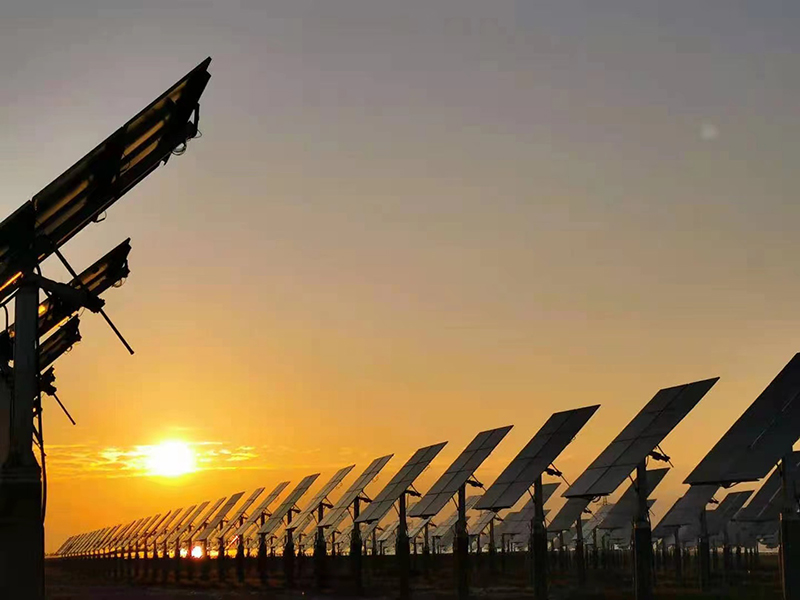
A hybrid solution that offers a balance between cost and performance. With a tilted axis (10°–30°), the ZRT-16 captures significantly more energy than flat trackers in higher latitude regions.
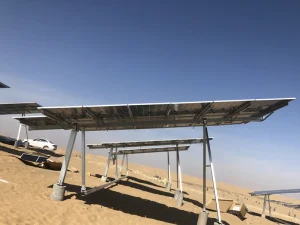
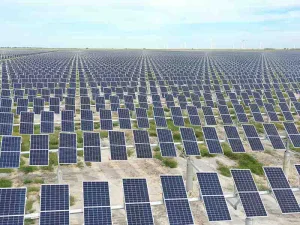
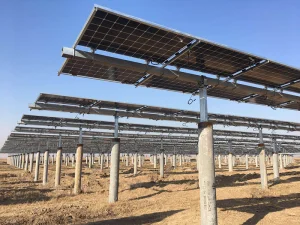
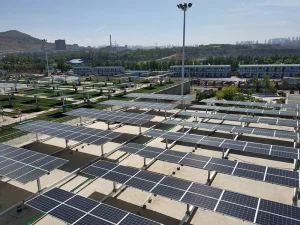
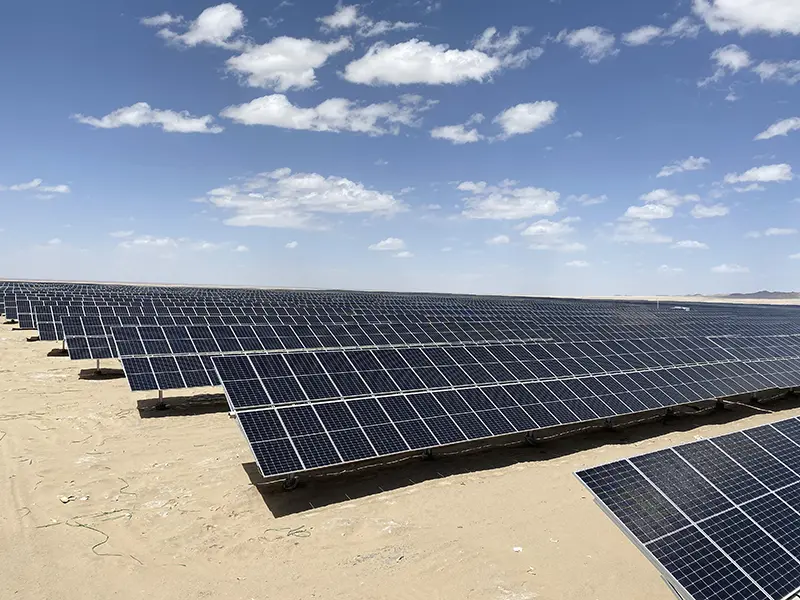
The workhorse of utility-scale solar. Our ZRP 1P and 2P configurations are engineered for stability. The 2-rows linked type provides a massive 15% to 30% gain with simplified maintenance protocols.
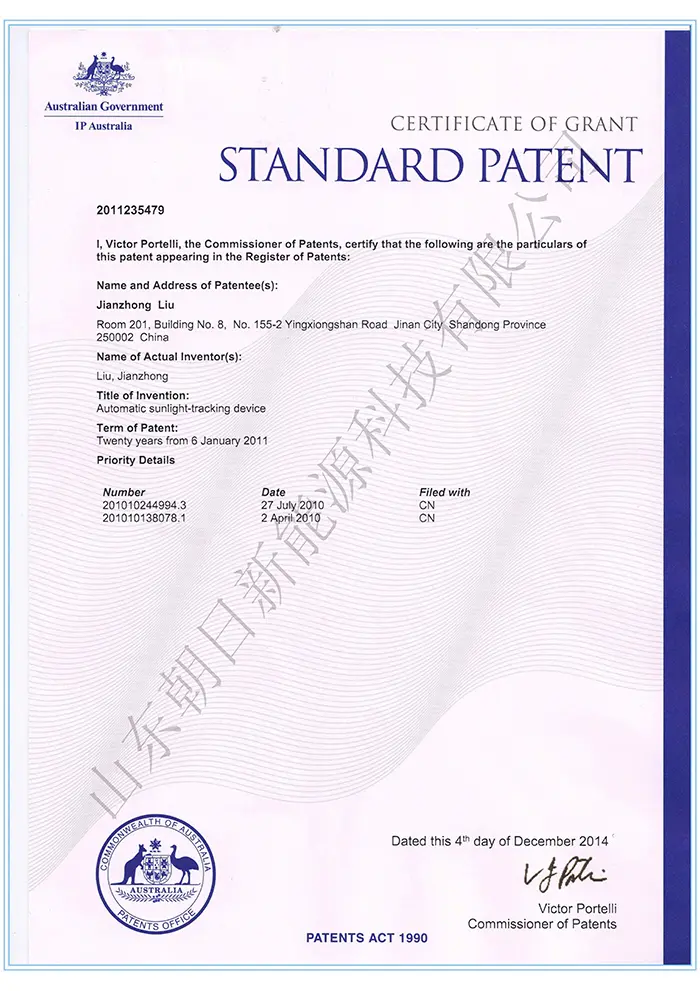
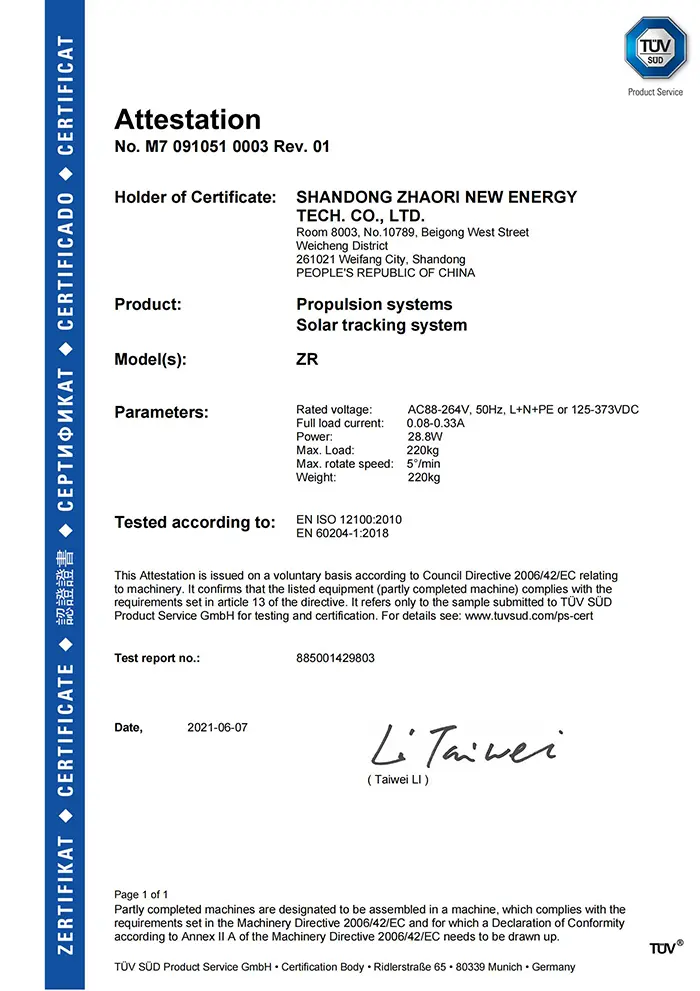
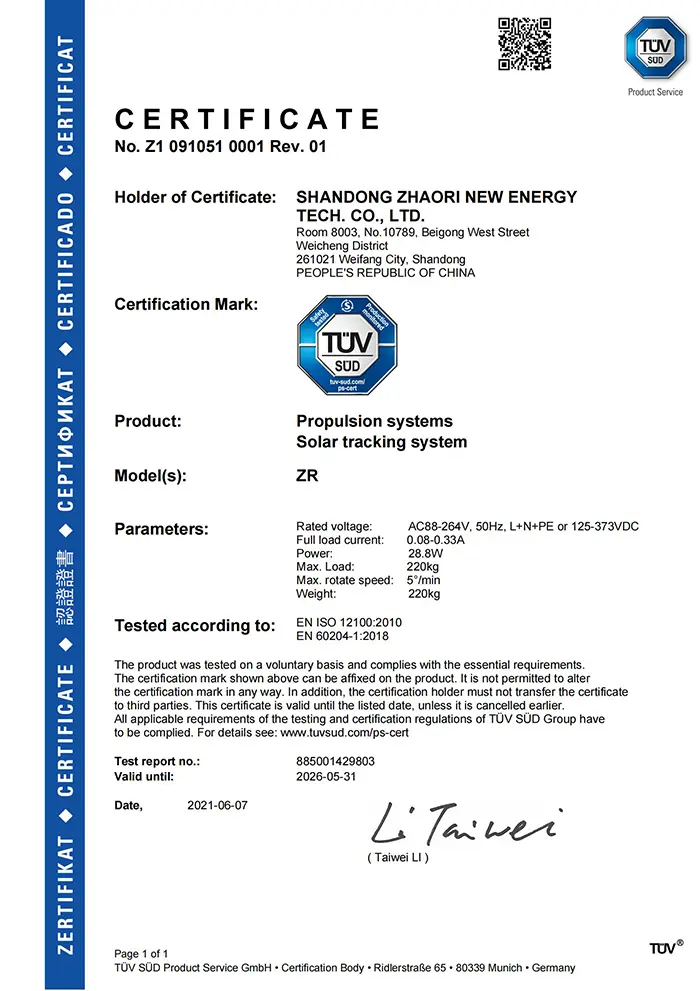
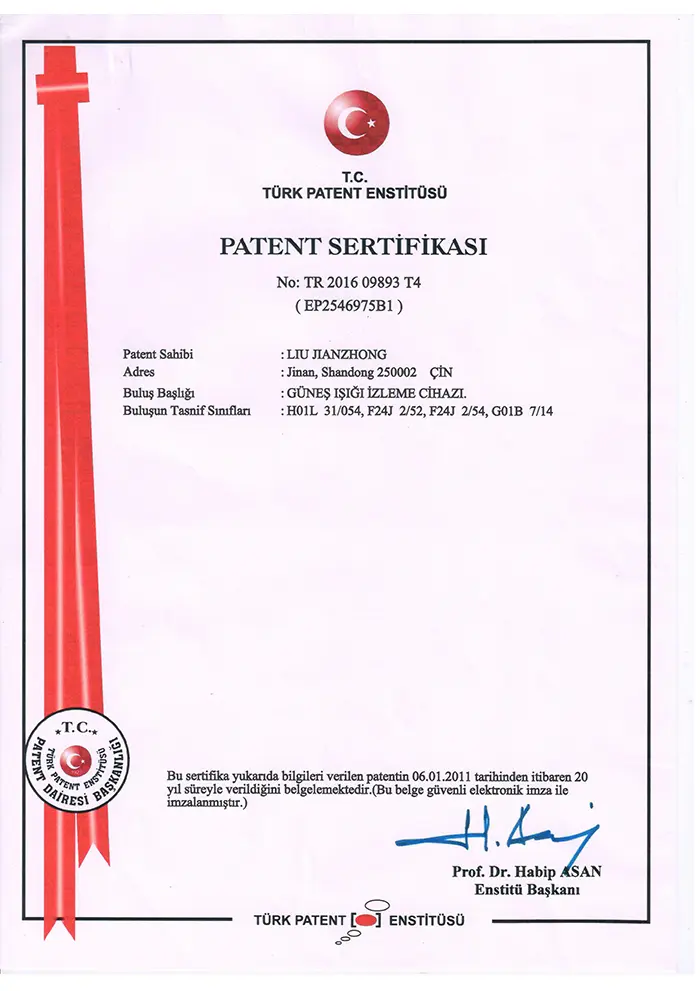
For global EPCs and investors, "Bankability" is paramount. Our systems are certified by TUV, CE, and ISO, ensuring they meet the stringent requirements of international financial institutions. We provide localization support including:
While more complex than fixed structures, our ZRD series uses self-lubricating bearings and heavy-duty actuators. Routine maintenance typically involves semi-annual structural inspections and firmware updates, representing less than 1% of annual OPEX.
Yes. Our trackers are engineered with a "Safe Position" or "Stow Mode." When wind speeds exceed 18-22 m/s, the system automatically flattens to minimize wind resistance, protecting the modules and the structure.
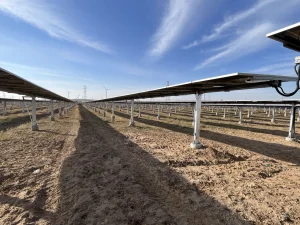
Our flat single-axis trackers (ZRP series) offer high terrain adaptability. With independent row controls and adjustable pile heights, we can accommodate North-South slopes of up to 15% without significant grading.
The primary difference lies in the payload capacity and module configuration. The ZRD-10 is designed for larger format modules and higher power density, supporting the latest 600W+ ultra-high power modules.
 Zhaori