Premium tracking arrays designed to optimize incident light angles, generating up to 15% - 30% higher power yields compared to traditional fixed-tilt systems.
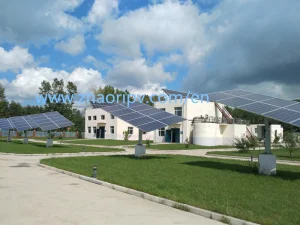
Cost-efficient dual-axis positioning integrating robust manual-assisted alignment sensors, providing maximum yields with simplified controller electronics.
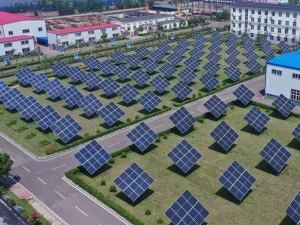
Equipped with a smart astronomical algorithm tracking module to control real-time yaw and elevation angles under high-stress wind zones.
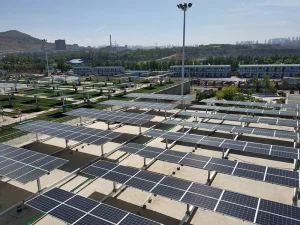
Designed for 2-in-portrait module layouts. Accommodates 10 to 60 solar panels, reducing overall mechanical drive requirements per megawatt.
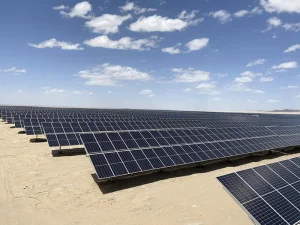
Engineered for manual seasonal tilt adaptation, offering a high-strength design that bridges the gap between fixed brackets and automatic trackers.
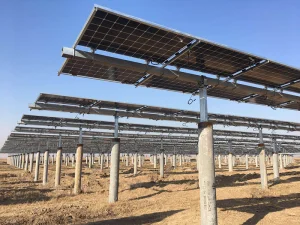
Optimal single-row design maximizing land use efficiency. Includes automated cleaning mode integration and structural dynamic wind testing compliance.
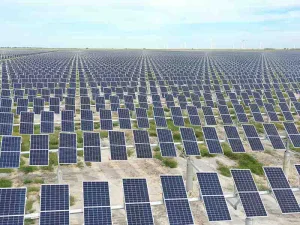
Combines horizontal axis rotation with inclined mounting orientations, offering a premium solution for high latitude installations.
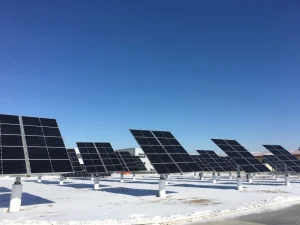
Flagship dual-axis design that actively tracks the sun's trajectory daily. Ensures up to 35% performance enhancement on clean sky days.
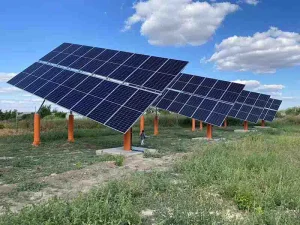
Designed with a 10°– 30° tilted tracking plane to track the sun's azimuth angle. Boosts generation capacity by 15% - 25% across mid-latitudes.
In the global transition toward decarbonization, utility-scale photovoltaic (PV) generation demands optimized power density and lower Levelized Cost of Energy (LCOE). Sun tracking solar arrays have shifted from a premium technology to standard infrastructure for areas with high Direct Normal Irradiance (DNI). Unlike fixed PV mount structures, tracking arrays rotate dynamically to follow the solar path, keeping the incidence angle perpendicular to the solar panels. This significantly reduces cosine losses and maximizes cumulative daily irradiance.
According to international industry assessments, single-axis tracker systems increase solar output by 15% to 25%, while dual-axis tracking arrays yields can exceed 30% to 40% under clean atmospheric conditions. These gains directly reduce financial payback periods for EPC contractors and project developers, making them a preferred choice for large-scale utility plants, mountain installations, and specialized desert arrays.
A resilient tracking system relies on three pillars: structural integrity, reliable actuation, and intelligent controls. Solar trackers must withstand high wind loads, snow aggregation, and ground movement. By utilizing structural designs built from hot-dip galvanized steel (exceeding 85μm coating thickness), tracking structures maintain structural integrity in highly corrosive C4/C5 environments for over 25 years.
From an operational perspective, the tracking algorithm defines how accurately the system calculates the sun's position. Advanced tracking systems combine astronomical algorithms with real-time sensor feedback. During cloudy conditions, trackers can shift to a flat mode to capture diffuse horizontal irradiance. During late afternoons, backtracking algorithms prevent row-to-row shading, maintaining peak array production.
Founded in June 2012, Shandong Zhaori New Energy Tech. Co., Ltd. is a high-tech new energy enterprise dedicated to developing independent intellectual property rights for solar tracking systems. With over a decade of deep involvement in solar tracking technology, our team of more than 60 professional engineers and technical experts focuses on maximizing solar system efficiency.
We maintain a comprehensive internal organizational structure consisting of 10 dedicated business departments: R&D, Technical, Engineering, Production, Quality Assurance, Global Market Development, Domestic Trade, Foreign Trade, and I.M.D. (Integrated Management Department). This structure ensures that every tracker we manufacture—from raw material screening to final logistics—adheres to strict ISO standards and quality control protocols.
Our foundational design principles are "More Simple, More Reliable, More Effective". By streamlining mechanical layouts and optimizing tracking algorithms, we provide operators with reliable systems that require minimal maintenance.
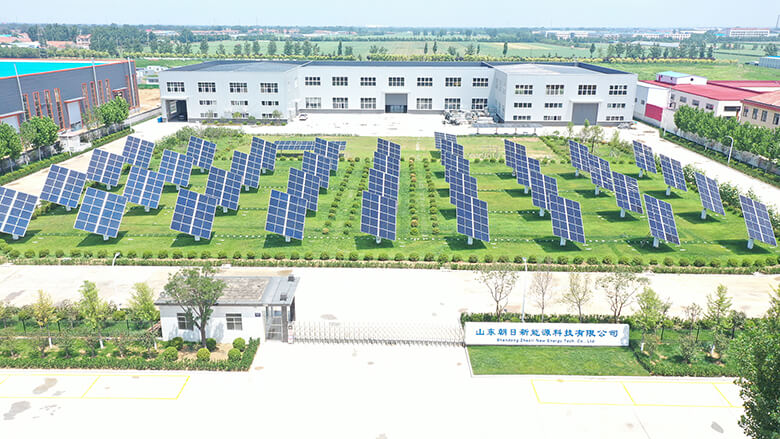
Combining automated manufacturing lines with strict quality controls to deliver high-performance racking components globally.
Our production facility in Shandong, China spans over 50,000 square meters and features advanced steel fabrication machinery. We utilize high-precision CNC machine tools, automated laser cutters, plasma cutting machines, and robotic welding stations to ensure consistent tolerances across all manufactured components.
Key highlights of our manufacturing capabilities include:
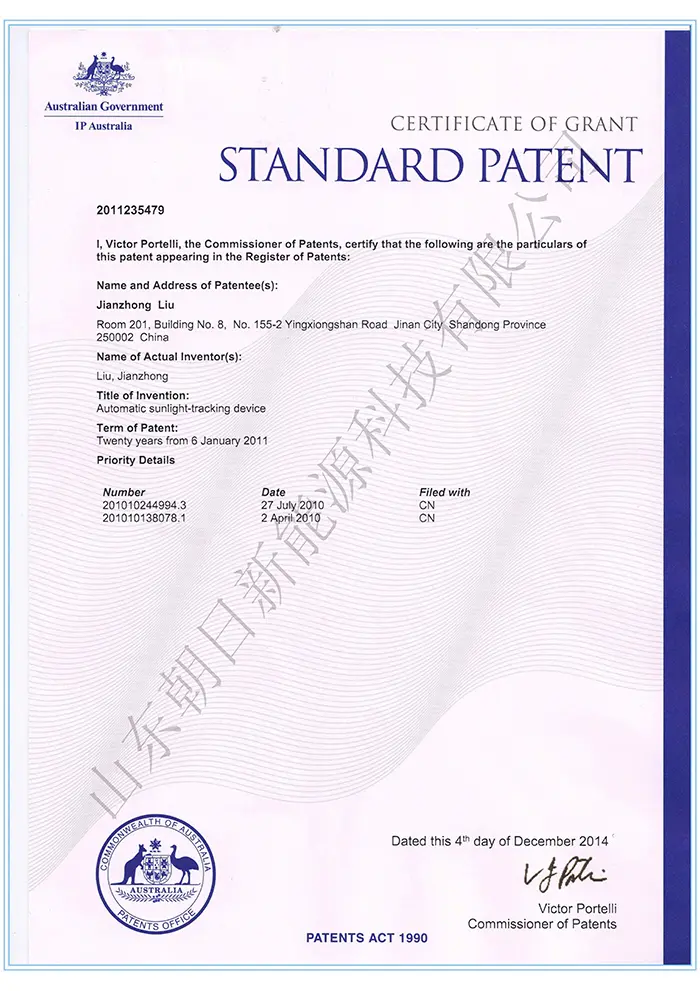
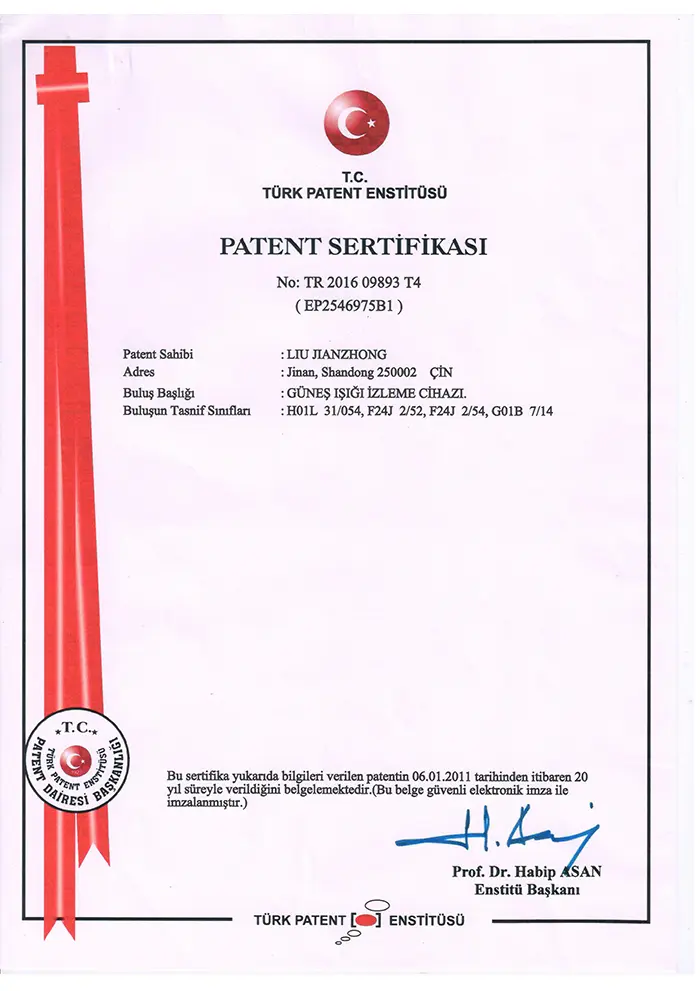
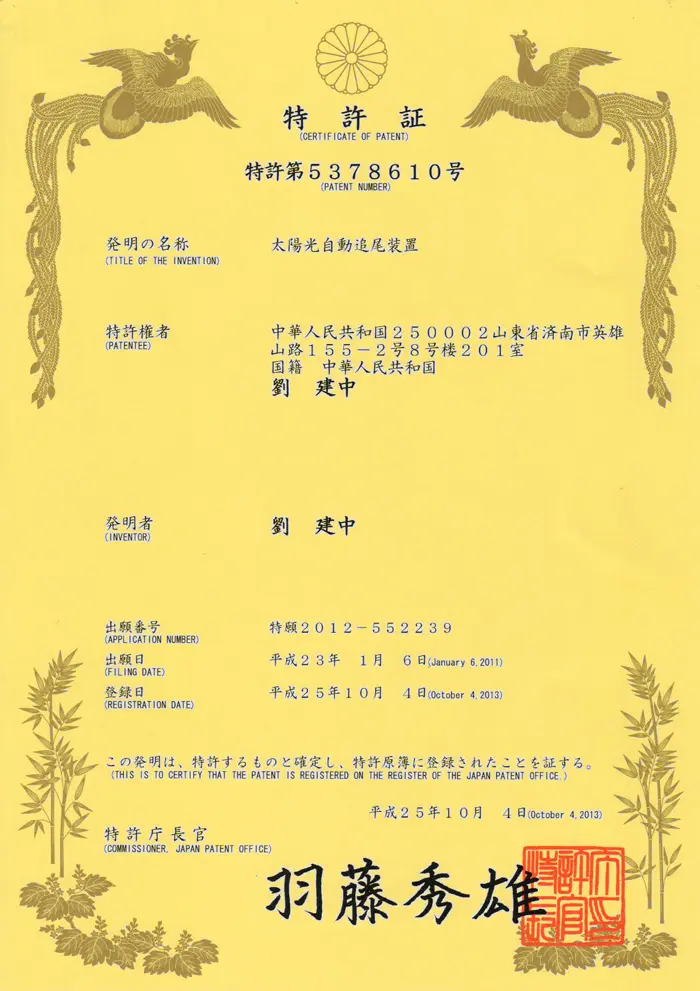
Our trackers are backed by invention patents from the US, EU, Canada, Australia, Japan, Korea, Brazil, and South Africa, alongside 30+ domestic utility patents.
Engineered to withstand high wind loads and heavy snow accumulation. Smart tracking controls adapt positions to reduce mechanical stress in extreme weather.
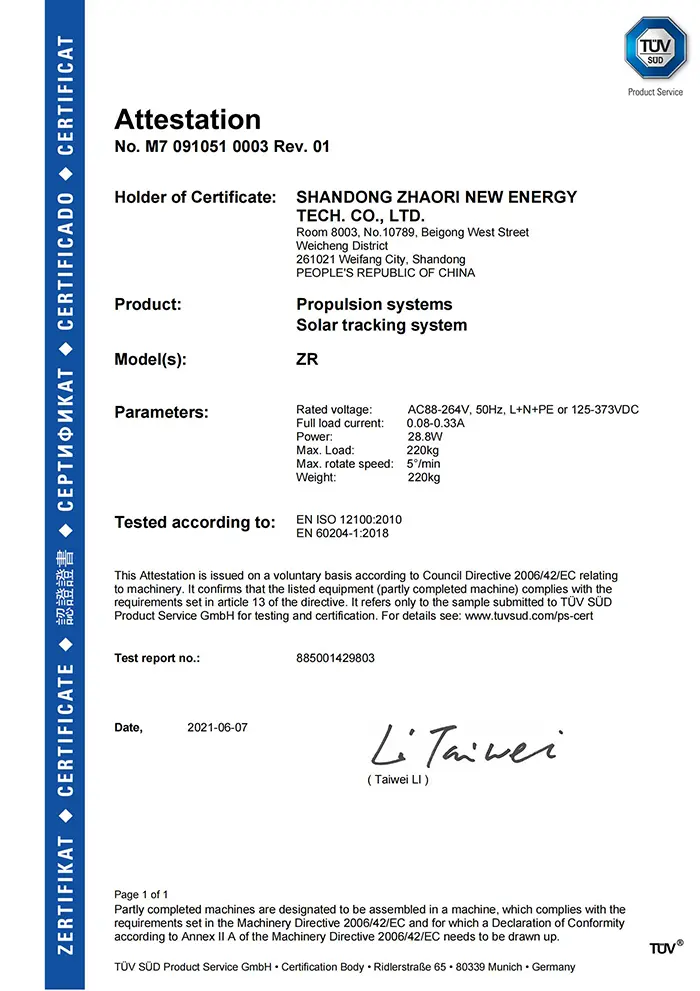
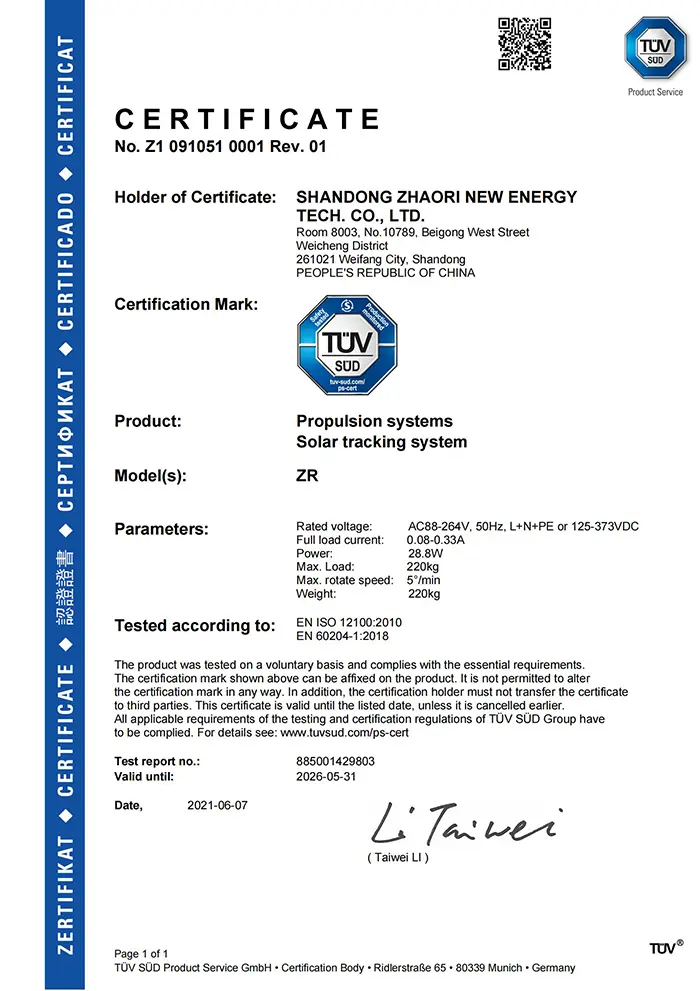
CE, TUV, and ISO9001 certified. Our tracking systems deliver documented energy gains of 15% to 35% over fixed racking setups.
A detailed comparison of single-axis, tilted single-axis, and dual-axis racking systems to guide procurement selection.
| Tracking Technology | Degrees of Freedom | Energy Yield Gain | Terrain Adaptability | Best Application Scenario |
|---|---|---|---|---|
| Fixed Tilt Bracket | 0 (Manual adjustment optional) | 0% (Baseline reference) | Excellent (All terrains) | High wind areas, small residential roofs, budget projects |
| Flat Single Axis Tracker (1P/2P) | 1 (East-West tracking) | 15% – 30% | Good (Requires flat or graded ground) | Large-scale flat utility, low latitude regions, bifacial solar plants |
| Tilted Single Axis Tracker (ZRT Series) | 1 (Tilted rotation axis) | 15% – 25% | Moderate (Mid-latitude areas) | Mid-to-high latitude drylands, sandy regions with high solar radiation |
| Dual Axis Tracker (ZRD Series) | 2 (Azimuth & Elevation tracking) | 30% – 40% | Excellent (Adapts to slopes and hills) | High DNI utility projects, mountainous terrains, high-yield commercial sites |
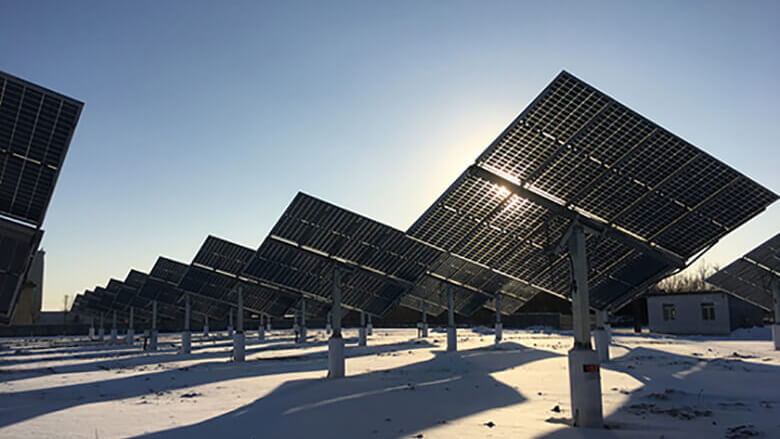
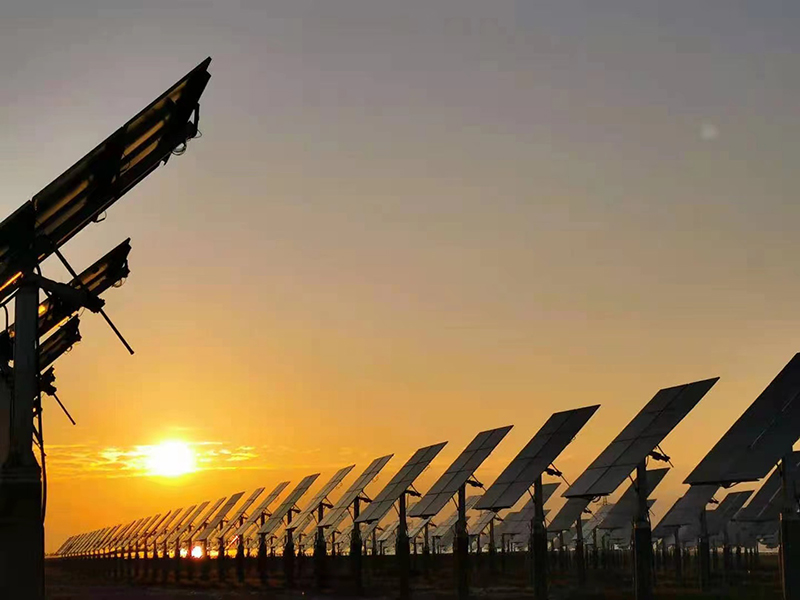
Our tracking arrays have been deployed across diverse geographic locations, including high-latitude snow zones, mountainous terrain, and desert areas.
North China - Peak performance under low winter sun angles.
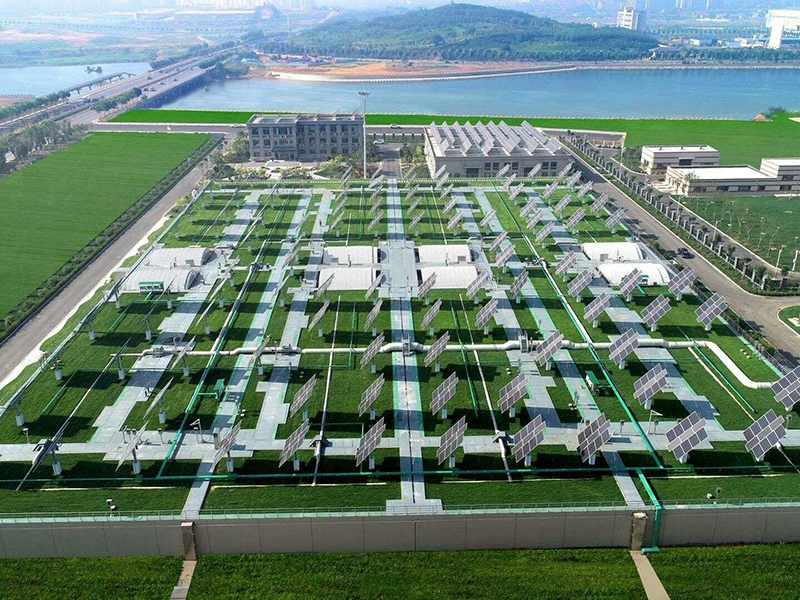
Industrial rooftop integration supporting localized microgrids.
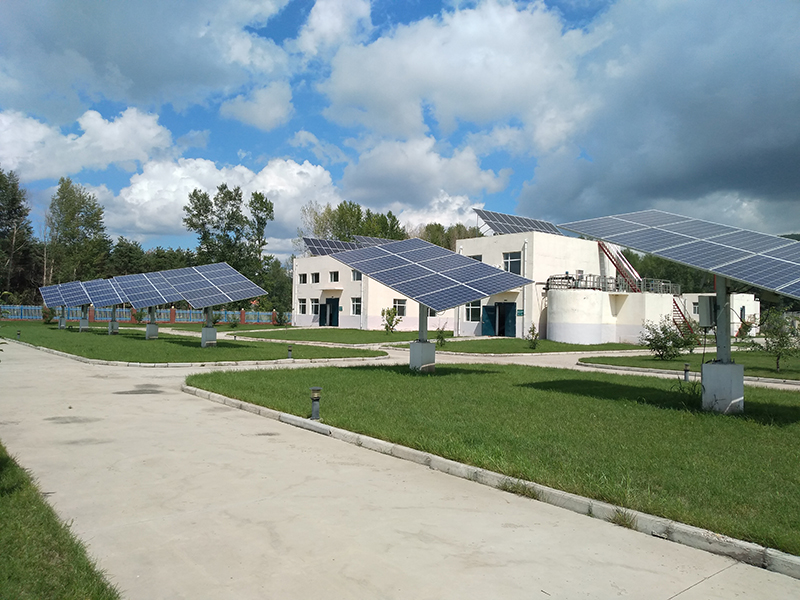
Integrated municipal tracking arrays for clean city power.
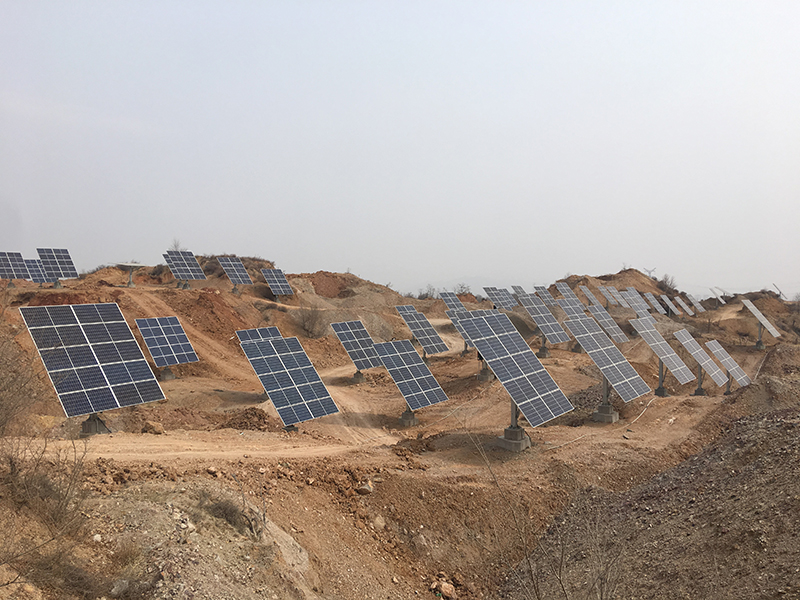
Independent multi-angle foundations adapting to irregular terrain.
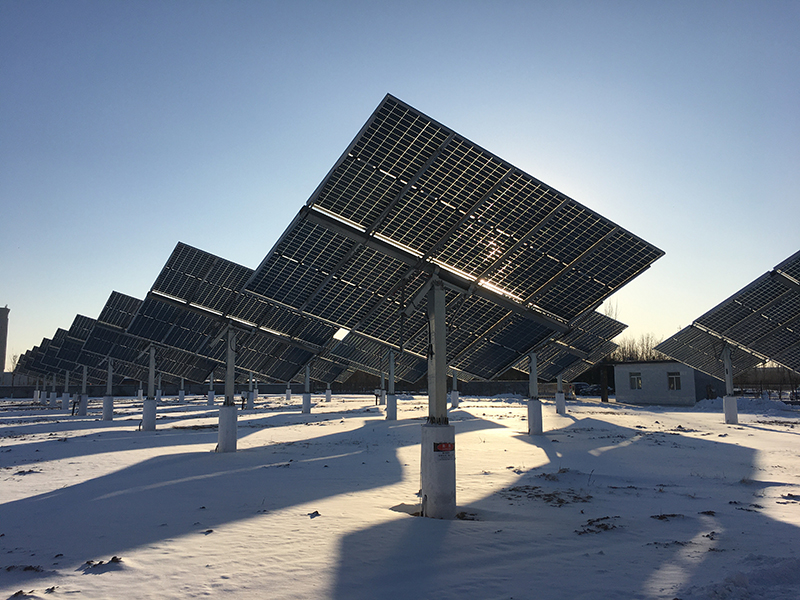
Smart sensors auto-tilt panels to shed snow loads in extreme cold.
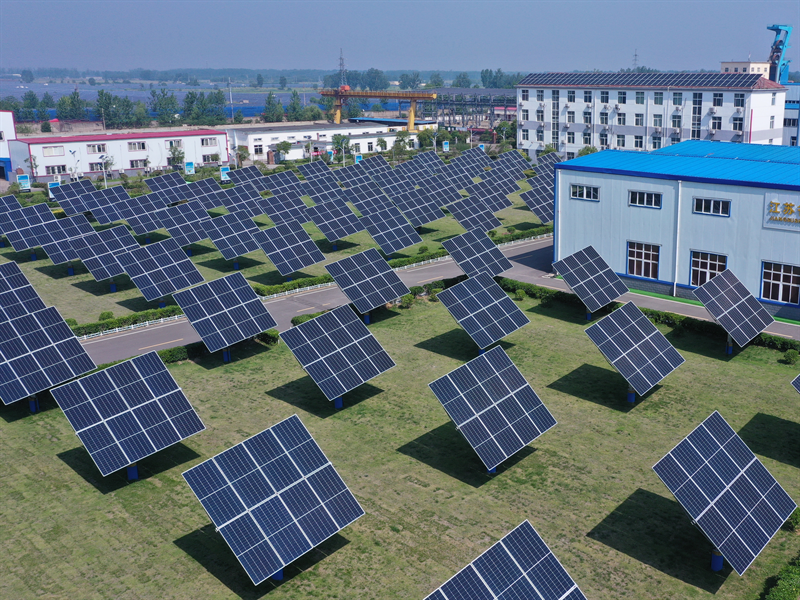
Large-scale dual-axis farm maximizing output yields.
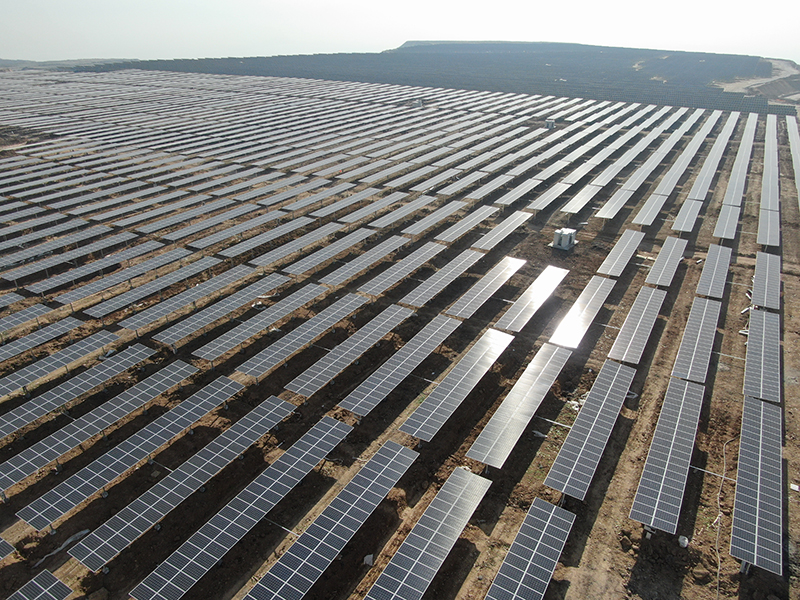
Central China - High density layout with optimized backtracking.
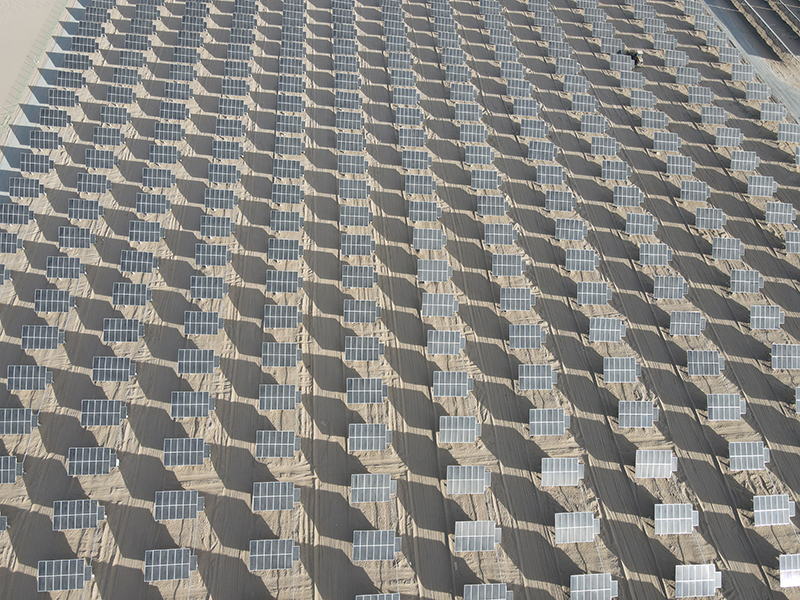
Tilted single axis system designed to withstand high sand wind loads.
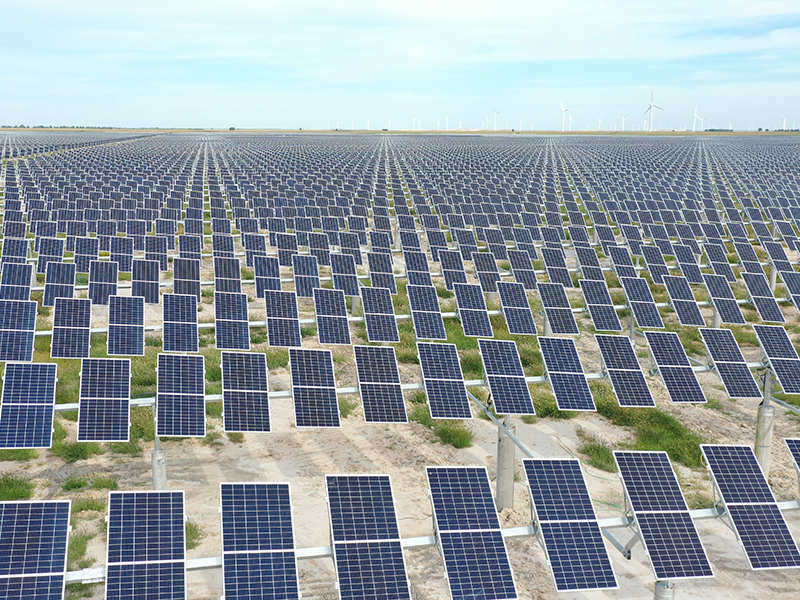
Inclined flat single-axis system designed for optimal high-latitude generation.
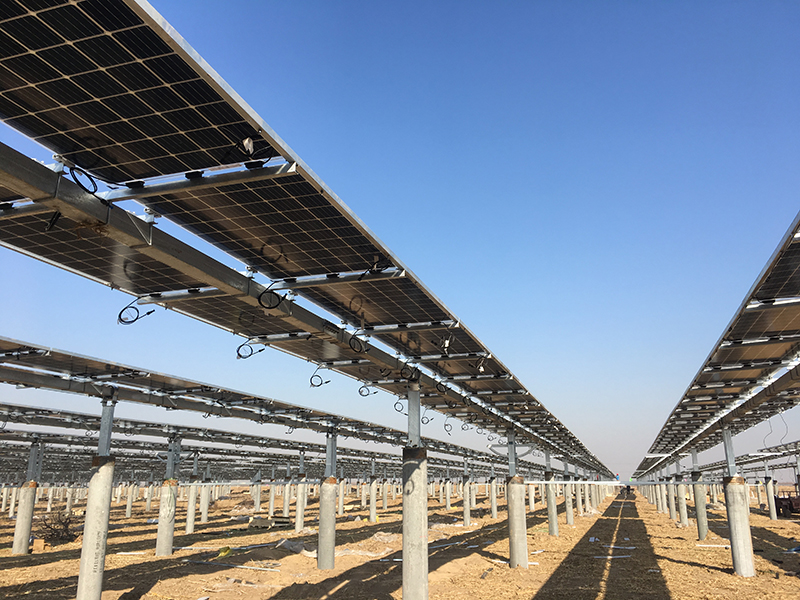
Bifacial solar module integration maximizing albedo rear-side yield.
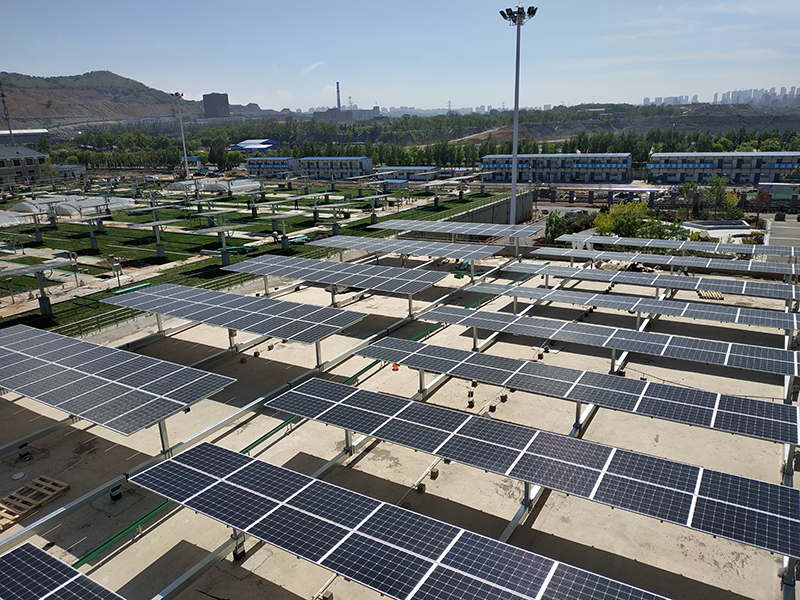
Flat single-axis system optimized for flat commercial roofs.
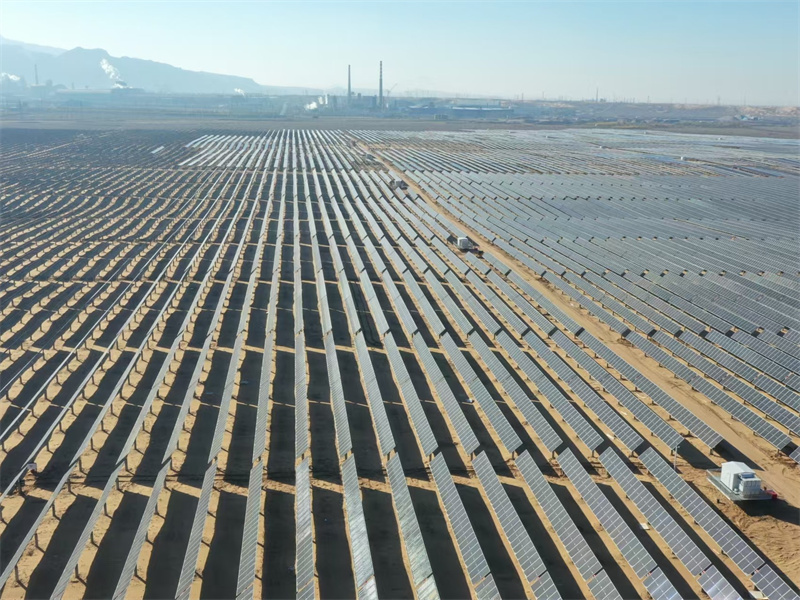
Utility-scale project designed to operate in high dust environments.
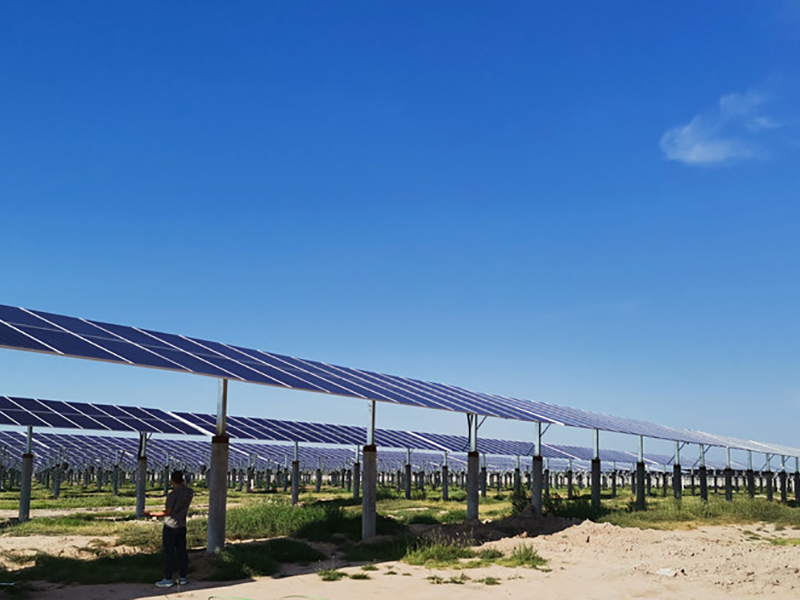
Standardized single-axis array connected to the regional transmission grid.
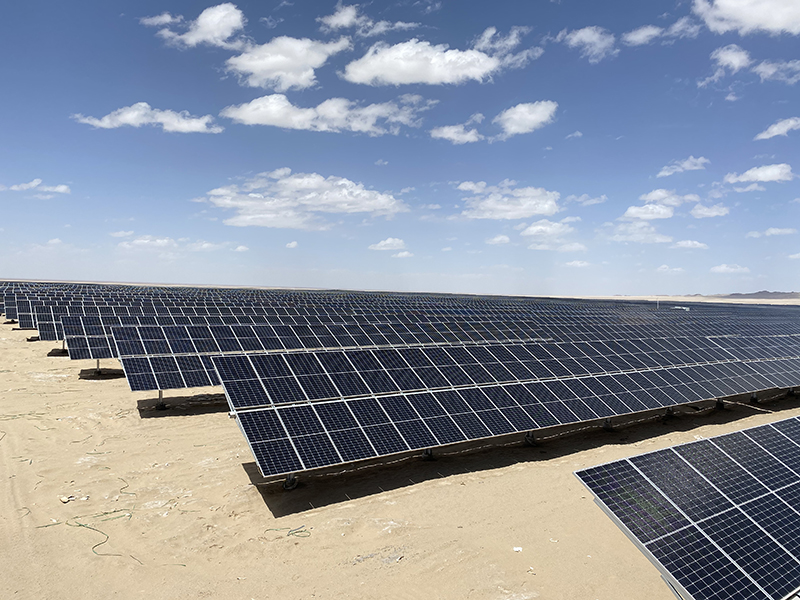
Equipped with wear-resistant bearings to withstand dust storm wear.
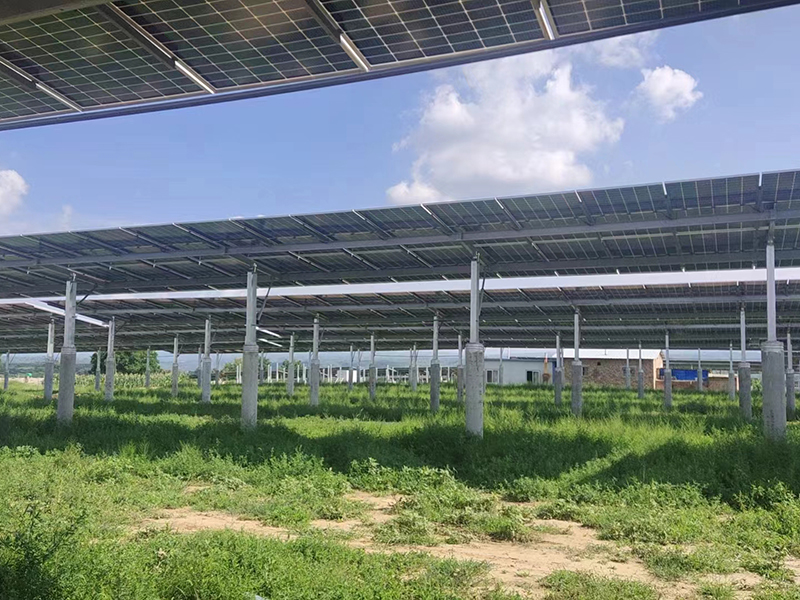
Large-scale solar tracking array installed on rehabilitated mining land.
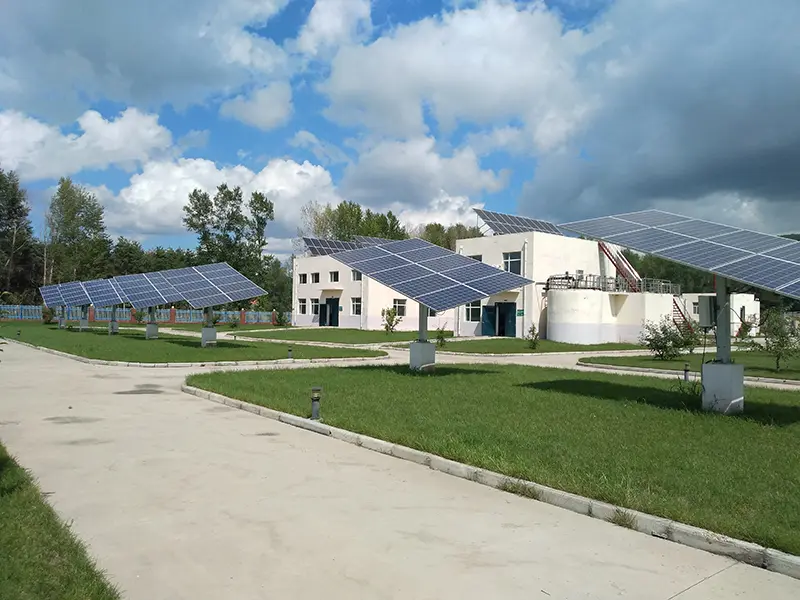
Designed with safety features for close-proximity urban grids.
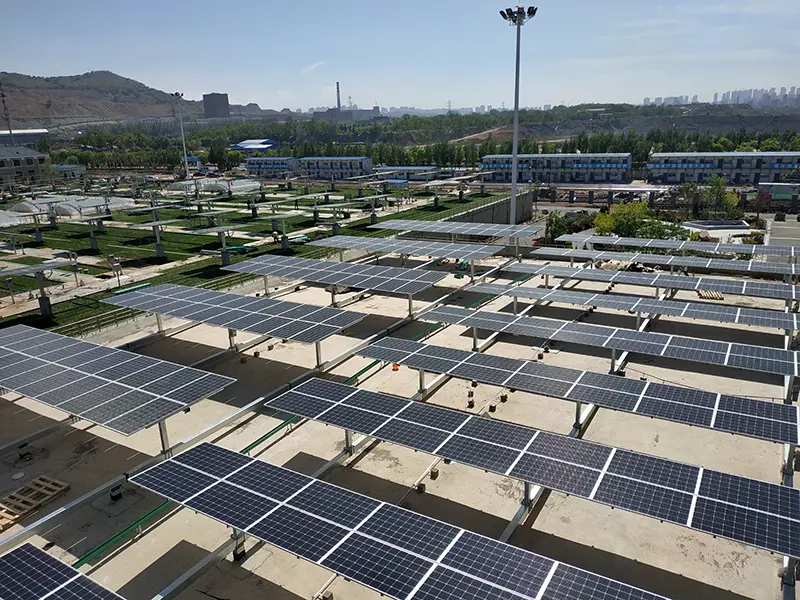
Low-profile design to reduce building structural loads.
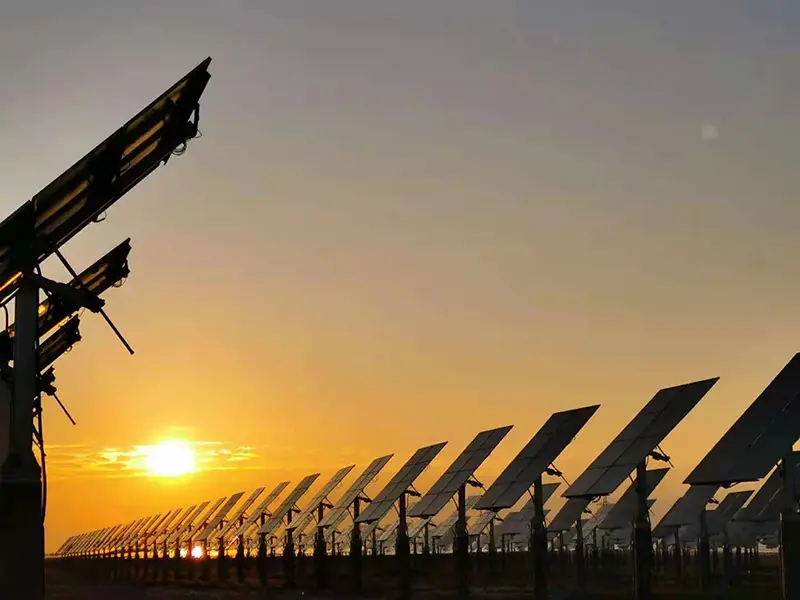
Optimized row spacing to eliminate shadows in high latitude winters.
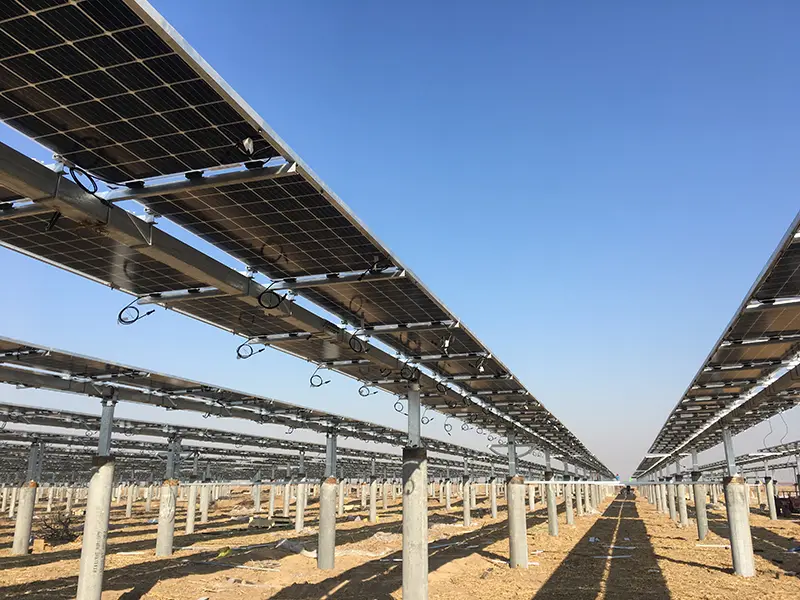
Optimized height clearance to increase rear-side albedo gains.
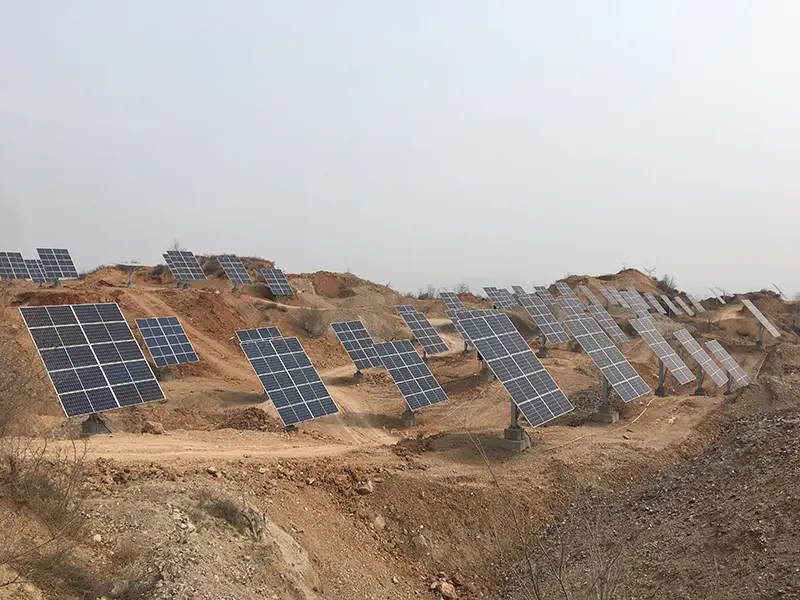
Shorter tracking blocks designed to accommodate uneven terrain.
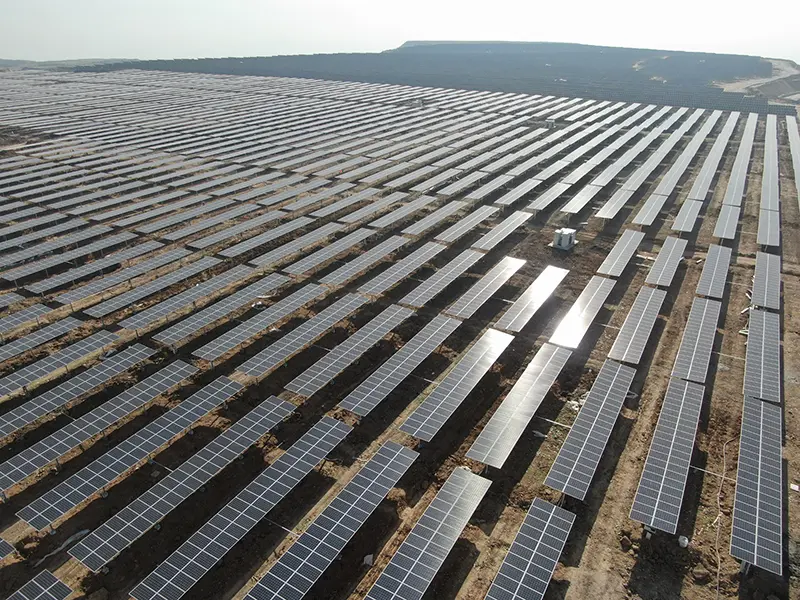
Equipped with a smart wind protection stow mode.
Watch our tracking arrays in action across global utility and commercial installations.
Our products comply with international electrical safety and structural standards.


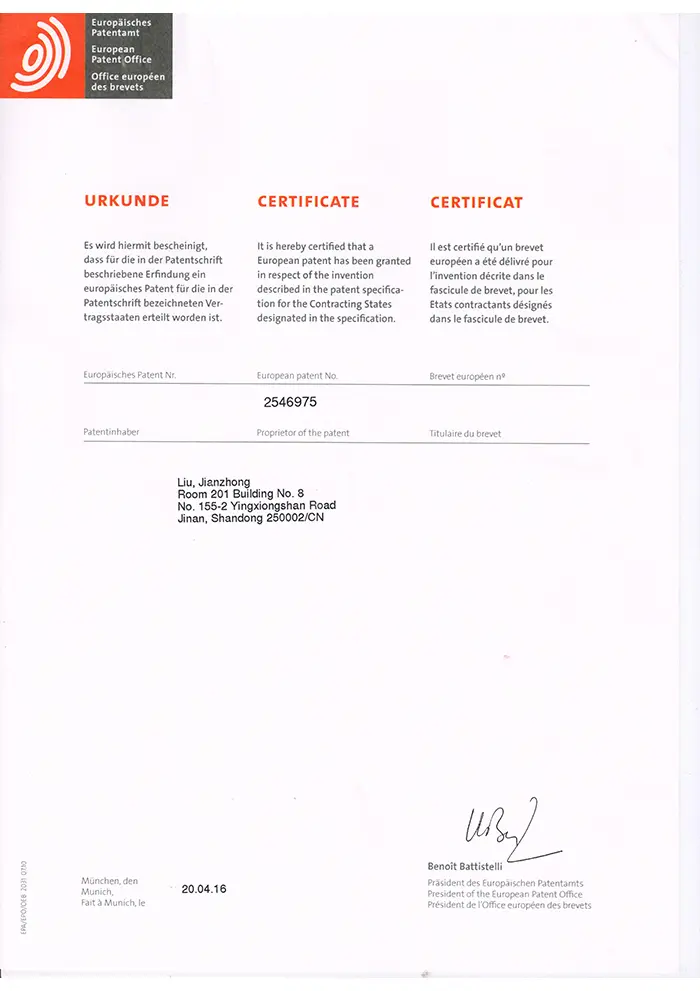
When sourcing solar trackers for utility or commercial projects, buyers should evaluate key technical specifications beyond upfront cost:
Conventional single-axis trackers require relatively flat ground to operate. If the site has uneven terrain, grading costs can impact project budgets. In these scenarios, dual-axis or decentralized short single-axis arrays are often preferred, as their independent foundations adapt to natural slopes with minimal grading.
Trackers act like large sails under wind load, creating structural loads. It is critical to confirm that the supplier's engineering designs have undergone wind tunnel testing. The control unit should include an automatic stow function that rotates the panels to a horizontal or low-angle position when wind speeds exceed set thresholds (typically 18–22 m/s).
Centralized tracking systems use a single motor to drive multiple tracker rows via linkage shafts. This design has a lower initial cost but represents a single point of failure. Decentralized systems allocate a motor to each row. While this increases the number of active components, it limits potential generation loss in the event of a mechanical issue.
Modern tracker controller units (TCUs) feature integrated Zigbee or LoRa wireless communication, power-harvesting solar modules for self-powered operation, and support for real-time SCADA monitoring. Advanced algorithms compute optimal backtracking angles to prevent shading between adjacent rows during low-sun conditions.
Answers to common technical questions about solar tracking systems.
Premium tracking arrays designed to optimize incident light angles, generating up to 15% - 30% higher power yields compared to traditional fixed-tilt systems.
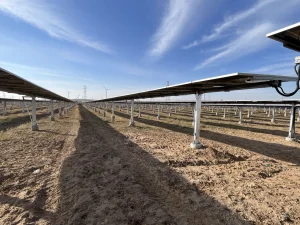
Designed for 1-in-portrait PV modules. Minimizes structural torque while providing flat single-axis tracking optimization.
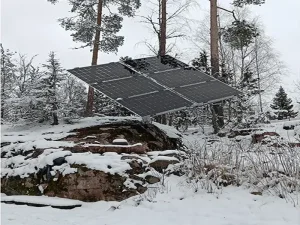
A compact dual-axis tracker designed for light commercial grids, residential systems, and remote off-grid stations.
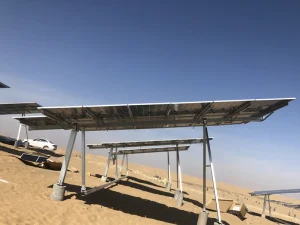
Premium tilted tracking configurations designed for utility-scale efficiency improvements in high-latitude environments.
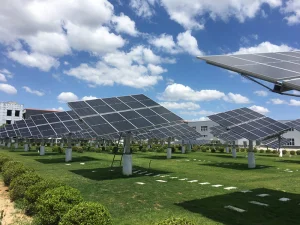
Robust mechanical linkages combined with real-time astronomical algorithms for maximum light capture in solar applications.
Equipped with a smart astronomical algorithm tracking module to control real-time yaw and elevation angles under high-stress wind zones.
Designed with a 10°– 30° tilted tracking plane to track the sun's azimuth angle. Boosts generation capacity by 15% - 25% across mid-latitudes.
Designed for 2-in-portrait module layouts. Accommodates 10 to 60 solar panels, reducing overall mechanical drive requirements per megawatt.
A flagship dual-axis system that tracks the sun's trajectory daily. Ensures up to 35% performance enhancement on clean sky days.
 Zhaori