The global transition toward renewable energy has reached a pivotal junction. As of 2024, solar tracking systems have evolved from a "premium utility addition" to an "essential infrastructure component" for large-scale PV projects. Unlike fixed-tilt structures, solar trackers follow the sun’s trajectory, significantly increasing energy harvest by 20% to 35%.
In the industrial sector, the demand for high-reliability systems like the ZRD series and ZRT tilted axis trackers is surging. Manufacturers in China, led by innovators like Shandong Zhaori New Energy, are now dominating the global supply chain, offering an optimal balance between CAPEX (Capital Expenditure) and long-term yield.
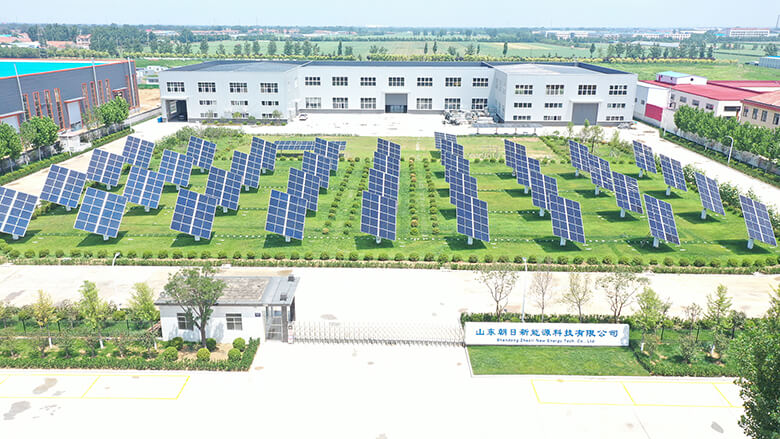
Shandong Zhaori New Energy Tech. Co., Ltd. is a high-tech pioneer established in June 2012. Our foundation is built on independent intellectual property rights and a decade-long focus on photovoltaic power stations and solar tracking technology.
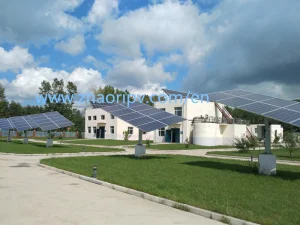
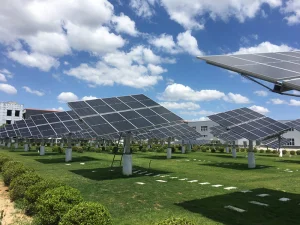
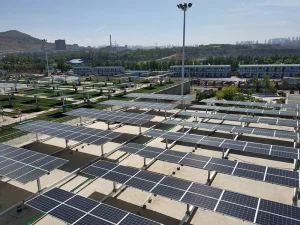
Tracks the azimuth angle. ZRP systems provide 15%-30% production gain over fixed systems. Ideal for flat terrains and large utility projects. 2-row linked types offer significant cost savings on drive motors.
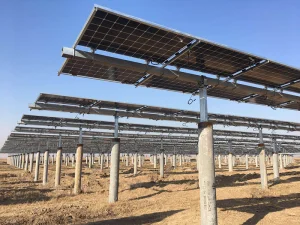
The ZRT-16 features a tilted axis (10°–30°) tracking the sun's azimuth. Highly effective for high-latitude regions, increasing generation by 15%-25% with robust structural stability.
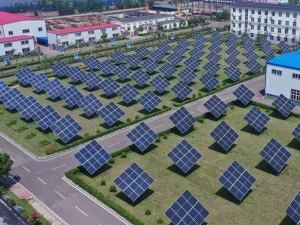
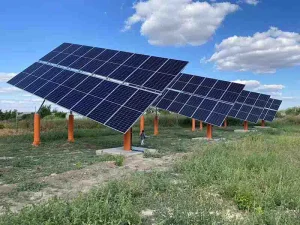
The gold standard of PV efficiency. The ZRD-10 and ZRD-08 systems track both altitude and azimuth, maximizing sunlight absorption throughout the entire day, even in winter or cloudy conditions.
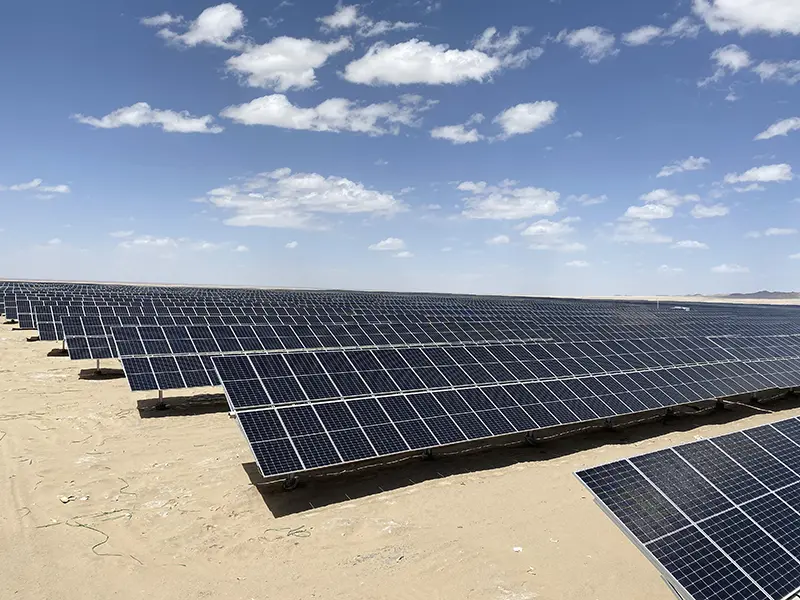
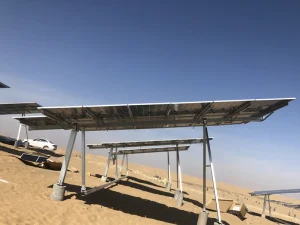
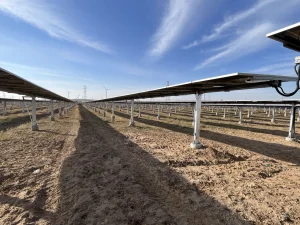
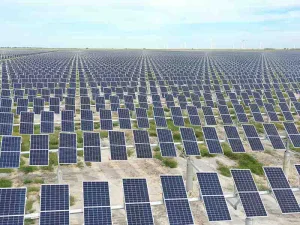
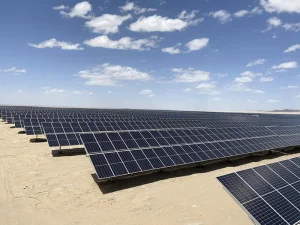
High-durability designs for 20MW+ utility scales in sandy, high-UV environments.
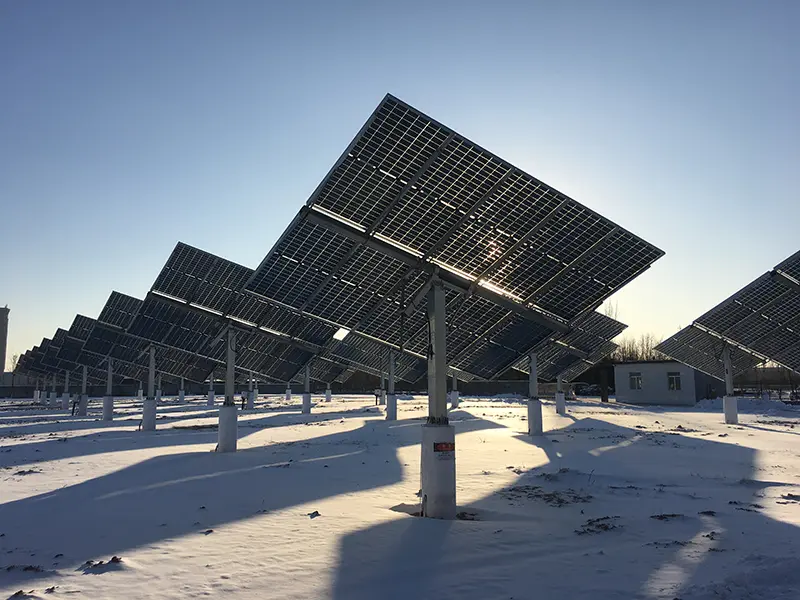
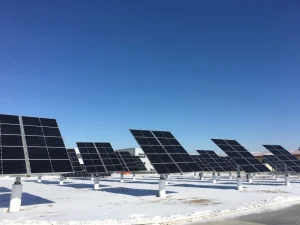
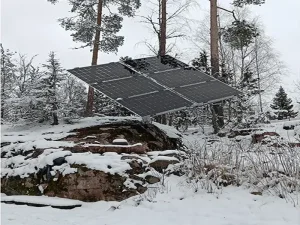
Active tracking allows panels to shed snow automatically by tilting, ensuring winter yields.
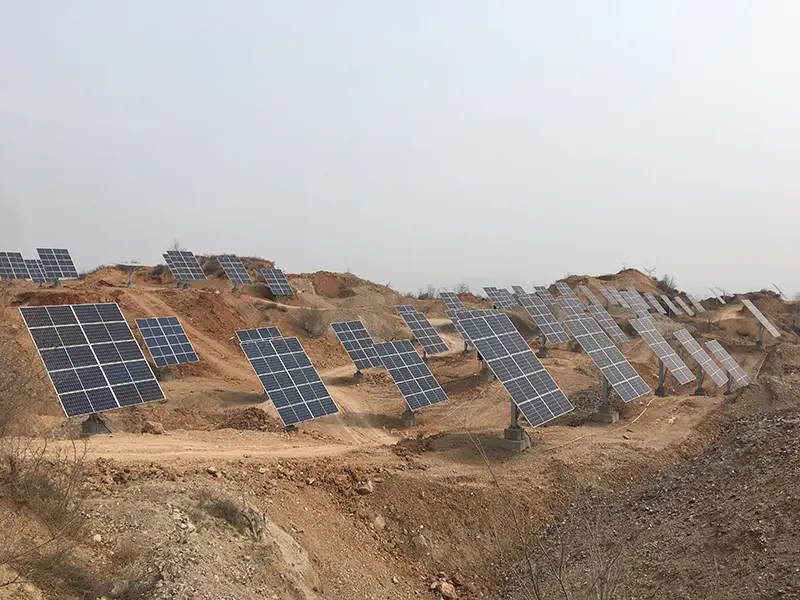
AdjustablePV brackets and tilted systems designed for complex slope gradients.
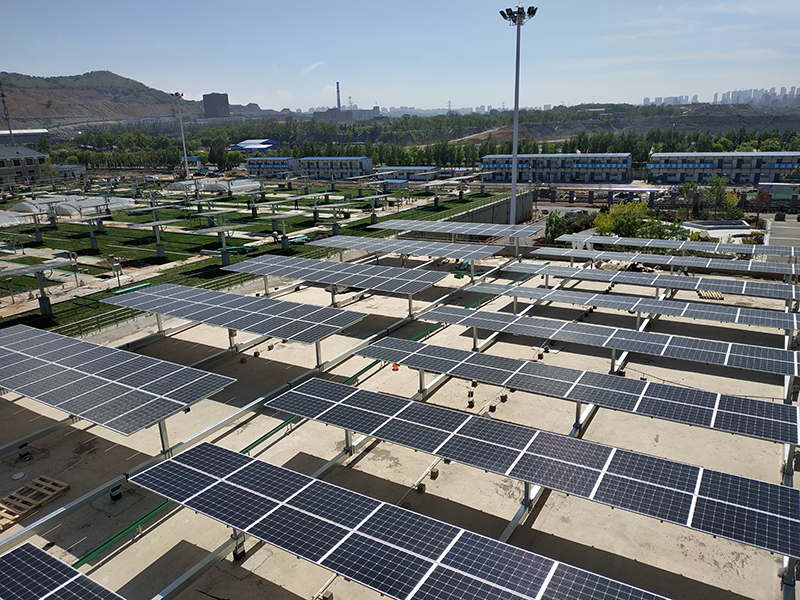
Lightweight fixed and adjustable brackets for industrial roof solar integration.
When evaluating a Solar Tracking System Pricelist, investors must look beyond the initial cost per watt. The ROI (Return on Investment) is influenced by the Levelized Cost of Energy (LCOE). A high-quality tracker might increase initial costs by 10%, but the resultant 25% increase in energy production reduces the payback period by 1.5 to 2 years.
Adjustable fixed brackets and 1P Single Axis trackers are ideal for projects with tight budgets and high solar irradiance.
ZRD Dual Axis systems are recommended for regions with varying seasonal sun paths or high-value PPA (Power Purchase Agreements).
Modern trackers like the 2P Flat Single Axis are optimized for bifacial modules, capturing reflected light from the ground.
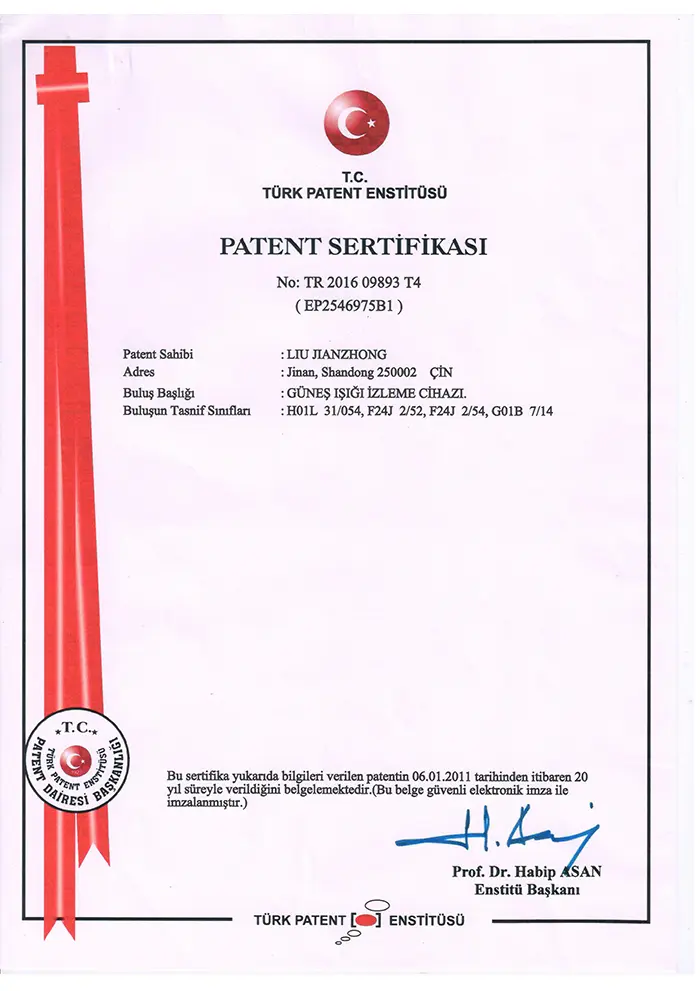
Our commitment to excellence is backed by international standards. Shandong Zhaori holds patents across the EU, USA, Canada, Australia, Japan, and more.
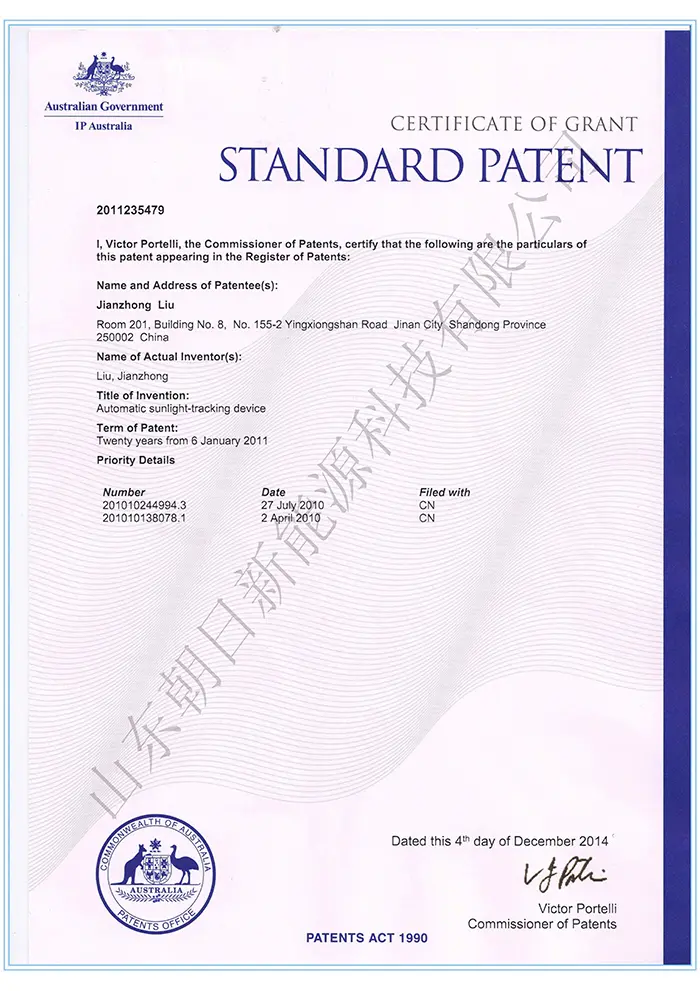
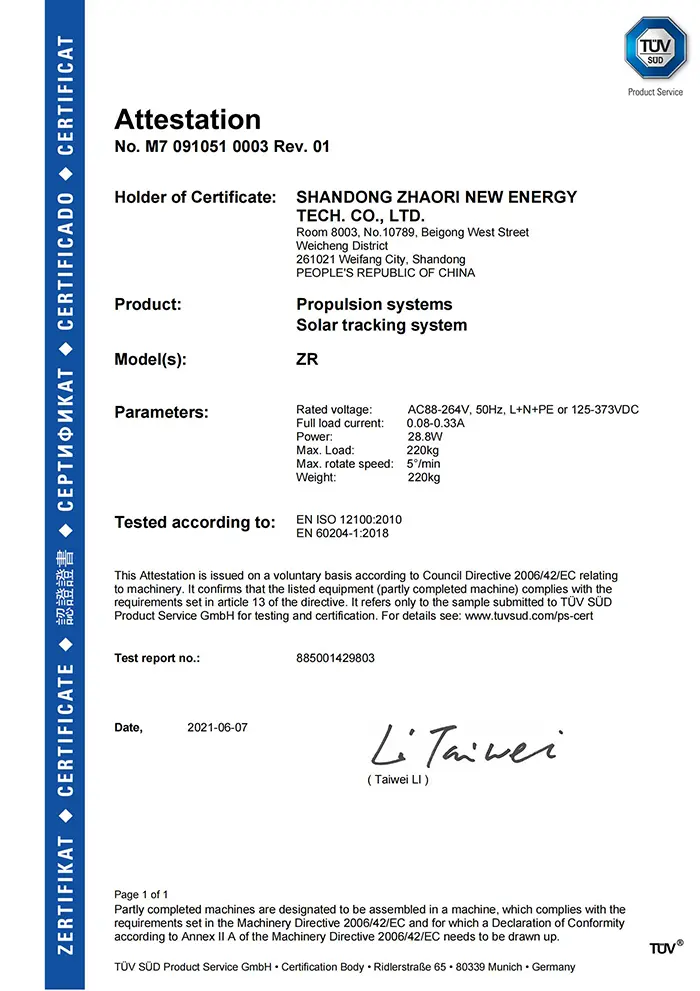
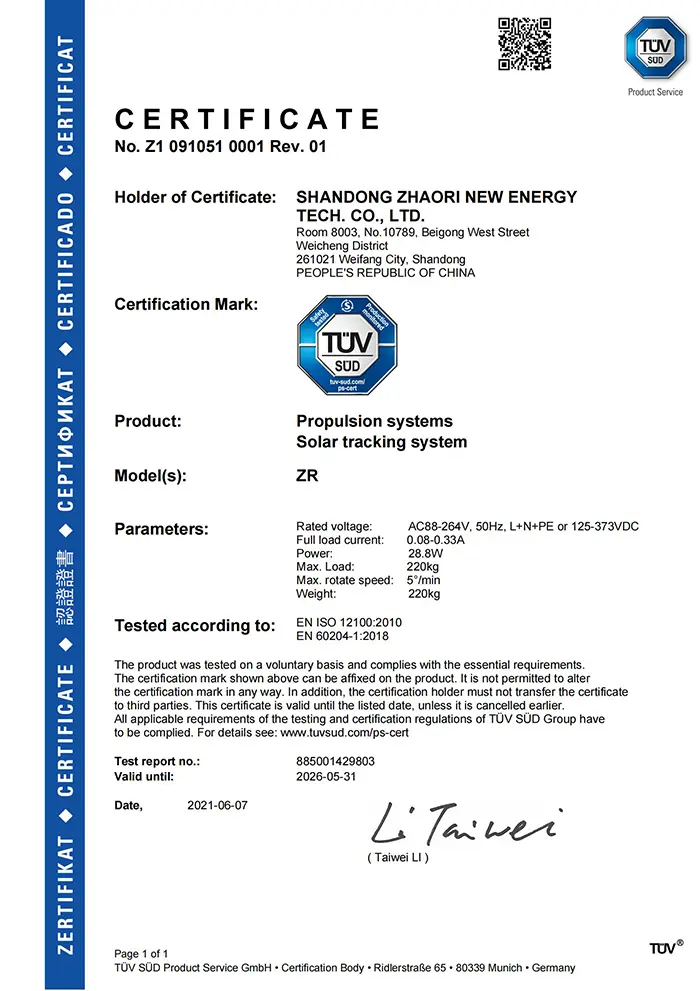
 Zhaori