Engineered for maximum stability, advanced backtracking control, and optimal Levelized Cost of Energy (LCOE).
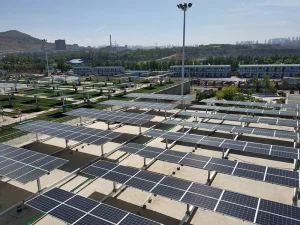
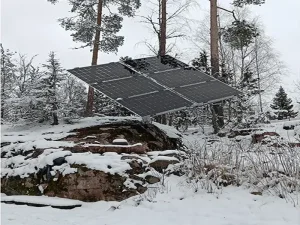
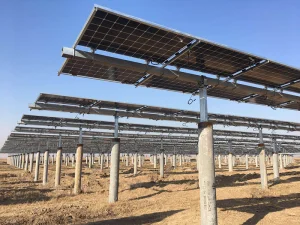
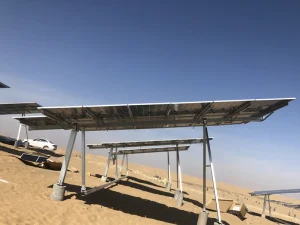
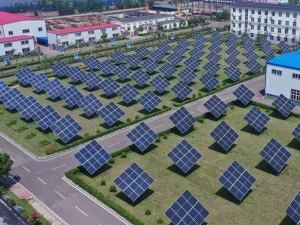
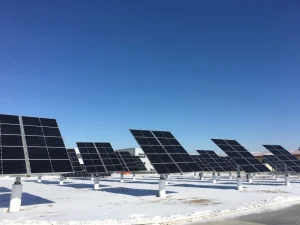
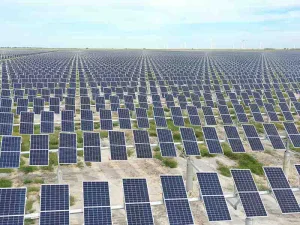
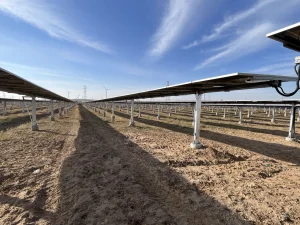
Analyzing how single-axis and dual-axis solar trackers maximize yield and control structural integrity under dynamic wind loads.
The global transition to high-efficiency utility-scale solar projects demands more than just premium photovoltaic (PV) modules; it requires mounting systems that dynamically align with the sun's trajectory. Static brackets limit solar yield to specific times of the day, whereas solar axis tracking systems actively follow the celestial coordinate system, yielding significant performance increments.
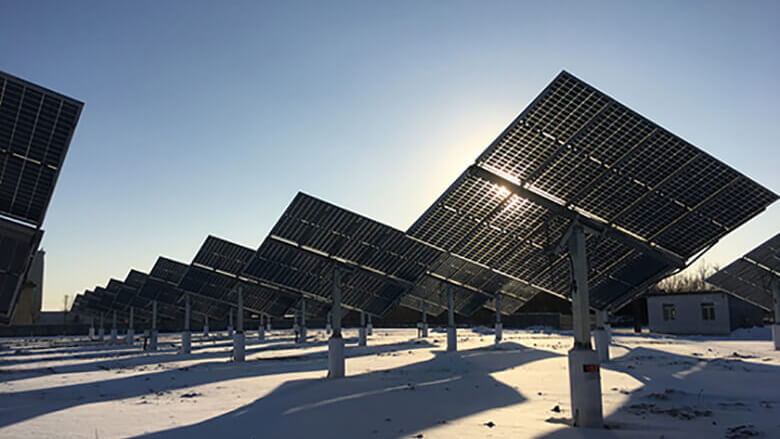
Our research and application field data indicate that implementing a flat single axis tracking system yields a 15% to 30% power generation boost compared to fixed-tilt installations. Under high-latitude conditions or specialized terrains, a dual axis solar tracking system can expand this surplus generation to an astonishing 35% to 45%.
During early morning and late afternoon hours, adjacent solar rows cast shadows on each other. The smart controller of our trackers executes a real-time astronomical calculation (backtracking algorithm) that temporary rotates the modules back to prevent mutual shading. This ensures continuous, unshaded solar absorption throughout the tracking window, greatly improving the plant's capacity factor.
Shandong Zhaori New Energy Tech. Co., Ltd. is a high-tech and new energy company based on independent intellectual property rights. Founded in June 2012, our team focuses on photovoltaic power stations and solar tracking technology for more than 10 years.
We boast a robust structural design team with 10 dedicated departments: R&D department, technical department, engineering department, production department, quality assurance department, development department, foreign trade department, domestic trade department, I.M.D. department, and administrative divisions. With over 60 professional technology-talented employees, we design and produce solutions tailored to mitigate environmental and geological stress at your plant site.
"Our product principle is more simple, more reliable and more effective." We drive down LCOE by prioritizing simplified structural elements, eliminating unnecessary drive linkages, and maximizing absolute tracking efficiency.
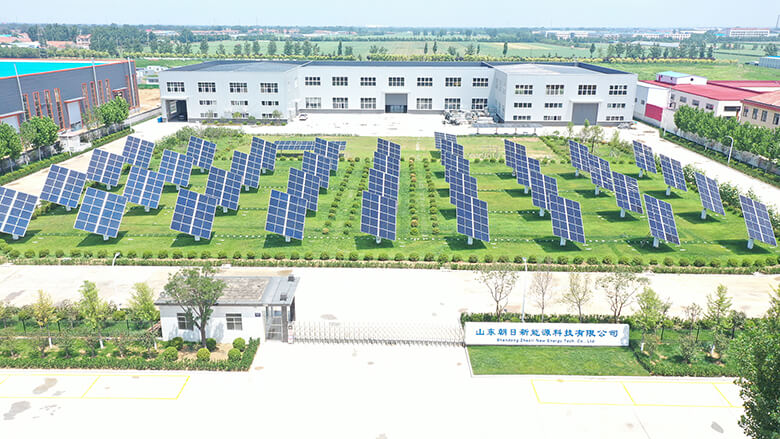
Our production facilities occupy an expansive footprint of 50,000 square meters. To maintain the structural reliability required for a 25-year service life, we have incorporated advanced machining technologies including CNC machine tools, precision laser cutting machines, automatic welding robots, plasma cutters, and dozens of dedicated assembly lines.
With more than 300 highly trained technicians, our monthly production capacity reaches 500MW. Every bracket component undergoes a rigorous quality protocol spanning raw material screening, high-speed cutting, precision welding, forming, hot-dip galvanization or specialized anti-rust treatments, post-processing inspection, and protective packaging.
Why sourcing from Shandong Zhaori offers structural engineering advantages, material quality control, and unparalleled pricing.
Shandong is a global metallurgy hub. Our factory sources high-grade Q355B structural steel directly from premium local mills, cutting transport costs and securing Zn-Al-Mg (Zinc-Aluminum-Magnesium) coatings that outperform standard HDG in corrosive marine or desert climates.
Our automated robotic welding setups provide repeatable, ultra-deep weld penetration on torque tubes and mounting ears. This high mechanical tolerance limits micro-cracks and prevents torsional deformation during strong gust events.
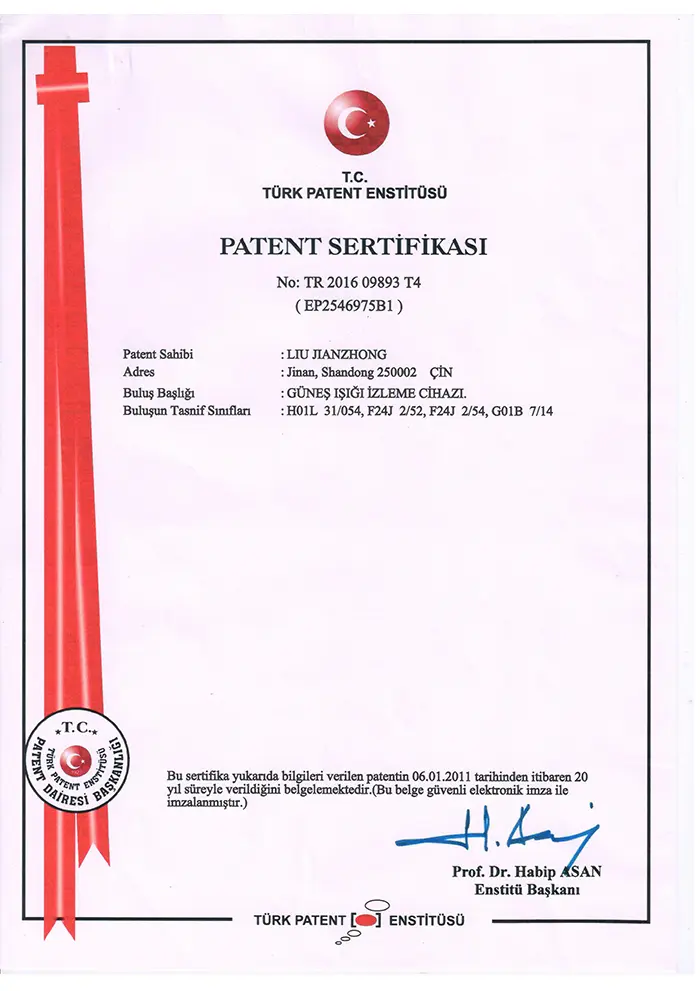
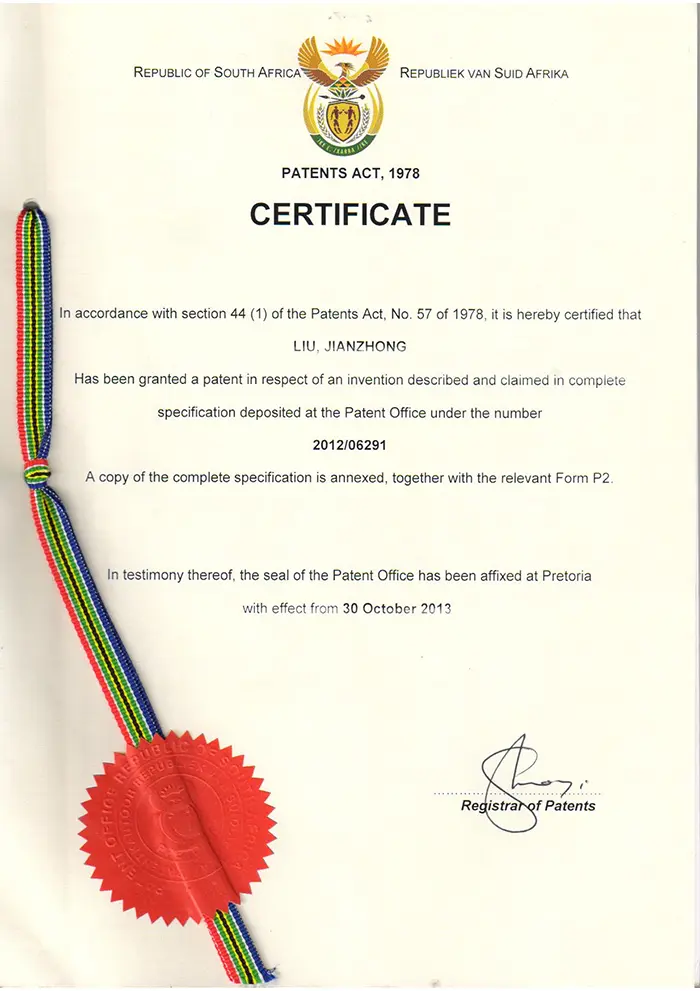
We conduct structural fatigue test loading, ultrasonic weld examinations, and coating thickness analyses for every single batch of trackers. Our products are backed by European Patent Office, US, Canadian, Australian, Japanese, and Korean patents.
Years of Tracking Innovation
Advanced Factory Area
Monthly Production Capacity
Utility-Scale Invention Patents
Comparing our structural innovations designed to capture every beam of direct and diffuse sunlight.
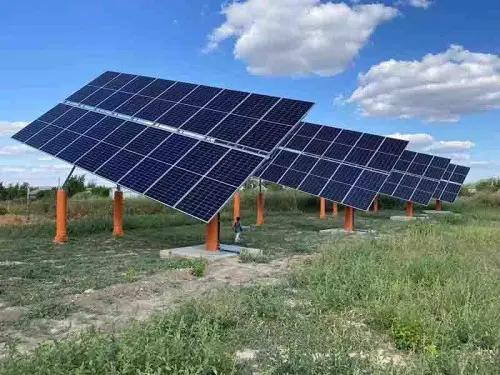
Our dual-axis tracking systems represent the zenith of solar harvesting, turning modules on both azimuth (horizontal) and elevation (vertical) axes. Utilizing closed-loop astronomical algorithms combined with accurate optical sensors, these trackers guarantee that the plane of your PV modules remains perfectly perpendicular to the incoming solar rays all day.
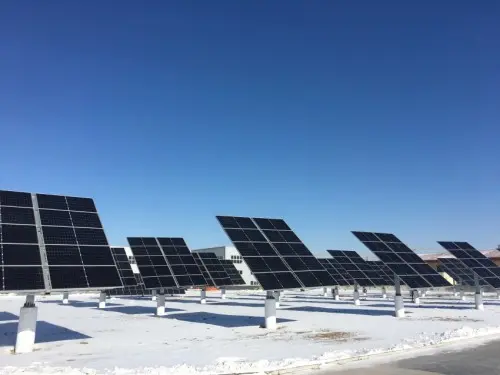
For large-scale commercial deployments, single-axis setups represent the most cost-effective tracking solution, blending dynamic gains with low capital expenditure (CapEx).
Deploying solar tracking arrays in environments that demand exceptional structural calculations.
Sandy locations present severe motor wear and dust blockage risks. Our ZRD and ZRP lines feature IP65-sealed slewing drives and dust-resistant bearing assemblies. The controller can be programmed for periodic high-tilt night sweeps, preventing dust sedimentation on the glass.
Heavy snow deposits can cause severe structural overload and module cracking. Our system triggers a smart "Snow Stow Mode", tilting modules to their maximum angle (up to 60°) when the snow sensor detects load, shedding snow before accumulation threatens structural load capacity.
Irregular land topography creates shading complexities. By utilizing independent driving rows, each tracker adjusts its tilt to the terrain's pitch, minimizing shading losses that occur in traditional linked multi-row trackers on sloped land.
See our smart horizontal and dual axis tracking platforms in action across worldwide projects.
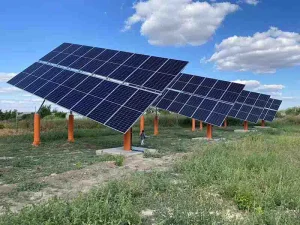
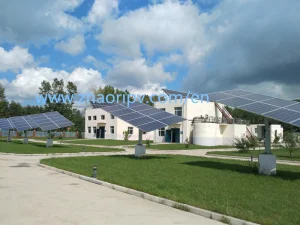
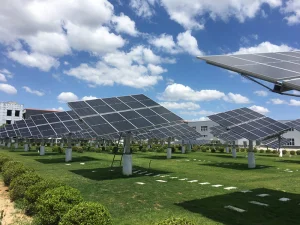
Explore some of our structural tracking configurations deployed across utility, commercial, and mountainous terrains.
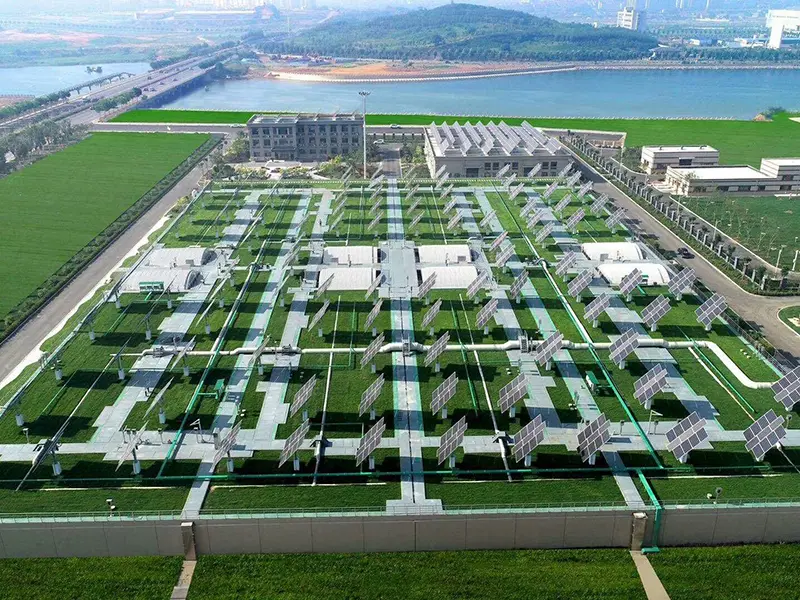
Roof-mounted solar integration optimized with custom structural angles.
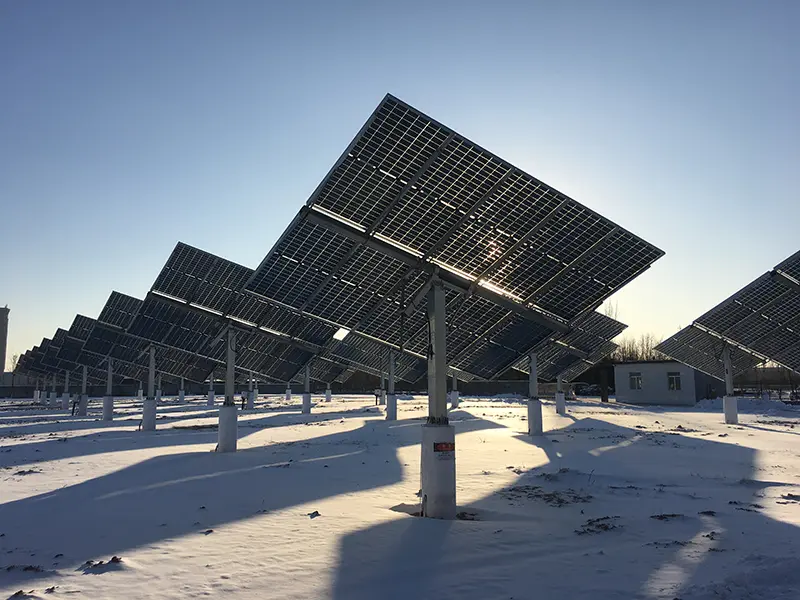
Smart snow dumping mechanism protecting mechanical drive integrity.
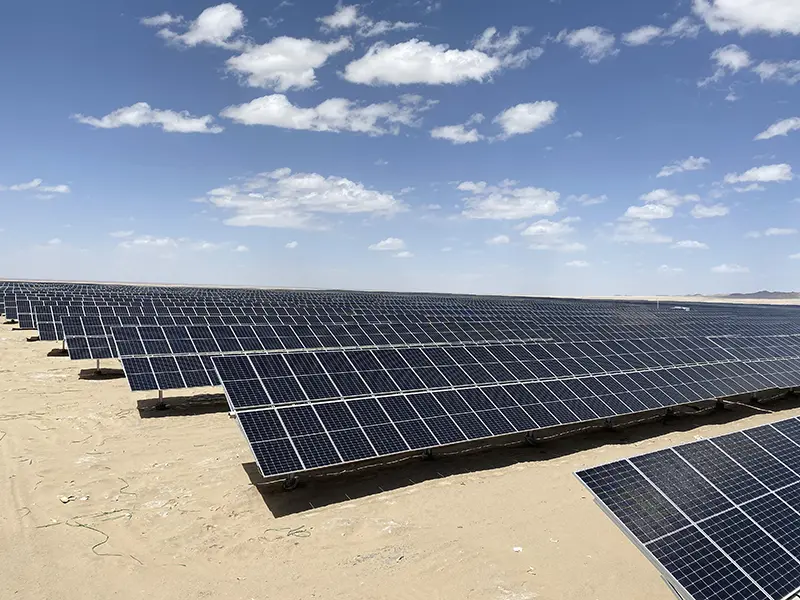
Dust-protected single axis tracker maximizing yield in high direct-normal irradiance.
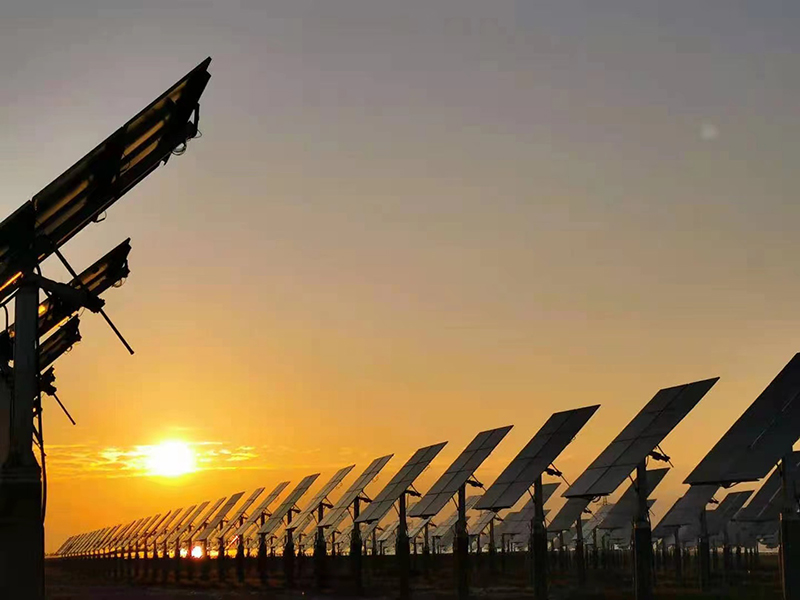
High-efficiency dual axis tracking array operating at optimal sub-zero conditions.
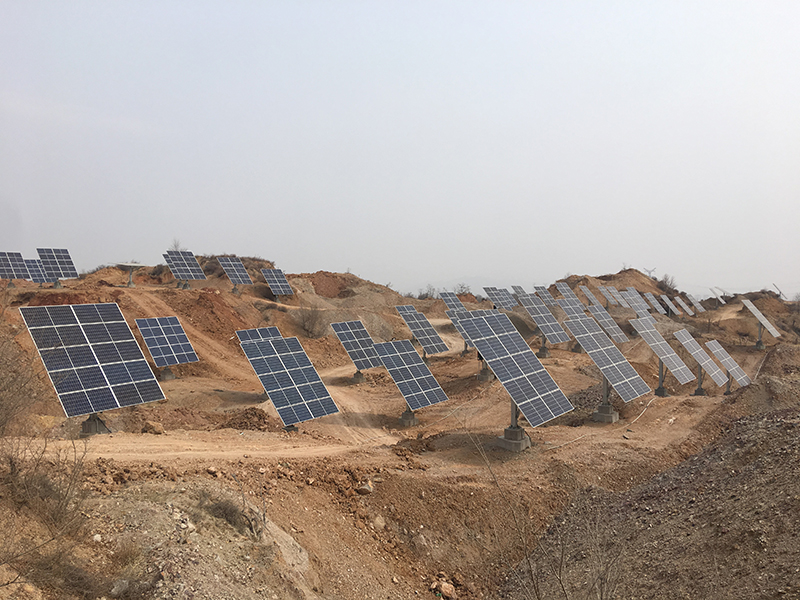
Adaptive terrain tracking design built to overcome rolling topography.
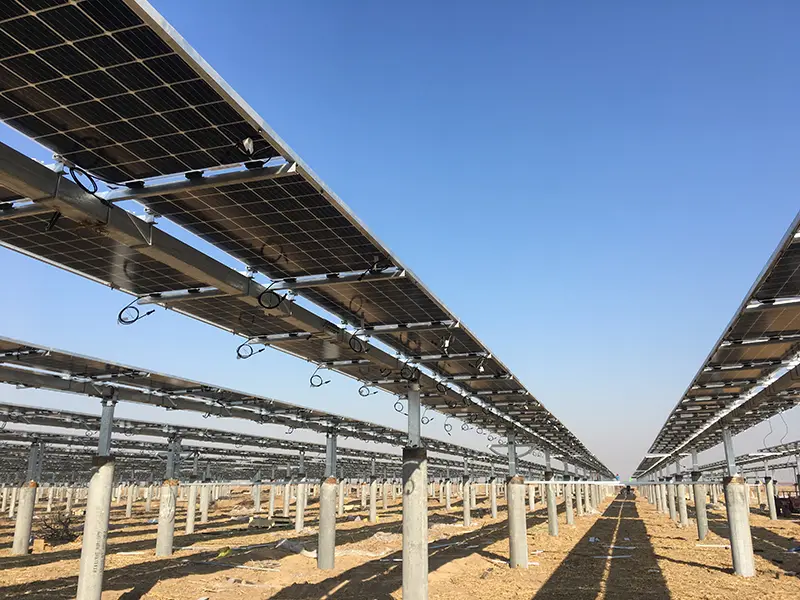
Utility-scale tracking integration optimized for rear-side albedo harvesting.
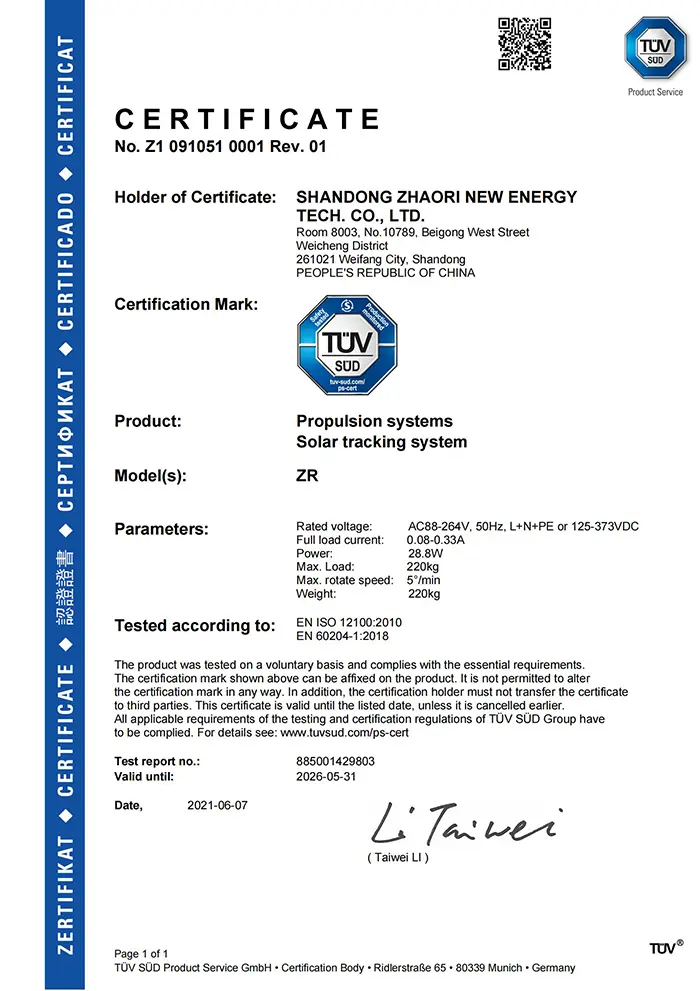
Our commitment to long-term operational security is backed by international certifications and extensive patent portfolios.
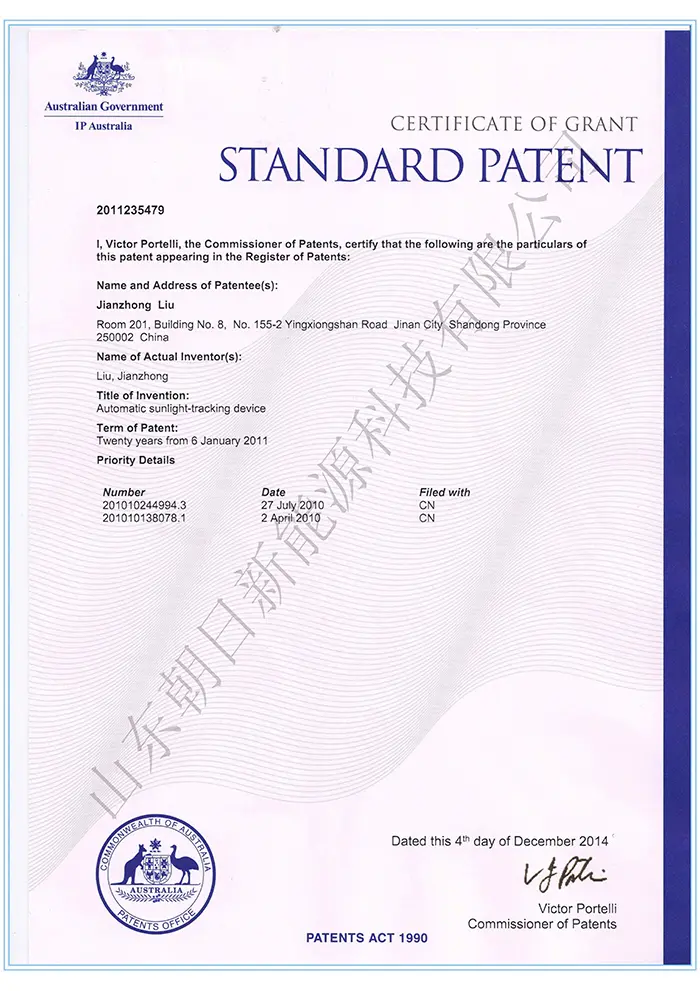
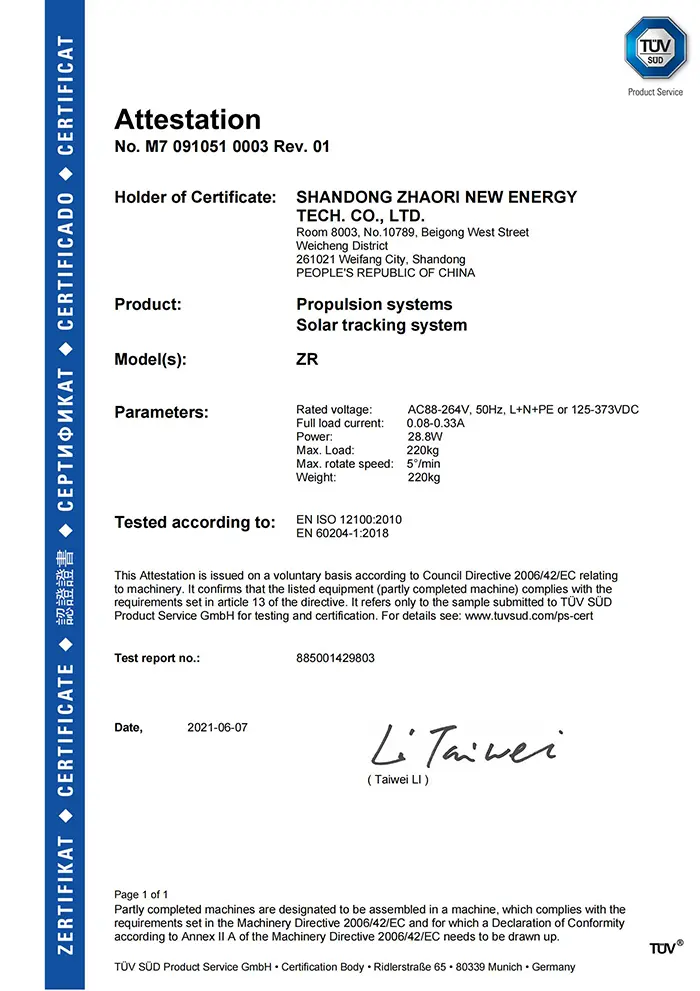

Detailed technical answers addressing mechanical wind loads, power gains, tracking controllers, and project integration.
A single-axis tracker tracks the sun on one plane (usually East to West following the azimuth path). This setup is cost-effective, structurally simpler, and offers a yield gain of 15% to 30% over fixed brackets. A dual-axis tracker tracks the sun dynamically on both the horizontal plane (azimuth) and the vertical plane (elevation). This ensures that modules are continually oriented directly perpendicular to solar rays, producing 35% to 45% more energy. Dual axis systems are highly recommended for mountainous sites, off-grid projects, and high-latitude zones where seasonal solar height varies drastically.
Our trackers feature an active anemometer-driven aerodynamic safety system. When local wind velocities cross a designated threshold (typically 18m/s to 22m/s depending on project specifications), the smart controller automatically overrides normal tracking and drives the solar rows into a flat horizontal or optimized tilt configuration. This minimized dynamic profile significantly lowers structural uplift, wind drag, and torsional fluttering, ensuring structural integrity even in typhoon-prone regions.
Yes, all our recent designs (including the 2P Flat Single Axis Tracker and ZRT-16 Tilted tracker) are engineered to support 182mm and 210mm high-power silicon modules. We adjust our structural clamp spacing, torque tube thicknesses, and load calculations to counter the increased physical weight and wind resistance profile associated with these larger modules.
During the early morning and late afternoon hours, when the sun is low on the horizon, adjacent tracker rows can cast shadows on one another. Shadowing on even a small portion of a solar module can drastically reduce the power output of the entire string. Our smart backtracking algorithm calculates real-time spatial positioning and slightly rotates the trackers back to keep the panels unshaded, optimizing the overall power curve of the solar facility.
For standard terrains, hot-dip galvanizing with a minimum thickness of 85 microns is applied, ensuring a 25-year service life. For coastal projects (high salt mist) or chemical industrial parks, we utilize pre-plated Zinc-Aluminum-Magnesium (ZAM) structural steel. ZAM provides self-healing properties on cut edges and exceptional resistance to rust, making it superior for aggressive soils and highly humid climates.
Contact our R&D engineering office for bespoke wind tunnel simulations and load calculations.
 Zhaori