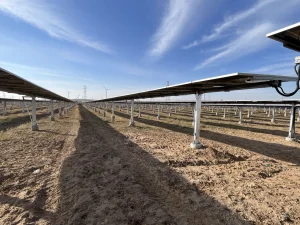
Optimized for structural integrity, the 1P configurations offer standard flat tracking dynamics ideal for light residential terrain.
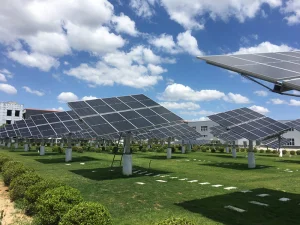
Complete multi-axis precision, positioning PV panels accurately for maximum sun capture, yielding 30% to 40% higher efficiency.
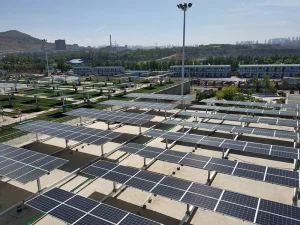
Double-row capability reduces ground support infrastructure while maximizing residential power station output parameters.
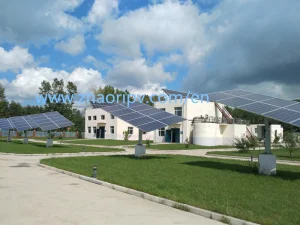
Cost-effective semi-automatic tracker series combining dual-axis efficiency with lowered mechanical footprint expenses.
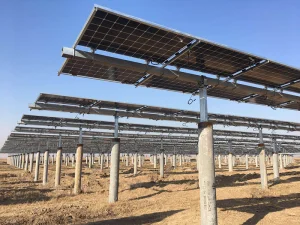
Top-tier flat single axis configuration tailored for simple maintenance profiles and reliable operations over a 25-year lifespan.
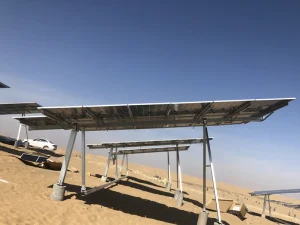
Ideal for mid-to-high latitude installations, tilting the tracking axis compensates for seasonal solar declination angles.
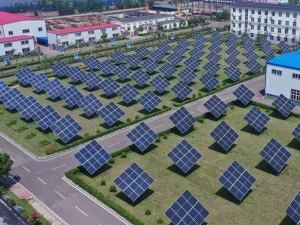
The premium heavy-load model ZRD-08. Designed to support robust power configurations across microgrids and domestic homes.
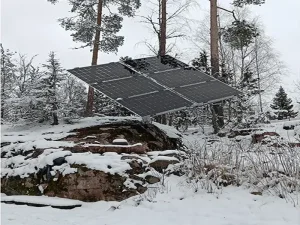
A compact, high-wind resistant model engineered specifically for domestic yards, rooftops, and specialized off-grid mounting.
In the contemporary landscape of global decarbonization, utility-scale photovoltaic tracking technologies are rapidly shifting toward residential microgrids. Standard stationary solar brackets, although simple to mount, fail to extract the full energetic value of peak-irradiance hours. Ground-mount and rooftop residential solar tracking systems are engineered to correct this performance deficit by adjusting the solar plane in real time to capture direct solar radiation.
By leveraging astronomical algorithms and GPS position tracking, the modern residential solar tracker overcomes localized geographic limits. According to global field data, standard fixed arrays lose more than 30% of potentially harvestable power during early morning and late afternoon hours. A residential tracker dynamic setup effectively flattens the solar generation curve, ensuring residential battery banks are charged faster and grid injection programs generate higher financial returns.
As standard household demands evolve with electric vehicle (EV) charging and home heat pumps, dynamic load shifting requires a higher energy density per panel. Shandong Zhaori New Energy addresses this critical requirement with structural engineering tailored for residential resilience, lowering Levelized Cost of Energy (LCOE) to historically low thresholds.
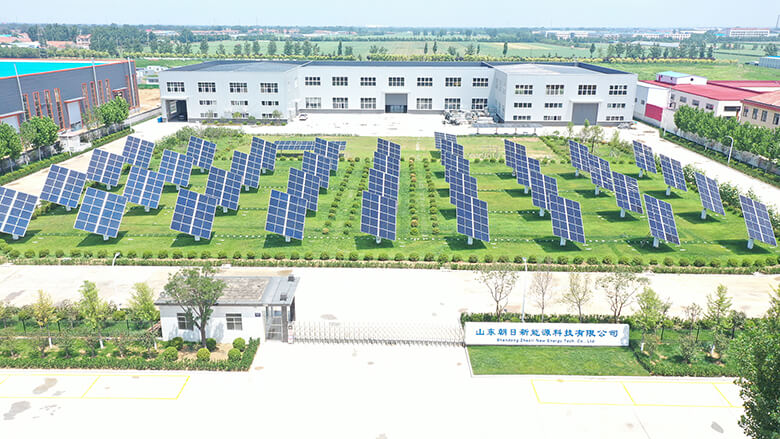
Founded in June 2012, Shandong Zhaori New Energy Tech. Co., Ltd. has spent over a decade establishing itself as a global leader in high-performance solar tracking mechanisms. Built on a foundation of independent intellectual property, the enterprise features 10 specialized divisions, executing seamless R&D, quality control, engineering, and domestic/international trade.
Our manufacturing plant runs dozens of modern production lines fitted with advanced manufacturing equipment, including CNC machine tools, high-precision laser cutting systems, automatic welding robots, and plasma processing machines. By automating critical cutting and welding stages, our structural tolerance levels remain below 1.5mm, ensuring flawless field installation and long-term mechanical reliability.
Quality control starts at raw steel selection. Every structural bracket is subject to rigorous anti-rust treatments, heavy hot-dip galvanization, and strict load testing protocols. We adhere strictly to verified ISO management systems, validating structural load-bearing tolerances to protect structural components from extreme environments.
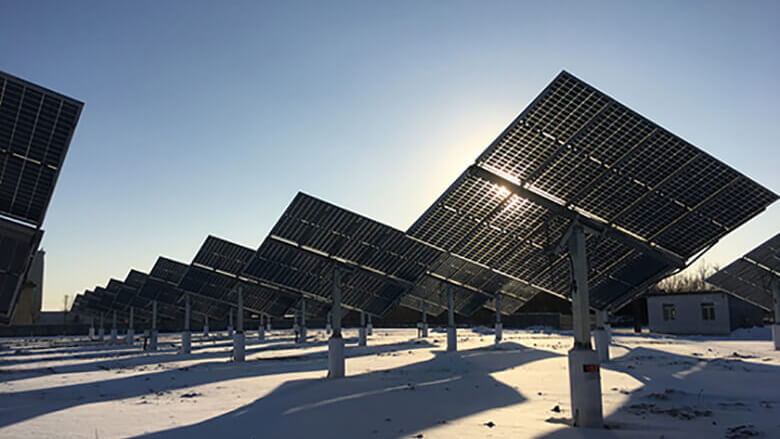
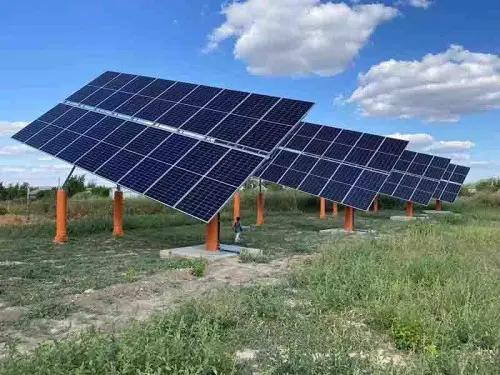
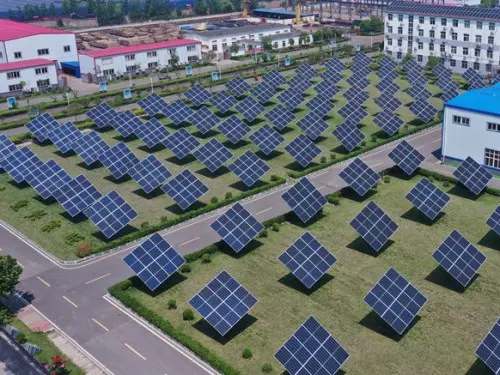
Designed as the pinnacle of sun tracking, the ZRD-10 optimizes two axes to continuously align modules perpendicular to incoming solar rays. Ideal for regions with changing terrain and multi-angle solar variations.
Configured with a tilted axis (10° to 30°), the ZRT-16 mounts 10 to 20 solar panels per block. Tracking the sun’s daily azimuth angle, it achieves a 15% to 25% efficiency gain over fixed frames.
Mounting 10 to 60 solar panels in single-row or two-row linked structures, the ZRP flat single axis system generates 15% to 30% yield improvements over classic static arrays.
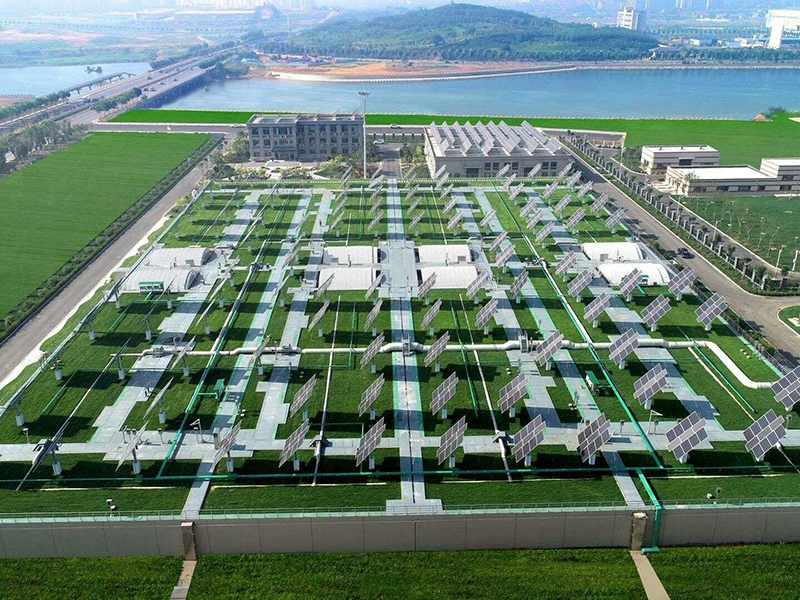
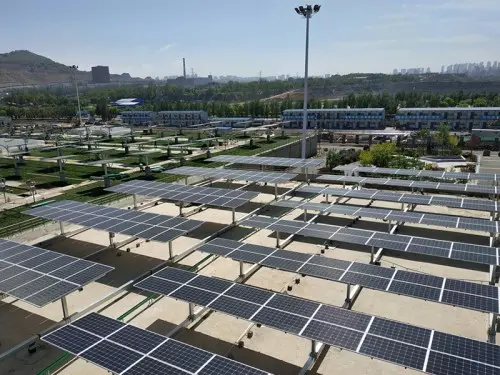
353MW Flat Single Axis Tracker Operation
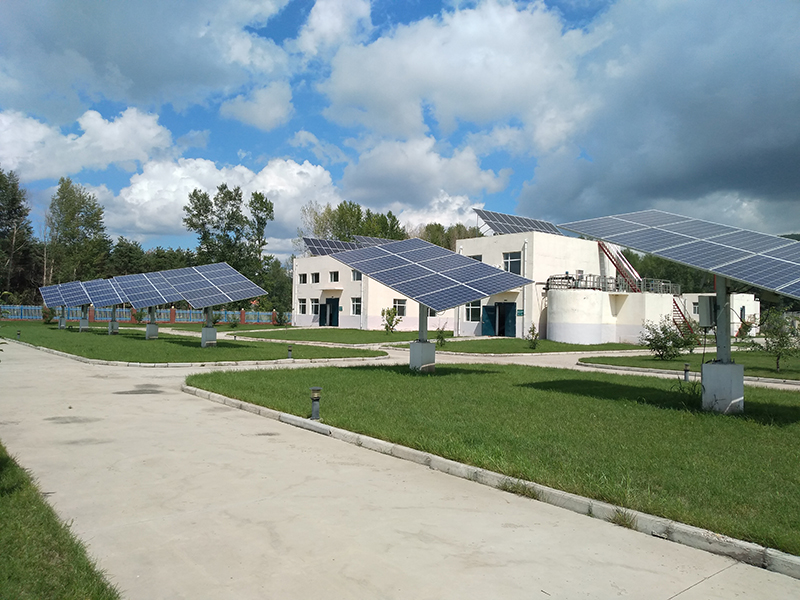
Dual Axis Tracker Structural Stability Test
Dual Axis Solar Tracker Field Overview
While targeted directly at famous residential applications, Zhaori Solar trackers scale to match commercial and industrial (C&I) specifications. Industrial complexes can pair tracking arrays with off-grid micro-storage, optimizing energy independence and lowering peak grid demand tariffs.
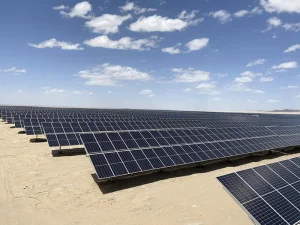
Projects like our 5MW installation in North China, the 20MW Desert Project, and the 110MW Bifacial Module utility array highlight the structural reliability and performance scaling of our dynamic mounts.
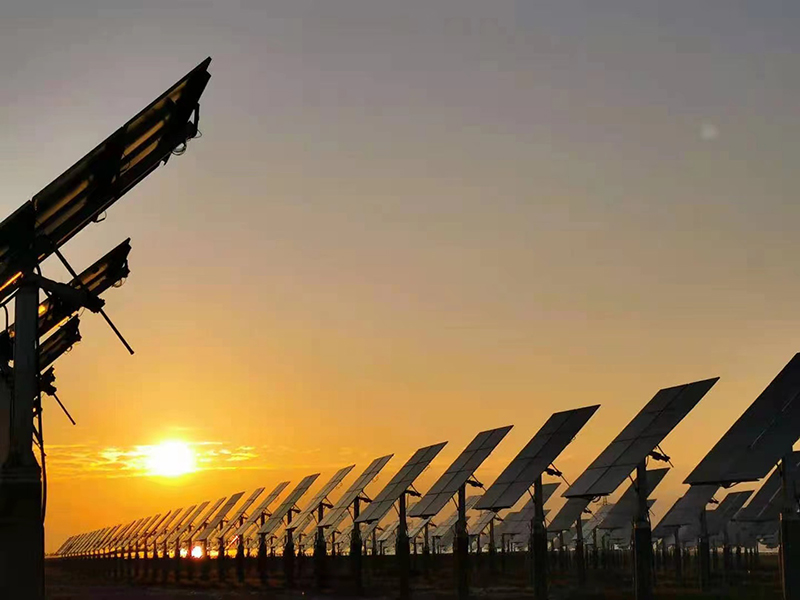
5MW Utility Installation in North China
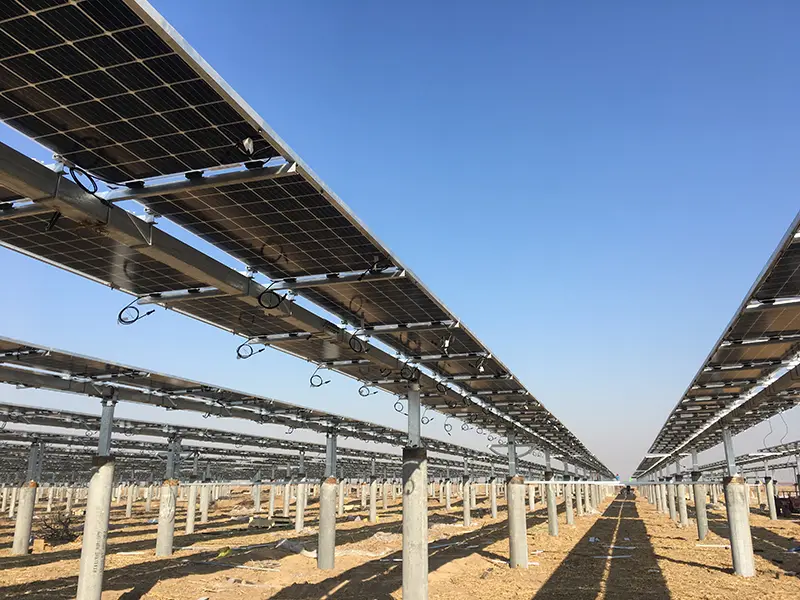
110MW Array with Bifacial Modules
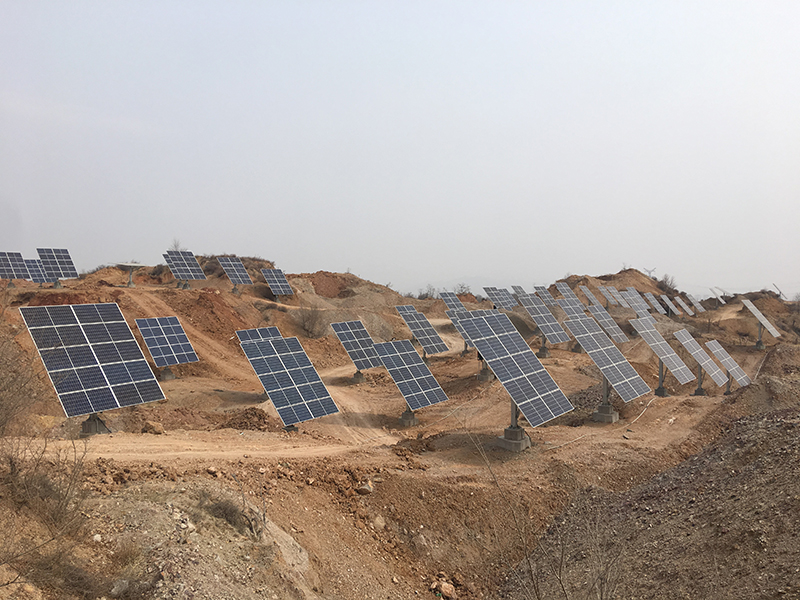
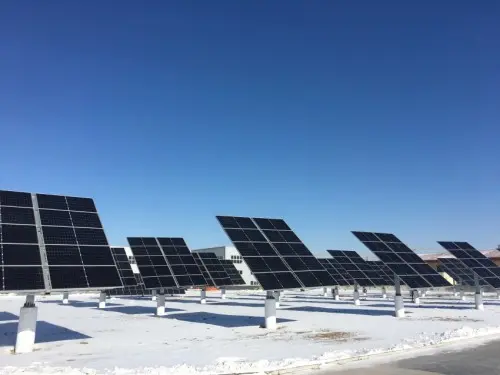
Residential homes on hillsides or in cold regions require specific tracker structural engineering. Heavy snow accumulation blocks static arrays, but Zhaori’s tracking algorithms pivot modules to shed snow during early morning hours, restoring generation capability.
Our Mountain tracking projects and dedicated snow-shedding tracking designs demonstrate durability in harsh weather, ensuring power continues flowing through freezing winters.
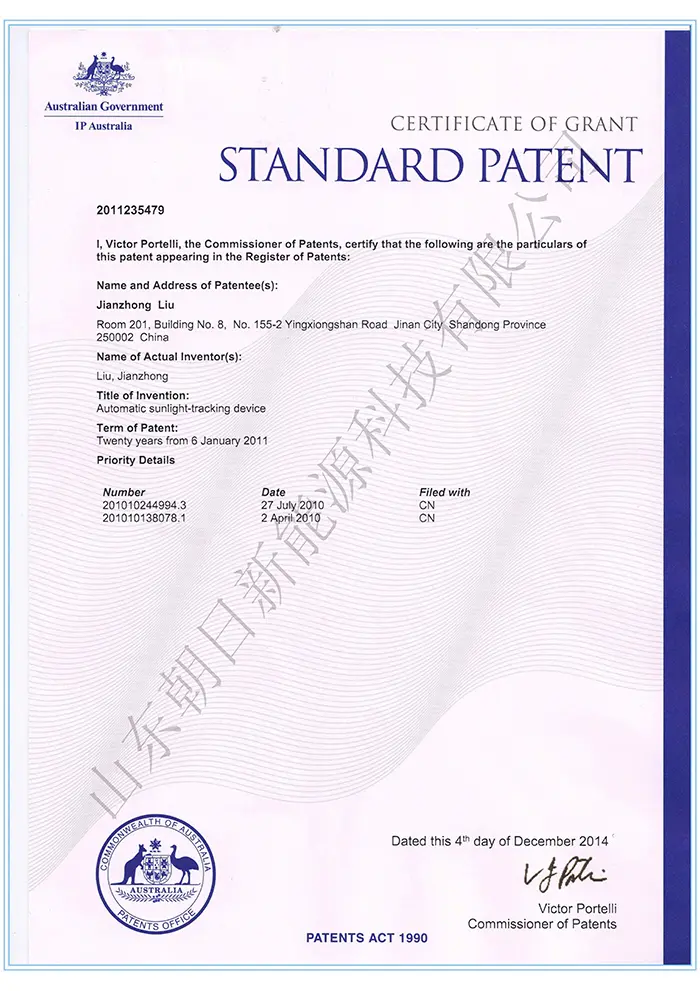
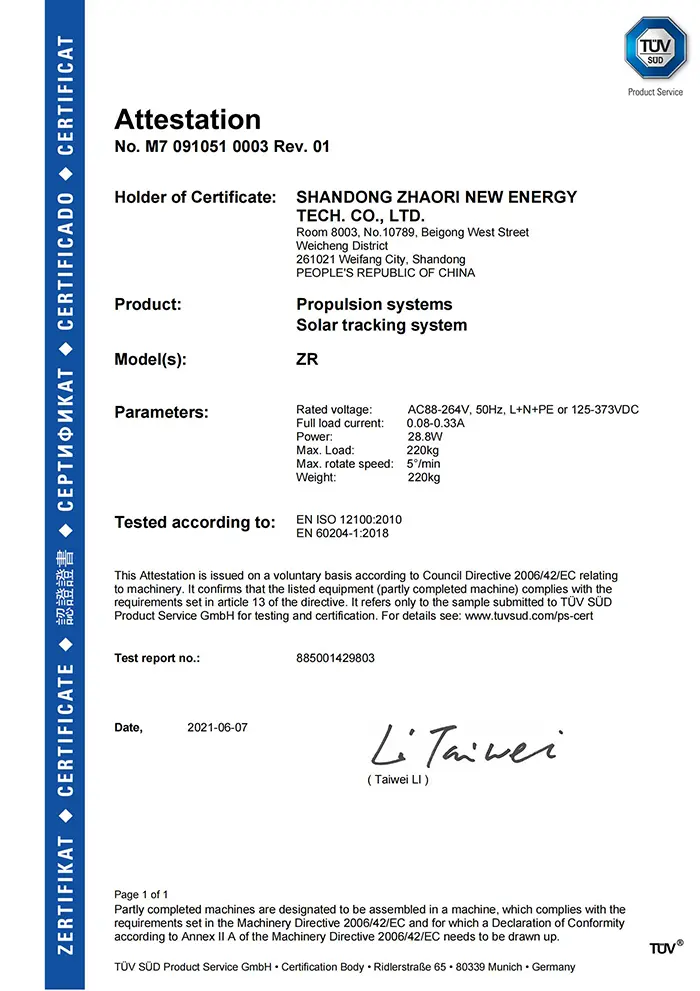
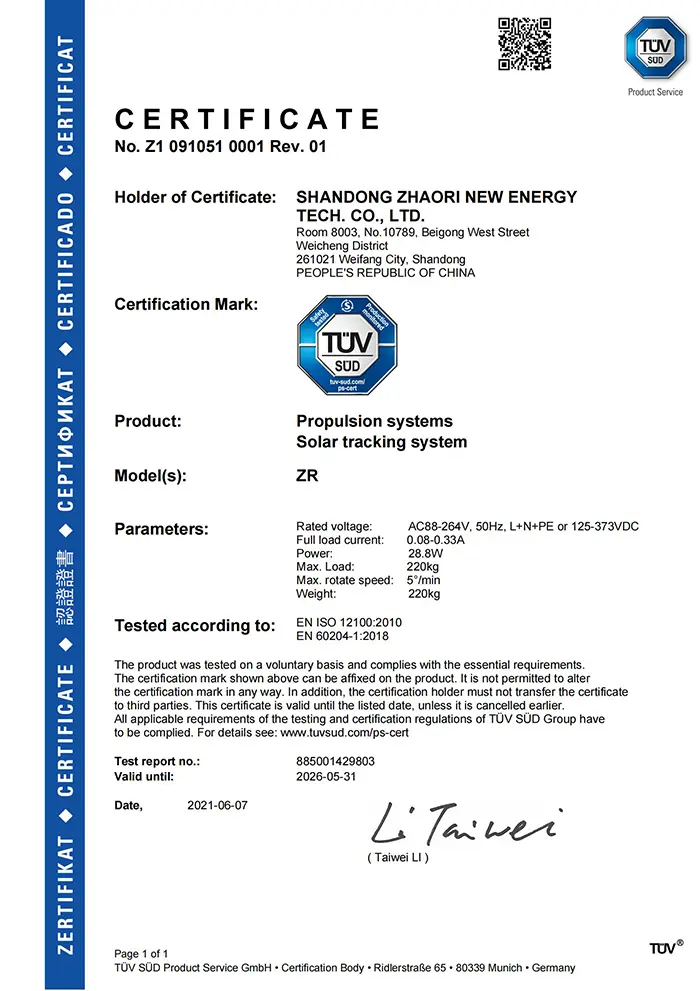
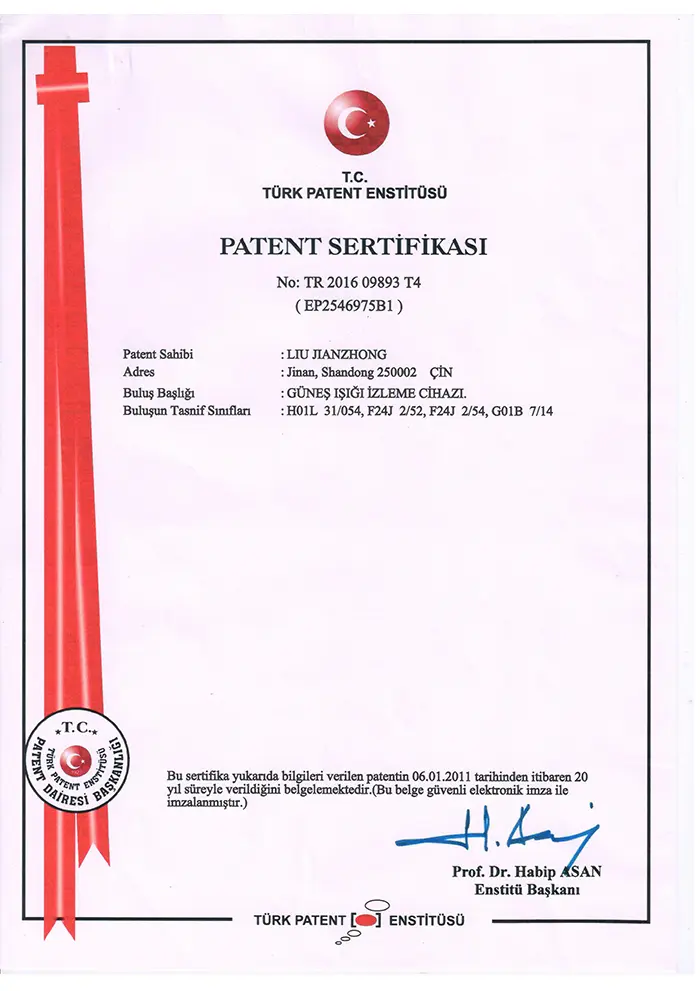
Trust in residential solar tracking installations requires validation from independent regulatory bodies. Shandong Zhaori New Energy holds patents issued by the European Patent Office, the United States, Canada, Australia, Japan, South Korea, Thailand, India, Brazil, and South Africa.
In our domestic market, we have secured 8 Chinese National Invention Patents alongside more than 30 Utility Model Patents, confirming our status as technical innovators. Additionally, our equipment meets TUV, CE, and ISO9001 standards, ensuring access to global residential solar installations.
Next-generation software parameters use local terrain modeling to adjust rotational angles, preventing shadow overlay during sunrise and sunset periods, and keeping output optimized.
Interfacing with local meteorological telemetry allows the system to position modules parallel to high-velocity winds automatically, protecting mounting structures during storms.
Integrating trackers directly with domestic energy storage systems allows modules to orient for peak battery charging parameters, improving off-grid resiliency.
Residential solar trackers adjust solar panels dynamically to follow the sun's trajectory. Tilted single-axis systems increase yields by 15% to 25%, while dual-axis setups track both altitude and azimuth, delivering up to 30% to 40% more daily energy yield depending on regional latitude limits.
Zhaori solar trackers feature active wind and snow mitigation features. Integrated control electronics interface with anemometers to level the tracker flat during high winds, lowering aerodynamic resistance. In cold areas, the tracking software tilts modules to shed snow during early morning hours, maintaining power production.
Our products are backed by design and utility patents across the EU, US, Canada, Australia, Japan, South Korea, India, and Brazil. They hold international quality standard certifications including TUV, CE, and ISO9001 compliance, verifying structural engineering safety for global markets.
No. Our design philosophy emphasizes simple, reliable, and effective performance. By utilizing high-load slewing drives, self-lubricating bearings, and corrosion-resistant components, maintenance is minimal, requiring only basic seasonal inspections to ensure clear tracking paths.
Combining the mechanical simplicity of a single axis with fixed module inclination to capture mid-latitude solar tracks effectively.
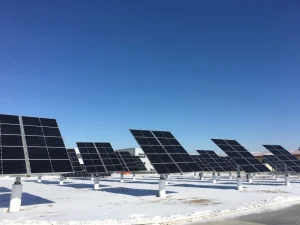
Zhaori's flagship model ZRD-10 delivers dual-axis precision tracking for residential smart home integrations.
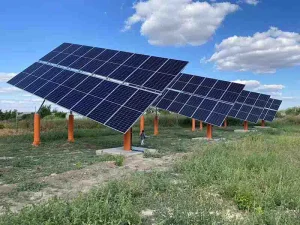
Engineered for high latitudes, the ZRT-16 balances structural stability with optimal power generation parameters.
A cost-effective alternative allowing seasonal angle adjustments without automated motor systems.
Features detailed structural optimization, maximizing efficiency in high-density residential properties.
Accommodates 10-20 modules per block. An efficient choice for scaling home generation arrays.
Dual-row linked systems engineered to lower civil installation costs and maximize power yields.
Engineered for high stability and continuous output under heavy wind loads and high-latitude climates.
 Zhaori