Advanced dual-axis and single-axis solutions for global energy projects.
Whitepaper: Decarbonizing the Grid through Structural Innovation
In the global race toward Net-Zero emissions, the efficiency of utility-scale photovoltaic (PV) systems is no longer a luxury—it is a financial imperative. As a premier one axis tracker manufacturer and exporter, Shandong Zhaori New Energy Tech Co., Ltd. recognizes that the industry has shifted from "maximum yield at any cost" to "optimized Levelized Cost of Energy (LCOE)."
Modern solar tracking technology addresses the macro challenges of land scarcity and grid stability. By smoothing out the generation curve (duck curve mitigation), tracking systems provide a more consistent energy supply to the power market. Our ZRP and ZRT series are engineered to meet these precise commercial requirements, blending structural resilience with smart control algorithms.
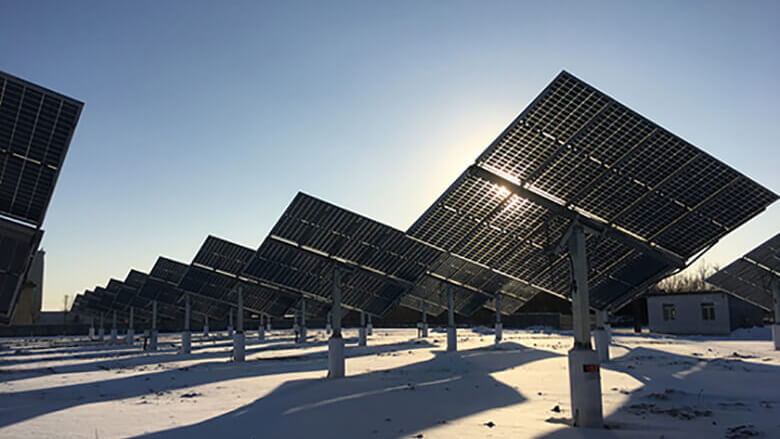
Utilizing astronomical algorithms combined with real-time DNI sensors to optimize the incidence angle. Our systems feature automatic backtracking to prevent row-to-row shadowing during dawn and dusk.
Structural integrity is paramount. Our designs undergo rigorous aerodynamic analysis to ensure stability during high-wind events, featuring automatic "stow mode" protocols for safety.
Leveraging high-molecular-weight polymer materials that require no lubrication, reducing long-term OPEX for utility-scale investors in harsh desert or coastal environments.
Certifications including TUV, CE, and ISO. Patents granted in the EU, USA, Canada, Australia, and Japan, ensuring seamless integration into international tender requirements.
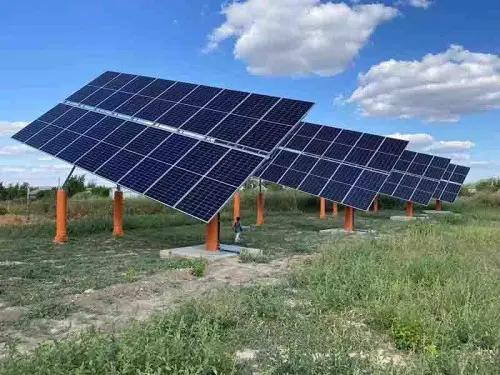
Specialized 2P and 1P configurations designed to minimize rear-side shading, maximizing the albedo gain from bifacial modules for a 15-30% production boost.
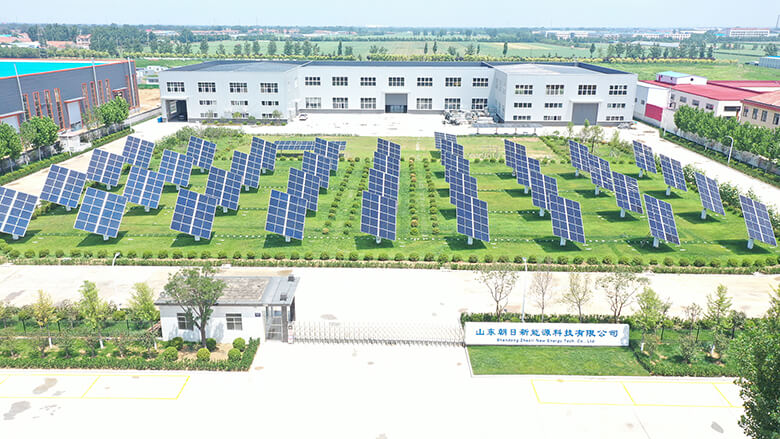
Founded in June 2012, Shandong Zhaori New Energy Tech. Co., Ltd. has evolved from a local tech startup into a global powerhouse in the solar tracking sector. With over 60 professional technology talents and 300+ production workers, we bridge the gap between complex engineering and field-ready reliability.
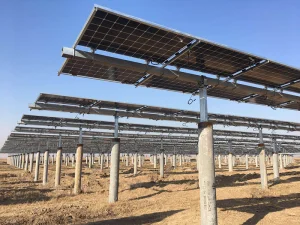
Our manufacturing facility utilizes advanced CNC machine tools, laser cutting systems, and automatic welding robots to maintain a 500MW monthly throughput. Every component, from the galvanized steel structure to the electronic controller, undergoes rigorous level-by-level quality control.
Adapting Technology to Local Environments and Regulations
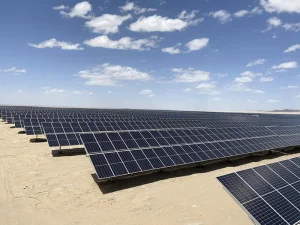
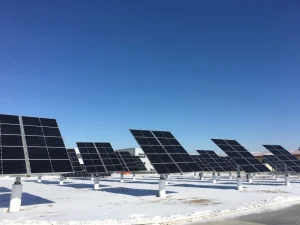
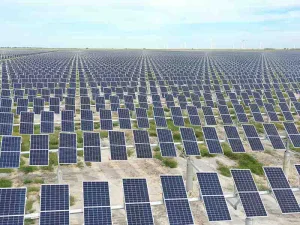
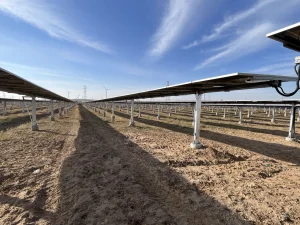
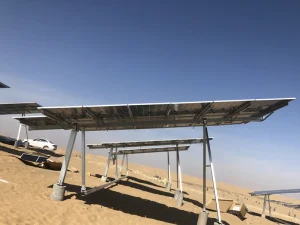
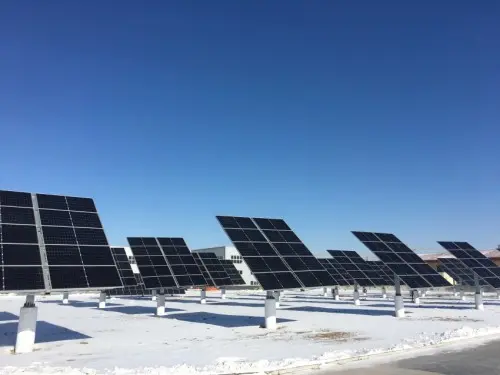
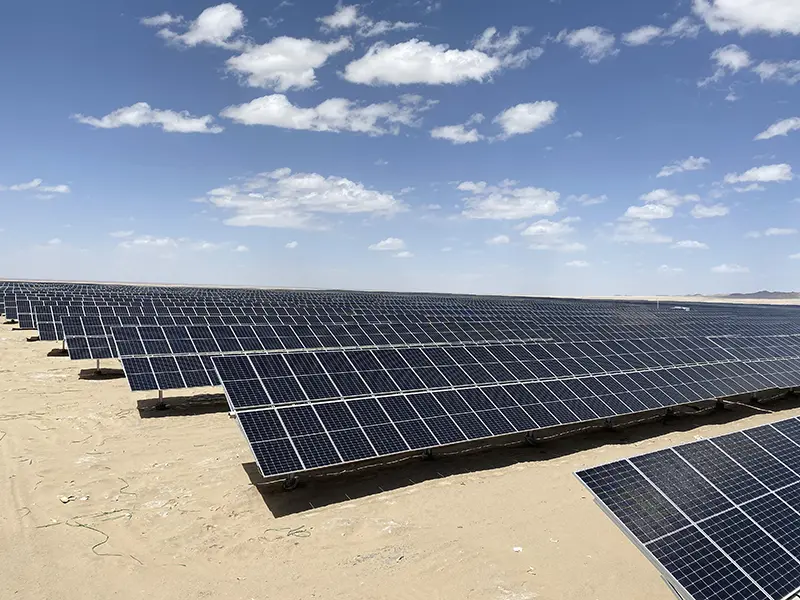
Our 360MW desert projects demonstrate the resilience of our trackers against sand erosion and extreme temperature fluctuations (-40°C to 85°C).
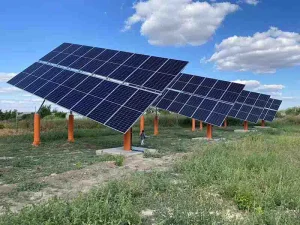
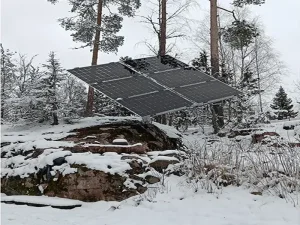
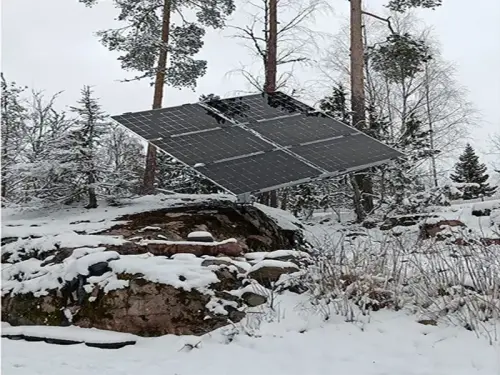
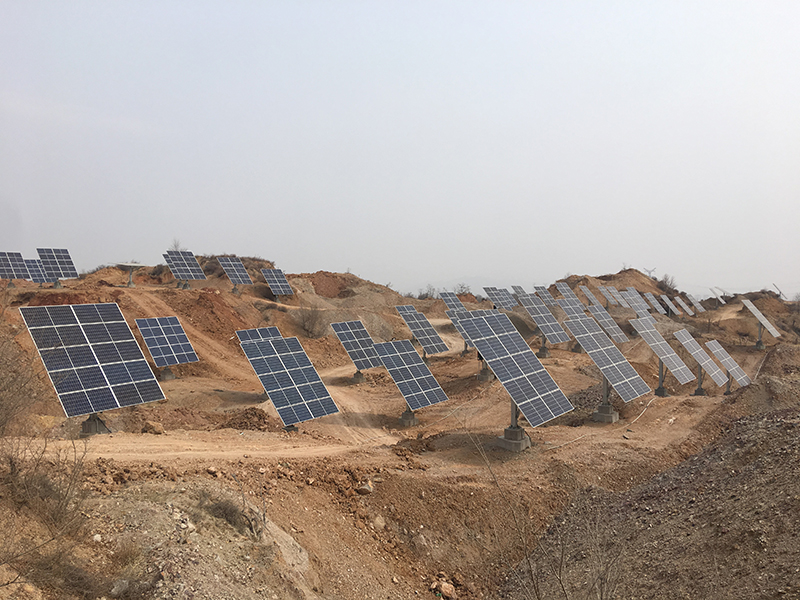
Flexible mounting systems and adjustable tilt angles allow for efficient power generation on uneven slopes where traditional fixed structures fail.
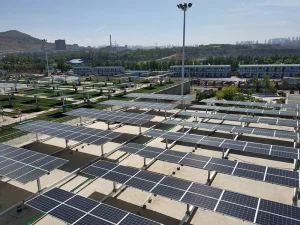
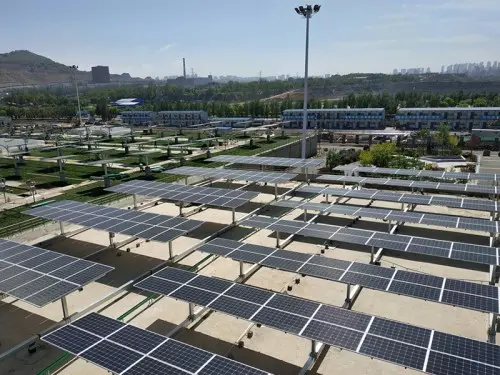
Lightweight tracking solutions for commercial roofs, optimizing energy harvest for high-consumption factories without compromising roof integrity.
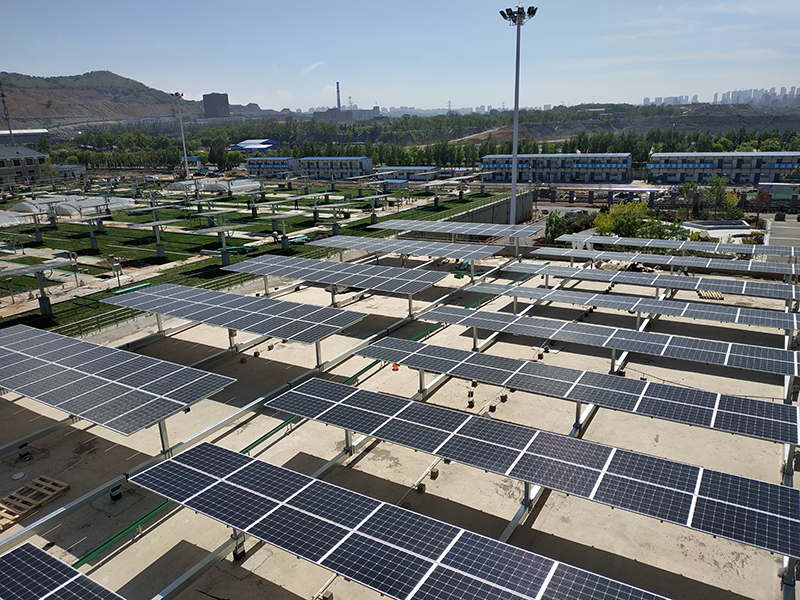
The next decade of solar tracking will be defined by Internet of Things (IoT) integration and Predictive Maintenance. Shandong Zhaori is currently developing next-generation controllers with edge-computing capabilities that can self-diagnose mechanical stress before failure occurs. By incorporating satellite weather data, our trackers will move from reactive "stow" modes to proactive "storm-ready" positioning, further protecting investor assets.
We are also exploring the synergy between Green Hydrogen production and solar tracking, providing the ultra-low-cost electricity required for efficient electrolysis. As a leading exporter, we are committed to localizing our technical support teams in key markets like MENA, LATAM, and SE Asia to provide 24/7 O&M assistance.
 Zhaori