Engineered for high durability, zero-point alignment reliability, and simplified site integration.
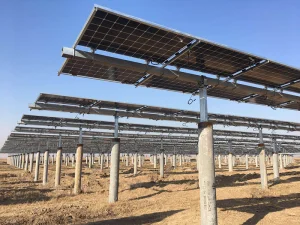
Designed for flat structural configurations, yielding high performance gains with single-axis tracking kinetics.
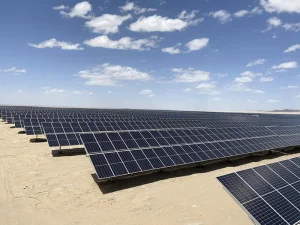
Robust adjustable seasonal brackets engineered for high mechanical wind load capacities.
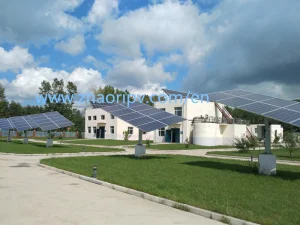
Cost-efficient dual axis tracker offering optimized daily solar tracking with semi-manual correction cycles.
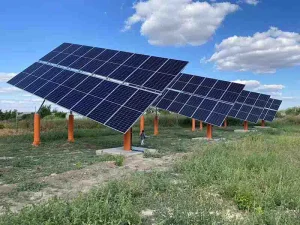
ZRT-16 tilted model tracking the sun's azimuth angle with 10°-30° slopes, boosting yield by 15%-25%.
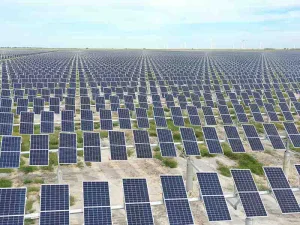
Combines flat tracking geometry with pre-inclined modules for high-latitude solar performance.
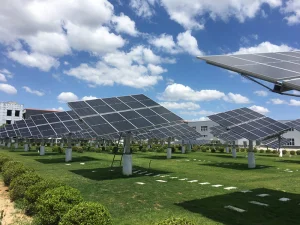
High-precision dual-axis tracking logic offering maximum astronomical solar light capture.
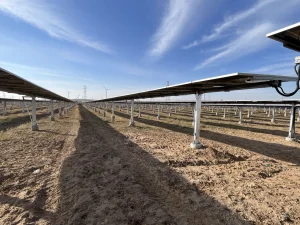
1-in-Portrait structural configuration optimizing mechanical stiffness and dynamic wind stowing.
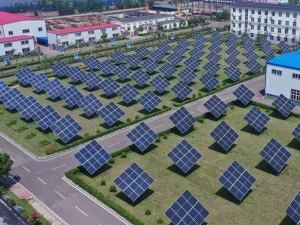
Optimized structural profile, high durability slewing drive tracking both elevation and azimuth.
Founded in June 2012, Shandong Zhaori New Energy Tech. Co., Ltd. has established itself as an authoritative leader in high-performance solar tracking systems and advanced structural engineering. Spanning over a decade of continuous technology deployments, the enterprise has developed 10 core organizational divisions: R&D Department, Technical Department, Engineering Department, Production Department, Quality Assurance (QA) Department, Development Department, Foreign Trade Department, Domestic Trade Department, I.M.D. Department, and Customer Support Operations. We house over 60 professional mechanical and software technology developers focused exclusively on utility-scale photovoltaic tracking technology.
Our foundational principle is clear: "More simple, more reliable, and more effective." Every system we manufacture is built to minimize operating expenses (OPEX) while achieving optimal Levelized Cost of Energy (LCOE) targets for project developers, EPCs, and asset holders globally.
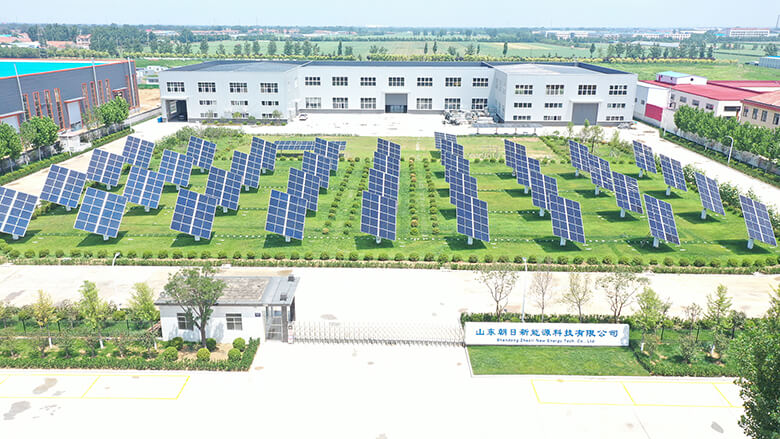
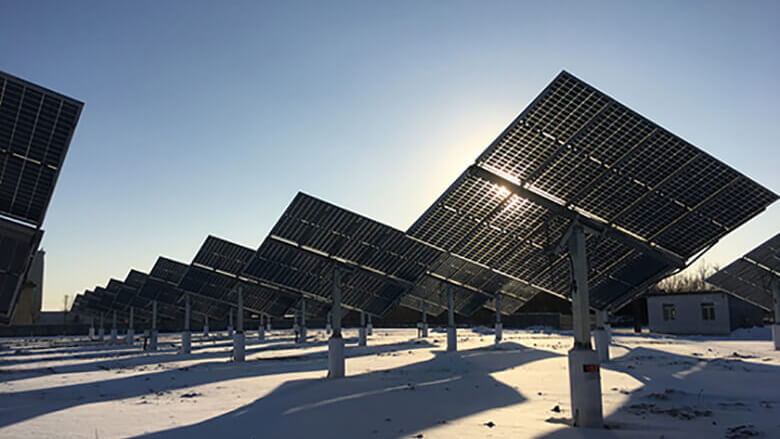
Our state-of-the-art production base covers over 50,000 square meters and is equipped with next-generation manufacturing technology, including high-precision CNC machine tools, heavy-duty fiber laser cutting lines, automated industrial welding robots, precision plasma processing machinery, and multiple structural rolling lines. With a workforce of more than 300 skilled production operators, we maintain a monthly manufacturing throughput of 500MW.
Each component undergoes rigorous processing stages: raw material structural testing, computerized laser cutting, high-integrity robotic welding, metal forming, hot-dip galvanizing or alloy anti-corrosion coating, strict post-processing calibration, non-destructive testing (NDT), and heavy-duty ocean-freight packaging. The entire workflow is verified step-by-step under the ISO 9001, ISO 14001, and ISO 45001 Quality, Environmental, and Health & Safety management systems.
The global utility-scale solar landscape is shifting from fixed-tilt racking to active tracking technologies. This transition is driven by the economics of solar power, where maximizing yield is critical. Mechanical solar trackers increase project energy yield by 15% to 30% compared to static fixed structures, accelerating return on investment (ROI).
Modern tracker engineering has divided into two formats: 1-in-Portrait (1P) and 2-in-Portrait (2P) layouts. While 1P trackers are highly stable and perform well under high wind loads due to their lower torque-tube height, 2P systems reduce the total structural footings required per megawatt. This lowers foundation costs but increases the dynamic torsional load on the system. High-quality manufacturers mitigate this by using advanced damping systems and dual-drive linkages.
Bifacial PV modules are now standard in large solar projects. Standard trackers can cast shadows on the rear side of these modules, reducing their rear-side yield (albedo gain). Modern mechanical trackers are designed with optimized tube clearance heights and narrow spatial footprints to minimize rear-side structural shading. This design detail allows projects to unlock an additional 4% to 8% in bifacial yield.
| Tracker Parameter | Flat Single Axis (ZRP Series) | Tilted Single Axis (ZRT Series) | Dual Axis (ZRD Series) |
|---|---|---|---|
| Tracking Axes | Single Axis (horizontal) | Single Axis (inclined 10°-30°) | Dual Axis (Azimuth & Elevation) |
| Energy Yield Gain | 15% – 30% vs. Fixed-tilt | 15% – 25% vs. Fixed-tilt | 30% – 45% vs. Fixed-tilt |
| Wind Load Capacity | Up to 45 m/s (Active Stow) | Up to 40 m/s (Active Stow) | Up to 35 m/s (Active Stow) |
| Module Capacity per Row | 10 – 60 Modules | 10 – 20 Modules | Up to 40 Modules (Customizable) |
| Tracking Range | ±60° (120° Total) | ±45° (90° Total) | 360° Azimuth, 0°-75° Elevation |
In early-morning and late-afternoon tracking stages, nearby tracker rows can cast shadows on adjacent arrays. To prevent this, advanced systems use smart backtracking algorithms. These algorithms adjust the tilt angle away from the direct sun path when shadow calculations predict row-to-row shading. Modern systems use real-time computational modules that calculate diffuse light parameters under overcast sky conditions, optimizing energy generation in low-light environments.
How automation and local integration maintain consistent global supply chains.
Our manufacturing utilizes automated robotic welding cells, high-powered fiber laser cutters, and precise CNC forming machines. This automation ensures structural tolerances are kept within ±1.0mm, reducing installation assembly errors on-site.
We are situated near major steel manufacturing hubs in Shandong Province. This proximity gives us consistent access to high-quality structural steel grades (such as Q355B and Q235B), helping to shield global clients from raw material market fluctuations.
Components are treated with high-thickness hot-dip galvanizing, with a zinc coating thickness of 85 microns or more. This level of protection ensures structural durability over a 25-year service life in C4/C5 marine or highly corrosive agricultural environments.
Purchasing solar trackers for large-scale utility projects requires careful evaluation of structural design, environmental adaptation, and financial feasibility.
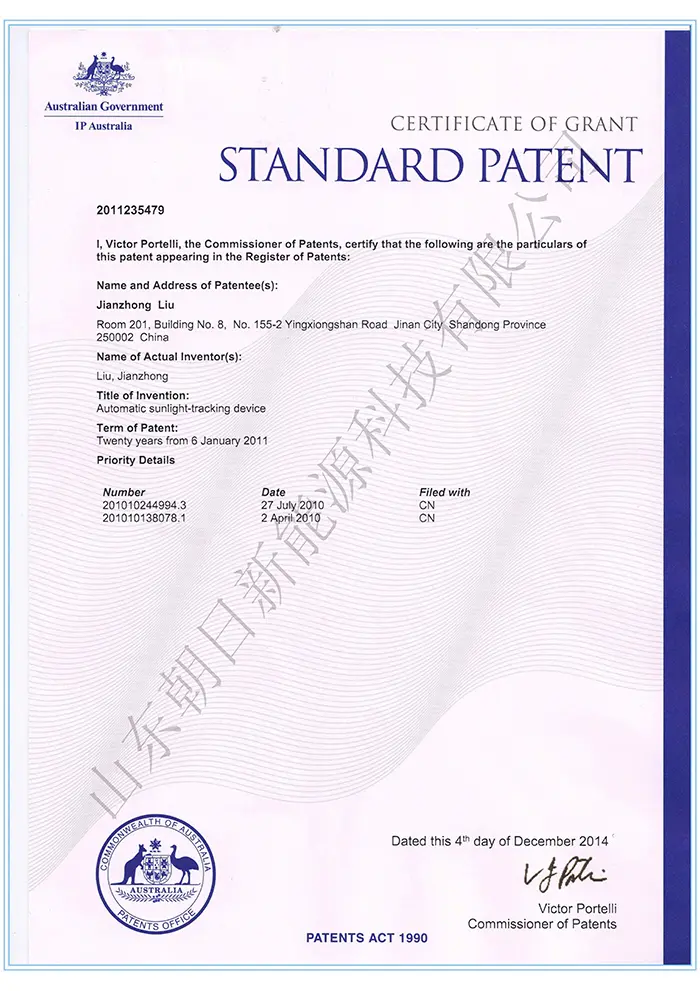
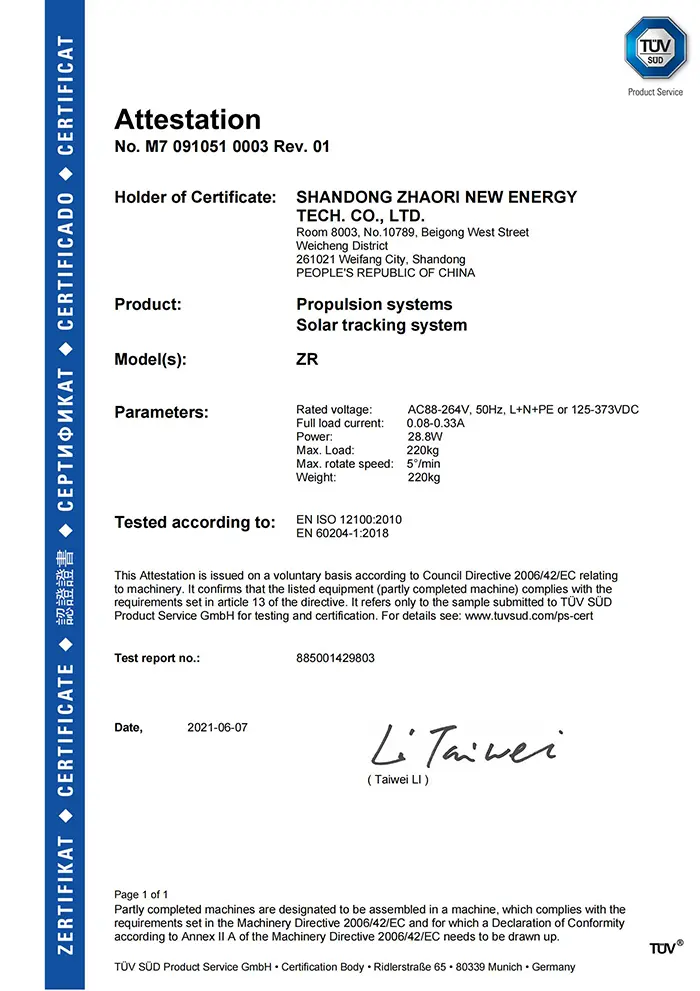
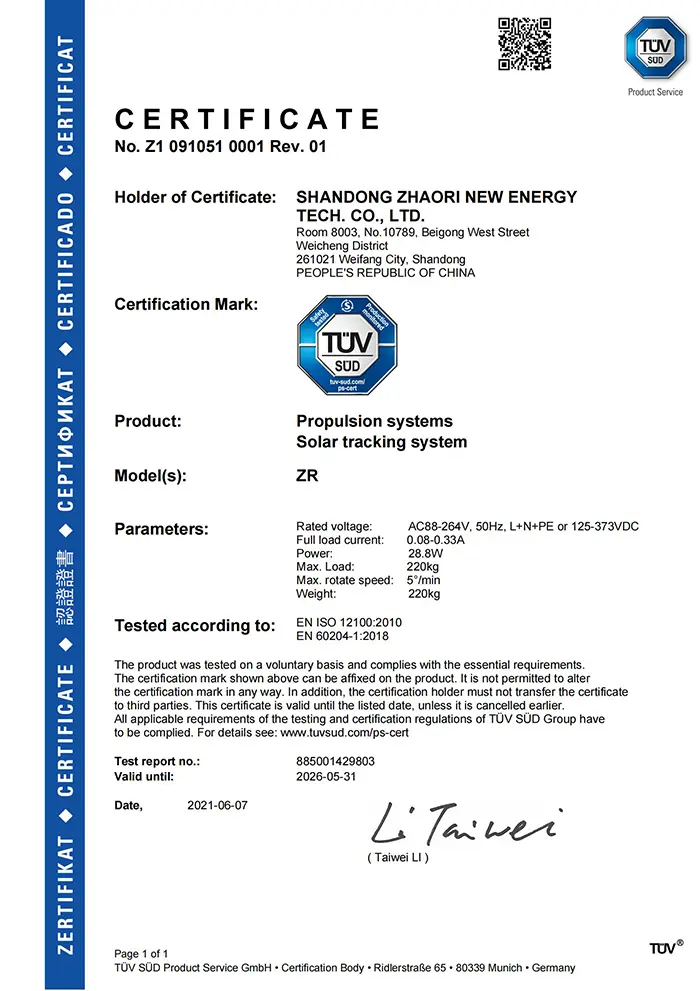
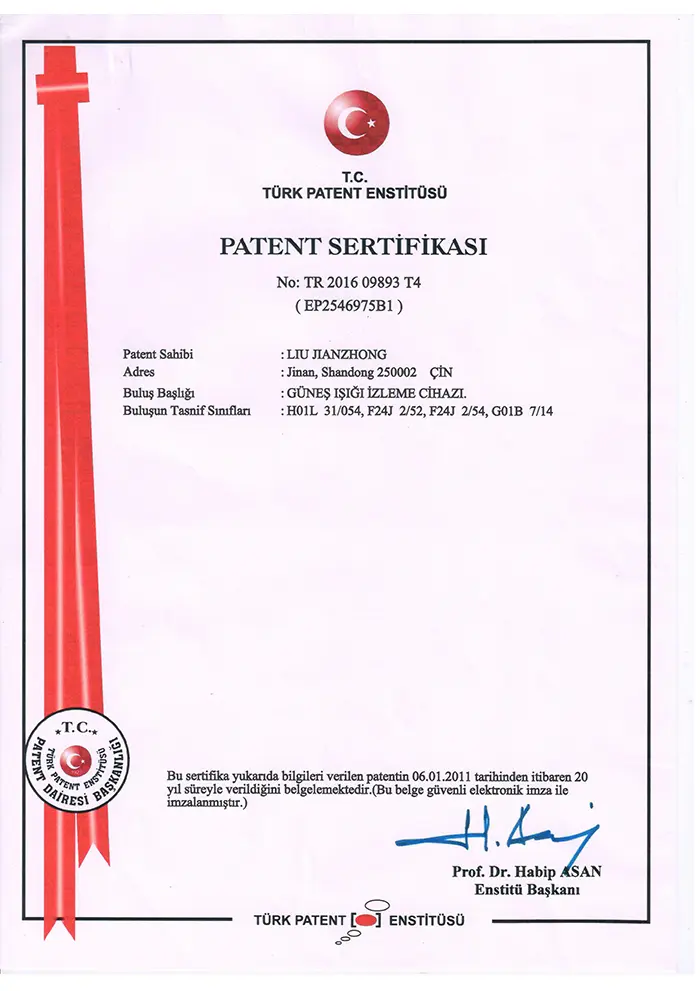
For project developers seeking external financing, bankability is a key metric. A solar tracker supplier must demonstrate third-party certifications, structural validation reports, and a solid operational track record. Shandong Zhaori Solar trackers hold patents in the US, Canada, Europe, Australia, Japan, Korea, South Africa, and Brazil, and are certified under CE, TUV, and ISO standards. This international compliance provides security for global financial institutions and developers.
High wind events present a significant operational risk for solar installations. Trackers must be engineered to resist static wind loads and dynamic flutter (aeroelastic instability). Our structural designs are developed using analytical wind tunnel testing models. Our systems feature an active stow strategy, moving panels to horizontal or optimized defensive angles within minutes of wind alert triggers. This ensures structural safety in wind speeds up to 45 m/s.
Each tracker row experiences uneven dynamic loads during operation. We utilize high-ratio gearbox components and robust driving linkages that prevent torsional twisting along the structural span. These mechanical systems distribute structural loads evenly, preventing localized stress fractures and protecting the solar modules from micro-cracking.
Demonstrated performance in diverse geographical regions and environmental conditions.
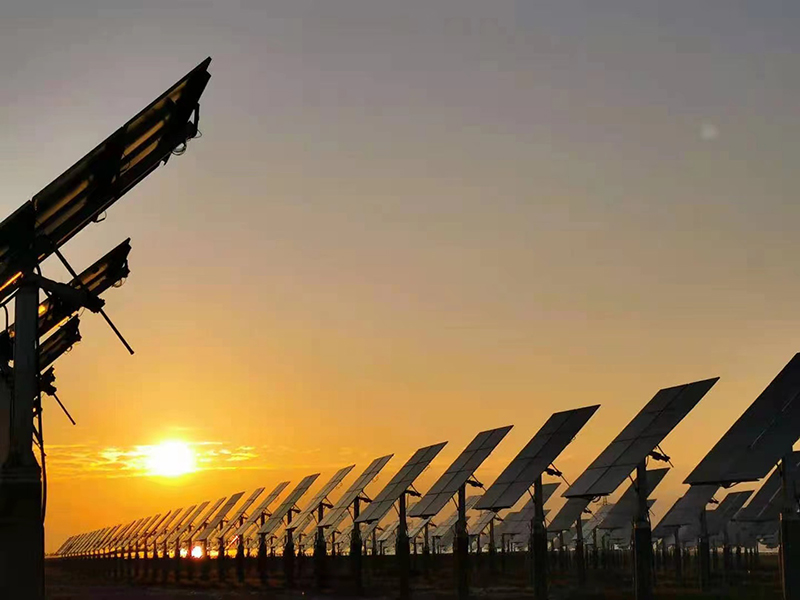
High-latitude site location in North China, delivering high energy yield via precise dual-axis astronomical tracking.
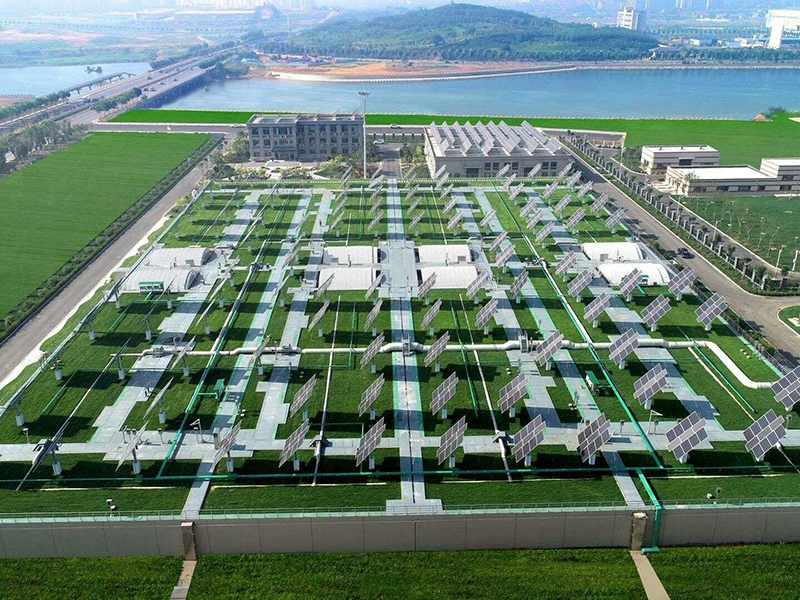
Rooftop-integrated tracking array providing clean power directly to manufacturing facilities.
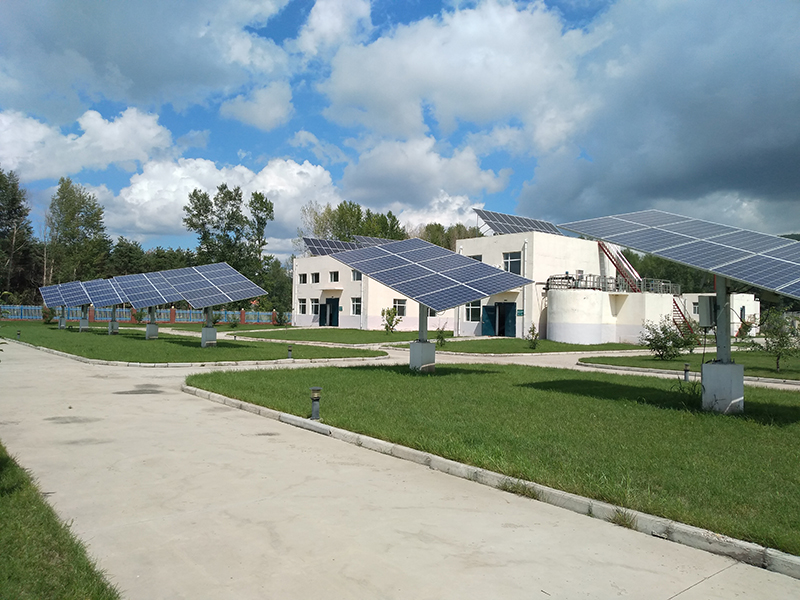
Integrated eco-infrastructure project showcasing multi-axis solar systems in public green zones.
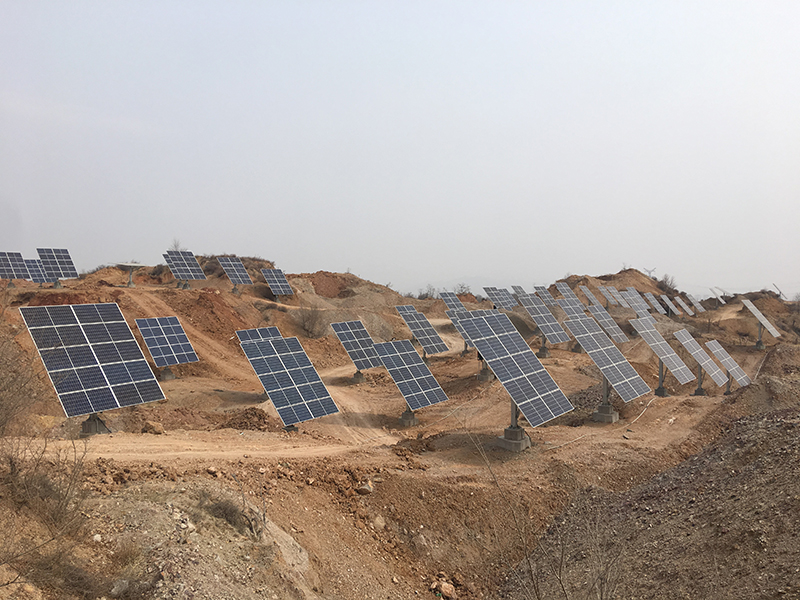
Engineered to adapt to uneven vertical slopes, minimizing site grading costs.
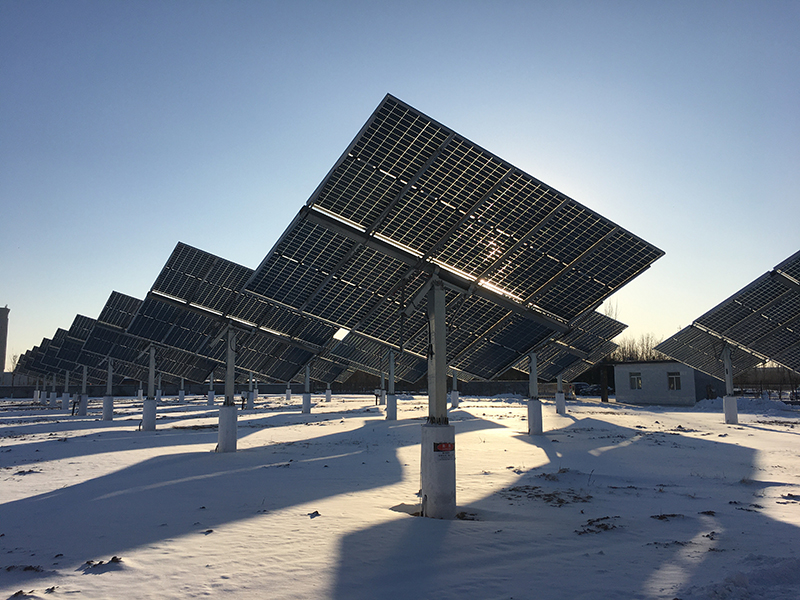
Active snow shedding mode rotates modules to sleep slopes, avoiding structural damage from snow accumulation.
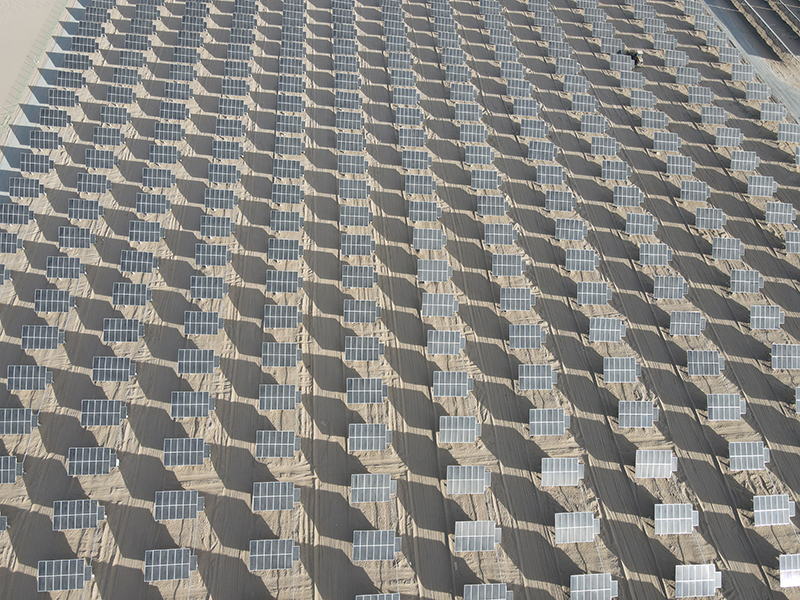
Constructed in harsh desert environments with high-reliability mechanical dust seals on all moving linkages.
Verified structural design compliance and intellectual property protection across multiple continents.
Detailed engineering insights for developers, EPCs, and technicians.
1-in-Portrait (1P) layouts feature modules mounted vertically in a single row. This design keeps the center of gravity closer to the ground, reducing dynamic torsional load and allowing for high stability in high-wind zones. 2-in-Portrait (2P) layouts stack two vertical modules, lowering the foundation pile count per megawatt by up to 30%, which reduces earthworks and pile-driving costs. However, 2P systems require robust drive linkages and dampeners to control the increased wind forces.
Our trackers are connected to a central control unit integrated with local anemometers (wind sensors). When wind speeds exceed preset safety thresholds (typically 18-22 m/s), the controller overrides standard astronomical tracking and commands the motor drive to rotate the PV tables to the horizontal position (0° tilt) or a pre-calculated optimal stow angle. This reduces the structural surface area exposed to wind forces, protecting the integrity of the tracking hardware.
To ensure a 25-year design life in outdoor environments, all core steel structural components undergo high-temperature hot-dip galvanizing (HDG) in accordance with ISO 1461 standards. The zinc coating thickness is maintained at a minimum of 85 microns, providing high galvanic protection. For dry desert environments or coastal regions with elevated salinity, we offer custom specialized magnesium-aluminum-zinc alloy coatings that improve localized self-healing edge protection.
During the early morning and late afternoon, the low angle of the sun would cause the shadow of one tracker row to fall on the adjacent row. Our backtracking logic calculates this shading boundary in real-time. Instead of pointing directly at the sun, the tracker angles back slightly, aligning the array to prevent row-to-row shading. This design choice maintains uniform irradiance across the module cells, preventing hot-spot degradation and increasing daily power production during low-sun periods.
Our trackers are designed for low maintenance, featuring dry-lubricated bearings and high-reliability slewing gearboxes. Mechanical inspections are recommended semi-annually to check fast-tightening torque settings and assess structural components. Gearbox lubrication is inspected yearly, though our sealed components are engineered for extended operating periods before requiring grease replenishment. The electronic system runs automated daily diagnostics and logs tracking faults back to the SCADA system.
Yes, Shandong Zhaori Solar trackers are certified to meet international standards. We hold product design patents in regions including the Europe Patent Office, United States, Canada, Australia, Japan, South Korea, Thailand, India, Brazil, and South Africa. Additionally, our operations hold official CE, TUV, and ISO 9001/14001/45001 quality certificates, supporting international project compliance.
Explore our complete range of high-efficiency single and dual axis solar tracking hardware.
Maximizes performance on high-latitude solar sites, combining flat tracking kinetics with pre-angled panels.
Dynamic tracking across vertical and horizontal planes, maximizing direct solar exposure.
Proven mechanical structural stability with a low center of gravity, ideal for areas with high wind loads.
Designed for reliability with high-efficiency motor drives and weather-proof mechanical components.
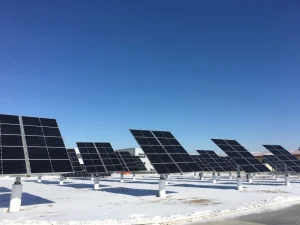
A premier dual-axis mechanical tracking system, engineered for continuous operation in variable climates.
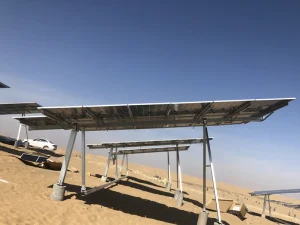
Combines single-axis tracker mechanics with structural inclination for optimized annual yield.
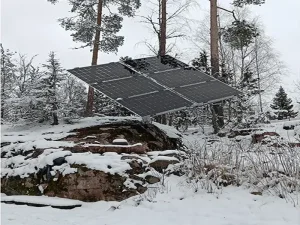
Compact dual-axis tracking design, suited for distributed generation projects and high-yield arrays.
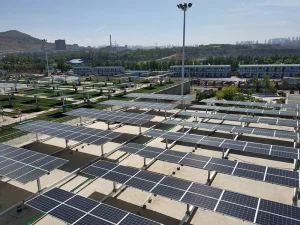
2P horizontal configuration designed to lower foundation counts and reduce site installation times.
 Zhaori