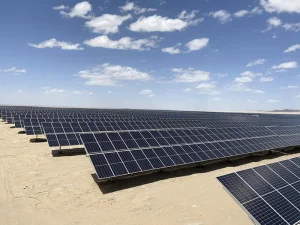
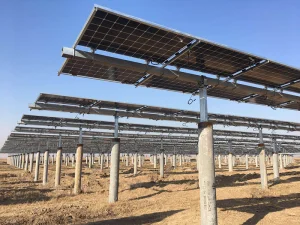
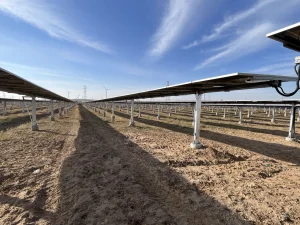
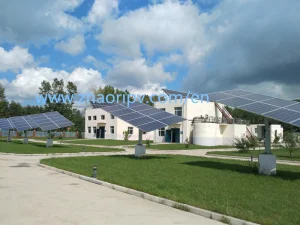
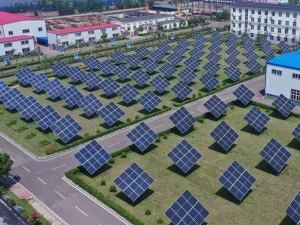
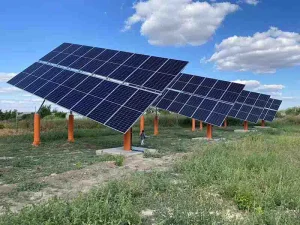
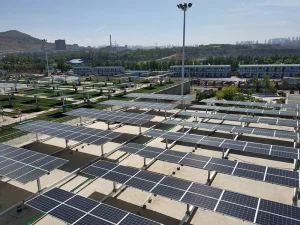
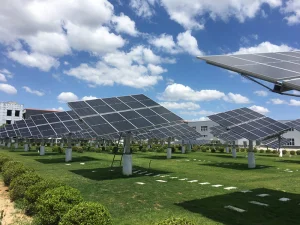
In the rapidly evolving landscape of concentrated solar power (CSP) and high-efficiency photovoltaic (PV) utility projects, the Heliostat Tracking System represents the pinnacle of engineering precision. Unlike fixed structures, a heliostat system dynamically adjusts mirrors or panels to follow the sun's trajectory across two axes, ensuring that solar energy is focused with surgical accuracy toward a central receiver or maximized for direct conversion.
As a leading authority in the field, Shandong Zhaori New Energy Tech. Co., Ltd. has spent over a decade refining these technologies. The global shift toward Carbon Neutrality has placed "Information Gain" at the forefront of solar procurement—not just how much energy is captured, but the efficiency per square meter and the long-term reliability of the tracking mechanism.
Founded in June 2012, Shandong Zhaori New Energy Tech. Co., Ltd. is a high-tech powerhouse built on a foundation of independent intellectual property rights. Our organizational structure comprises 10 specialized departments, including R&D, Quality Assurance, and I.M.D. (International Marketing Division), ensuring a seamless flow from initial design to global deployment.
Our team focuses on photovoltaic power stations and solar tracking technology for more than a decade. We don't just manufacture hardware; we engineer energy yield solutions that survive the harshest environments, from the snow-heavy mountains of North China to the scorching deserts of the Middle East.
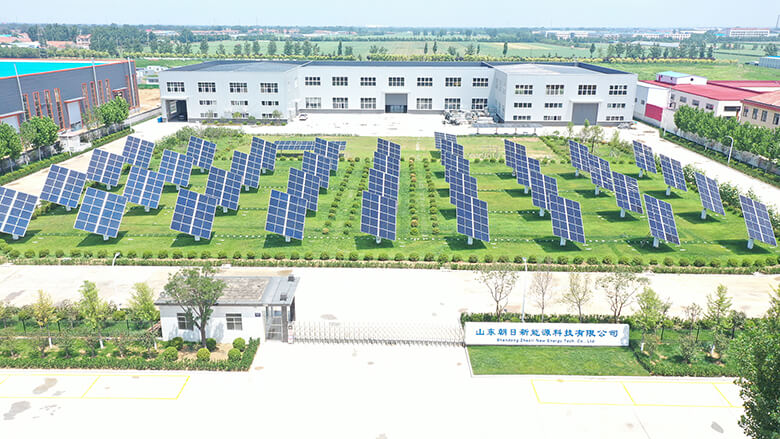
China’s role in the global solar supply chain is defined by efficiency, and our facility is the embodiment of that standard. Our factory covers an expansive 50,000 square meters, optimized for high-throughput production without compromising on precision.
We utilize automatic welding robots and CNC machine tools to ensure every structural component meets tight tolerances. This level of automation reduces human error and ensures consistency across thousands of tracking units.
From raw material screening to laser cutting and anti-rust treatment, every stage is governed by strict ISO certifications. Our "Level by Level" control system ensures that only the most resilient trackers reach the project site.
With a monthly capacity of 500MW, we serve major utility projects globally. Our products are packaged to survive trans-oceanic transit, ensuring they arrive ready for rapid installation.
The ZRD-10 and ZRD-08 series represent the ultimate in solar energy harvest. By tracking both the azimuth and elevation, these systems can increase energy production by 30% to 45% compared to fixed-tilt systems.
Ideal for: Concentrated PV, CSP, and high-DNI (Direct Normal Irradiance) regions where precision is paramount.
The ZRT-16 Tilted Single Axis system provides a cost-effective middle ground. By tilting the axis (10° – 30°), it tracks the sun’s daily path while maintaining a lower structural profile than dual-axis models, resulting in a 15% – 25% yield increase.
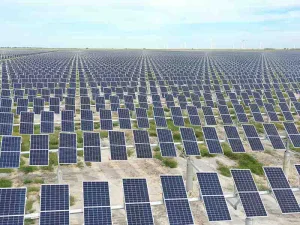
Designed for large-scale utility projects, our flat single-axis trackers (1P and 2P configurations) are the workhorses of the industry. They offer the best ROI for massive solar farms, balancing mechanical simplicity with a 15% to 30% production gain.
Contextualizing technology within specific environments is where Shandong Zhaori excels. Our "Information Gain" comes from the unique data we've gathered across diverse global terrains.
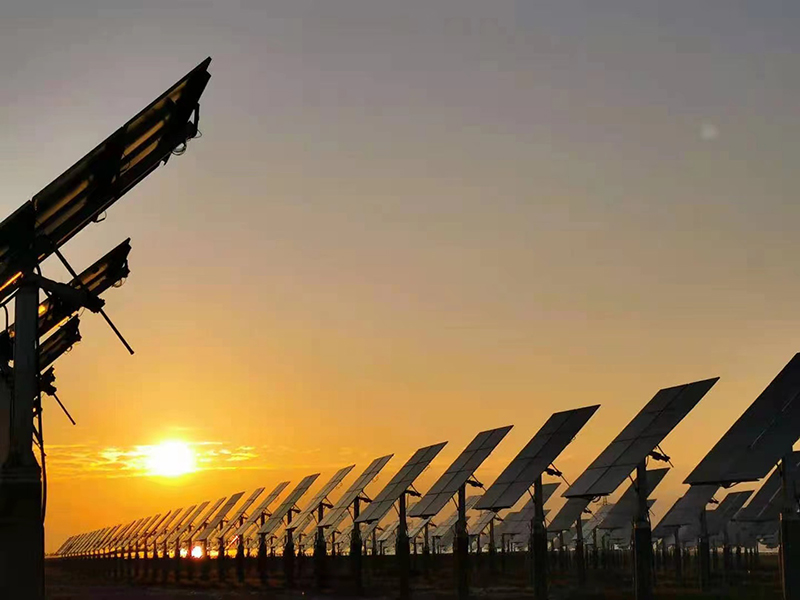
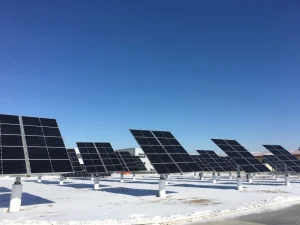
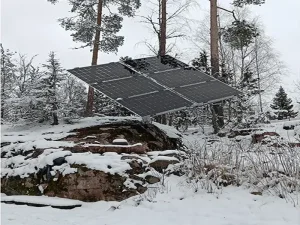
A rigorous test of snow load and extreme cold, our dual-axis trackers proved their structural integrity and sensor accuracy in sub-zero temperatures.
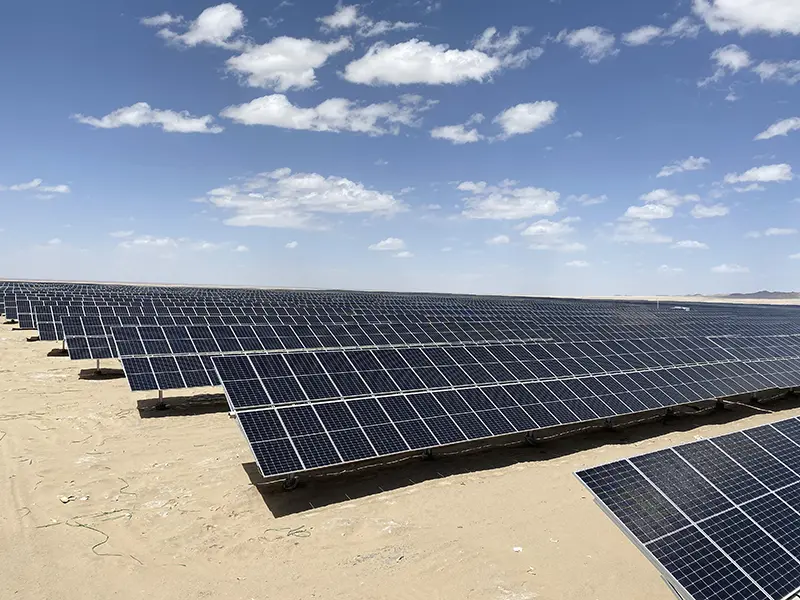
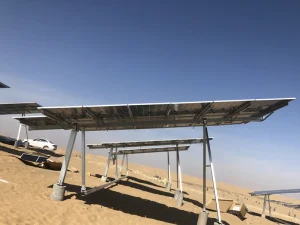
In high-dust, high-heat environments, mechanical reliability is the greatest challenge. Our sealed bearings and dust-resistant drives ensure longevity where others fail.
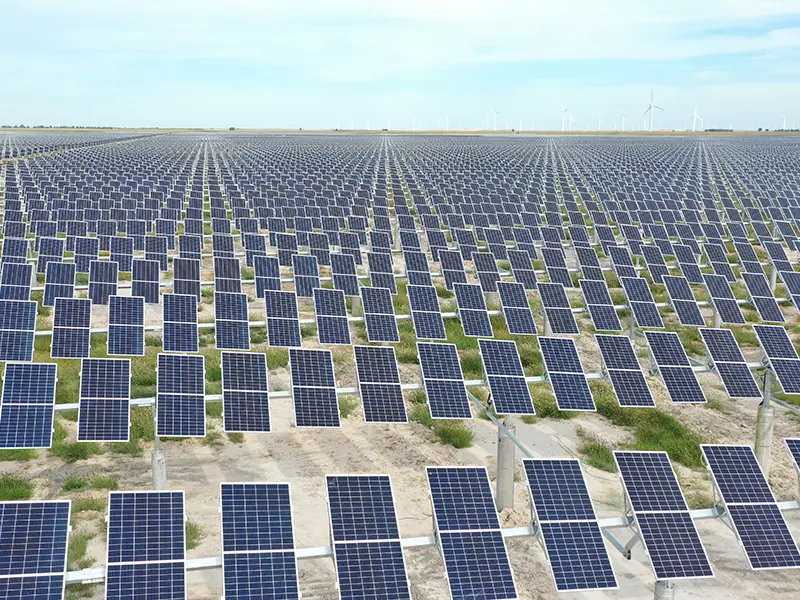
Utilizing flat single-axis trackers with inclined modules allows for optimal land use, combining solar harvesting with agricultural operations beneath the panels.
The next generation of trackers will use AI to predict cloud cover and adjust positioning to capture diffuse radiation, further increasing efficiency beyond astronomical algorithms.
Trackers are being redesigned to minimize rear-side shading, allowing bifacial modules to capture up to 10% additional energy from ground albedo.
Reducing Levelized Cost of Energy (LCOE) through pre-assembled components that slash on-site labor costs—a key demand from global EPC contractors.
When international EPCs and developers source heliostat or tracking systems, they prioritize the "Three Pillars of Reliability":
Shandong Zhaori addresses these through our "More Simple, More Reliable, More Effective" principle, ensuring low O&M costs throughout the project lifecycle.
Shandong Zhaori New Energy Tech. Co., Ltd. is more than just a manufacturer; we are your technical partner in the global energy transition. With a focus on innovation, durability, and customer success, we invite you to explore our customized solar tracking solutions.
 Zhaori