As the global energy transition accelerates, the demand for high-efficiency photovoltaic (PV) systems has shifted from static mounting to dynamic Automatic Solar Panel Tracking Systems. In 2024, the solar industry is no longer just about panel efficiency; it is about harvesting every available photon through intelligent motion. Modern tracking systems are the "brains" of utility-scale solar farms, reducing the Levelized Cost of Energy (LCOE) by up to 30% compared to traditional fixed-tilt structures.
The global solar tracker market is projected to grow at a CAGR of 15% through 2030. Key drivers include the adoption of bifacial modules, which require trackers to maximize rear-side energy gain, and the integration of AI-driven backtracking algorithms that prevent row-to-row shadowing during dawn and dusk.
From the arid deserts of the Middle East to the mountainous terrains of Southern Europe, trackers are being customized for harsh environments. Modern systems now incorporate automated "Wind Stow" modes to protect assets during extreme weather events, ensuring structural integrity without human intervention.
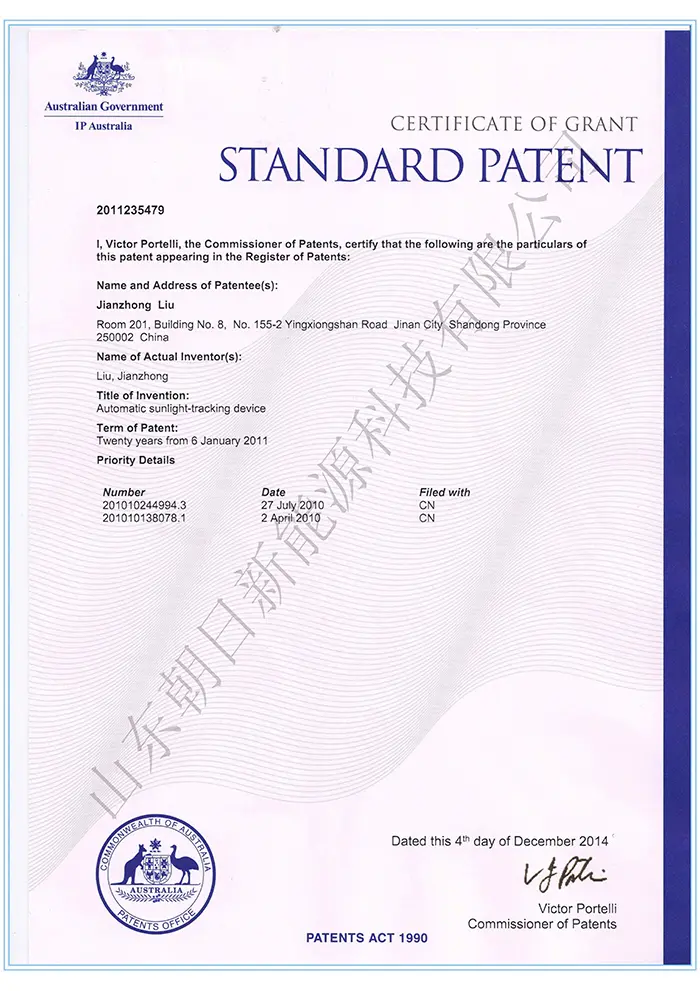
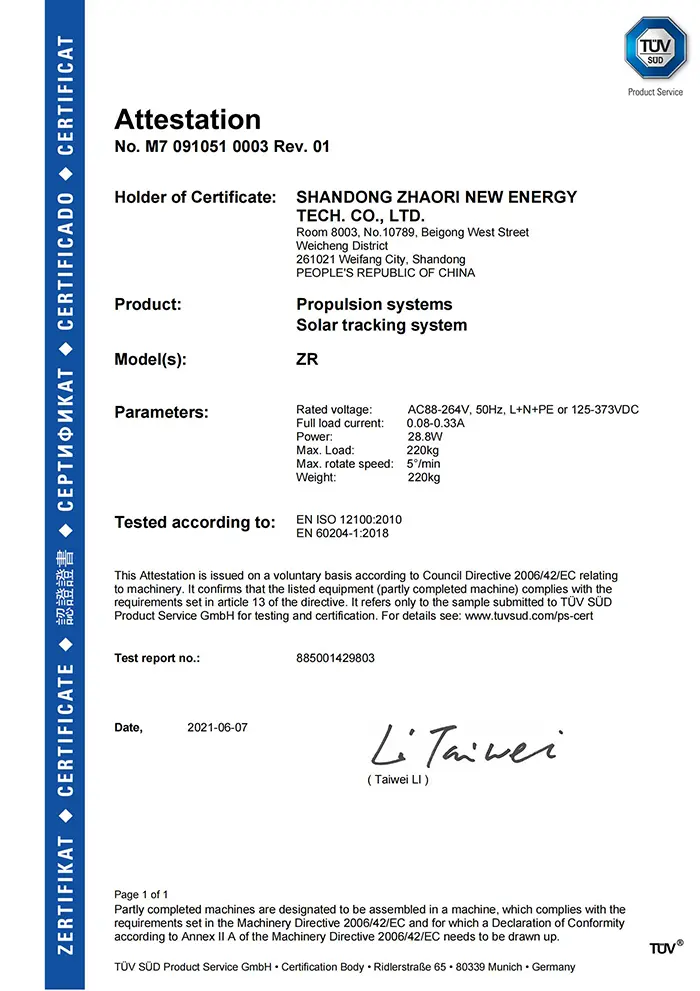
China has emerged as the global epicenter for tracker manufacturing. Shandong Zhaori New Energy Tech Co., Ltd. exemplifies this leadership, leveraging "Industry 4.0" practices to provide high-precision components that meet rigorous international standards like TUV, CE, and ISO.
Founded in June 2012, Shandong Zhaori New Energy Tech. Co., Ltd. stands as a titan in the new energy sector, built on a foundation of independent intellectual property rights. With over 60 professional technology talents and a dedicated team focusing on PV tracking for over 10 years, our expertise is not just theoretical—it is proven in the field across thousands of megawatts.
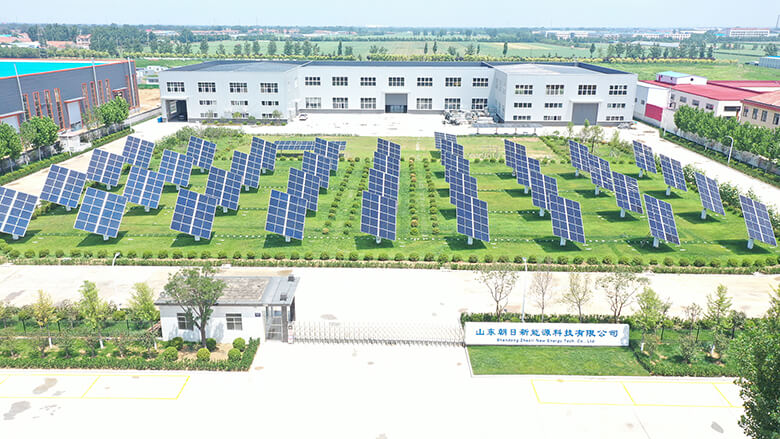
Our manufacturing facility spans over 50,000 square meters, a testament to our commitment to global supply chain demands. By integrating CNC machine tools, laser cutting machines, and automatic welding robots, we ensure that every bracket and tracker meets a sub-millimeter tolerance. This precision is critical; a solar tracker must operate smoothly for 25 years in sand, snow, and salt-mist environments.
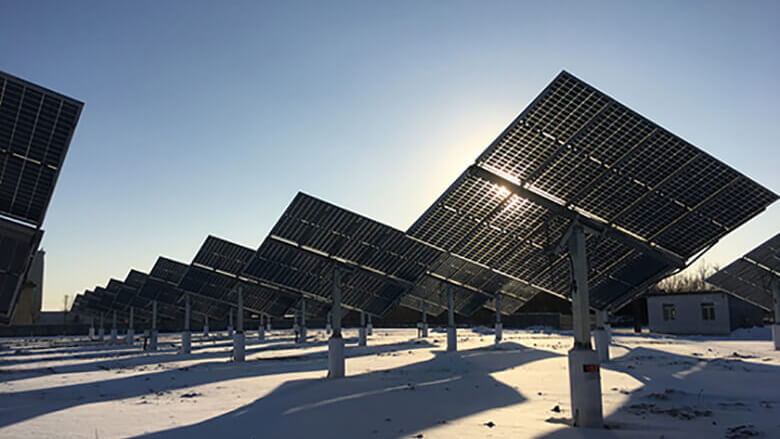
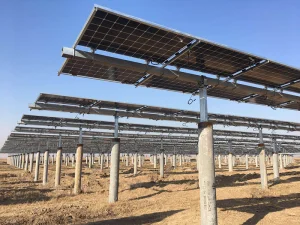
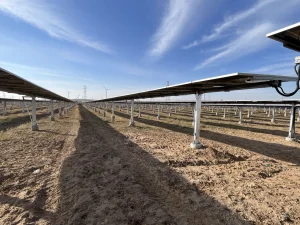
Ideal for utility-scale projects. The ZRP flat single axis system tracks the sun's azimuth angle, yielding a 15% to 30% gain over fixed systems. Our 2P configuration is optimized for bifacial modules, reducing structural shading on the rear side.
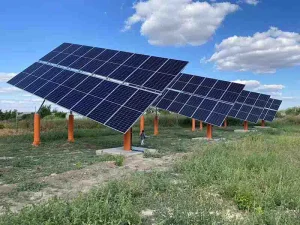
Perfect for mid-latitude regions. By tilting the axis (10°– 30°), the ZRT series optimizes the incident angle throughout the seasons, increasing power generation by up to 25%. Each set can mount 10–20 panels, making it versatile for commercial rooftops and small utility parks.
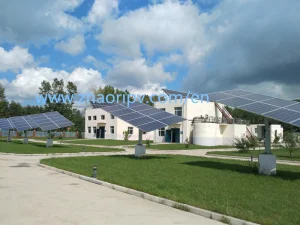
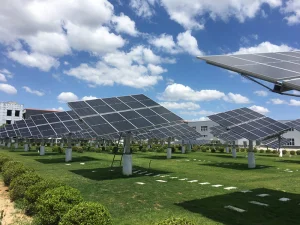
The pinnacle of solar technology. The ZRD series tracks both the altitude and azimuth angles of the sun. This ensures the solar panels are always perpendicular to the sun's rays, providing the maximum possible energy harvest (up to 40% more than fixed systems).
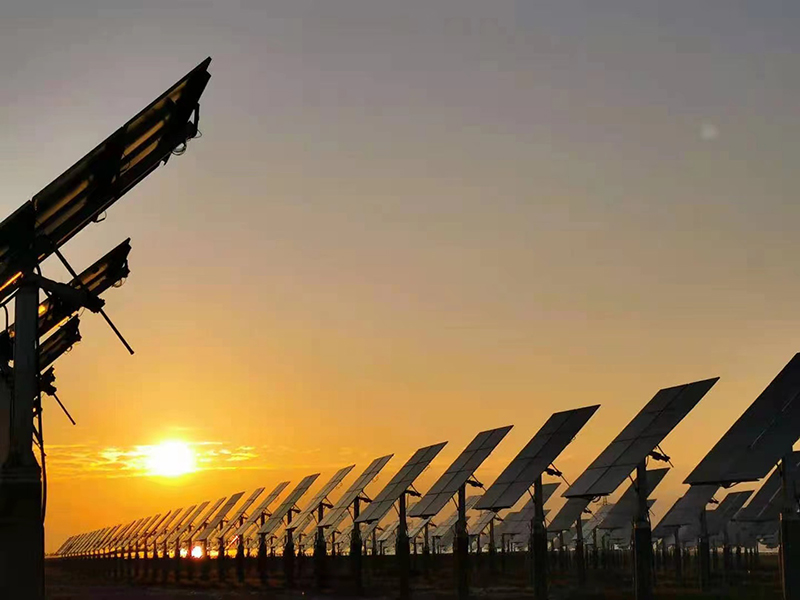
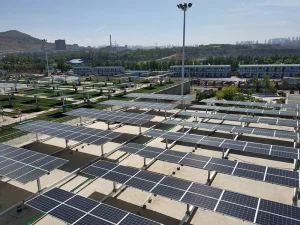
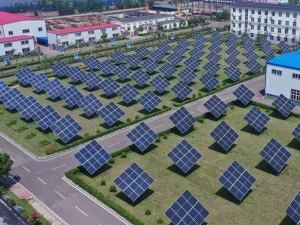
Utility Scale: 5MW project in North China utilizing dual-axis tracking for extreme winter efficiency.
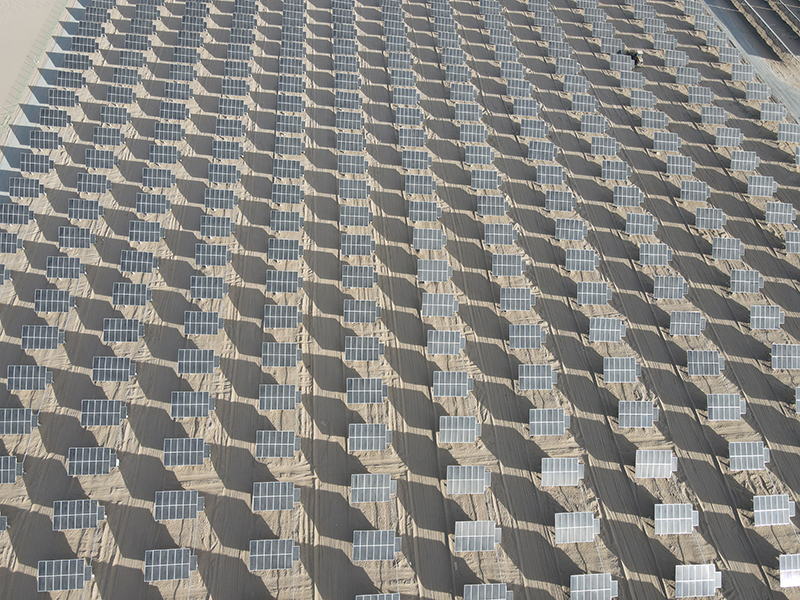
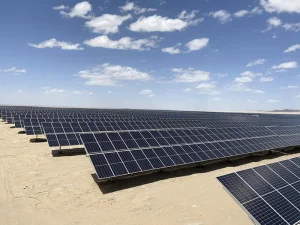
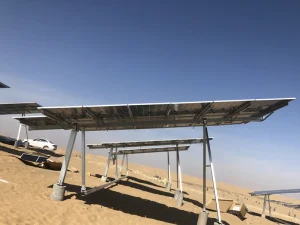
Desert Resilience: 20MW tilted single axis in arid desert conditions with dust-resistant bearings.
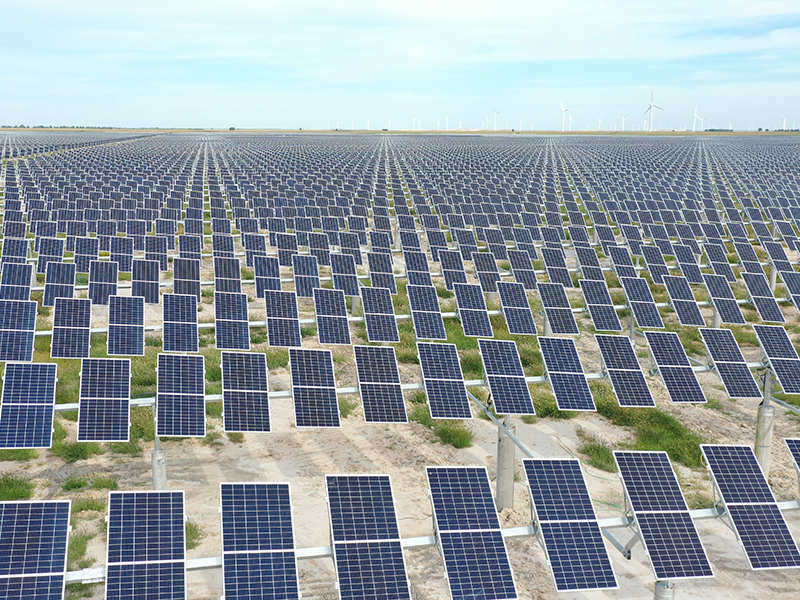
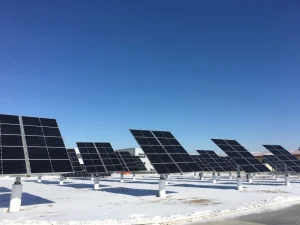
Advanced Engineering: 40MW ZRPT flat single axis with inclined modules for high-latitude optimization.
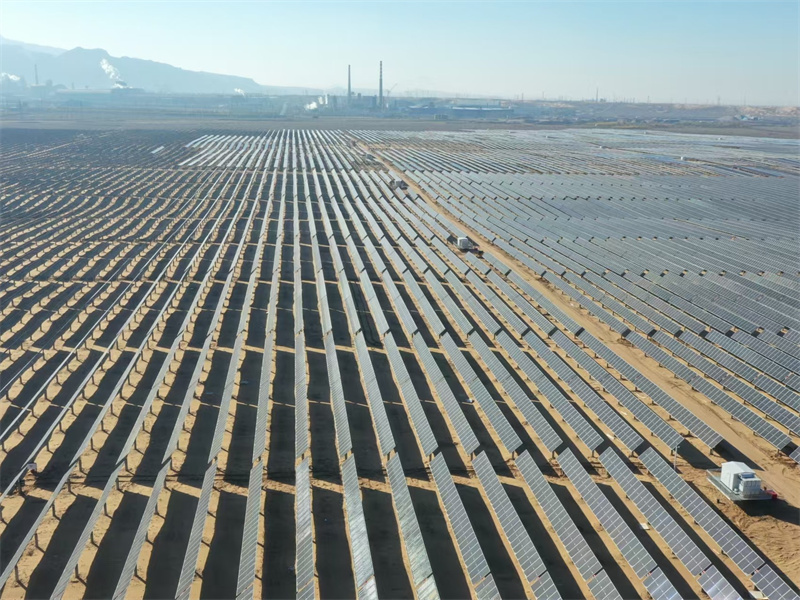
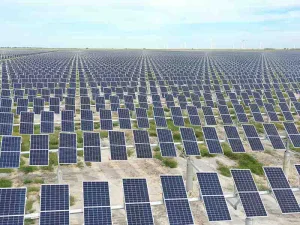
Massive Deployment: 360MW single axis tracker project showcasing scalability and supply chain strength.
A: By increasing the daily duration of peak power production, trackers significantly reduce the LCOE (Levelized Cost of Energy). Even with the higher initial CAPEX and maintenance, the 20-30% energy gain typically leads to a shorter payback period compared to fixed brackets.
A: Modern systems like the ZRD and ZRP series are designed for "Simple, Reliable, and Effective" operation. Maintenance typically involves annual inspections of the drive motor and slew drive, and periodic lubrication. Our AI controllers include self-diagnostic features to alert operators to any anomalies.
A: Yes. In fact, tracking systems are the preferred mounting solution for bifacial panels. Our 2P designs and high-clearance structures ensure that the rear side of the panel receives maximum albedo (reflected light), boosting total yield by an additional 5-10%.
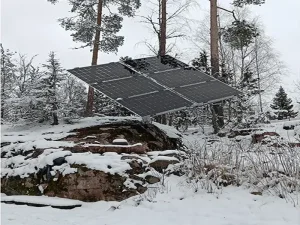
A: Our trackers are equipped with wind sensors. When wind speeds exceed safe thresholds (e.g., 18m/s), the system automatically moves to a horizontal "stow" position to minimize wind load. In snow-prone areas, the trackers can be tilted to a steep angle to shed snow naturally.
 Zhaori