In the rapidly evolving landscape of renewable energy, the efficiency of photovoltaic (PV) systems is no longer just about the panels themselves, but how they interact with the sun's path. As a senior solar growth director, I have observed that the global market for solar trackers—specifically those echoing the robust design philosophy of Array Technologies—has shifted from a luxury to a necessity for utility-scale projects. This white paper explores why Shandong Zhaori New Energy Tech. Co., Ltd. stands at the forefront of this technological revolution.
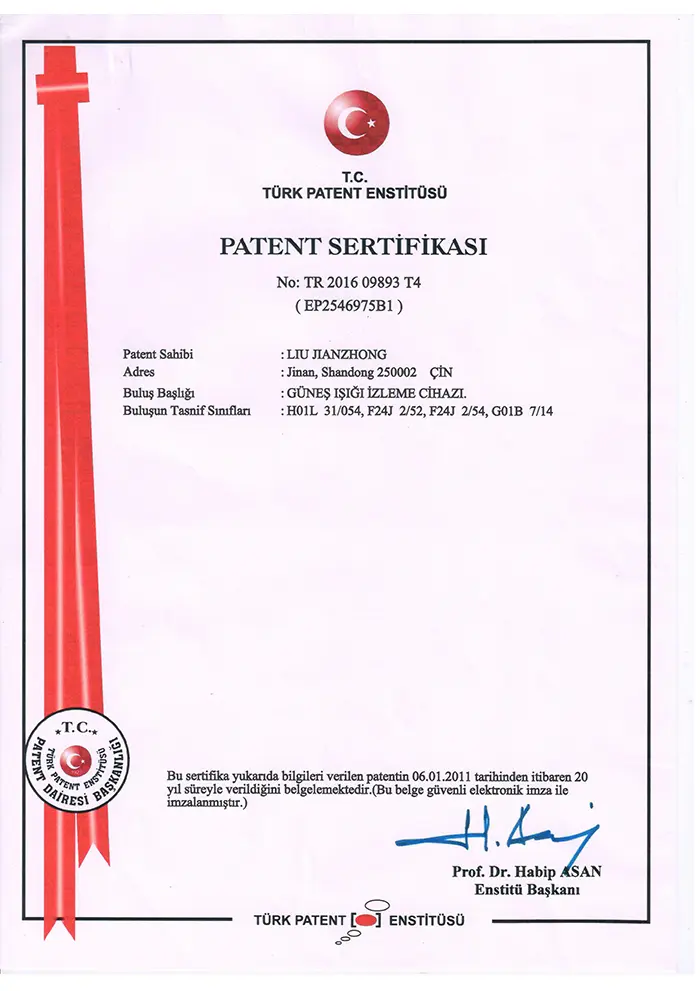
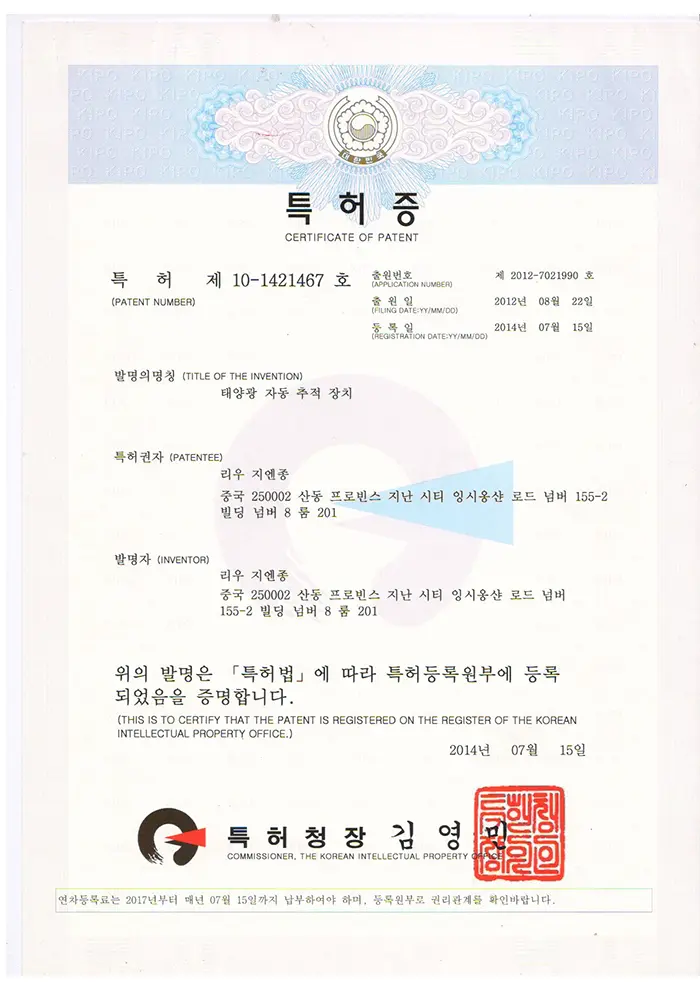
The core value proposition of an advanced solar tracker is the reduction of the Levelized Cost of Energy (LCOE). By utilizing dual-axis and single-axis systems, developers can achieve energy yield gains of 15% to 40% compared to fixed-tilt structures. Our engineering philosophy centers on three pillars: Simplicity, Reliability, and Effectiveness. Founded in 2012, Shandong Zhaori has spent over a decade perfecting these metrics, backed by independent intellectual property and a global footprint of patents.
Industry Experience
Monthly Production
Global Patents
R&D Experts
Modern trackers must accommodate bifacial modules. Our systems are designed to minimize backside shading, capturing albedo light to boost total output by an additional 5-10% beyond standard tracking gains.
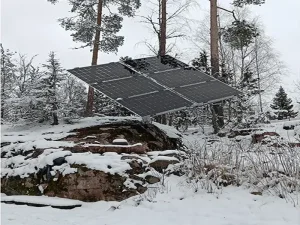
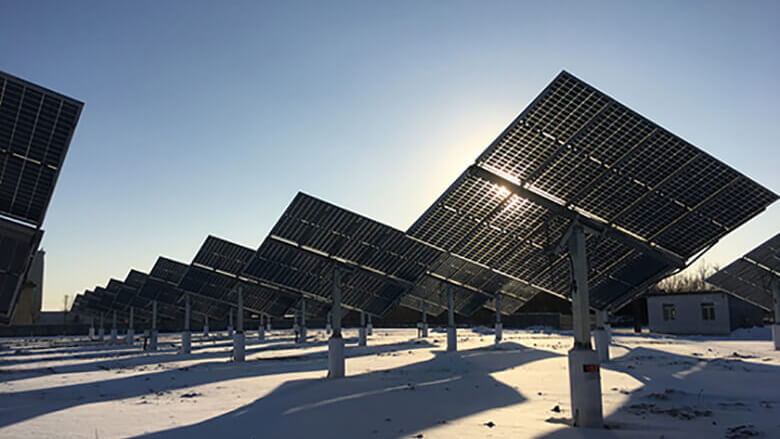
With climate change, trackers face higher wind and snow loads. Our "Stow Mode" algorithms use real-time meteorological data to position panels safely during hurricanes or heavy blizzards, a critical requirement for global procurement.
The future of tracking is "Self-Learning." Our controllers use astronomical algorithms combined with sensor-based corrections to navigate complex terrains and cloudy periods where diffused light is prevalent.
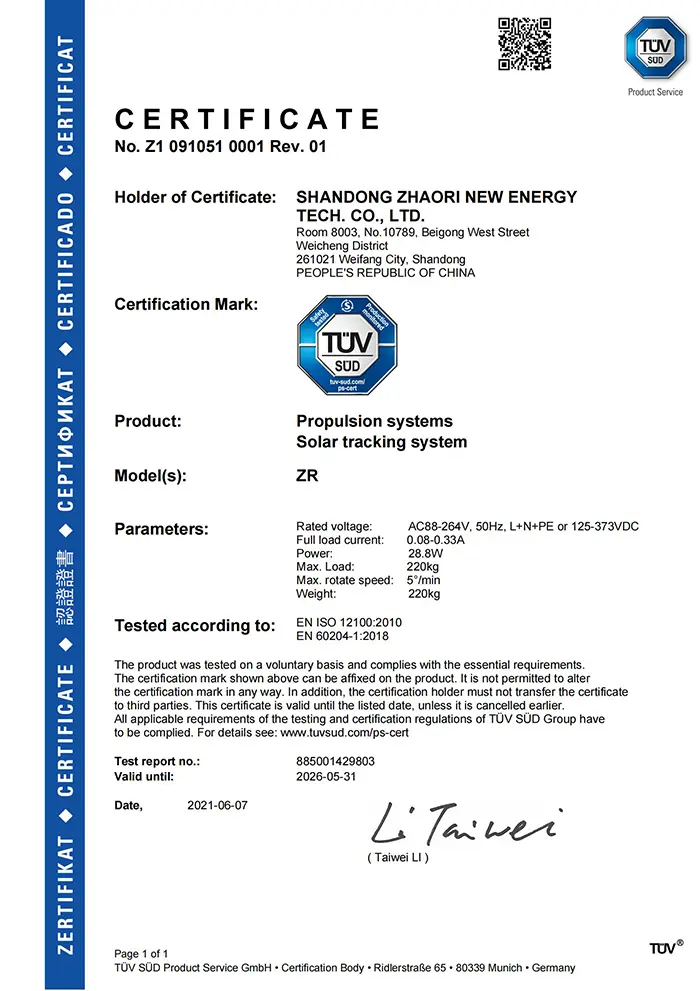
When international developers source tracker manufacturers, they prioritize Bankability and Compliance. Shandong Zhaori meets these demands through:
Shandong Zhaori New Energy Tech. Co., Ltd. is a high-tech and new energy company based on independent intellectual property rights. Founded in June 2012, we operate 10 specialized departments including R&D, Technical, Quality Assurance, and Foreign Trade. Our team of over 60 professional technology talents focuses on photovoltaic power stations and solar tracking technology for more than 10 years.
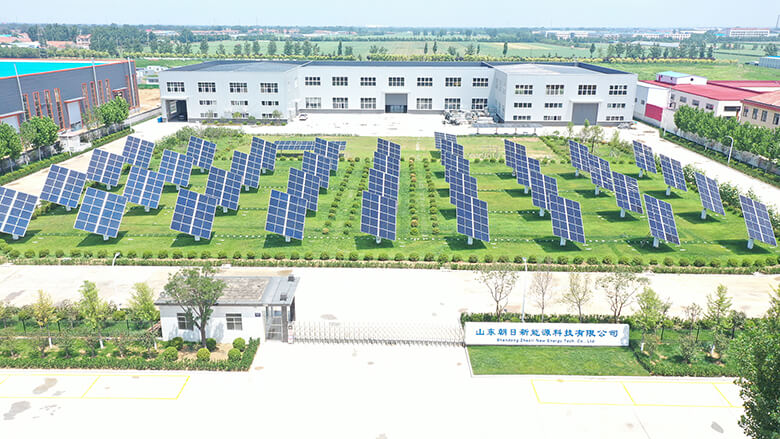
Our factory covers an area of 50,000 square meters, equipped with CNC machine tools, laser cutting machines, automatic welding robots, and plasma machines. With over 300 production workers, our monthly capacity reaches 500MW. Every product undergoes strict raw material screening, anti-rust treatment, and multi-level inspection to meet quality management system certifications.
The solar tracking industry is moving toward "Grid-Interactive" systems. By 2025, our roadmap includes the full integration of LoRa/ZigBee wireless communication for all tracker blocks, reducing cabling costs by 30%. Furthermore, we are developing "Terrain-Adaptive" tracking links that allow trackers to follow the natural contours of hilly land, eliminating the need for expensive land leveling.
| Feature | Standard Fixed Bracket | ZRP Single Axis | ZRD Dual Axis (Advanced) |
|---|---|---|---|
| Energy Gain | Base (0%) | +15% to 30% | +35% to 45% |
| Control Method | None | Astronomical + AI | GPS + Dual-Sensor AI |
| Maintenance | Minimal | Low (Standardized parts) | Smart O&M (Real-time monitoring) |
| Best For | Small/Residential | Utility-Scale Flat Lands | High-Latitude / High-Yield Utility |
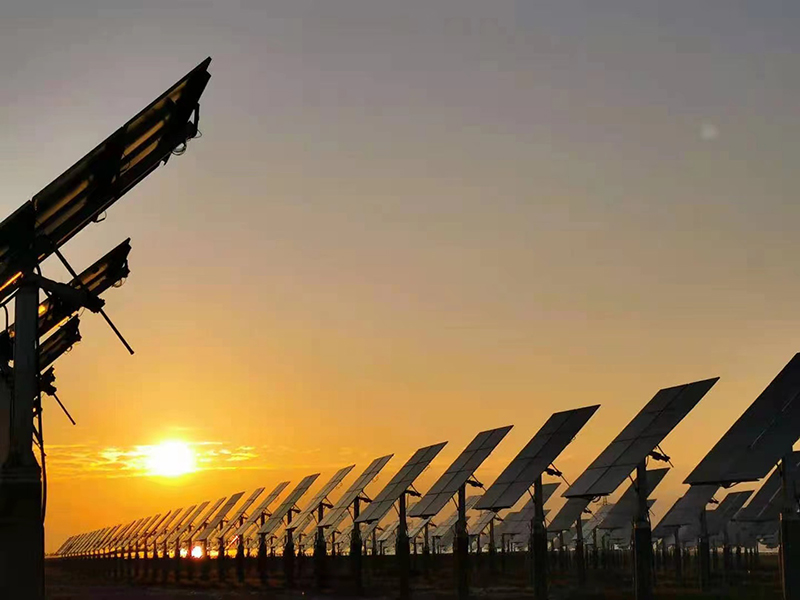
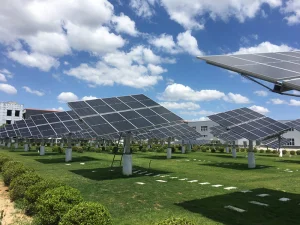
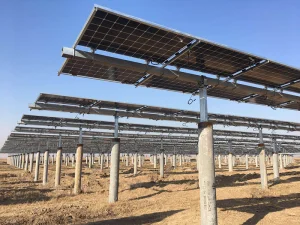
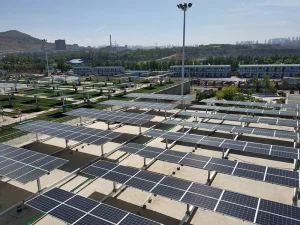
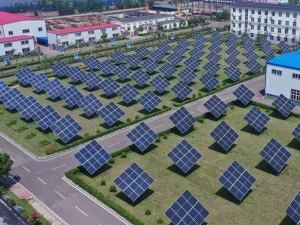
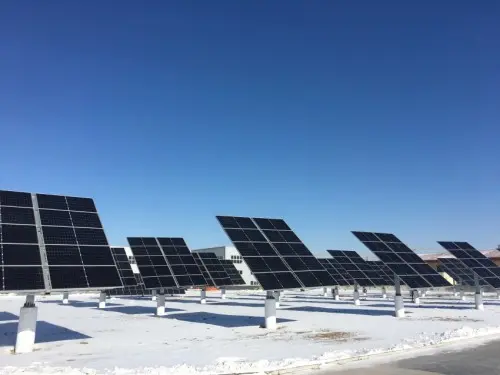
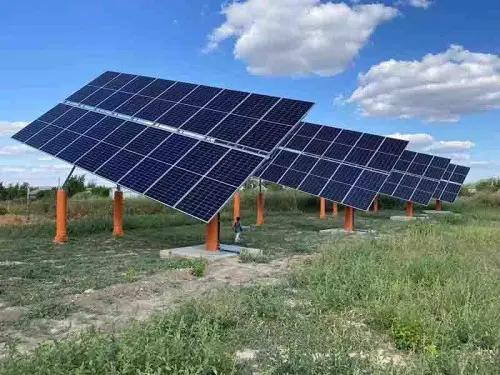
5MW Dual Axis in North China
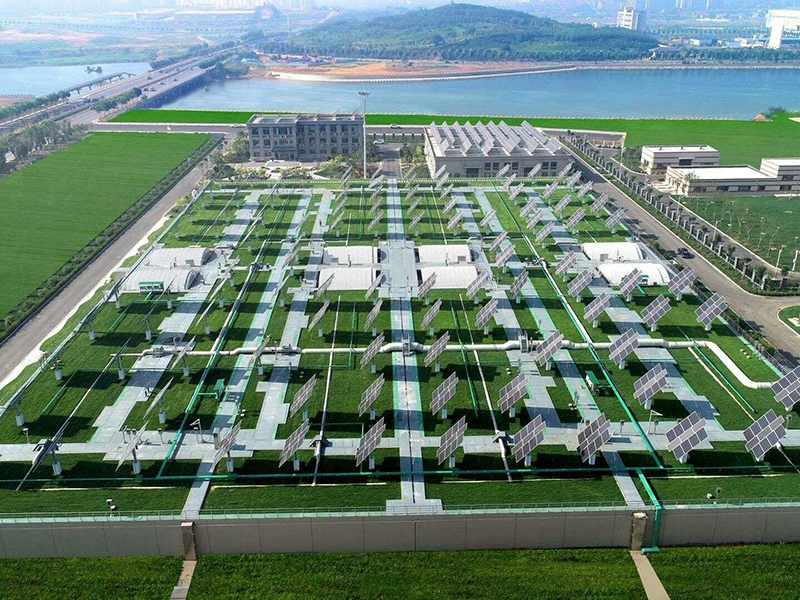
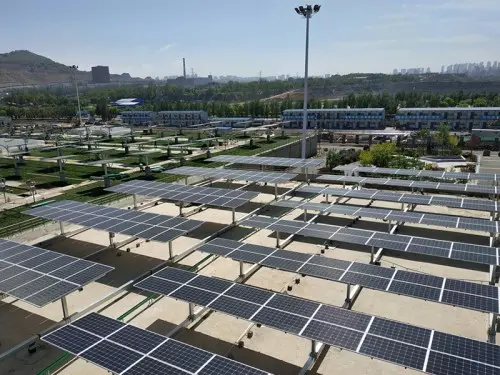
Industrial Rooftop Tracker Project
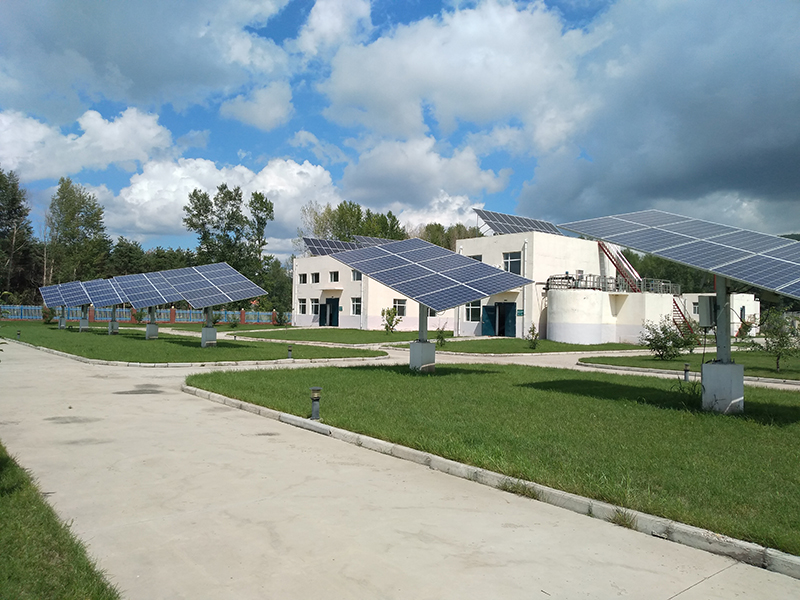
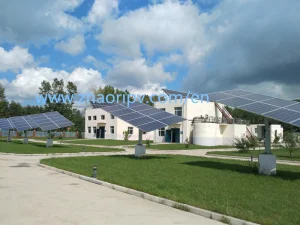
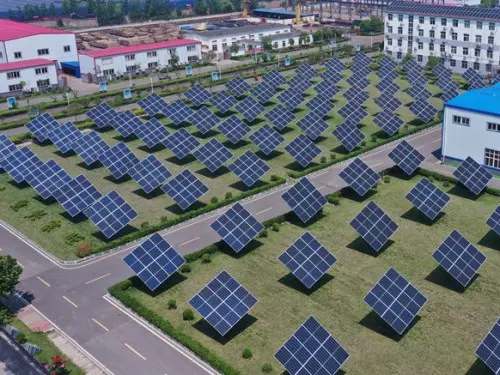
Green Belt Urban PV Integration
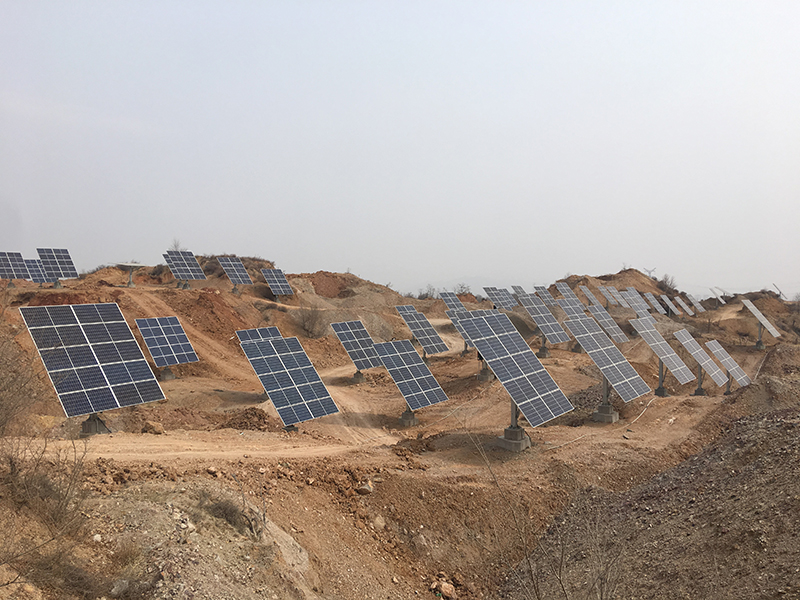
Complex Terrain Mountain Project
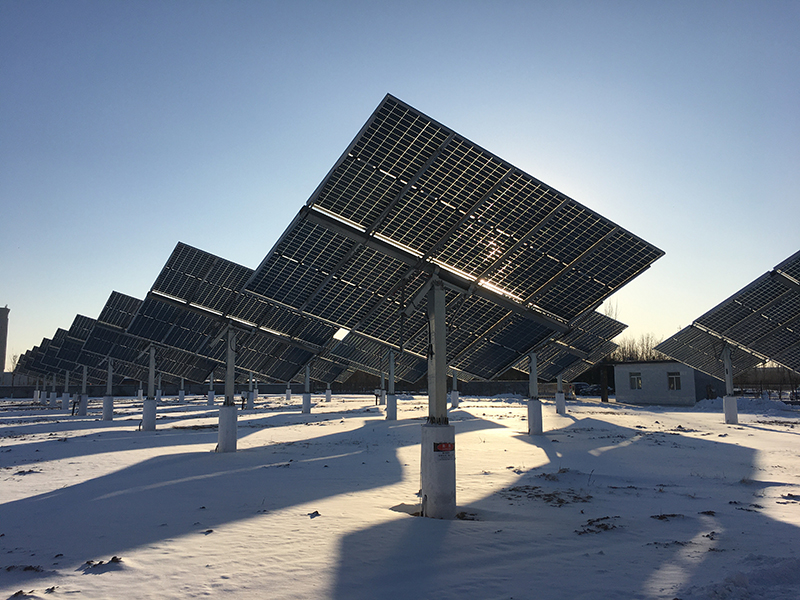
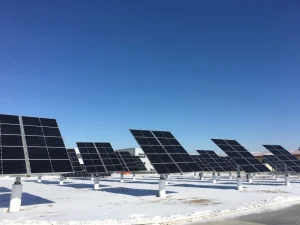
Snow-Load Testing Post-Blizzard
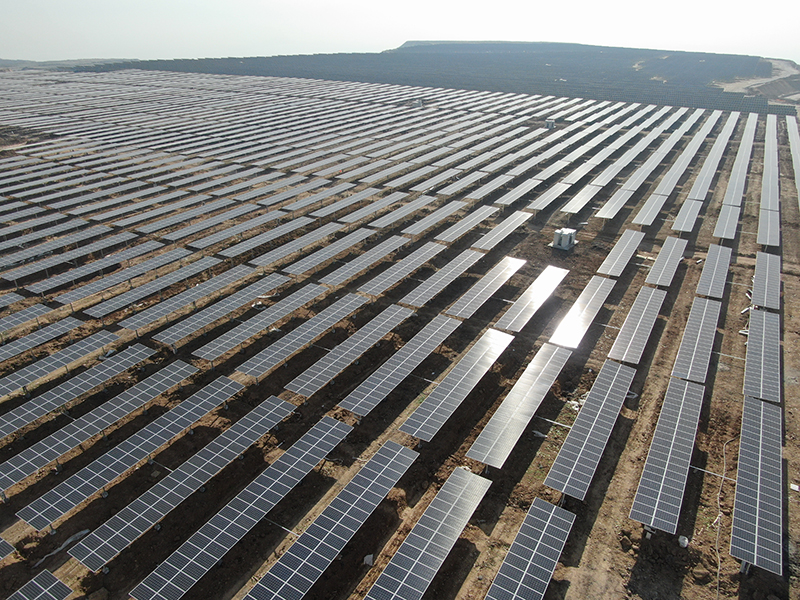
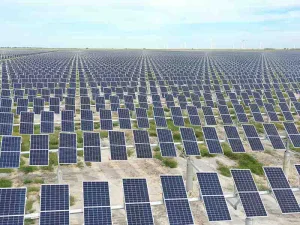
20MW Utility Scale - Central China
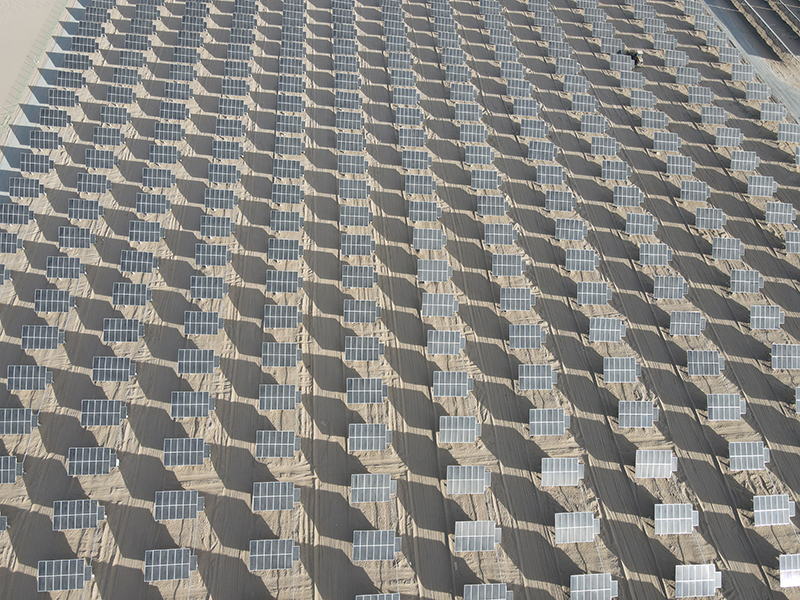
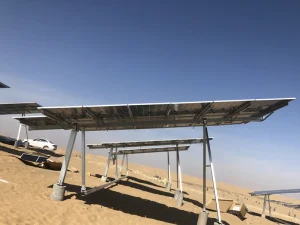
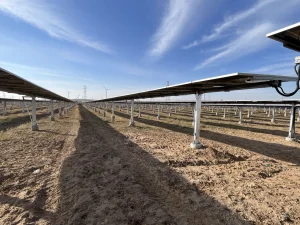
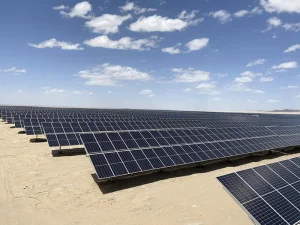
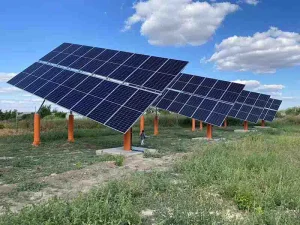
20MW Tilted Single Axis (Desert)
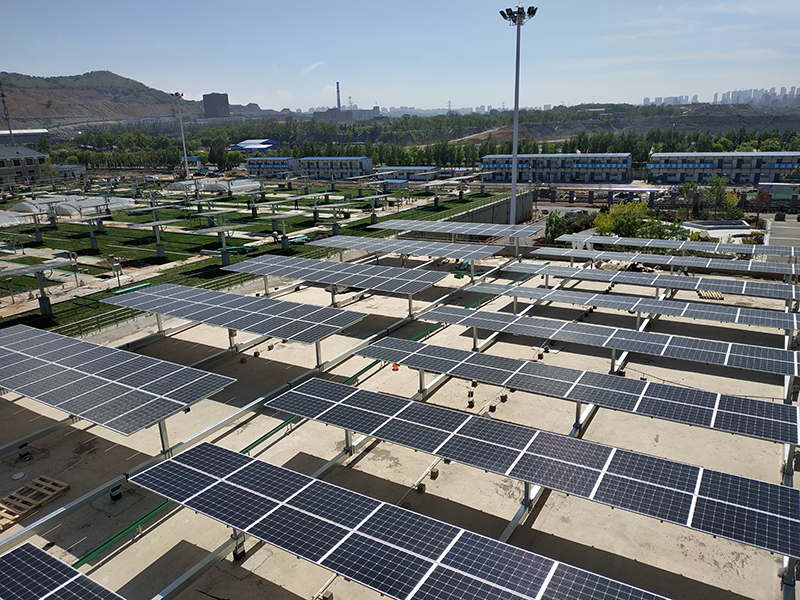
Commercial Flat Roof Tracker
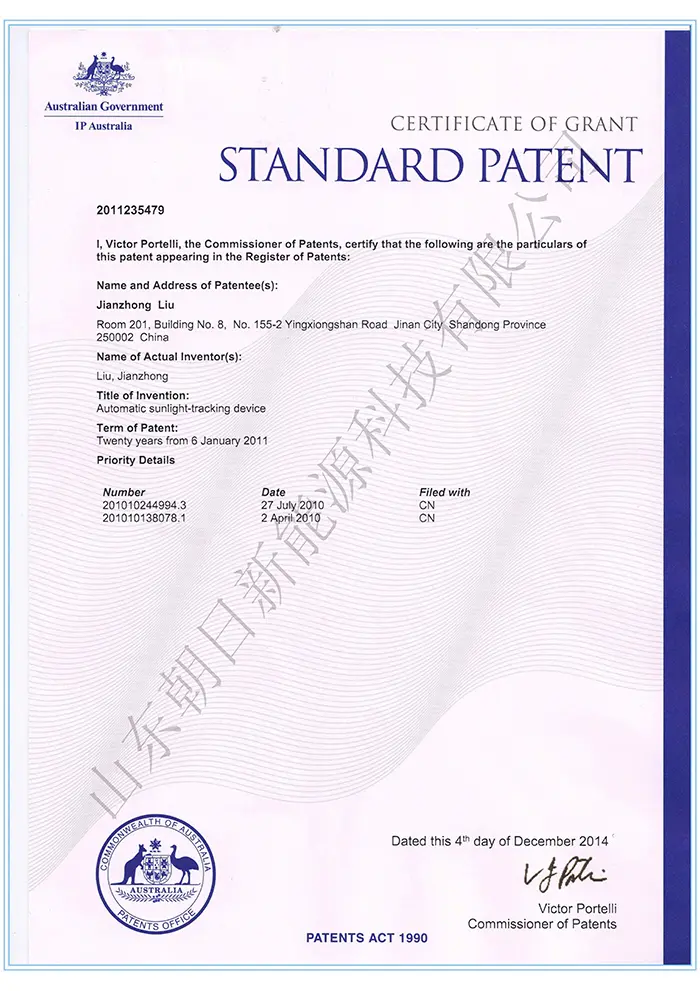
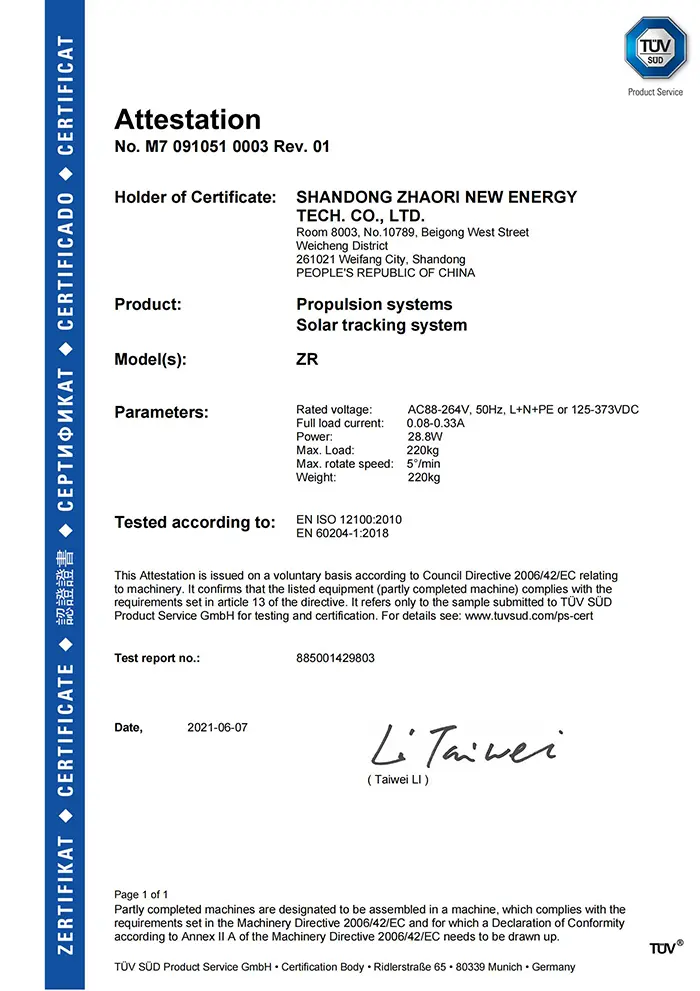
While Array Technologies is a market leader, our Zhaori systems offer a more cost-effective "Simplicity" model that reduces the number of moving parts, thus lowering maintenance costs in harsh environments while maintaining similar energy gains.
In high-latitude regions or areas with high solar irradiance, a ZRD dual-axis tracker can increase production by up to 40%. Typically, the ROI is achieved 25% faster than a fixed-tilt system due to the significant boost in energy harvest.
Our trackers are equipped with automated wind sensors. When wind speeds exceed safe thresholds (typically 18-22 m/s), the system automatically enters "Horizontal Stow Mode" to minimize wind resistance and protect the structure.
Absolutely. Our designs, especially the 2P flat single-axis system, are optimized for bifacial modules, ensuring no structural shadow blocks the rear side of the panel.
 Zhaori