High-precision single and dual-axis trackers engineered for maximum energy yield.
As the global energy transition accelerates, the role of a China Tracker System Solar Supplier has shifted from a component provider to a strategic technology partner. The modern photovoltaic (PV) market is no longer satisfied with static mounting structures. Instead, the industry is witnessing a semantic shift toward "Intelligent Yield Optimization."
Bifacial module integration with tracking systems is now the gold standard. By optimizing the backtracking algorithm, modern trackers can increase yield by up to 35% compared to fixed-tilt systems.
Integration of AI-driven weather prediction models allows trackers to enter "stow position" ahead of extreme wind or snow events, drastically reducing insurance premiums and maintenance costs.
Procurement managers are increasingly looking for "Vertical Integration." A supplier that controls everything from raw material screening to robotic welding ensures reliability in a volatile global market.
Shandong Zhaori New Energy Tech. Co., Ltd. is a high-tech and new energy company based on independent intellectual property rights. Founded in June 2012, our organization has evolved into a global leader in solar tracking technology. With 10 specialized departments—including R&D, Quality Assurance, and Engineering—we house more than 60 professional technology talents dedicated to solar innovation.
Our team focuses on photovoltaic power stations and solar tracking technology for more than 10 years, ensuring that every project we undertake is backed by empirical data and field-tested engineering.
Our factory covers an area of 50,000 square meters, utilizing a series of advanced production equipment that defines the "Factory 4.0" standard. From CNC machine tools and laser cutting machines to automatic welding robots and plasma machines, our facility is designed for high-precision output.
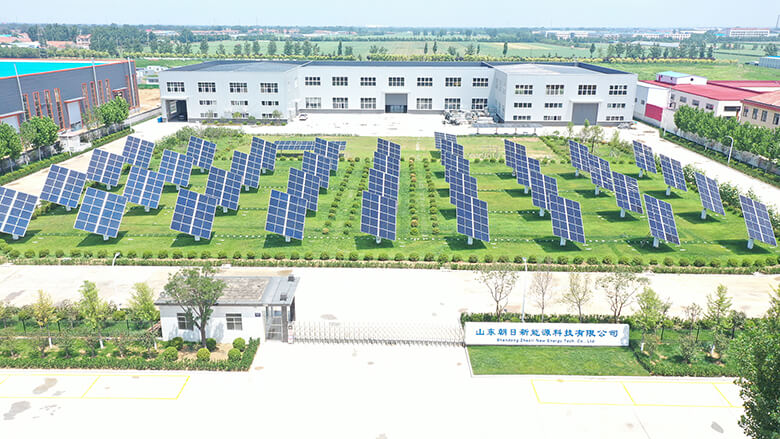
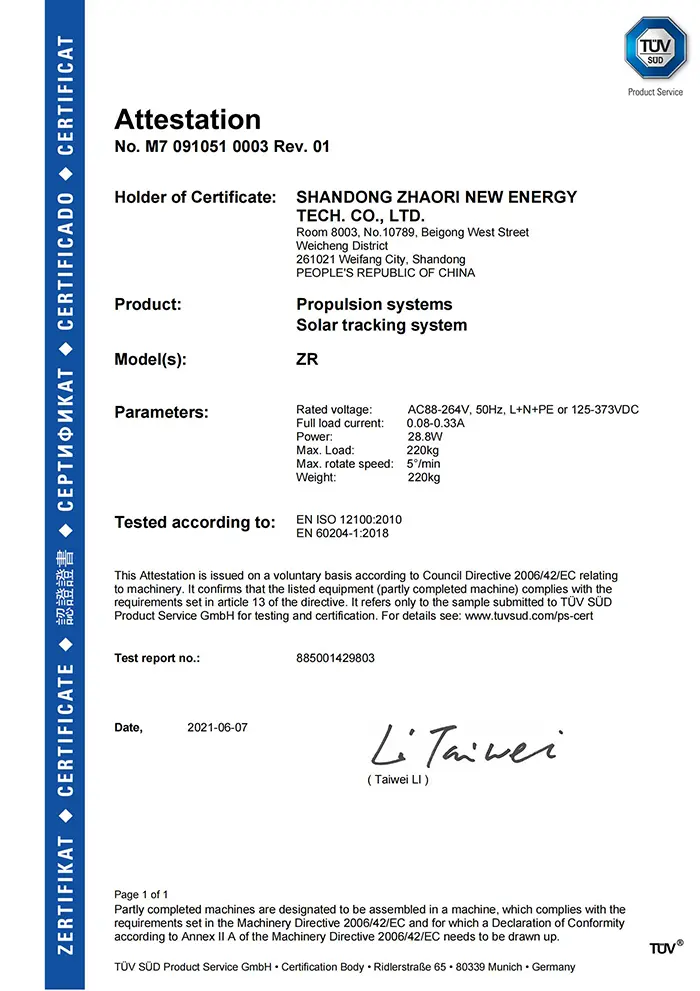
With more than 300 production workers, we maintain a production capacity of 500MW per month. Our quality control is rigorous: every product undergoes raw material screening, precision cutting, robotic welding, anti-rust treatment, and post-processing inspection in accordance with ISO management system certifications. This level of vertical integration is why global EPC firms choose us as their preferred Solar Tracking System Manufacturer.
Our product range—including stationary brackets, adjustable PV brackets, flat single-axis, tilted single-axis, and dual-axis tracking systems—is built on a core philosophy: Maximum uptime with minimum complexity.
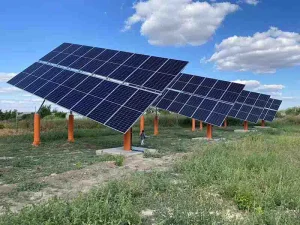
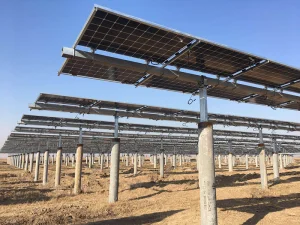
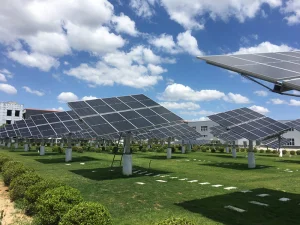
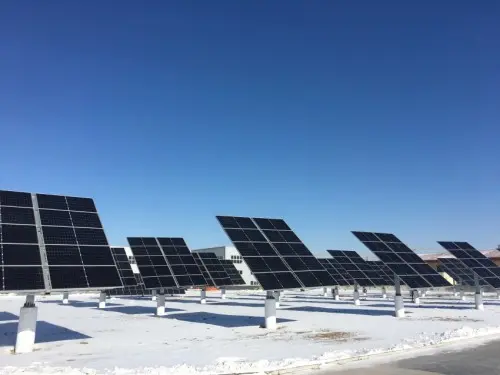
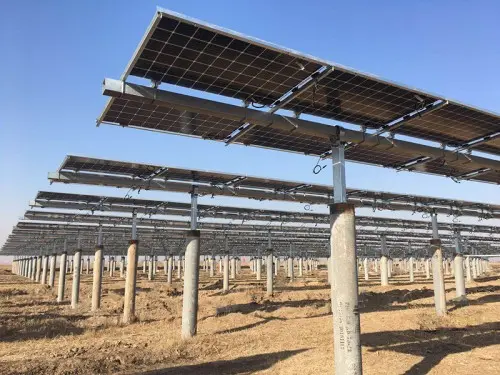
The ZRD-10 utilizes dual-axis tracking to ensure the panel is always perpendicular to the sun's rays. This system is essential for high-DNI (Direct Normal Irradiance) regions where production can be boosted by up to 40%.
Featuring a 10°–30° tilted axis, this system tracks the azimuth angle. It’s the perfect middle ground for utility projects looking for a 15%–25% gain without the complexity of full dual-axis movement.
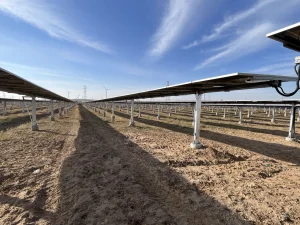
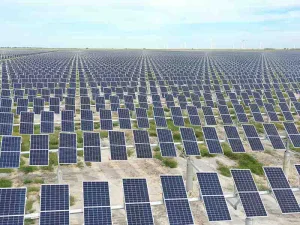
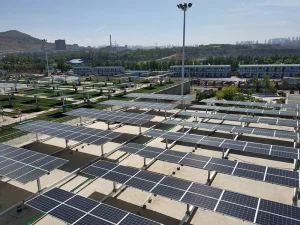
Ideal for 1P or 2P configurations, mounting 10–60 panels per row. It offers a 15% to 30% production gain over fixed-tilt systems, making it the most cost-effective solution for large-scale utility farms.
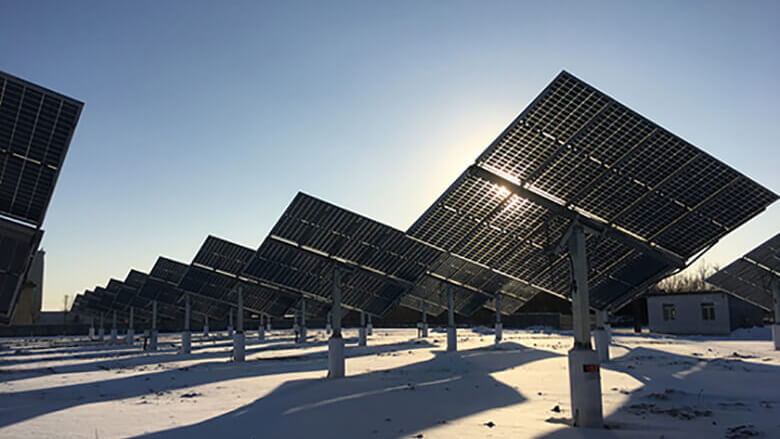
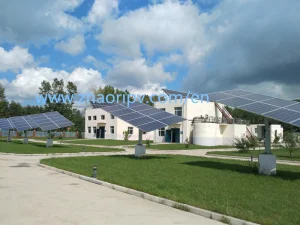
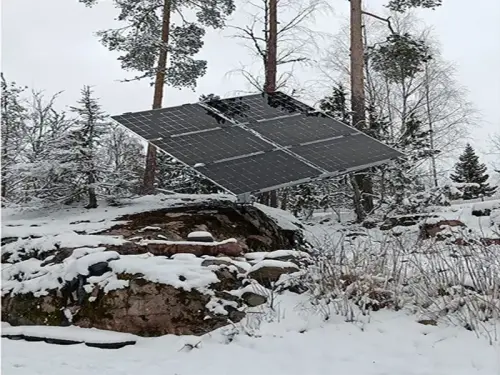
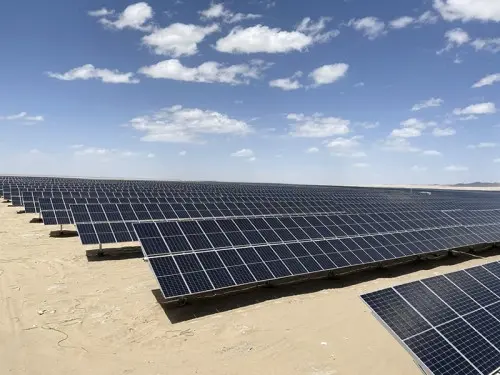
Our tracking systems are deployed across diverse environments, proving their resilience and adaptability. From the scorching deserts of the Middle East to the snowy mountains of North China, Zhaori Solar technology delivers consistent performance.
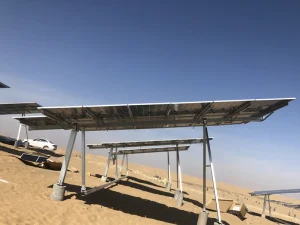
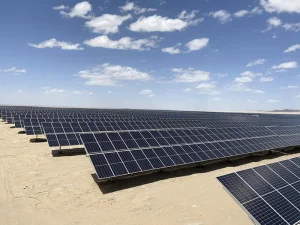
Our 20MW and 360MW desert projects utilize advanced sand-protection seals and heat-resistant coatings to ensure longevity in 50°C+ environments.
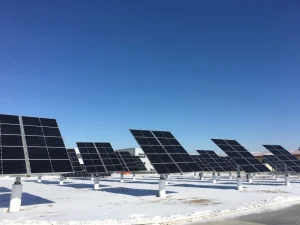
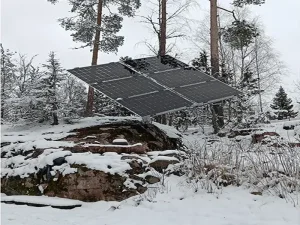
Our dual-axis systems feature an automated "snow shedding" mode, tilting panels to maximum verticality to prevent structural damage from heavy accumulation.
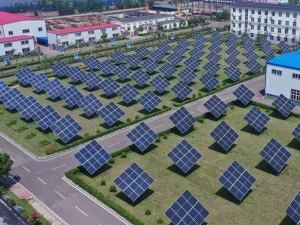
Specifically designed lightweight adjustable brackets and trackers for factory roofs, allowing commercial entities to achieve ESG goals and energy independence.
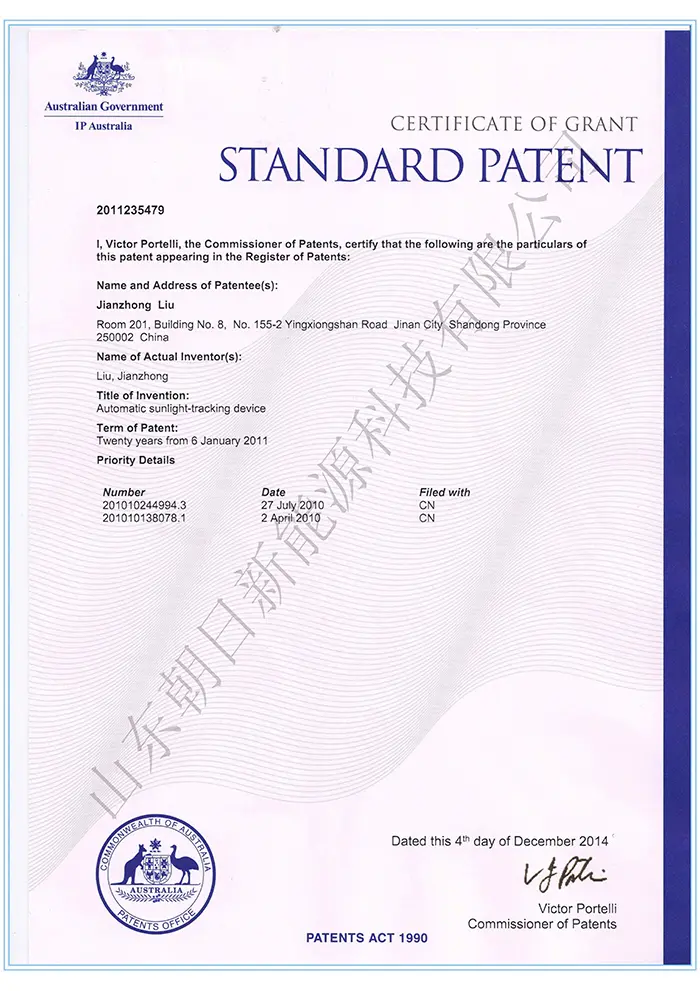
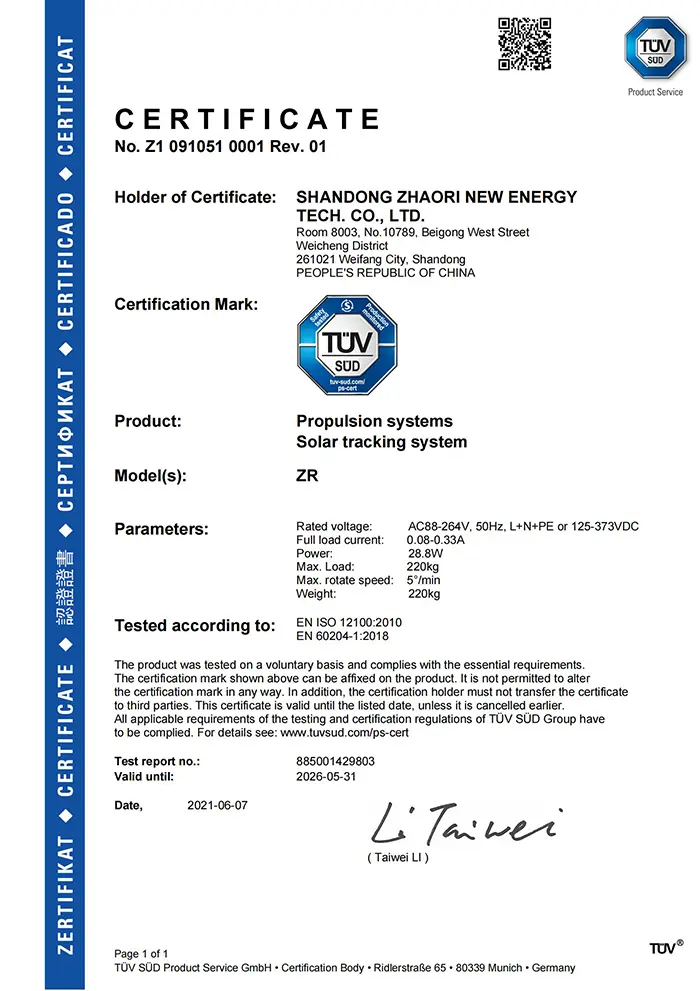
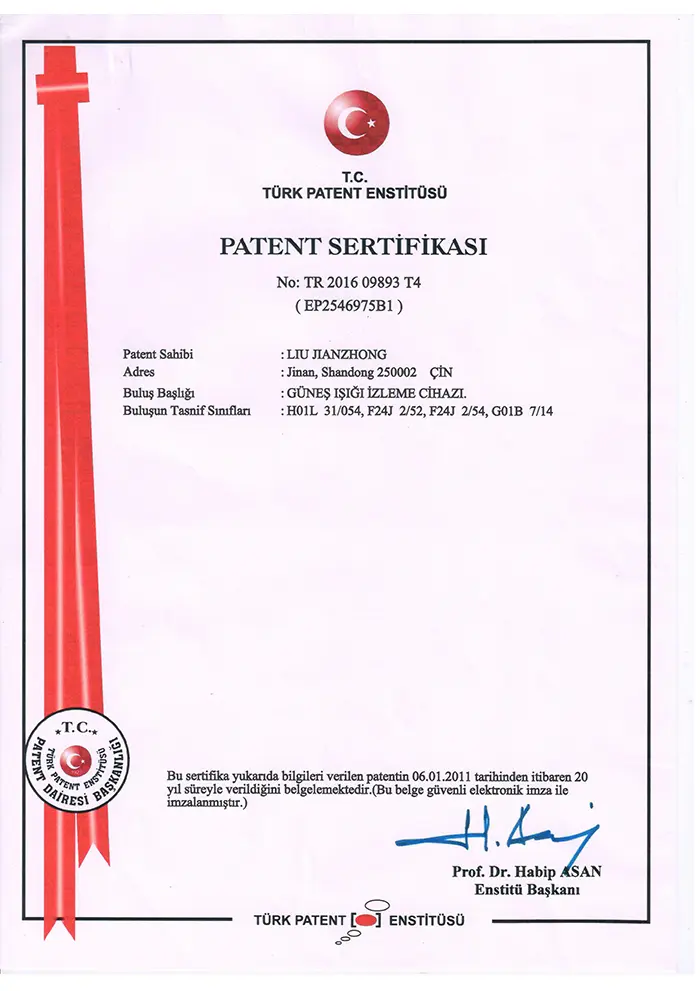
Innovation is only as good as its verification. We have obtained patents from the European Patent Office, USA, Canada, Australia, Japan, South Korea, Thailand, India, and South Africa. In China alone, we hold 8 National Invention Patents and over 30 Utility Model Patents.
Depending on the location and system type, flat single-axis trackers usually provide a 15-30% increase, while dual-axis systems can increase production by up to 40% compared to fixed-tilt systems.
Our trackers are designed for a 25-year service life. Maintenance is minimal, usually requiring a semi-annual inspection of the drive motors and bearing lubrication.
Yes. Our engineering department specializes in "Topographic Adaptation," providing tilted axis or flexible mounting solutions for mountains, deserts, and uneven commercial sites.
Absolutely. Our designs include high-clearance options and specialized backtracking algorithms to maximize the "albedo" gain from the rear side of bifacial modules.
 Zhaori