In the current global energy transition, "Track Mounts"—specifically solar tracking systems—have evolved from luxury components to essential infrastructure for maximizing Levelized Cost of Energy (LCOE). As a leading China track mount factory, Shandong Zhaori New Energy Tech. Co., Ltd. recognizes that the global solar market is shifting. Traditional fixed-tilt systems are being replaced by intelligent single and dual-axis trackers that offer a 15% to 40% increase in energy yield.
The industrial landscape is characterized by a push toward bifacial module optimization. Modern trackers must not only follow the sun but also account for "Albedo" (ground-reflected light) to activate the rear side of solar panels. This technological frontier is where Chinese manufacturing efficiency meets global engineering demands.
Founded in June 2012, Shandong Zhaori New Energy Tech. Co., Ltd. is a titan in the high-tech renewable sector. With 10 specialized departments including R&D, Quality Assurance, and Engineering, we harbor over 60 professional technology talents. Our team has dedicated over a decade to perfecting photovoltaic power stations and solar tracking technology.
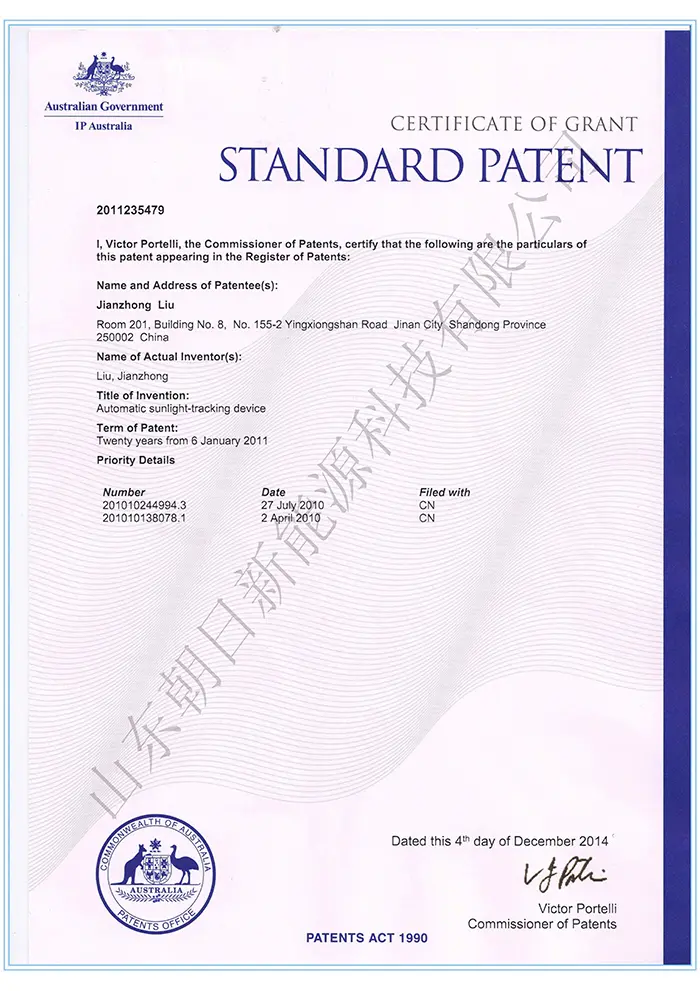
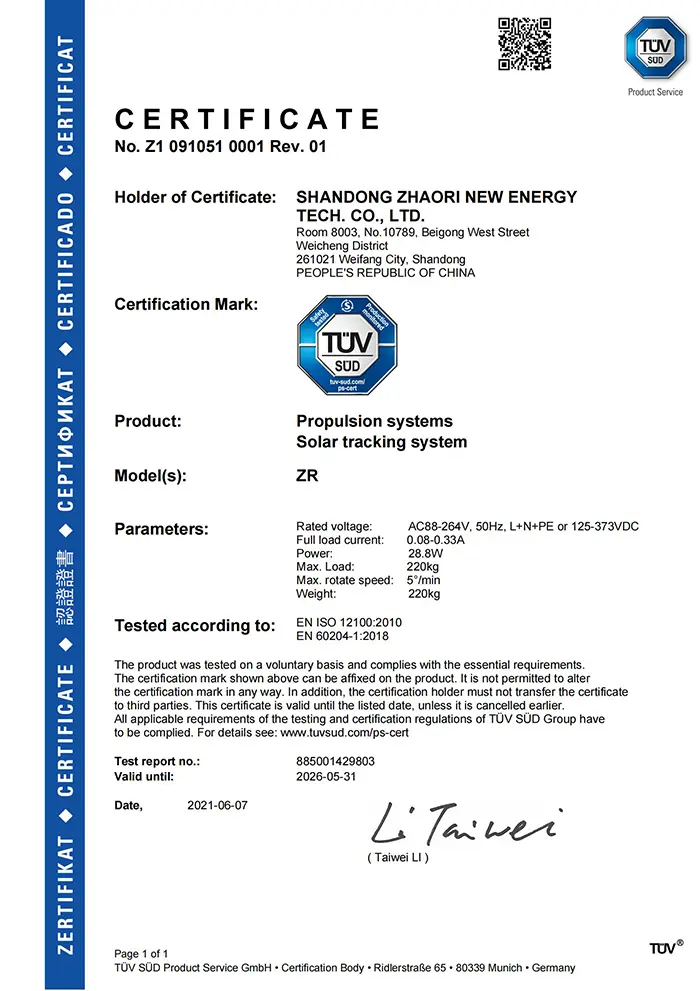
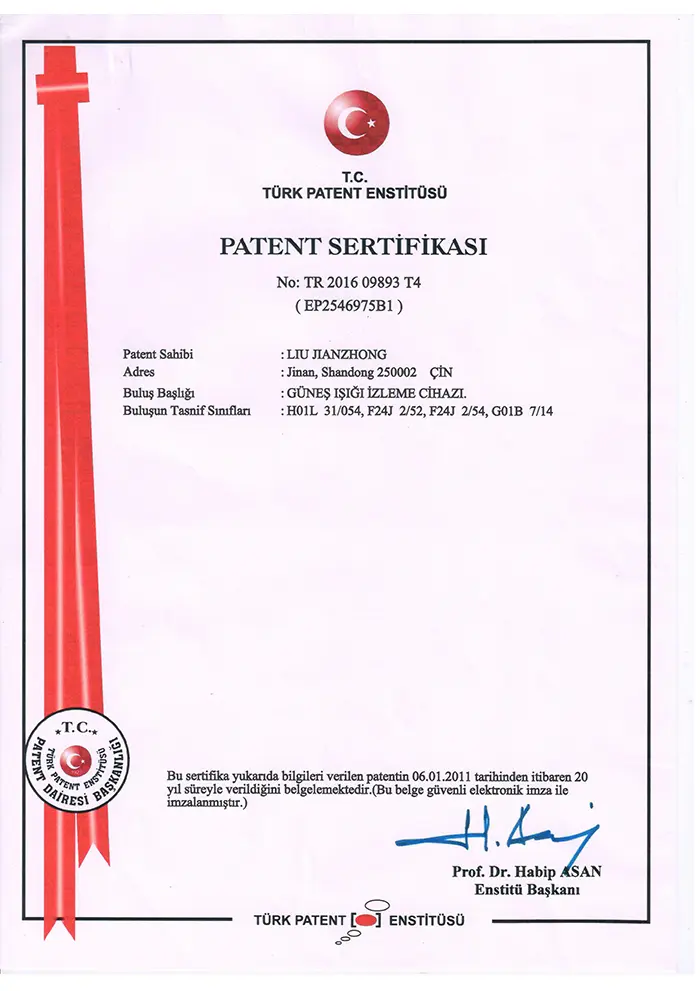
Our commitment to E-E-A-T (Experience, Expertise, Authoritativeness, and Trustworthiness) is verified by our extensive patent portfolio, including invention patents from the European Patent Office, USA, Canada, Australia, Japan, and more. When you choose a China track mount exporter, you are choosing a partner with global legal and technical validation.
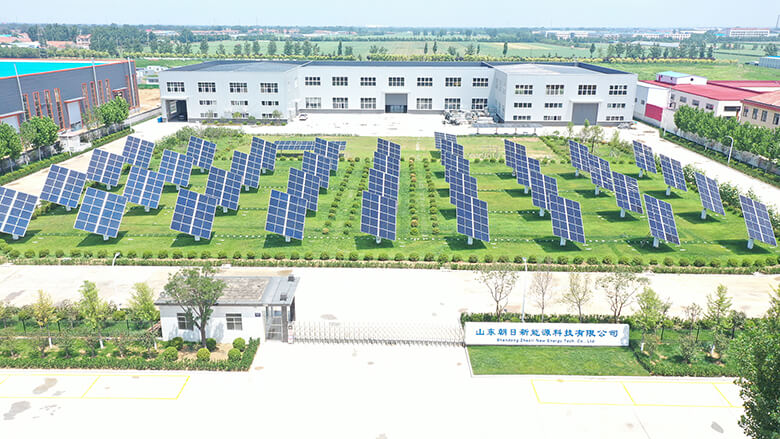
Our 50,000 square meter factory is a marvel of modern industry. Equipped with:
With over 300 production workers, we ensure every track mount—from raw material screening to anti-rust treatment—meets strict ISO quality management standards. This scale allows us to serve utility-scale projects worldwide without compromising on delivery timelines.
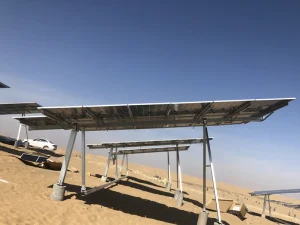
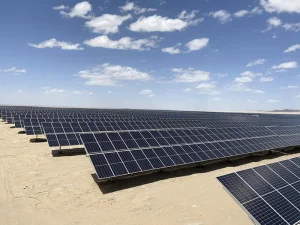
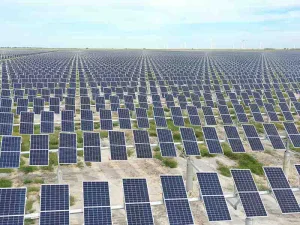
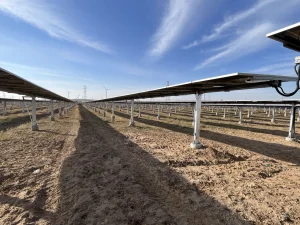
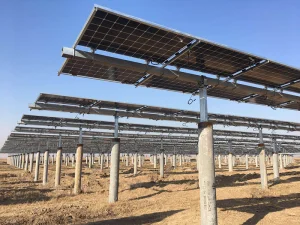
Designed for high-temperature and sandy environments. Our ZRP and ZRD systems use IP65-rated components and sand-resistant gears. We've successfully deployed 360MW single-axis trackers in desert regions.
Uneven ground is the ultimate test for a track mount factory. Our adjustable fixed brackets and tilted single-axis systems allow for 10°-30° tilt adjustment, adapting to slopes while maintaining structural integrity.
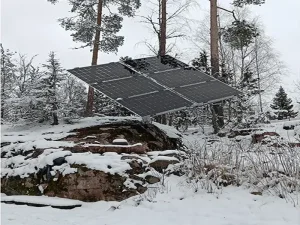
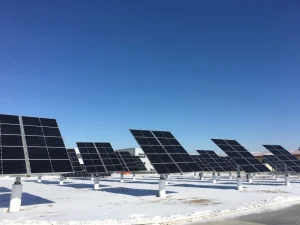
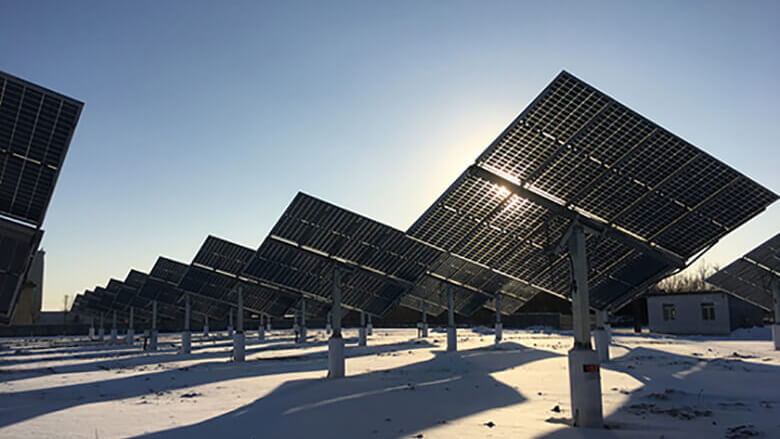
As seen in our "Solar tracker after snow" project, our dual-axis trackers feature an automated "snow shedding" mode. By tilting the modules to maximum verticality, snow slides off, preventing structural collapse and speeding up energy recovery.
The next generation of solar tracking is "Smart." Shandong Zhaori is leading the integration of AI-driven backtracking algorithms. Unlike traditional astronomical trackers, our systems use real-time sensors to adjust for cloud cover (diffuse lighting), ensuring that even on overcast days, the panels capture the maximum available irradiance.
Global Procurement Strategy: For EPC (Engineering, Procurement, and Construction) firms, sourcing from a direct China factory offers a "Simple, Reliable, Effective" cost advantage. Key factors for procurement include:
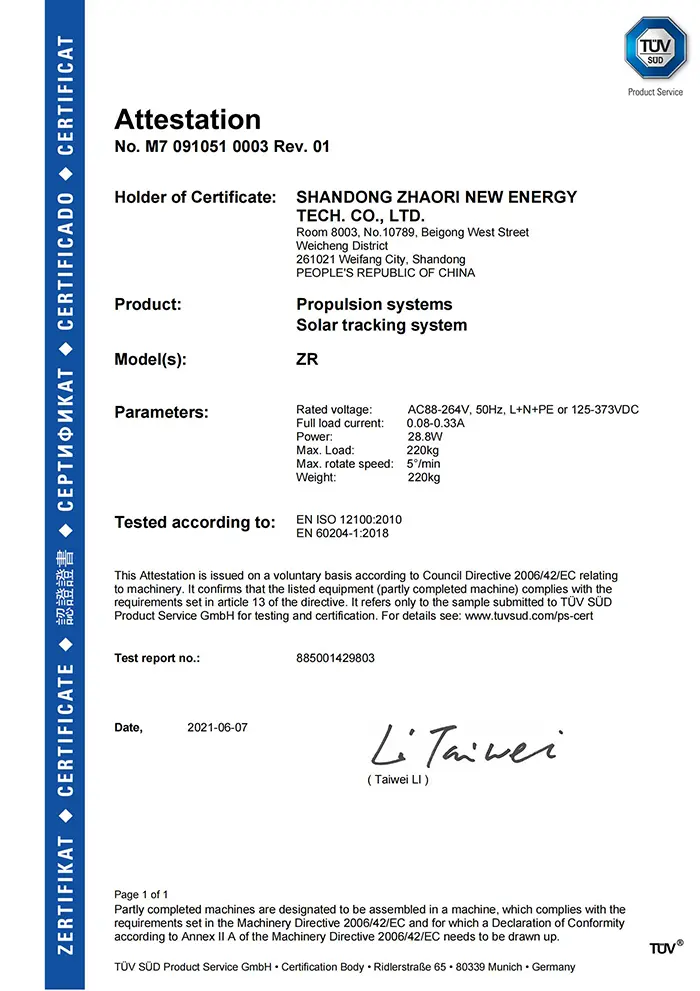
China-based manufacturers like Zhaori offer a unique blend of massive scale (500MW/month) and integrated supply chains. This results in significantly lower LCOE for the end-user while maintaining international certifications like TUV and CE. Our global patent portfolio ensures that our technology is world-class and legally protected across borders.
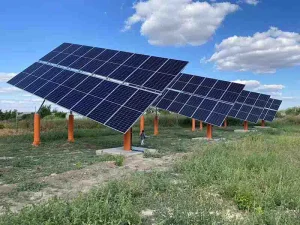
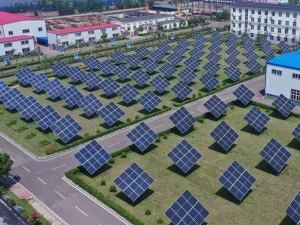
ZRD refers to our Dual Axis Tracking Systems, which track both azimuth and altitude, offering the highest energy gain (up to 40%). ZRP refers to Flat Single Axis Trackers, which are more cost-effective for large-scale utility projects and generally provide a 15-30% gain over fixed systems.
Our systems include an integrated weather station. When wind speeds exceed safety thresholds, the trackers move to a horizontal "stow position." For snow, dual-axis systems can tilt to a vertical position to shed loads automatically.
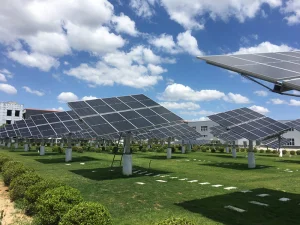
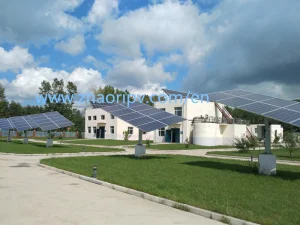
Yes. While we handle 100MW+ utility projects, our ZRD-06 and ZRD-08 dual-axis models are perfect for residential or "Green Belt" projects where space is limited, and maximum yield per square meter is required.
 Zhaori