The global energy transition is no longer a distant goal but an immediate imperative. As Levelized Cost of Energy (LCOE) continues to be the primary metric for Utility-scale projects, the role of Solar Sun Tracking Arrays has shifted from a "premium add-on" to a "fundamental requirement." Unlike fixed-tilt structures, modern tracking systems utilize AI-driven algorithms and robust mechanical engineering to ensure that PV modules are always at the optimal angle to the sun.
International EPC (Engineering, Procurement, and Construction) firms are increasingly looking toward China for high-tech, cost-efficient tracking solutions. The demand is driven by three key factors:
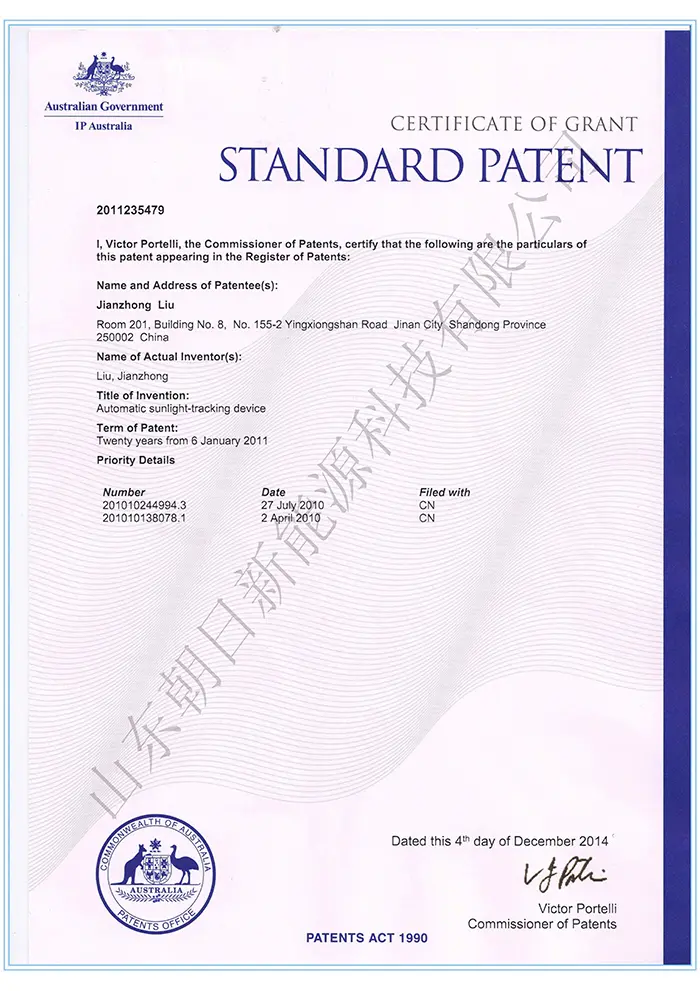
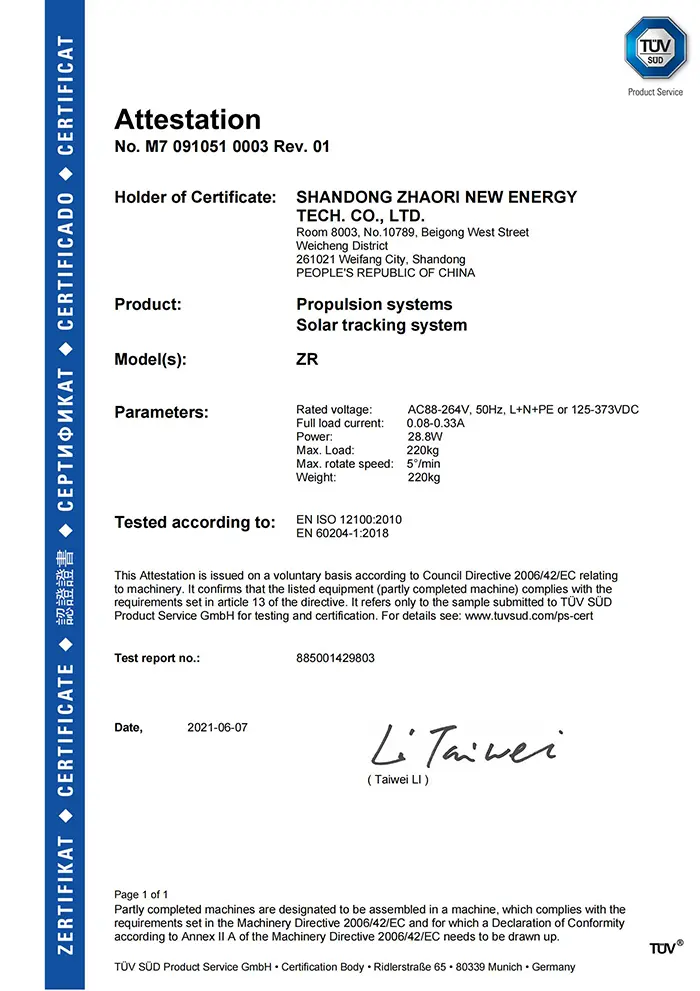
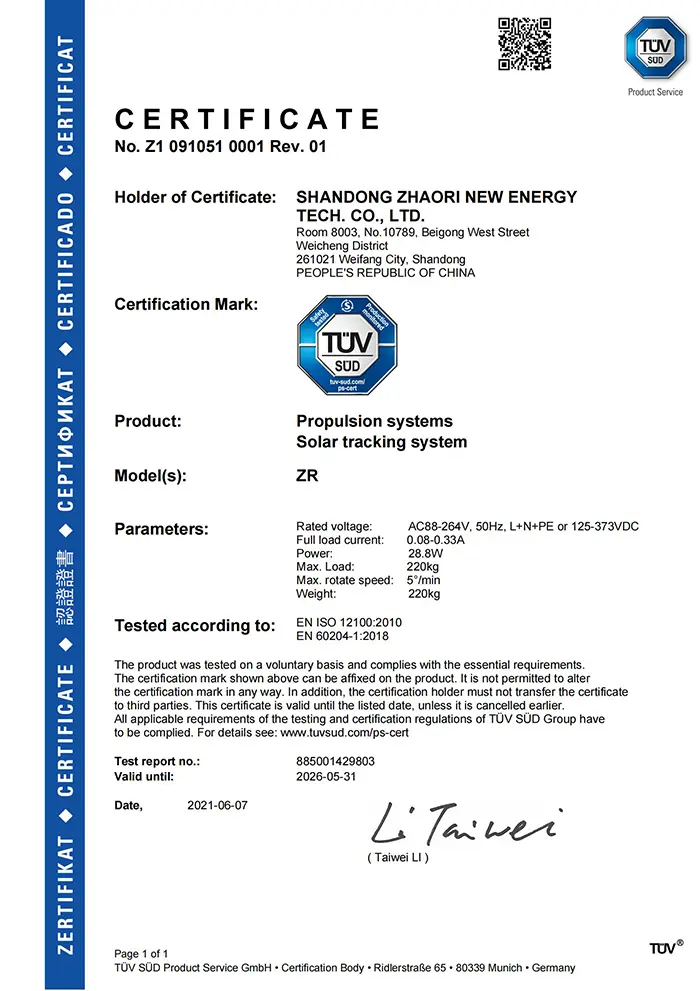
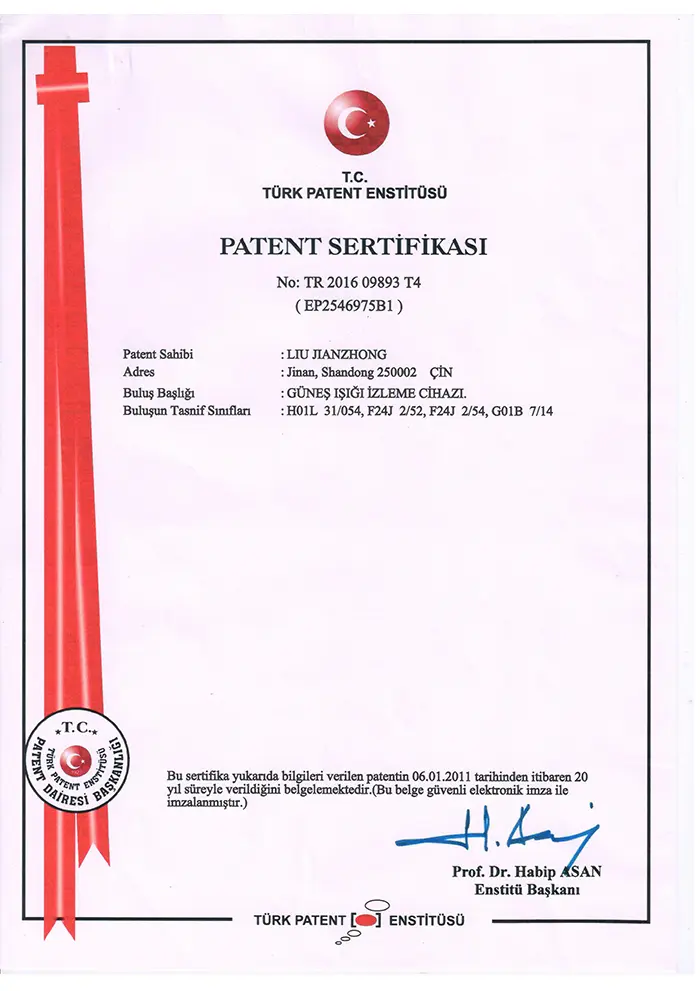
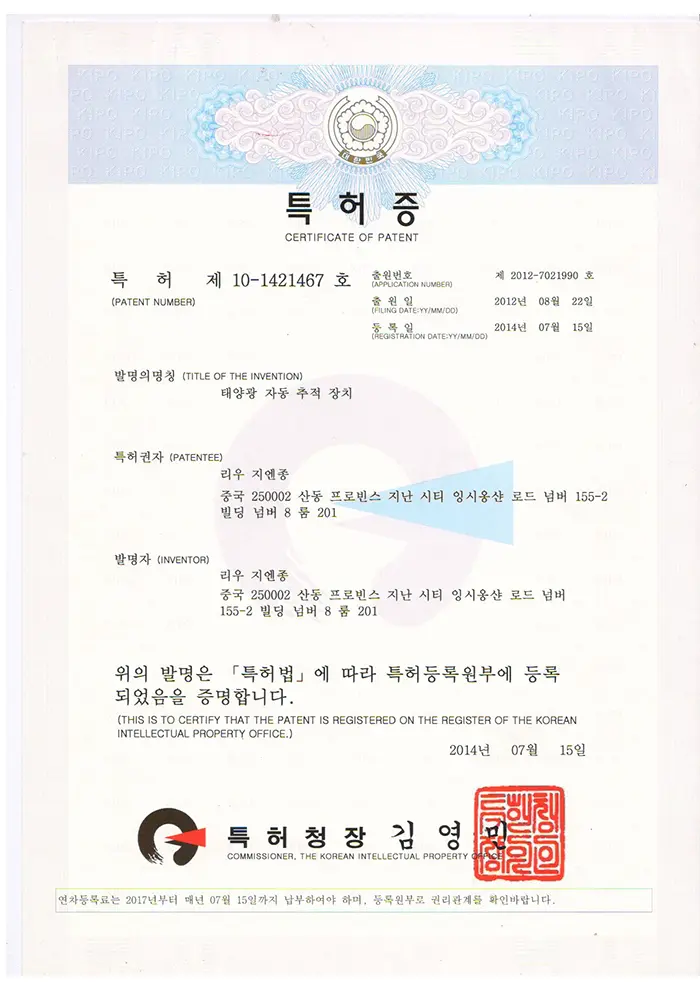
Shandong Zhaori New Energy Tech. Co., Ltd. is a high-tech and new energy company based on independent intellectual property rights. Founded in June 2012, we operate with 10 specialized departments including R&D, engineering, and quality assurance. Our team focuses on photovoltaic power stations and solar tracking technology for more than 10 years.
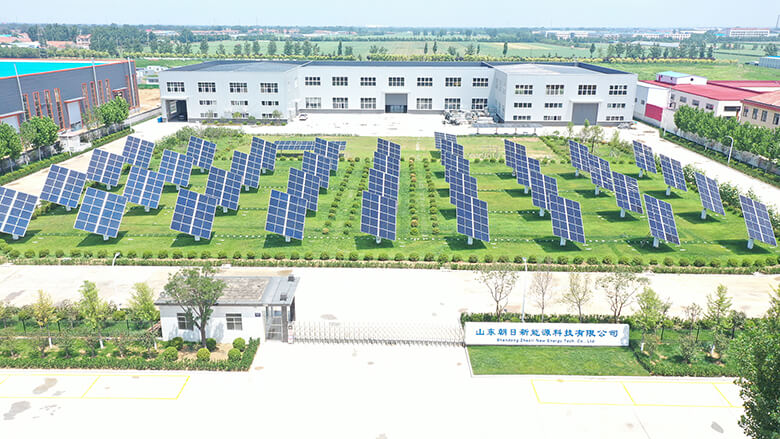
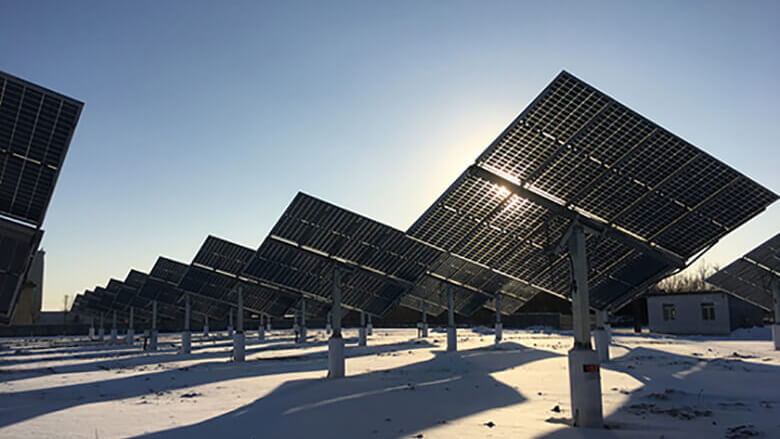
Our factory covers an area of 50,000 square meters, equipped with CNC machine tools, laser cutting machines, and automatic welding robots. With over 300 production workers, we ensure every product undergoes strict raw material screening, anti-rust treatment, and multi-level quality control.
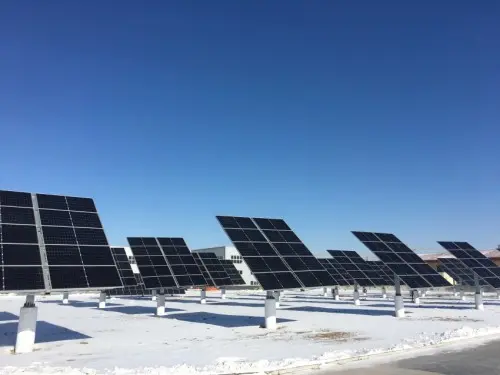
Decades of perfecting the most reliable tracker. Continuous power production even in challenging weather.
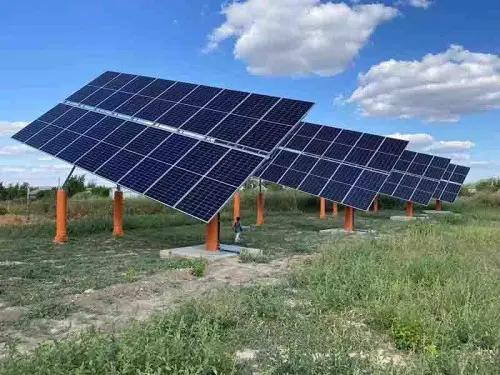
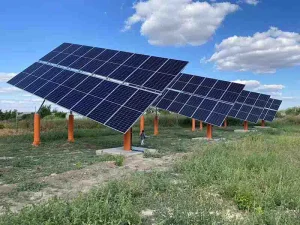
Tracks the azimuth angle with a 10°– 30° tilt. Increases power generation by 15% – 25%.
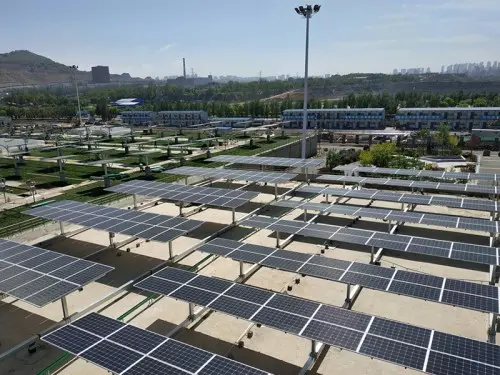
Mounts 10 – 60 panels. Provides 15% to 30% production gain over fixed-tilt systems.
China has established itself as the epicenter of the solar supply chain. For global enterprises, sourcing from a Chinese specialized manufacturer like Shandong Zhaori offers unprecedented advantages:
Utilizing high-grade Q235B or Q355B steel with hot-dip galvanization (80μm+ thickness) ensuring 25-year structural integrity in corrosive environments.
Lower BOM (Bill of Materials) costs due to the integrated local supply of motors, slewing drives, and controllers, allowing for competitive "Quotes" without sacrificing quality.
Integration of AI and Zigbee/LoRa wireless communication for mesh-networking trackers, reducing cabling costs by up to 40%.
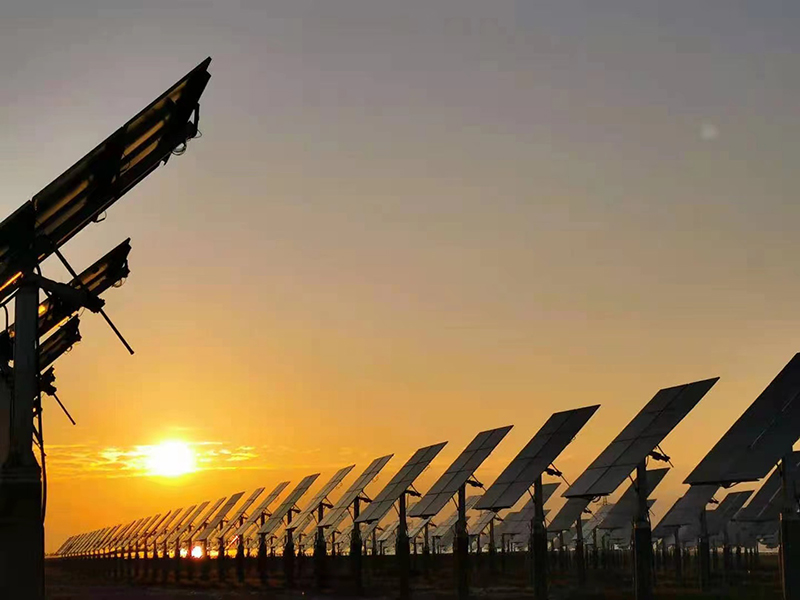
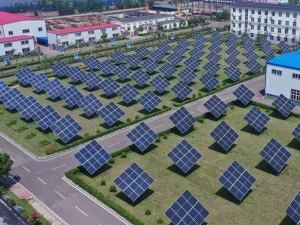
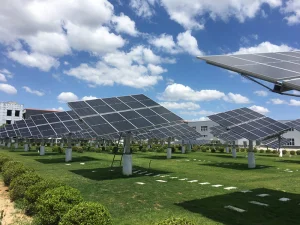
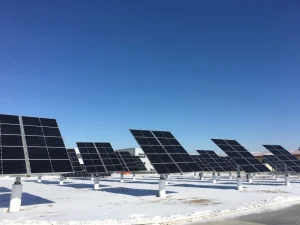
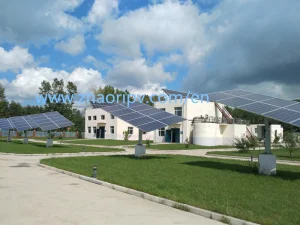
5MW Dual Axis in North China
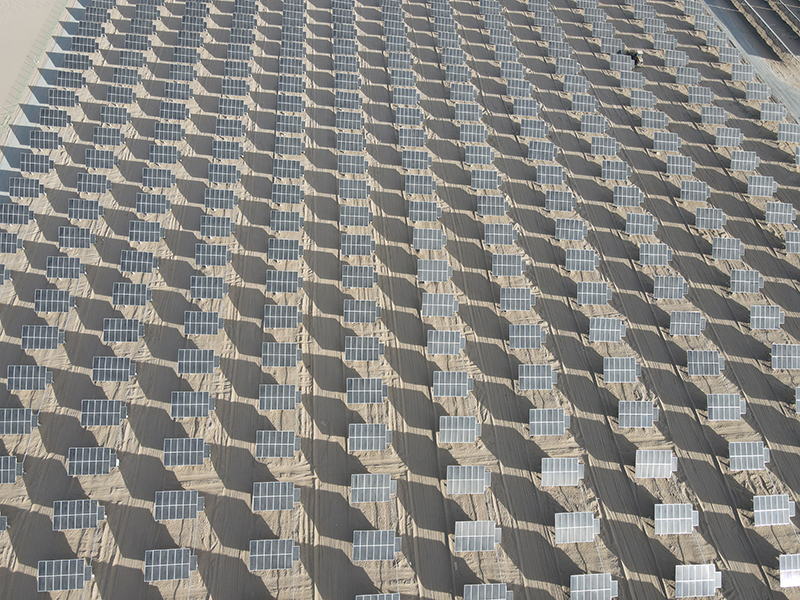
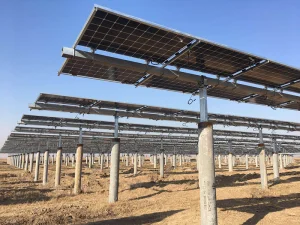
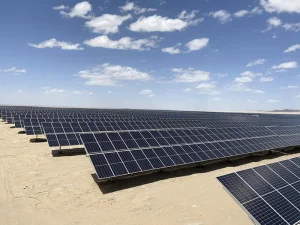
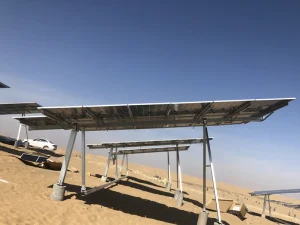
20MW Tilted Single Axis in Desert
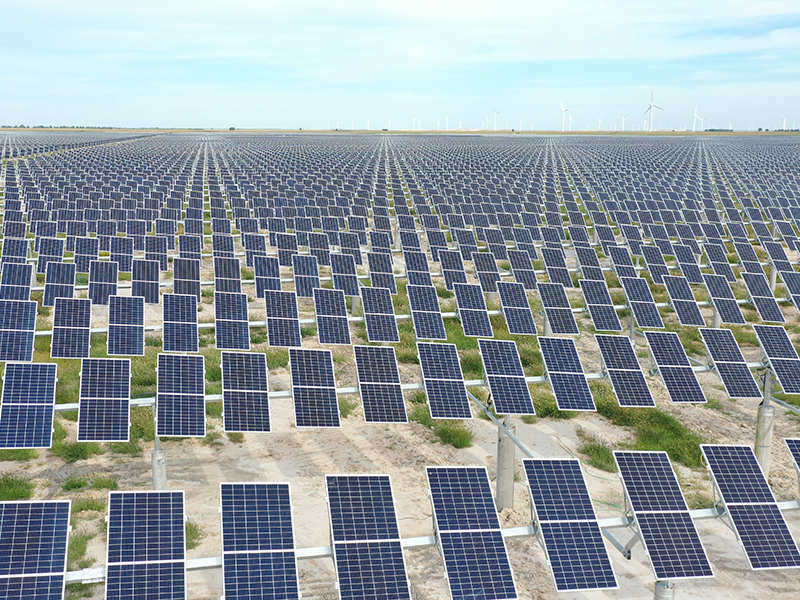
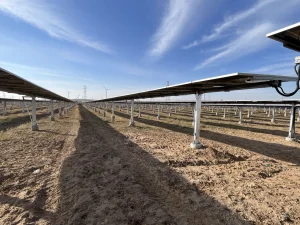
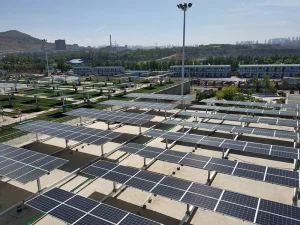
40MW Flat Single Axis with Inclined Module
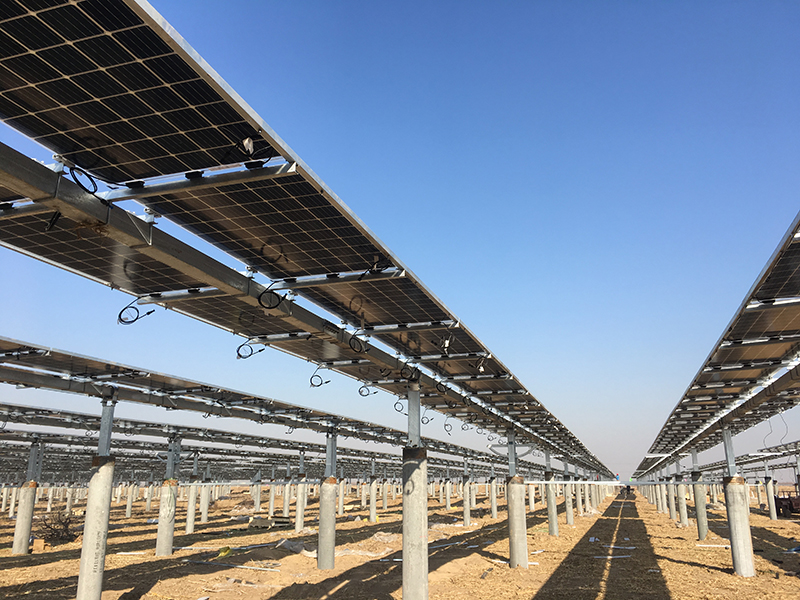
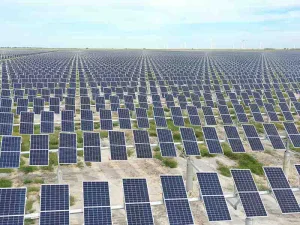
110MW Utility with Bifacial Modules
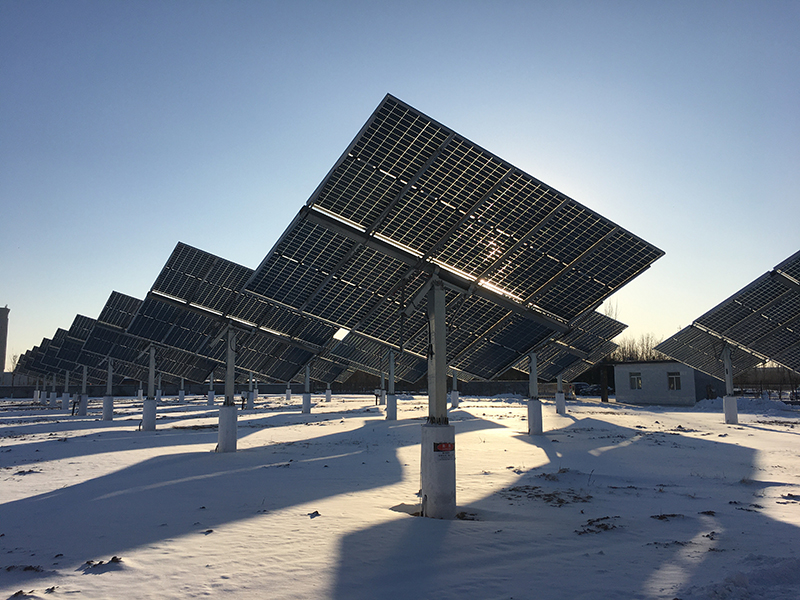
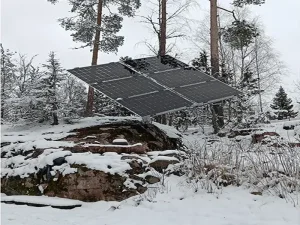
Extreme Snow Resilience Test
Q1: What is the ROI difference between Fixed-Tilt and Dual-Axis Tracking?
A: While Dual-Axis trackers (like the ZRD-10) have a higher initial CAPEX, they offer 30-40% more energy yield. In regions with high Direct Normal Irradiance (DNI), the payback period is typically 2-3 years shorter than fixed systems.
Q2: How do your tracking arrays handle high wind loads?
A: Our systems include an automated "Stow Mode" triggered by anemometers. In winds exceeding 18-22m/s, the panels automatically move to a horizontal or 0° position to minimize wind pressure.
Q3: Are these systems compatible with all PV module types?
A: Yes, our 2P and 1P configurations are specifically designed to accommodate large-format modules (600W+) and provide the necessary backside clearance for bifacial gain.
Q4: What maintenance is required for the mechanical drives?
A: Our slewing drives are IP66/IP67 rated and lubricated for life. We recommend a simple annual visual inspection of the controller and sensor accuracy.
 Zhaori