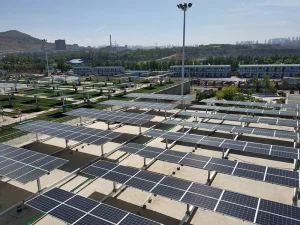
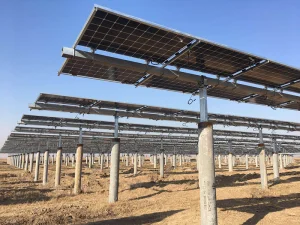
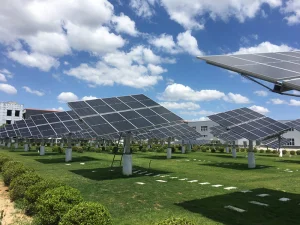
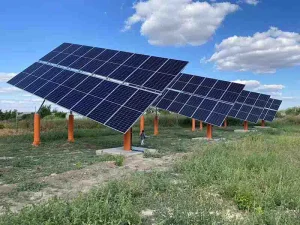
Founded in June 2012, Shandong Zhaori New Energy Tech. Co., Ltd. stands as a titan in the high-tech renewable energy sector. With a foundation built on independent intellectual property rights, we have pioneered the integration of AI and mechanical precision in solar tracking systems. Our multi-disciplinary approach involves 10 specialized departments—from R&D and Engineering to Quality Assurance and Global Trade.
Our core team consists of over 60 professional technology talents who have dedicated more than a decade to perfecting photovoltaic power station efficiency. We don't just manufacture; we engineer the future of solar energy.
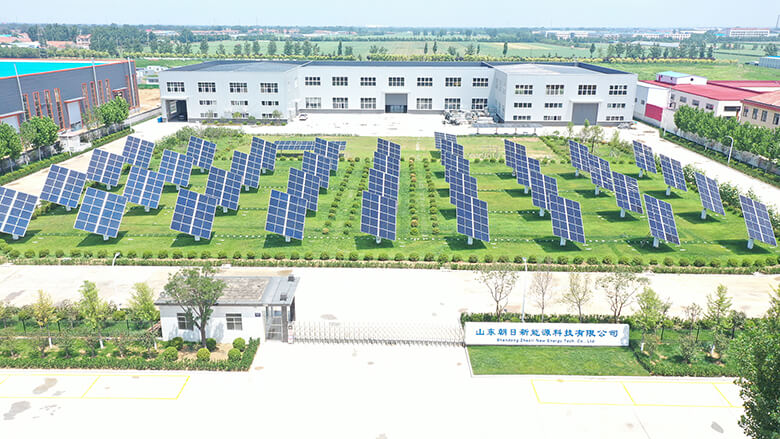
Shandong Zhaori New Energy
Global Headquarters
Our factory spans 50,000 square meters, equipped with CNC machine tools, laser cutting machines, and automatic welding robots. We maintain a monthly capacity of 500MW.
From raw material screening to post-processing and anti-rust treatment, every component undergoes level-by-level inspection in accordance with quality management system certifications.
We hold invention patents in the USA, Canada, Europe, Australia, Japan, South Korea, Thailand, India, Brazil, and South Africa, alongside 38+ Chinese patents.
In the modern photovoltaic landscape, the shift from fixed-tilt structures to intelligent tracking systems is no longer a luxury—it is a financial necessity for utility-scale projects. As a leading China Solar Power Tracking System Manufacturer, we provide the "Information Gain" required for global EPCs (Engineering, Procurement, and Construction) to optimize Levelized Cost of Energy (LCOE).
Fixed structures are limited by the cosine effect. Our dual-axis systems, like the ZRD-10, utilize sophisticated astronomical algorithms to ensure solar panels remain perpendicular to the sun's rays throughout the day. This can increase energy yield by up to 30% to 40% compared to fixed systems. Even our single-axis solutions, such as the ZRT-16, offer a significant 15-25% gain with a lower capital expenditure (CAPEX).
Sourcing from China offers more than just cost-efficiency. It provides an integrated ecosystem. At Zhaori Solar, we leverage China's world-class steel processing and electronic component manufacturing to deliver systems that are "More Simple, More Reliable, and More Effective." Our vertical integration allows for rapid prototyping and mass-scale customization that Western manufacturers often struggle to match.
A solar tracker must survive 25 years in harsh environments. We address this through:
Years Experience
Monthly Capacity
Global Patents
Avg. Yield Increase
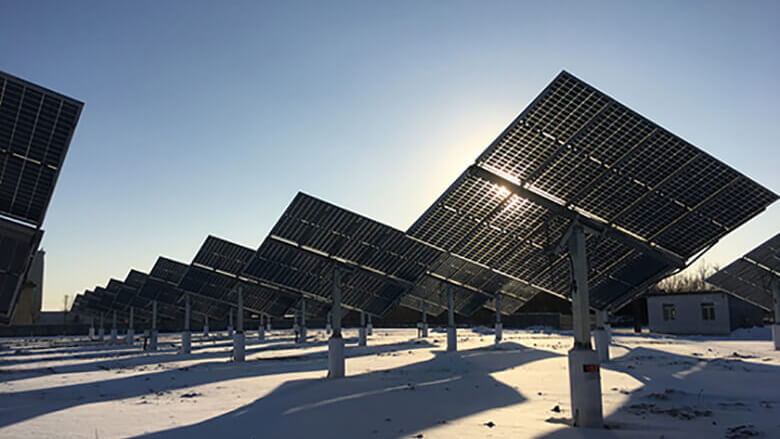
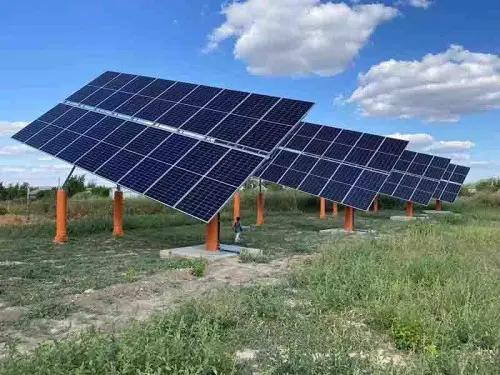
The ZRD series tracks both azimuth and altitude angles. Ideal for high-latitude regions and concentrated PV applications where precision is paramount.
Optimized for utility-scale bifacial modules. The 2-row linked type provides a massive production gain with reduced motor count, lowering maintenance costs.
The ZRT-16 features a 10°-30° tilt, maximizing afternoon energy harvest. It is the perfect middle-ground between cost and performance.
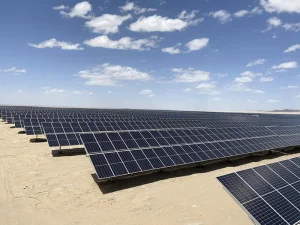
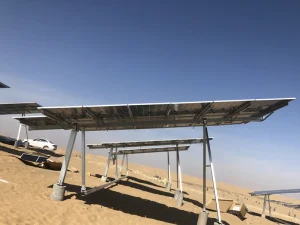
Featured in our 20MW and 360MW projects, our trackers utilize sand-proof bearings and specialized coatings to withstand extreme temperature fluctuations and abrasive winds.
Our adjustable PV brackets and flexible tracker lengths allow for installation on slopes that would be inaccessible to traditional rigid systems.
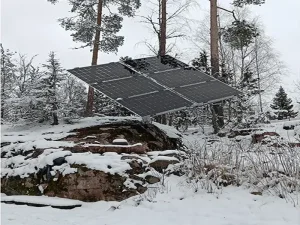
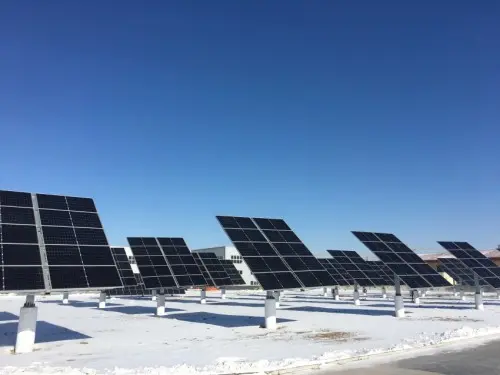
Automated "Snow Mode" tilts panels to the maximum angle to shed snow build-up, preventing structural damage and ensuring immediate production post-storm.
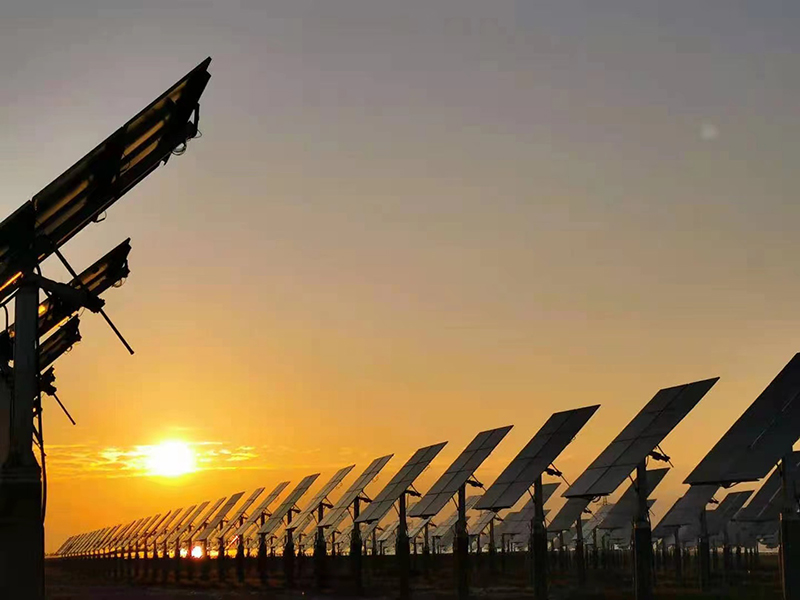
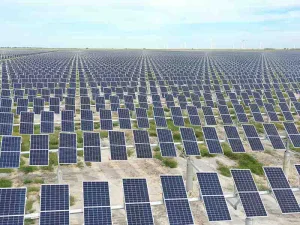
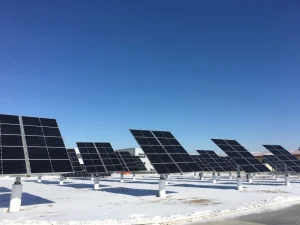
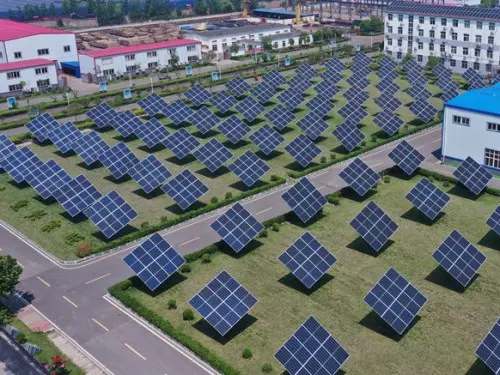
5MW North China Project
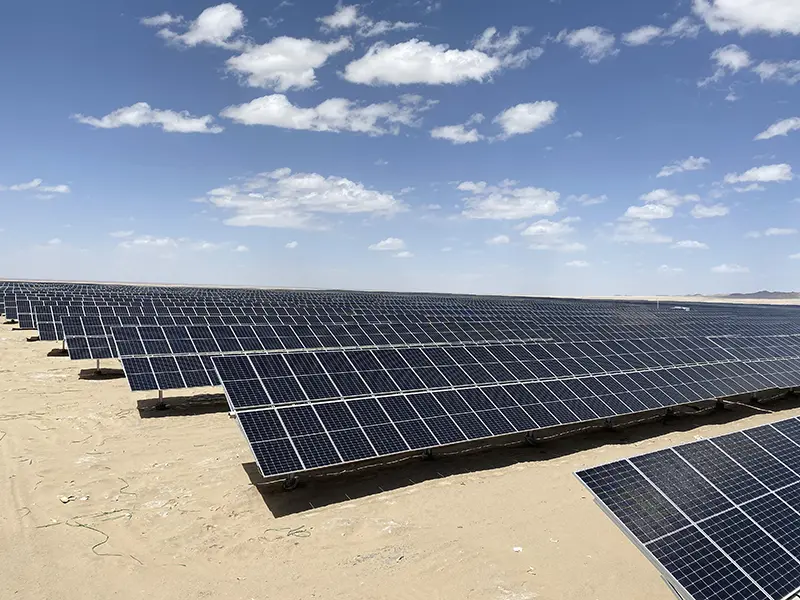
20MW Desert Installation
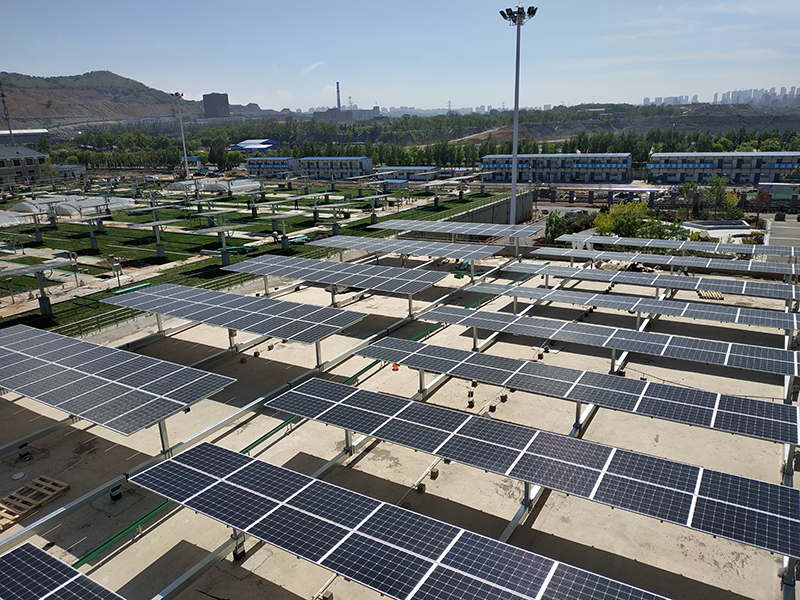
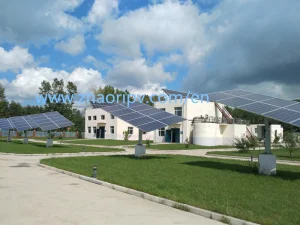
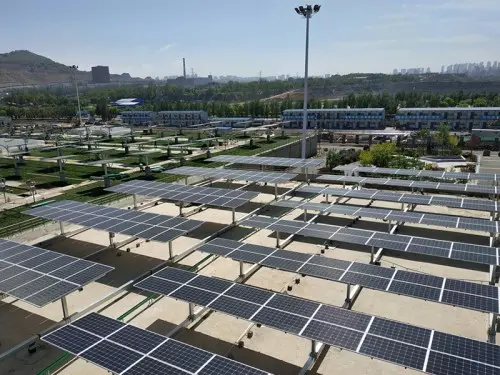
Industrial Roof Project
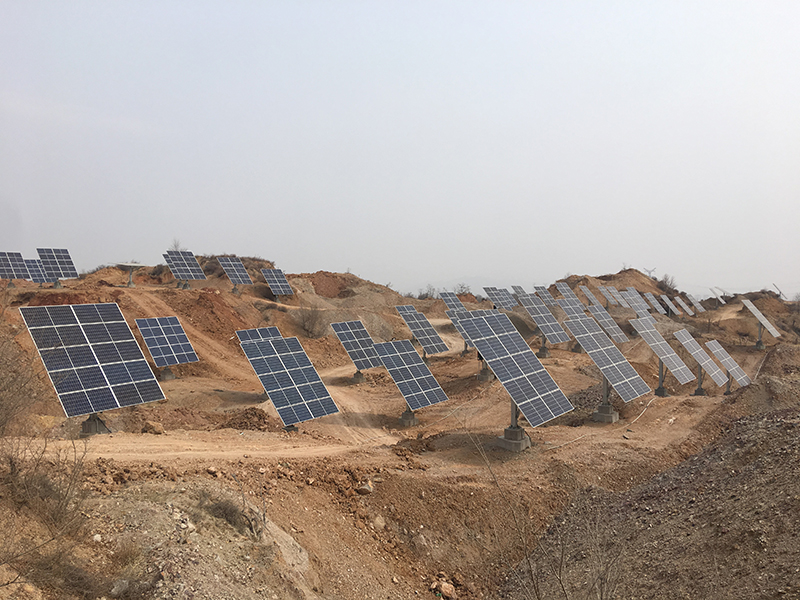
Utility Mountain Project
A: Depending on the geography, a single-axis tracker adds 15-25%, while a dual-axis system can add 35-45%. In high-latitude areas or regions with high direct normal irradiance (DNI), the gains are even more pronounced.
A: Our principle is "More Simple." By using brushless DC motors and self-lubricating bearings, we reduce maintenance cycles. An annual inspection of the drive mechanism and a quarterly firmware check are typically sufficient.
A: Yes. Our 2P flat single-axis trackers are specifically designed to minimize backside shading, maximizing the energy gain from the rear side of bifacial modules.
A: All our trackers are equipped with an automated "Stow Mode." When wind sensors detect speeds exceeding the safety threshold, the system automatically flattens to minimize wind resistance.
A: We offer remote technical support and can dispatch engineering teams for large-scale utility projects. We also provide comprehensive installation manuals and video training for local contractors.
 Zhaori