Advanced dual-axis and single-axis systems engineered for maximum yield.
As the world transitions to Net Zero, the efficiency of solar energy capture has moved from "optional" to "critical." Global demand for solar panel trackers—mechanisms that orient modules toward the sun—is projected to grow at a CAGR of 15% through 2030. Industrial-scale projects in the USA, Australia, and the Middle East are increasingly pivoting away from fixed-tilt structures toward smart tracking systems that optimize the Levelized Cost of Energy (LCOE).
China currently dominates over 70% of the global solar supply chain. A China Panel Tracker Factory like Shandong Zhaori New Energy leverages integrated steel manufacturing, advanced CNC laser cutting, and robotic welding to provide high-precision trackers at a cost-to-performance ratio that is virtually unmatched in Western markets. The speed of iteration and logistical proximity to module manufacturers create a unique vertical efficiency.
With over 10 years of R&D, our team focuses on dual-axis and tilted single-axis technologies. By using independent intellectual property rights and international patents (EU, USA, Canada, Japan, etc.), we ensure that our products meet the rigorous reliability standards required for 25-year lifecycle utility projects.
Monthly Production
Energy Gain (Dual-Axis)
R&D Engineers
Factory Area
The solar industry has entered a "high-efficiency era." While fixed brackets are economical for small residential roofs, utility-scale developers now look for marginal gains that compound over decades. Our ZRD series dual-axis trackers utilize GPS-based algorithms to follow the sun's azimuth and altitude. This "total capture" method can boost production by up to 40% compared to traditional fixed systems, especially in high-latitude regions.
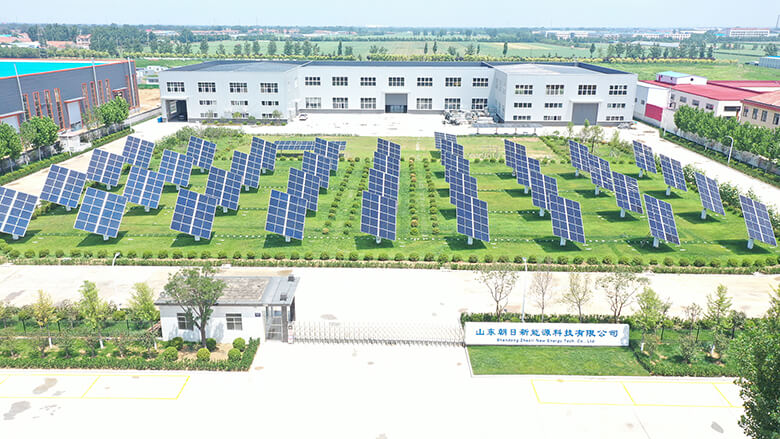
Founded in June 2012, Shandong Zhaori New Energy Tech. Co., Ltd. has established itself as a beacon of high-tech manufacturing. Our factory features:
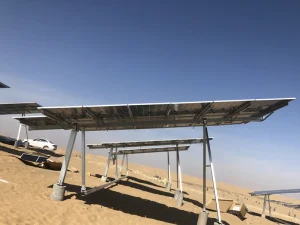
High UV and sandstorm resistance are built into our trackers, maximizing power in arid zones like the Sahara or Gobi.
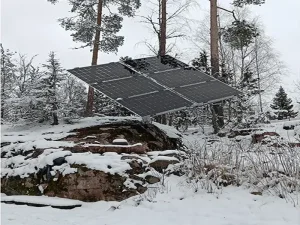
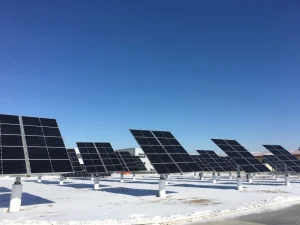
Automated snow-dumping modes tilt panels to the steepest angle, preventing structural collapse and ensuring immediate production after storms.
Higher mounting heights and adjustable angles allow for crop cultivation and livestock grazing beneath the panels.
Adhering to the business principle of mutual benefits, we have had a good reputation among our customers for our perfect services, quality products and competitive prices. Our principle is "More simple, more reliable and more effective."
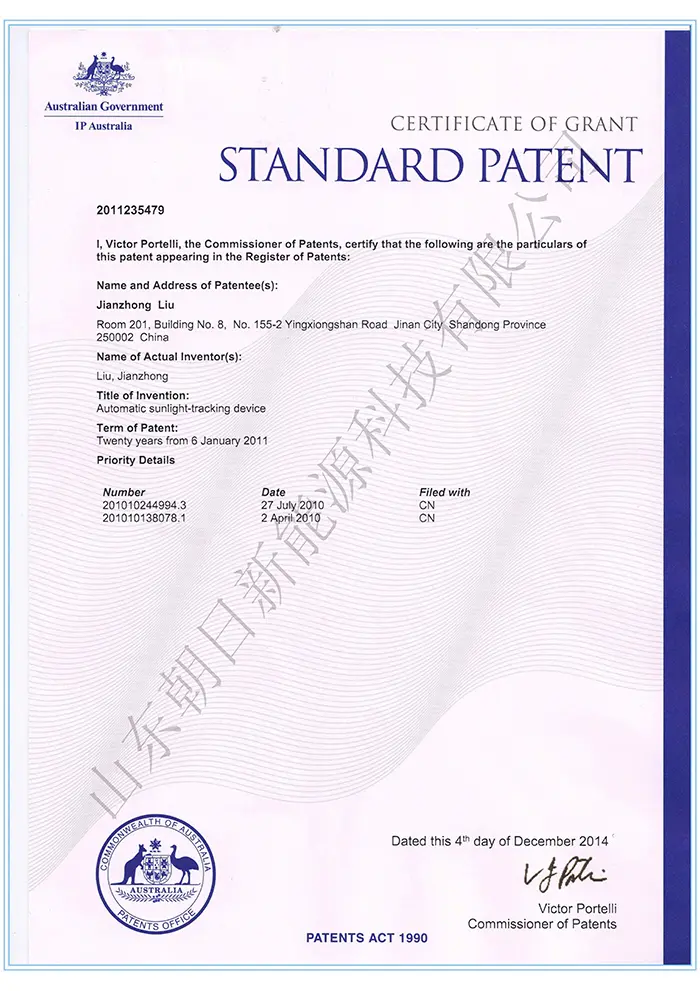
Our products have obtained patents of invention from the Europe Patent Office, the United States, Canada, Australia, Japan, South Korea, Thailand, India, Brazil, South Africa etc.
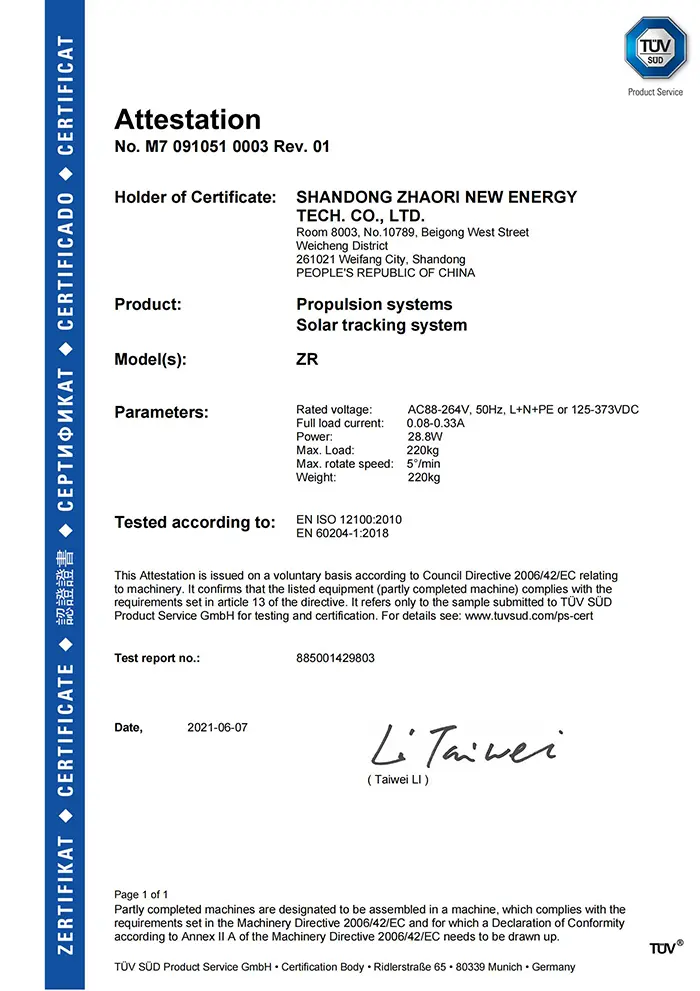
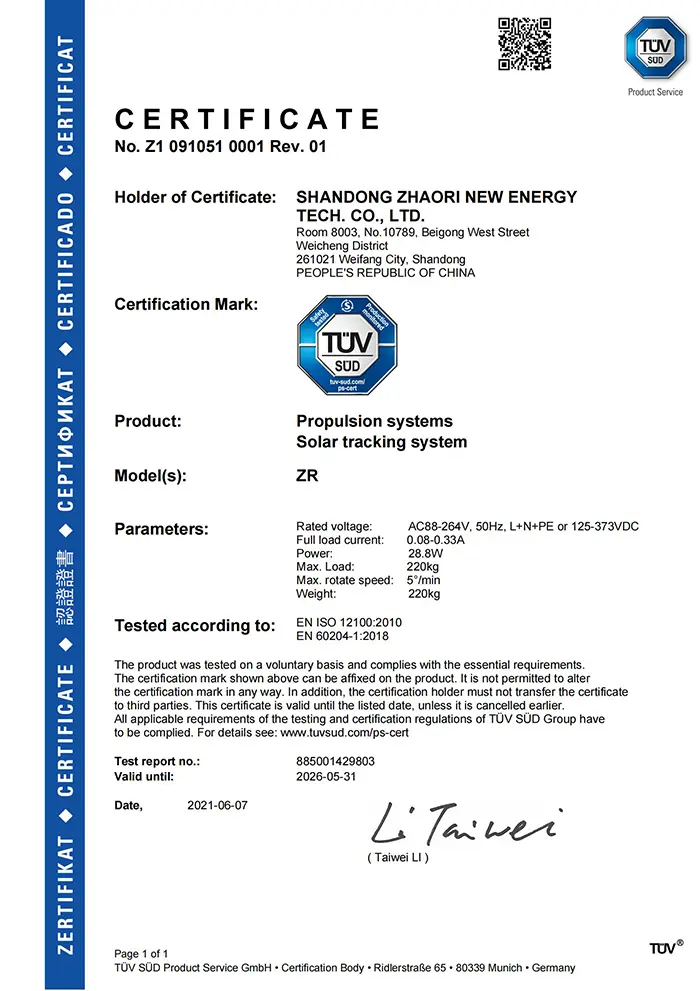
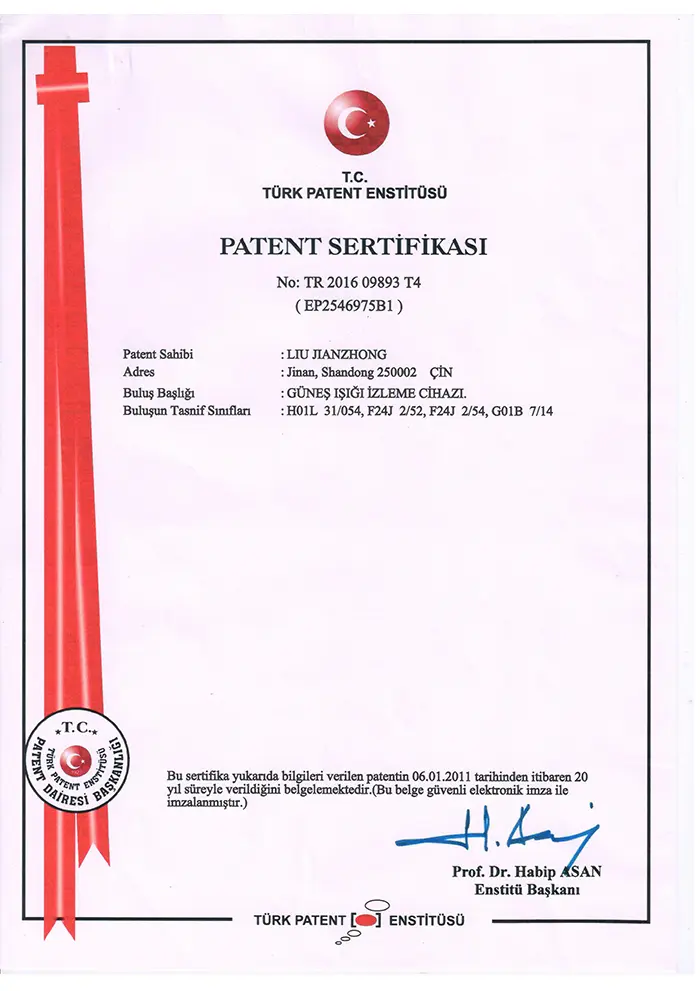
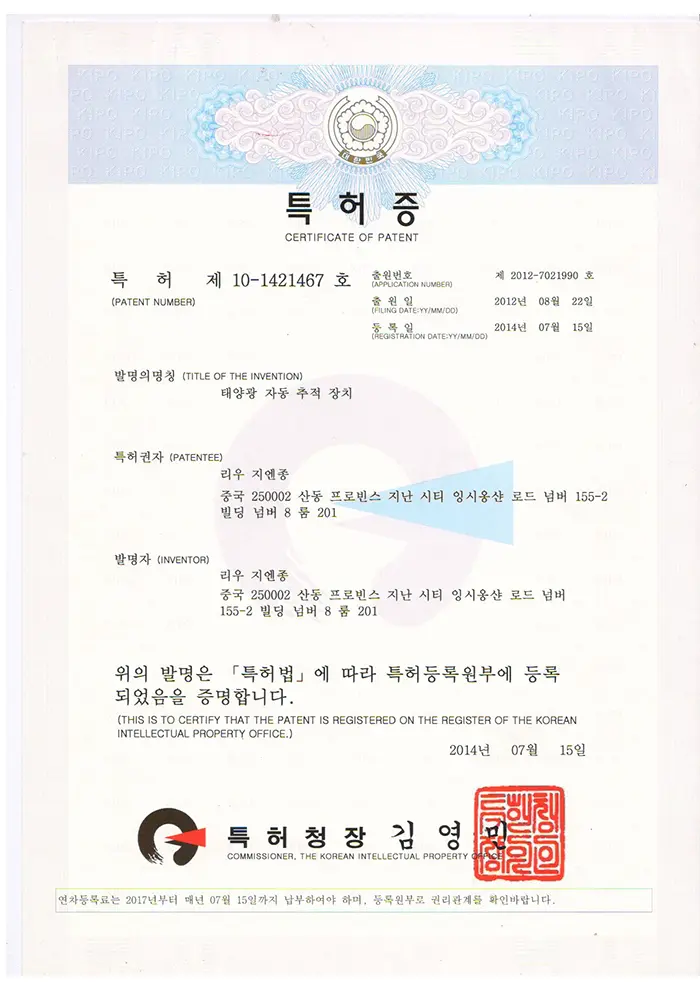
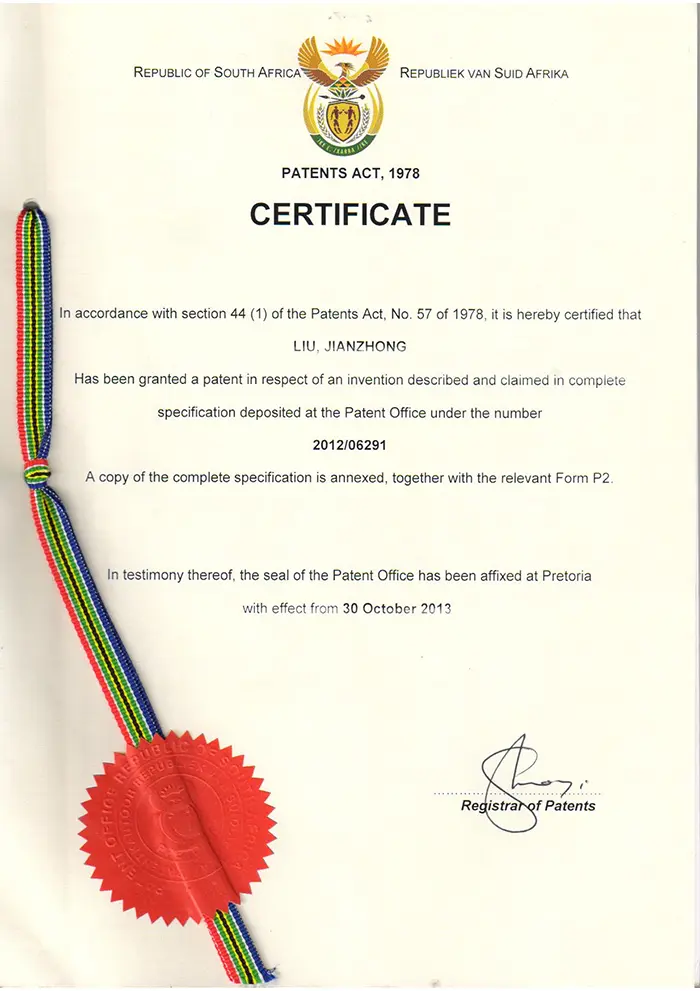
Proven reliability across diverse geographies and climates.
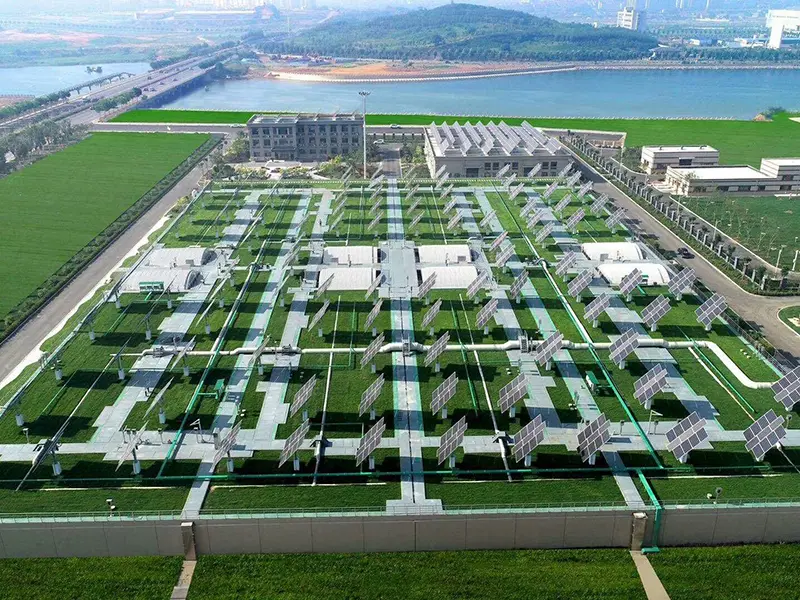
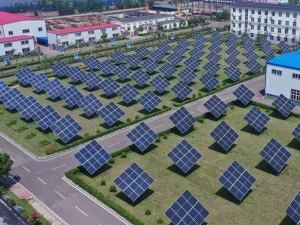
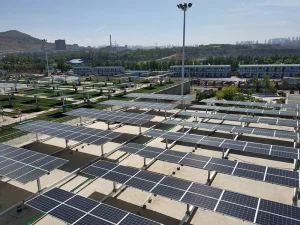
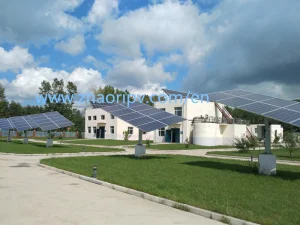
Large Scale Factory Project
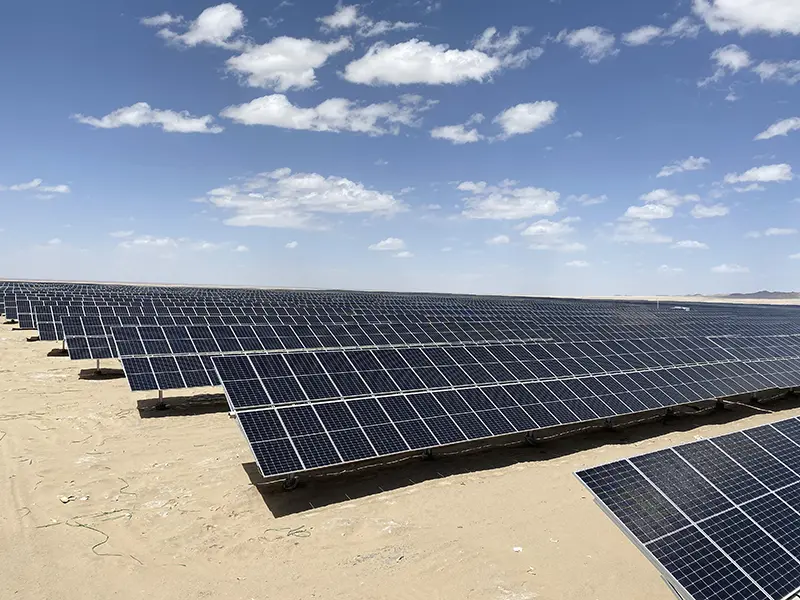
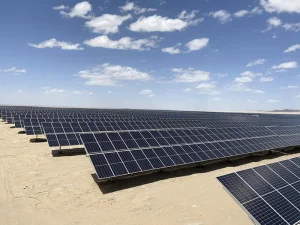
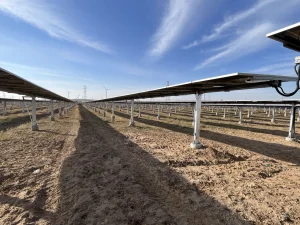
20MW Desert Installation
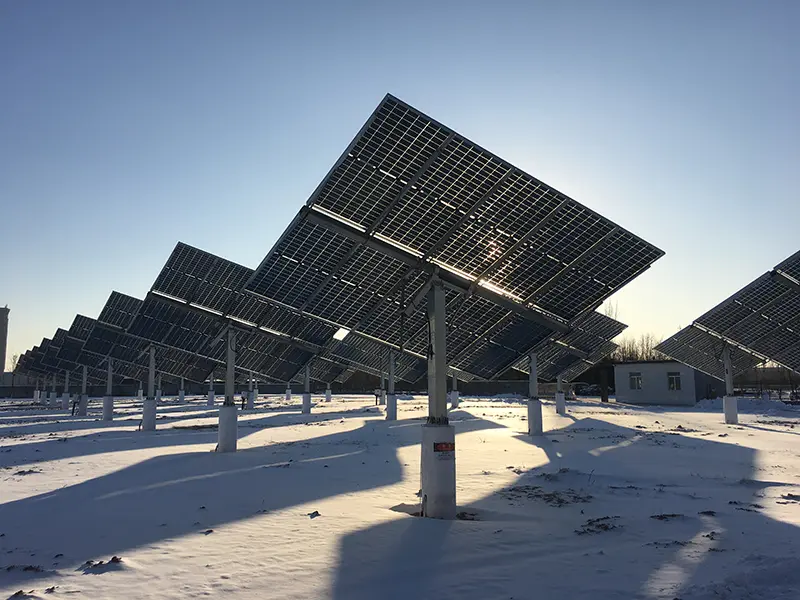
Solar tracker after heavy snow
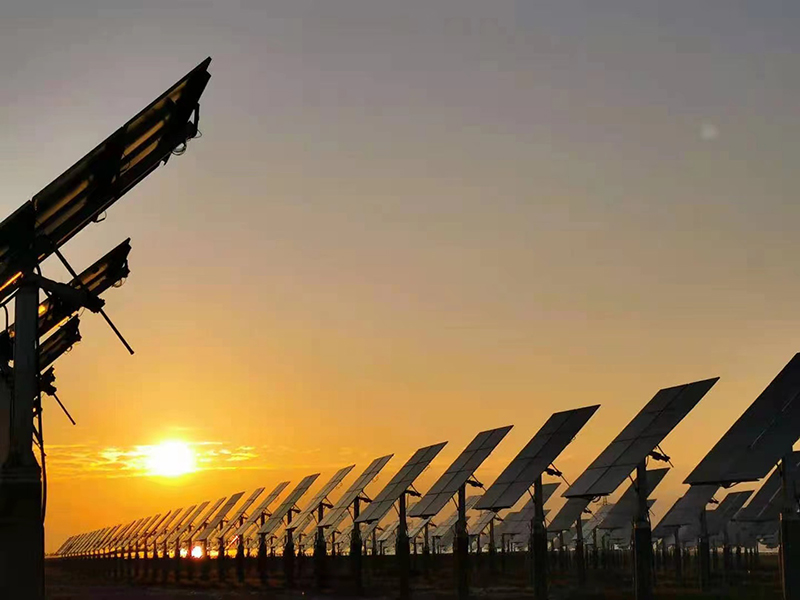
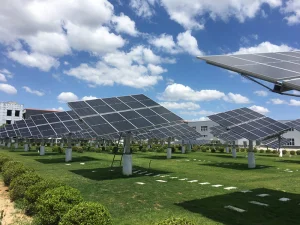
5MW Dual Axis in North China
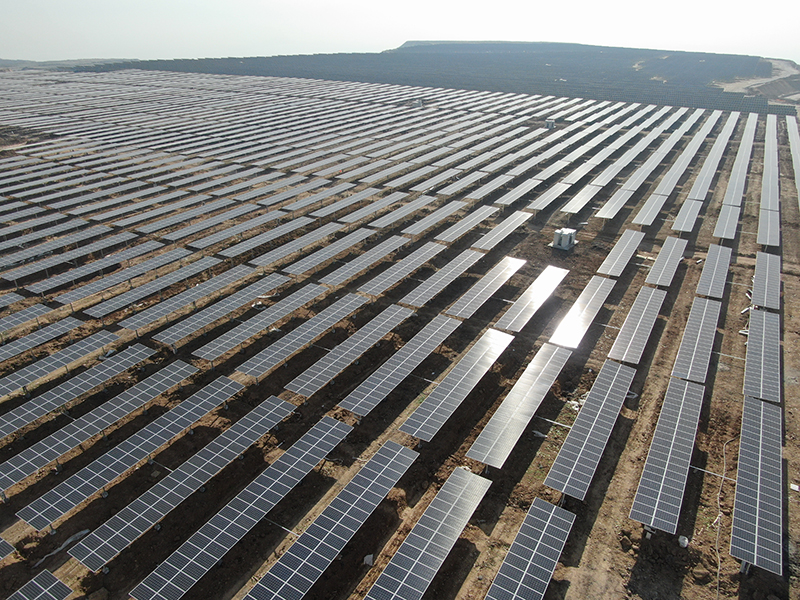
20MW Utility Project - Central China
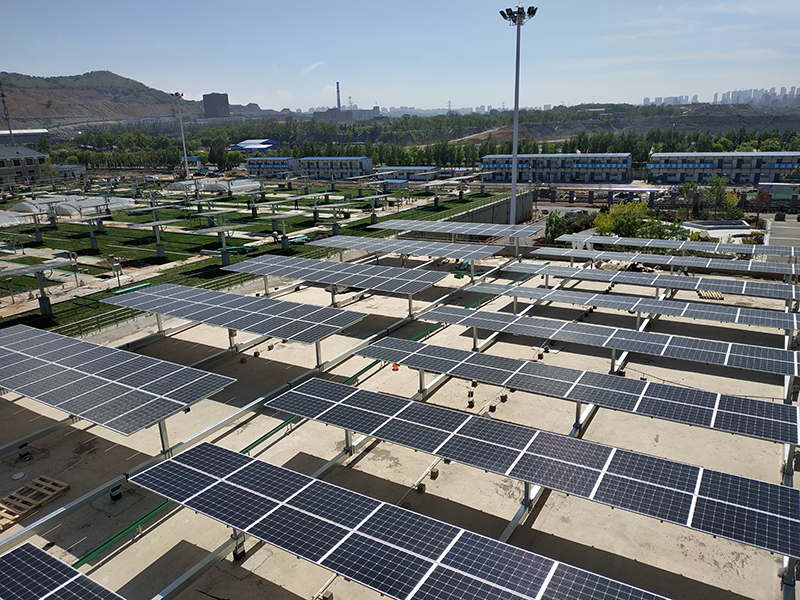
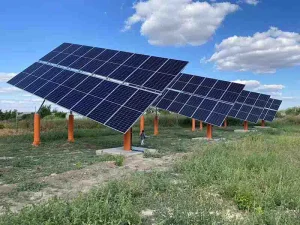
Roof-top Single Axis Project
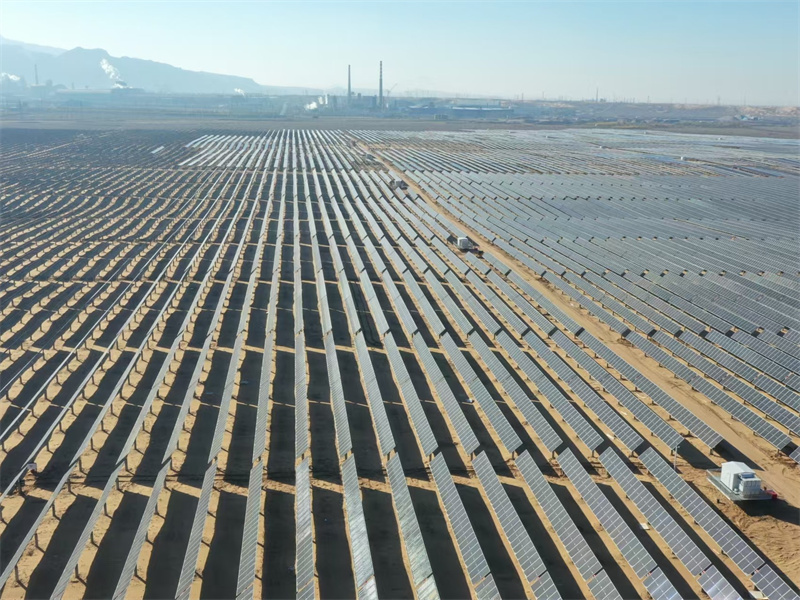
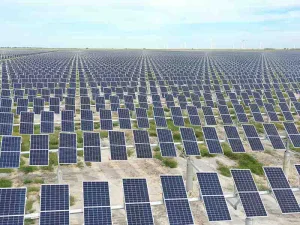
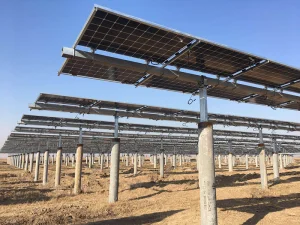
360MW Desert Mega-Project
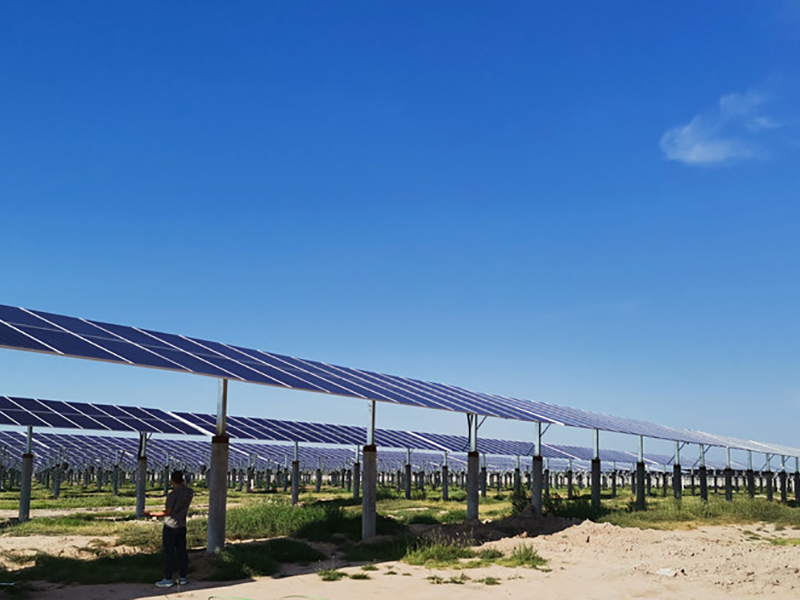
50MW SPIC Commercial Project
Expert insights for global procurement managers and engineers.
Depending on the latitude and local energy prices, the 30-40% increase in yield typically results in a payback period 20% shorter than fixed-tilt systems, despite the higher initial CAPEX.
Our systems feature an automated "Stow Mode." When wind speeds exceed 18-22m/s, sensors trigger the controller to move the panels to a horizontal position, minimizing the sail effect and protecting the structure.
Yes. Our engineering department specializes in "slope-matching." We can adapt our flat or tilted single-axis systems to terrenos with up to 15% gradients without the need for extensive land leveling.
Our "simple and reliable" design minimizes moving parts. We recommend a bi-annual inspection of drive lubricants and structural bolt torques. The smart control system provides real-time alerts for any motor failures.
 Zhaori