Explore our engineering-driven tracking systems optimized for extreme mechanical stress, maximum yield, and easy onsite assembly.
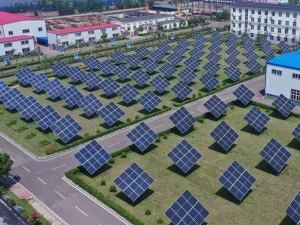
Designed to unlock peak power production by tracking both horizontal and vertical solar vectors. Optimal for low to mid-latitude zones seeking maximum ROI.
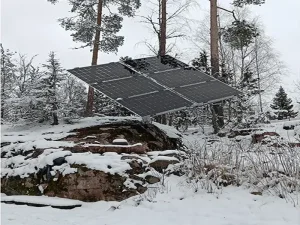
A highly reliable dual-axis design utilizing heavy-duty slew drives to support panels, enhancing energy capture by up to 35% compared to static racking.
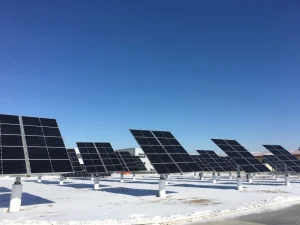
High-load-bearing design configured for robust tracking accuracy under strong winds, utilizing dual-axis tracking for continuous utility output.
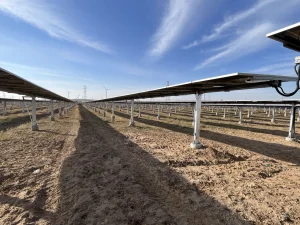
A standard-setting 1P single-row tracker configured for rapid installation. Reduces high-wind torsional load via an integrated torque-tube design.
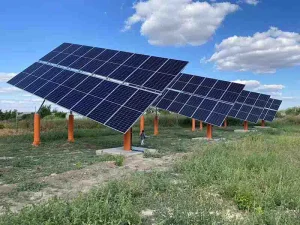
Features a tilted orientation (10°-30°) tracking the solar azimuth. Mounts 10-20 modules, yielding 15%-25% extra generation over fixed systems.
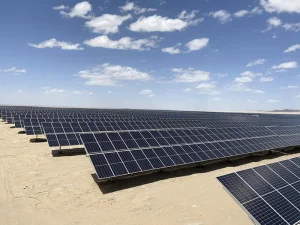
Designed for seasonal manual tilt changes. Offers structural rigidity of fixed systems while allowing cost-effective angle adjustments.
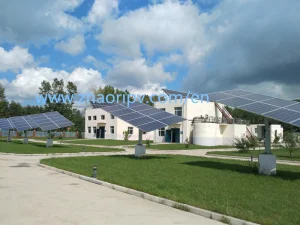
An economical solution bridging fixed and active-tracking systems, optimized for cost-effective solar orientation improvements.
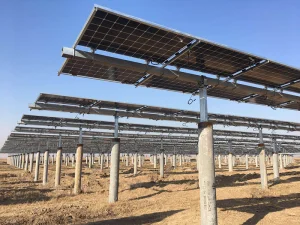
A heavy-duty single-axis model using advanced backtracking logic to limit module shading and deliver high cumulative seasonal output.
In the utility-scale solar landscape, maximizing efficiency and minimizing the Levelized Cost of Energy (LCOE) is paramount. Standard static solar racking, while structurally straightforward, misses a vast portion of the daily solar path. Because solar modules perform at their peak when light strikes perpendicular to the front glass, structural tracking provides significant yield gains.
Mechanical solar trackers solve this limitation by adjusting their structural tilt in real-time. By utilizing either single-axis or dual-axis tracking systems, developers can increase energy yield by 15% to over 35%. This performance boost translates directly to improved project economics, faster debt repayment, and higher internal rates of return (IRR).
However, mechanical trackers are complex structural components subjected to decades of wind, snow, dust, and thermal expansion. Therefore, choosing a robust design with high-quality bearings, slew drives, and structural damping systems is critical to prevent mechanical failure.
Shandong Zhaori New Energy Tech. Co., Ltd. is a high-tech and new energy enterprise established in June 2012. Built on proprietary intellectual property rights, the company focuses on designing, developing, and manufacturing utility-grade solar racking and tracking technology.
The company maintains 10 specialized departments, including:
Backed by over 60 engineering experts, our R&D efforts focus on creating reliable, cost-effective structural components that simplify utility-scale operations.
Our core product philosophy centers on three ideas: More Simple, More Reliable, and More Effective. By focusing on mechanical simplicity, we reduce potential failure points.
For example, mechanical trackers are often exposed to high wind loads, which can cause structural twisting and failure. To address this, we optimize the torsional stiffness of our main axes, utilize high-tensile steel, and source high-quality slew drives. This design philosophy prevents wind-induced damage and ensures stable operation throughout the plant's 25-year service life.
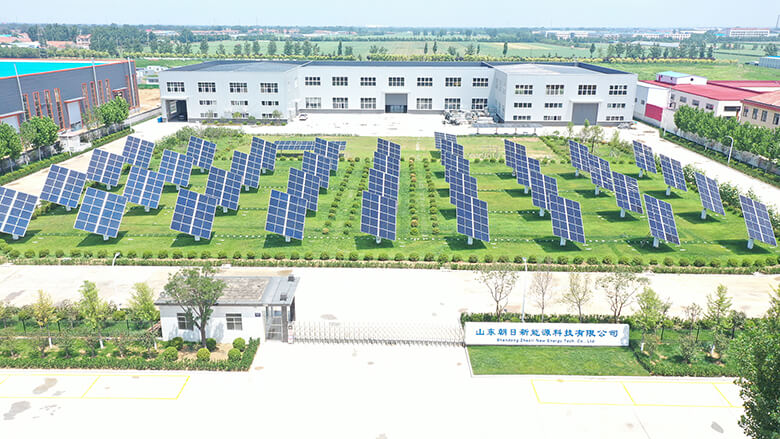
Our manufacturing capacity is built on advanced automation, strict quality control, and direct access to major raw material supply chains.
Covering an area of 50,000 square meters, our facility houses high-precision CNC machinery, high-speed fiber laser cutting systems, automatic welding robots, and plasma cutters. These tools allow us to achieve precise tolerances, which are critical for smooth drive alignment and simple on-site assembly.
We manage quality at every step, starting from raw material selection, through cutting, welding, hot-dip galvanizing, and final packaging. In compliance with international quality management systems, each batch undergoes strict QA testing, ensuring all structural components are built for decades of outdoor service.
By managing primary processes in-house, we reduce supply chain dependencies and overhead. This integration allows us to offer competitive pricing and flexible delivery timelines for large-scale utility projects worldwide.
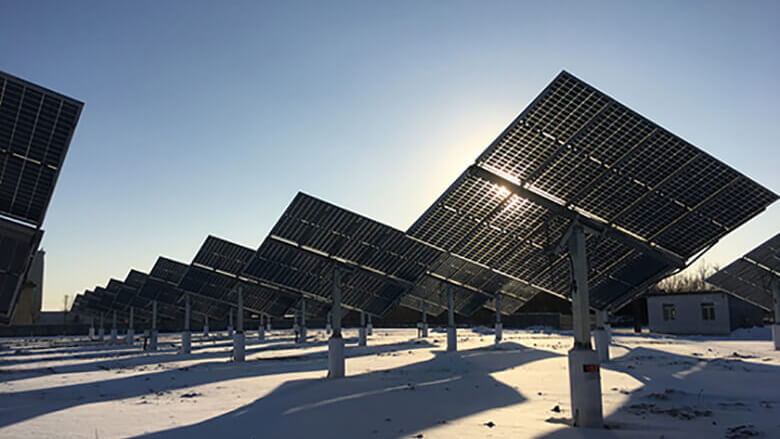
Understanding structural behavior under wind and gravity loads is key to choosing the right tracking configuration. Our designs cover a range of tracking architectures to suit different geographic and budgetary requirements.
| Tracking System Type | Degrees of Freedom | Yield Improvement (vs. Fixed Tilt) | Typical Wind Stow Configuration | Key Structural Advantage |
|---|---|---|---|---|
| Flat Single Axis (1P/2P) | 1 Axis (Azimuthal tracking) | 15% - 30% | Stowed flat at 0° - 10° | Low torsional stress, low height profiles |
| Tilted Single Axis (ZRT Series) | 1 Axis (Azimuthal tracking with set tilt) | 15% - 25% | Stowed flat at optimized angle | Improved output at mid-to-high latitudes |
| Dual Axis (ZRD Series) | 2 Axes (Azimuth and Elevation) | 30% - 38%+ | Stowed horizontally at 0° | Highest generation profile throughout the day |
| Adjustable Fixed Bracket | 0 (Manual periodic adjustment) | 8% - 12% | High structural rigidity | Lower initial investment, no active electronics |
During sunrise and sunset, steep tracking angles can cause adjacent rows to shade one another. Our tracking systems use smart backtracking algorithms to slightly reverse the tracker's angle during these periods, preventing row-to-row shading and maintaining optimal string current.
High winds pose a significant structural risk to solar trackers. Our systems integrate with local anemometers to trigger an automated wind stow mode when wind speeds exceed set thresholds. This rotates the trackers to their most aerodynamic profile, protecting the drive mechanisms and modules.
We utilize high-torque, enclosed slewing drives designed to prevent water, sand, and dust ingress. These drives provide the holding torque needed to withstand strong wind gusts, ensuring long-term reliability and minimal maintenance.
Our trackers are designed and built to withstand diverse climatic challenges across global project sites.
In desert environments, windblown sand can wear down moving parts, and extreme temperatures can stress electrical components. Our systems use sealed, self-lubricating bearings and IP66-rated enclosures to protect driving gears, ensuring reliable operation without frequent O&M interventions.
Heavy snow accumulation can block sunlight and exert significant vertical loads on solar arrays. In these areas, our dual-axis trackers can be configured with an automated "snow dump" mode. By rotating modules to a steep angle, snow slides off easily, helping to prevent structural overloading and restore generation quickly.
Sloped or uneven sites present alignment challenges for long single-axis trackers. To address this, our tilted single-axis systems and short-row dual-axis trackers can be configured independently, allowing them to match the natural terrain slope and minimize the need for extensive site grading.
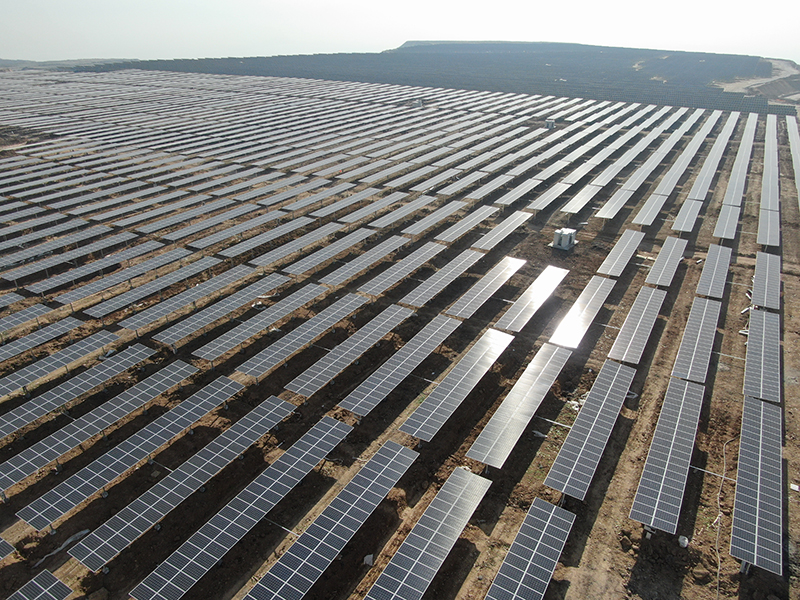
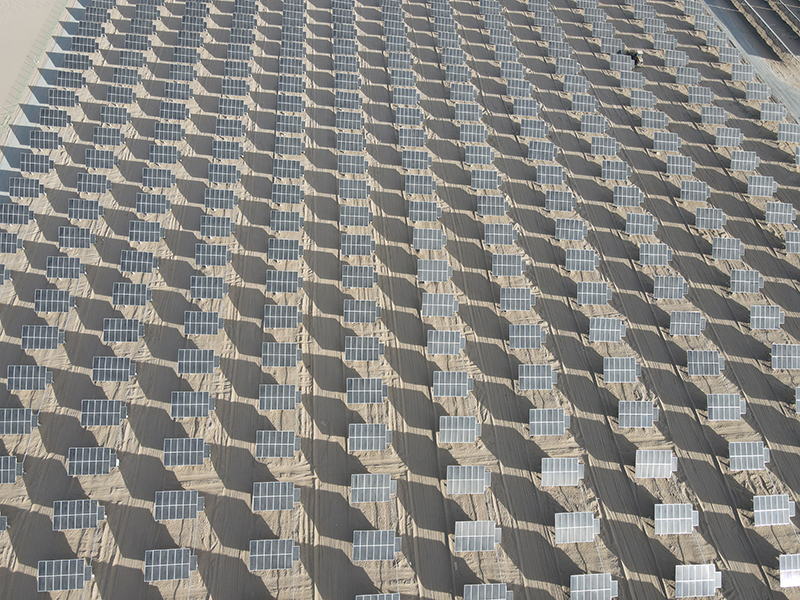
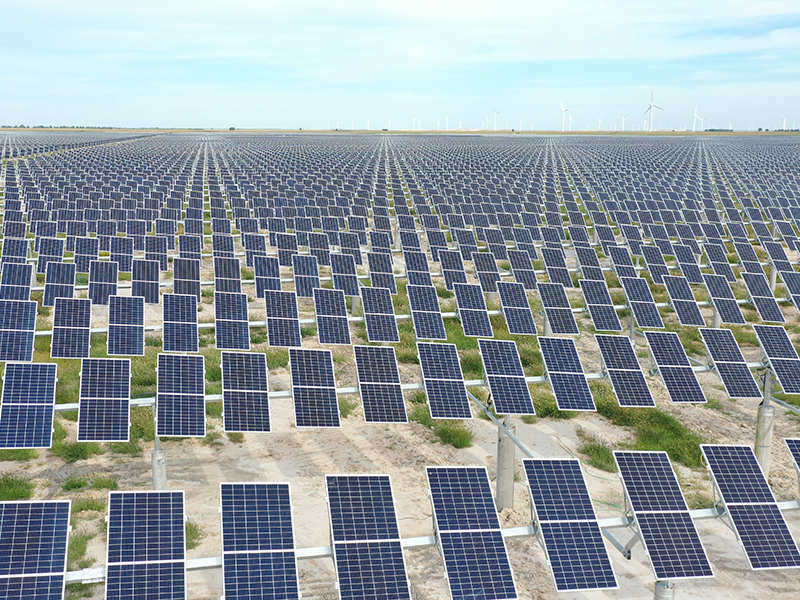
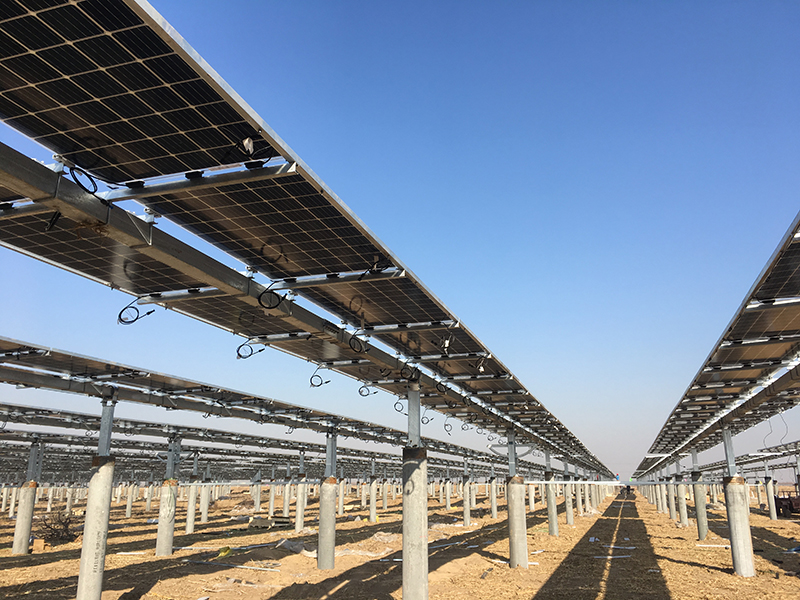
A history of robust performance across commercial, industrial, and utility-scale installations.
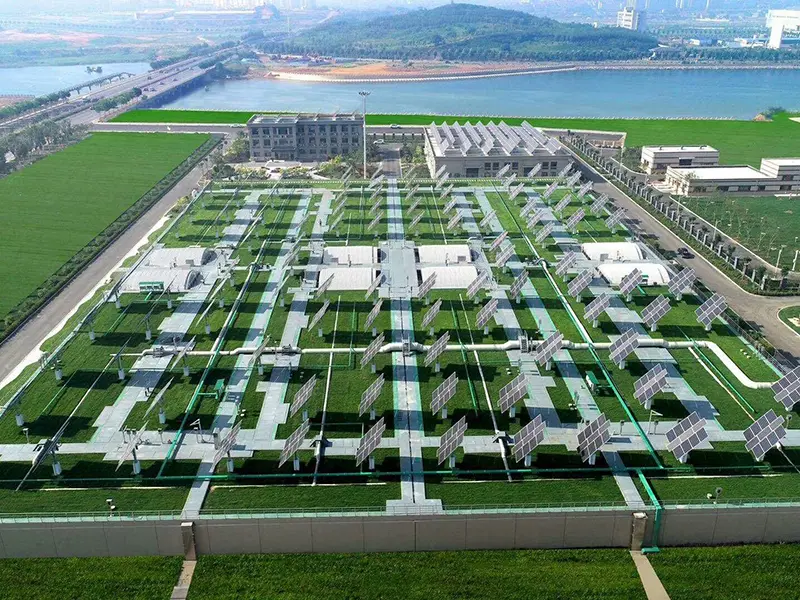
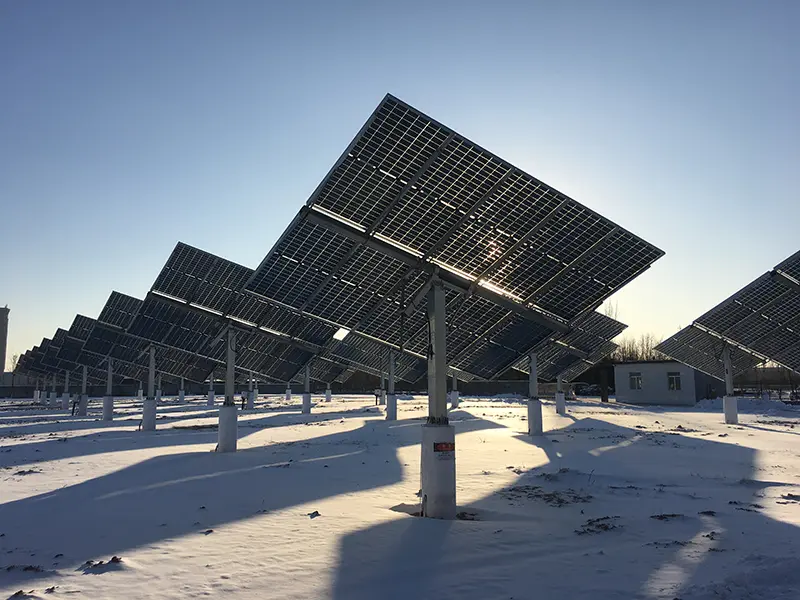
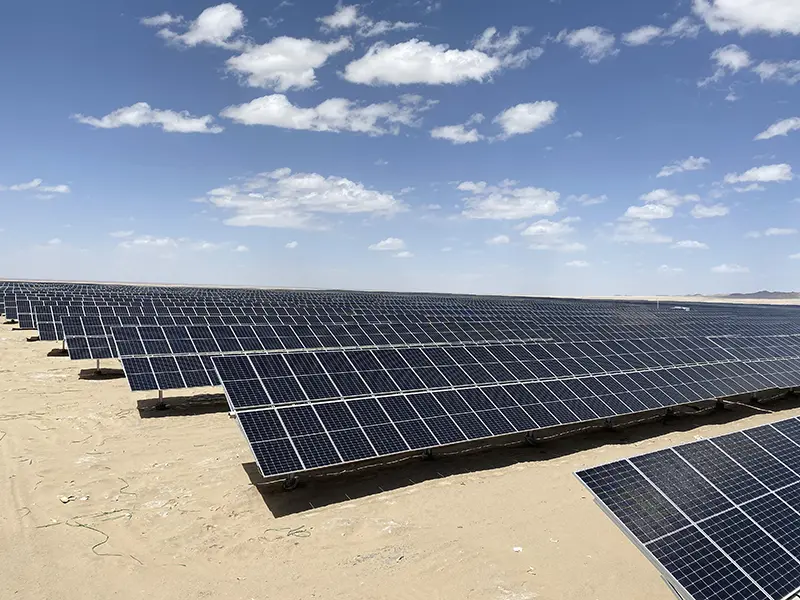
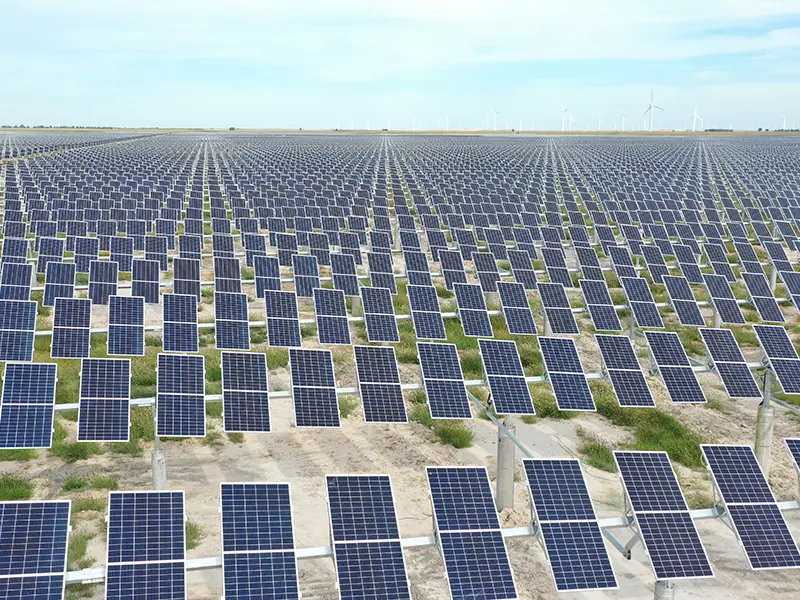
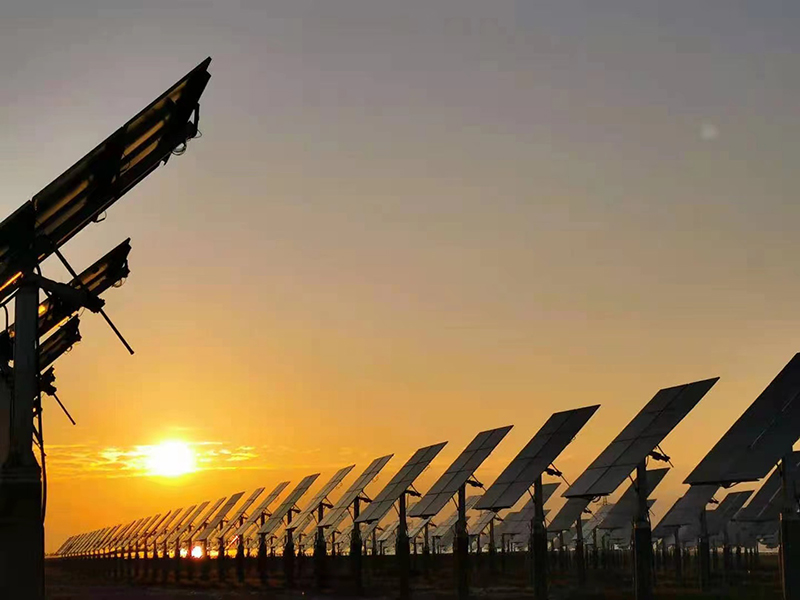
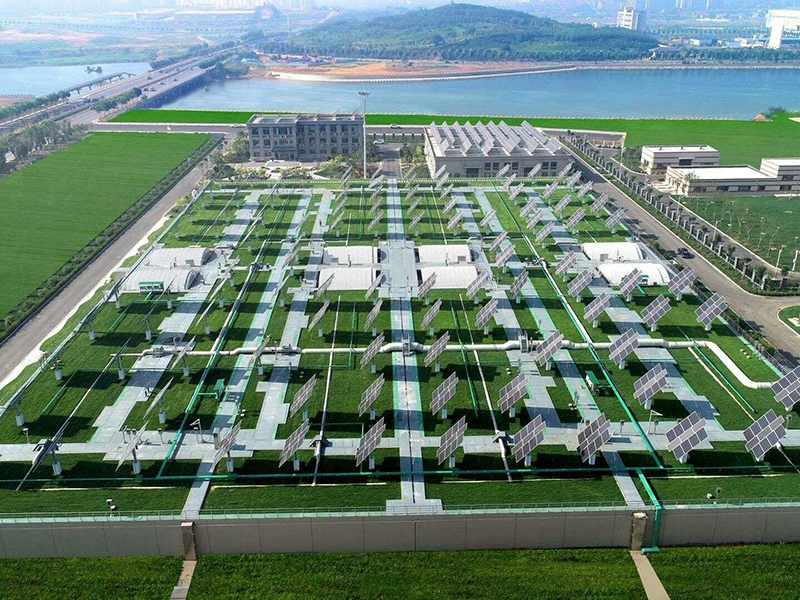
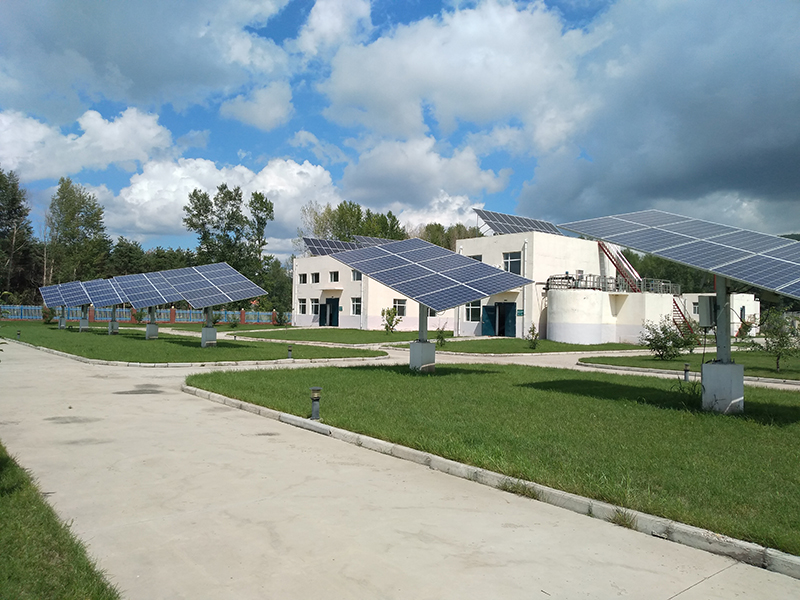
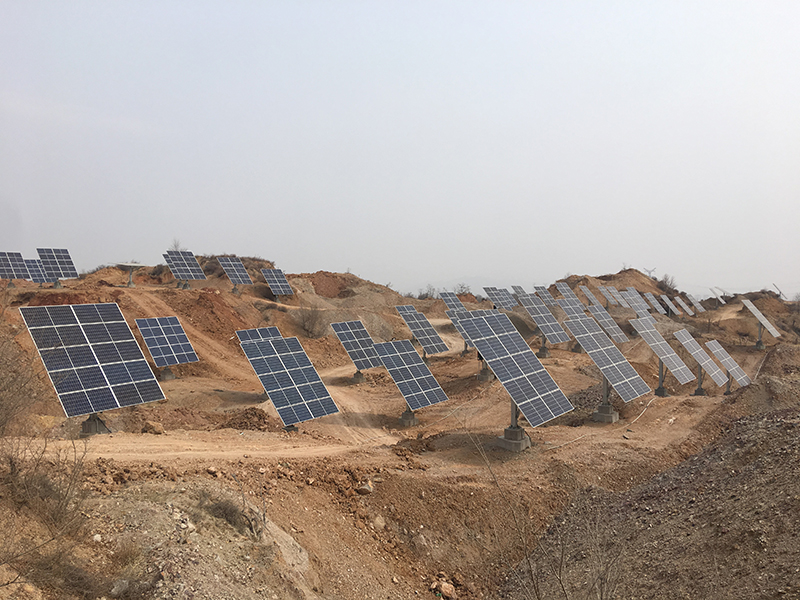
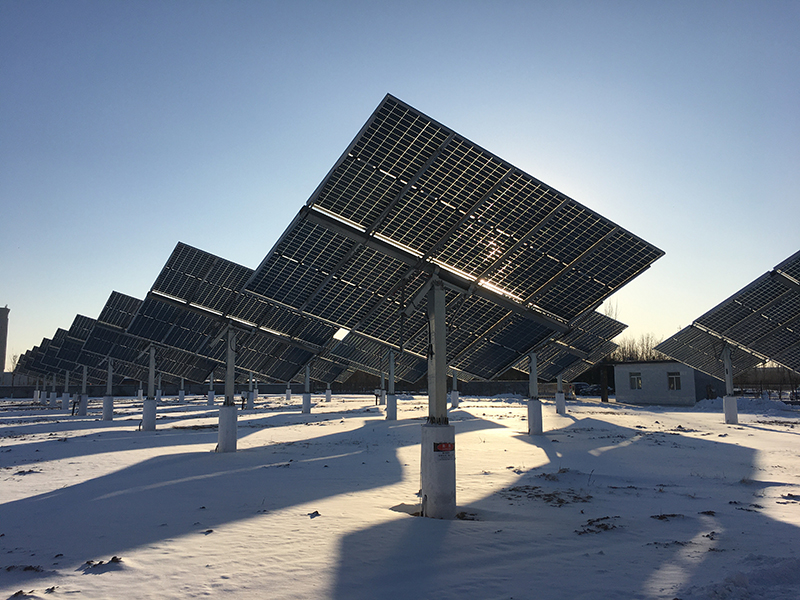
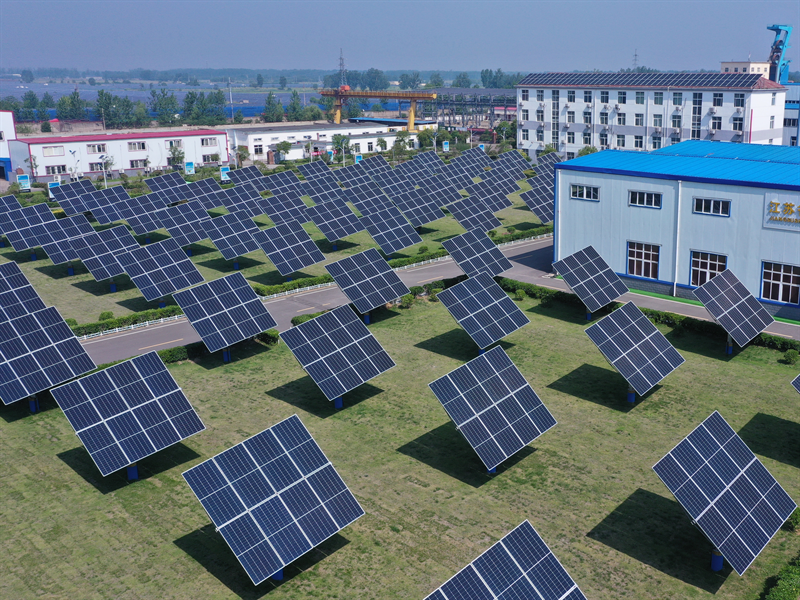
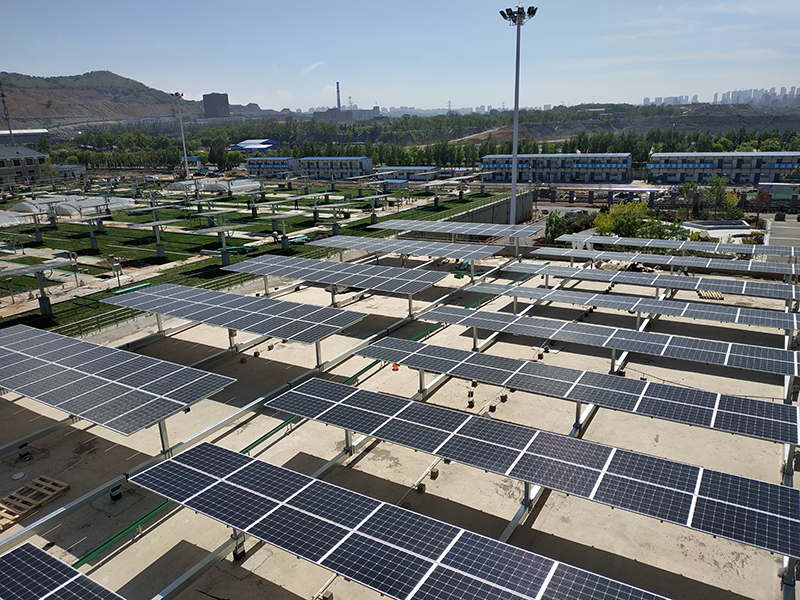
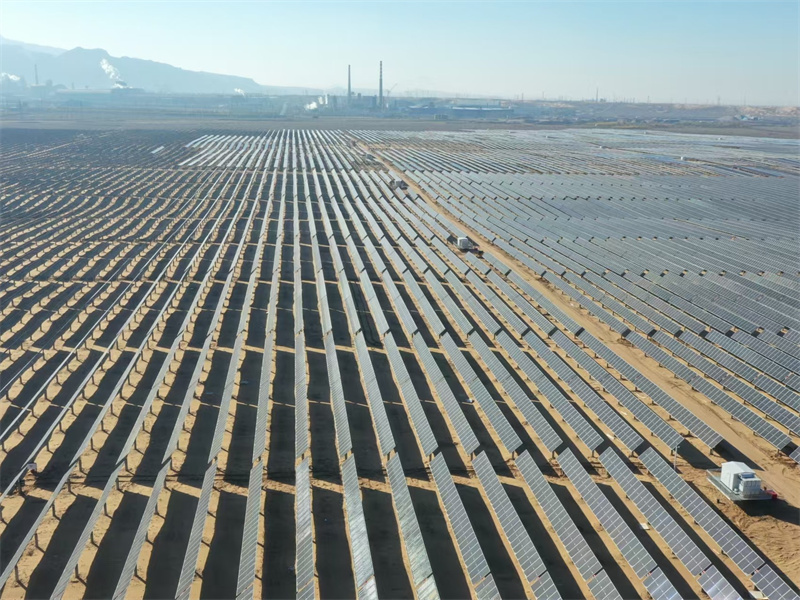
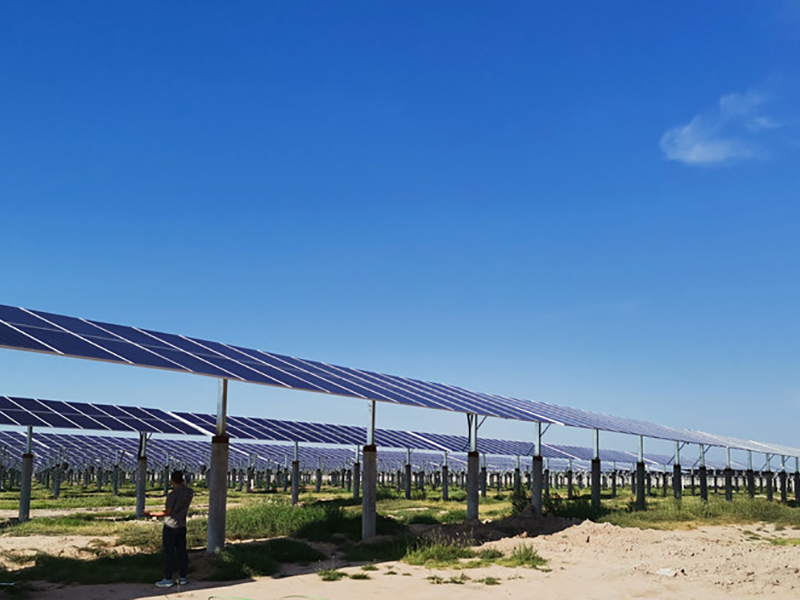
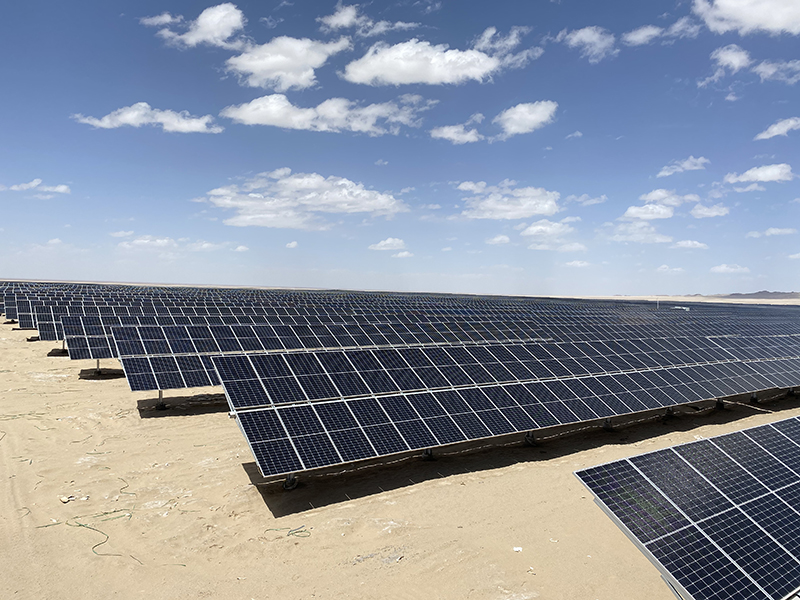
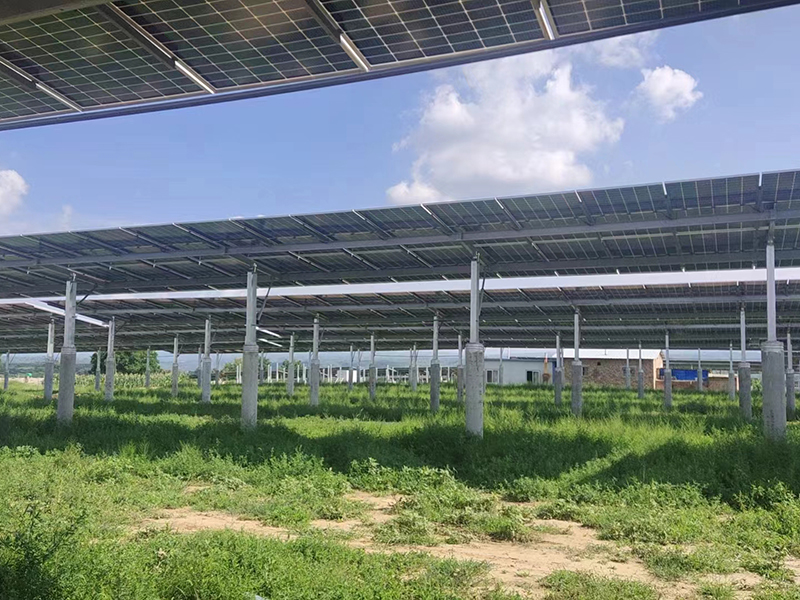
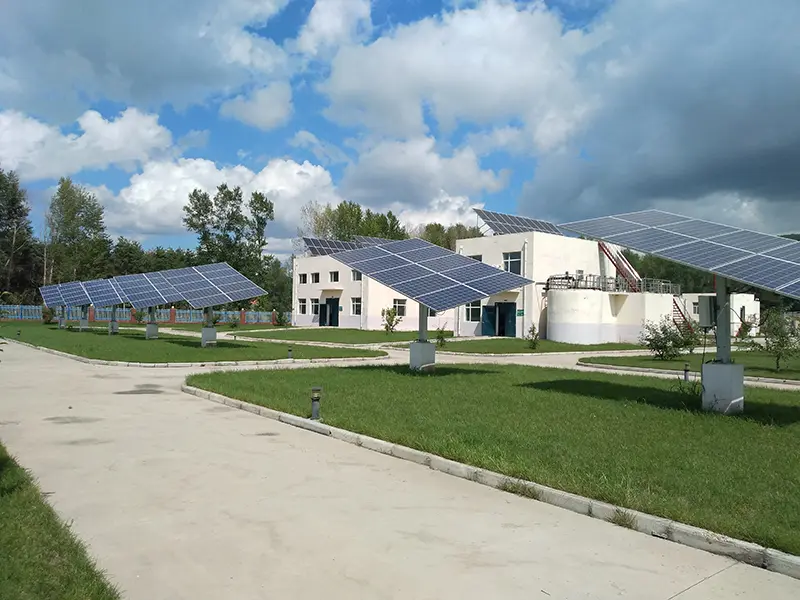
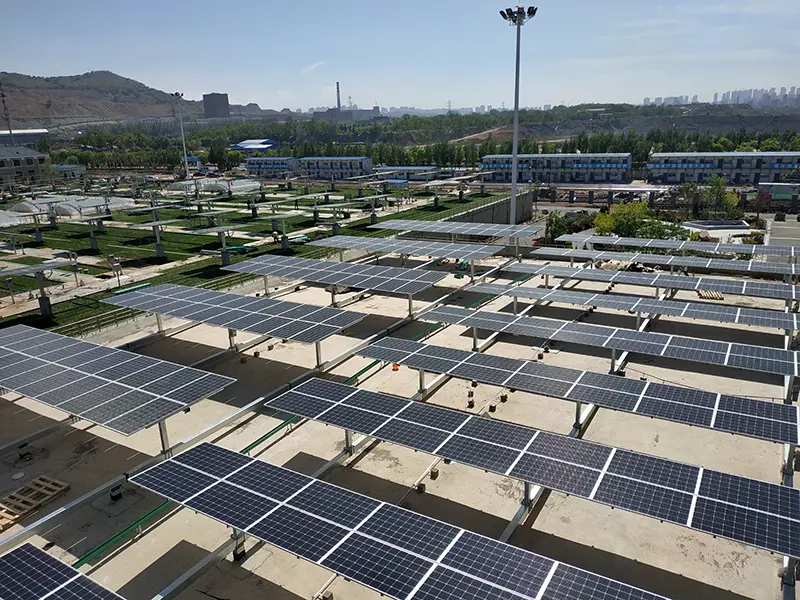
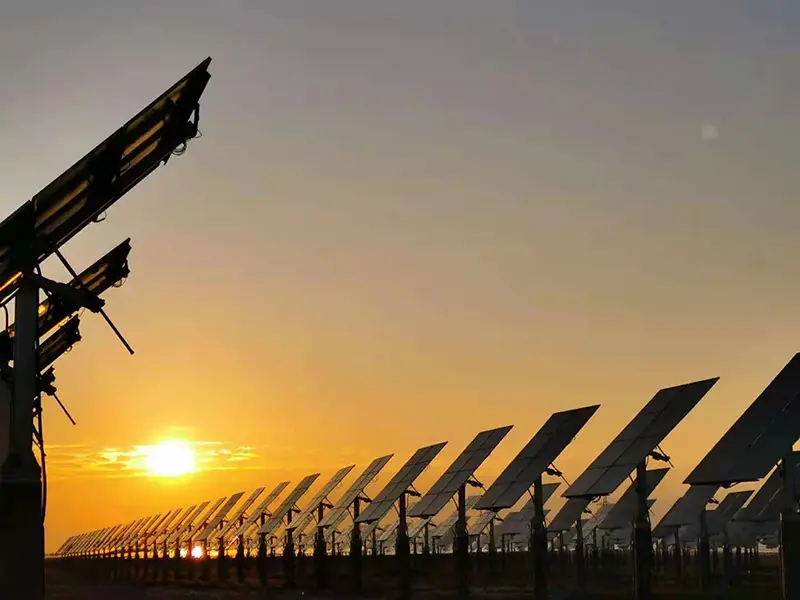
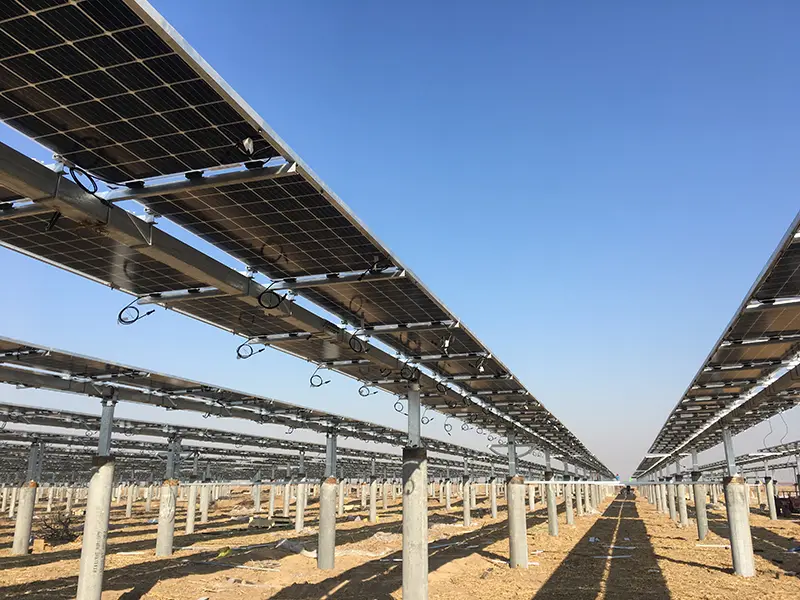
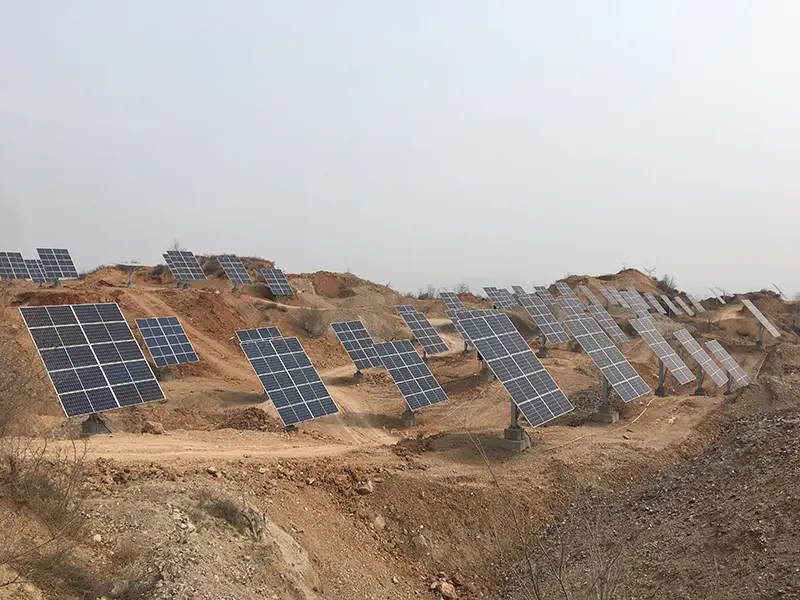
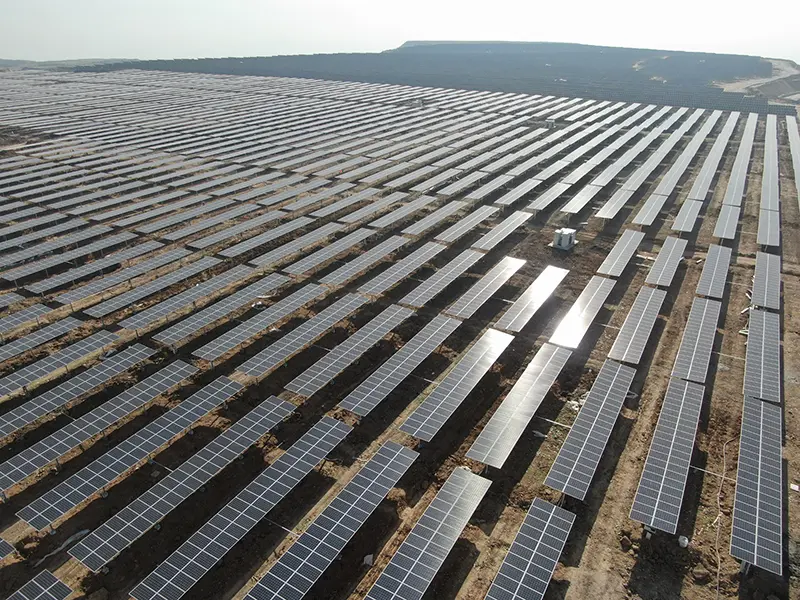
Our trackers are designed and manufactured to meet global regulatory and engineering standards.
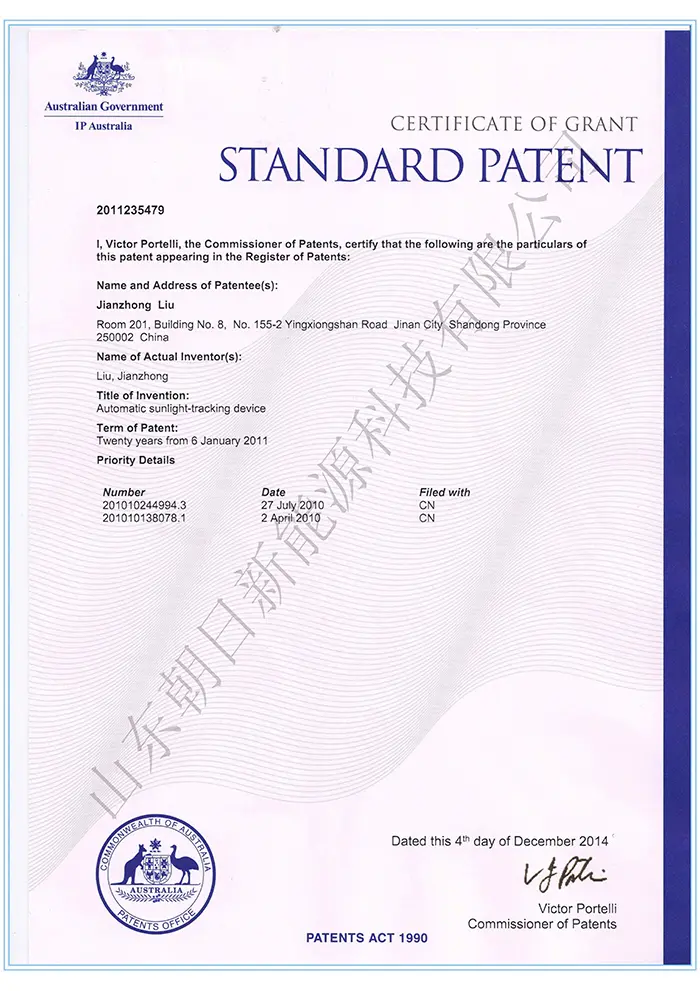
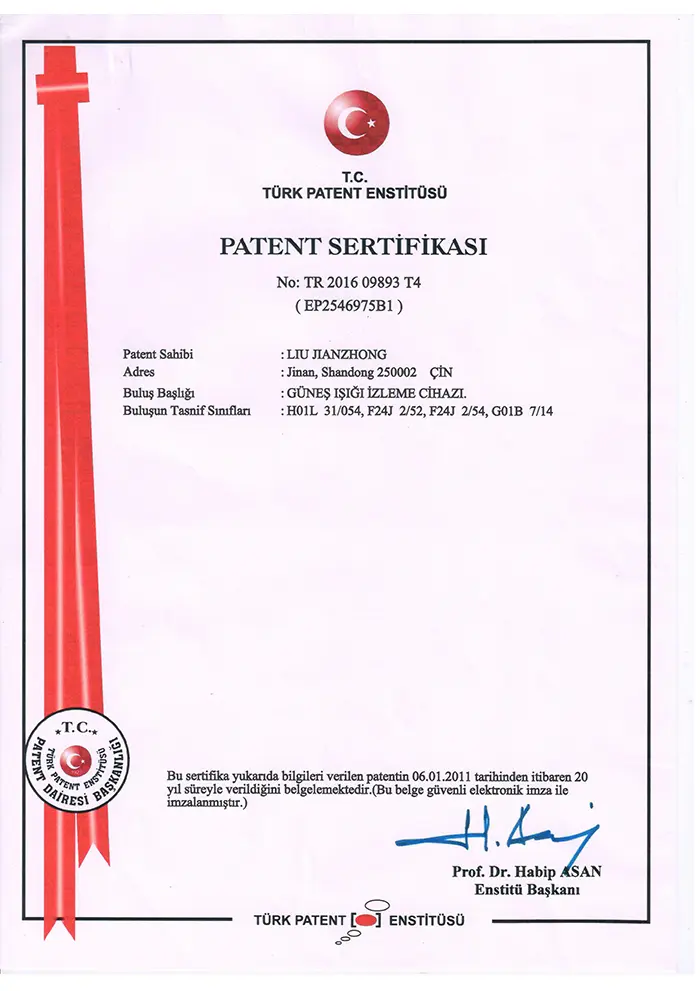
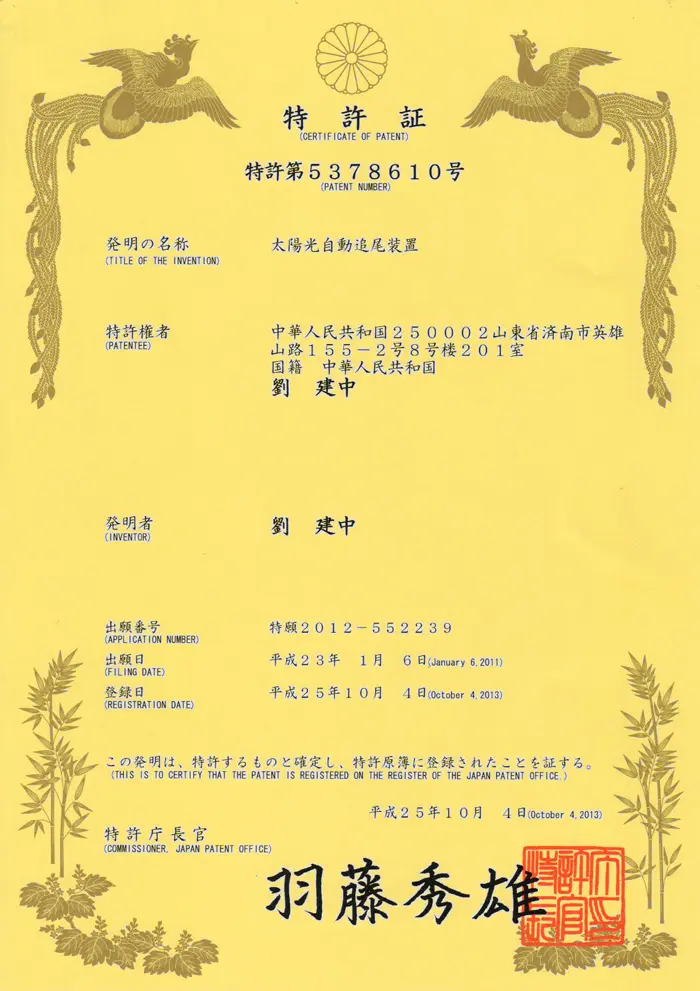
We hold international patents granted by the European Patent Office, the United States, Canada, Australia, Japan, South Korea, Thailand, India, Brazil, and South Africa, alongside 8 Chinese National Invention Patents and over 30 Utility Model patents.
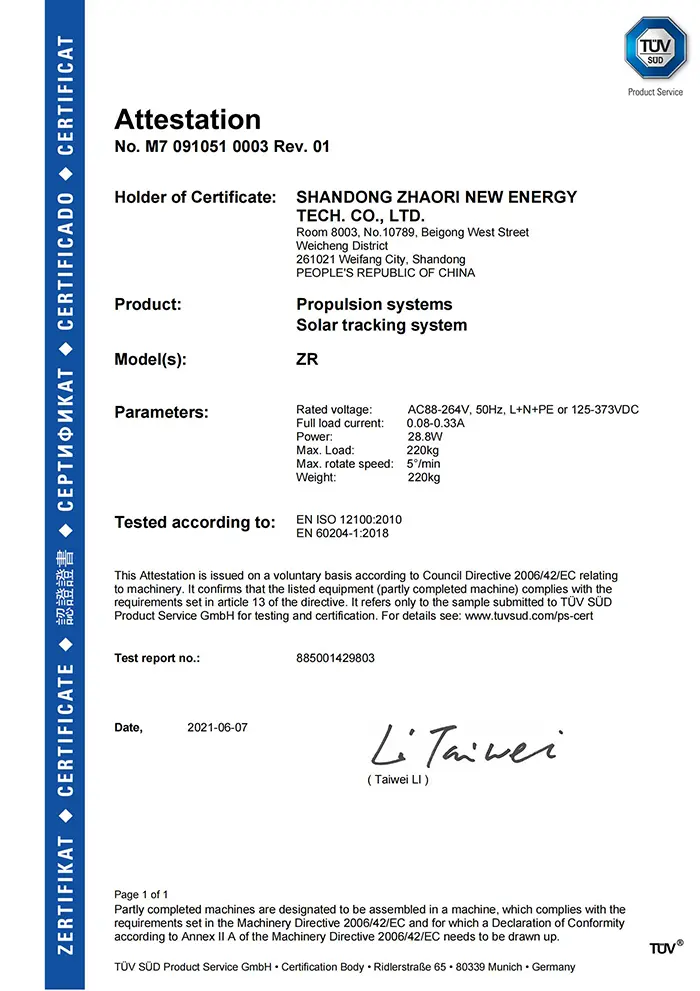
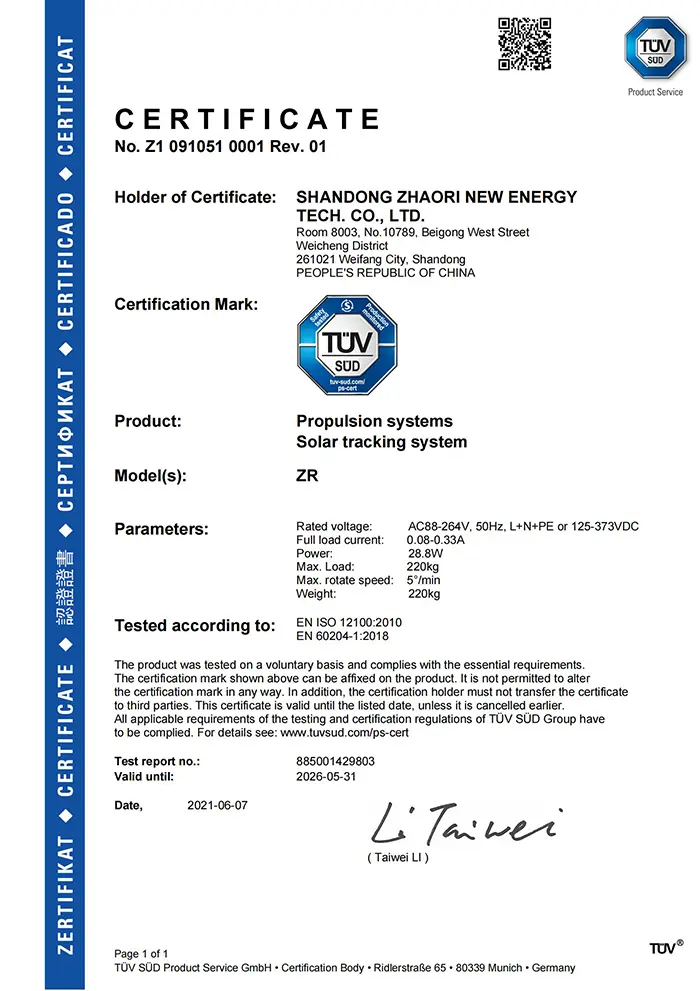
Our products hold certifications from TÜV, CE, and ISO, confirming compliance with structural, mechanical, and electrical standards required by global financial institutions and developers.
Independent engineering audits and structural tests verify our tracker's performance under dynamic wind loads, helping developers secure project financing.


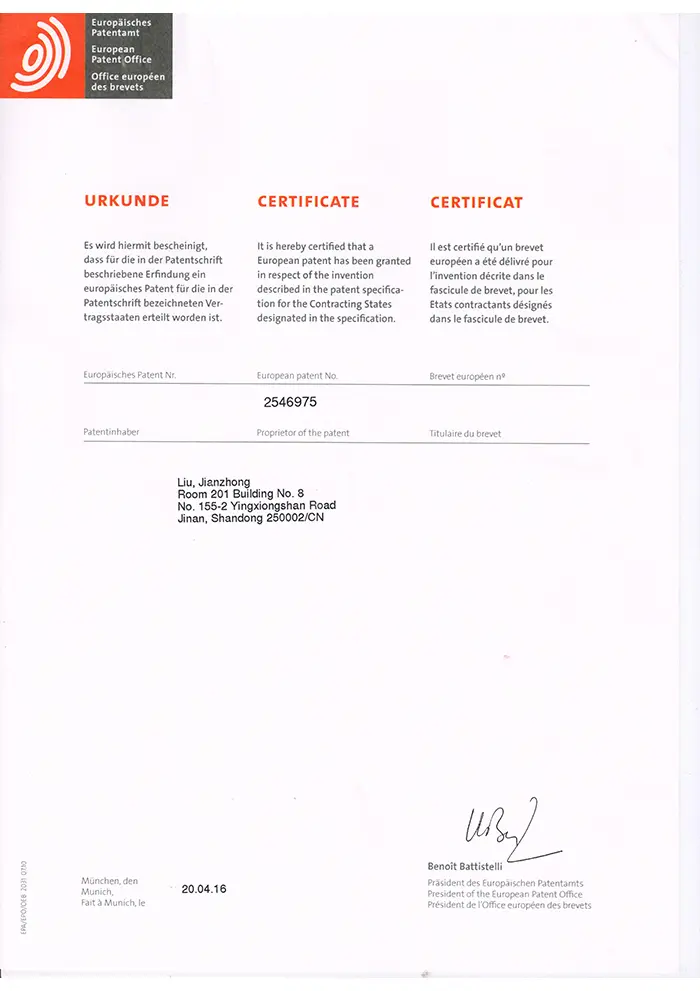
Observe the structural response, mechanical movement, and operational patterns of our tracker installations in the field.
Direct answers to technical queries regarding structural mechanics, tracking algorithms, wind-load parameters, and long-term operation & maintenance.
Explore our single-axis variations, adjustable mounting hardware, and dual-axis product configurations.
Designed for seasonal optimization, this tilted model tracks azimuth while maintaining a predefined slope to maximize winter yield.
A heavy-duty structural bracket configured for seasonal angle adjustments, providing a reliable alternative to motorized trackers.
An economical semi-automatic system that balances initial capital cost with performance gains over static arrays.
Features a robust central drive tube and optimized structural steel pillars to resist ground shifting and high wind forces.
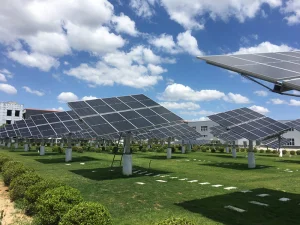
A heavy-duty tracking system designed for utility-scale deployment in areas with high wind loads.
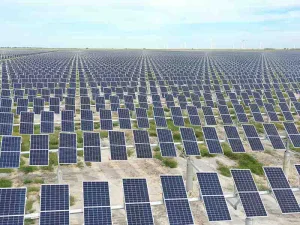
Features inclined solar modules on a horizontal tracker axis to improve performance at mid-latitude installations.
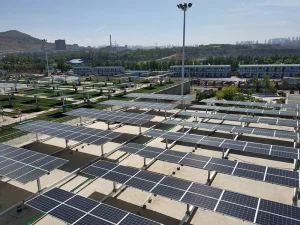
A two-in-portrait (2P) configuration that reduces pile count per megawatt, lowering foundation installation costs.
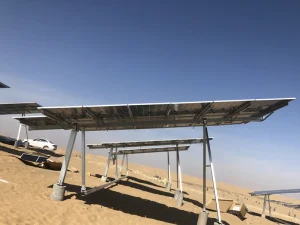
Combines single-axis rotation with a fixed tilt angle to optimize solar generation in high-latitude environments.
 Zhaori