Modern "Light Tracking" is no longer just about following the sun; it's about Levelized Cost of Energy (LCOE) optimization. China's leading suppliers are now integrating bifacial module algorithms that account for albedo (reflected light) to maximize energy harvest from both sides of the panel.
Next-gen trackers utilize terrain-adaptive backtracking algorithms. By using AI to model complex topography, these systems eliminate row-to-row shadowing, providing an incremental energy gain of 2-5% over standard astronomical trackers.
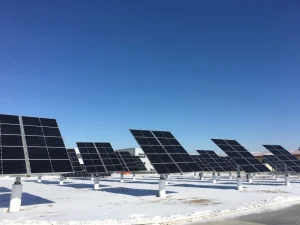
With global climate volatility, "Stow-to-Safety" protocols have evolved. Leading Chinese manufacturers now implement dual-damping systems and high-speed stow modes (under 60 seconds) to withstand hurricane-force winds and heavy snow loads.
As the global energy transition accelerates, the demand for high-precision Light Tracking Solar Panels has shifted from niche applications to utility-scale dominance. Procurement officers in Europe, North America, and the MENA region are increasingly prioritizing "Reliability-First" designs that minimize O&M costs while maximizing yield in diffuse light conditions.
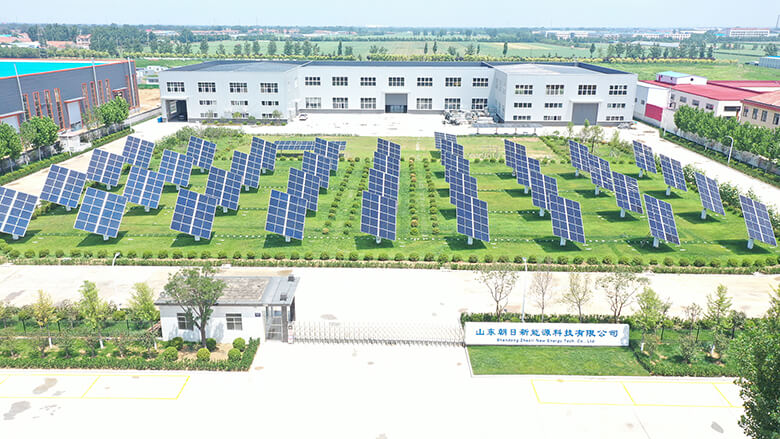
Shandong Zhaori New Energy Tech. Co., Ltd. is a high-tech and new energy company based on independent intellectual property rights. Founded in June 2012, we operate 10 specialized departments including R&D, Technical Engineering, and Quality Assurance. Our team has focused on photovoltaic power stations and solar tracking technology for more than 10 years, ensuring deep industry expertise.
Talented Engineers
Years Experience
Monthly Capacity
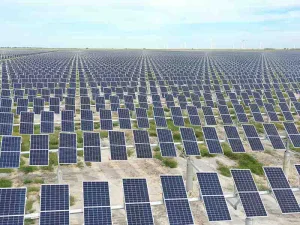
Our flat single-axis and dual-axis systems are designed for 100MW+ projects, featuring linked-row architectures that reduce the number of motors and controllers required, significantly lowering initial CAPEX.
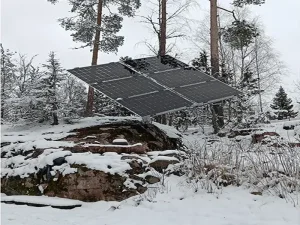
For rooftop or limited-space industrial applications, our tilted single-axis systems offer a 15-25% production boost without the footprint complexity of full dual-axis systems.
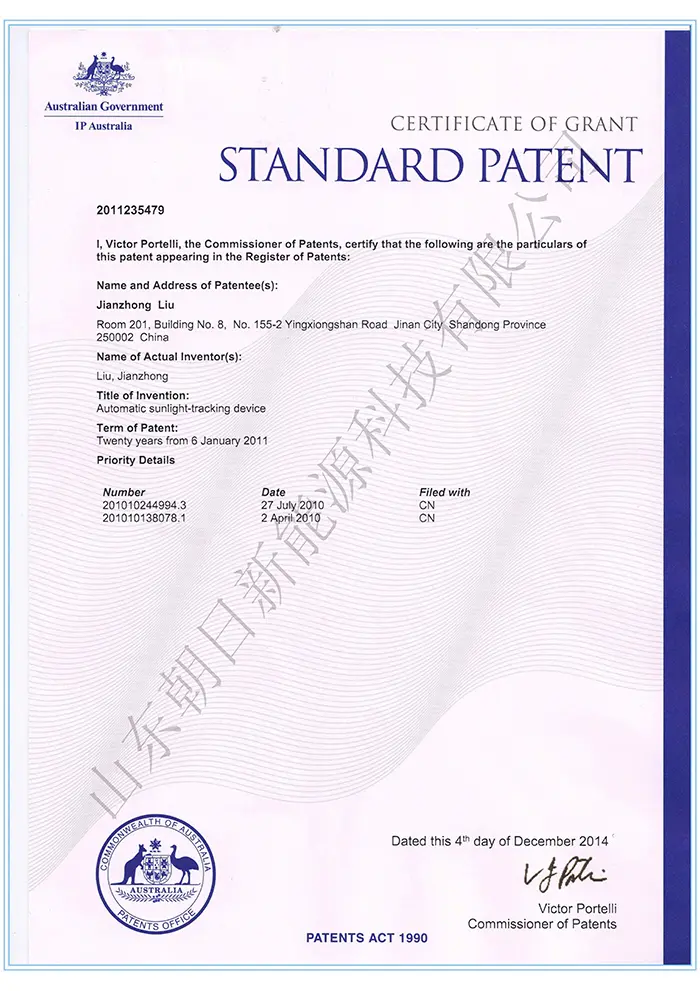
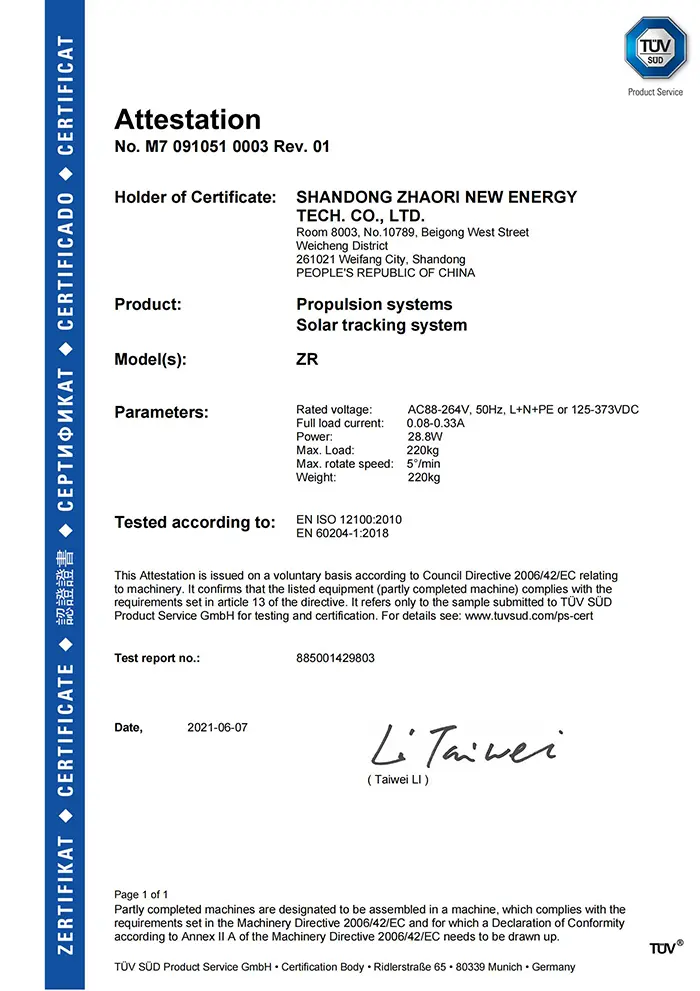
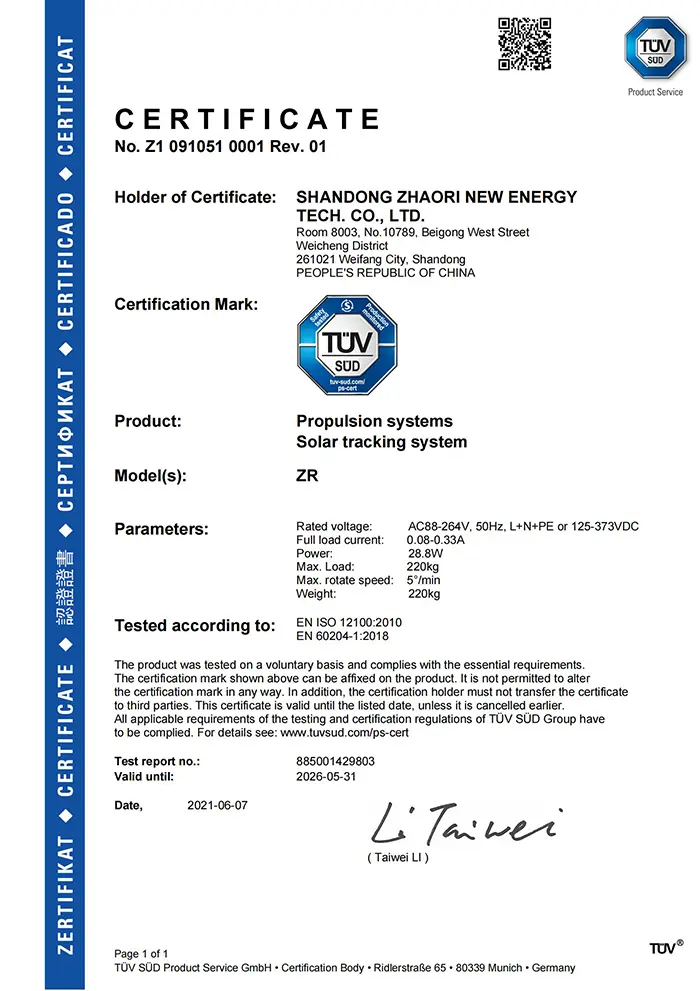
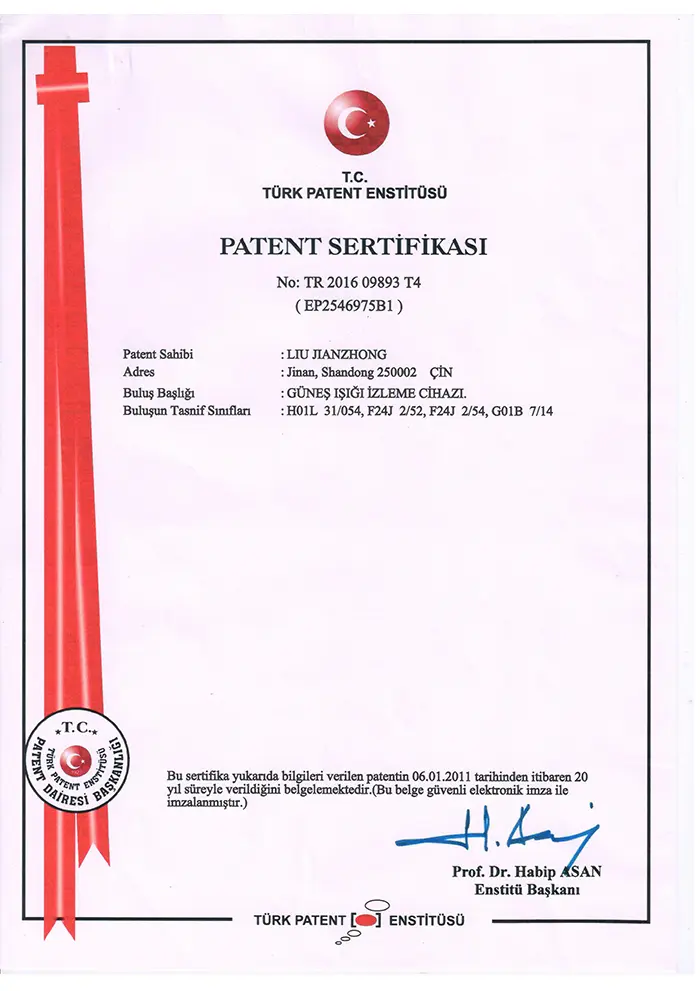
We provide full compliance with international standards (TUV, CE, ISO). Our logistics team handles "Just-in-Time" delivery to project sites worldwide, including complex regional certifications for Brazil, South Africa, and India.
Our factory covers an area of 50,000 square meters, equipped with CNC machine tools, laser cutting machines, and automatic welding robots. This ensures that every component—from raw material screening to anti-rust treatment—meets our rigorous internal quality standards.
Transitioning from wired systems to Zigbee/LoRaWAN wireless control to reduce trenching costs by up to 30%.
Integrated small-scale PV modules on every tracker to power the motor, ensuring the system remains autonomous.
Real-time cloud-based monitoring with predictive maintenance alerts to prevent downtime before it occurs.
Algorithms that adapt to real-time ground reflectivity changes caused by snow, vegetation, or moisture.
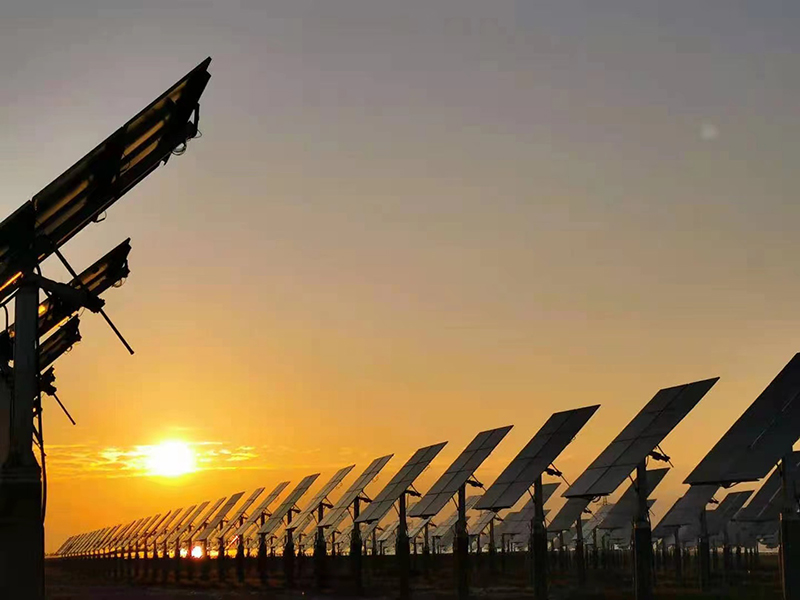
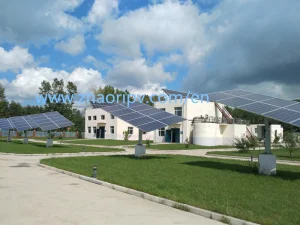
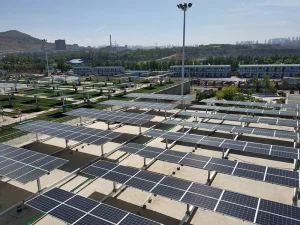
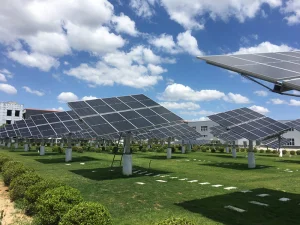
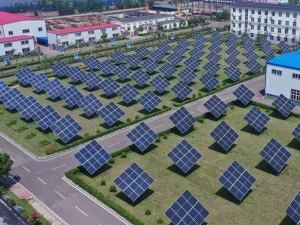
5MW Dual Axis in North China
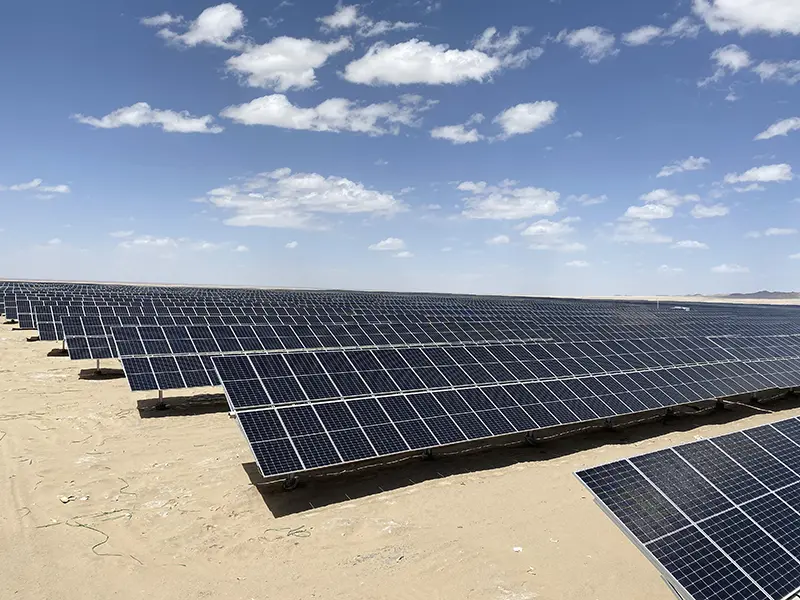
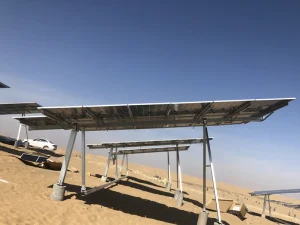
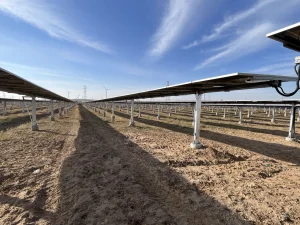
20MW Single Axis in Desert
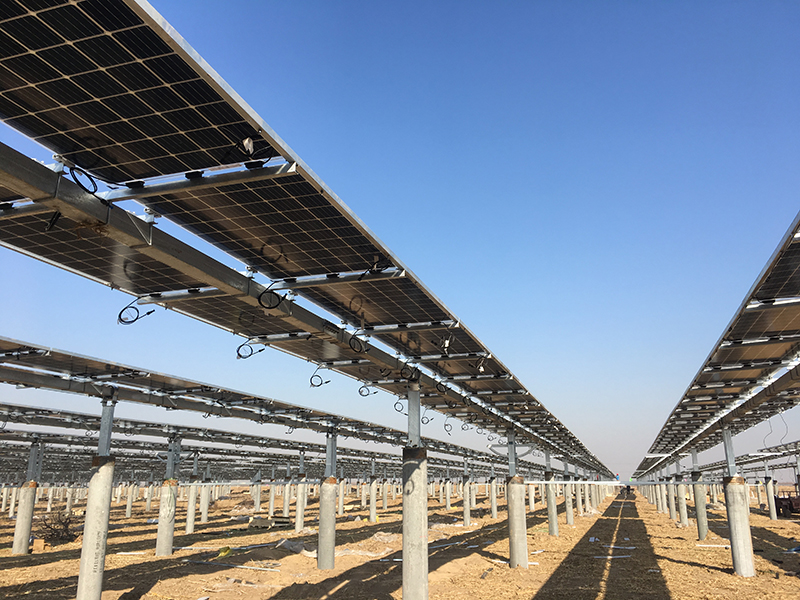
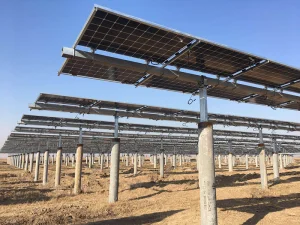
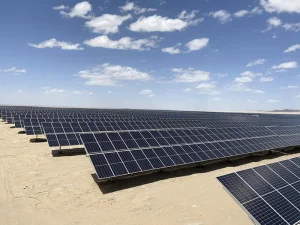
110MW Bifacial Project
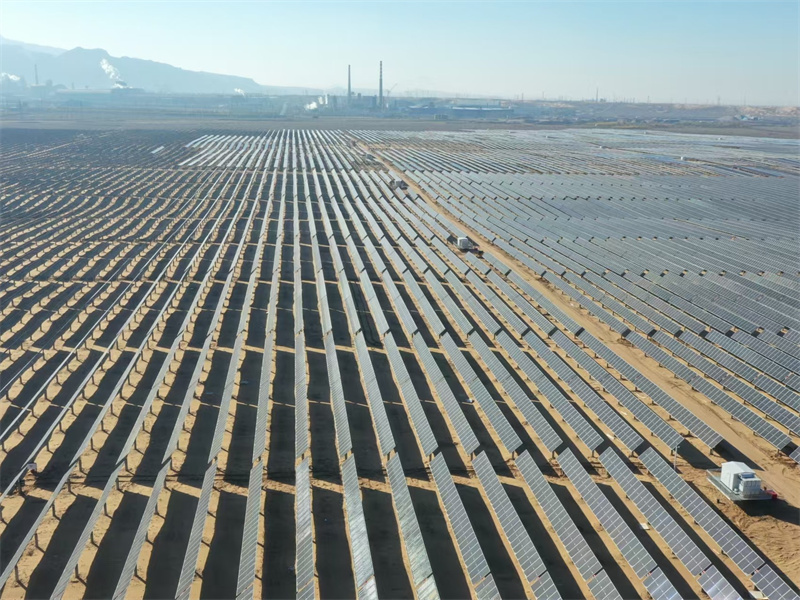
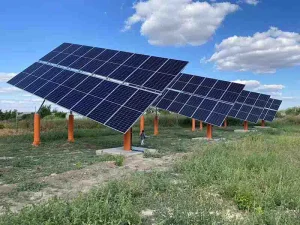
360MW Utility Tracker


Depending on the latitude and climate, a single-axis tracker typically provides a 15-30% gain, while a dual-axis system can provide up to 35-45% gain compared to fixed-tilt installations.
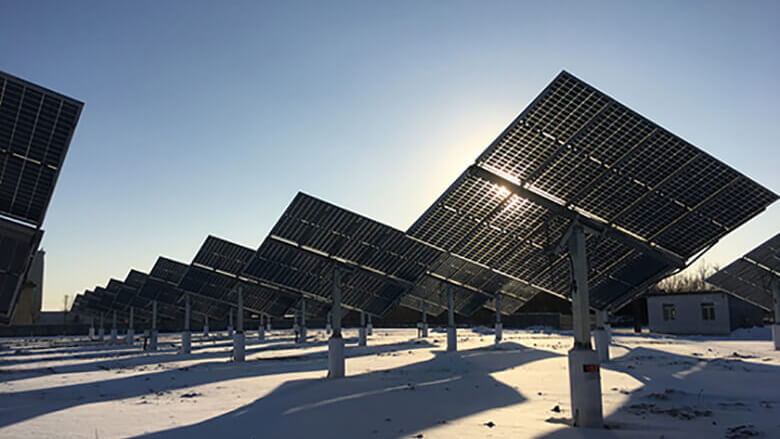
Our trackers feature automated sensor-driven stow modes. During high wind events, panels move to a horizontal position to minimize wind resistance. During snow, they can be tilted to a steep angle to shed accumulation.
Zhaori trackers are designed for low maintenance. We recommend a biannual inspection of drive components and a check of the sensor/control calibration. Our use of self-lubricating bearings significantly reduces O&M overhead.
Yes. Our engineering department specializes in "Terrain-Adaptive" layouts, allowing trackers to be installed on slopes of up to 20% without significant grading costs.
 Zhaori