Unlike traditional sensor-based systems that can be "fooled" by cloud reflections or ambient light, GPS-based astronomical tracking calculates the sun's exact position regardless of weather. This ensures optimal tilt angles every second, maximizing energy capture by up to 35% compared to fixed systems.
Advanced tracking systems integrate with inverter Maximum Power Point Tracking (MPPT). By syncing the movement with bifacial module requirements, we reduce the Levelized Cost of Energy (LCOE) significantly, providing a faster ROI for utility-scale projects.
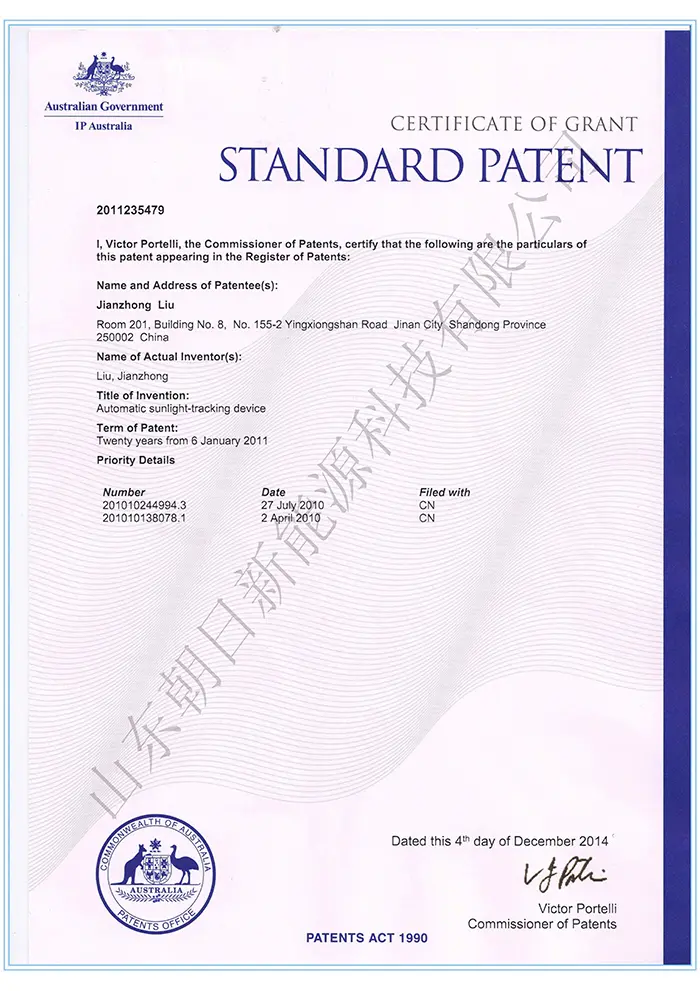
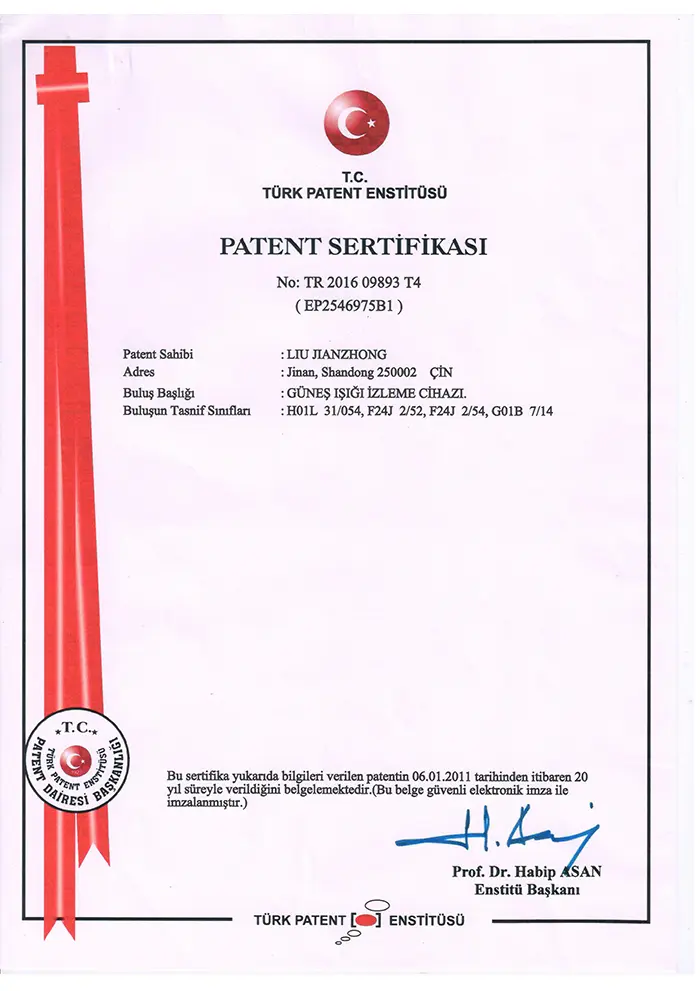
With 10+ years of R&D, Shandong Zhaori New Energy holds patents across the EU, US, Canada, and Australia. Our technology is not just manufactured; it's engineered for 25-year lifespans in extreme environments.
Shandong Zhaori New Energy Tech. Co., Ltd. is a high-tech and new energy company based on independent intellectual property rights. Founded in June 2012, we operate with 10 specialized departments including R&D, Technical, and Quality Assurance.
With over 60 professional technology talented employees, our team focuses on photovoltaic power stations and solar tracking technology for more than 10 years, ensuring that every project benefits from deep domain expertise.
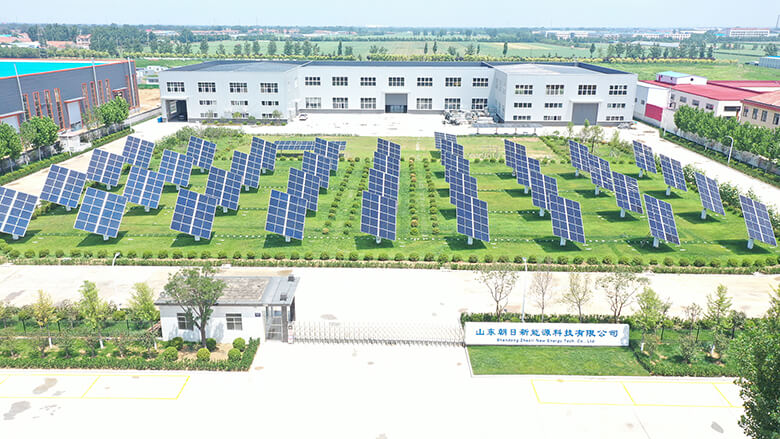
Our facility utilizes CNC machine tools, laser cutting, and automatic welding robots. This eliminates human error in structural welding, ensuring the tracking systems can withstand high wind loads and seismic events.
Located in the heart of China's industrial hub, we control the process from raw material screening to post-processing. Our "Level by Level" control system ensures that even during global supply fluctuations, our 500MW/month output remains stable.
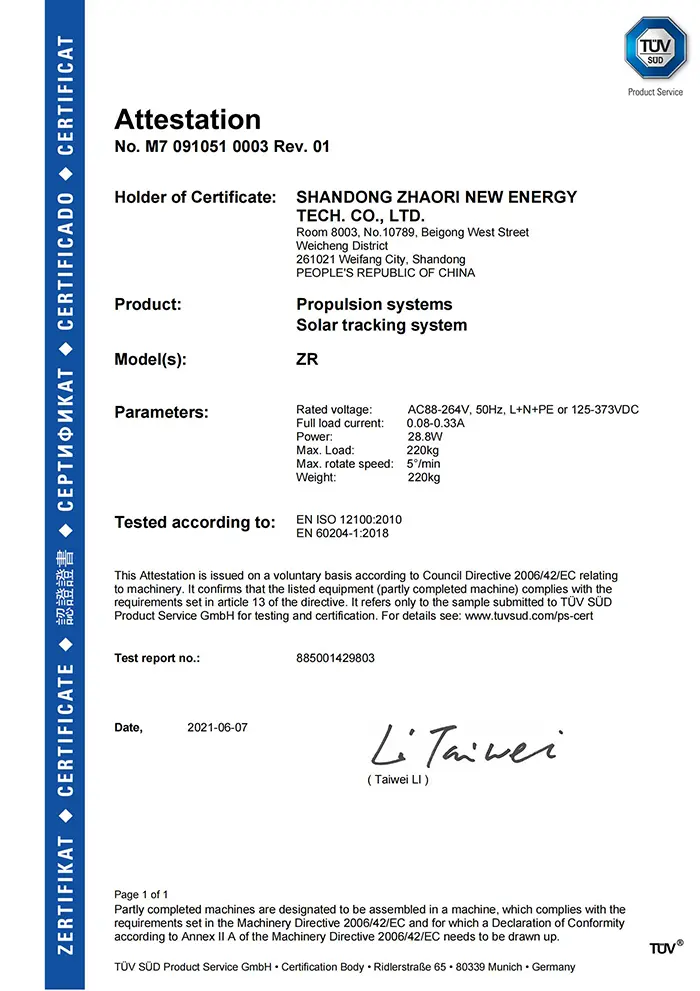
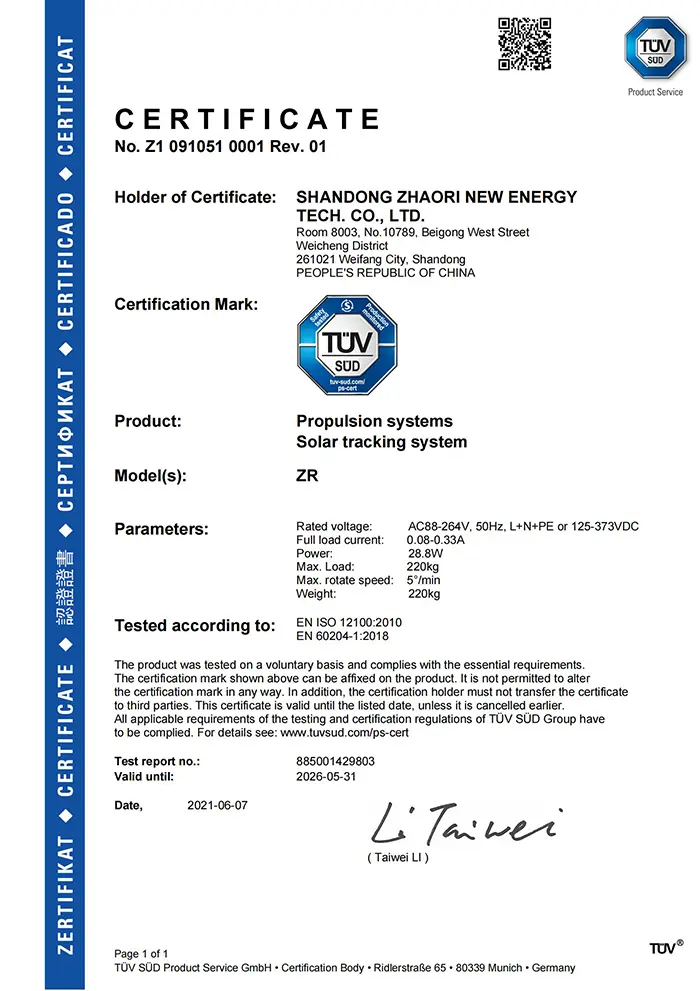
Adhering to strict TUV, CE, and ISO certification requirements, our products are built for international markets, including the stringent North American and European electrical standards.
Optimized for 20MW+ desert and mountain projects with bifacial gain algorithms.
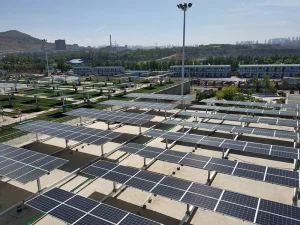
Smart roof projects and green belt installations with semi-auto tracking options.
Tilted single-axis systems designed for uneven mountain slopes and high latitudes.
The next generation of GPS-based solar tracking is moving toward AI-Integrated Predictive Tracking. By incorporating local meteorological data via IoT, systems will automatically enter "Defense Mode" before wind or hail storms arrive, utilizing real-time GPS coordinates to flatten modules.
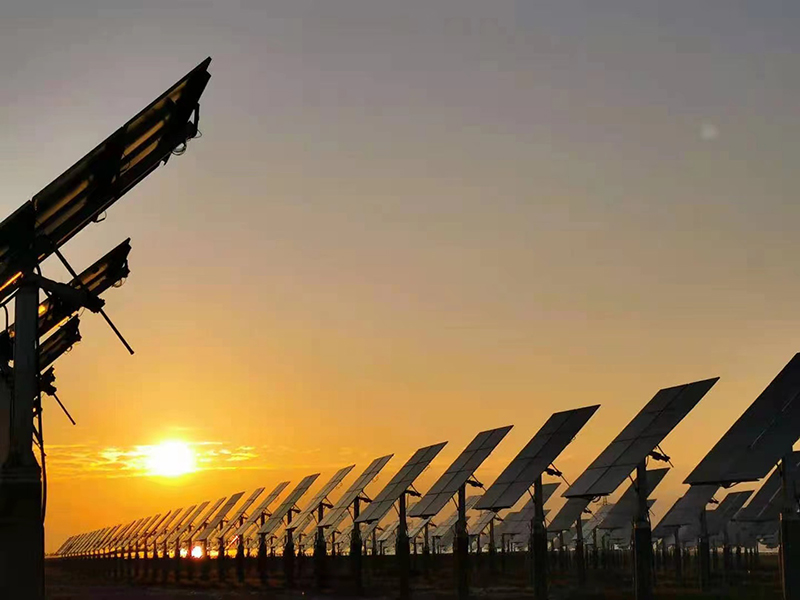
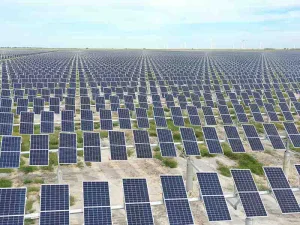
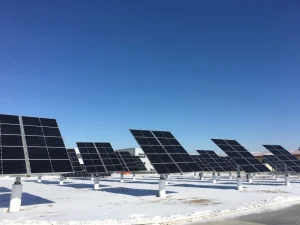
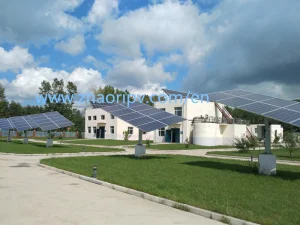
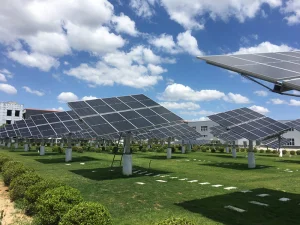
5MW in North China - Dual Axis System
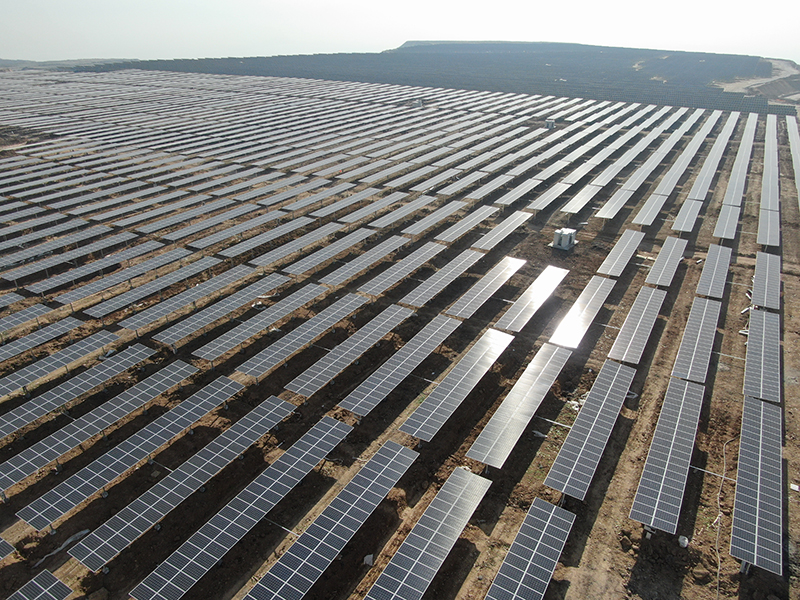
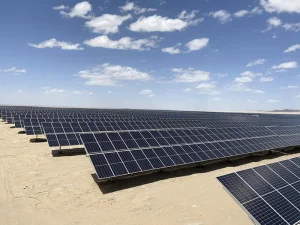
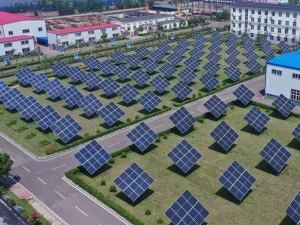
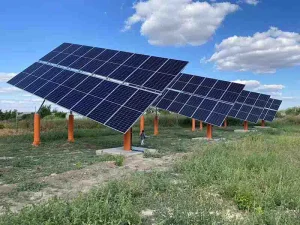
20MW in Central China - Single Axis System
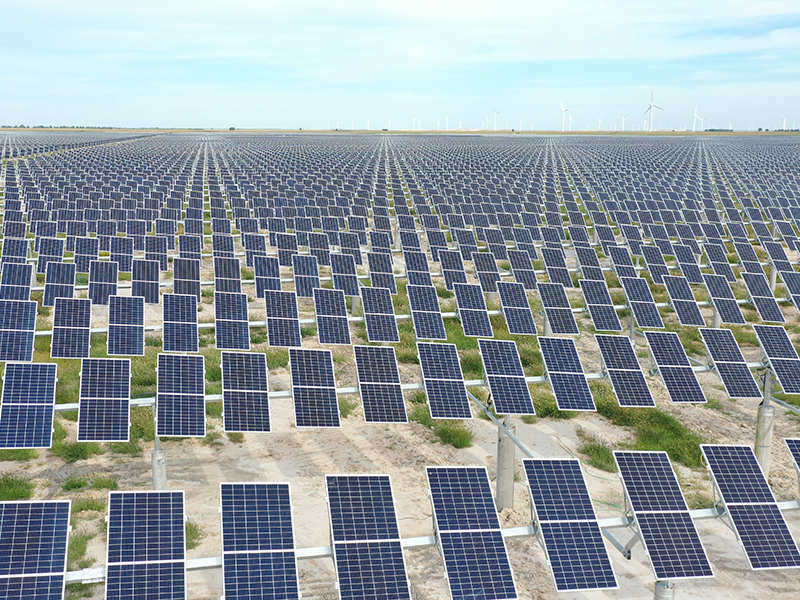
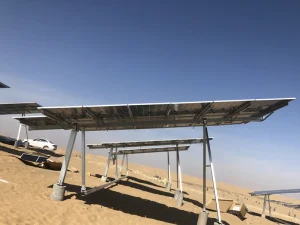
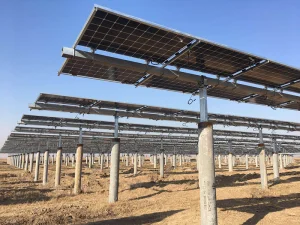
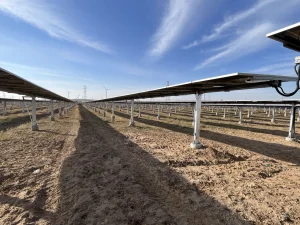
40MW Flat Single Axis with Inclined Module
We provide professional Operation & Maintenance (O&M) services worldwide. Our engineering team assists with local site assessments to ensure soil stability and wind speed compliance before shipping.
By offering customized solutions and suitable prices, we bridge the gap between high-tech requirements and budgetary constraints. Our products are "more simple, more reliable and more effective."
Every shipment includes comprehensive documentation for local customs and grid interconnectivity requirements, ensuring a smooth project timeline from port to power.
Q1: How much energy gain can I expect from ZRD Dual Axis Tracking?
A: Depending on the latitude and project location, our ZRD dual-axis systems typically provide 30% to 40% more energy production compared to fixed-tilt systems by maintaining a perpendicular angle to the sun throughout the day.
Q2: Is the system compatible with bifacial modules?
A: Yes, our ZRP flat single-axis trackers are specifically designed to minimize shading on the rear side of bifacial modules, maximizing the albedo gain from the ground.
Q3: How does the GPS system handle power outages?
A: Our systems include an internal backup battery/super-capacitor that allows the tracker to move to a safety stow position in the event of a main power failure.
 Zhaori