Explore our highly engineered flat single axis, tilted single axis, and dual axis solar trackers, designed for optimized structural integrity and energy yields.
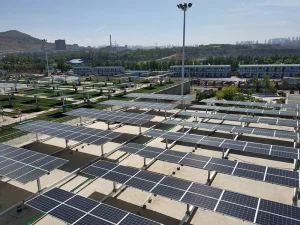
Designed for high-capacity projects, maximizing output efficiency through structural optimization and dynamic stability controls.
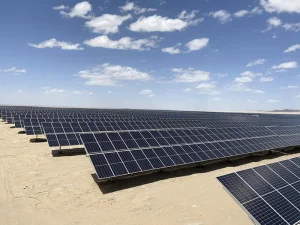
Adaptable structural mounting solutions offering mechanical seasonal tilt manual adjustment to maximize seasonal solar gains.
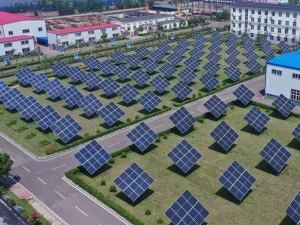
Real-time astronomical tracking system capturing direct normal irradiance (DNI) with dual degrees of freedom for up to 40% yield gains.
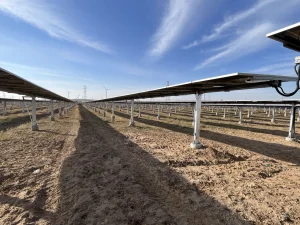
Highly efficient single-portrait tracker optimized for high-power modules, offering reduced installation costs and easy maintenance.
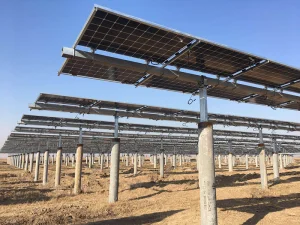
Premium cost-to-performance single-axis tracking configurations ideal for flat terrain and low-slope terrains globally.
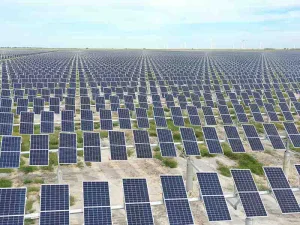
Unique design combining horizontal tracking movement with tilted module angles to maximize performance in high-latitude regions.
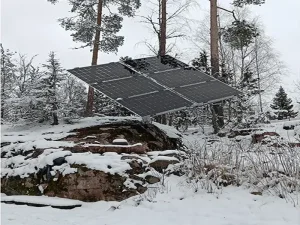
A compact and reliable dual-axis tracker system utilizing high-precision tracking algorithms for superior performance density.
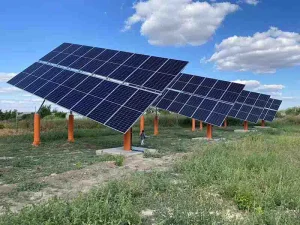
Engineered for moderate wind zones, offering an inclined tracking vector that bridges the gap between horizontal and dual-axis tracking yields.
The global utility-scale solar landscape is undergoing a massive shift toward optimization, driven by the pressure to reduce the Levelized Cost of Energy (LCOE). As flat land assets become scarce, project developers are forced to look at challenging terrains, variable wind climates, and regions with high albedo. Within this context, the Flat Single Axis Solar Tracker has emerged as the definitive global standard for modern PV facility structural design.
Historically, fixed-tilt structures offered low-cost installation but limited yield potential. Today, intelligent tracking systems increase power yields by 15% to 30% depending on geographical location. This yield enhancement is further compounded by the integration of bifacial photovoltaic modules. Modern tracking algorithms adaptively reposition trackers during diffuse light phases and backtrack to prevent row-to-row shading, optimizing the rear-side energy collection and stabilizing the grid integration interface.
Furthermore, aeroelastic instability has become a crucial engineering benchmark. High winds pose significant challenges to single-axis structures. Leading manufacturers address these structural demands using innovative mechanical lock systems, robust torque tube geometry, and autonomous wind-stow systems. The trend is moving toward decentralized multi-point drive trackers that eliminate the risk of torsional flutter at high speeds, ensuring asset longevity under severe meteorological stresses.
EPC contractors and IPPs globally are applying highly strict standards when evaluating flat axis tracking products. The procurement focus has shifted from initial capital expenditure (CAPEX) to total lifecycle expenditure (OPEX). Key indicators include:
Founded in June 2012, Shandong Zhaori New Energy Tech. Co., Ltd. has established itself as an innovative force in the photovoltaic mounting and solar tracking sector. Backed by proprietary intellectual property rights, the company operates across 10 specialized departments. These include our dedicated R&D department, technical department, engineering department, production department, quality assurance department, development department, foreign trade department, domestic trade department, and I.M.D. department.
With a staff featuring over 60 professional technology talents, our engineering team has spent more than 10 years perfecting structural layouts for solar tracking. By integrating manufacturing with deep R&D, we offer tailored tracking brackets that meet strict utility requirements.
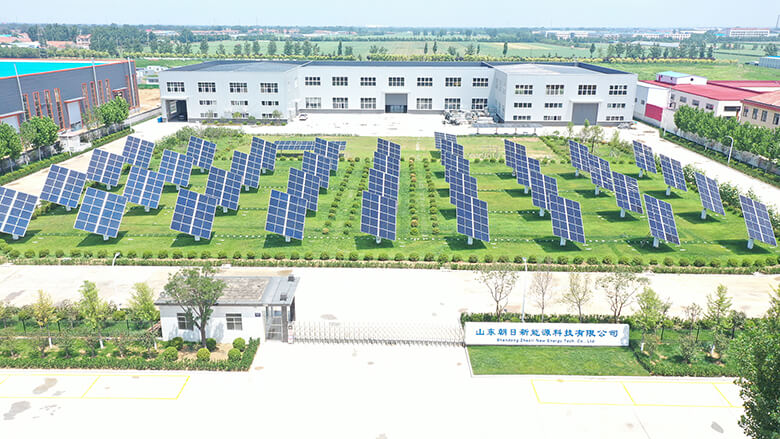
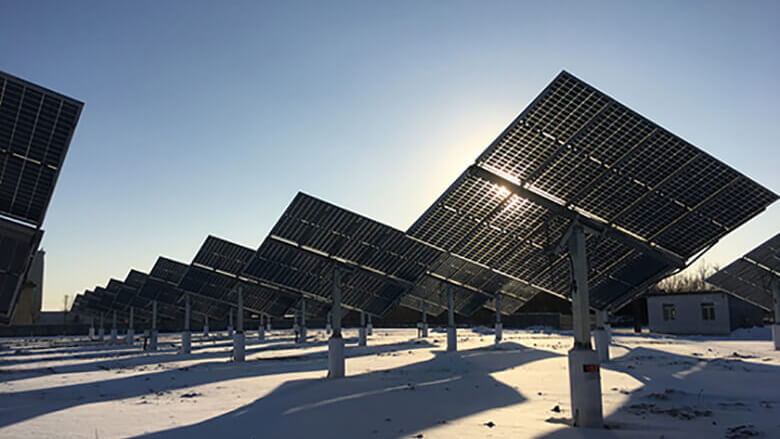
Our manufacturing facility spans over 50,000 square meters and is equipped with advanced automated production lines. We utilize CNC machine tools, high-speed fiber laser cutting systems, automatic welding robots, and precision plasma cutting units to ensure precise tolerances.
With over 300 production workers, Zhaori New Energy delivers an average monthly production output of 500MW. Our production process undergoes strict quality controls, covering raw material inspection, precision cutting, robotic welding, hot-dip galvanization, post-processing, and packaging. We maintain strict compliance with certified international quality management systems to guarantee structural durability.
Providing specialized mounting solutions to optimize solar tracker performance across varying soil conditions and topographies.
Features dust-resistant drive systems, specialized sand seals, and high ground clearance options to reduce tracking interference in arid, high-wind regions.
Multi-section flat single axis configurations that allow for mechanical articulation over complex undulating terrain, reducing grading requirements.
Utilizes hot-dip galvanized structural profiles (HDG) and optional magnesium-aluminum-zinc coatings (ZM) to prevent corrosion in marine areas.
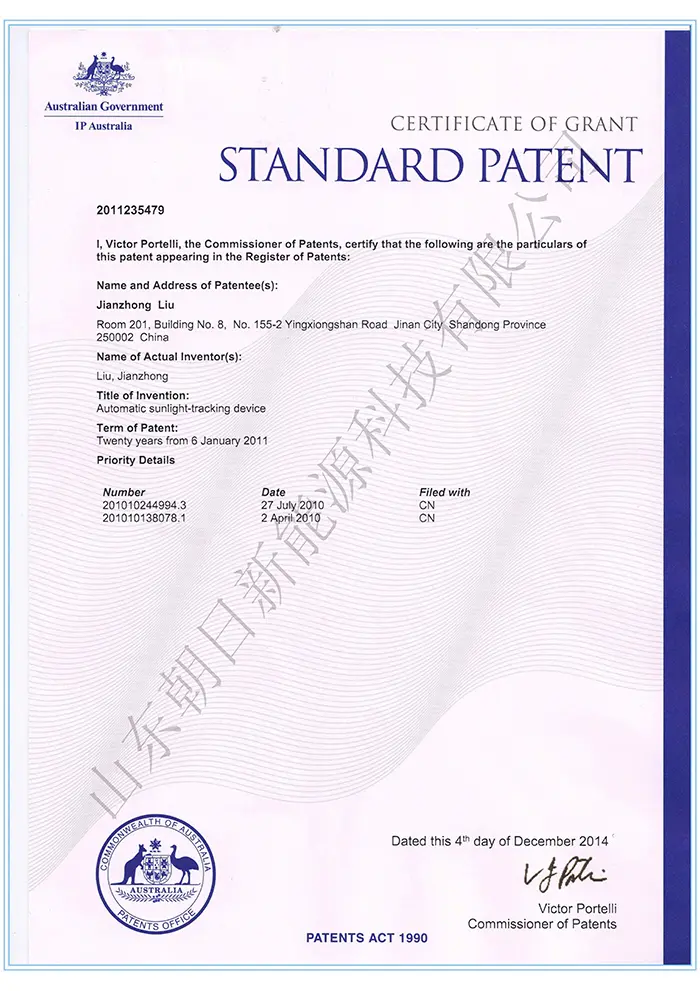
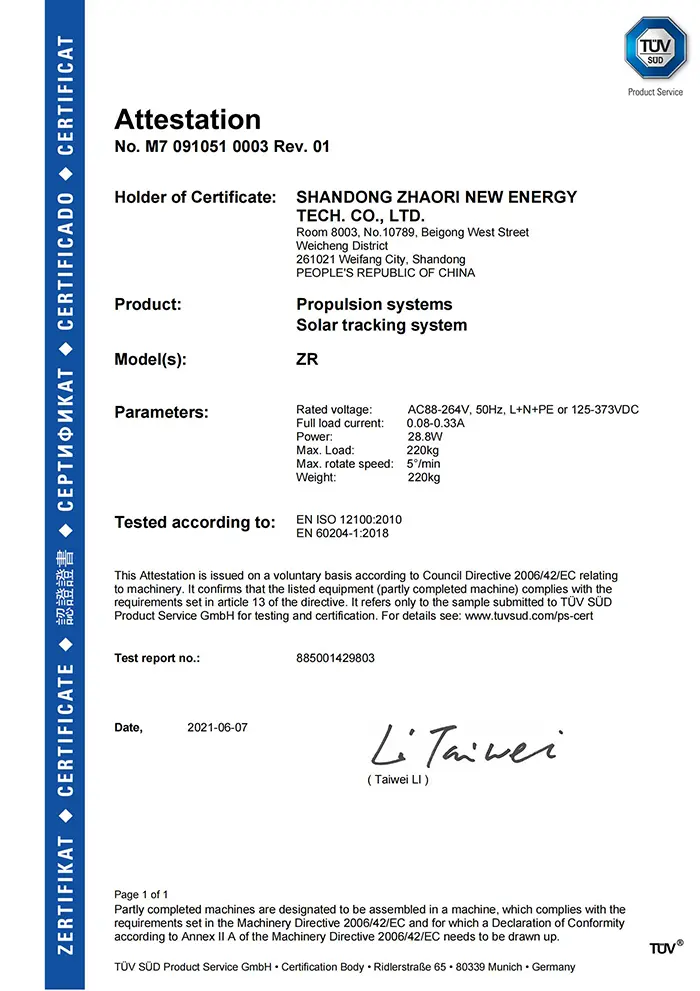
Our structures and systems hold utility-grade patents and international certifications, ensuring structural stability under high wind loads.
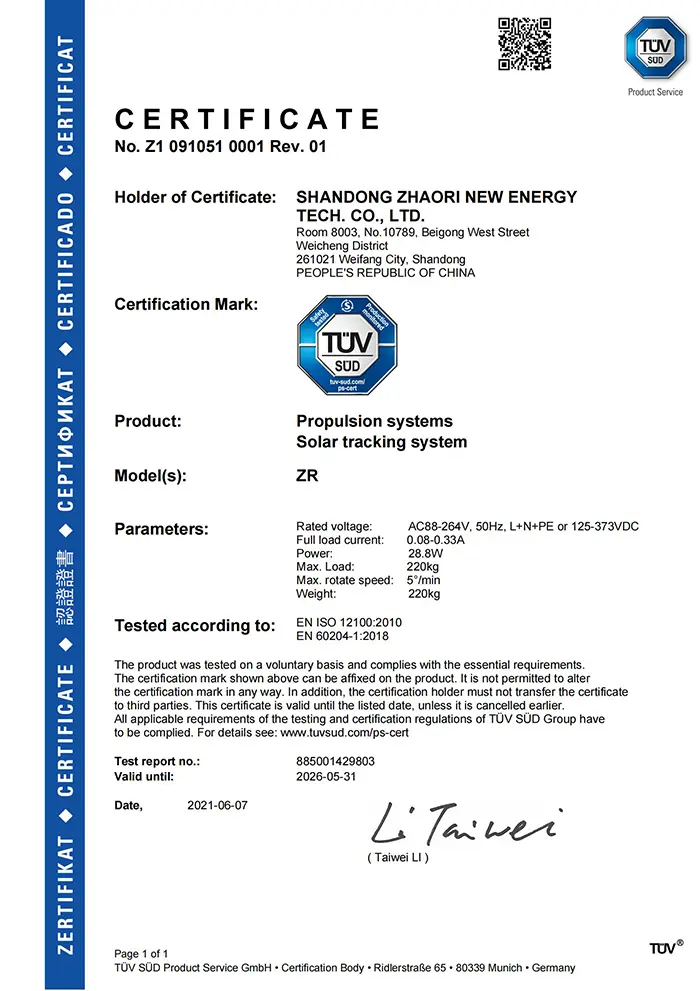
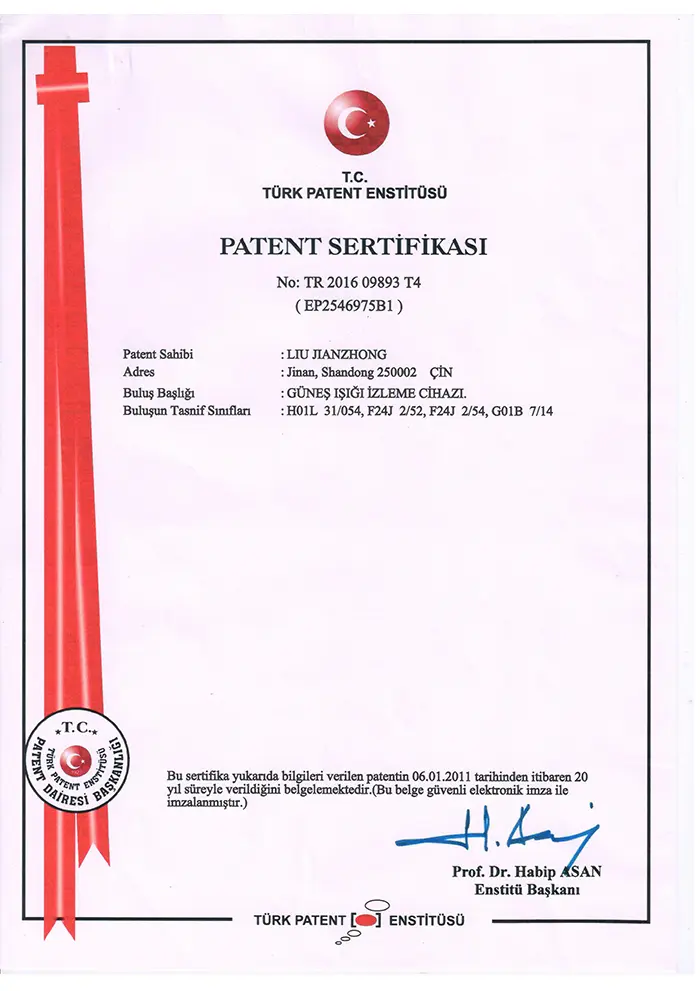


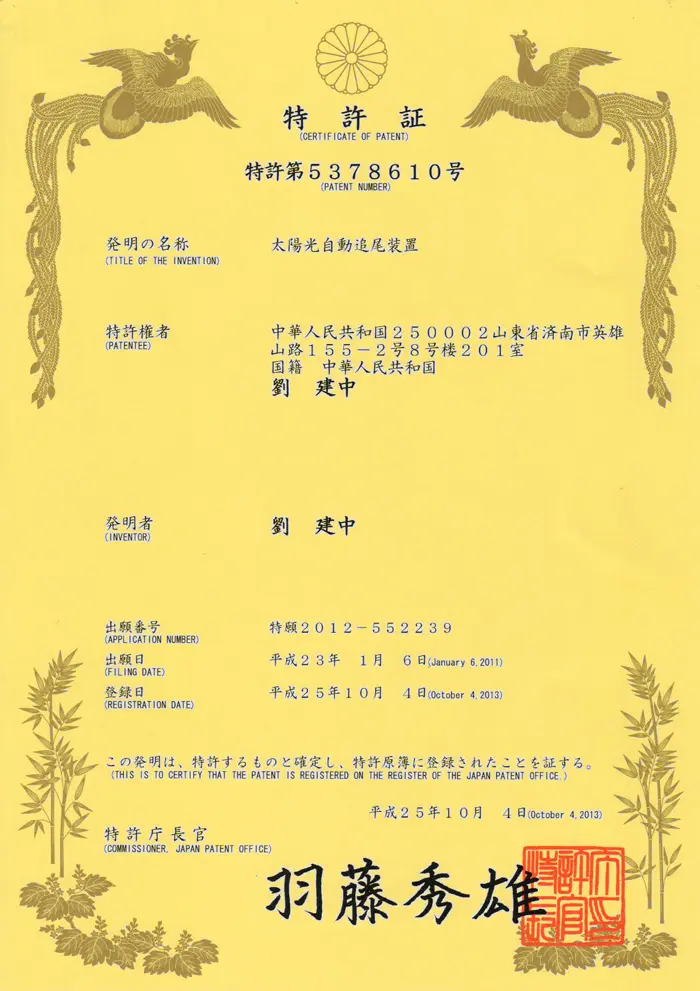
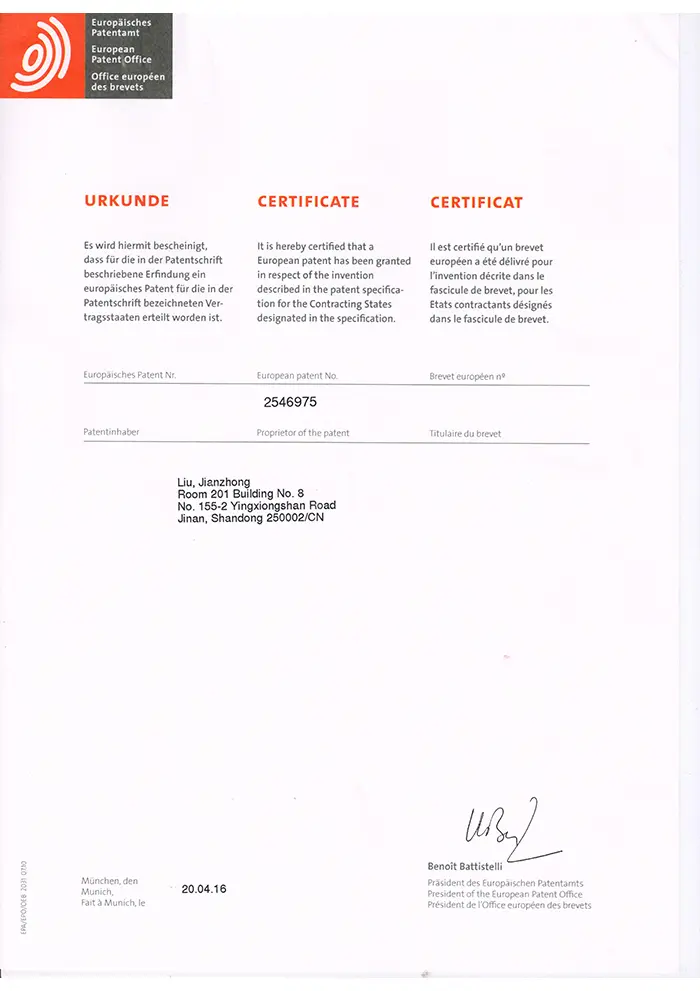
Explore some of our major utility-scale solar tracker projects across varying terrains, climates, and geographic regions.
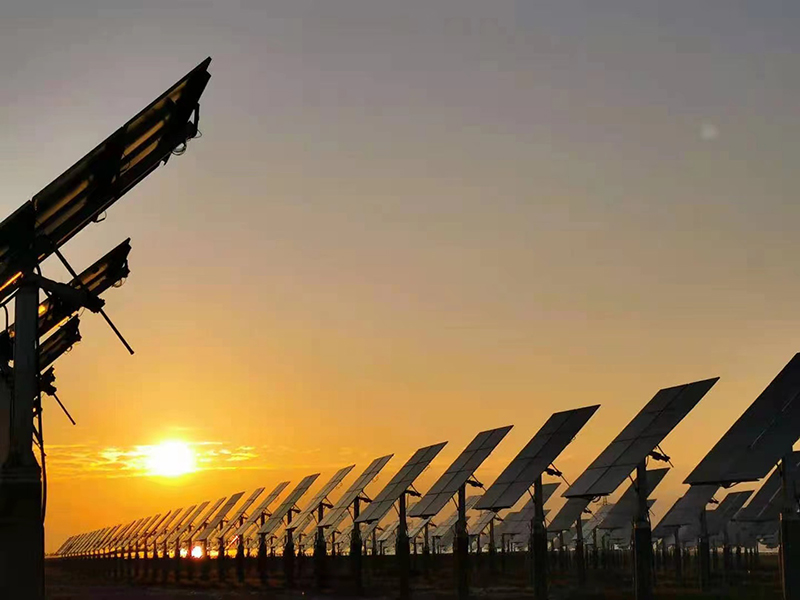
North China - Dual Axis System
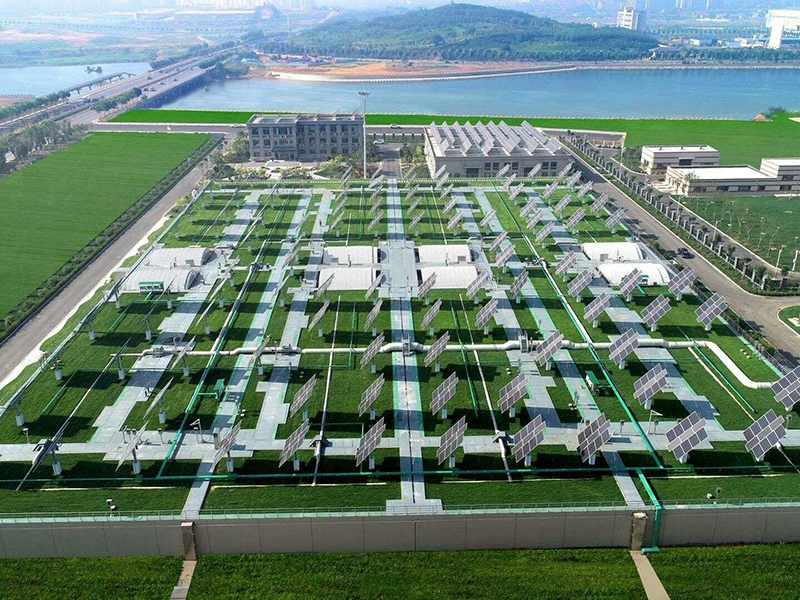
Rooftop Fixed Bracket Integration
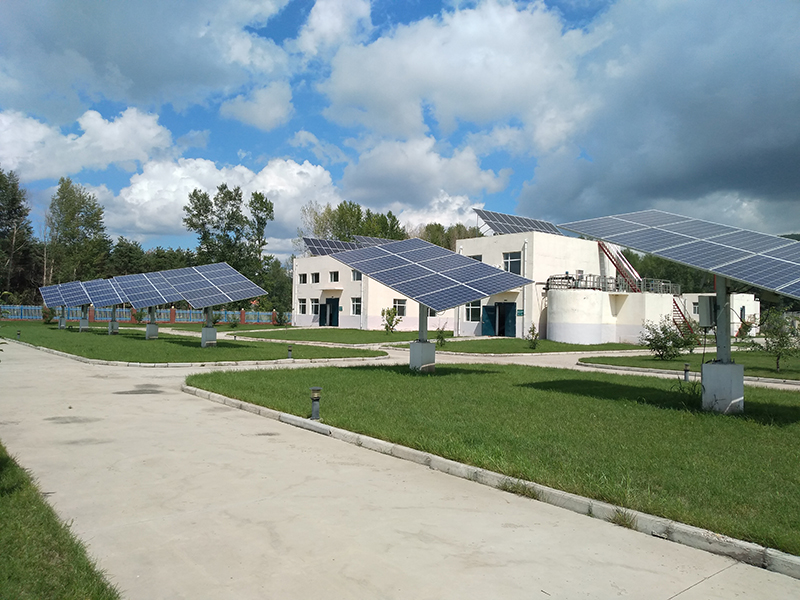
Urban Environment Solar Station
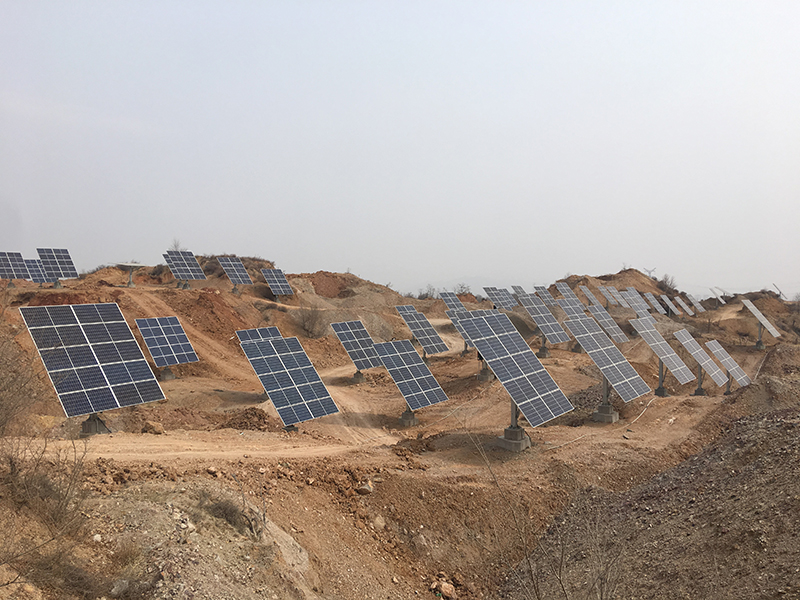
Sloped Terrain Installation
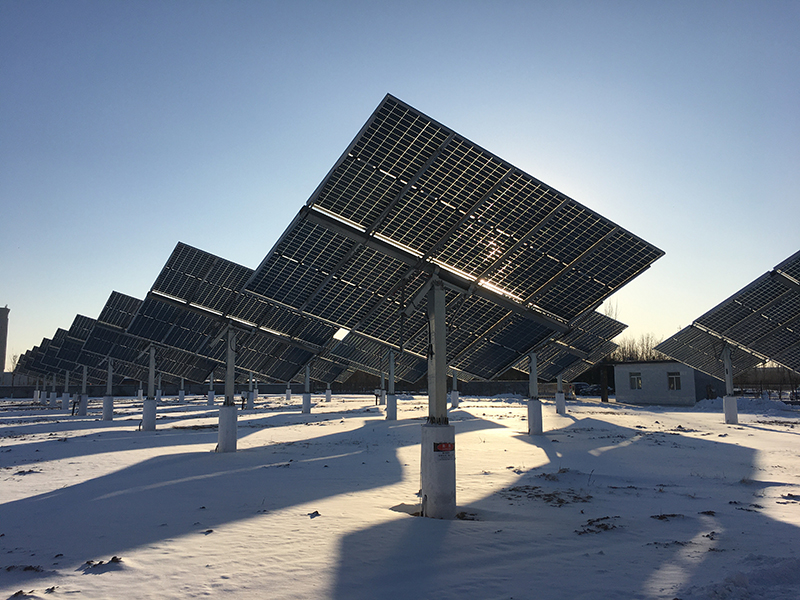
Heavy Snow Smart Backtracking
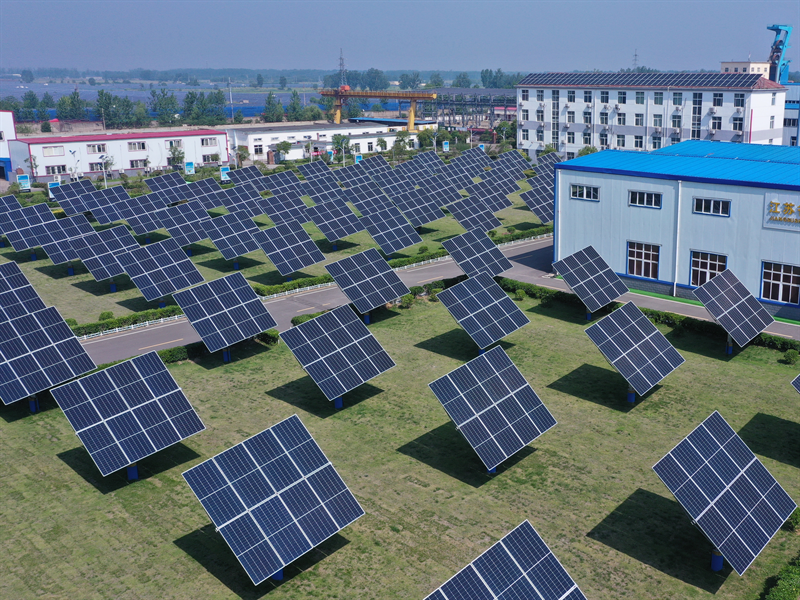
Dual Axis Direct Normal Irradiance Project
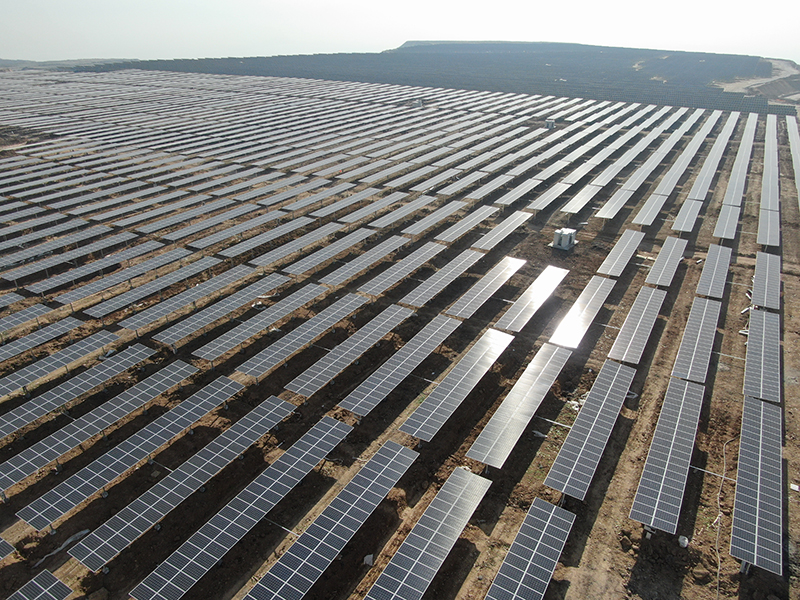
Central China - Single Axis Tracker
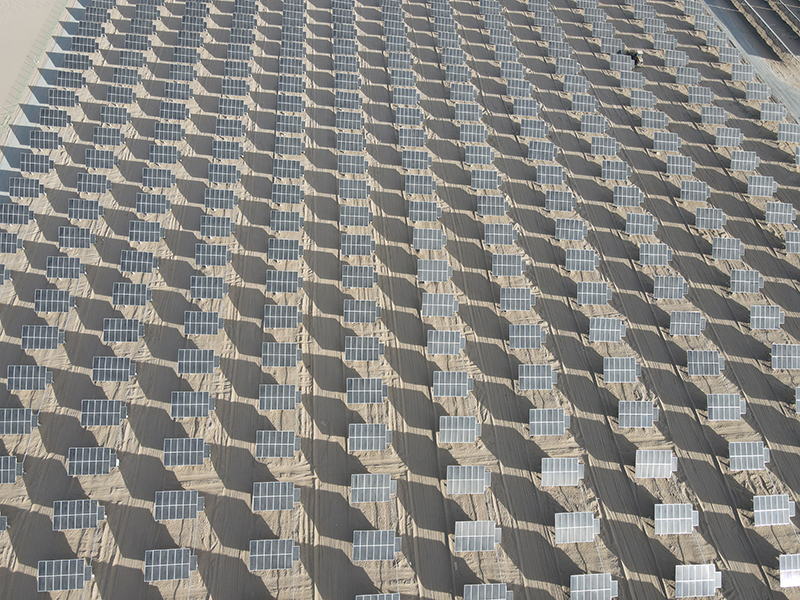
High Dust Tilted Single Axis System
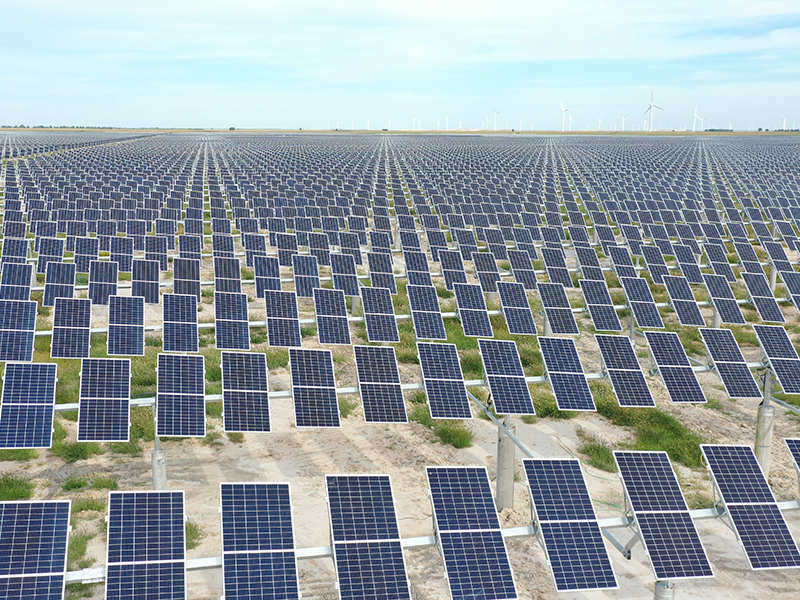
Flat Single Axis with Inclined Modules
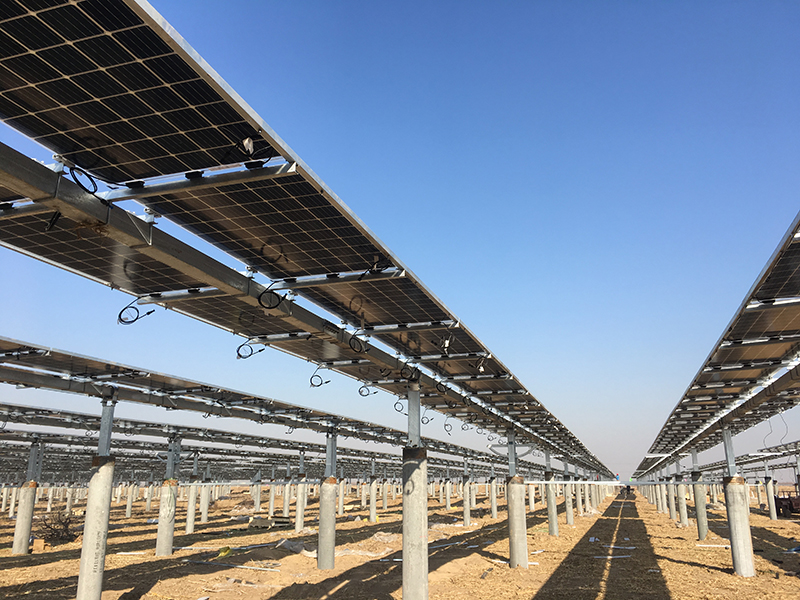
Bifacial Ground Gain Optimization
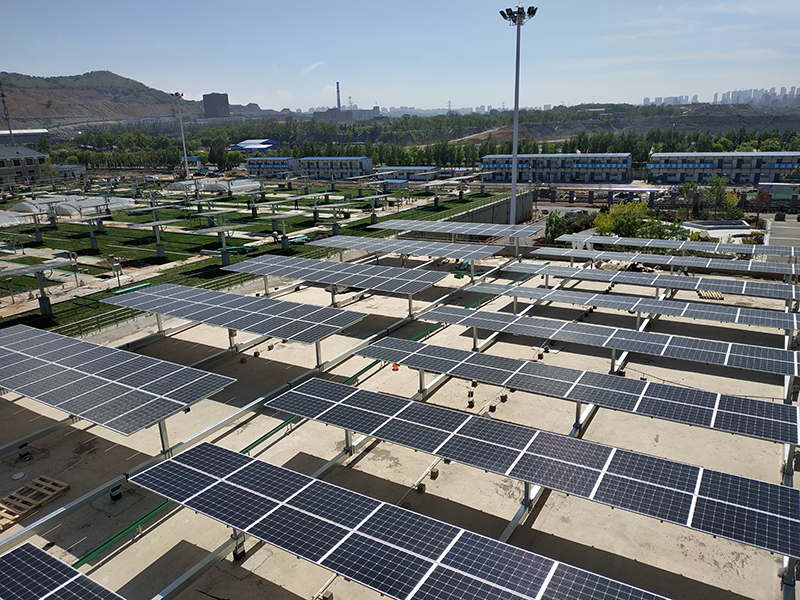
High Security Wind Stow System
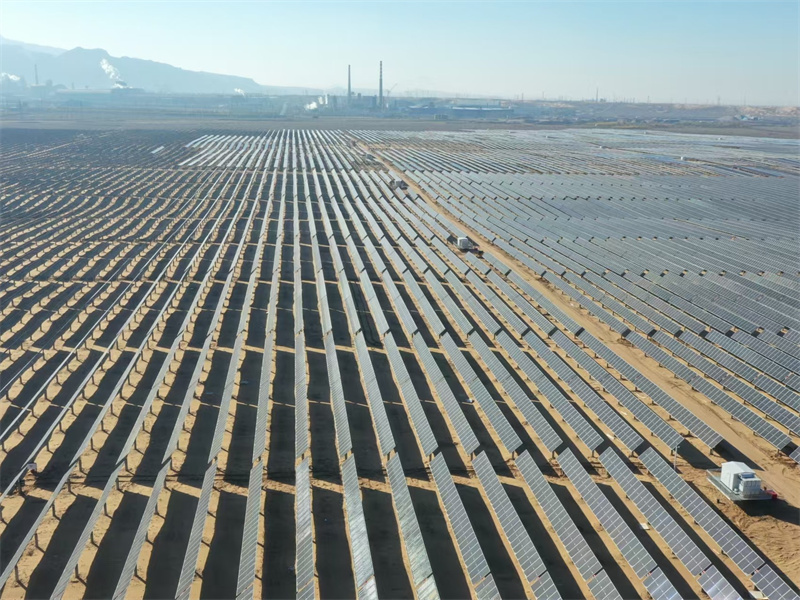
Desert Single Axis Commissioned Array
Watch our tracking systems operate dynamically, demonstrating automatic stow configurations and real-time solar tracking.
As structural engineering standards advance, the development of solar tracking systems is moving toward intelligent, closed-loop automation. Future system architectures will integrate sensors with predictive cloud algorithms to optimize performance under changing meteorological conditions.
Standard backtracking algorithms calculate position based on astronomical trigonometry, assuming perfectly flat terrains. However, natural variations in terrain slopes can cause inter-row shading on unlevel ground. Zhaori's next-generation trackers utilize digital elevation models (DEM) combined with real-time string monitoring to adjust individual tracker angles, preventing shadow casting and maximizing energy output.
Under heavy overcast skies, direct beam radiation decreases while diffuse sky radiation increases. Keeping trackers perpendicular to the sun during these conditions can limit yield. Intelligent trackers can automatically transition to a horizontal flat position to capture diffuse overhead light. Similarly, in high-wind conditions, the controller communicates with anemometer sensors to trigger a secure wind-stow angle (typically 30° to 45°), reducing structural loads and preventing resonance failure.
Bifacial modules capture light from both sides, making rear-side reflectivity (albedo) a key factor in overall yield. Standard torque tube geometries can create shadows on the rear side of these modules, reducing efficiency. Our updated tracker designs increase structural height and optimize torque tube placement to prevent rear-side shading, enhancing energy generation from ground-reflected light.
Professional technical answers regarding our flat single axis tracking systems, custom brackets, and manufacturing processes.
Explore our complete catalog of fixed brackets, single-axis trackers, and dual-axis tracking systems engineered for global solar installations.
Premium cost-to-performance single-axis tracking configurations ideal for flat terrain and low-slope terrains globally.
Unique design combining horizontal tracking movement with tilted module angles to maximize performance in high-latitude regions.
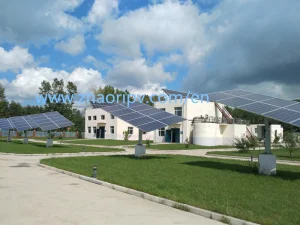
Cost-efficient semi-automatic dual axis configuration designed for optimized manual adjustment and long-term durability.
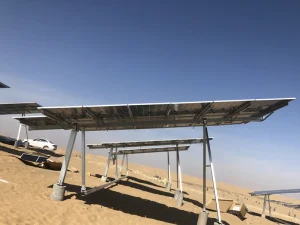
Designed for medium-latitude regions, utilizing tilted single-axis tracking to increase annual energy generation.
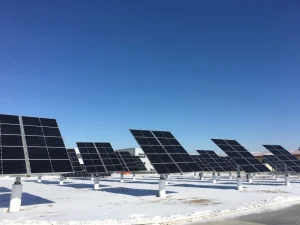
High-performance dual-axis tracking system engineered to follow the sun's path accurately, maximizing power output.
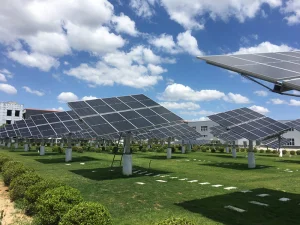
Heavy-duty dual axis trackers designed for utility-scale solar projects, maximizing energy collection across all seasons.
Real-time astronomical tracking system capturing direct normal irradiance (DNI) with dual degrees of freedom for up to 40% yield gains.
Highly efficient single-portrait tracker optimized for high-power modules, offering reduced installation costs and easy maintenance.
 Zhaori