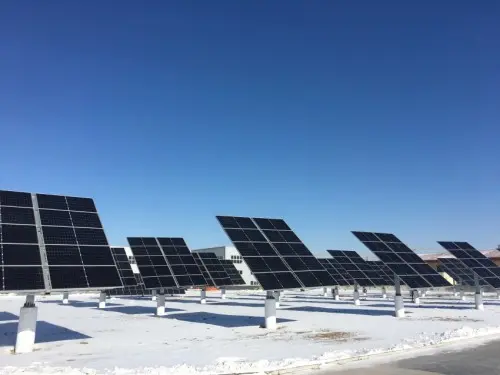
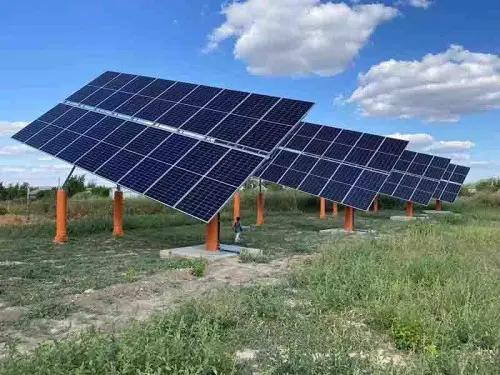
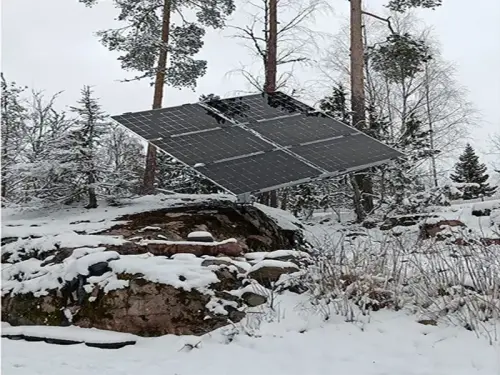
The global solar energy landscape is undergoing a seismic shift from passive fixed-tilt installations to active, intelligent tracking systems. As of 2024, the solar tracker market is projected to grow at a CAGR of over 14%, driven by the urgent need to lower the Levelized Cost of Energy (LCOE). Dual-axis trackers, once considered niche due to complexity, have emerged as the gold standard for high-latitude regions and high-efficiency utility projects where maximizing Direct Normal Irradiance (DNI) is paramount.
In China, the epicenter of photovoltaic manufacturing, exporters like Shandong Zhaori New Energy Tech. Co., Ltd. are redefining industry benchmarks. By integrating GPS-based astronomical algorithms and sensor-fusion technologies, modern dual-axis systems can increase power yields by 30% to 40% compared to stationary arrays. This "Information Gain" in energy capture is critical for the economic viability of green hydrogen production and large-scale industrial decarbonization.
Utilizing CNC machining and robotic welding to ensure structural integrity in extreme wind loads (>150km/h).
Real-time backtracking algorithms and diffuse light optimization for rainy or cloudy environments.
Achieve up to 40% higher energy generation by maintaining a perfect 90-degree angle to the sun throughout the day.
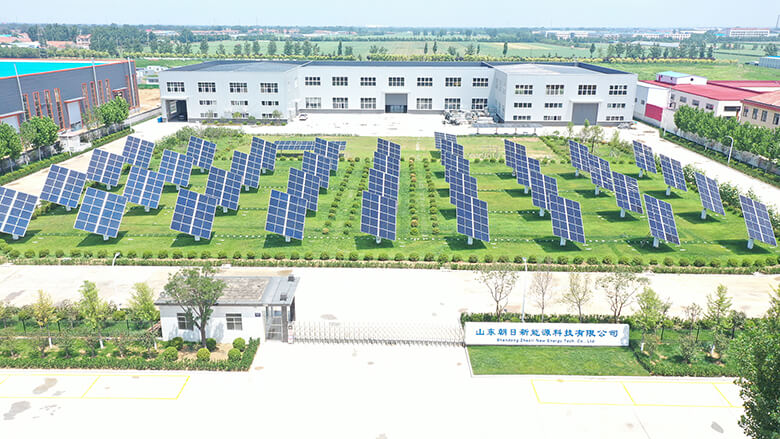
Founded in June 2012, we are a high-tech company anchored by independent intellectual property rights. Our team has focused on solar tracking technology for over a decade, maintaining 10 specialized departments including R&D, Quality Assurance, and I.M.D. to ensure every tracker meets rigorous global standards.
Our factory utilizes advanced CNC machine tools, laser cutting, and automatic welding robots to produce high-precision solar brackets. From raw material screening to anti-rust treatment and final inspection, every step follows the ISO quality management system.
The roadmap for China's Dual-Axis Tracker industry is centered on Smart O&M (Operation and Maintenance) and Material Optimization. We are moving beyond simple time-based tracking toward environmental-aware systems that adapt to snow loading, high winds, and bifacial module albedo optimization.
Enhanced galvanization and the use of high-strength low-alloy steel to extend product lifespan to 25+ years in corrosive environments.
Integration of IoT sensors to monitor torque, motor health, and real-time solar irradiance for predictive maintenance.
Implementation of neural networks to optimize tracking in complex terrains and fragmented cloud conditions, maximizing every photon.
Our product principle is: Simple, Reliable, and Effective.
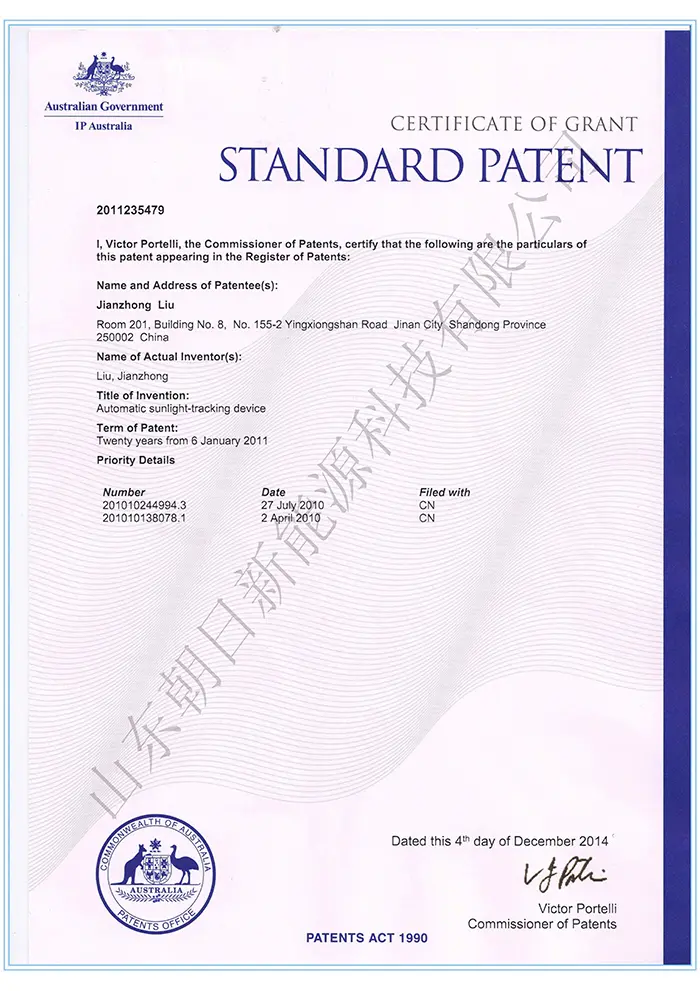
Our portfolio includes stationary brackets, adjustable PV brackets, flat single-axis, tilted single-axis, and the flagship dual-axis tracking systems. With patents from the European Patent Office, USA, Canada, Australia, Japan, and more, we hold 8 Chinese National Invention Patents and 30+ Utility patents, backed by TUV, CE, and ISO certifications.
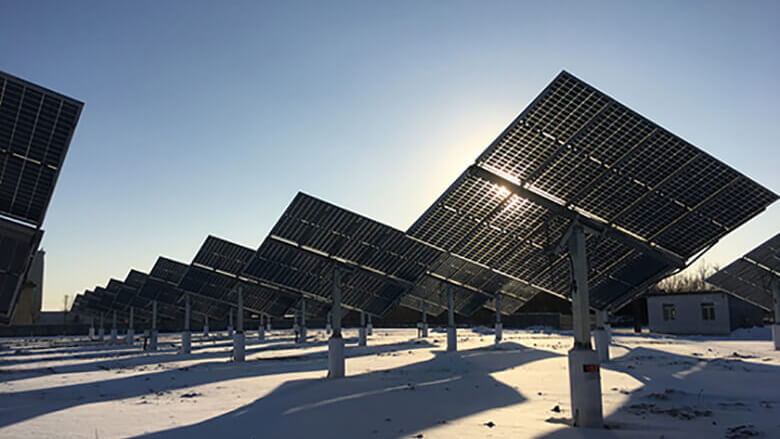
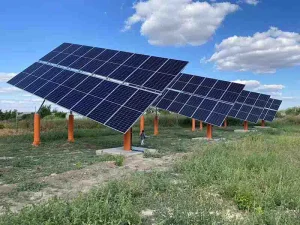
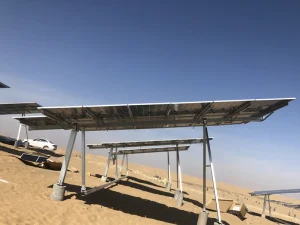
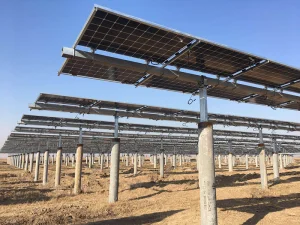
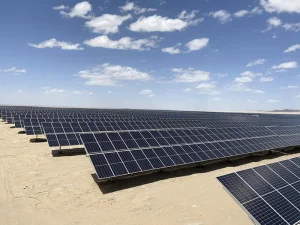
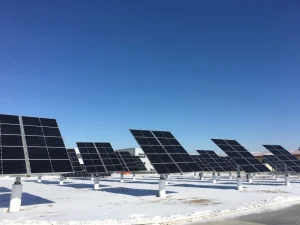
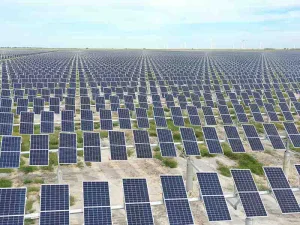
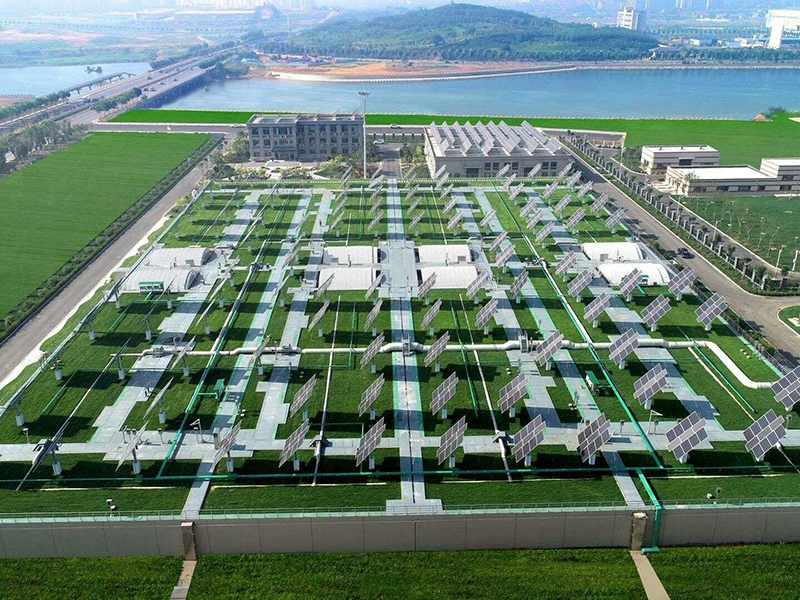
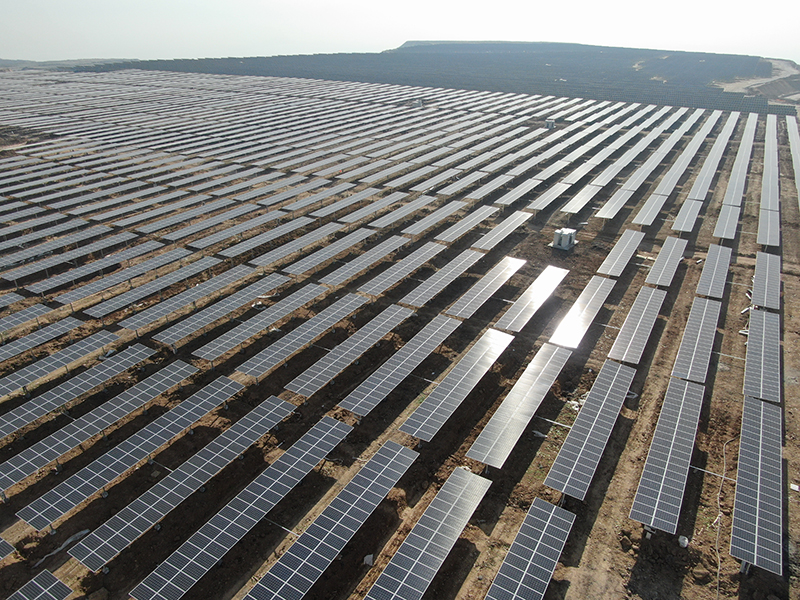
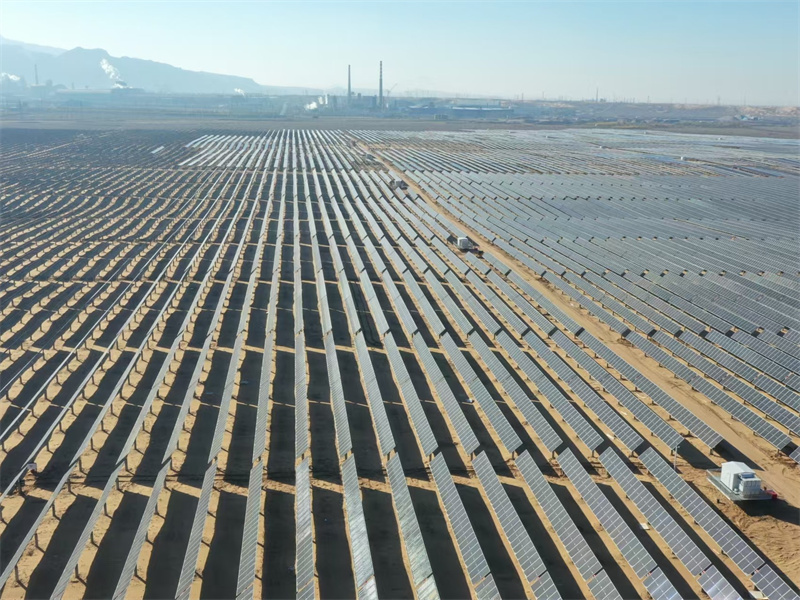
Massive 100MW+ projects in desert regions (Gobi, Sahara) where dual-axis trackers maximize output in high-heat, high-clearance areas.
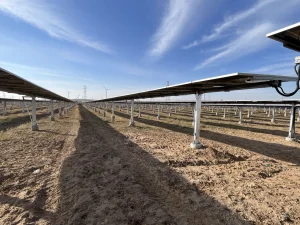
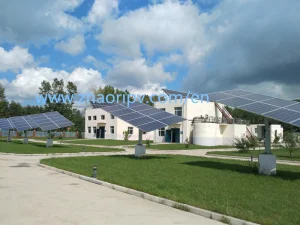
The high clearance of ZRD trackers allows for agricultural machinery to operate underneath, enabling dual land use for food and energy.
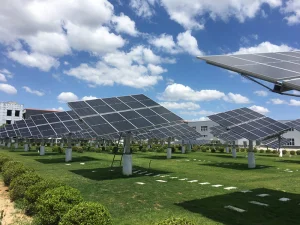
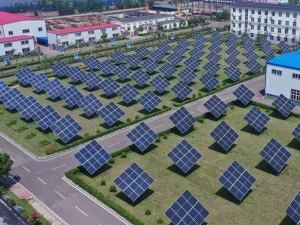
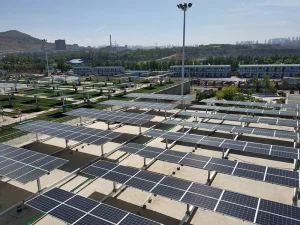
Commercial factory projects designed to offset peak electricity prices through high-precision solar harvesting.
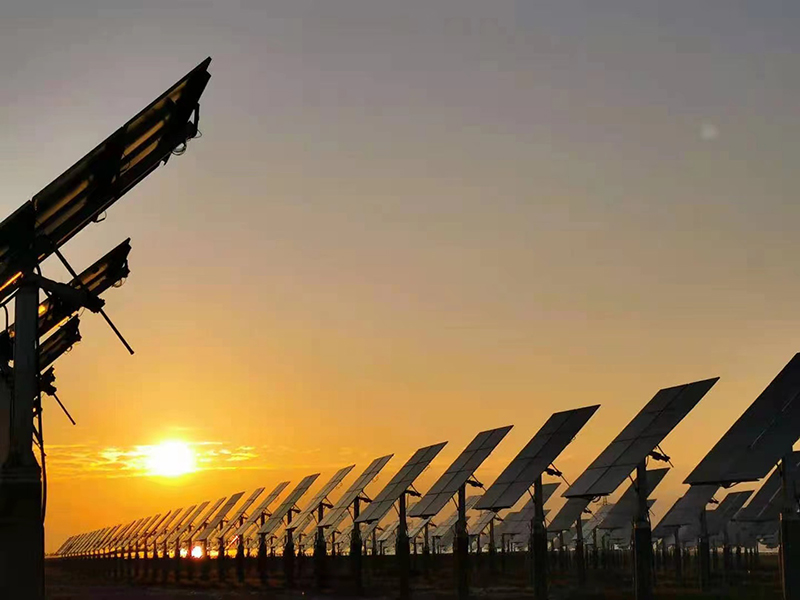
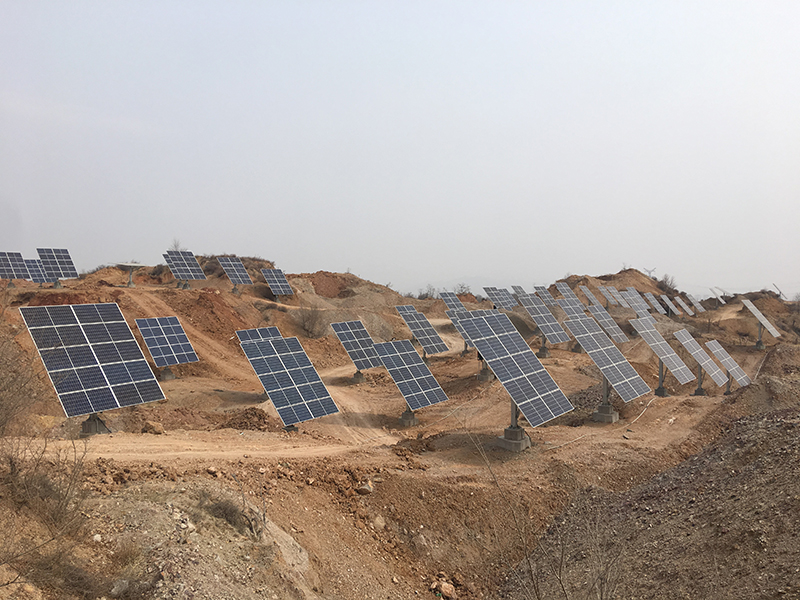
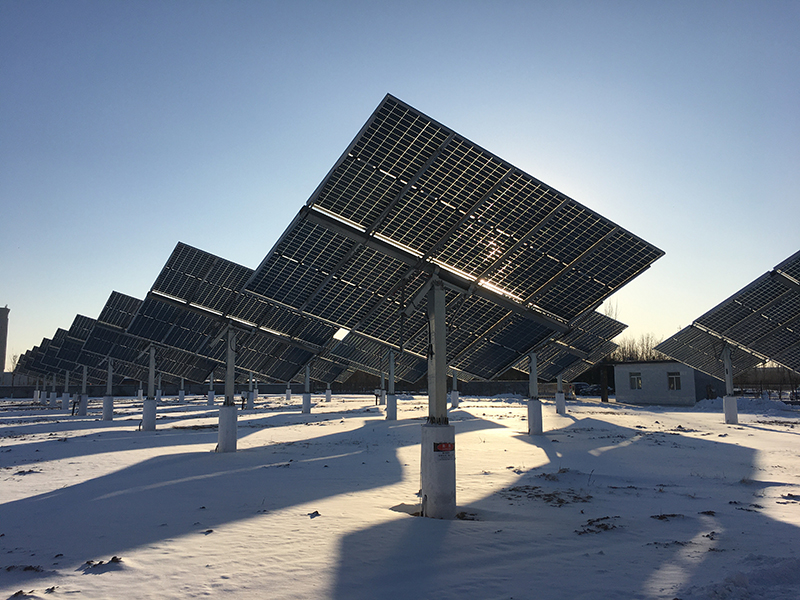
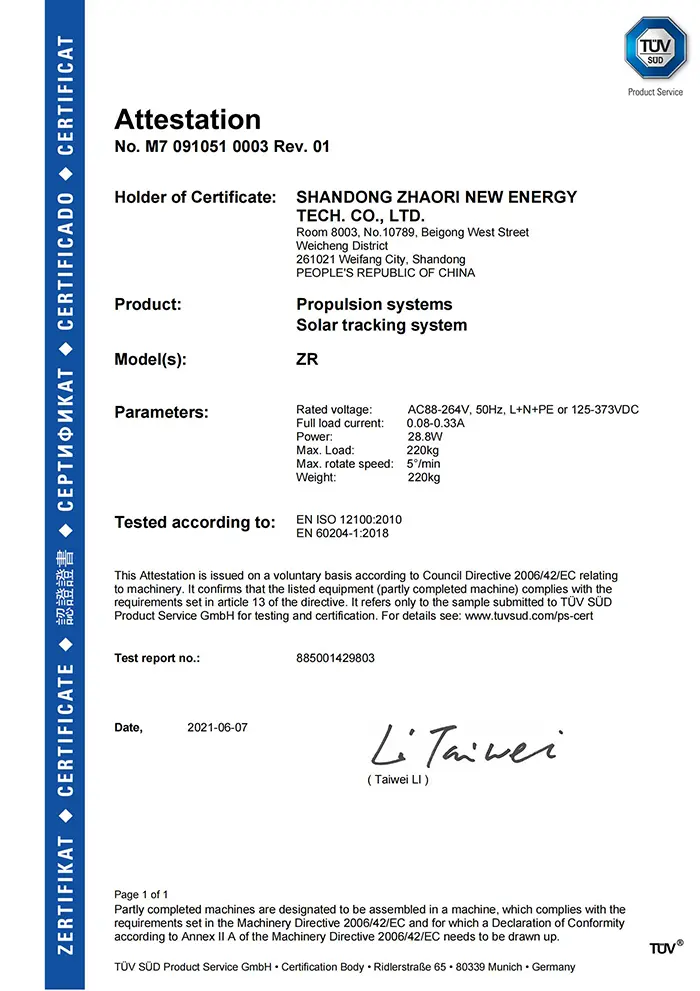
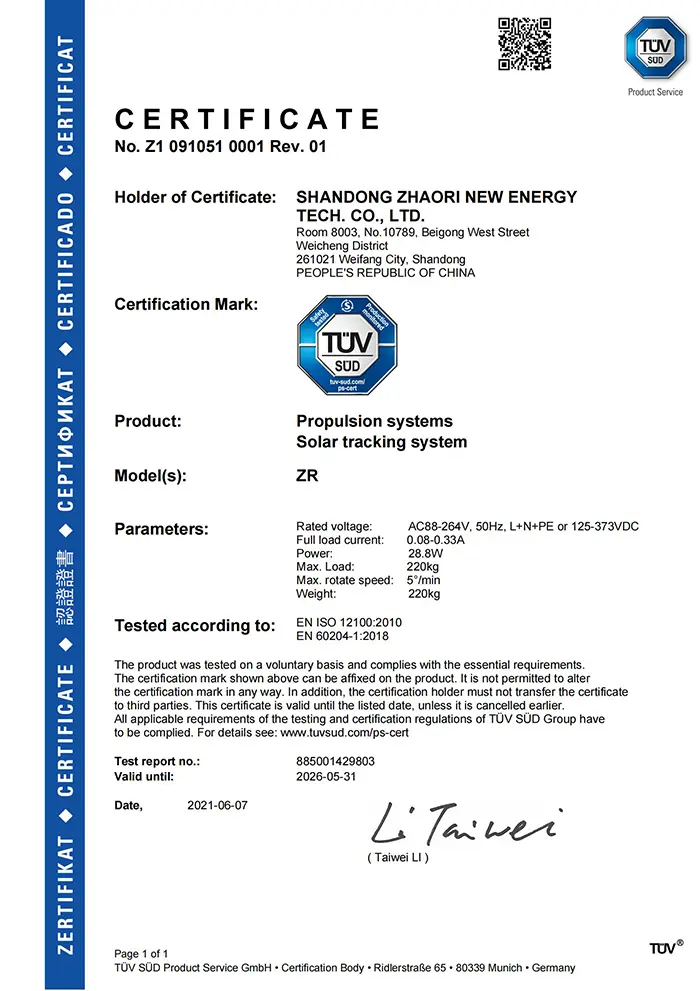
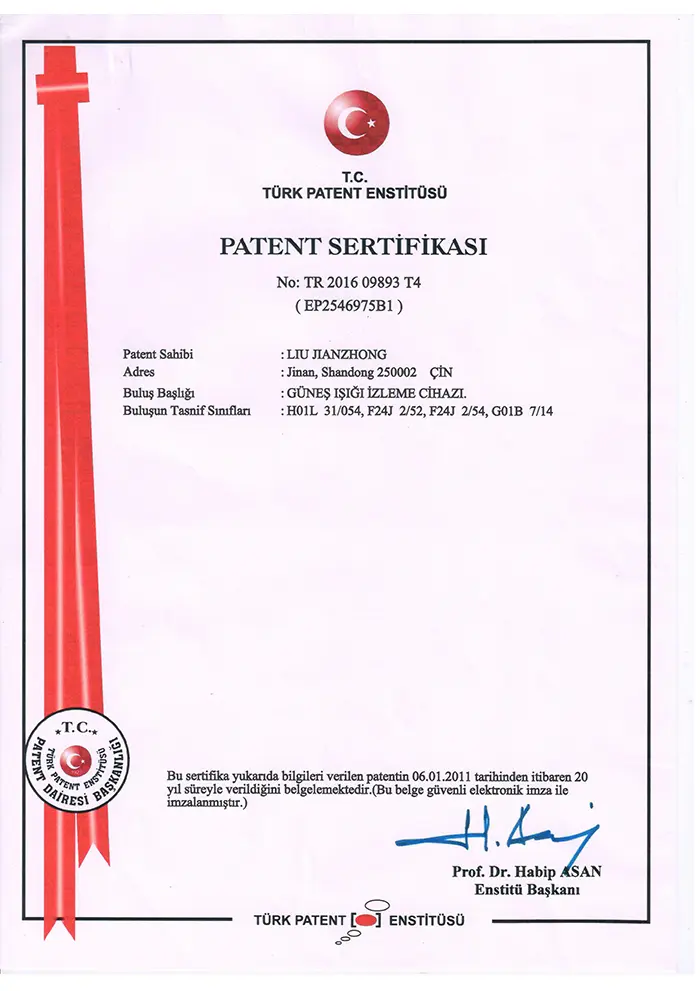
A: Typically, our ZRD series dual-axis systems provide 30% to 40% more energy output compared to fixed-tilt systems. In high-latitude regions, this gain can be even higher during winter months.
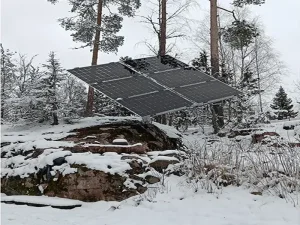
A: Our systems include an automated "Stow Mode." When wind speeds exceed safety thresholds or snow sensors detect accumulation, the panels automatically move to a horizontal or high-tilt position to minimize wind resistance and shed snow load.
A: Thanks to our "Simple and Reliable" design principle, maintenance is minimal. We recommend semi-annual inspections of mechanical joints and lubrication. The electronic controllers are modular for easy replacement if needed.
A: Yes! Our tracking algorithms specifically account for ground-reflected light (Albedo), optimizing the angle of the modules to maximize energy harvest from both the front and rear sides.
 Zhaori