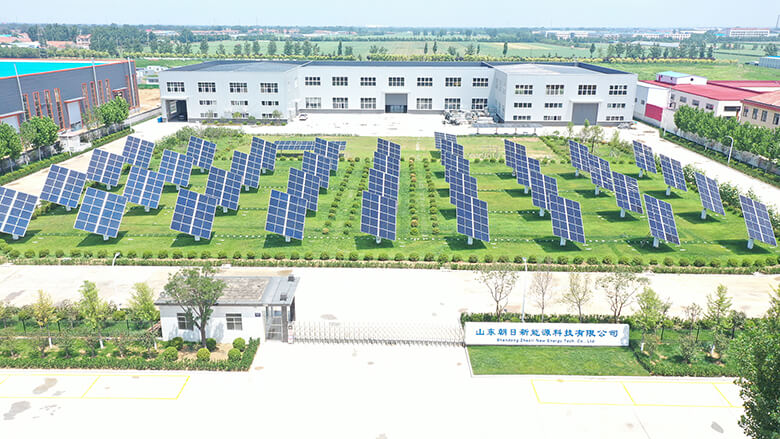
Founded in June 2012, we are a leading high-tech enterprise focused on independent intellectual property rights in solar tracking technology. With over 10 departments—including specialized R&D, Quality Assurance, and Engineering—we operate with a team of 60+ technical experts and 300+ production specialists dedicated to photovoltaic innovation for over a decade.
Our facility is equipped with state-of-the-art CNC machine tools, laser cutting systems, and automatic welding robots. We maintain a monthly production capacity of 500MW, ensuring that every 2P tracker is manufactured under strict TUV, CE, and ISO quality management systems. From raw material screening to final anti-rust treatment, precision is our standard.
In the evolving landscape of utility-scale solar projects, the choice between 1P (One-Portrait) and 2P (Two-Portrait) tracking systems has become a critical decision for EPCs and developers. As a leading China 2P Tracker Manufacturer, we emphasize that the 2P configuration is not just a layout choice—it is a structural strategy to maximize Bifacial Gain and reduce Levelized Cost of Energy (LCOE).
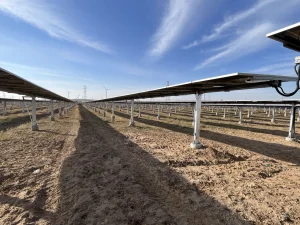
2P trackers allow for more modules per row (up to 60-90 panels), significantly increasing the GCR (Ground Coverage Ratio) on sites with limited space or irregular terrain.
With no torque tube directly behind the cells in a 2P setup, back-side shading is minimized, leading to a 5-10% higher bifacial energy yield compared to traditional 1P systems.
While the structure is more robust, the reduction in the total number of foundations, drive systems, and motors reduces the overall Balance of System (BoS) costs for large-scale deployments.
Worldwide, procurement departments are shifting toward "intelligent" tracking. In regions like MENA (Middle East) and Australia, where wind loads are extreme, 2P trackers are favored for their stability. Meanwhile, in European markets (Germany, Spain), the focus is on "Agrivoltaics"—where 2P trackers provide the necessary clearance for agricultural machinery beneath the panels.
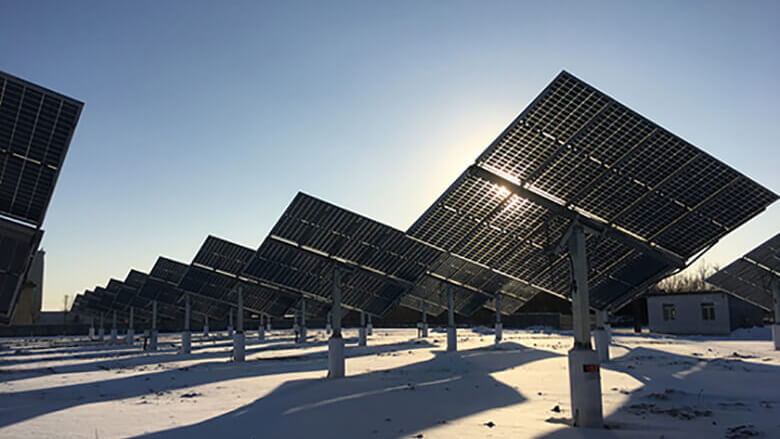
Our 2P Flat Single Axis Solar Tracker (ZRP series) features a unique linked row type or single row independent type. It provides a 15% to 30% production gain over fixed-tilt systems. The design prioritizes maintenance-free components, utilizing self-lubricating bearings and advanced weatherproofing for desert or coastal environments.
The next generation of Zhaori 2P Trackers incorporates AI-driven algorithms. Traditional tracking follows the sun's position purely via GPS; our new tech route uses:
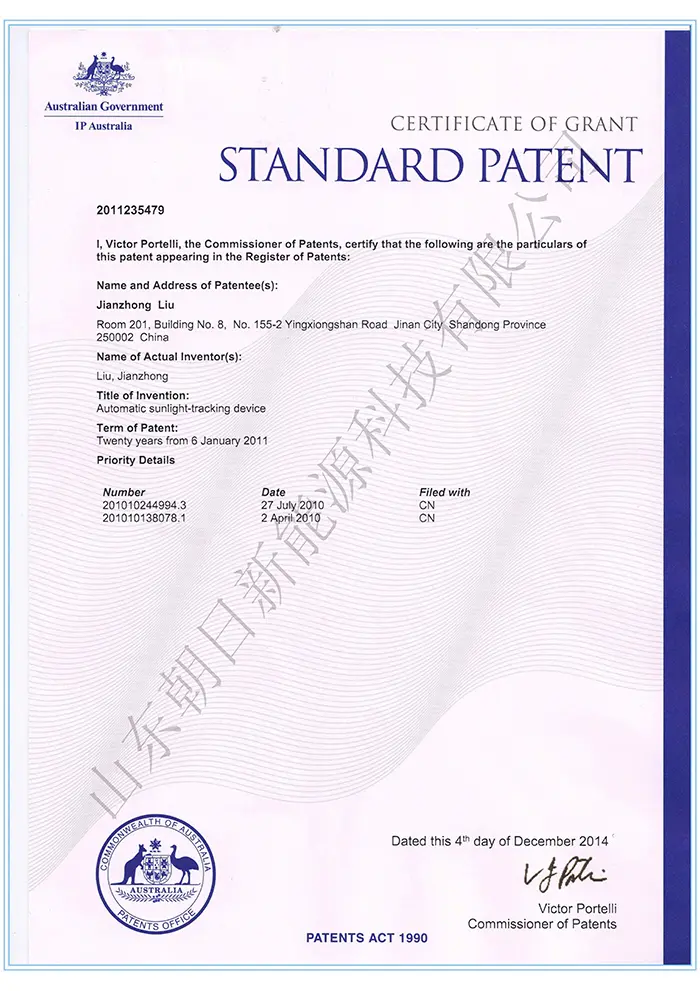
EEAT Insight: Our products hold patents in the USA, Canada, Australia, Japan, South Korea, and the European Patent Office, proving our global technical authority.
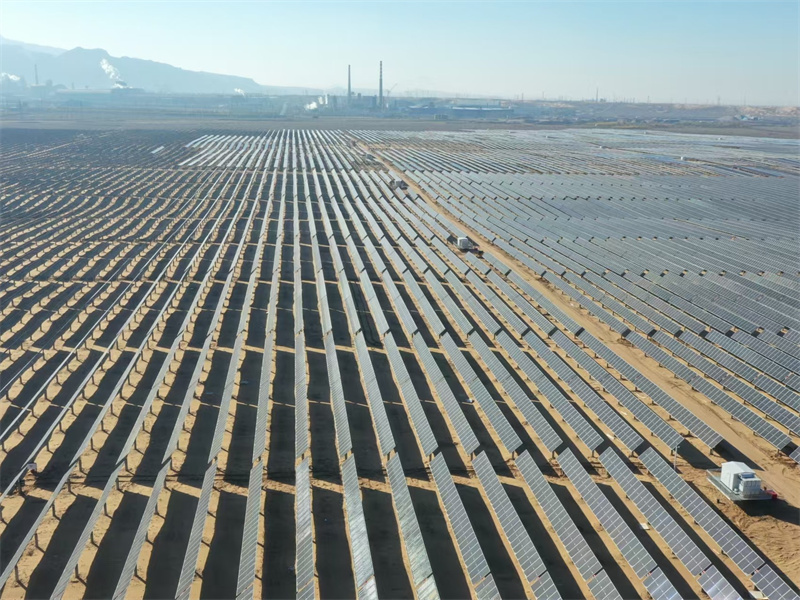
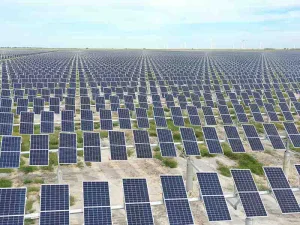
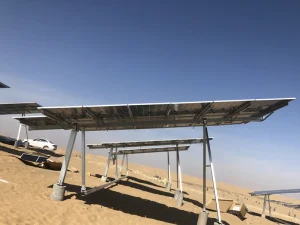
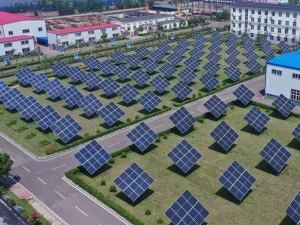
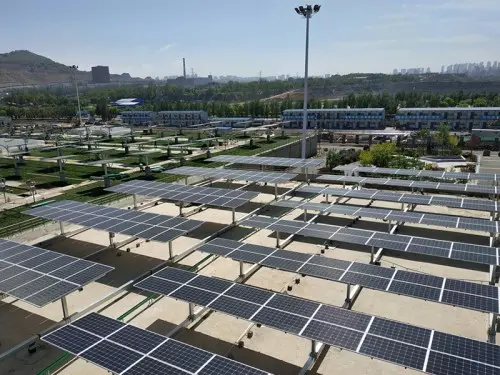
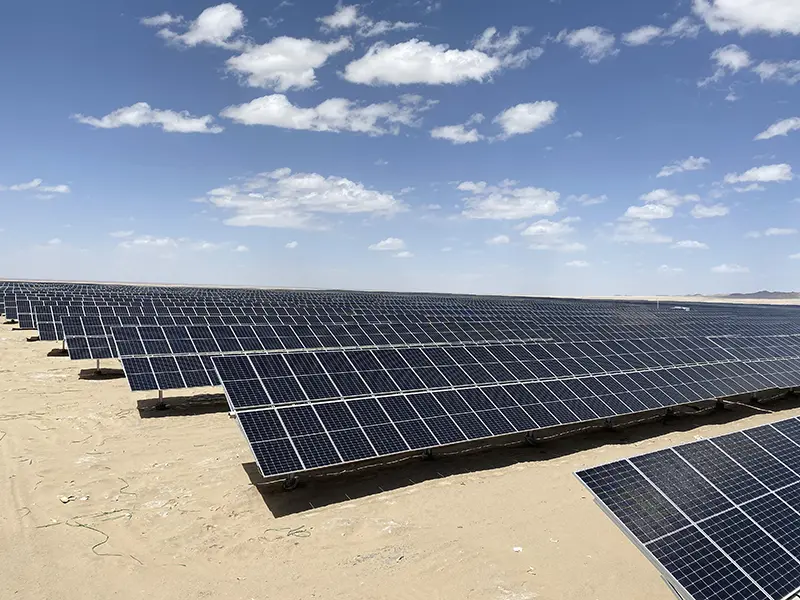
One of our largest deployments showcasing high durability in high-temperature, sandy environments.
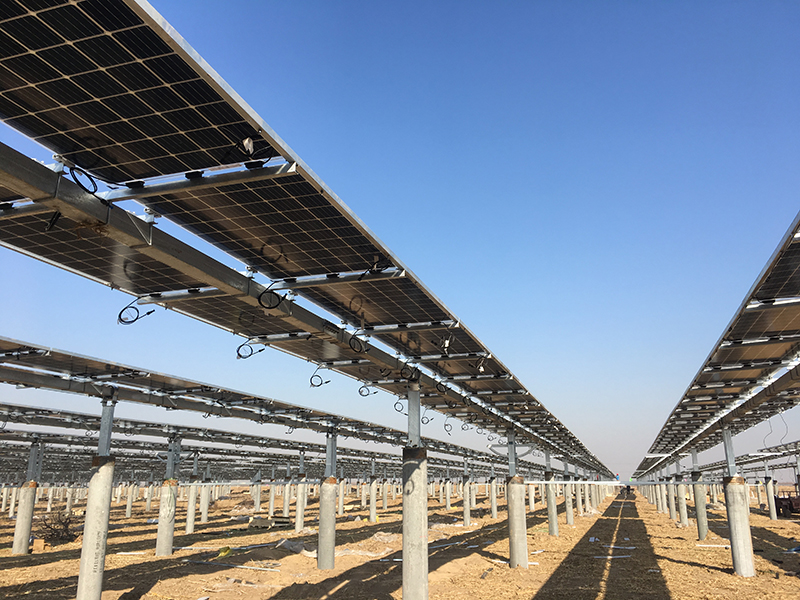
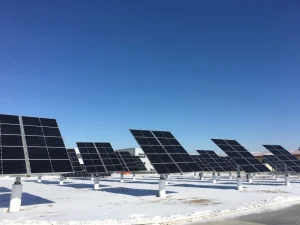
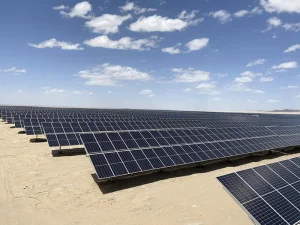
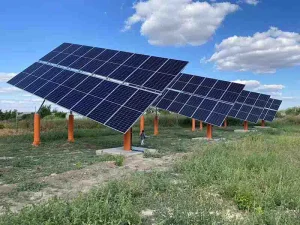
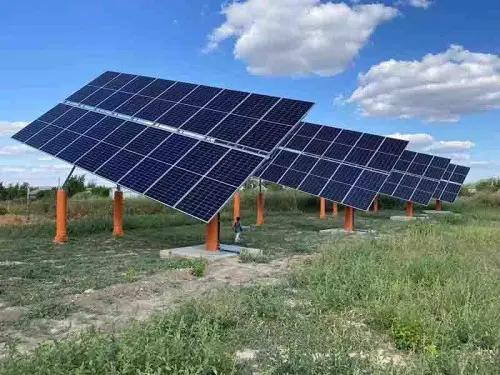
Optimized 2P configuration for maximum energy harvest using double-glass bifacial modules.
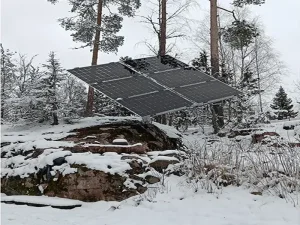
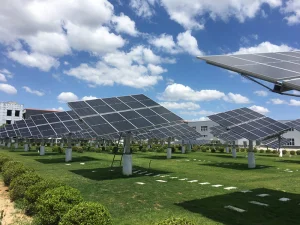
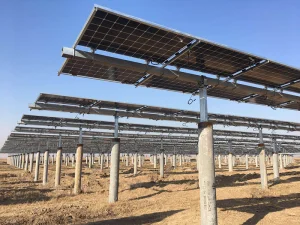
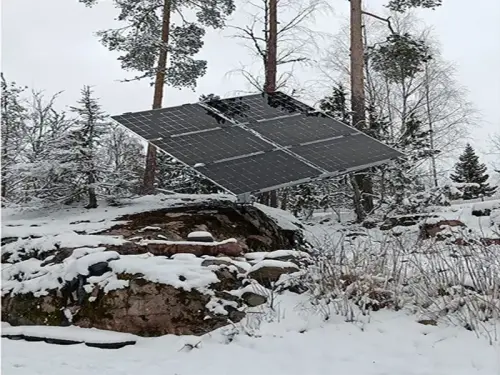
Utilizing our patented tilted single-axis technology to conquer steep 15-20° slopes.
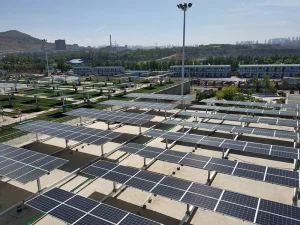
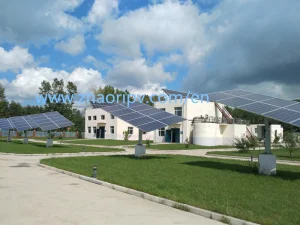
From 5MW factory projects in North China to 40MW ZRPT flat systems, our experience spans residential, commercial, and utility-scale sectors.
Entering international markets requires more than just a good product. As a 2P Tracker Manufacturer with a global vision, we provide:
The 1P system (One-in-Portrait) is ideal for standard utility sites with moderate wind. The 2P system (Two-in-Portrait) is specifically engineered for bifacial module maximization and better land utilization (GCR). Our 2P system reduces the number of structural piers by nearly 40% per megawatt.
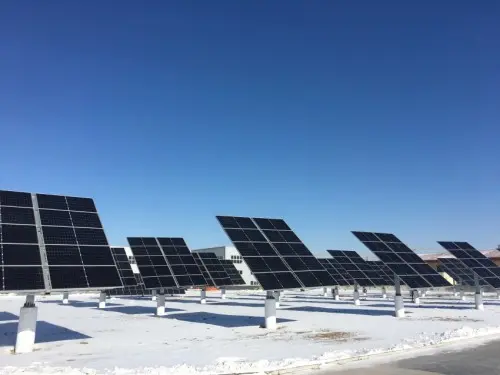
Our trackers feature a "Stow Mode" triggered by integrated anemometers. In high winds, the panels move to a zero-degree horizontal position to reduce uplift. For snow, they tilt to a 45-60 degree angle to shed load automatically.
Yes. Our controller supports Modbus RTU/TCP protocols, allowing seamless integration with most utility-scale SCADA and monitoring platforms for real-time tracking health data.
Our structures are hot-dip galvanized for a 25-year service life. We offer a standard 10-year warranty on the structural components and a 5-year warranty on the drive and control systems.
 Zhaori